 @leftsidestory@mstdn.social
2026-10-20 08:18:28
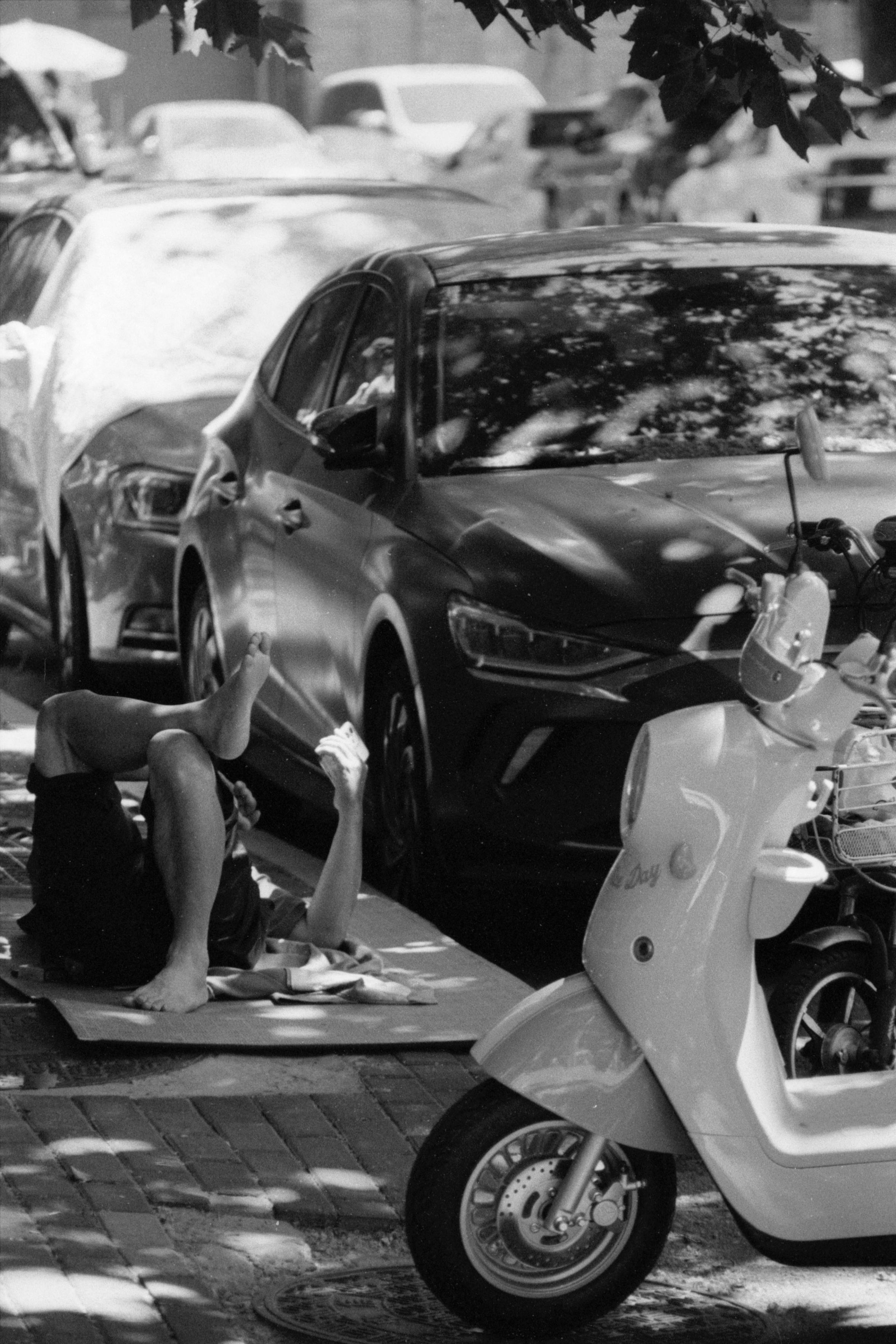
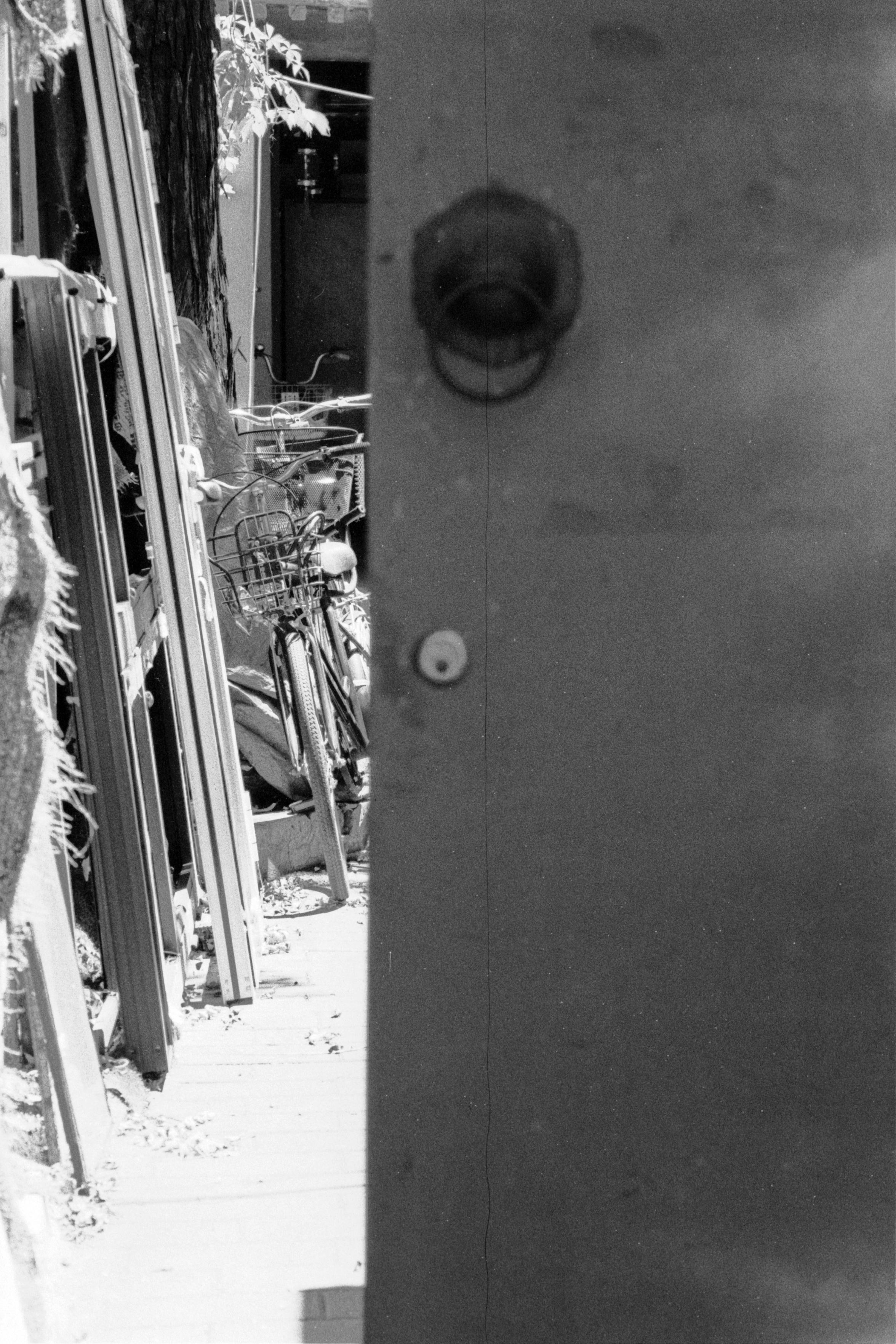
Corners of Life V 🎆
生活的角落 V 🎆
📷 Nikon F4E
🎞️ Lucky SHD 400
If you like my work, Support by buying me a coffee or a roll of film from
PayPal paypal.com/paypalme/ydcdingsite€
Wise wise.com/pay/me/yidingc€
#filmphotography #photography


 @Techmeme@techhub.social
2026-10-23 10:40:44
Sources: Anthropic and London-based PE firm Hg agree to launch a consultancy by the end of 2026 to embed AI consultants and engineers into European businesses (Financial Times)
https://www.ft.com/content/df70bf20-e809-48d0-8485-f8f514a7fbc4
 @padraig@mastodon.ie
2026-10-23 12:00:05
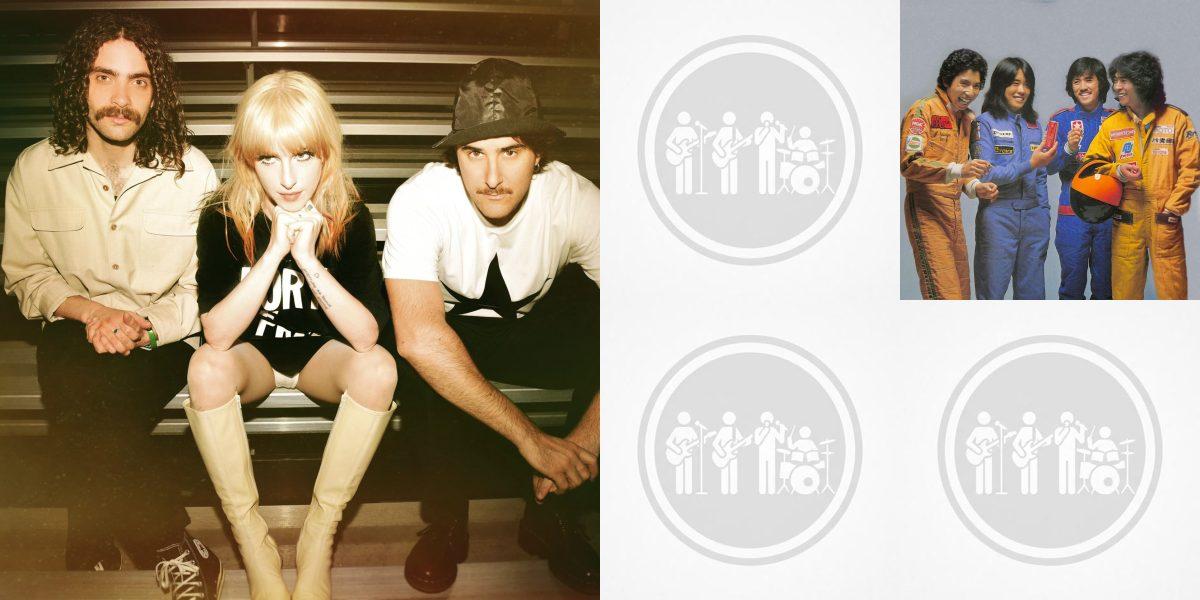
♫ Top 5 artists of the Last.week: Paramore (51) ACTIVE PRESENCE (8) Casiopea (6) Akira Jimbo (5) Casiopea 3rd (3). #myweekcounted 107 Scrobbles with Lastfm #music via @……
 @callunavulgaris@mastodon.scot
2026-10-22 13:24:57
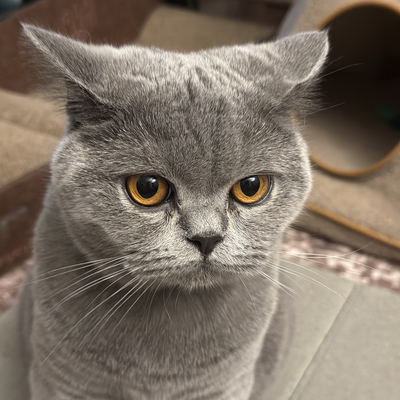
Totally agree with this. Giving blood is a pretty straightforward process and makes a huge difference, especially if you are a rarer and quite awesome blood type such as O-, the universal donor. #GiveBlood
@…
 @david@boles.xyz
2026-10-21 12:05:16
The Dead Already Paid for Washington Square Park
New York University made an announcement this week. The school pledged $6 million over four years to the Washington Square Park Conservancy, the nonprofit steward of the nine-and-three-quarter-acre square at the foot of Fifth Avenue....
https://
 @rcassano@mastodon.world
2026-09-18 22:03:38

 @jonippolito@digipres.club
2026-08-18 15:55:00
@aiappsapi@mastodon.social I agree that per-query values have limited meaning given all the variability in the context of how they're used.
That said, although I don't know an empirical study of this, I think there are many contexts in which a cheaper model has a much lower footprint. In fact, a recent study out of Stanford et al. found re-reading context was one of the reasons agentic tasks blew up compute
@david@boles.xyz2026-10-20 13:06:37
The Last Free Acre
The last homestead patent in American history is dated May 5, 1988. It went to Kenneth Deardorff, a Vietnam veteran from California who had filed his claim fourteen years earlier on eighty acres along the Stony River in southwestern Alaska, near the village of Lime....
https://bolesblogs.com…
 @david_colquhoun@mstdn.social
2026-09-09 22:06:57
Please read this superb post by @deevybee.bsky.social
I agree with every word of it.
Science is endangered by the demand for speed and by AI slop.
https://deevybee.blogspot.com/2025/10/a-leap-into-future-or-off-cliff.html
@rcassano@mastodon.world2026-10-14 21:21:55
Depois de muito tempo, finalmente consegui corrigir a integração do @… com o Fediverso. O problema era uma restrição de segurança de meu provedor de hospedagem.
Com ajuda do "Claudinho", fizemos uma gambiarra via Cloudfare e pimba! Agora o perfil e os posts aparecem aqui.