 @detondev@social.linux.pizza
2026-07-14 19:01:01
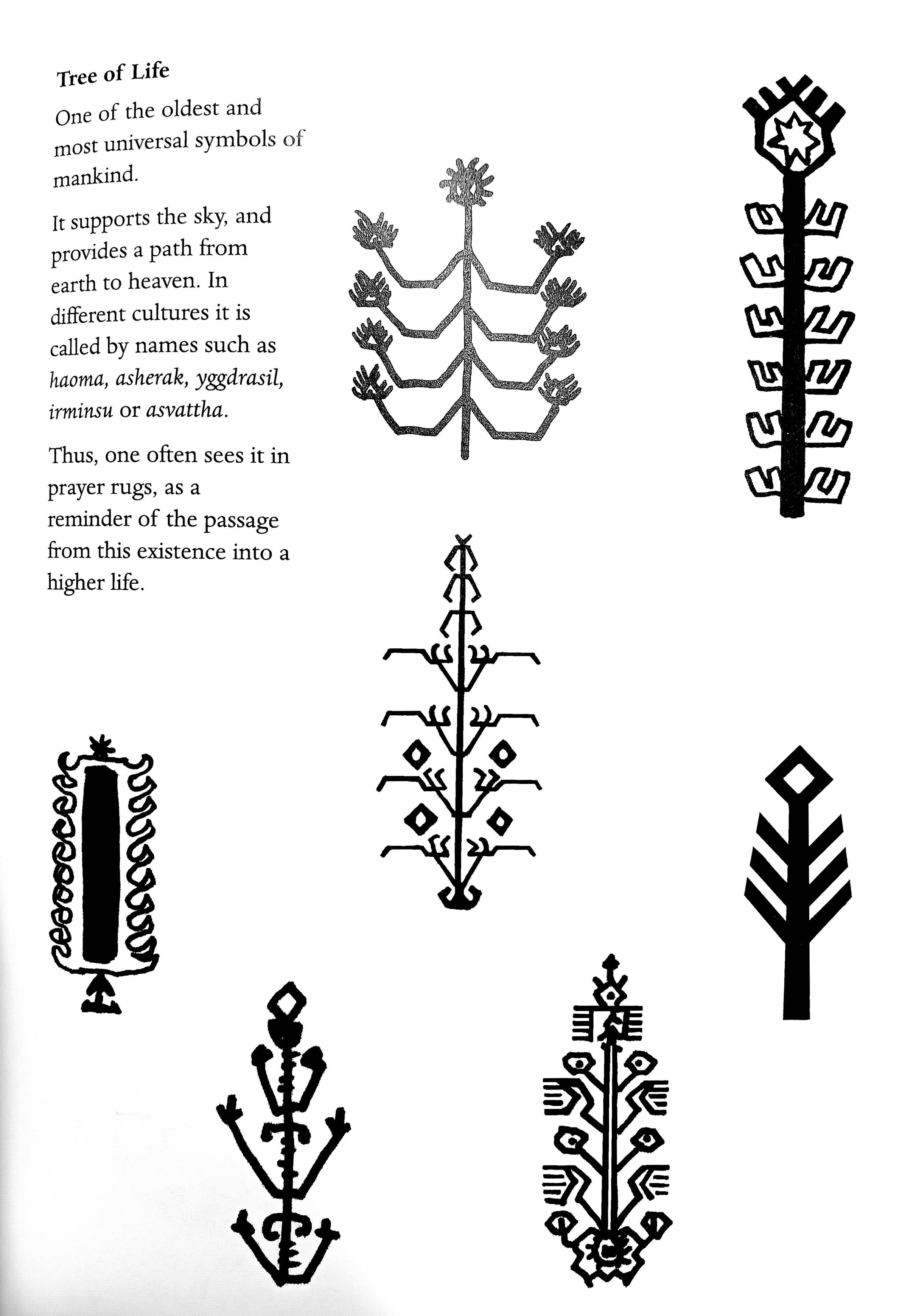
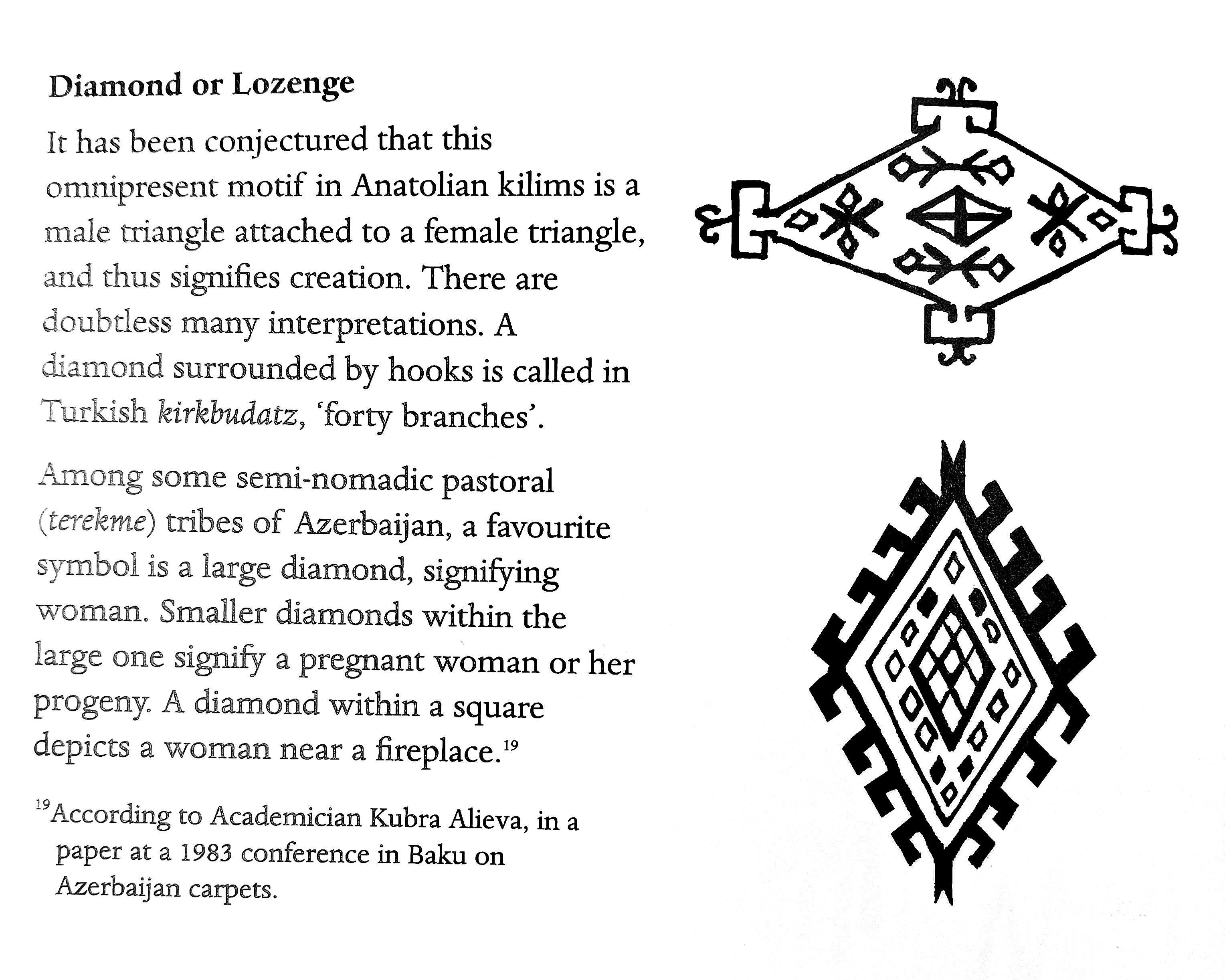
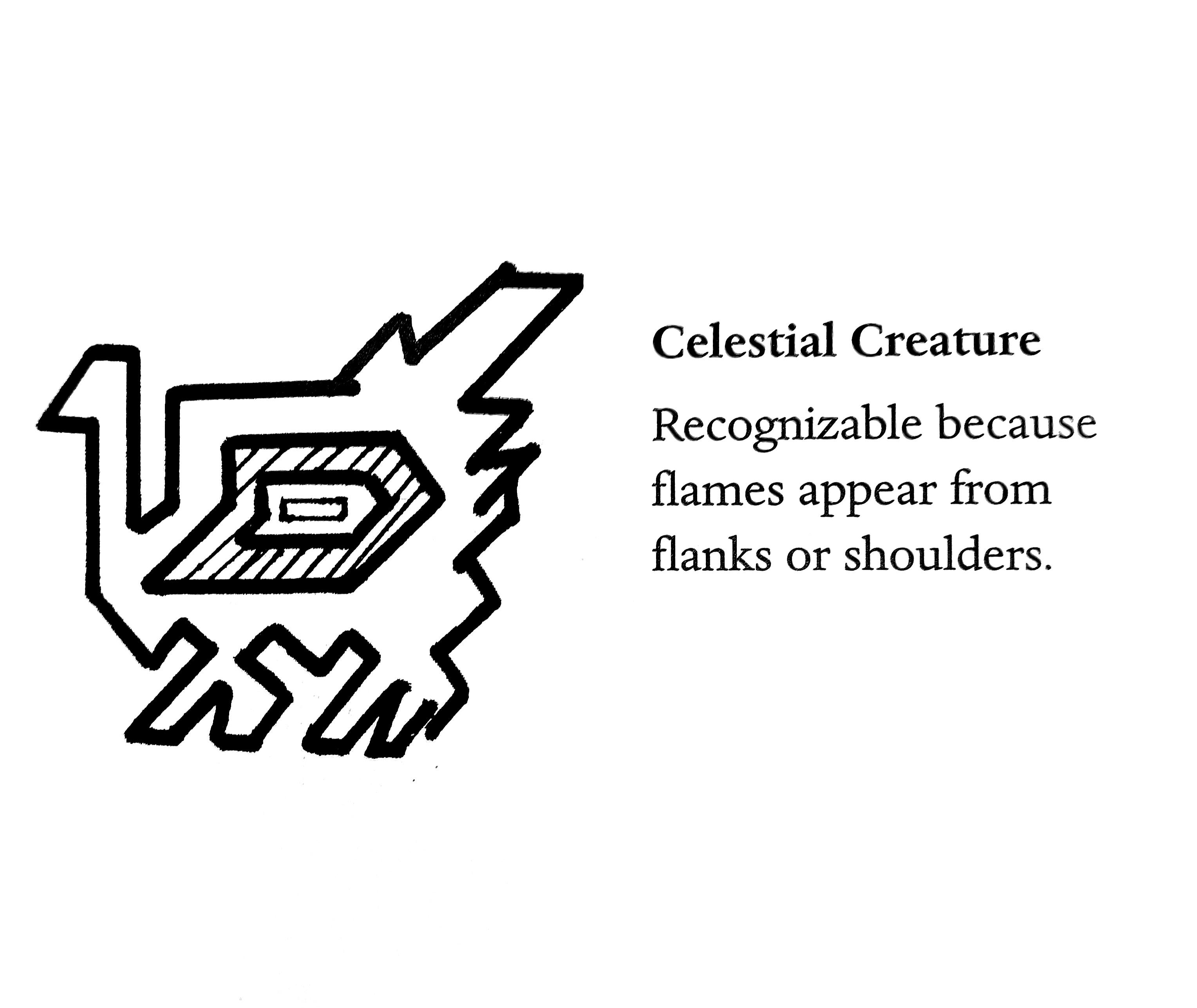
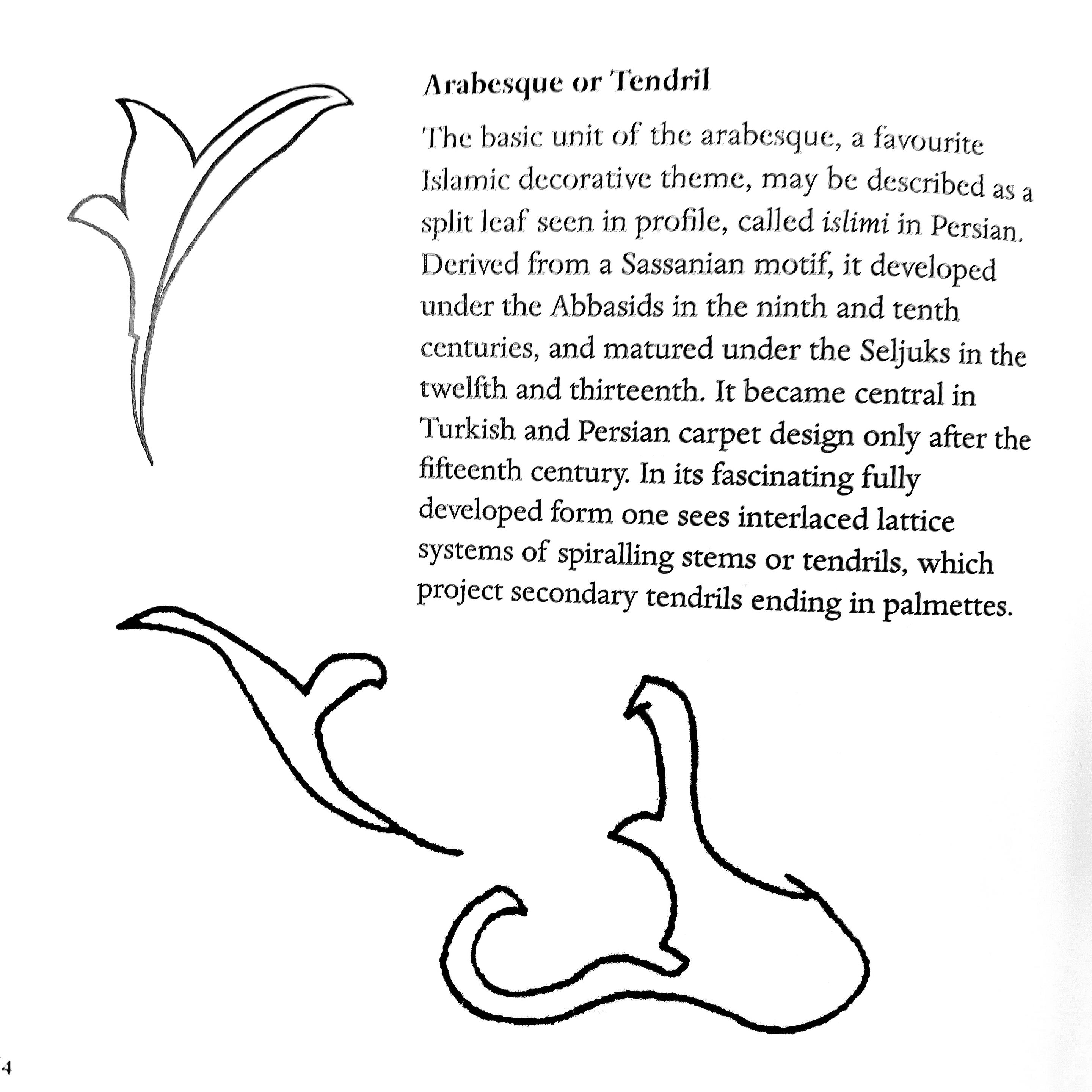
A few highlights from the Turkish-Persian section of a random carpet symbolism book I skimmed while stopped at a random library in New Jersey a couple days ago
 @arXiv_physicsinsdet_bot@mastoxiv.page
2026-08-24 08:49:42
Replaced article(s) found for physics.ins-det. https://arxiv.org/list/physics.ins-det/new
[1/1]:
- A tunable photonic band gap resonator for axion dark matter searches
Lewis, Goulart, Barbosa, Jois, Leder, Sindhwad, Urdinaran, van Bibber
https://arxiv.org/abs/2408.03861 https://mastoxiv.page/@arXiv_physicsinsdet_bot/112925197817813337
- Optimization of Cryogenic Detector Test Station by Rejecting Electromagnetic Interference
Sangbaek Lee, Whitney Armstrong, Maximo DiPreta, Jacob Dulya, Valentine Novosad, Tomas Polakovic
https://arxiv.org/abs/2601.03158 https://mastoxiv.page/@arXiv_physicsinsdet_bot/115852984138241851
- Valley-peak modulation in phase space: a law-invariant VPM and its theta-function structure
Aaron J. Hendrickson, David P. Haefner
https://arxiv.org/abs/2603.01199 https://mastoxiv.page/@arXiv_physicsinsdet_bot/116164317738741185
- Pushing the Limits of Pulse Shape Discrimination in a Large Liquid Xenon Detector
D. S. Akerib, et al.
https://arxiv.org/abs/2603.26877 https://mastoxiv.page/@arXiv_physicsinsdet_bot/116322766877175621
- Cherenkov and scintillation light separation in BGO and BSO crystals coupled to SiPMs for dual-re...
M. Alviggi, et al.
https://arxiv.org/abs/2604.09918 https://mastoxiv.page/@arXiv_physicsinsdet_bot/116402026414652810
- Small but Tubby: A Magnetic Loop Antenna Made from 100 mm Copper Tubing
Peter M\"arki, Markus Niese
https://arxiv.org/abs/2607.10828 https://mastoxiv.page/@arXiv_physicsinsdet_bot/116917273903663314
toXiv_bot_toot