 @NFL@darktundra.xyz
2026-10-24 21:51:32
sibling rivalry #packers #lions @Twisted Tea https://www.tiktok.com/@annieagar5/video/7700350…
 @paulwermer@sfba.social
2026-10-22 14:04:31
#Google. I remember when Google said: "Don't be evil. We believe strongly that in the long term, we will be better served—as shareholders and in all other ways—by a company that does good things for the world even if we forgo some short term gains."
Times change, it seems.
‘Pure arrogance’: anger in Finland as Google illegally fells 250,000 trees for datacentre
 @PaulWermer@sfba.social
2026-10-22 14:04:31
#Google. I remember when Google said: "Don't be evil. We believe strongly that in the long term, we will be better served—as shareholders and in all other ways—by a company that does good things for the world even if we forgo some short term gains."
Times change, it seems.
‘Pure arrogance’: anger in Finland as Google illegally fells 250,000 trees for datacentre
 @cdarwin@c.im
2026-10-22 21:09:42
If you were wondering whether AI could make the midterms even more confusing, here’s one data point:
Several people who thought they were donating to James Talarico unwittingly gave their money to someone else.
Talarico, a Texas Democrat, is running for Senate in what’s probably the most closely watched race of the upcoming elections.
Search Google for how to contribute to his campaign, and you might get an AI-generated answer that links to ways “you can chip in securely…

 @angry@social.tchncs.de
2026-09-22 14:23:00

 @tiotasram@kolektiva.social
2026-09-25 21:49:03
https://fed.brid.gy/r/https://bsky.app/profile/did:plc:vpkw7cvu6eu742hvjk5wsxf2/post/3mwecvgmqiw2h
There comes (hopefully) a time in life when one recognizes that the law and the system called a "justice system" have nothing to do with justice.
Maybe it's when you see the system's complete disinterest in even investigating rich pedopholes. Maybe it's when you hear about a 6-year-old immigrant separated from his parents and compelled to take the stand in his own defense. Maybe it's when you see it give every benefit of the doubt to killer cops so they can get away scot-free, while doing nothing to change the cultures that continue to produce police shootings. Maybe it's when you see a woman prosecuted for having a miscarriage. Maybe it's when you read the court's opinion upholding the idea that police do NOT have a duty to protect civilians, or the opinion stating that if police choose not to uphold the law that's fine and they aren't accountable for that.
Whenever you see it, a natural question is: when did this happen? How long has this been going on?
Thankfully that question is easy to answer: just open up a history book and look for the founding date of whatever nation you live in.
 @Schrank@phpc.social
2026-10-09 05:42:17
The fastest domain validation is the one where you waited five minutes first.
Clicking "Verify" before the TXT record exists plants a negative answer in the resolver cache that outlives your fix. Your zone's SOA MINIMUM decides how long you're stuck with it.
Create it. Wait. Confirm with dig. Then click.
 @Carwil@mastodon.online
2026-10-20 11:59:28
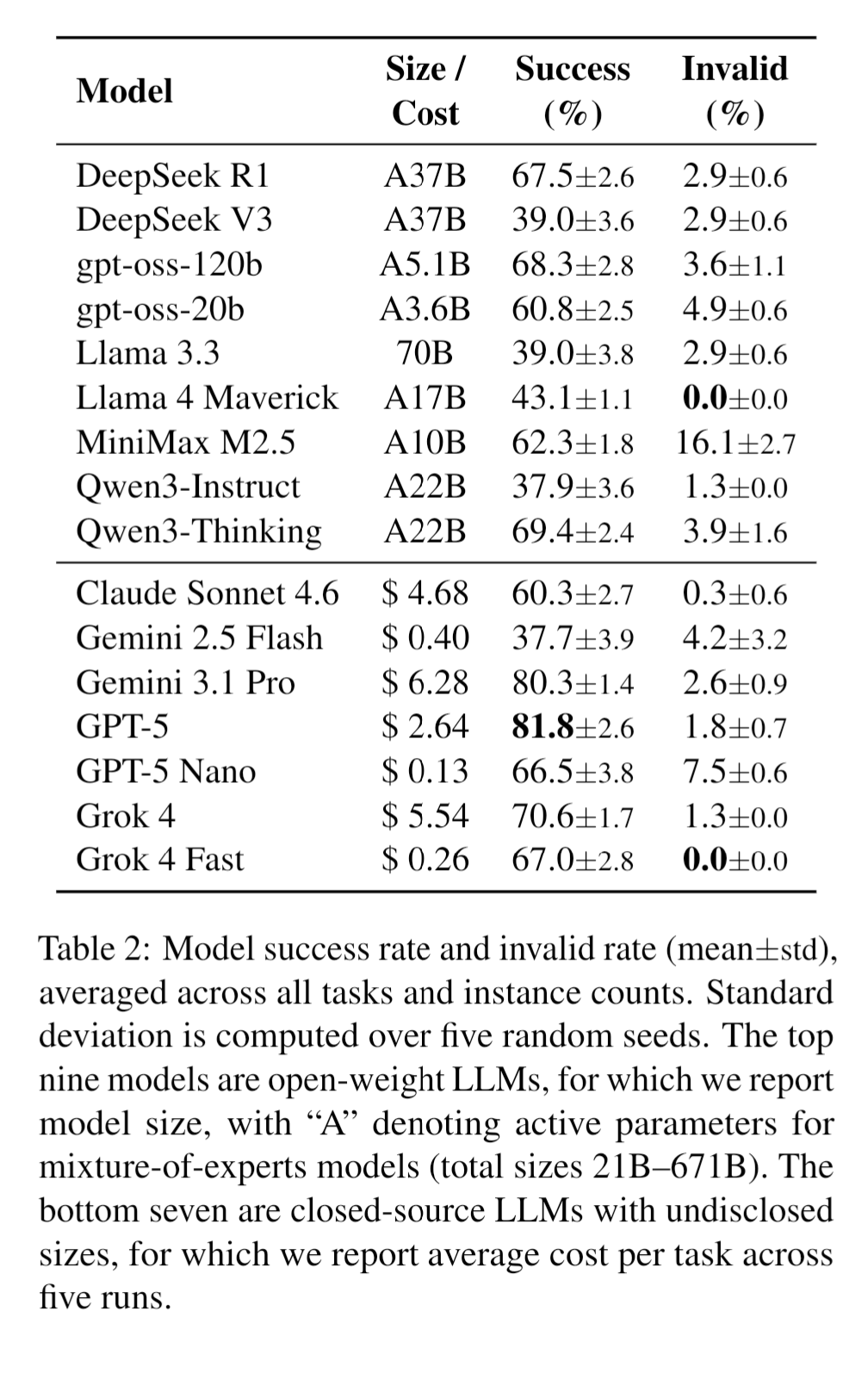
Performance by model. Zero failure rates indicate the two models that refused to provide an answer when the task was too long.
 @tarah@infosec.exchange
2026-09-05 14:37:33
Just a weekend thought, apropos of nothing. There have been a lot of times I've been angry at not being included in something I was qualified for, and that anger is worse when it's clear that I've been actively *disincluded* for being a woman. I mostly convert that rage into Achievement Fuel, but it also hurts to see it happen to other women.
When some group or launch or listicle is billed as a gathering of high achievers or the stars of the industry, and it's a dozen or more white men, any woman or person of color who speaks up faces a double challenge. Are they speaking up because they're sour grapes over not being invited? Or are they not collegial or easy to get along with, as made evident by the fact that they're calling out injustice?
If you're a man who finds himself on a manel, speak up. If you're a white woman and you find yourself on a panel of nothing but white women (oh lord, ask me about the egg on my face on this one), speak up. Or better yet, check in advance that the convenor or organizer didn't make a serious mistake without realizing it.
There's room for grace over people's mistakes, but there is no room for not admitting you made one.