 @grumpybozo@toad.social
2025-12-21 16:39:11
Lockdown Mode is a backstop for people who either do dangerous things or are specifically targeted by high-resource threat actors. Almost no one can *actually* benefit from it but people who need it really need it.
I don’t need it. However, I have it enabled in part to understand what it does to the UX. It interferes with a minority of sites. It forces me to think about whether I REALLY trust the site I’m interacting with & how valuable my interaction really is.

 @Techmeme@techhub.social
2025-11-06 07:30:46
The AI boom is driving coordinated innovation in the US as it builds fabs and energy infrastructure that could have lasting value even if the bubble bursts (Ben Thompson/Stratechery)
https://stratechery.com/2025/the-benefits-of-bubbles/

 @jonippolito@digipres.club
2025-12-13 15:30:18
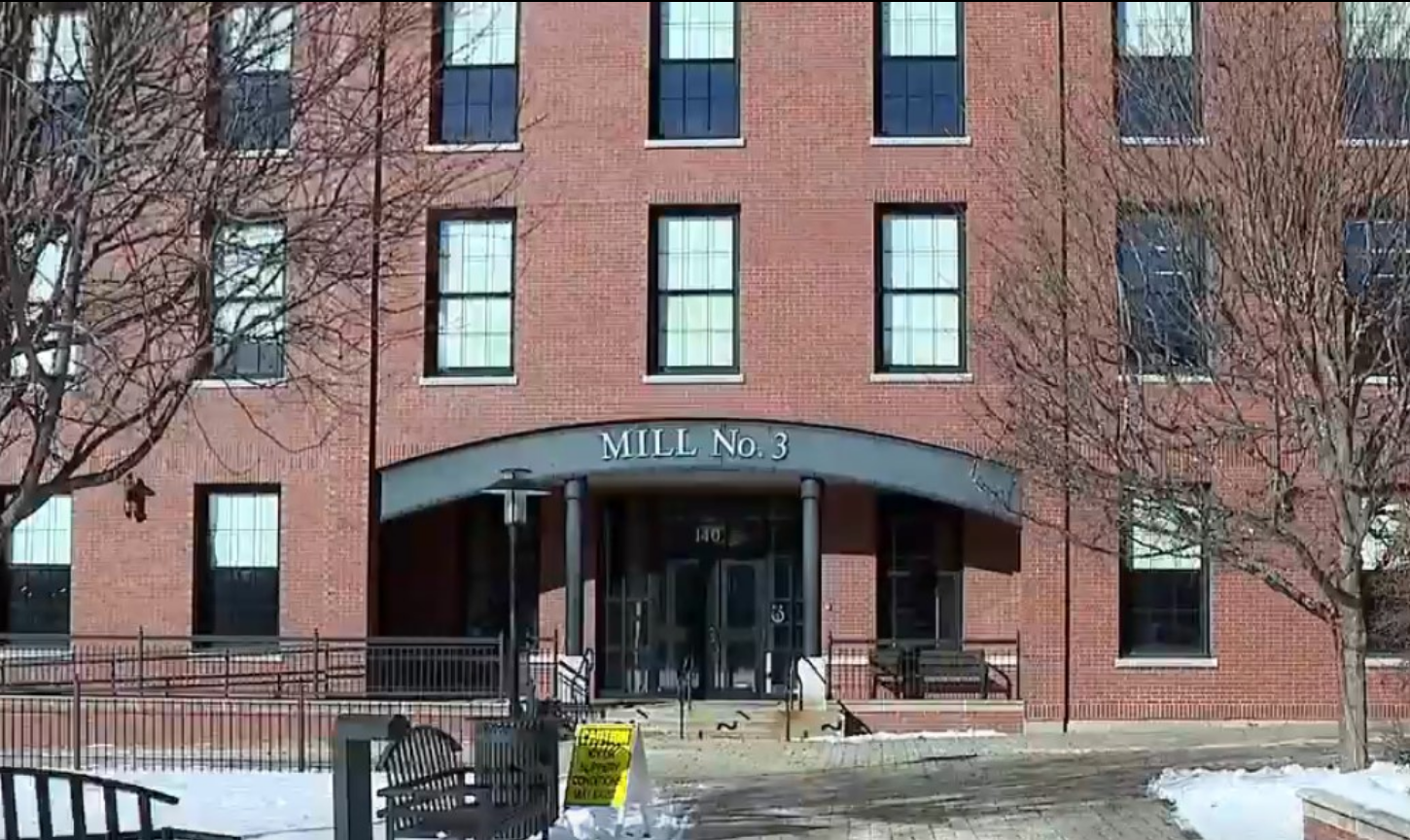
I just spoke to WGME CBS/Fox last night about a data center proposed for an old Maine mill. Lewiston's climate and water resources are a better fit than in the southern US, but city managers still overestimate the benefits to local economies—about 20 jobs post-construction, many remote.
 @ThatHoarder@mastodon.online
2025-11-01 20:56:25
Listen to me get croakier and huskier through this episode as I talk about the surprisingly helpful benefits of "acting as if"
In your podcast app any minute now :)
https://www.overcomecompulsivehoarding.co.uk/podcast-ep-202-ac…

 @brichapman@mastodon.social
2026-01-01 18:40:01
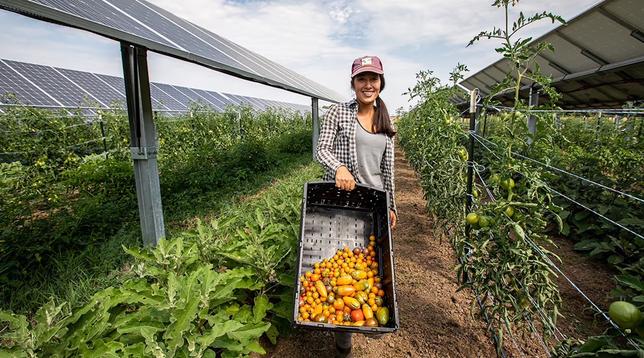
Solar panels and crops growing together? It's called agrivoltaics, and it just got a major boost.
DC-based Okovate acquired startup Fundusol to integrate Stanford & Carnegie Mellon tech that optimizes solar arrays for different crops using genetic algorithms. The goal: make solar farming economically viable for rural communities across the US.
 @ThatHoarder@mastodon.online
2025-11-01 20:56:25
Listen to me get croakier and huskier through this episode as I talk about the surprisingly helpful benefits of "acting as if"
In your podcast app any minute now :)
https://www.overcomecompulsivehoarding.co.uk/podcast-ep-202-ac…
@brichapman@mastodon.social2025-11-27 18:40:01
Australia's renewable energy boom is coming—and it could solve a surprising problem.
Over the next decade, we'll build more clean energy infrastructure than the past 30 years combined. But where will thousands of construction workers live in regional towns already facing housing shortages?
A new RE-Alliance report shows worker accommodation can become lasting community assets: refurbished aged-care homes, workforce villages transformed into suburbs.