 @floheinstein@chaos.social
2026-07-30 08:36:32
Ich weiss nicht, wer das original "Waldbrandgefahr" / "Feuerverbot"-Plakat designt hat, das in der Schweiz allgegenwärtig ist - aber viele Gemeinden haben offenbar keine gute Vorlage, um ihre Aushänge zu drucken.
HIer drum für alle, die's brauchen können, die Vektor-Grafik
https://

 @danyork@mastodon.social
2026-05-30 12:01:03
Many years ago, a friend said he was following “The S Diet”. It was very simple and memorable:
——
No Sweets or Seconds, except on Saturday and Sunday.
——
Simple… easy… and it actually worked for me as a way to help maintain or reduce weight (along with some mild level of exercise).
My challenge is that in the intervening years, my brain fought that and changed it to:
——
No Sweets or Seconds, except on days ending in ‘y’.
——
🤣🤦♂️
Un-doin…
 @detondev@social.linux.pizza
2026-05-30 17:44:13
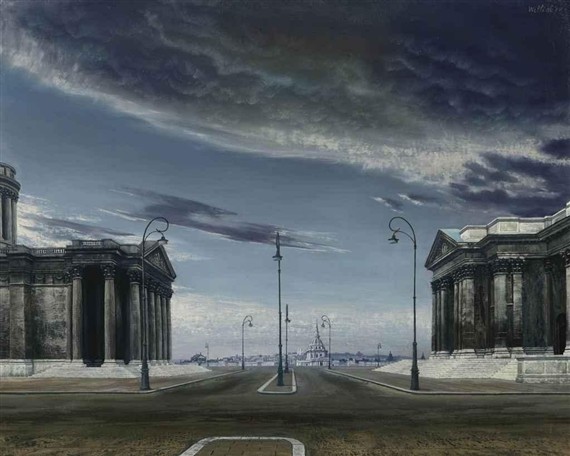
thinking abt this carel willink. its just liminal space pics from a century ago. the emptiness of this public space left this one german guy uneasy 100 years ago. what's your favorite historical archive of this feeling
 @kexpmusicbot@mastodonapp.uk
2026-06-28 17:12:47
🇺🇦 #NowPlaying on KEXP's #Roadhouse
Crazy Horse:
🎵 Dirty, Dirty
#CrazyHorse
https://prfmonthlytributeseries.bandcamp.com/track/dirty-dirty-crazy-horse
https://open.spotify.com/track/0dF9GjoF4OWwLi5MEcfraL
 @Techmeme@techhub.social
2026-05-27 16:20:59
Tensormesh, whose inference platform uses KV caching to reduce costs, raised a $20M seed extension, bringing its total funding to $24.5M (Chris Metinko/Axios)
https://www.axios.com/pro/enterprise-software-deals/2026/05/27/ai-inference-tensorm…

 @leftsidestory@mstdn.social
2026-06-29 00:30:04
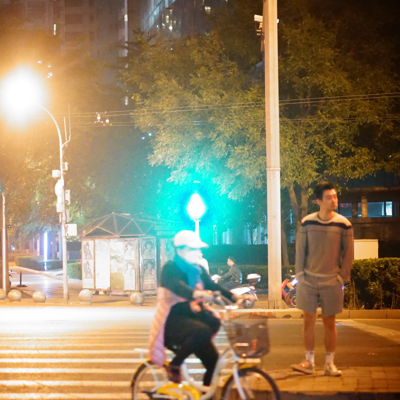
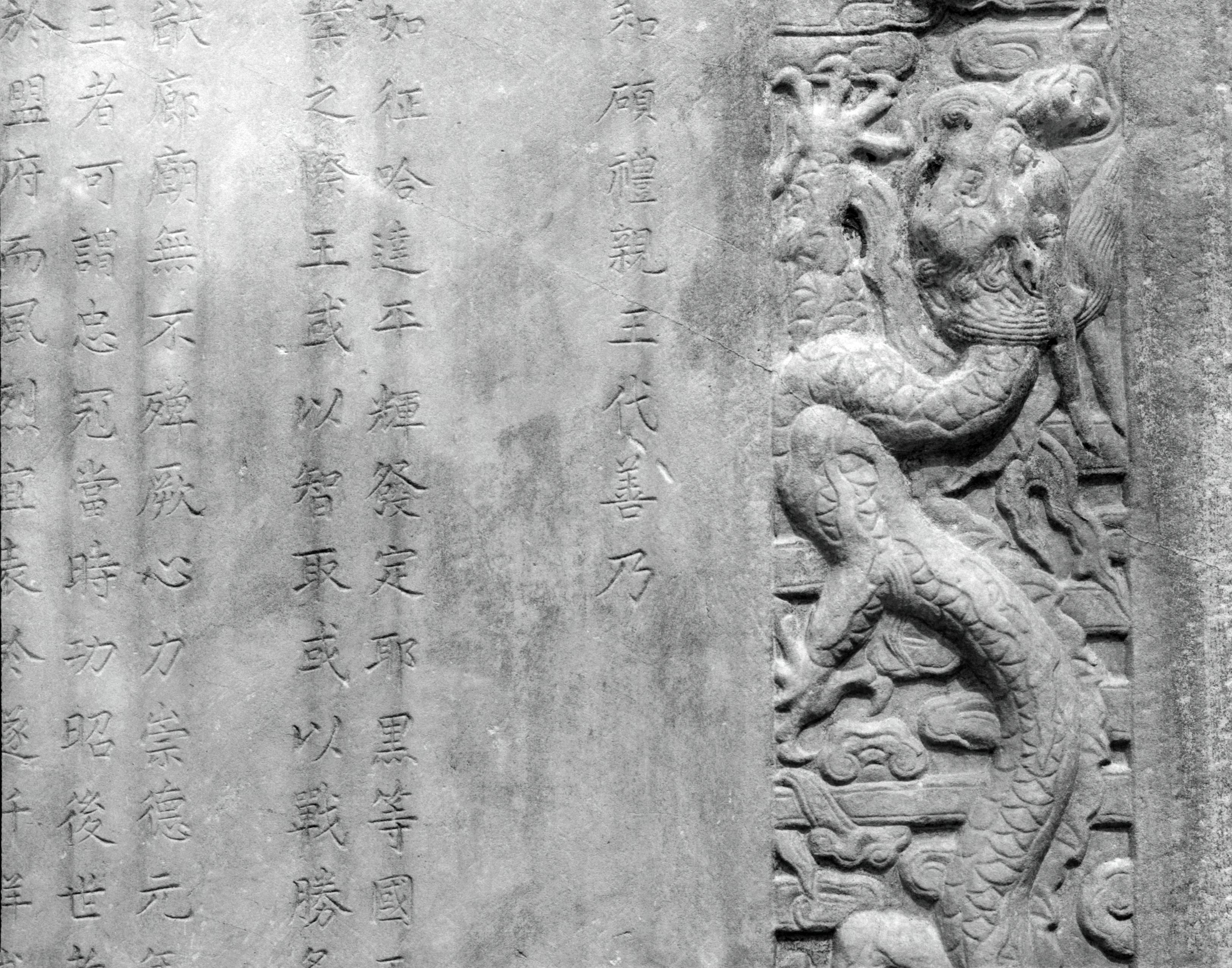
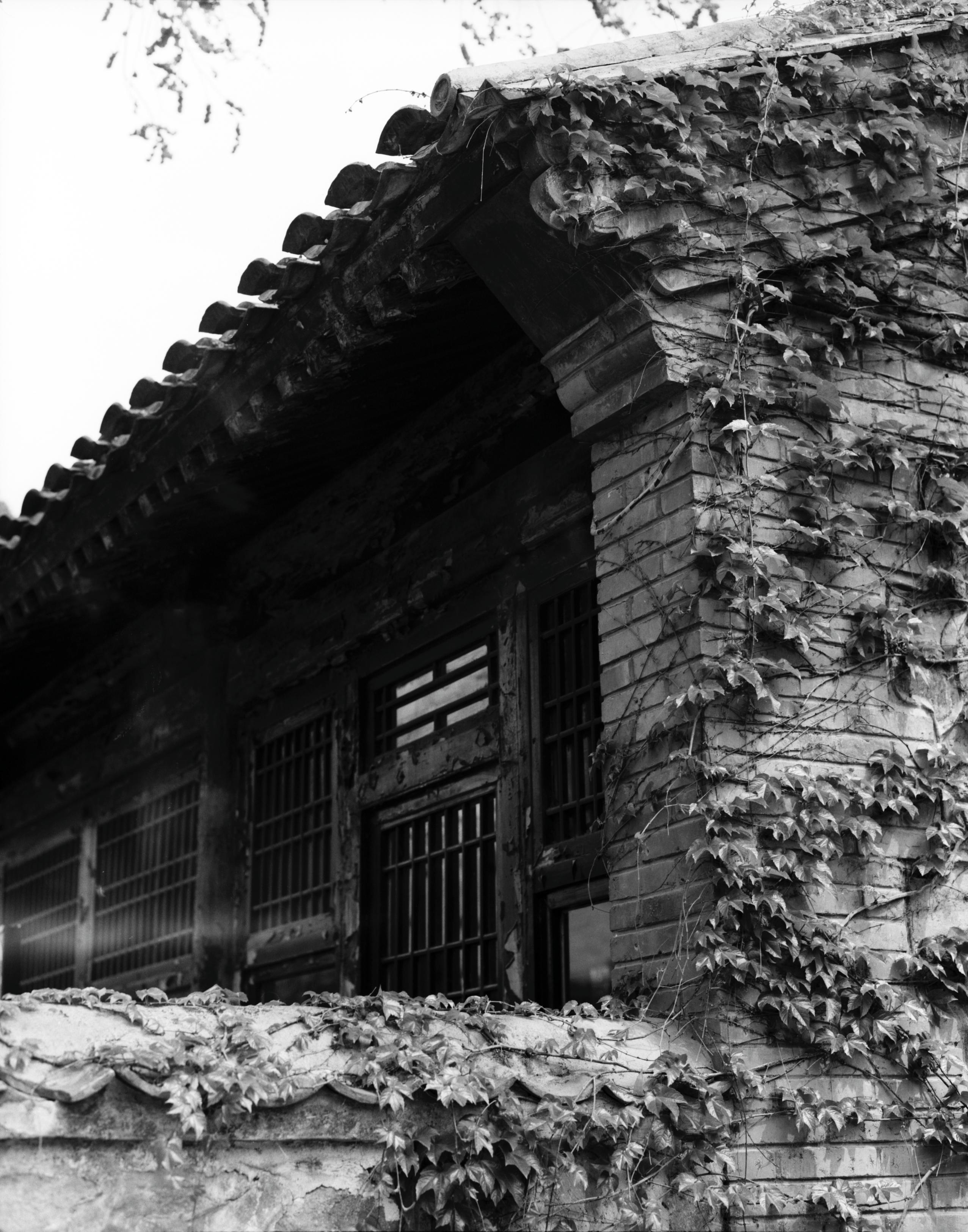
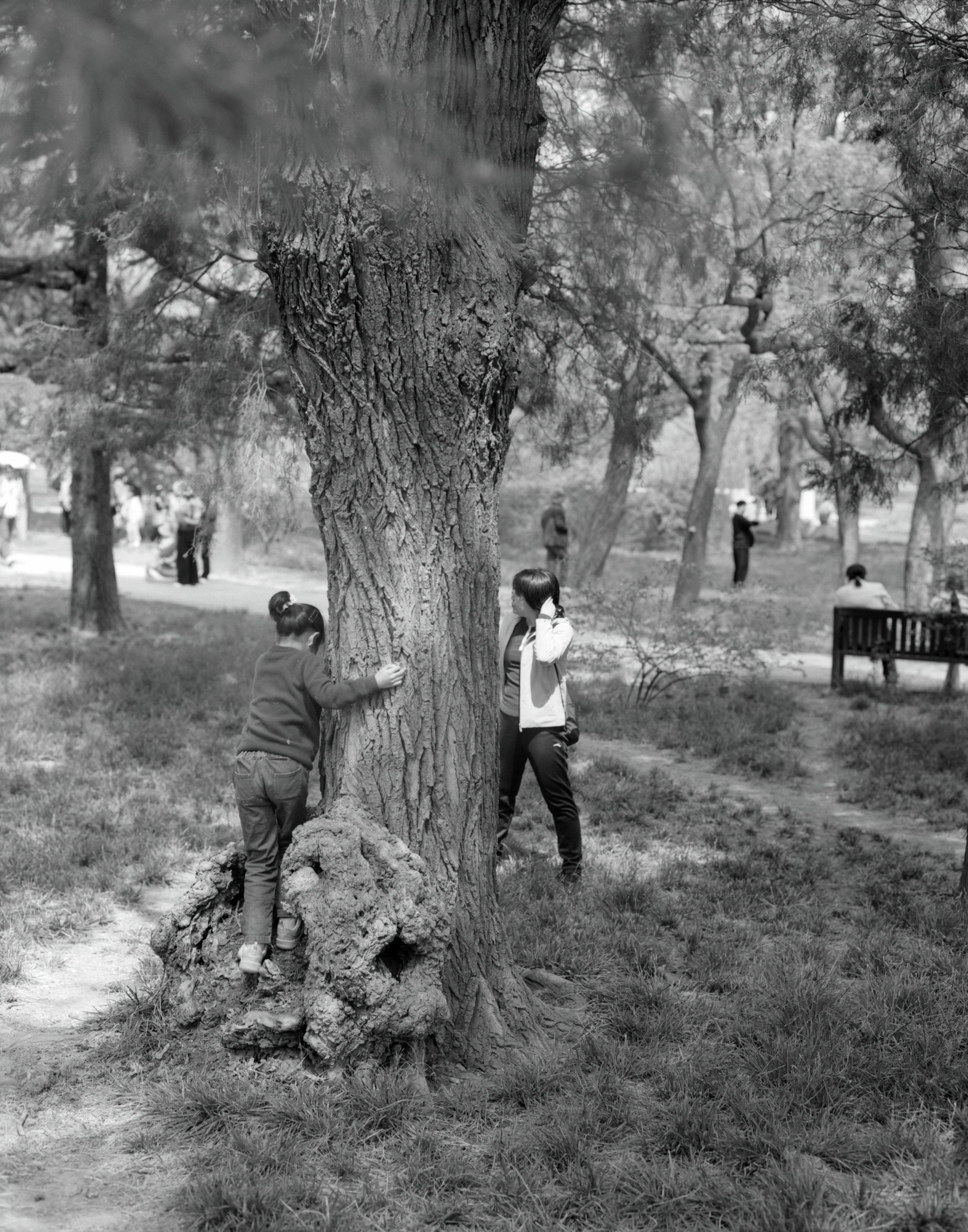
The Aspiration of History 🌠
历史的热望 🌠
📷 Pentax 6x7
🎞️ Ilford FP4 Plus 125 (6x7)
If you like my work, Support by buying me a coffee or a roll of film from
PayPal https://www.paypal.com/paypalme/ydcdingsite
Wise
 @stf@chaos.social
2026-05-28 19:19:59
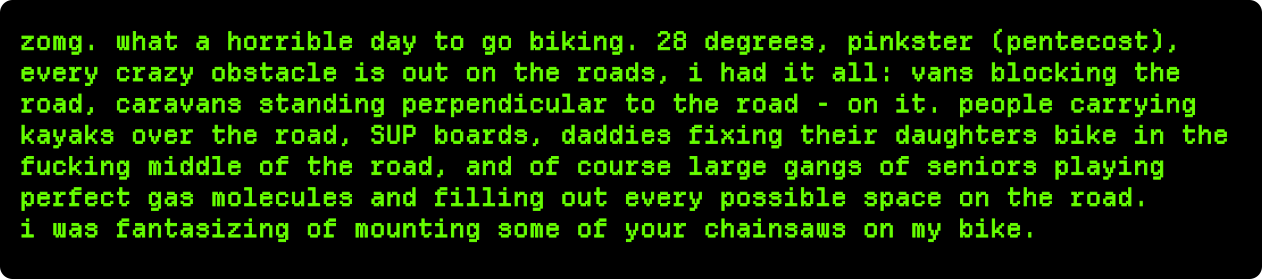
spouse insists that some of my brainfarts are poetry, and i should publish them. circumventing the 500 char limit with imgs/alt-text.
context: spouse has a bunch of chainsaws.
#poetry #netherlands #biking
 @hex@kolektiva.social
2026-06-27 03:36:29
Distinct legal existence:
This is a distinct legal entity, such as an LLC. Your "church" will need a governing body to run the legal entity it's formed under. However you decide to do this, it must be spelled out clearly in filing forms. There are a lot of ways to "govern" a community, and, since diversity allows evolution, I'm not going to describe any of them.
Basically, all you need is *some* legal incorporation. This is important for the legal aspect (if you are trying to subvert the legal framework within the legal framework). You will need this in order to own bank accounts and property collectively, and you may need this to remove or reduce the influence of the dominant system on your collective governance of finances and property.
If you, on the other hand, just have a communal squat that operates economically entirely in black markets then I don't know why you're reading this.
(Fun fact, which I'm skipping to because I don't want to forget it: As I understand it, The Church of the Subgenious skipped a lot of this by including "paying taxes" in their definition of their church. They pay their taxes every year, and the IRS rejects their payment, which proves they're a church. OK, back to what I was talking about...)
Edit: One thing I forgot about this. There must be *at least 3 /unrelated/ people* named on the legal documents. That is the minimum number to be a legal church.
 @callunavulgaris@mastodon.scot
2026-05-25 12:55:41
I have the desire to potter about with plants and get my new raised fruit/veg bed sorted out but apart from the blistering temperatures I've picked up a completely flattening virus from a colleague so I don't have the energy. I keep falling asleep when I sit down. I've put some nasturtium seedlings into a planter, moved the radish planter to the veg area and helped move a couple of bits into our summer seating area and that's me done.
 @leftsidestory@mstdn.social
2026-05-28 01:27:13
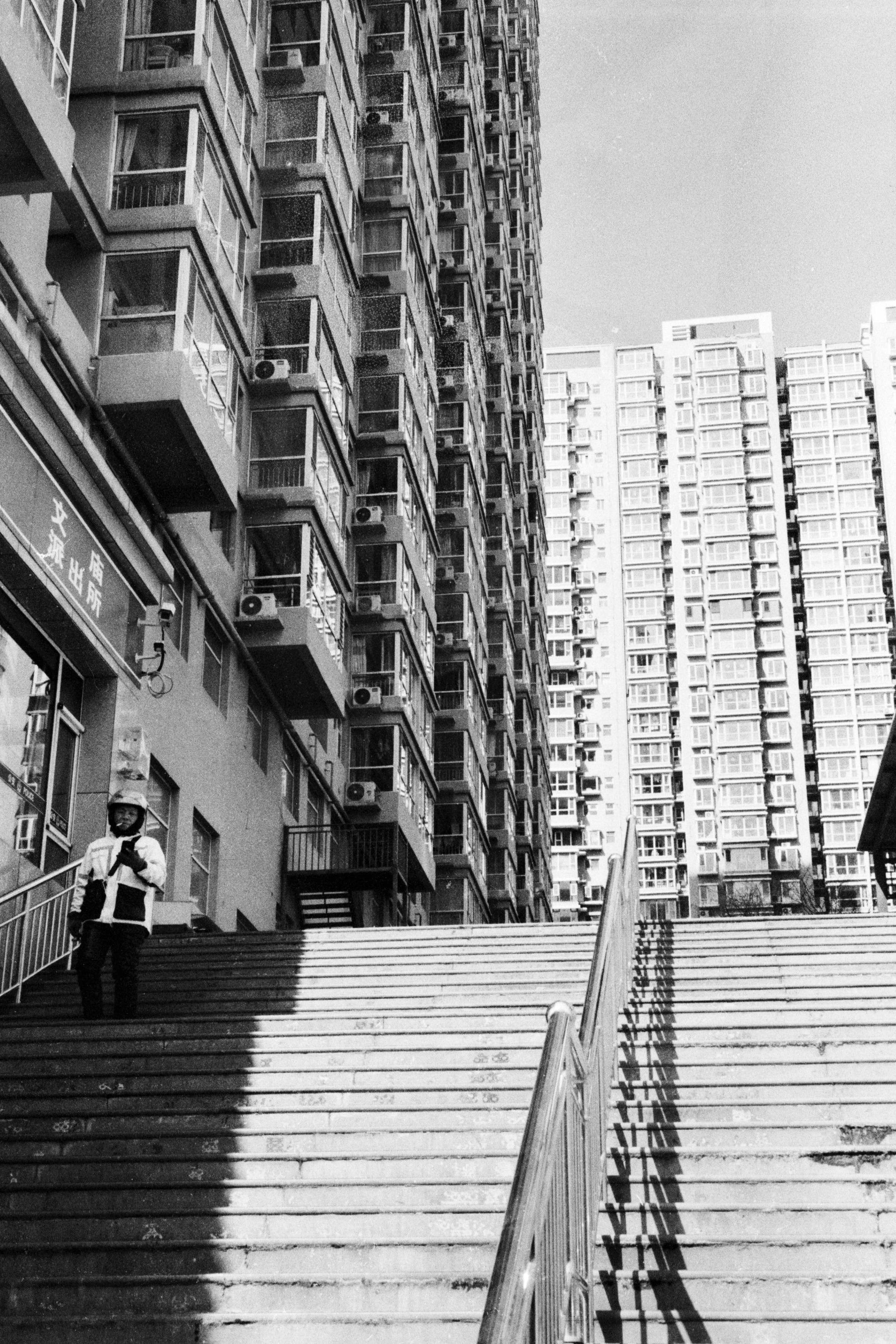
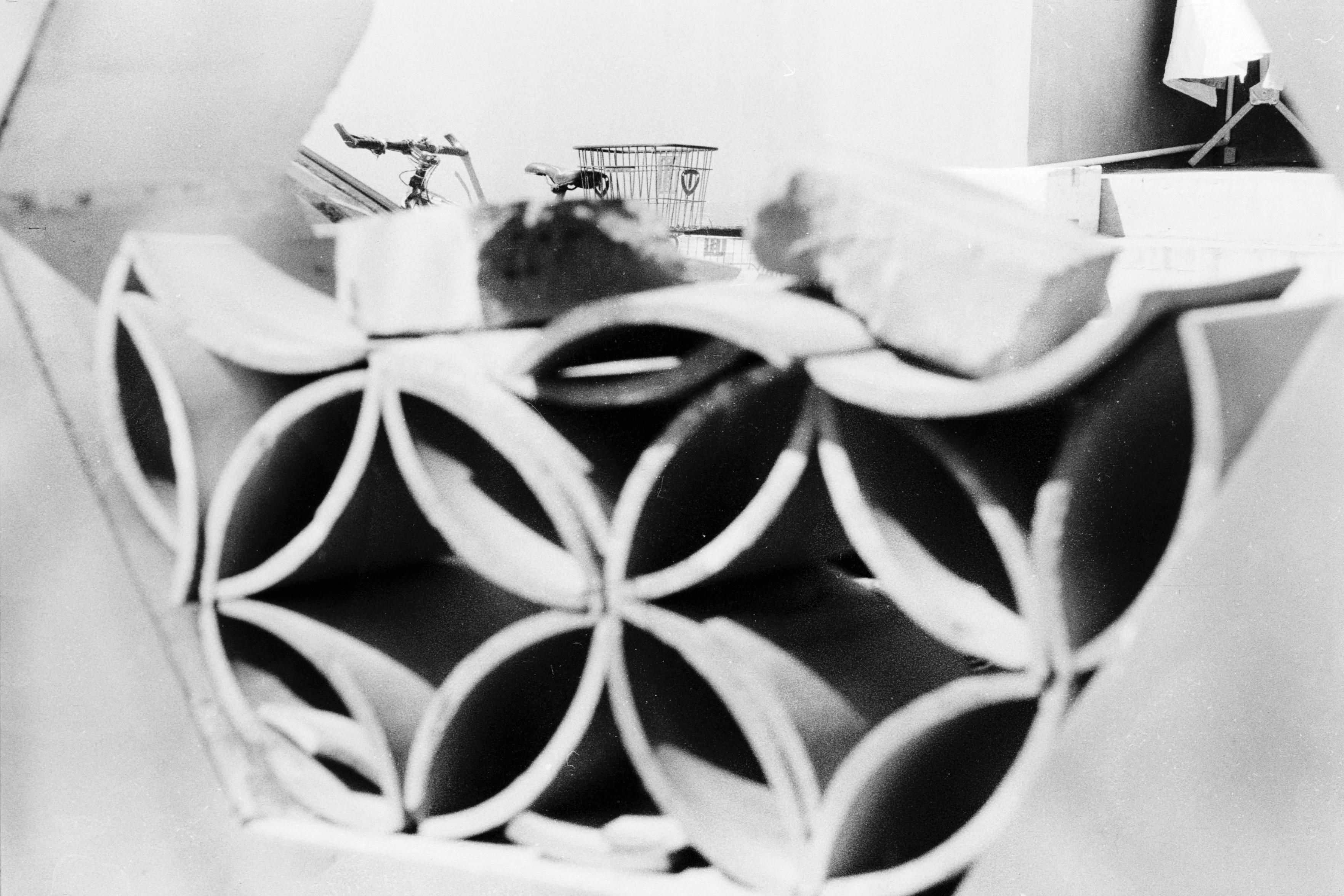
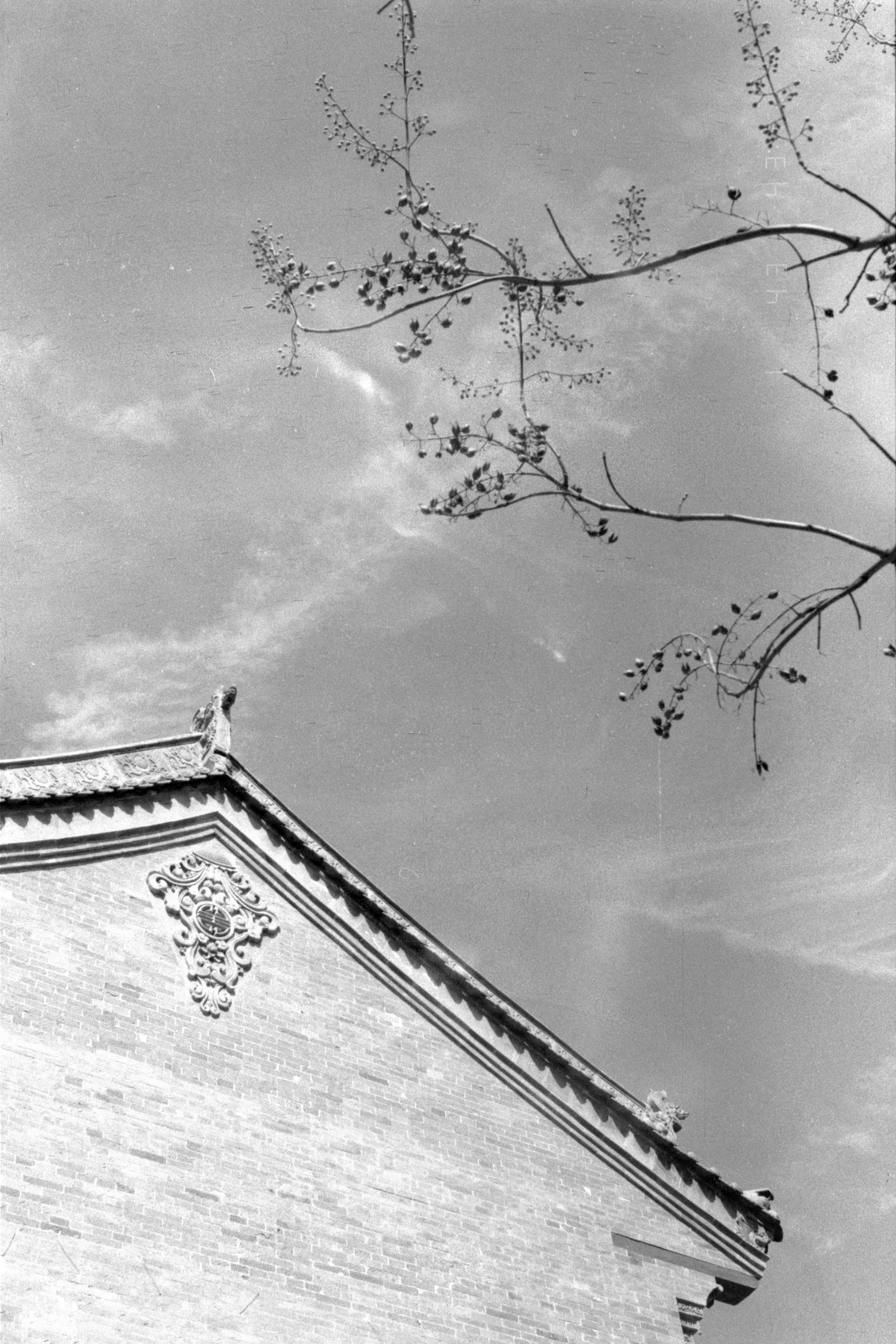
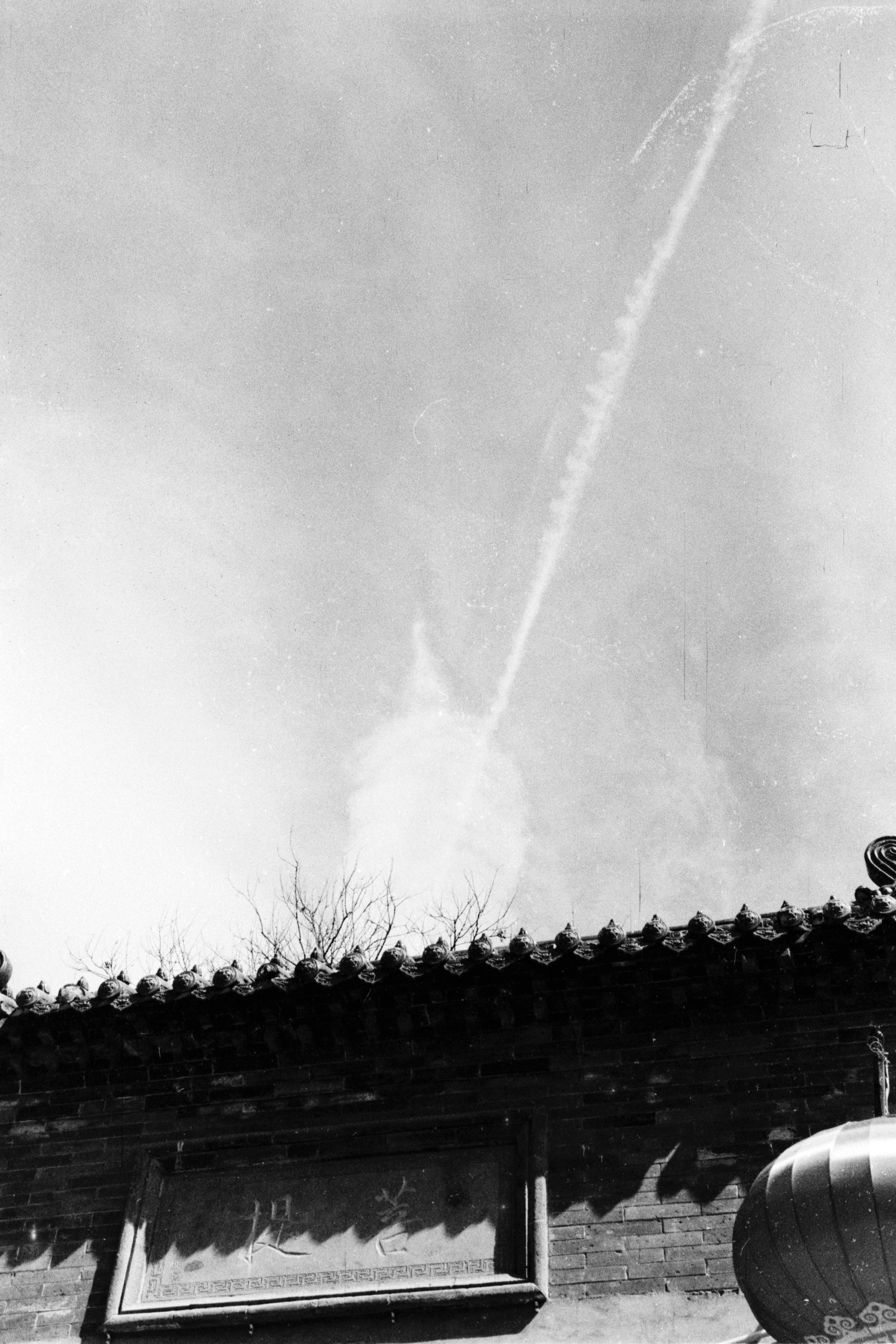
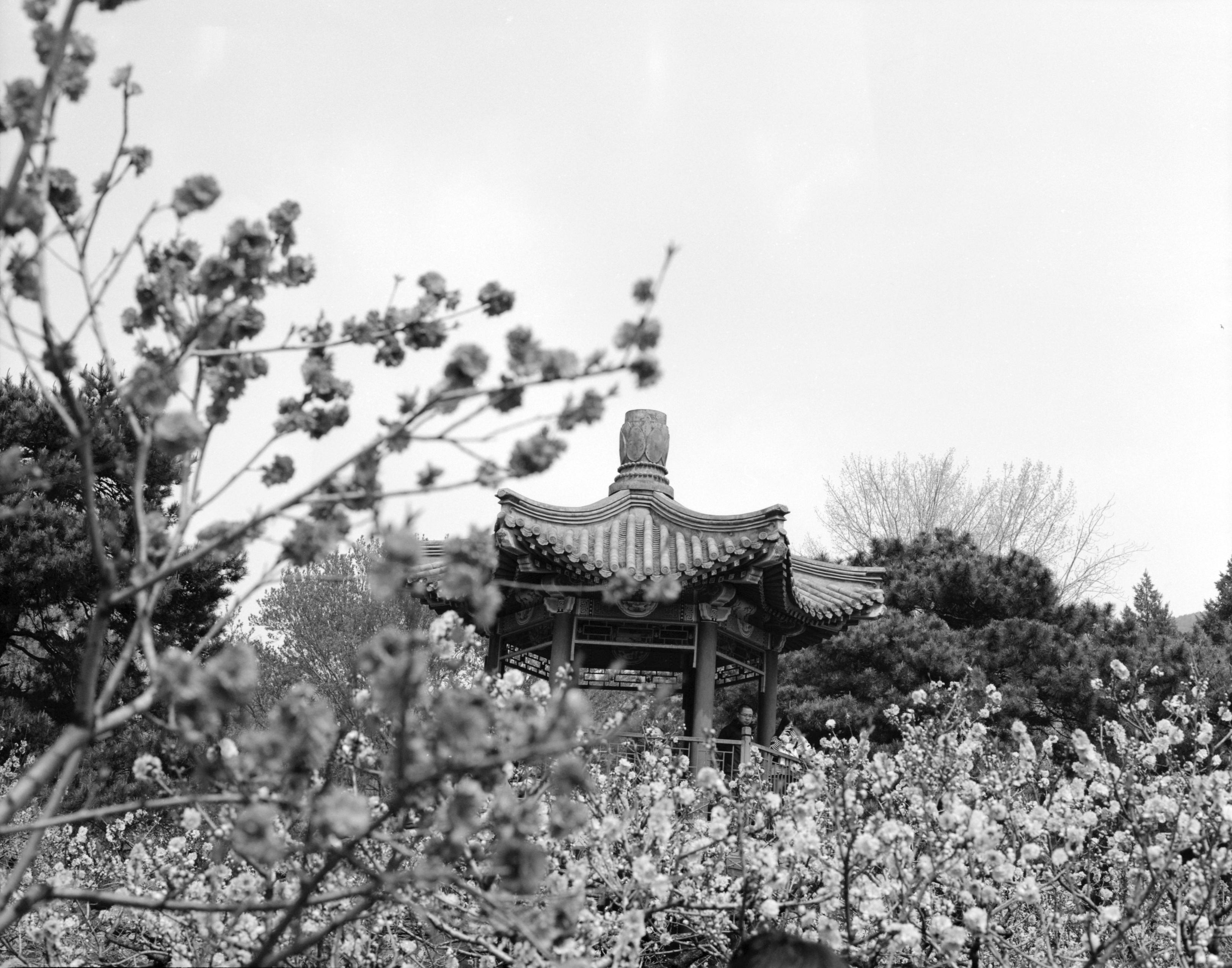
A Not So Brave New World III 🌐
不太美丽的新世界 III 🌐
📷 Nikon F4E
🎞️ Lucky SHD 400 (FF)
If you like my work, Support by buying me a coffee or a roll of film from
PayPal https://www.paypal.com/paypalme/ydcdingsite
Wise