@fgraver@hcommons.social
2026-02-26 19:39:15
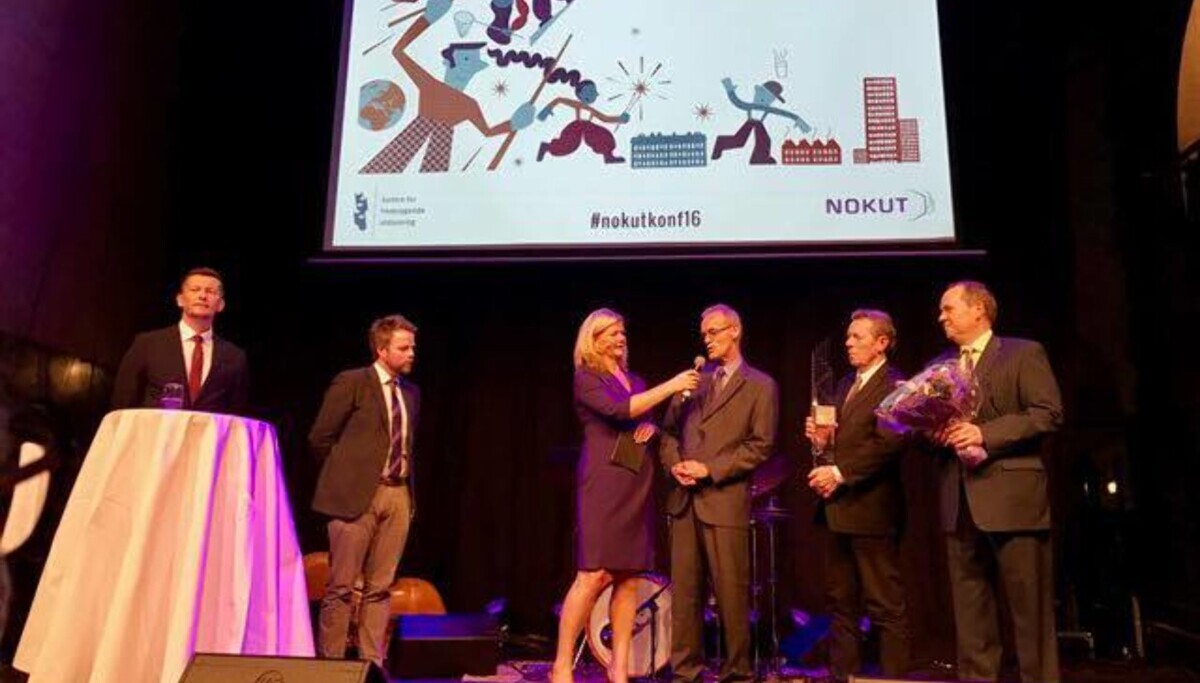
Det er snart 10 år siden jeg var med på å skrive denne kronikken om fremtiden for Den norske filmskolen. Jeg står fremdeles for innholdet, men dessverre virker det som de viktigste kampene er tapt.
Den norske filmskolen i et nytt fusjonert landskap https://www.
 @adulau@infosec.exchange
2026-01-31 08:52:27
GCVE-BCP-08 - GCVE GNA Directory File
Following some good pre-discussion at #fosdem - a first draft of the directory file specification has been updated. The goal is clarify some of the fields. Feedback is more than welcome.
@…@…

 @inthehands@hachyderm.io
2026-01-30 23:37:28
Can you do a favor for my friend @…? He was already having a lousy enough week with his car and his city falling apart when state troopers arrested his wife @… for protesting against the murder of Alex Pretti. (Arrested for what? AFAICT, they were just looking to make an example of some protestors. Just good old harassment via the legal system.)
Now the family has lost work and impending legal bills on top of that new transmission. I’m sure they’d appreciate it if you can chip in a few bucks:
https://www.gofundme.com/f/help-miriam-recover-from-legal-fees-and-lost-work
 @floheinstein@chaos.social
2026-01-01 06:43:57
Nachdem wir mit dem Assistenzhund 🐕🦺meiner Frau schon am Schweizer Nationalfeiertag nach Deutschland geflüchtet waren, brauchten wir eine Lösung für Silvester.
Flughafenhotels to the rescue: Die schallisolierten Hyatt und Radisson Blu am Flughafen Zürich waren diese Nacht voll mit Hunden und ihren Familien, und es war kein Knall zu hören. Ruhiger Schlaf.
Tut euren vierbeinigen besten Freunden diesen Gefallen doch nächstes Jahr auch!
 @sean@scoat.es
2026-03-25 15:47:23
Regularly, I use the following for near-realtime communications ("text messages”).
- SMS/RCS/iMessage (friends, family)
- Facebook Messenger (friends, family)
- What's App (friends)
- ActivityPub/Mastodon (friends)
- Matrix (friends, work)
- Discord (work)
- Mattermost (friends, locals)
I'm sure I'm missing some.
The fact that no one is allowed to make a single piece of software (for wide distribution) that talks on all of thes…
 @primonatura@mstdn.social
2026-02-25 16:00:26
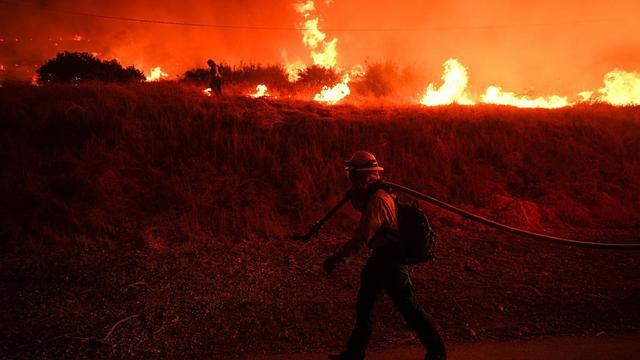
"Wildfire-friendly weather nearly triples: Will outbreaks leave countries scrambling for resources?"
#Wildfires #Environment #Weather