 @cdarwin@c.im
2026-08-19 16:24:15
Primaries in Florida, Alaska and Wyoming held on Tuesday provided the latest view into how voters are feeling ahead of November’s US midterm elections.
One candidate aligned with the Democratic Socialists of America (DSA) netted an extraordinary win
while another was defeated handily.
Donald Trump’s handpicked candidates received a mixed reception from voters.
In Alaska, voters chose their fighters for one of the year’s marquee US Senate races,
and in Florida, e…

 @Mediagazer@mstdn.social
2026-07-20 10:20:31
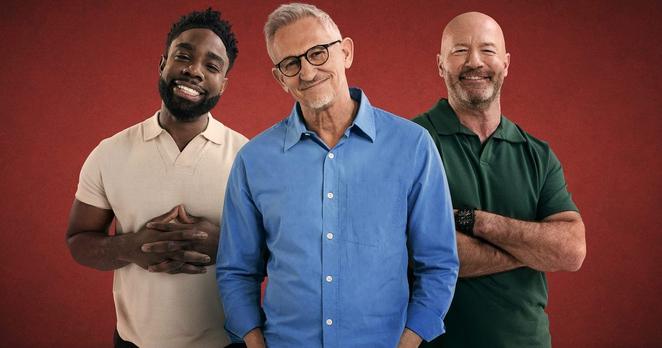
Netflix and Goalhanger agree to a new two-year deal to broadcast The Rest Is Football podcast through the next two Premier League seasons and the Euros in 2028 (Ned Holmes/Radio Times)
https://www.radiotimes.com/tv/sport/footb…
 @markhburton@mstdn.social
2026-09-20 11:58:57
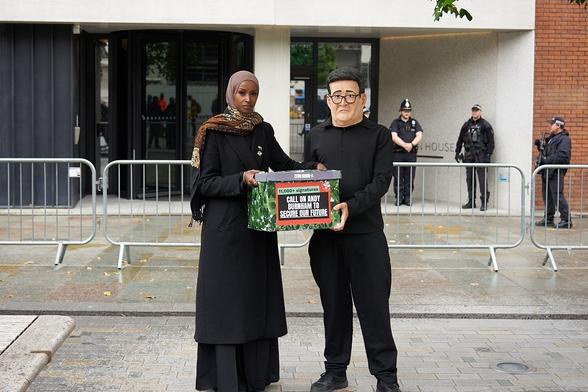
"Tori Tsui, stood alongside Andy Burnham last year on World Environment Day when the then Greater Manchester Mayor endorsed the Fossil Fuel Non Proliferation Treaty proposal, calling it a “lifeline” to end coal, oil and gas. Today [Friday], her petition was sent to the Prime Minister urging him to stand by that commitment and reject Rosebank."
Stop fanning the flames of the #ClimateCrisis
 @cowboys@darktundra.xyz
2026-08-20 12:46:28
Cowboys Coach is Already on Hot Seat After One Game https://heavy.com/sports/nfl/dallas-cowboys/cowboys-christian-parker-hot-seat/
 @Sustainable2050@mastodon.energy
2026-08-20 07:00:48
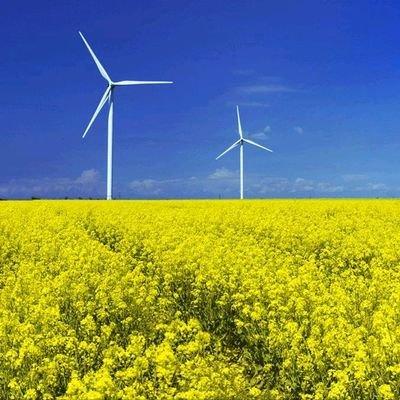
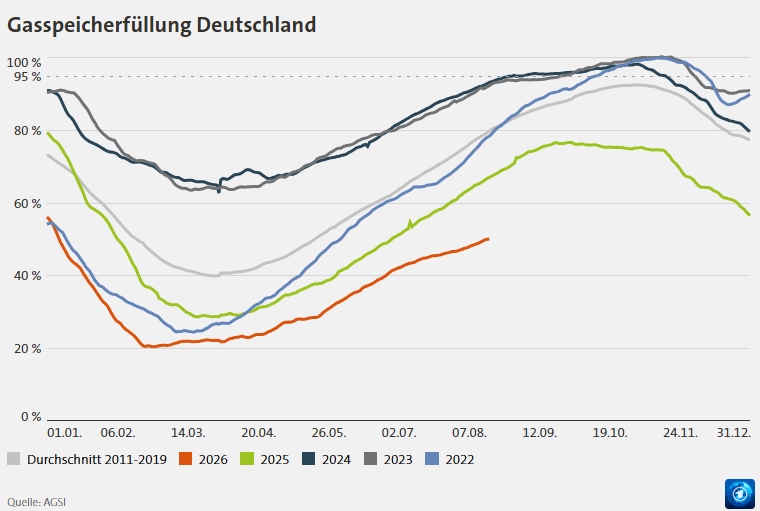
Growing nervosity in Germany on the low filling level of its gas storages: only 50%, six weeks before the end of the usual filling season. No lessons learned from years of Russia (and now Trump) using gas to pressure Europe, and Trump's war in the Middle East. https://www.tagesschau.de/wirtschaft/en…
 @NFL@darktundra.xyz
2026-09-20 20:04:09
Bears QB Williams leaves on cart after falling on scramble https://www.espn.com/nfl/story/_/id/49991729/bears-caleb-williams-leaves-cart-falling-scramble
 @Kingu@sakurajima.moe
2026-08-20 09:44:19
 @cdarwin@c.im
2026-08-19 21:15:01
Since China offered a truce in the trade war last October following its threat to deprive the United States of rare-earth magnets,
the Trump administration has been happy to stop escalating.
After all, imports from China have been falling, down by 40% in the year to June, compared with the same period in 2024.
Best to declare victory and call it a day.
But the US hasn’t won this battle
– and there’s strong evidence to show it’s afraid to really try.
Last …
 @cowboys@darktundra.xyz
2026-08-20 23:03:16
Jerry Jones' thoughts on Cowboys training camp, joint practice fines https://www.dallascowboys.com/news/jerry-jones-thoughts-on-cowboys-training-camp-joint-practice-fines
@cowboys@darktundra.xyz2026-08-20 23:29:14
Jerry Jones' thoughts on Cowboys training camp, joint practice fines https://www.dallascowboys.com/news/jerry-jones-thoughts-on-cowboys-training-camp-joint-practice-fines