 @arXiv_csLO_bot@mastoxiv.page
2025-09-29 08:15:27
Specifying an Obligation Taxonomy in the Non-Markovian Situation Calculus
Kalonji Kalala, Iluju Kiringa, Tet Yeap
https://arxiv.org/abs/2509.22533 https://…

 @EgorKotov@datasci.social
2025-10-24 15:27:44
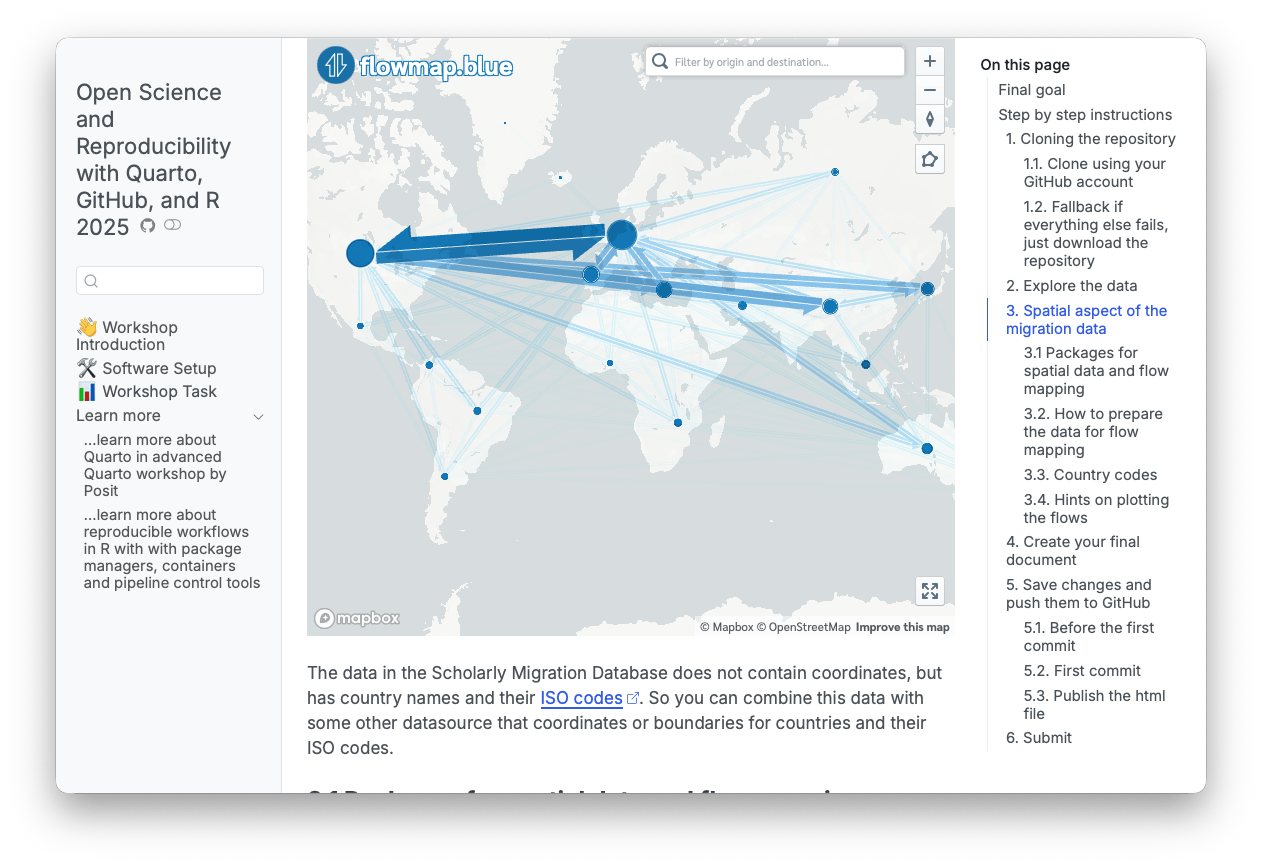
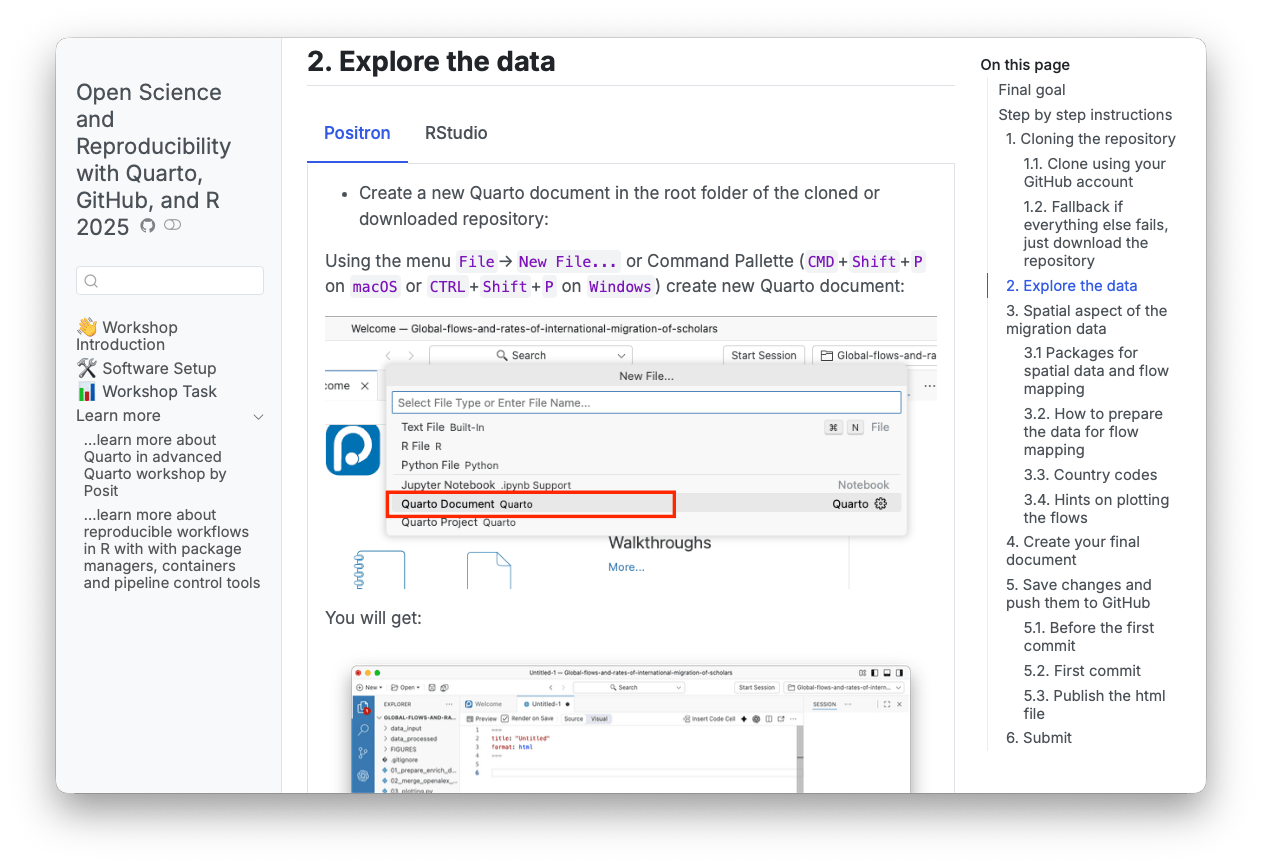
This is the second year that I’m teaching a short session on Open Science and Reproducibility with Quarto, GitHub, and R for students in the European Doctoral School of Demography (EDSD) programme (by @…, INED, EAPS, and others).
This year, I demoed everything in Positron (Posit PBC), switching back to RStudio only occasionally. I also made a point to discuss a…

 @elduvelle@neuromatch.social
2025-11-26 22:49:15
I'm running an improvised tutorial on #Zotero at my work tomorrow. Do you all have useful tips that I could share with my "students" - beyond the basics? Or specific use cases that you might use it for, beyond citing references in papers that you write?
For example I recently moved on to using its integrated PDF reader for peer-reviewing and it works well…
 @UrbanNature@nerdculture.de
2025-11-24 18:14:32
In eigener Sache:
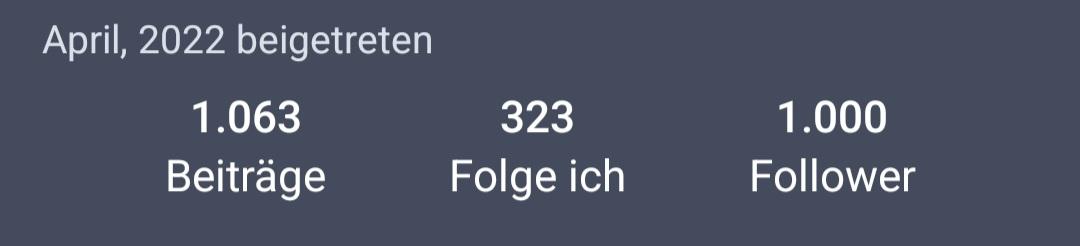
Dafür, dass über diesen Account alle paar Wochen mal ein sehr spezifischer Beitrag zum Thema #Stadtnatur #Berlin veröffentlicht wird, finde ich es überwältigend, dass inzwischen 1000 Leute diesem Nischen-Account folgen. Danke! 🌳💚🌿
 @NFL@darktundra.xyz
2025-11-23 00:24:46
Shanahan hopeful but admits Aiyuk case 'unusual' https://www.espn.com/nfl/story/_/id/47065408/niners-shanahan-admits-aiyuk-contract-situation-unusual
 @cdarwin@c.im
2025-12-25 01:48:39
MIT researchers have developed a new method for designing 3D structures that can be transformed from a flat configuration into their curved, fully formed shape with only a single pull of a string.
This technique could enable the rapid deployment of a temporary field hospital at the site of a disaster such as a devastating tsunami
— a situation where quick medical action is essential to save lives.
The researchers’ approach converts a user-specified 3D structure into a flat s…

 @inthehands@hachyderm.io
2025-11-23 02:02:25
What’s a great example you love of a technical blog post (or similarly shaped writing) that:
- explains a tool, technique, technical idea
- by trying it to the author’s specific project or experience
- but also illuminates a larger concept, a bigger picture?
I don’t just want tutorials; I want writing that illuminates. I’m thinking of things where you read it and had a reaction like:
“Oh, FINALLY, I get it now!”
“What a nice example of _____!”
“This is great. I’m going to bookmark this for the next time I need to use / explain / teach a colleague to use _____.”
Looking for writing examplars to share with students. I want your favorites.
 @memeorandum@universeodon.com
2025-12-16 01:40:43
NIH specifies how grant reviewers should ensure alignment with Trump priorities (Anil Oza/STAT)
https://www.statnews.com/2025/12/15/nih-specifies-how-grant-reviewers-should-ensure-alignment-with-trump-priorities/
http://www.memeorandum.com/251215/p125#a251215p125
 @arXiv_statML_bot@mastoxiv.page
2025-10-15 09:29:01
Active Subspaces in Infinite Dimension
Poorbita Kundu, Nathan Wycoff
https://arxiv.org/abs/2510.11871 https://arxiv.org/pdf/2510.11871

 @mariyadelano@hachyderm.io
2025-11-17 18:21:14
Seeing the discussion, I’d like to clarify:
This post is not a statement on #nuclear energy. I was responding to the specific article that I shared, where @… reported that tech companies are “using AI to speed up the construction of new nuclear power plants.”
My point is - cutting corners and trying to “speed up” the construction or operation of nuclear power plants can have CATASTROPHIC effects.
Chernobyl was a disaster of mismanagement, cost cutting, and insufficient safety procedures.
I do not trust AI, a technology that is notoriously probabilistic and inconsistent in outputs (and with famously high error rates) to be reliable and competent for a use case where the risks are this high.
I also do not support the mindset of wanting to “speed up” ANY regulatory processes and safety checks when it comes to constructing nuclear power infrastructure.
Licensing is not a “bottleneck” here. It’s a safety prerogative.
(Thanks @… for bringing this to my attention!)