 @davidaugust@mastodon.online
2026-04-16 17:51:09
How 11 Deaf Men Helped Shape NASA’s Human Spaceflight Program: the Gallaudet 11
https://www.nasa.gov/missions/project-mercury/how-11-deaf-men-helped-shape-nasas-human-spaceflight-program/
 @michabbb@social.vivaldi.net
2026-04-16 13:23:27
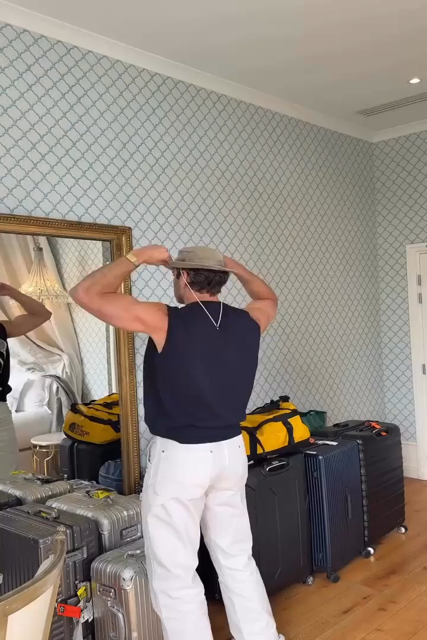
🚀🤣 No way – #Spaceballs 2 is actually happening!!
After almost 40 years, Lone Starr & Lord Helmet are back on the big screen – and Rick Moranis returned from retirement for this!
🔥🥹 Can't wait for 2027, this is gonna be absolutely legendary!
„May the Schwartz be with you!" ⚔️✨
 @cosmos4u@scicomm.xyz
2026-03-17 20:28:51
0.33g mitigates muscle atrophy while 0.67g preserves muscle function and myofiber type composition in mice during #spaceflight: https://www.science.org/doi/10.1126/sciadv.aed2258 -> New Research on Muscle Loss Suggests Humans Will Really Suffer on Mars: https://gizmodo.com/mars-doesnt-have-enough-gravity-to-keep-humans-healthy-study-suggests-2000733286
 @mszll@datasci.social
2026-04-16 11:50:46


 @nerdsitu@datasci.social
2026-04-17 08:23:45
Two new NERDS papers: data storytelling visualization, LLMs for complex information needs
https://nerds.itu.dk/2026/04/16/two-new-nerds-papers-data-storytelling-visualization-llms-for-complex-information-needs/

 @jamie@boothcomputing.social
2026-04-17 23:39:00
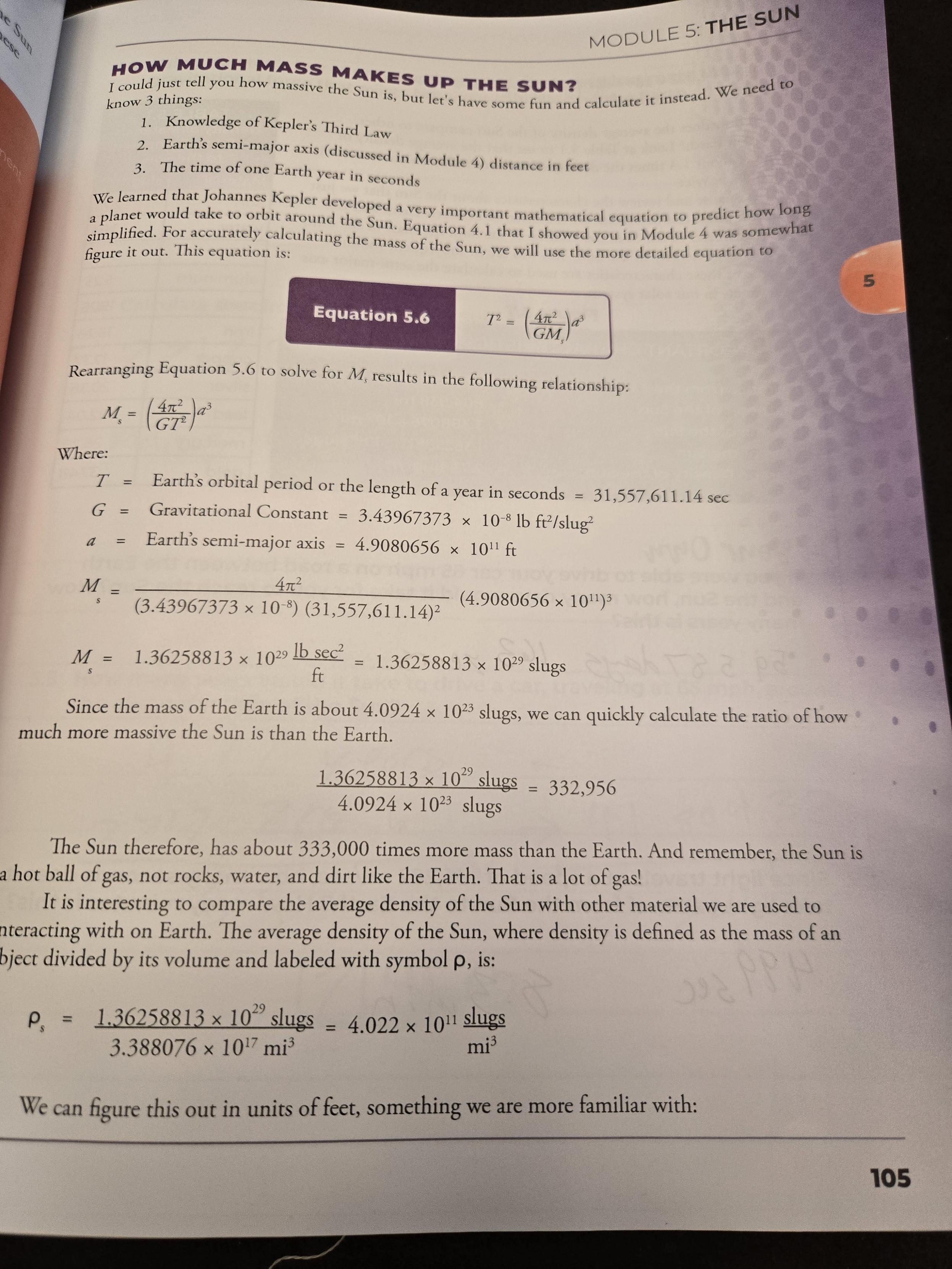
This is an actual science textbook doing math in imperial units. I've never seen anything so bizarre.
 @heiseonline@social.heise.de
2026-02-16 07:07:00
Steam: Nutzer können ihre Hardware an Reviews anhängen
Wer Reviews auf Steam schreibt, kann nun auch seine Hardware-Spezifikationen anhängen. Das soll helfen, Nutzer-Tests aussagekräftiger zu machen.
https://www.
 @mro@digitalcourage.social
2026-04-16 13:39:45
Removal of XSLT from HTML living standard · Issue #1287 · mozilla/standards-positions
#web
@cosmos4u@scicomm.xyz2026-01-18 02:04:50
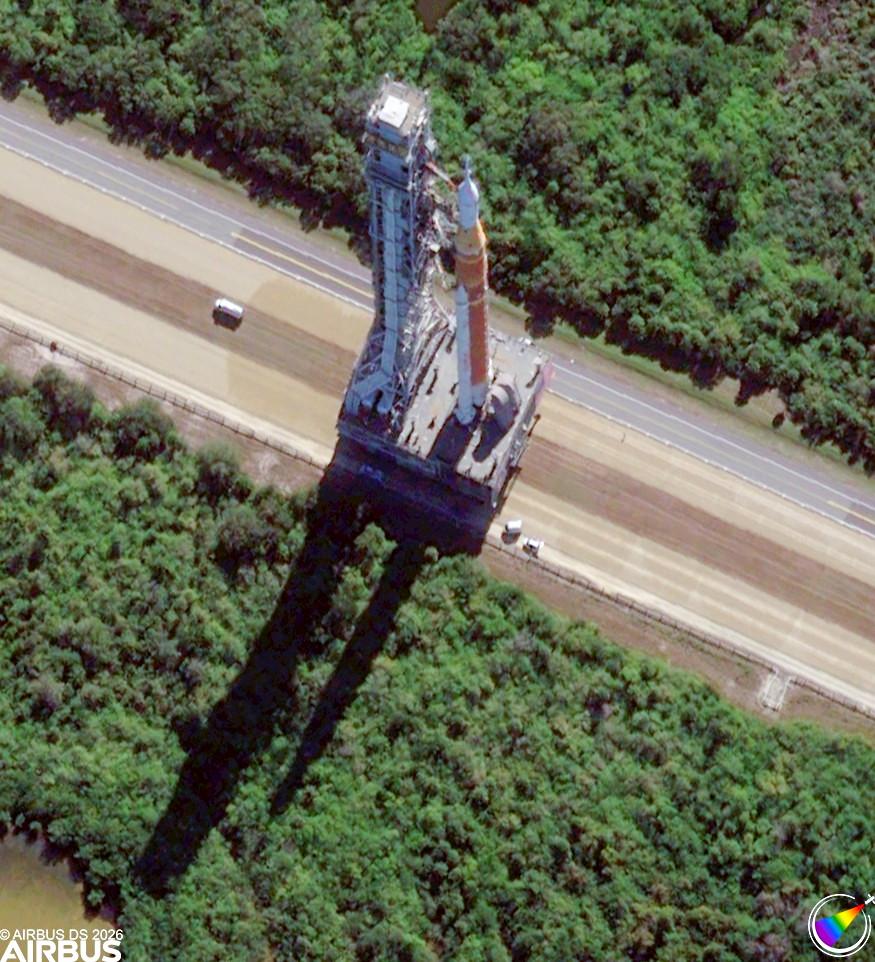
The #ArtemisII roll-out seen from orbit with 30 cm resolution by the Pleiades NEO 3 satellite - from https://bsky.app/profile/spacefromspace.com/post/3mcnxxeada22g
 @cosmos4u@scicomm.xyz
2026-03-18 01:30:06
A scary milestone was reached on Tuesday when for the first time more than 10,000 #Starlink satellites were in LEO simultaneously: https://spaceflightnow.com/2026/03/16/live-coverage-spacex-to-launch-25-starlink-satellites-on-falcon-9-rocket-from-california/ - see https://www.planet4589.org/space/con/star/stats.html for the hard numbers, namely 10,049 satelltes in orbit (with 10,039 of them working of which 7903 are in operational orbits) out of 11,558 launched in total since 2018.