 @heiseonline@social.heise.de
2026-08-20 08:16:21
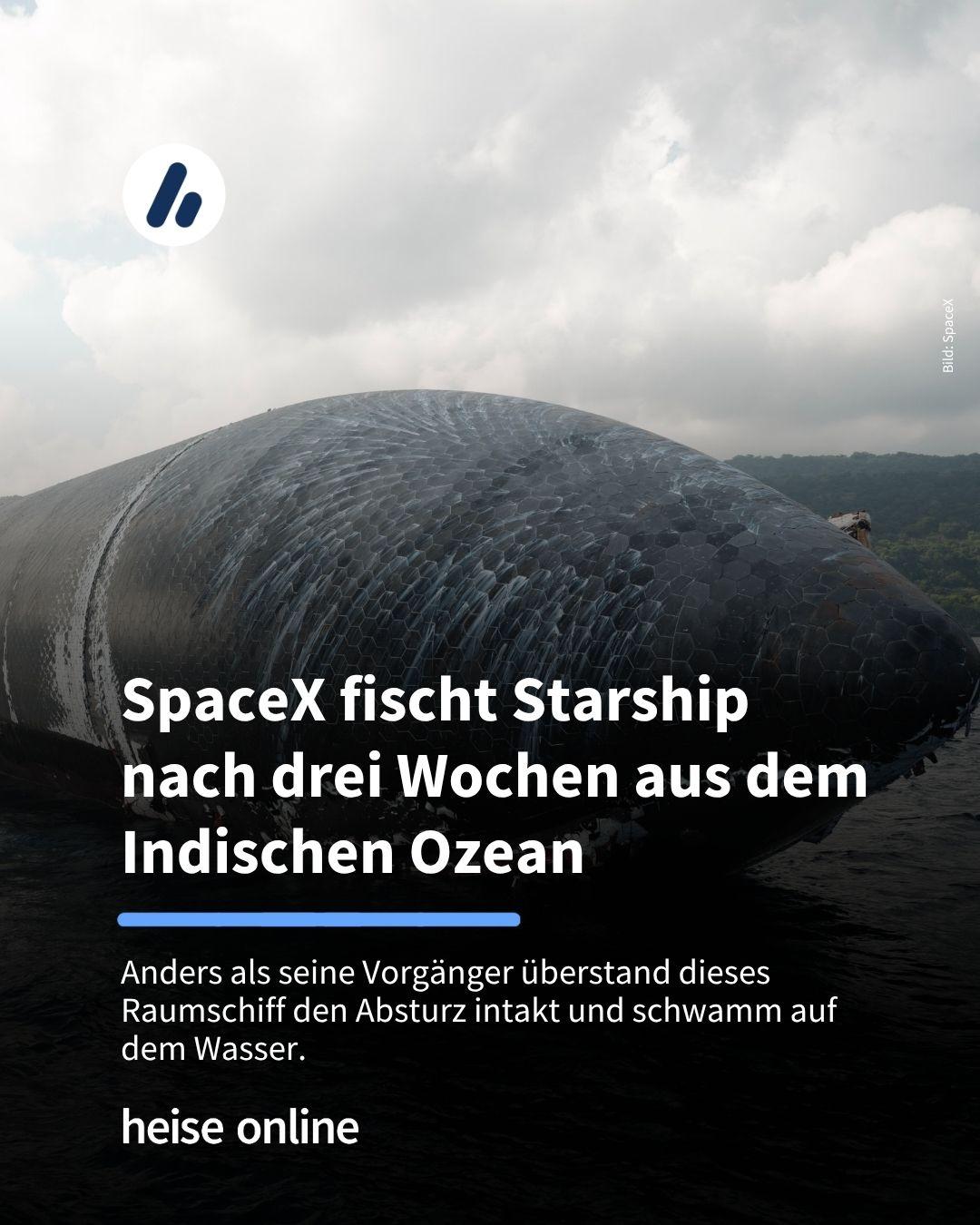
Drei Wochen Badeurlaub im Indischen Ozean. Das Starship hatte definitiv eine längere Auszeit als geplant. 🌊🚀
Zum Artikel: https://heise.de/-11419519?wt_mc=sm.red.ho.mastodon.mastodon.md_beitraege.md_beitraege&utm_source=masto…
 @arXiv_physicsappph_bot@mastoxiv.page
2026-07-22 07:58:10
Ambient Pressure-Driven Actuators and Shape-Morphing Metamaterials
Benjamin Holdstock, Robert Trowbridge, Alexander W. Powell, Julian Monsalve Londono
https://arxiv.org/abs/2607.18982 https://arxiv.org/pdf/2607.18982 https://arxiv.org/html/2607.18982
arXiv:2607.18982v1 Announce Type: new
Abstract: Actuators which change shape in response to ambient pressure have great potential for use in extreme environments, from space to the deep ocean. Bi-layer actuators have so far not been explored to this end, despite their lightness and mechanical simplicity (there is no requirement for a separate power source or pump, for example) making them ideal for applications where transport and maintenance are difficult. In this paper, foam-based bilayer actuators powered by ambient pressure change have been constructed, modelled mathematically, characterised in terms of their actuating force, and built into deployable devices and metamaterial structures to showcase properties such as negative pressure expansivity. Actuators such as these are ideally suited for a range of applications, from deploying solar panels and sensors in space and extra-terrestrial atmospheres, to under-sea expandable structures and sensing.
toXiv_bot_toot
 @seav@en.osm.town
2026-07-18 19:23:19
According to this updated password hacking table from #HiveSystems, my password system is firmly in the green zone. 💚
https://www.hivesystems.com/password
 @seav@en.osm.town
2026-08-18 11:33:46
#TuneTuesday (Aug 18)
“Didn’t I” is a very underrated 1999 song by British singer Valerie Etienne. This pop-R&B song is an upbeat romantic ballad with lovely harmonies in the chorus.
https://youtu.be/iiTbeeJb-yI…
 @maze@osna.social
2026-08-10 17:22:02
📣 #kundgebung
:anti_nazi: Kein #AfD Stammtisch und keine rechten Strukturen in #osnabruck
Wann: 21. August 2026 | 19Uhr
Wo:


 @sherold@mastodon.online
2026-07-14 07:55:14
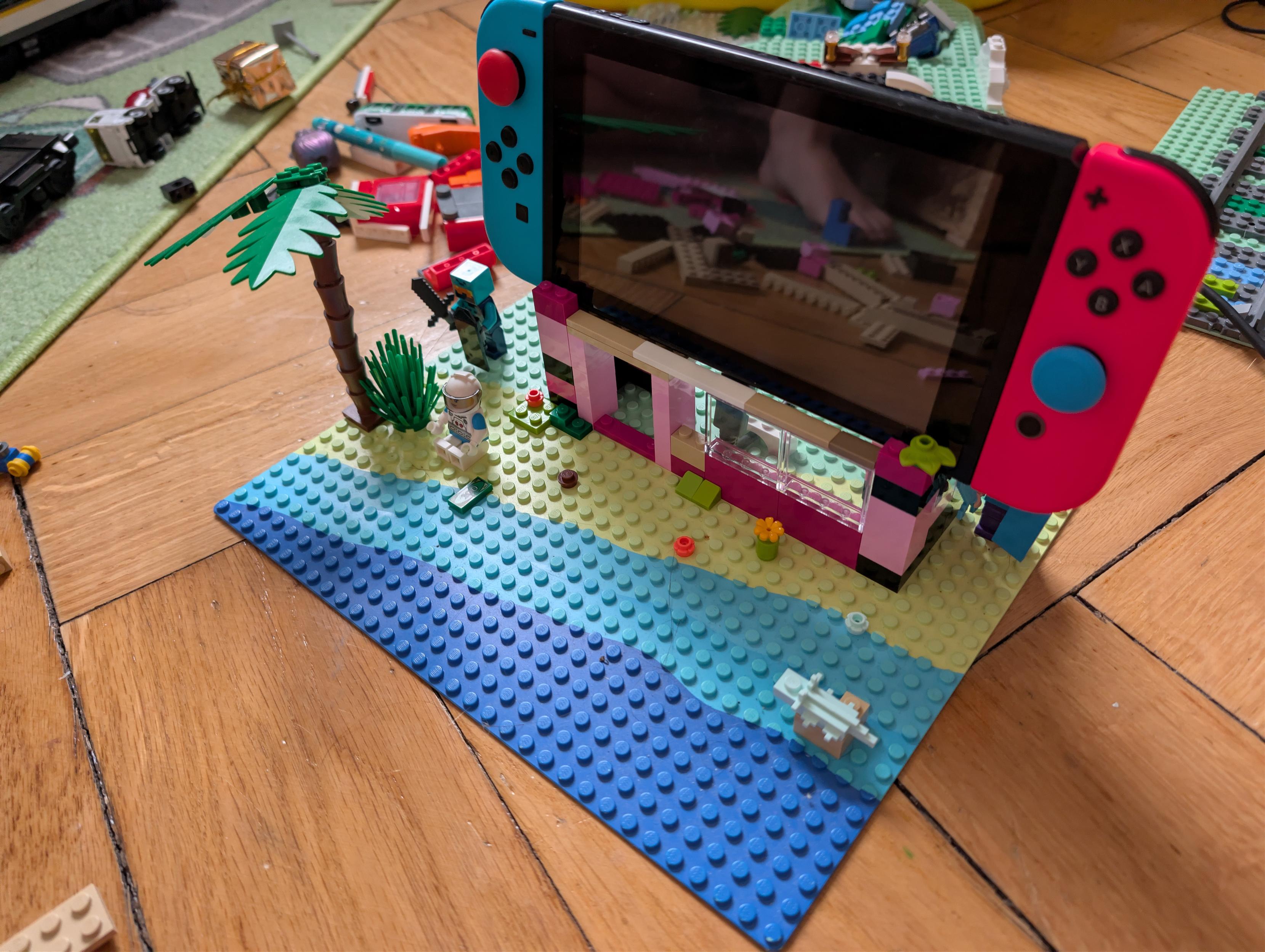
Just built a quickly improvised Switch station with the kiddos using leftover Minecraft parts.
I like the beach vibe. 🏝️
#Fedieltern
 @maze@osna.social
2026-08-11 09:30:13
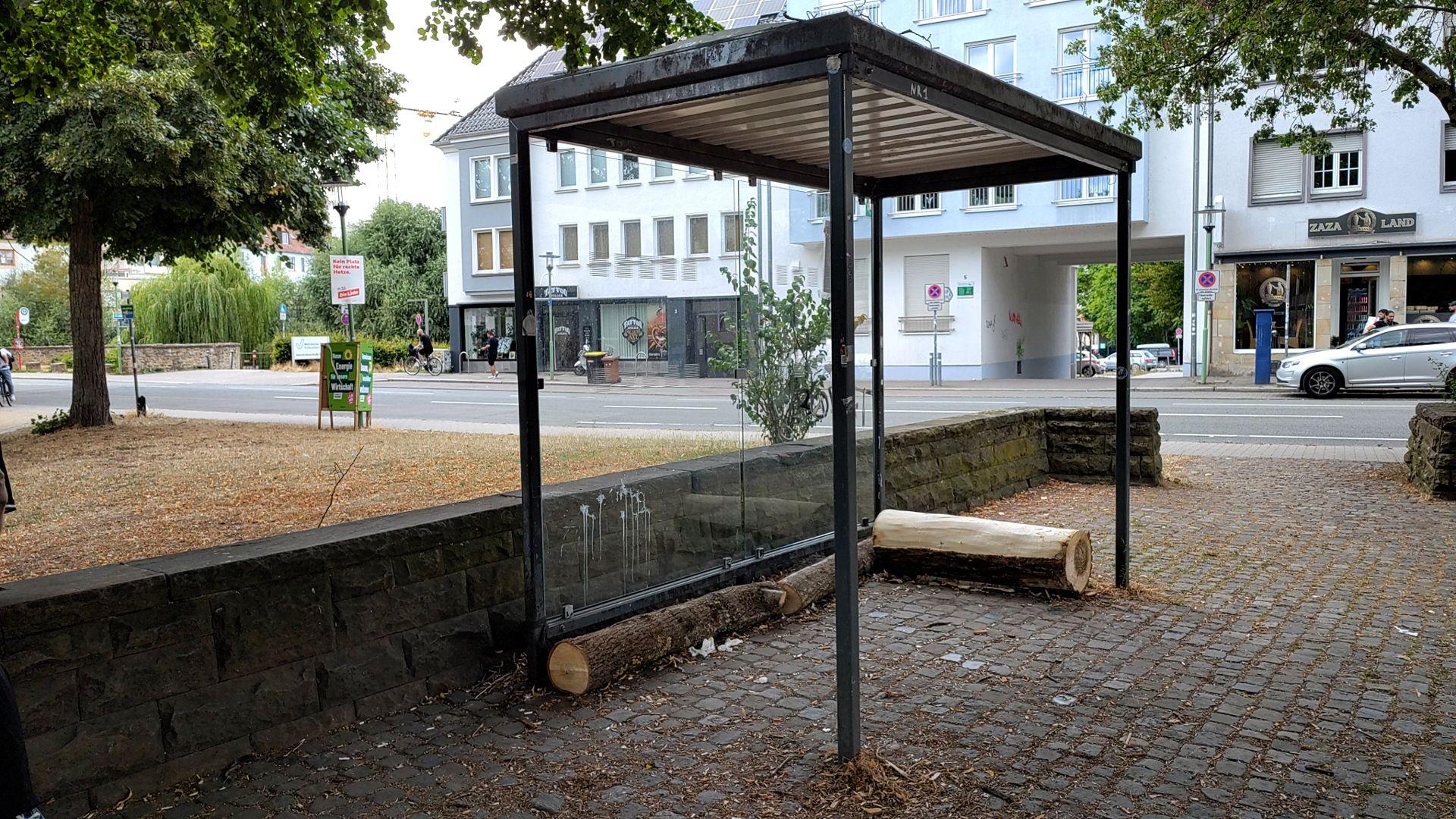
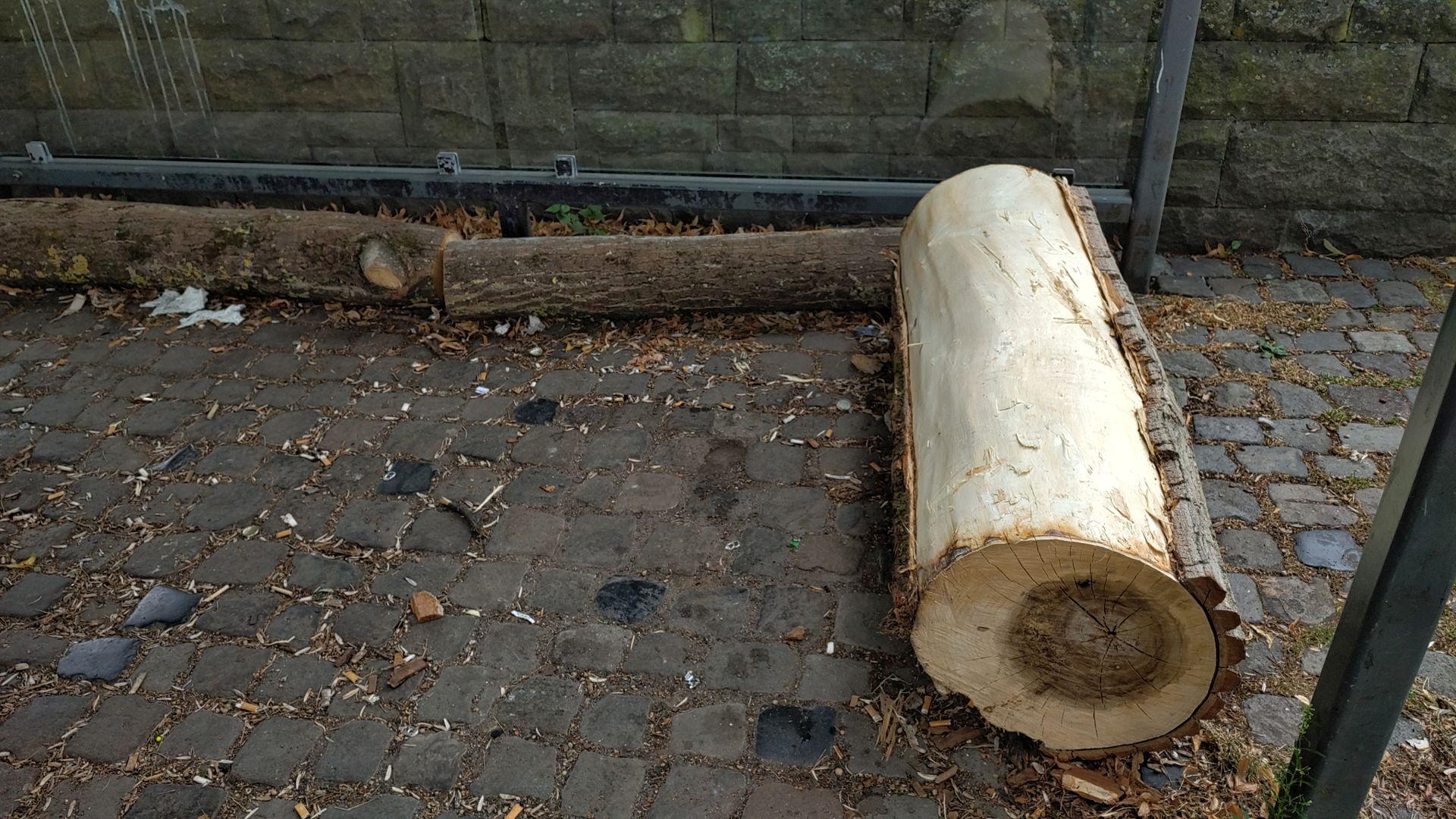
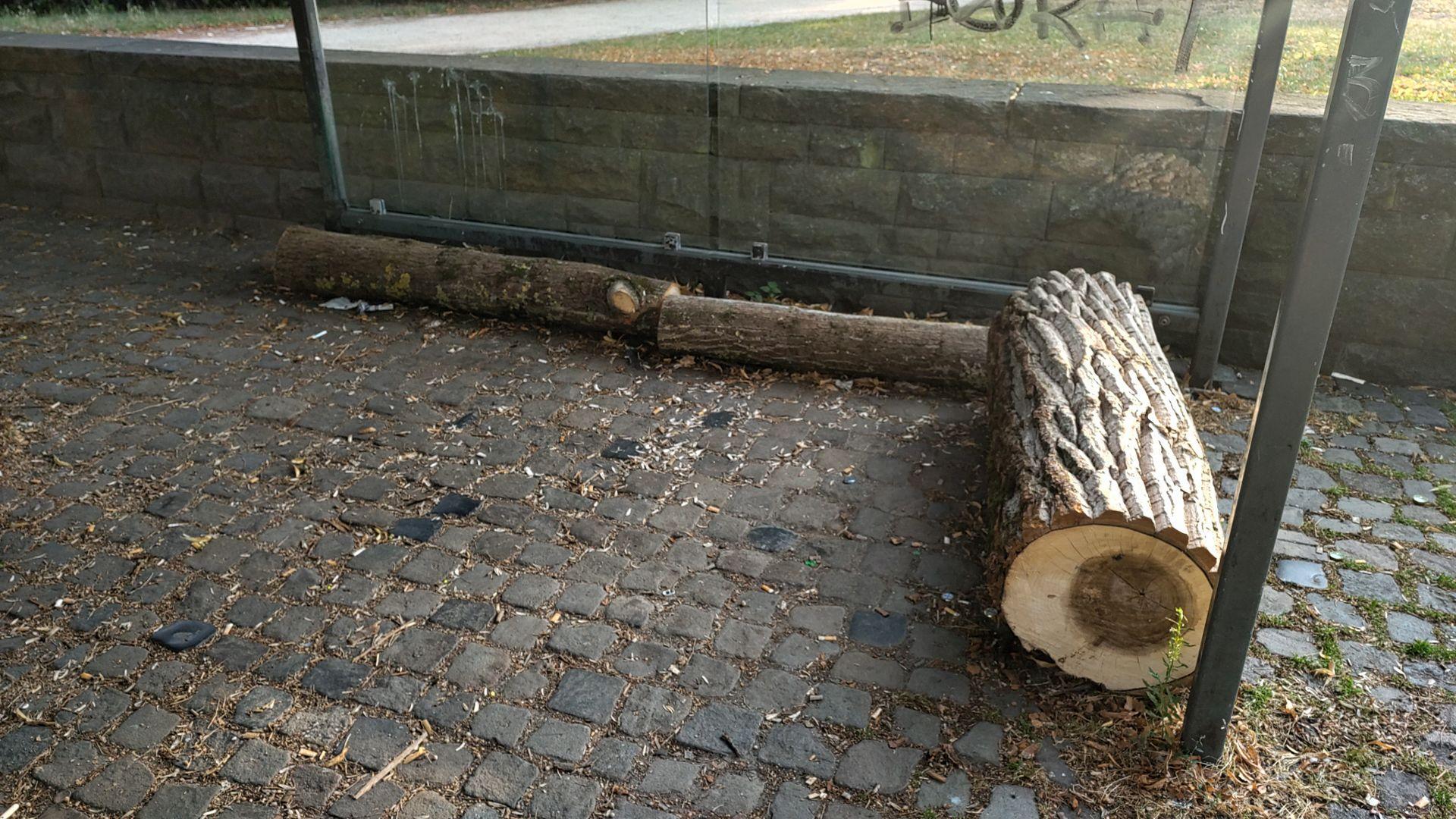
Hallo Stadt @…, habt ihr zufällig eine Info, wer der "Betreiber" des Wetterschutzes am #RaiffeisenPlatz in #osnabruck ist?
Danke 🙏🏼 im Voraus!
 @cdarwin@c.im
2026-07-01 21:38:45
Dunes absorb wave energy, reduce flooding, and help shield coastal communities from storms and rising seas.
They also provide habitat for plants, insects, birds, and small mammals, including federally protected species such as the least tern and the western snowy plover.
But dunes are also easy to erase.
They often sit on flat, sandy, highly desirable land near the ocean
— exactly the kind of land people like to build on.
 @seav@en.osm.town
2026-09-20 09:40:42
 @maze@osna.social
2026-09-06 16:18:31
:antifa:
Gemeinsam auf die Straße‼️
Angesichts der Wahlergebnisse heißt es jetzt zusammenschließen und organisieren, statt ohnmächtig zuzusehen.
#Demonstration zu den Landtags- und Kommunalwahlen
⚠️ 12.09.26
⚠️ 18 Uhr,
⚠️ Startpunkt: Theatervorplatz
#DenRechtendieRäumenehmen
