 @jdrm@social.linux.pizza
2026-08-19 12:11:02
- Dios mío, la burbuja económica de la IA puede estallar
- ¿Y qué recomienda hacer?
- Inflarla mšs, claro
- ...
- ¿unos tulipanes?
https://amp.dw.com/es/el-fondo-soberano-de-noruega-teme-que-estalle-la-burbuja-de-la-ia/a…
 @cdarwin@c.im
2026-09-15 03:22:27
Ukraine will only halt attacks on Russian energy targets if the enemy does likewise and the US guarantees it,
Volodymyr Zelenskyy said.
The announcement came after Donald Trump’s uncorroborated claim that both sides have agreed to such a ceasefire.
Neither Ukraine nor Russia had said so at time of writing.
The US president regularly claims to have brokered what turn out to be nonexistent or extremely shortlived deals between foreign adversaries or with his o…

 @LaChasseuse@mastodon.scot
2026-07-09 12:01:11
Interesting to compare the author Neal Stephenson's profiles on X/twitter vs. Bluesky.
He has 89,4 K followers on X, where he still posts, but just under 10 K on Bluesky, where he doesn't post at all.
He has many fans on the fediverse who discuss his books, but he is not here.


 @AccordionBruce@Mastodon.social
2026-08-01 23:47:29
#PiñataProtest 🪅🪧 is giving away an accordion and a bass! 🪗 🎸
Email them to enter their raffle at PinataProtest56@gmail.com
🪗❤️🔥🤠
#punk #Norteño

 @penguin42@mastodon.org.uk
2026-09-11 13:42:34
Ooh, that's getting there.... This is a BBC B captured with the RGB wired directly to a PICO GPIO and advertising USB video; now hmm, wtf is it backwards. (It's yellow because I ahem need to put the blue pin in the right place). I've not properly done sync yet and it's not bad!

 @carloshr@lile.cl
2026-07-05 17:40:48
El extraño caso del oficialismo que se autopercibe oposición | Columna de Daniel Matamala
https://wallabag.altgr.xyz/share/6a4a96f182edc0.54435682
Original 🔗
 @matematico314@social.linux.pizza
2026-07-12 03:27:42
A Argentina estš me lembrando aquelas engines de xadrez com opção de auto-ajuste, colocando o nível do jogo "muito forte" quando estš em posição inferior e "muito fraco" quando estš em posição superior. Em všrios jogos foi assim, no mesmo nível do adversšrio, não importando qual fosse rs.
@matematico314@social.linux.pizza2026-07-06 03:13:44
@carloshr@lile.cl2026-08-21 21:20:34
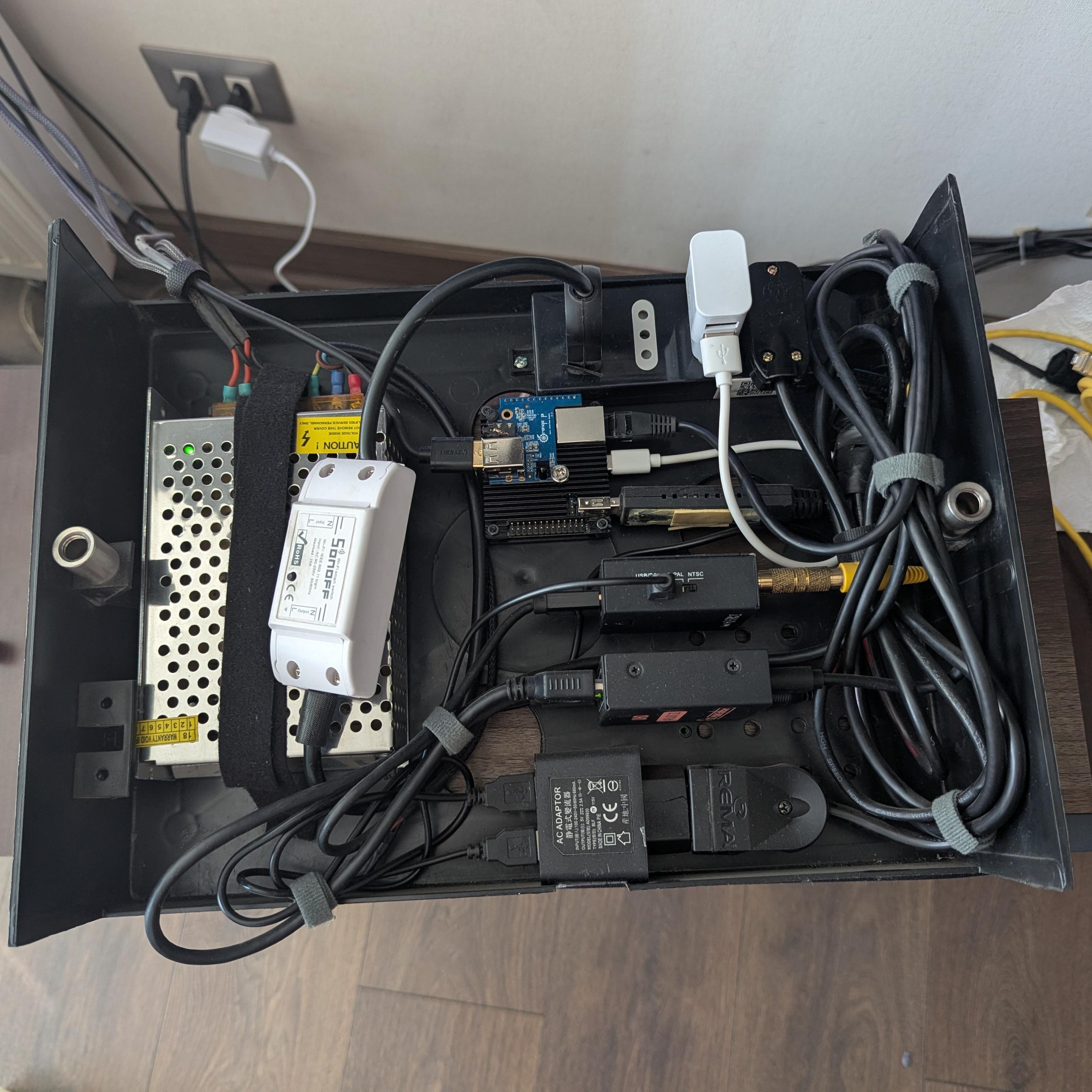
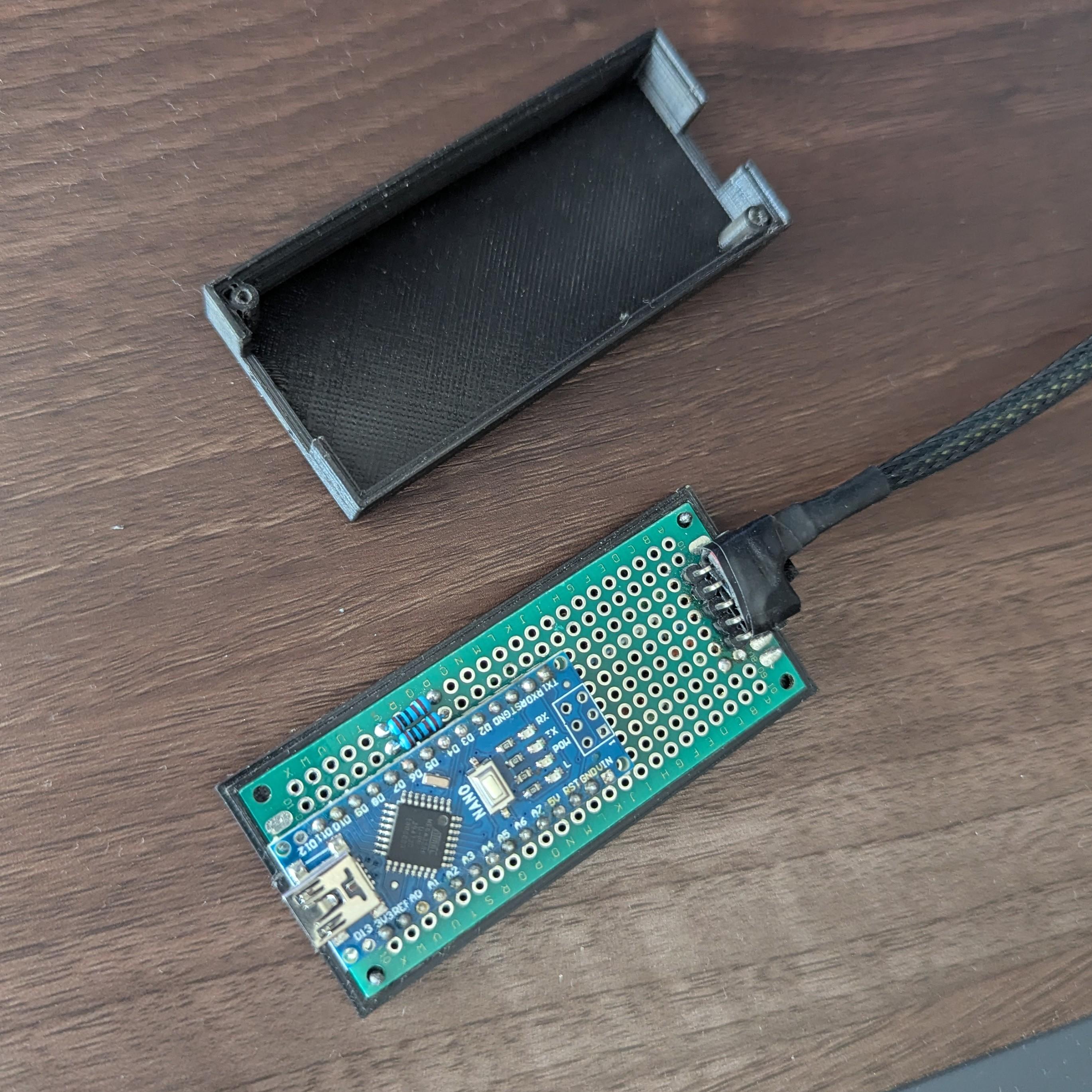
Ya quw estamos en eso, les presento otro de mis proyectos ñoñísticos. Es algo que tengo hace harto tiempo, pero había dejado de funcionar y hoy me hice el tiempo de repararlo. Era algo tan simple como un cable suelto.
Al que adivine que hace le transfiero todas mis acciones de Tesla y Google.
(Pista: se conecta a la TV)
#FediÑoñeando
 @matematico314@social.linux.pizza
2026-06-29 19:36:28