 @cdarwin@c.im
2026-07-17 20:33:42
Monday's killing in Biddeford Maine
—at least the 11th that agents of the nation's anti-immigrant death squads have committed in the U.S. since the start of Donald Trump's crackdown
—has been met with public outrage,
but nothing indicates that the federal government thinks anything went wrong at all.
As is its custom, ICE told lies about its victim, calling Duršn Guerrero an "illegal alien" in its statement
and suggesting that agents slaught…

 @aral@mastodon.ar.al
2026-07-16 06:57:34
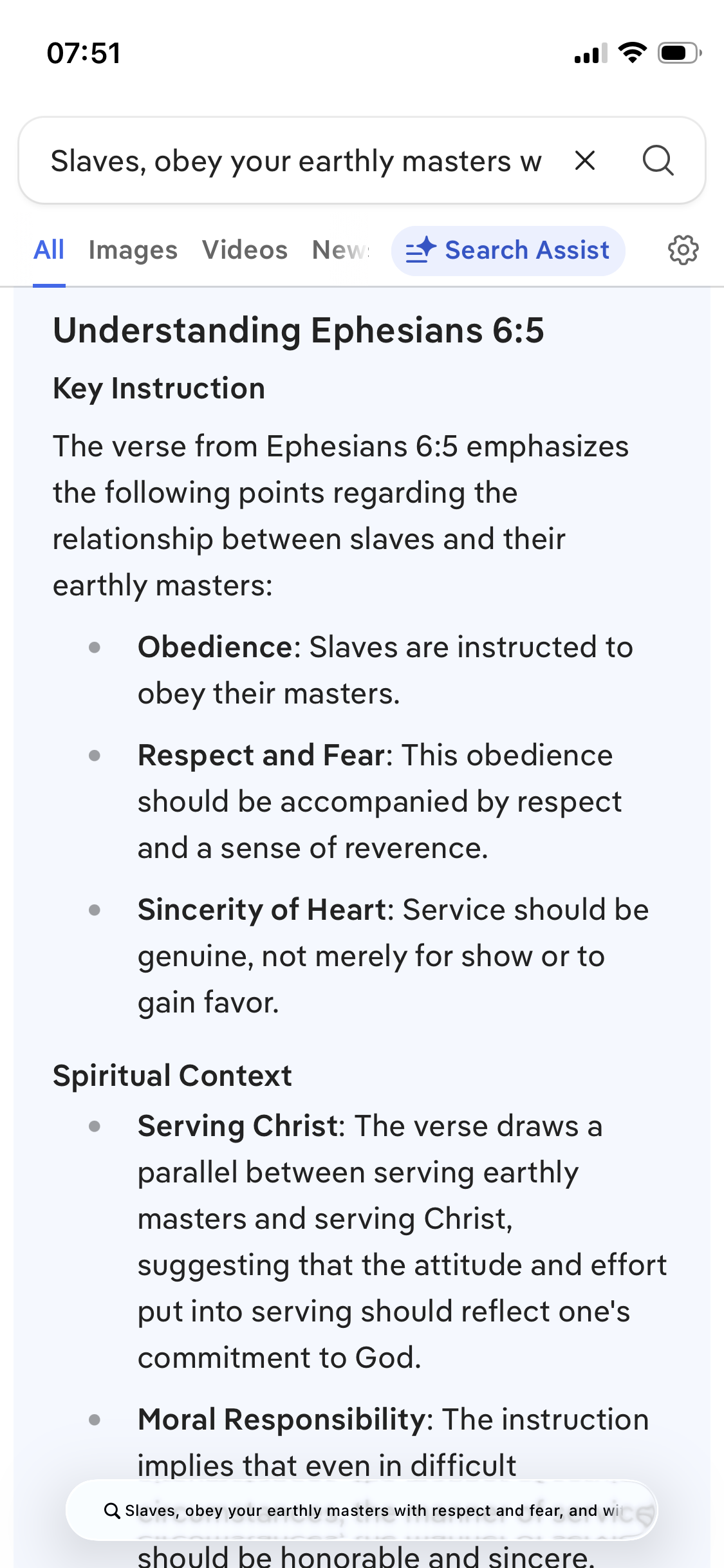
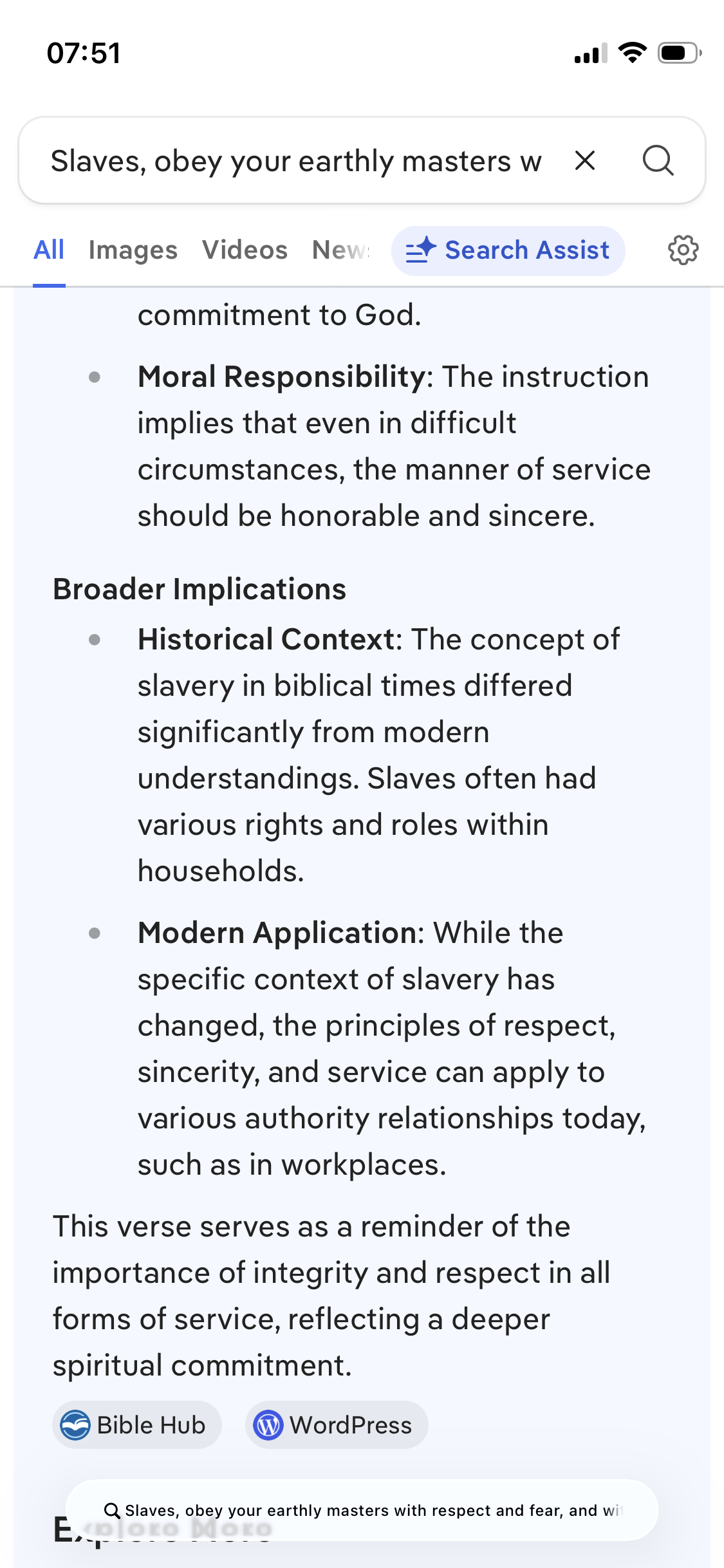
Donno what’s worse, the verse itself or DuckDuckGo’s generated explanation of it. @… https://partyon.xyz/@nando161/116925119988965039
 @smashtie@mas.to
2026-08-15 13:44:13
Zurbaršn was definitely a bit bonkers. Genius, sure, but woa, some of the symbolism is out there! The cherub heads with wings are a recurring theme, hovering with holy payloads. Check out the alt text for all the details.
#art #NationalGallery


 @tiotasram@kolektiva.social
2026-08-16 23:32:08
Just finished reading "The Beast Player" by Nahoko Uehashi. I had already watched the anime, but it had been so king I didn't remember all the details. While the anime was great, the book is even better, and it's going to be high on my list of things to recommend to my children when they're old enough to read for fun.
The neurodivergent representation is cool, as is the deep central question of interspecies bonds and the political possibilities and dangers they entail. Uehashi handles the exploration of that question well in my judgment, including appropriate ambiguity without muddying moral clarity. Elin is a truly fantastic protagonist, not without flaws but nevertheless a excellent role model and a very sympathetic figure without being pitiful.
One thing I really love about Uehashi's writing is that she's not shy about using interior narration to tell the reader directly what a variety of characters are feeling, but when she does this she focuses on human contradictions, quirks, and weaknesses that make those characters feel much richer, and that remind the reader of all the ways our weird and sometimes contradictory or inexplicable quirks guide our actions just as much as both logical thought and predictable/expected feelings. None of the characters is an unerring source of wisdom, with every grand principle presented shown to have its weaknesses and biases, and even the wisest characters making mistakes and learning from them.
Overall, a wonderful book, and having also seen the "Seirei no Moribito" anime but not read the books, I'm excited to dig into more of Uehashi's extensive catalog.
#AmReading #ReadingNow #Bookstodon
 @aredridel@kolektiva.social
2026-07-11 17:06:34
For those that don't know, I help run a large women in technology chat group on Slack. It's been going for 11 years now! (ask me for an invite if you want one and that's appropriate!)
It has deeply shaped how I think about technology, especially the social side. There is so much embodied knowledge in that community, it's amazing. And it's also such a window into how much the mainstream of technology writing is dominated by men. We talk about it differently! We're much more likely to be critical, and to be critical of the _structures_ in tech. Sometimes that comes off as kneejerk "Ugh BRIAN!" to some of the bullshit men to do women in the workplace, but also embedded underneath is an understanding of rarely-mapped power structures in the field. So much advice out there is written assuming that there is no dissent, no silent frustration, no quiet abandoning the job when the pressures are unresolved. And so much of the tech world, press and on social media alike, has no insight that this attrition even happens.
Women, collectively, though, understand it. We notice the patterns of promotions. We understand the way that if we're in our 40s, we're rather likely to have a manager who is a decade younger than we are, with no particular experience. We notice when men are lauded for spending time with their family instead of work on occasion, but women are expected to be present at all times and rarely seen positively for doing the exact same things.
And yet, any given instance is always shrouded in deniability. The pattern generally holds, but is this one my fault? Do I not measure up? Or is it sexism?
That's what these structures rob from us: we never have the clarity in feedback that it is accurate, that is us that must change. When we stick to our guns, are we being obstinate, or are we correct? That information is denied to us by sexism. It only becomes clear in aggregate, and even then it is very hard to find action to take on it except to acknowledge it and move on.
I don't think people talk about that ambiguity enough: we're always looking for the clear sexism, the man speaking over the women, the trading sexual favors for advancement, the clear pattern of pet-to-threat that so many women experience as they age or gain skill in the field. But the bulk of sexism that we experience is in the structural poisoning of feedback.
 @Techmeme@techhub.social
2026-09-09 04:20:46
Anthropic's Alignment Science lead says there is a ">10%" chance AI could kill all humans within the next decade and worries about recursive self-improvement (Evan Hubinger/@evanhub)
https://x.com/evanhub/status/2097497037956891126

 @christydena@zirk.us
2026-09-12 23:54:27
@… You may already know about this. Just in case you don't, here!
Point-&-Click Showcase & Steam Event
https://
 @tiotasram@kolektiva.social
2026-07-12 16:28:07
Since it was relevant to a discussion I just had on here and is something most people probably haven't thought about much (unless you've taken one of a handful of philosophy classes), I thought I'd try to lay out a key piece of Descartes' Meditations (#philosophy
 @ruth_mottram@fediscience.org
2026-08-15 13:56:49
Currently planning a holiday in the Eifel this October, not quite what I was expecting to read about here...
https://mastodon.social/@carstenfranke/117097064884848091
carstenfranke@mastodon.social - So in my home state in Germany there is a forest on fire, the largest wildfire in the history of North Rhine-Westfalia.
Size wise nothing compared to what we see here in the US, but there is a little quirk: firefighters have to be extra cautious and can't access all areas, because of WWII ammunition, mines and grenades that still are in the soil.
I remember hiking that general area with my parents in the 1980s and occasionally finding rifle rounds.
Wars have long lasting consequences.
 @mlawton@mstdn.social
2026-07-10 14:58:19
Finished reading “Tokyo These Days, Volume 1” by Taiyo Matsumoto.
A veteran manga editor quits after 30 years, then quietly visits artists, famous and forgotten, assembling an artistic endeavor not fully revealed.
Rich characters won me over: reserved Shiozawa most of all, though flawed Chosaku is who I want to learn more about. Very much part one, setting the table. Might be my first manga?
4/5 stars ⭐⭐⭐⭐