 @cdarwin@c.im
2026-10-22 21:07:33
Donald Trump’s communications staff has removed The Independent’s White House correspondent from the traveling press pool that was scheduled to cover his trip to Iowa for a campaign rally on Thursday.
Correspondent Andrew Feinberg was notified by the White House Press Office on Wednesday evening that he will “not be the print pooler on tomorrow’s trip”
despite his scheduled shift in the rotation, which was confirmed days earlier.
“Thank you for your understanding,” the spars…

 @Xexyz@mastodon.me.uk
2026-08-24 16:54:20
Burnout Legends: without the legends
Or, indeed, any other traffic. Burnout Legends on the DS is quite impressive given its age, but it doesn't feel like a Burnout game; it's pedestrian, there's little danger or threat, it's really difficult to actually cause a crash, and the digital steering means the cars feel almost identical to each other. You can build up boost by driving on the wrong side of the road with basically no concern that you might meet something coming…<…
 @steve@s.yelvington.com
2026-10-22 22:00:34
The copy/paste Republican rants about Sharia law and communism seem to have abated for a day or so. What's the next wing nut talking point?
 @qurlyjoe@mstdn.social
2026-10-23 04:31:58
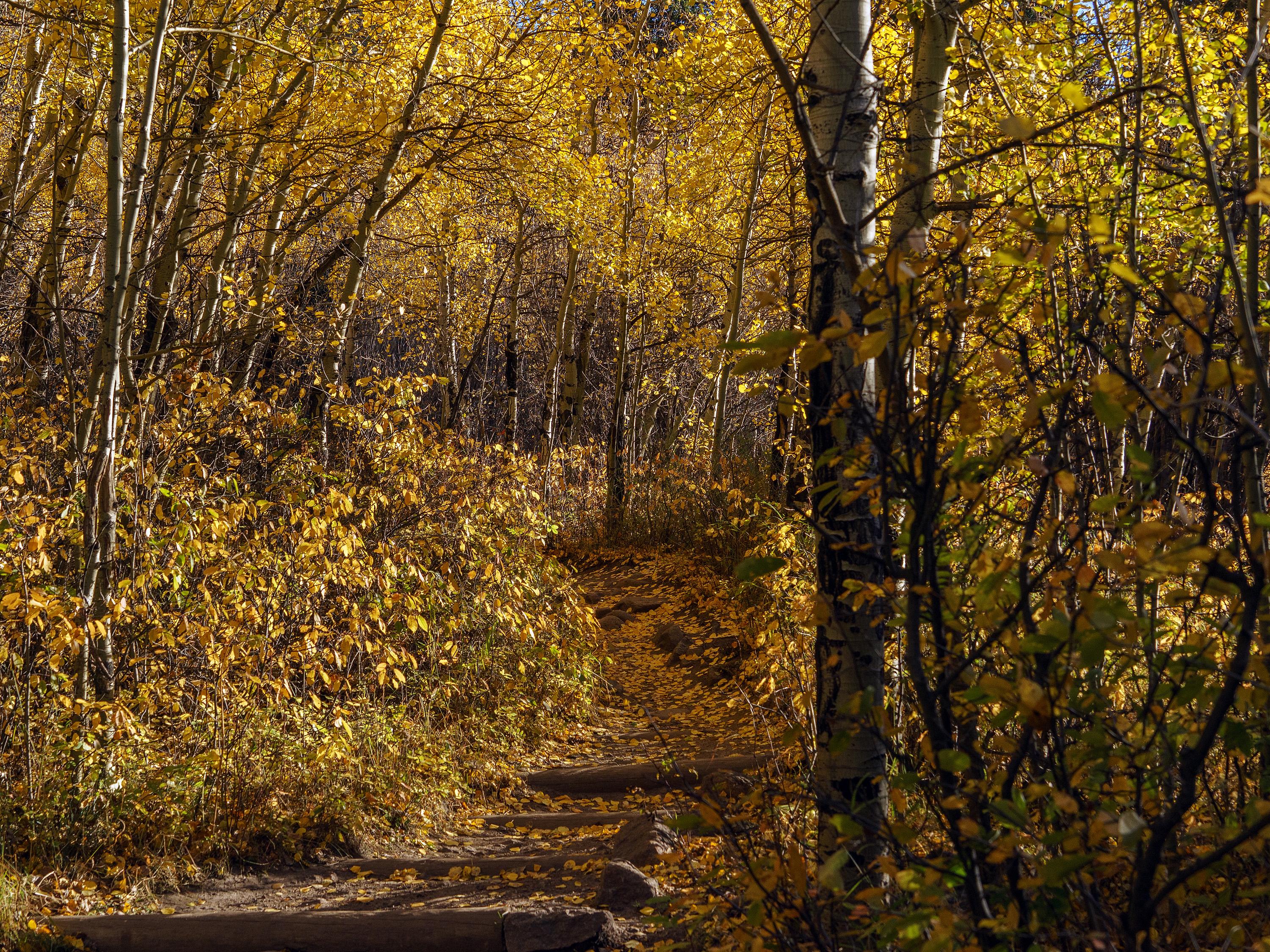
#footpathFriday
#RockyMountainNationalPark
Along Cub Lake Trail. October 2015
 @raiders@darktundra.xyz
2026-10-24 17:00:47
Raiders vs Rams game picks: Who the staff has winning Week https://raiderswire.usatoday.com/story/sports/nfl/raiders/2026/10/16/raiders-vs-bills-game-staff-picks-win-week-6-matchup/92273638007/
 @dariaphoebe@mindly.social
2026-10-22 13:06:30
Cannons put on a good show and we landed back home shortly after midnight. Today, Wilbury Theatre gala after work and a RIPTA board meeting. But first, crumpets! Egg bacon tea coffee as always. #TogetherBreakfast https://photos.app.goo.gl/fuQAvpPwvEXf3hku9
 @ncoca@social.coop
2026-10-22 03:40:52
Wow, the #Philippines government, for its overseas embassies and offices, apparently uses #Gmail for even official communication. That seems...very worrying.
 @penguin42@mastodon.org.uk
2026-10-23 13:19:09
I found the NESO winter outlook report for generation, and also stumbled across a couple of their others;
The winter outlook one is top left of https://www.neso.energy/publications/winter-watch (We're probably fine this year, but there will be a few tight bits in December an…

 @michabbb@social.vivaldi.net
2026-10-23 08:11:15
🎨 Blade-aware Tailwind sorting: in dynamic classes like bg-{{ $color }}-500 the partial class is pinned in place. The @theme block is loaded first, so custom classes like bg-brand sort alongside the built-in colors
🛡️ Alpine attributes get canonical spacing. The rewritten output is verified token by token, and the original is kept if anything moved
 @stsquad@mastodon.org.uk
2026-10-23 08:21:34
