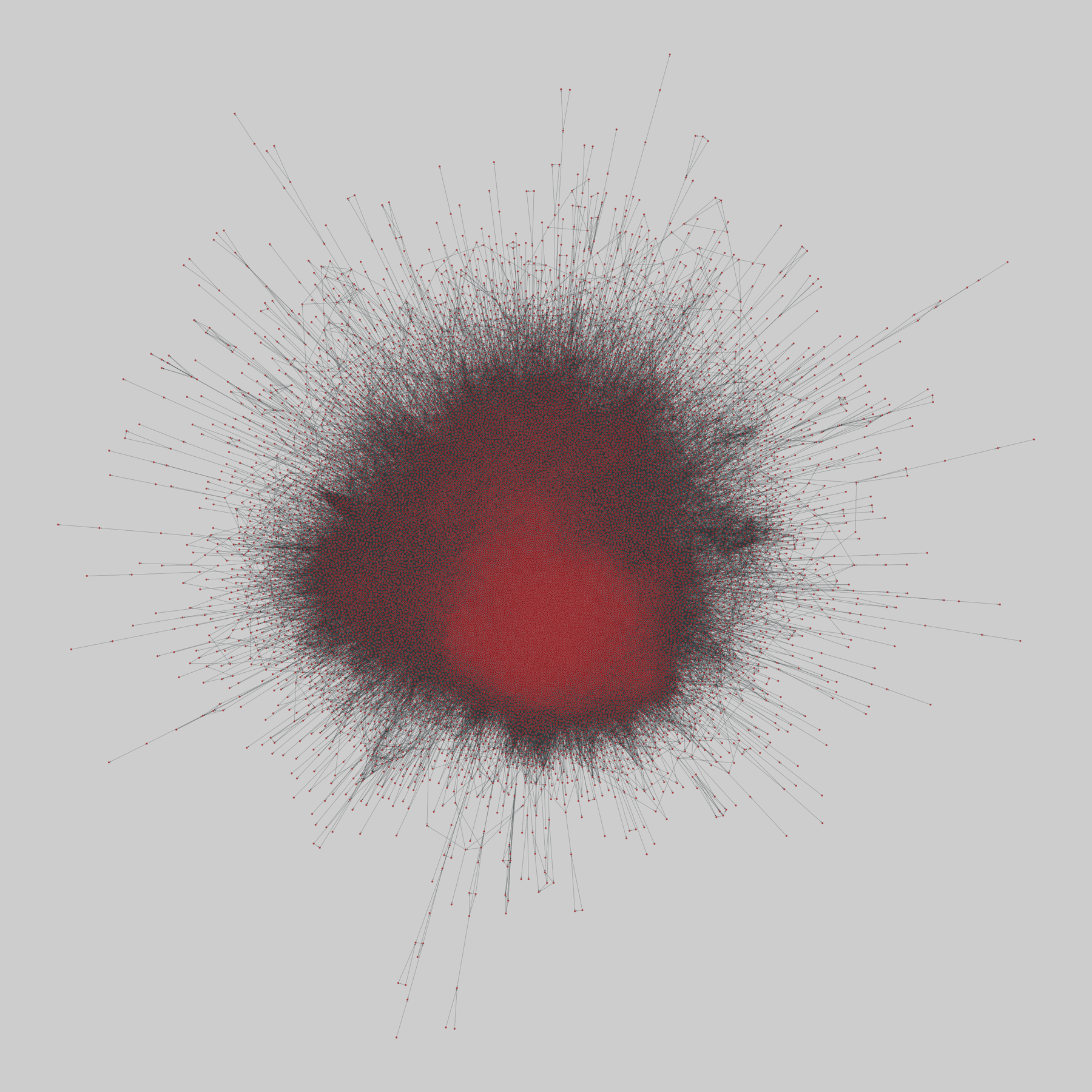
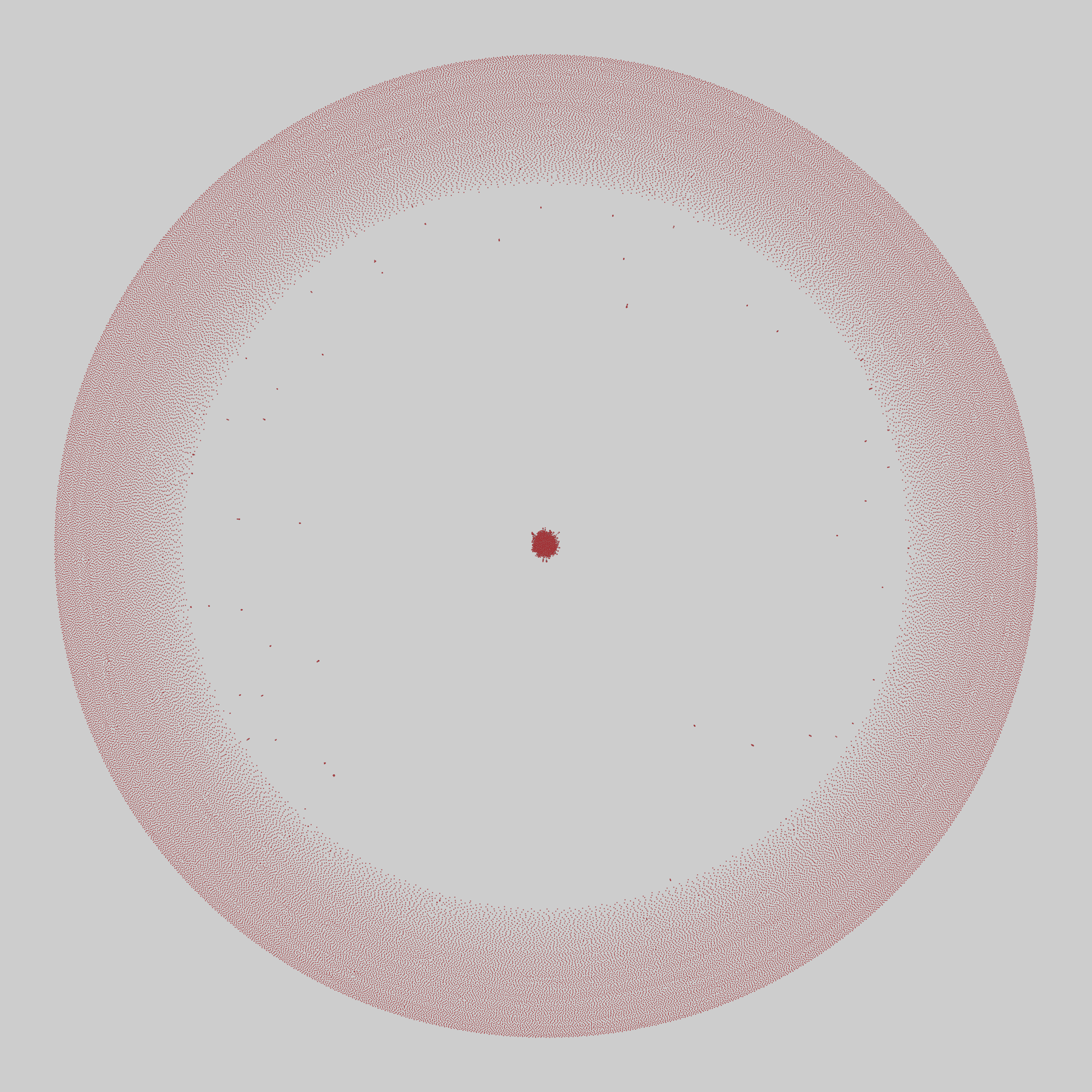
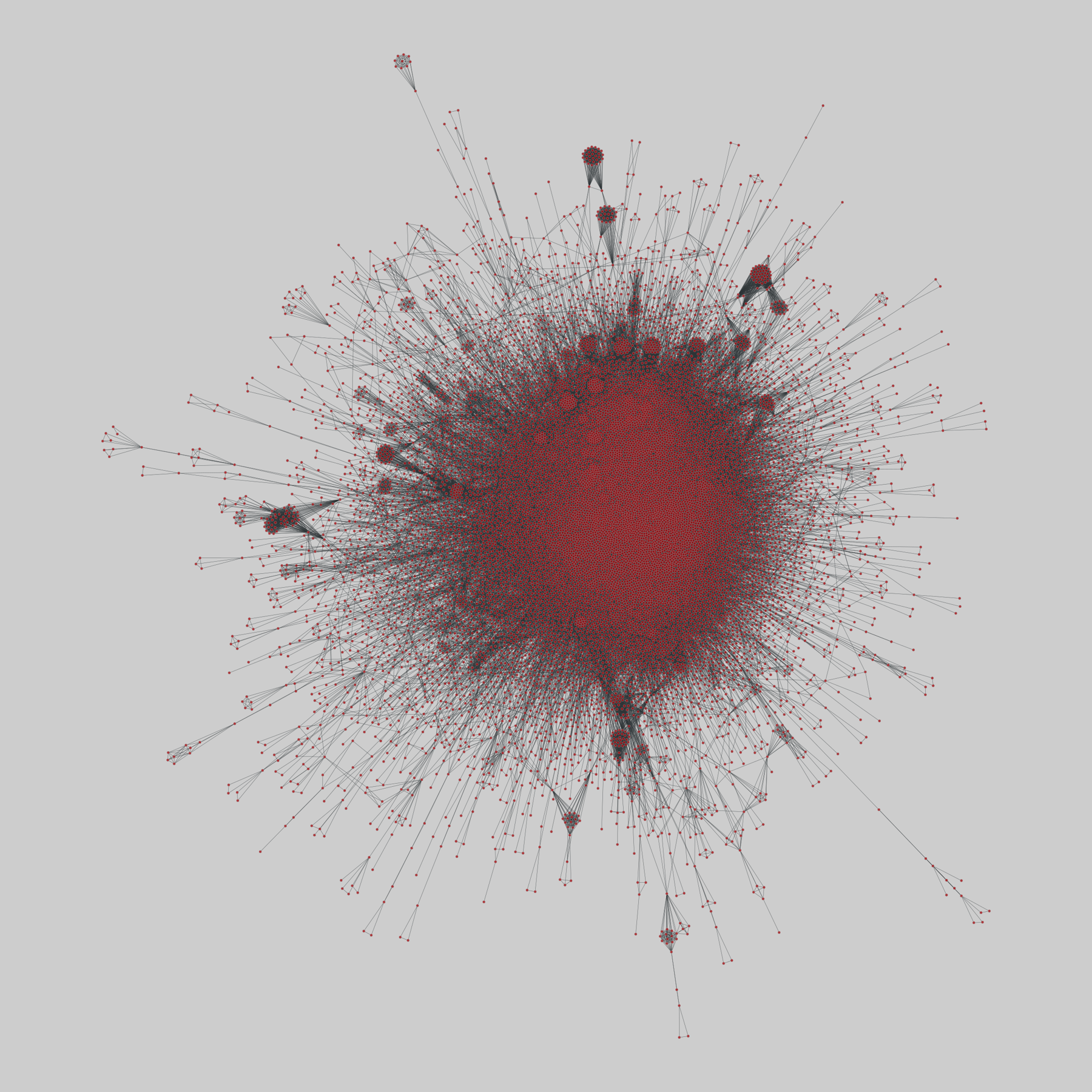
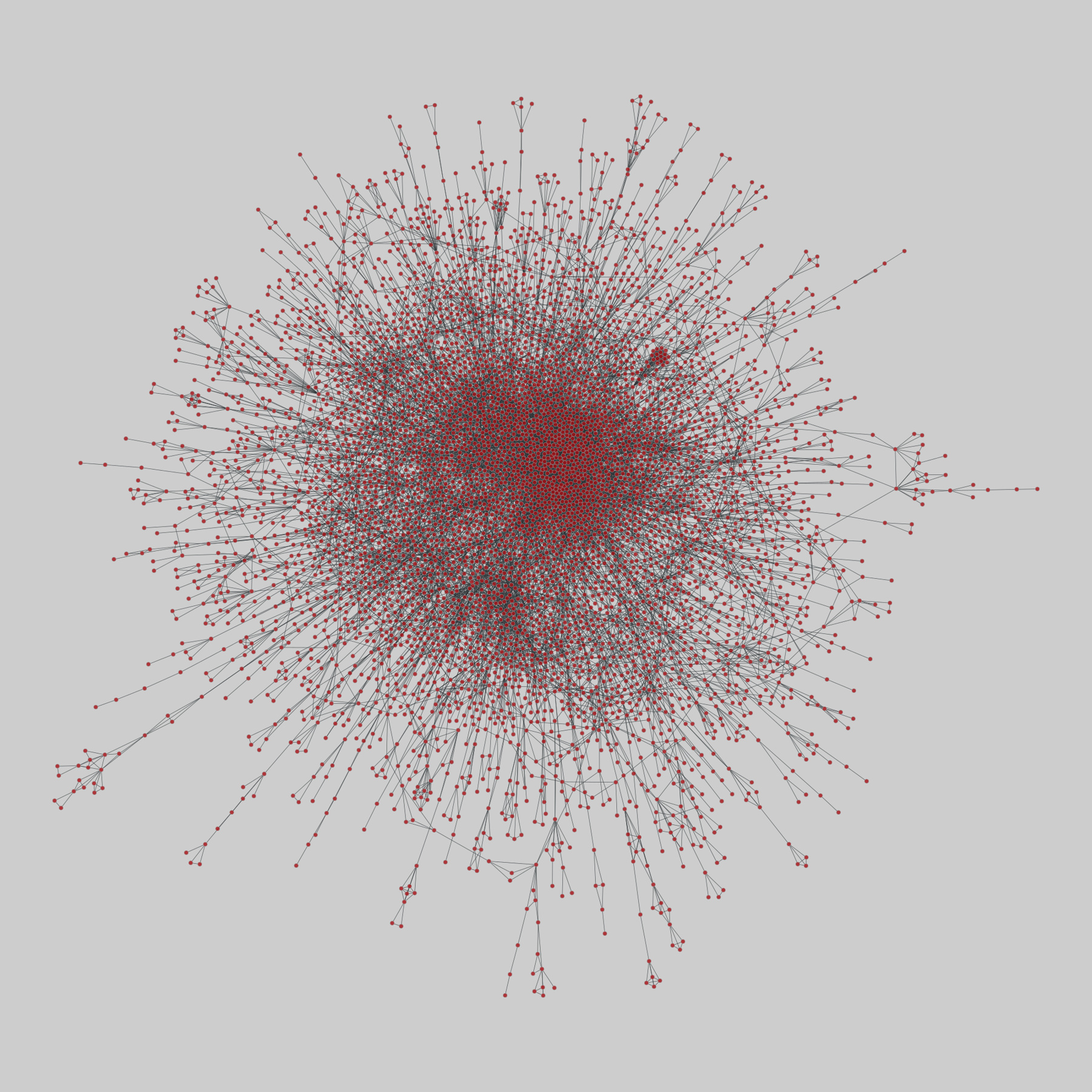
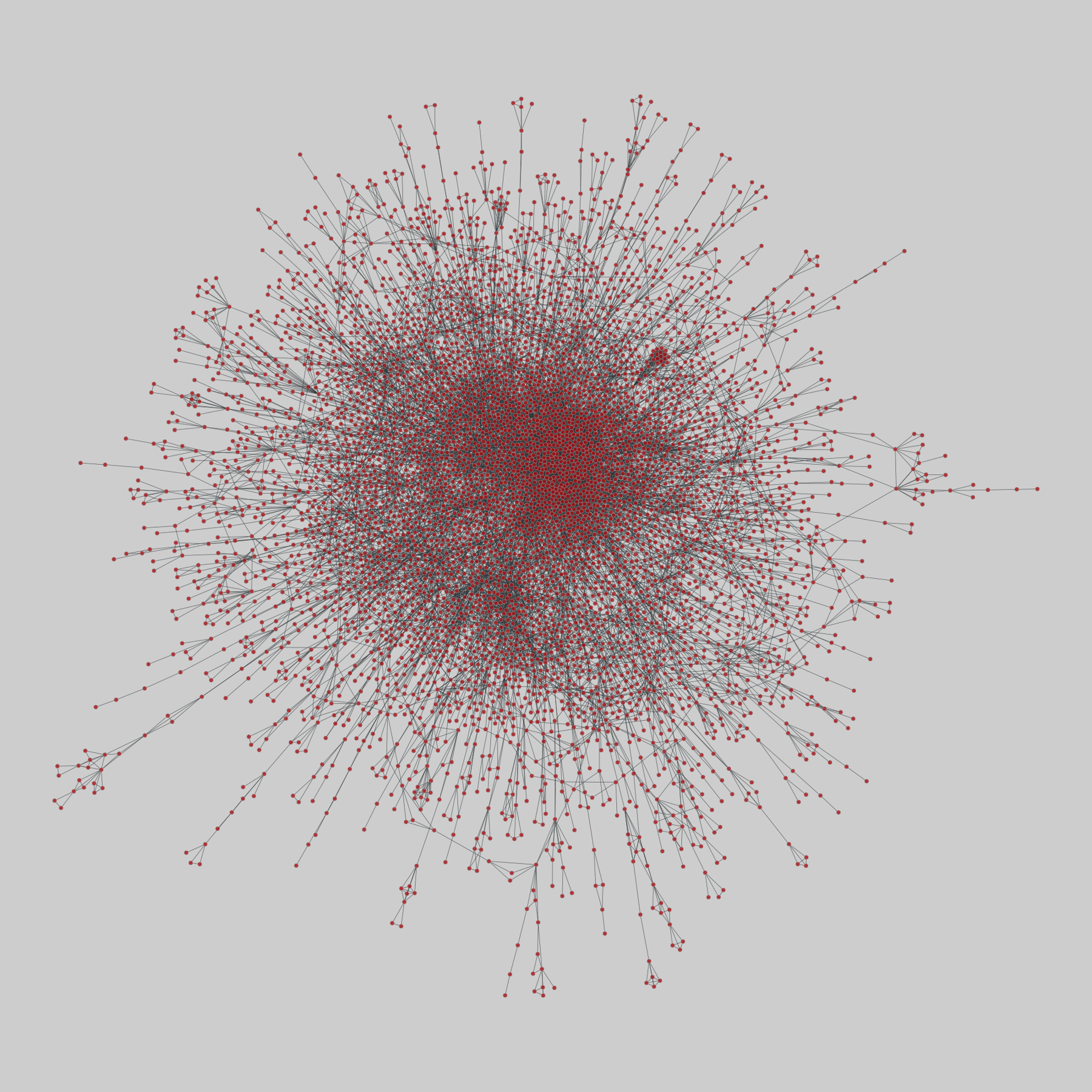
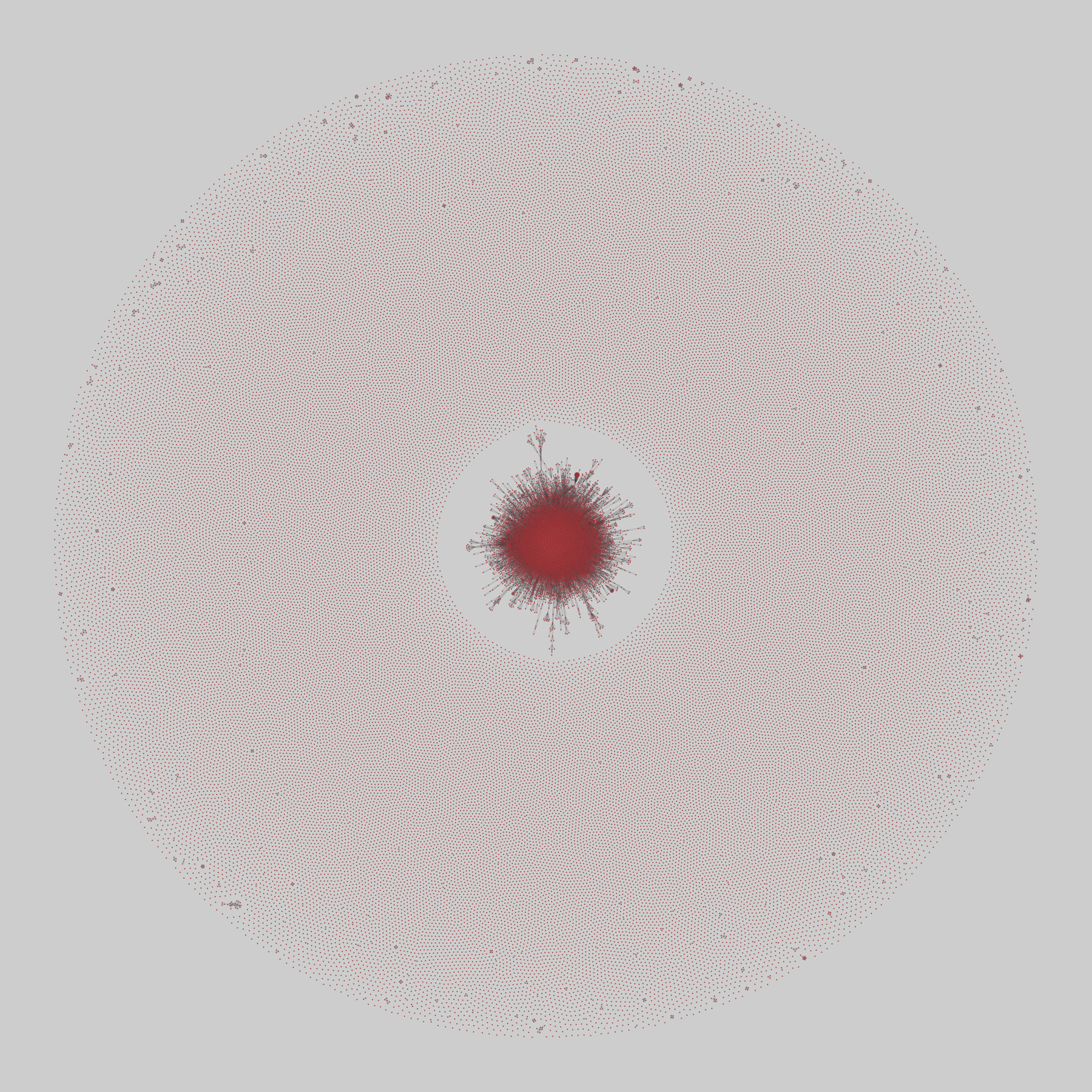
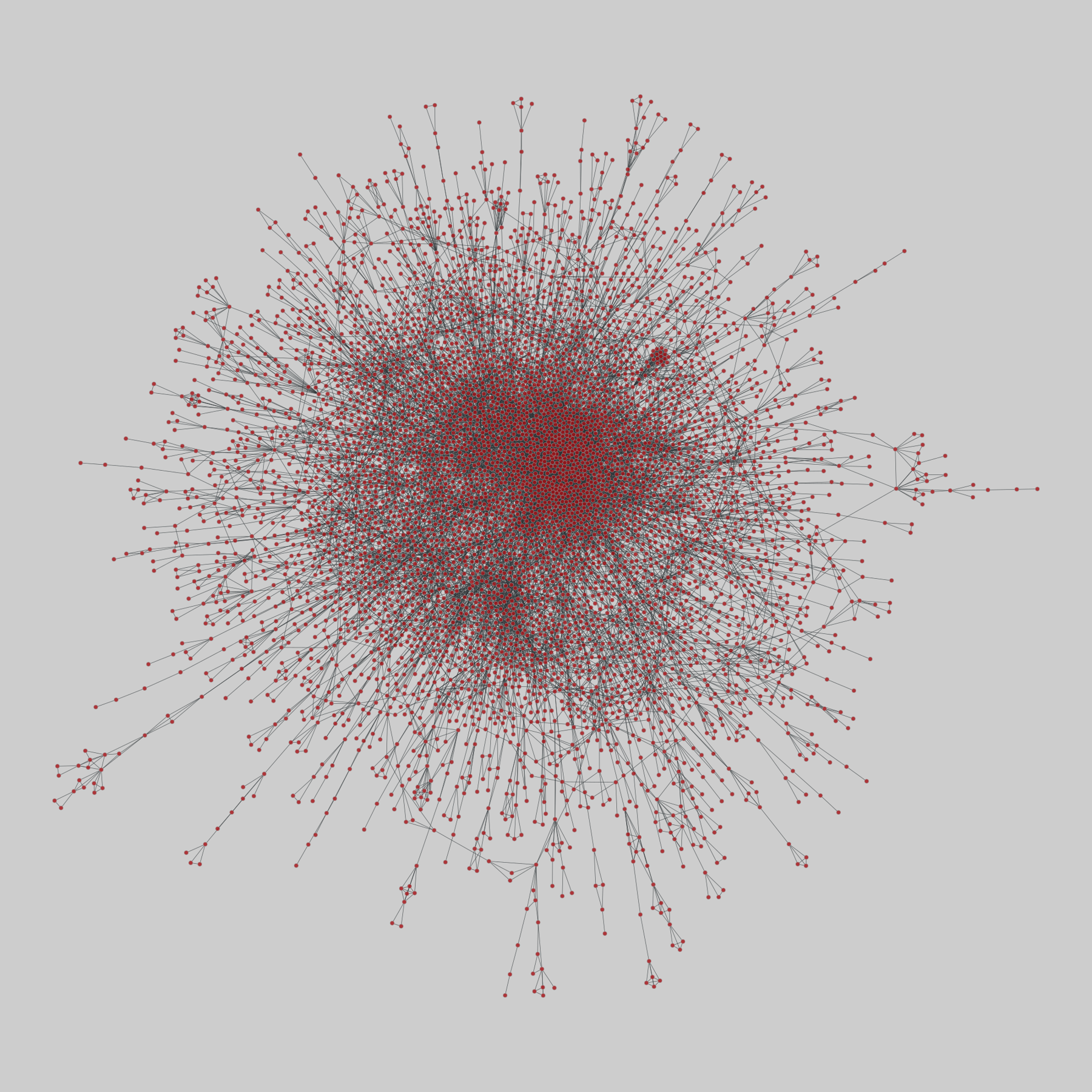
arxiv_authors: Arxiv authors (1993-2003)
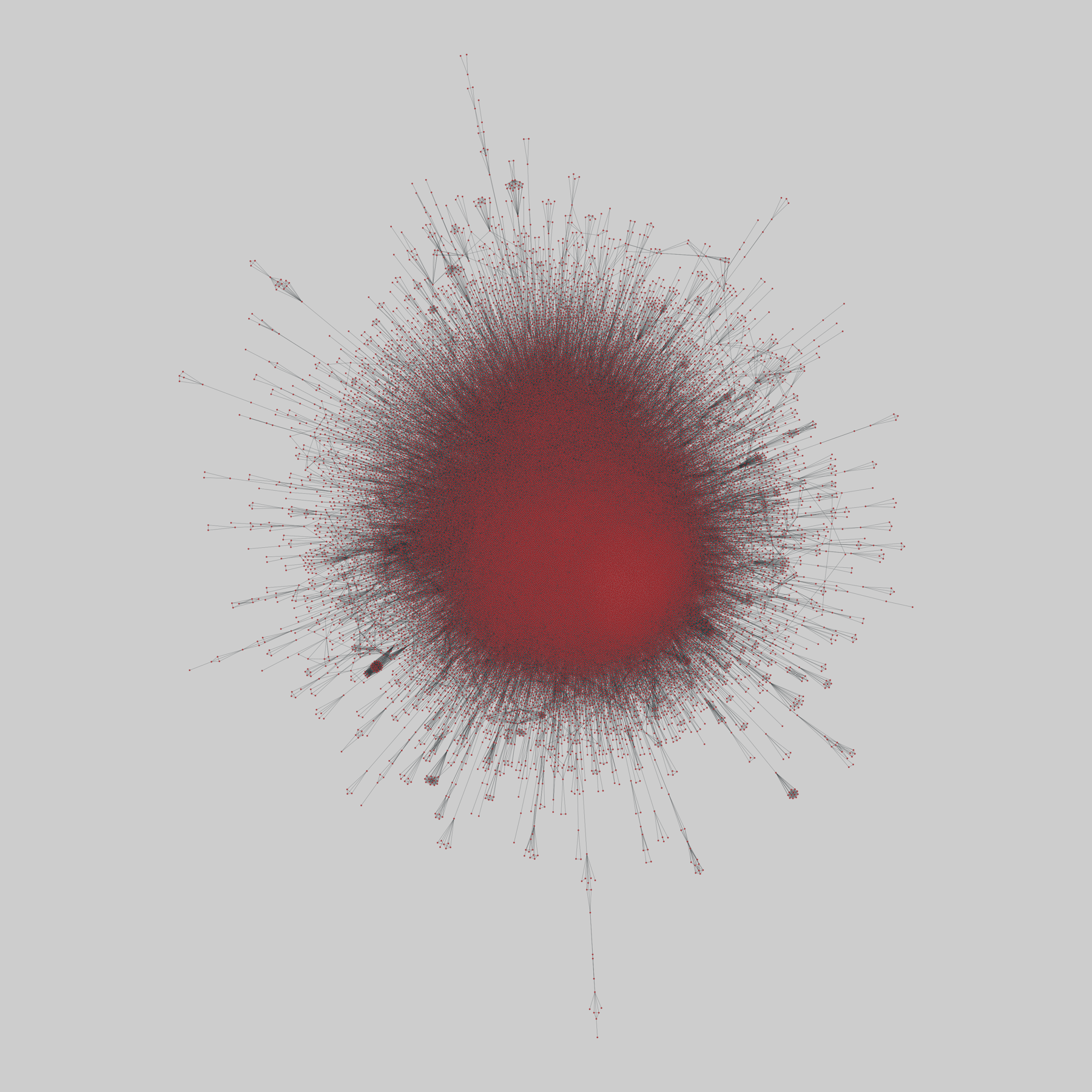
Scientific collaborations between authors of papers submitted to arxiv.org, under 5 categories: gr-qc, astro-ph, cond-mat, hep-ph, and hep-th categories, spanning January 1993 to April 2003. If an author i co-authored a paper with author j, the graph contains a undirected edge from i to j. If the paper is co-authored by k authors this generates a completely connected (sub)graph on k nodes.
This network has 133280 nodes and 396160 edges.
Crosslisted article(s) found for math.CT. https://arxiv.org/list/math.CT/new
[1/1]:
- Clifford and Weyl algebras in symmetric tensor categories
Pavel Etingof
ht…
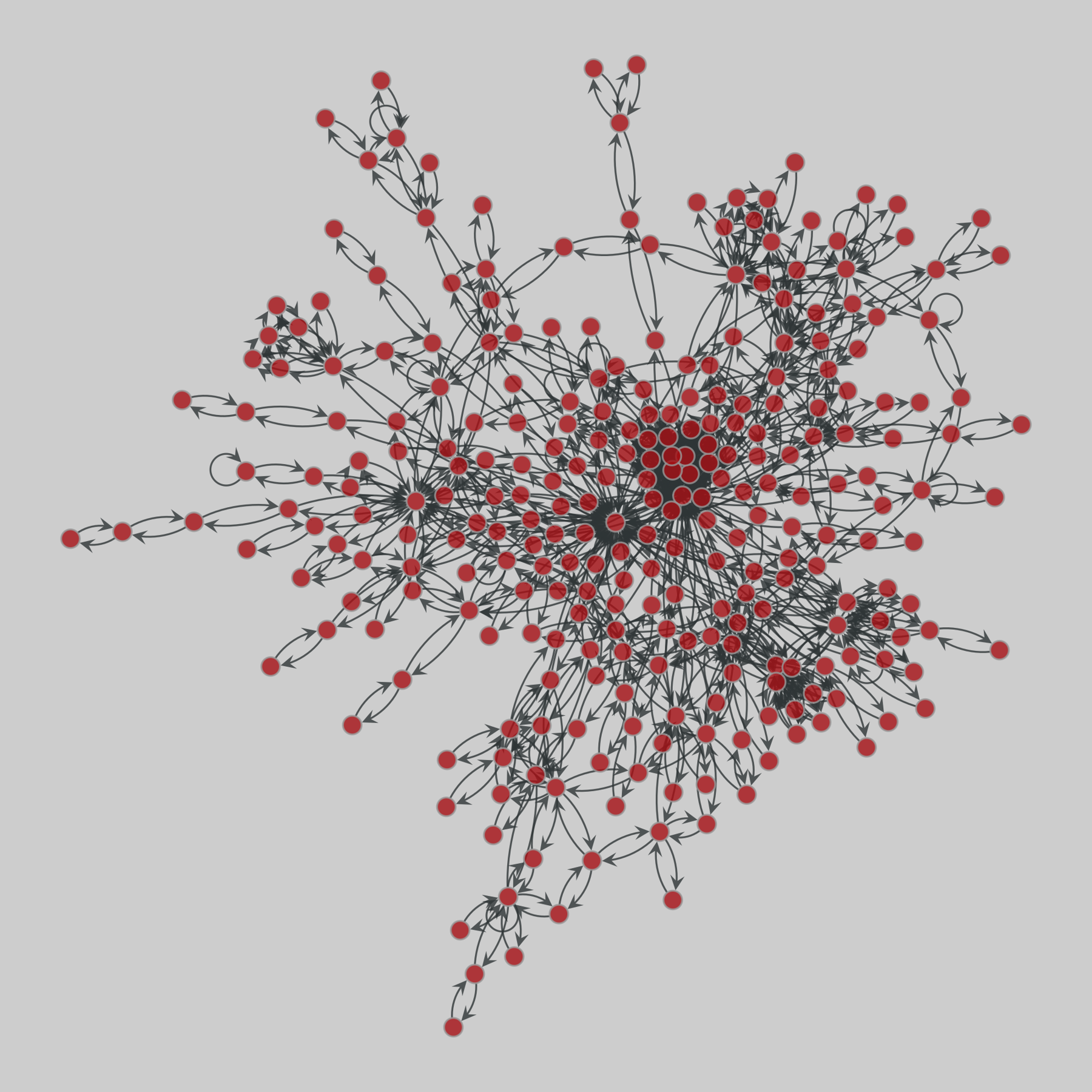
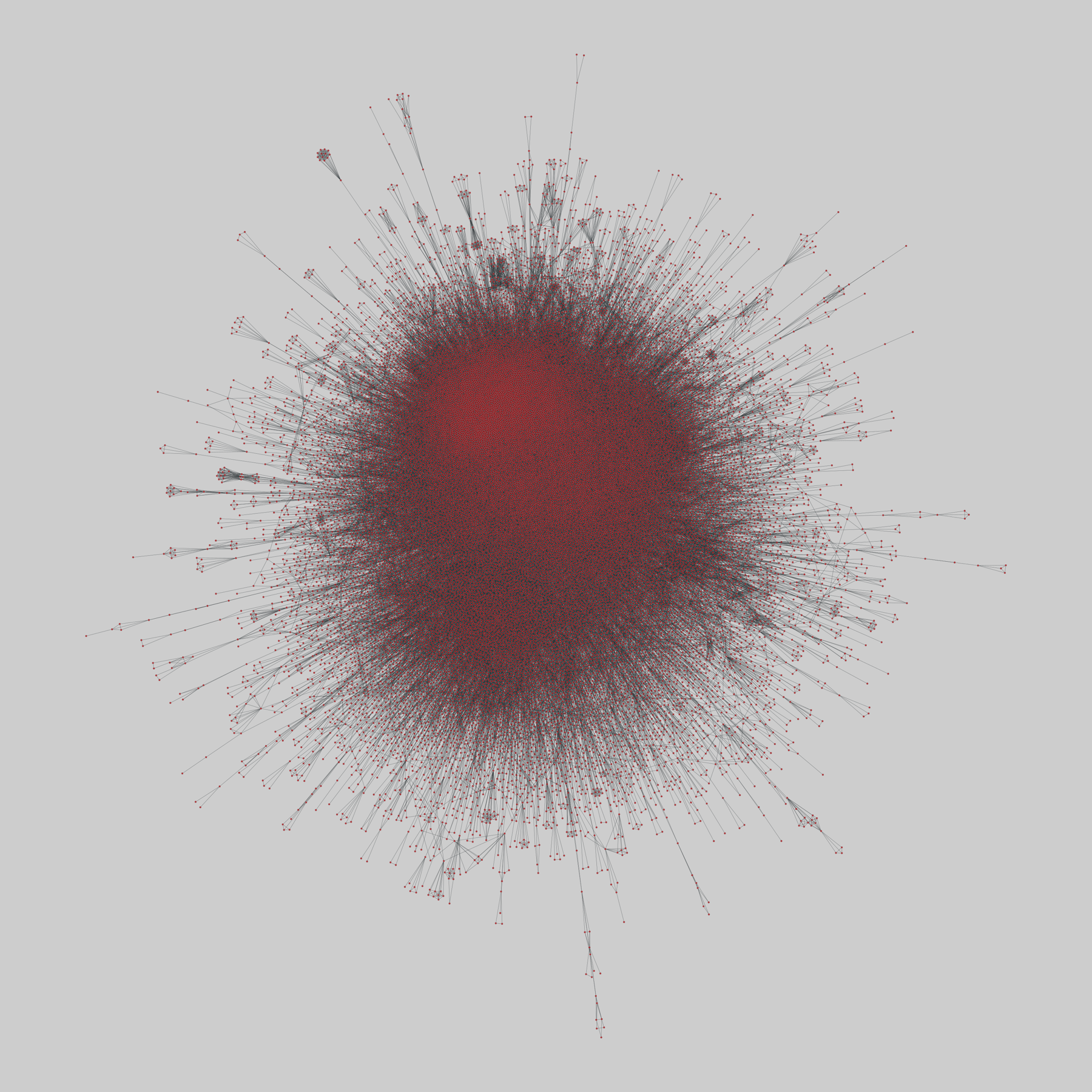
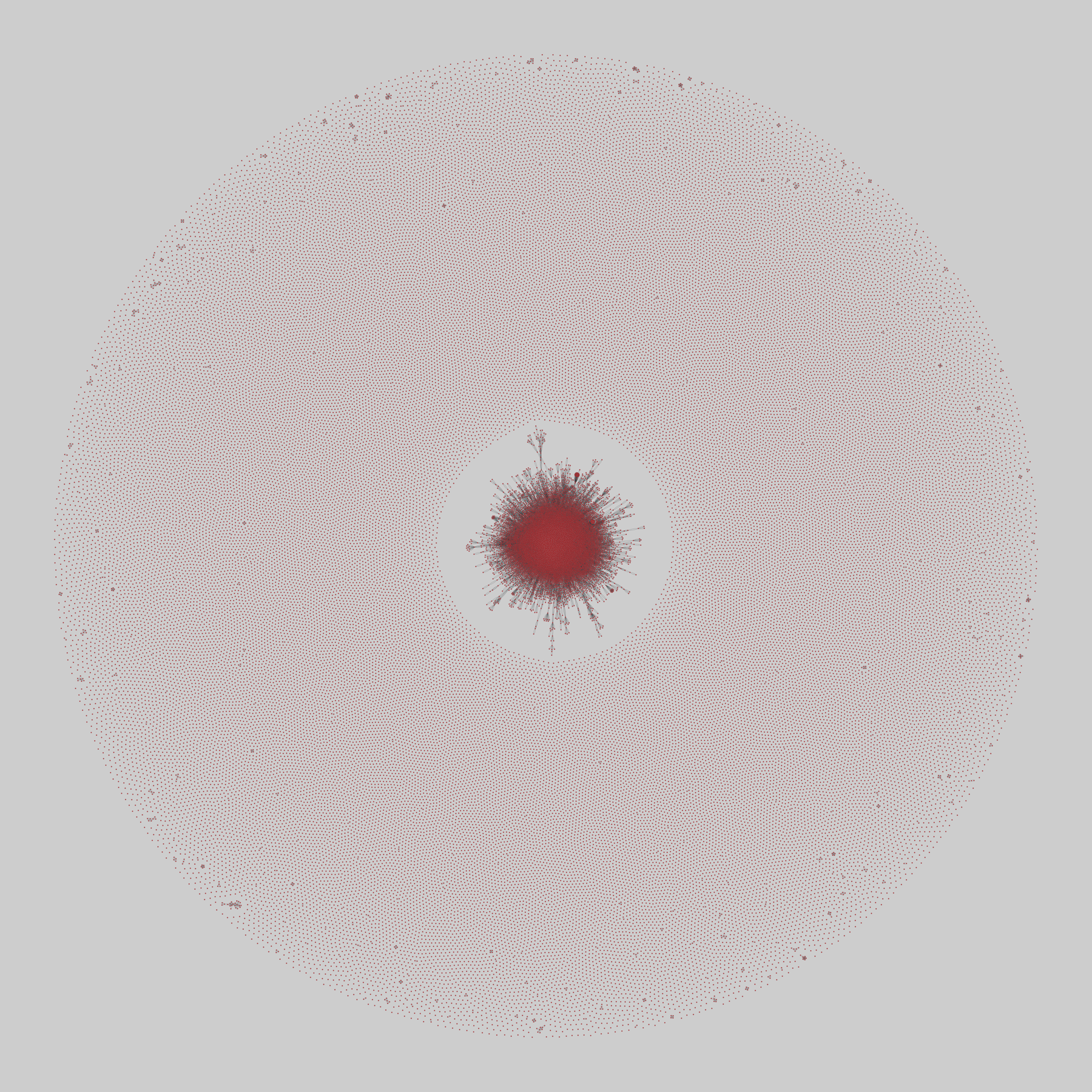
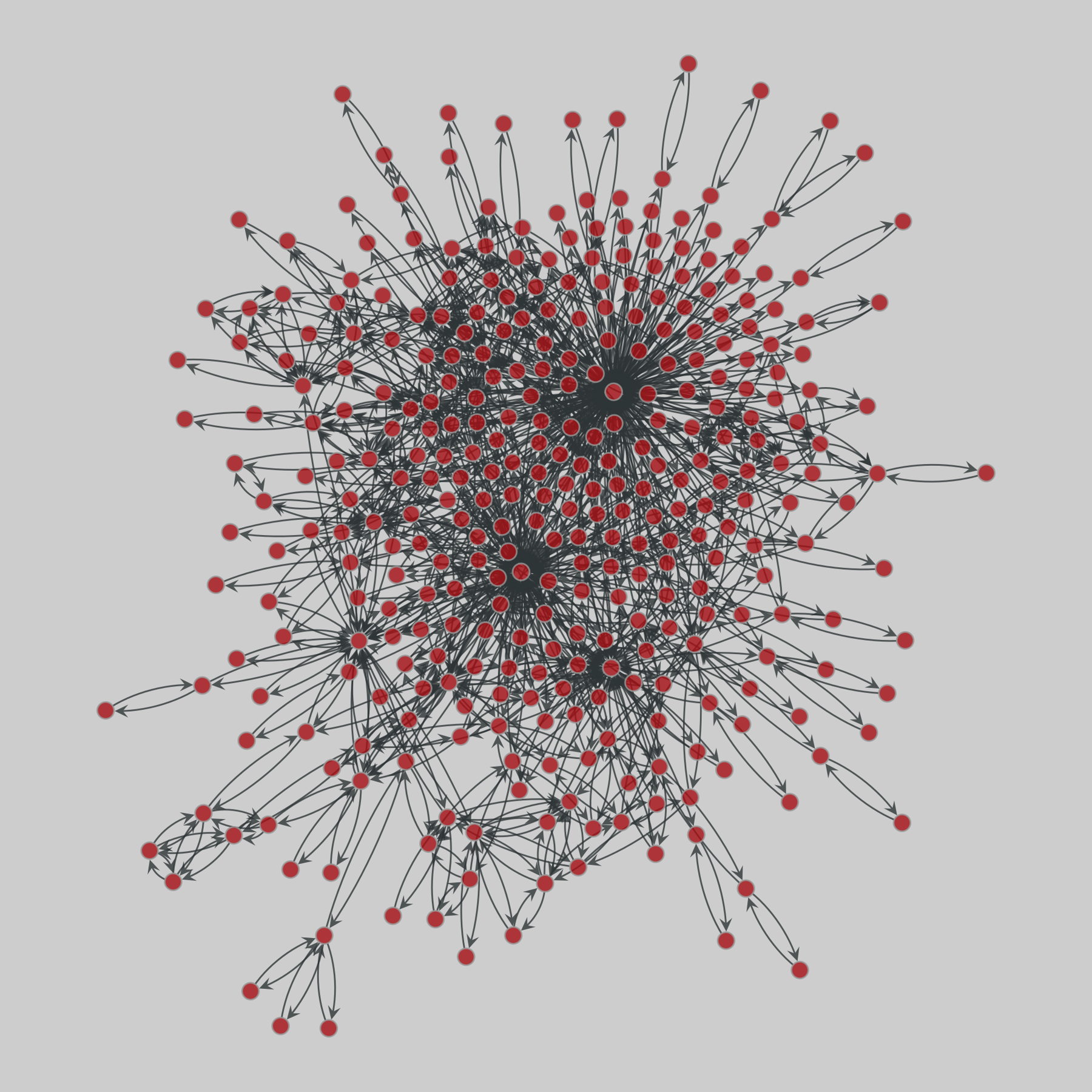
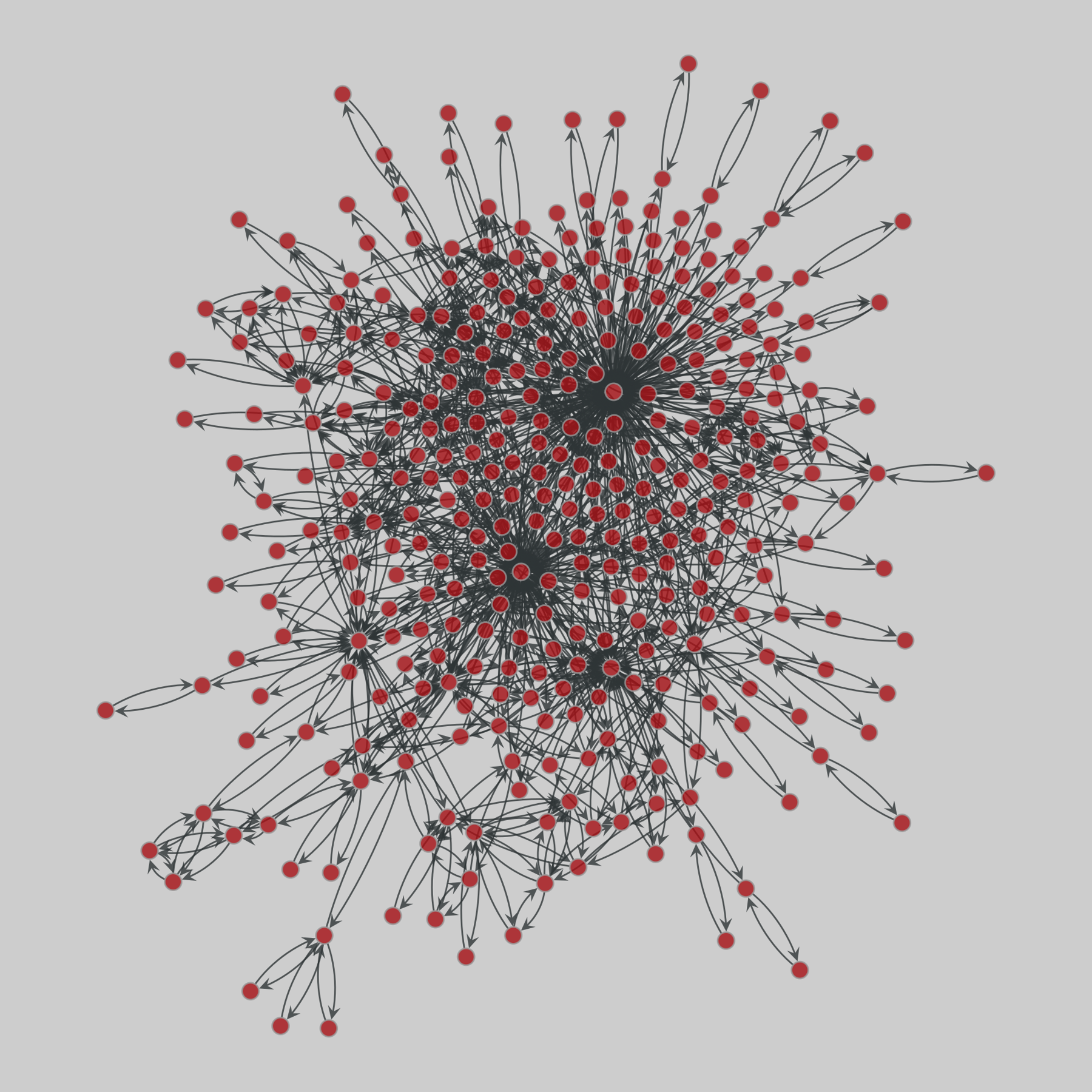
arxiv_citation: arXiv citation networks (1993-2003)
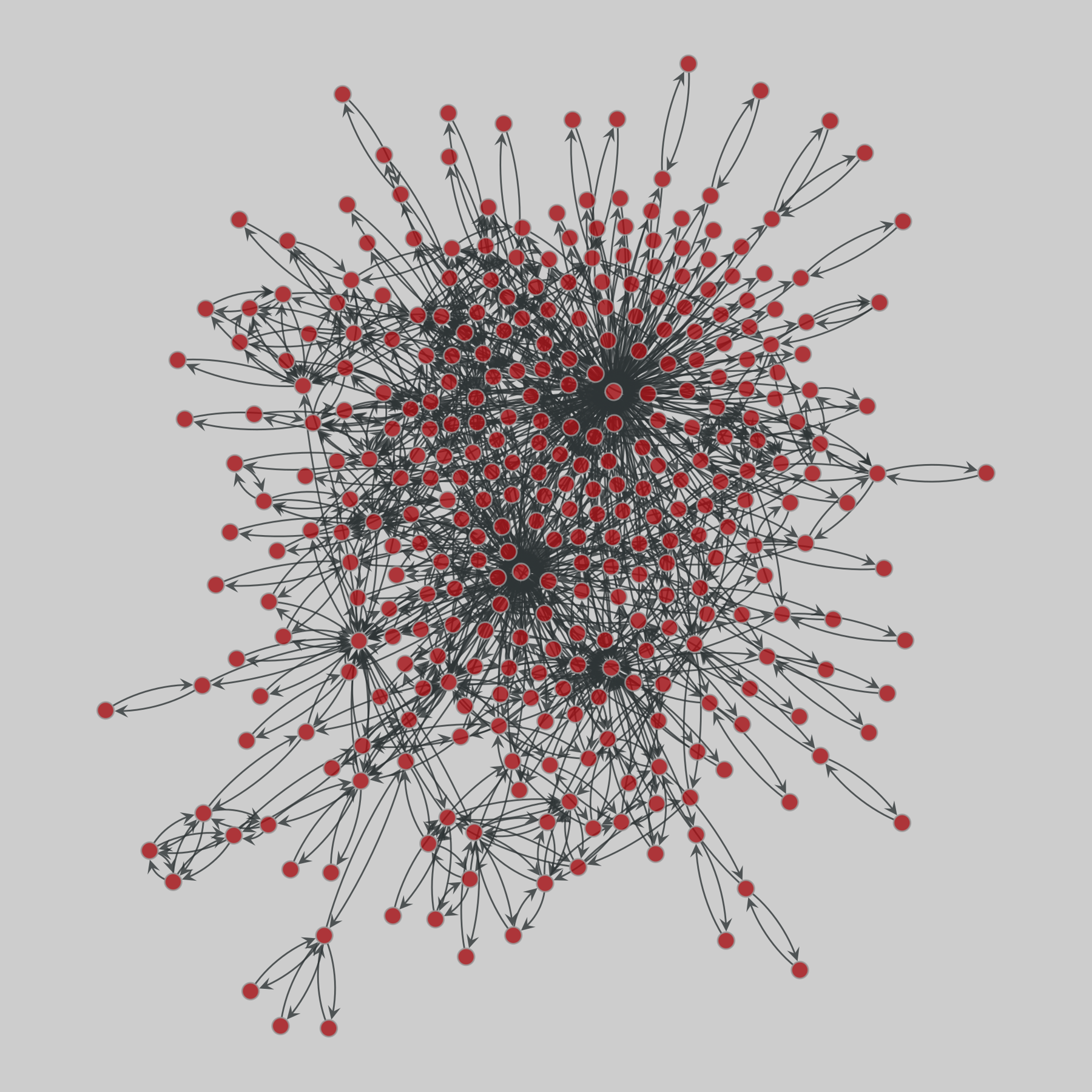
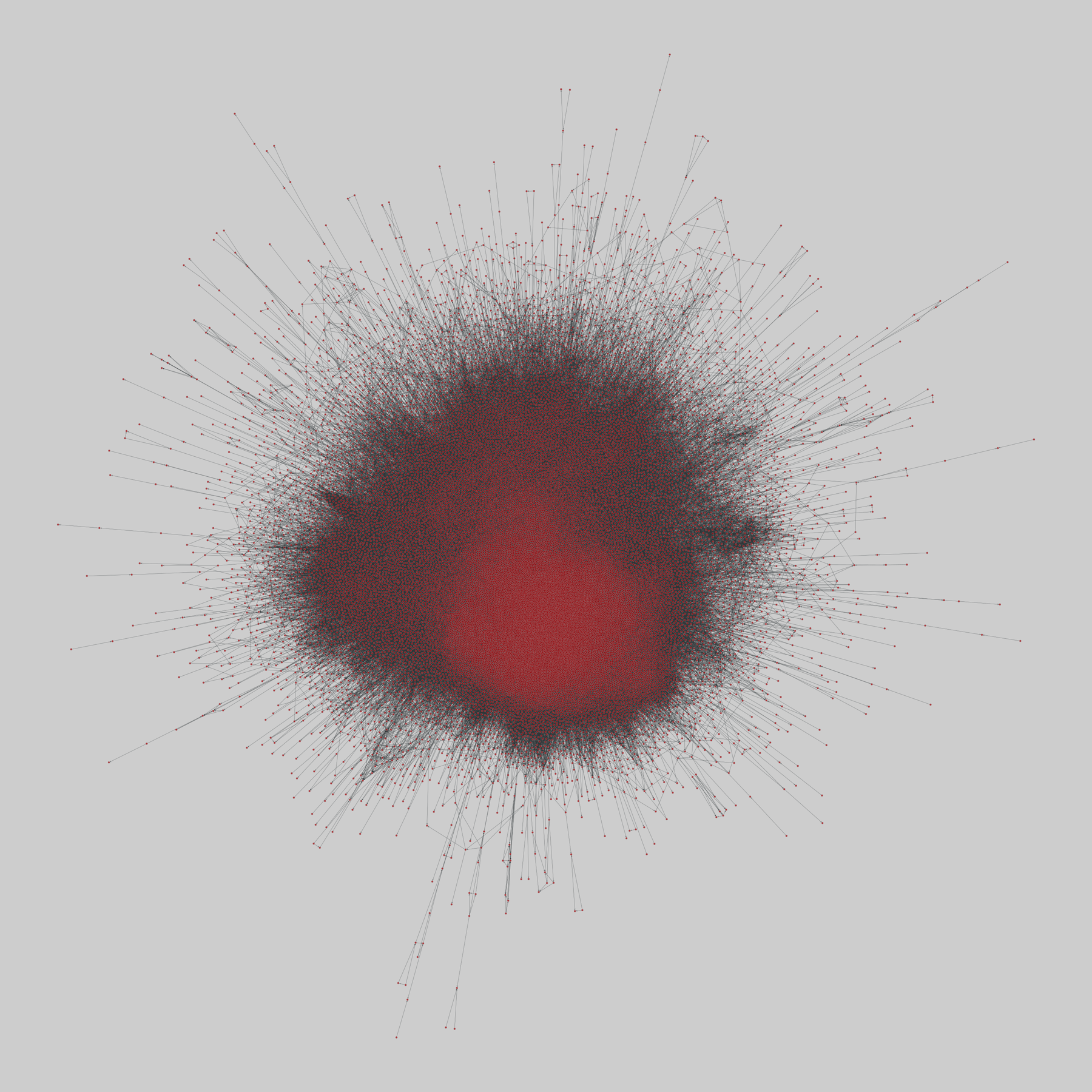
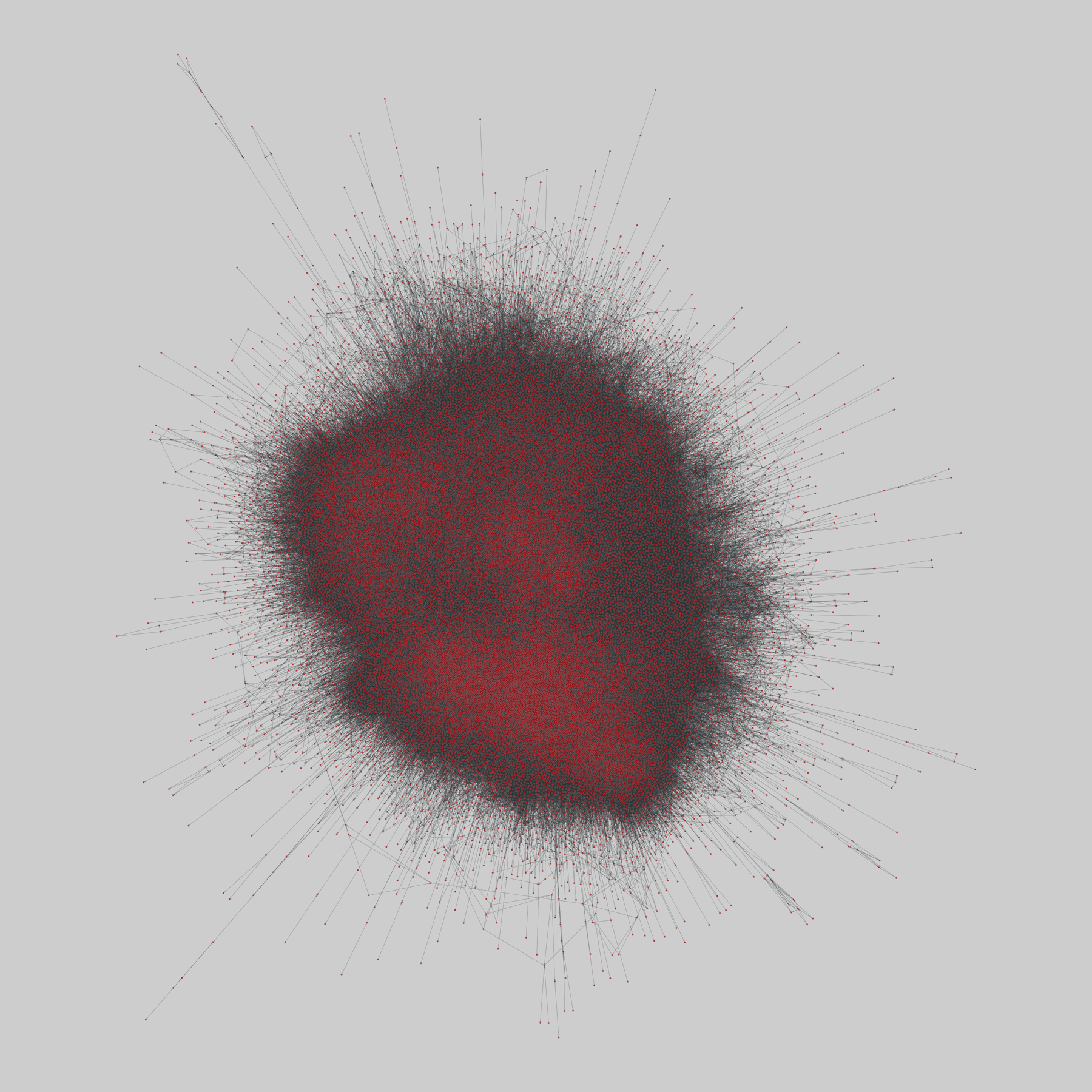
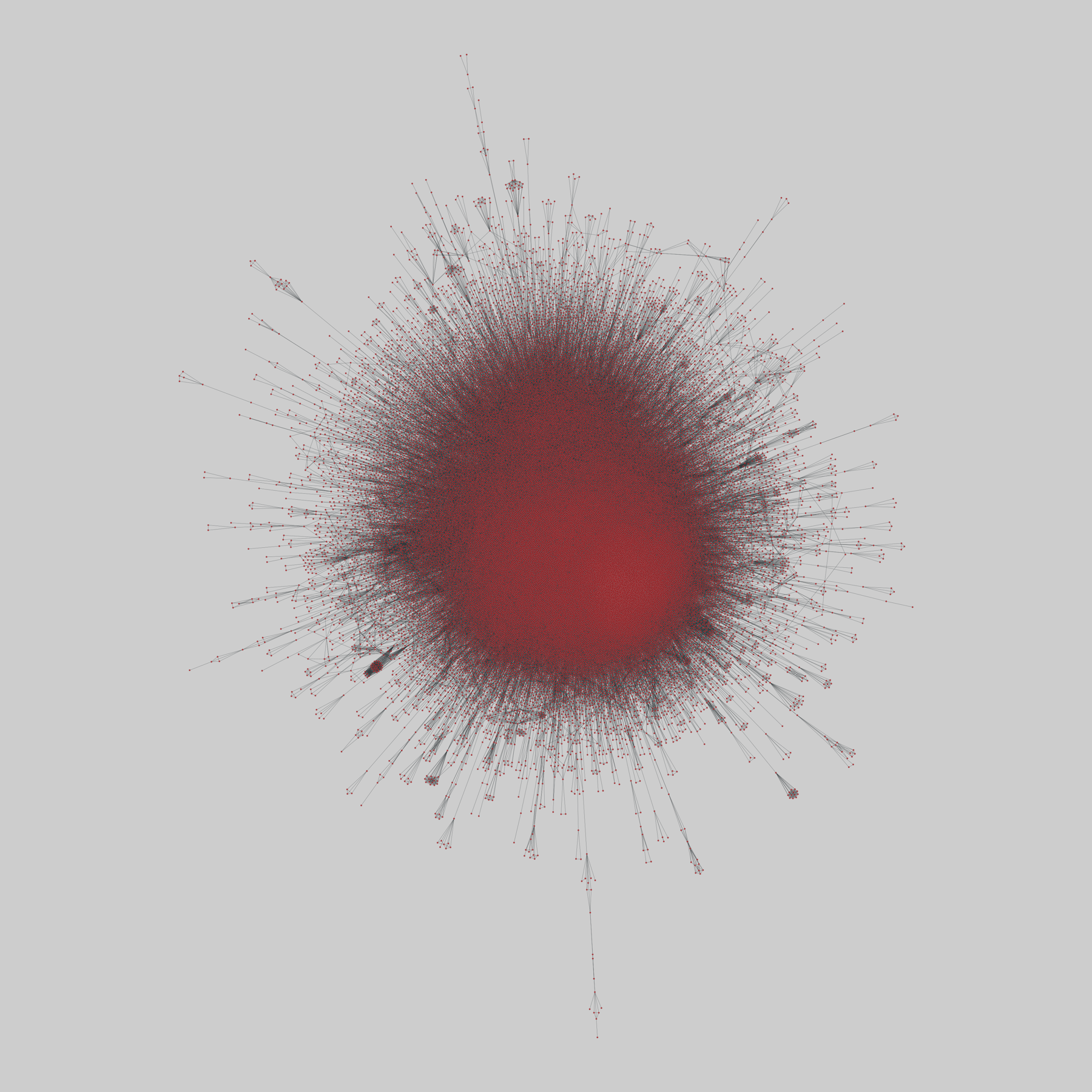
Citations among papers posted on arxiv.org under the hep-ph and hep-th categories, between 1993 and 2003. This time begins a few months after axiv was launched. If a paper i cites a paper j also in this data set, then a directed edge connects i to j. (Papers not in the data set are excluded.) These data were originally released as part of the 2003 KDD Cup.
This network has 27770 nodes and 352807 edges.
Tags: Informational,…
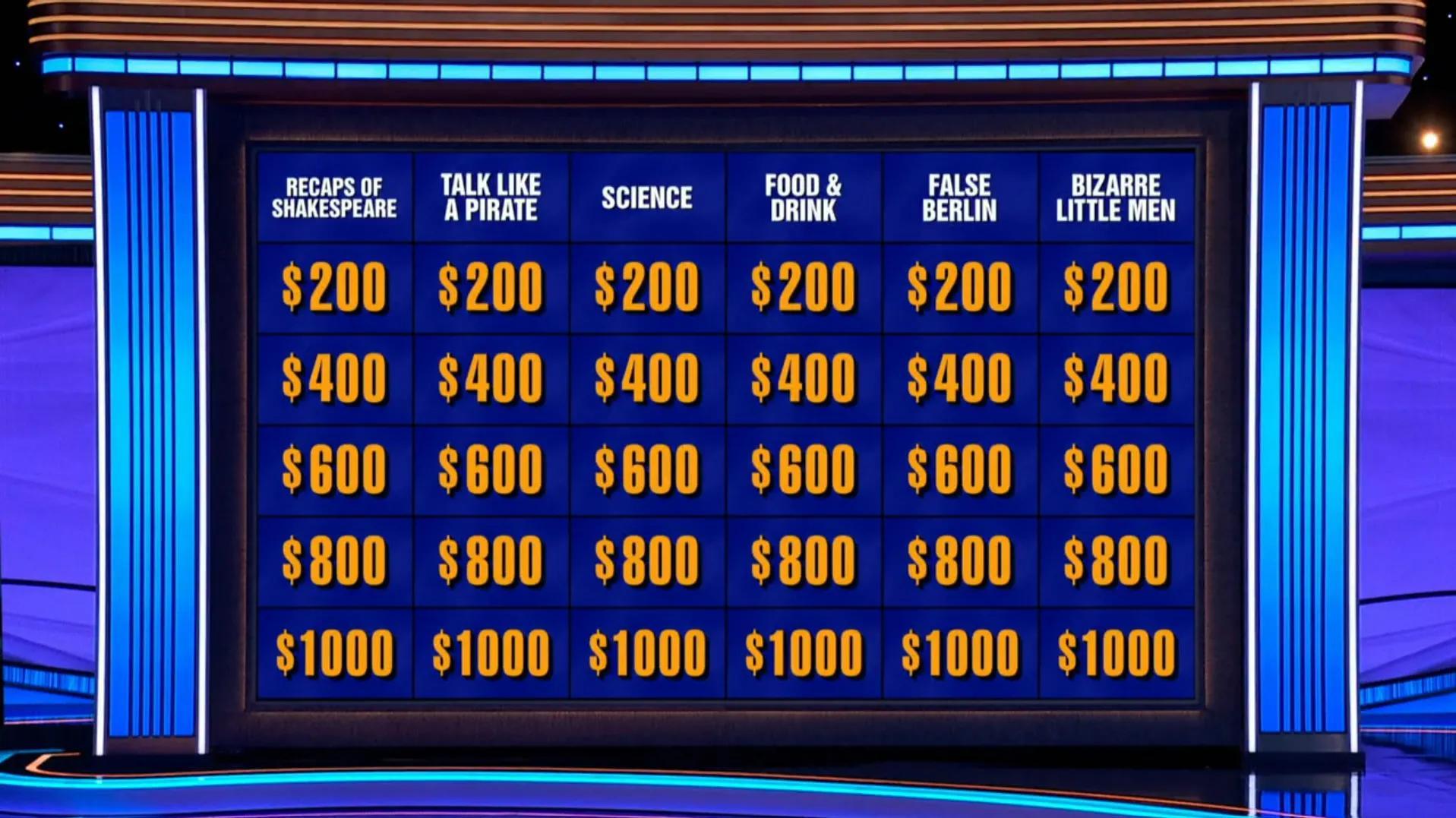
Per https://bsky.app/profile/did:plc:o3oejwzhgtzwxswcjp3tvd7h/post/3mvt4krpe4c2j "Jeopardy gonna be huge today for fans of one specific Jeopardy bsky post". Screenshot of the round one board from
OK, I guess I wasn't done after all.
Much of the opining about developer backlash to LLMs falls into two loose theoretical categories:
(1) Labor problem: developers now experience employment threat, loss of job security, layoffs, new levels of worry about the future
(2) Identity problem: developers used to feel special because generating code was placed on a cultural pedestal (sign of a special third brain lobe or whatever), that perceived specialness was a pillar of our personal identity, and now our egos are bruised because machines can do it and we don’t feel special anymore
While there’s doubtless truth to both of those in some / many cases, I posit a third theory:
(3) Purpose problem: contrary to popular belief, developers actually care quite a lot about the people who use our software and we derive a sense of purpose and meaning from doing what we believe to be good work; the current environment undermines that, not just LLMs but LLMs as part of a broader vortex of enshittification, and our world is effectively saying “everything you cared about doesn't matter, you can't hope to fight to make it matter, and you are stupid for caring”
I think there's evidence for that last theory in the kinds of despair you hear from developers: not just anxiety about paying the bills, not just angry feather-puffing, but a kind of existential despair that comes from the unraveling of one’s internal sense of purpose and meaning.
4/3
ladies, gentlemen, the people non-comforming to societal categories, i think i found the great filter that answers the fermi paradox
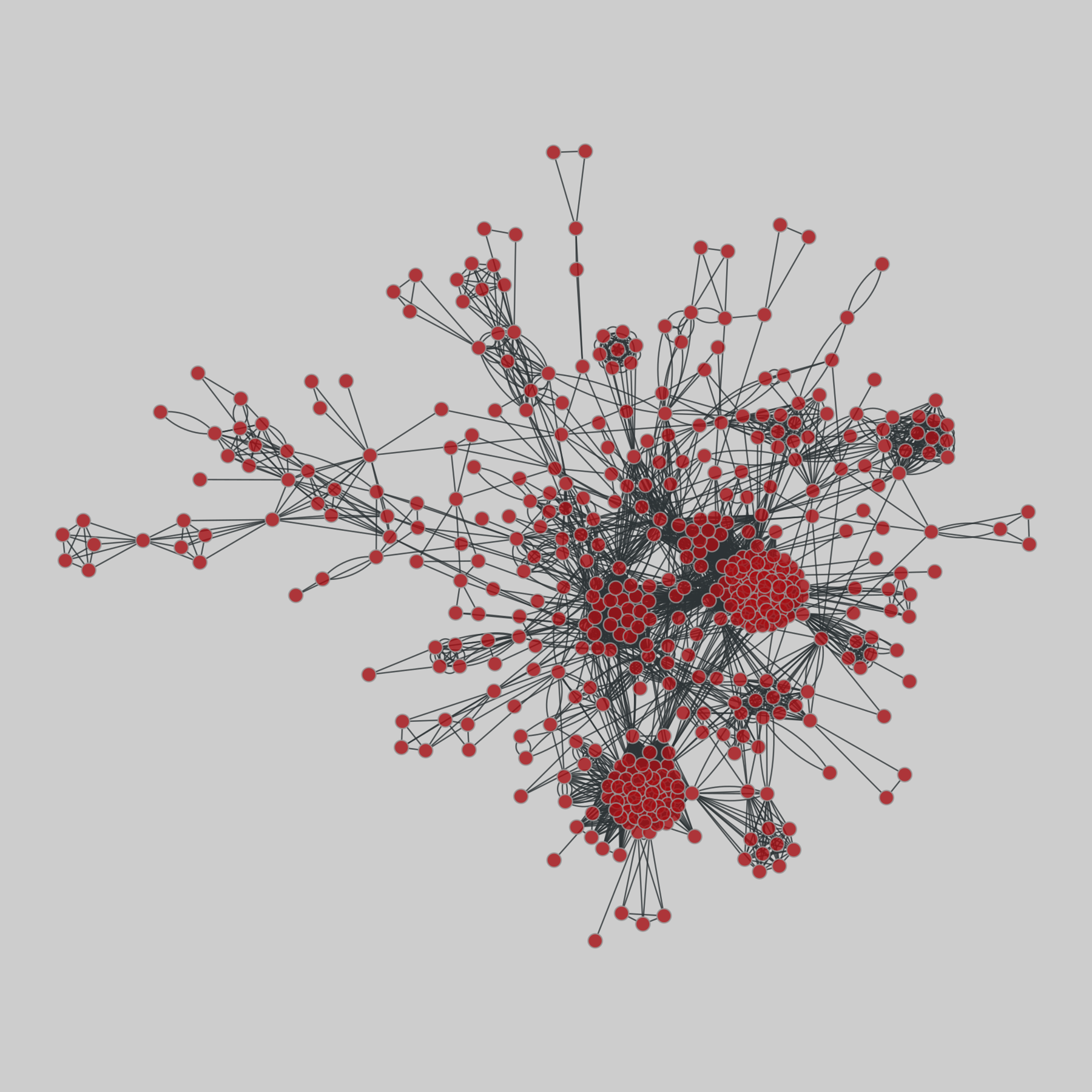
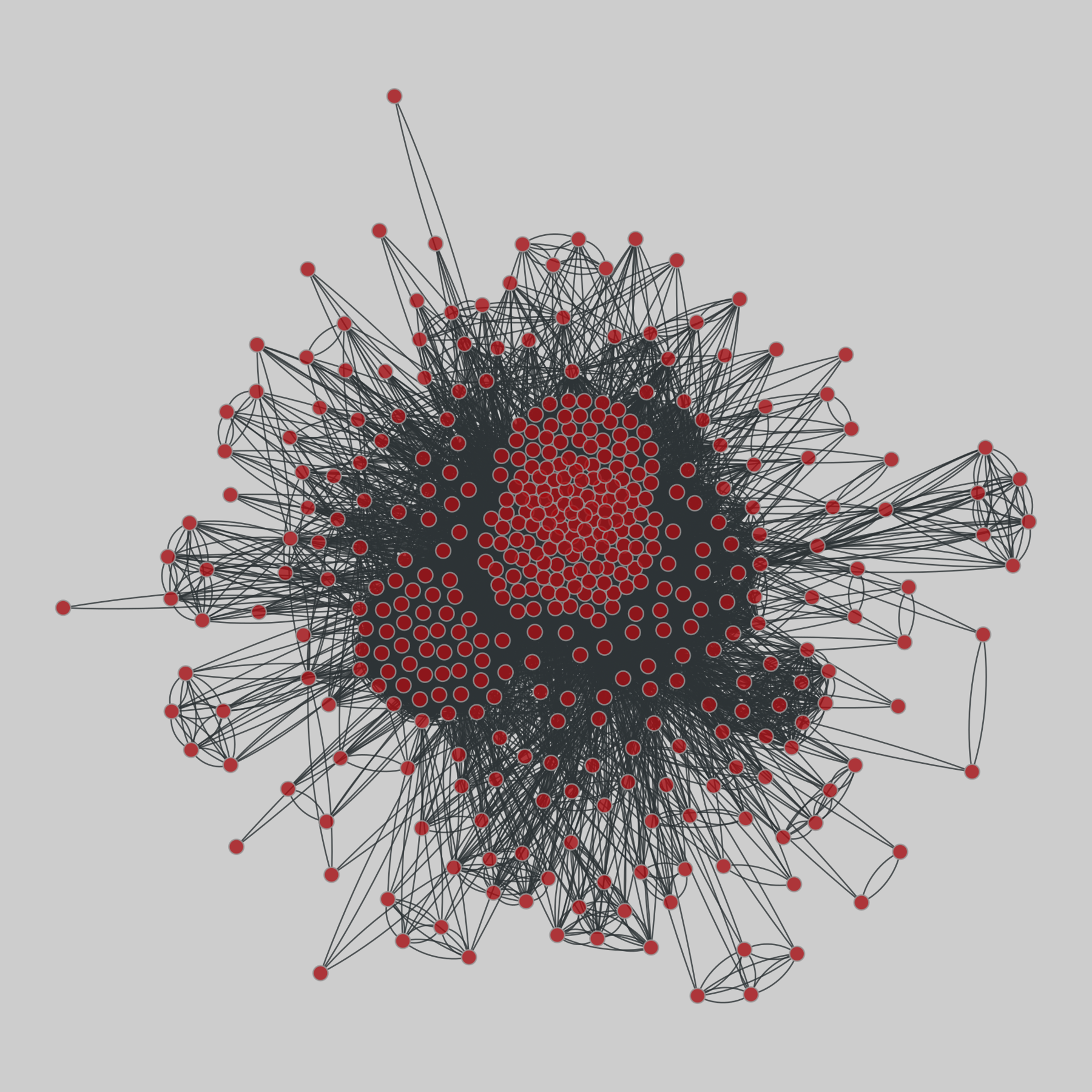
webkb: WebKB graphs (1998)
Web graphs crawled from four Computer Science departments in 1998, with each page manually classified into one of 7 categories: course, department, faculty, project, staff, student, or other. All graphs included in a single .zip; also included are 'co-citation' graphs, which links i and j if they both point to some k. Edge weights count the number of links from i to j.
This network has 300 nodes and 1155 edges.
Tags: Informational, Web gra…
Working on my wiki entry 🥬
@… yes, I understand. I have several different text tones for different categories of friends and family.
Gabriel--Zisman Localizations, Products, Coproducts, and Product Categories
Chencheng Zhang
https://arxiv.org/abs/2609.18617 https://arxiv.org/pdf/2609.186…
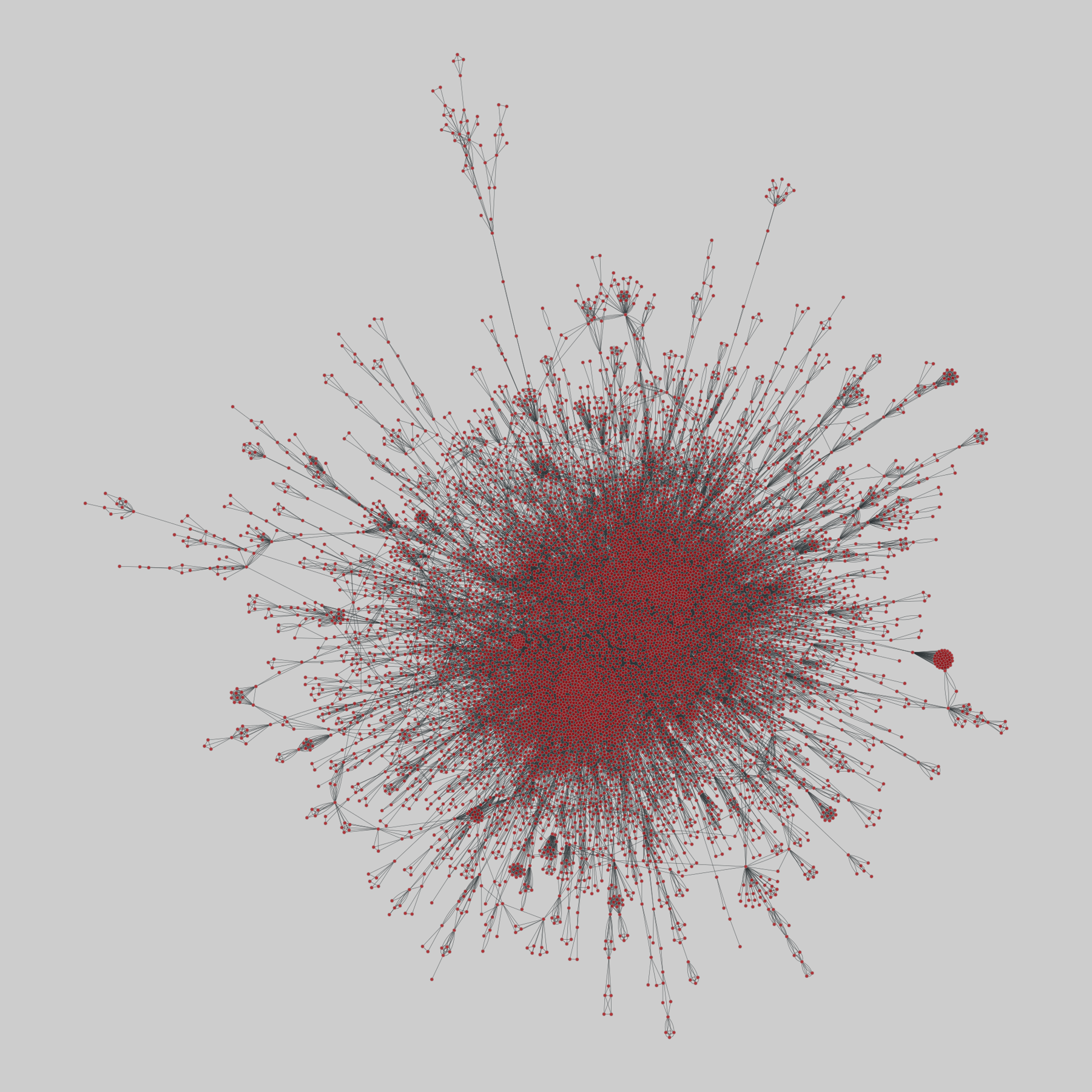
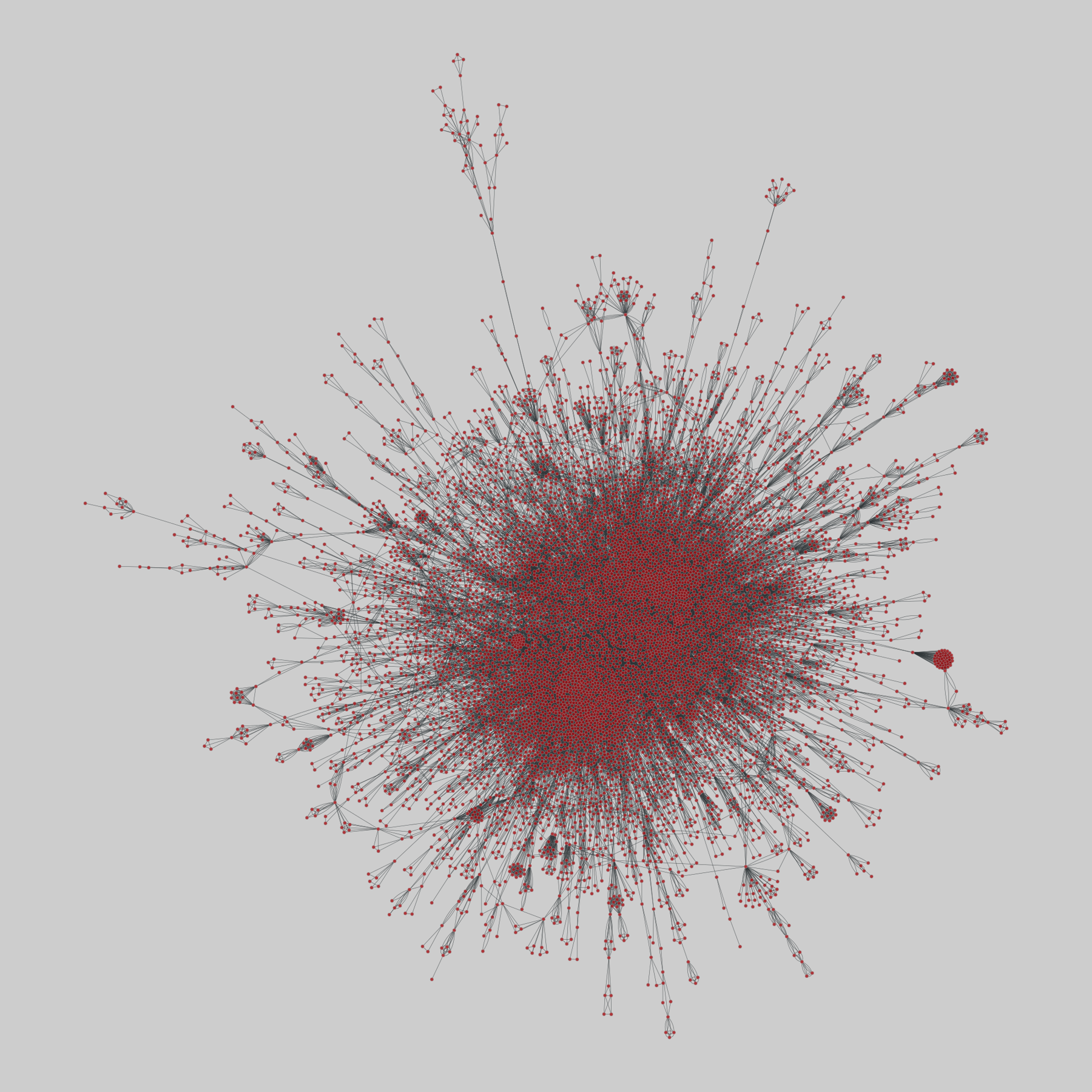
arxiv_authors: Arxiv authors (1993-2003)
Scientific collaborations between authors of papers submitted to arxiv.org, under 5 categories: gr-qc, astro-ph, cond-mat, hep-ph, and hep-th categories, spanning January 1993 to April 2003. If an author i co-authored a paper with author j, the graph contains a undirected edge from i to j. If the paper is co-authored by k authors this generates a completely connected (sub)graph on k nodes.
This network has 89209 nodes and 237010 edges.
…
For her research on fungi that can degrade plastic and sunscreen,
Vera Wang, a senior at Kaiser High School,
won in multiple categories at the 2026 Hawaiʻi State Science & Engineering Fair
Her research was conducted in Anthony Amend’s lab at the University of Hawaiʻi at Mānoa
https://www.
arxiv_collab: Scientific collaborations in physics (1995-2005)
Collaboration graphs for scientists, extracted from the Los Alamos e-Print arXiv (physics), for 1995-1999 for three categories, and additionally for 1995-2003 and 1995-2005 for one category. For copyright reasons, the MEDLINE (biomedical research) and NCSTRL (computer science) collaboration graphs from this paper are not publicly available.
This network has 16706 nodes and 121251 edges.
Tags: Social, Collaborati…
SONARR Awards (Sound and Narrative) is Australia's new dedicated awards for celebrating excellence across the full audio landscape including Podcast, Radio, Audiobook, and Voice-over.
SONARR champions independent voices, diverse storytelling, regional reach, and practitioner-led standards of excellence as well as the long established voices of Australian audio.
SONARR's 34 categories are organised into six pillars spanning Sound, Narrative, Voice, Impact and Vision, cov…
Replaced article(s) found for math.CT. https://arxiv.org/list/math.CT/new
[1/1]:
- The homological spectrum for monoidal triangulated categories
Daniel K. Nakano, Kent B. Vashaw, Milen T. Yakimov
RE: https://mastodon.social/@EUauditors/116843191612247414
Interesting publication, one quote.
"In response, European data and AI policy will need to evolve. It must stop asking only who is allowed to hold which categories of data, and start a…
Had quite an adventure in hardware debugger land at @… Mesh Night, last night, but we managed to get the bootloader onto this board by way of a Pi Pico Zero and the debugprobe firmware (after failing to make the Tigard do what we needed—certainly our fault, not Tigard’s).
Fun little project. Really rewarding to see it work, despite being way out of our depth on …
In an earlier post I introduced the principle that there were four categories of side hustle. Let’s now talk about the fourth and final category.
𝗜 𝗤𝘂𝗮𝗱𝗿𝗮𝗻𝘁: 𝗪𝗵𝗲𝗻 𝗠𝗼𝗻𝗲𝘆 𝗗𝗼𝗲𝘀 𝘁𝗵𝗲 𝗪𝗼𝗿𝗸
Investor income is built on capital, not hours.
Examples:
• Stocks
• Real estate
• Digital assets
𝐏𝐫𝐨𝐬:
✔ Potentially passive
✔ Long-term wealth
✔ True financial independence
𝐂𝐨𝐧𝐬:
✖ Requires capital
✖ Risk if poorly educated
✖ Results take time
💡 Most investors don’t start here.
They fund this quadrant using income from other quadrants!
𝐅𝐢𝐧𝐚𝐥 𝐭𝐡𝐨𝐮𝐠𝐡𝐭:
Which quadrant is financing your future?
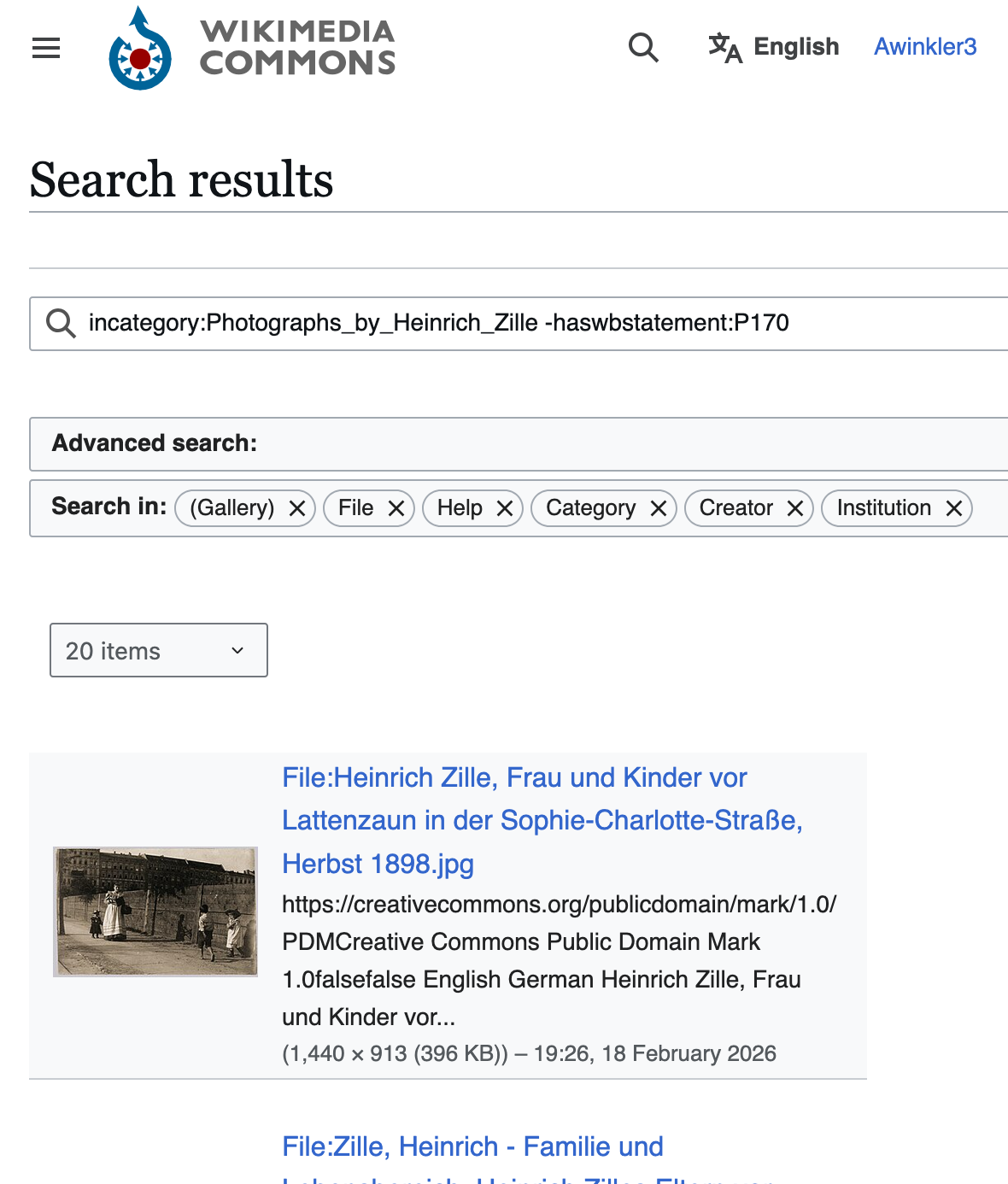
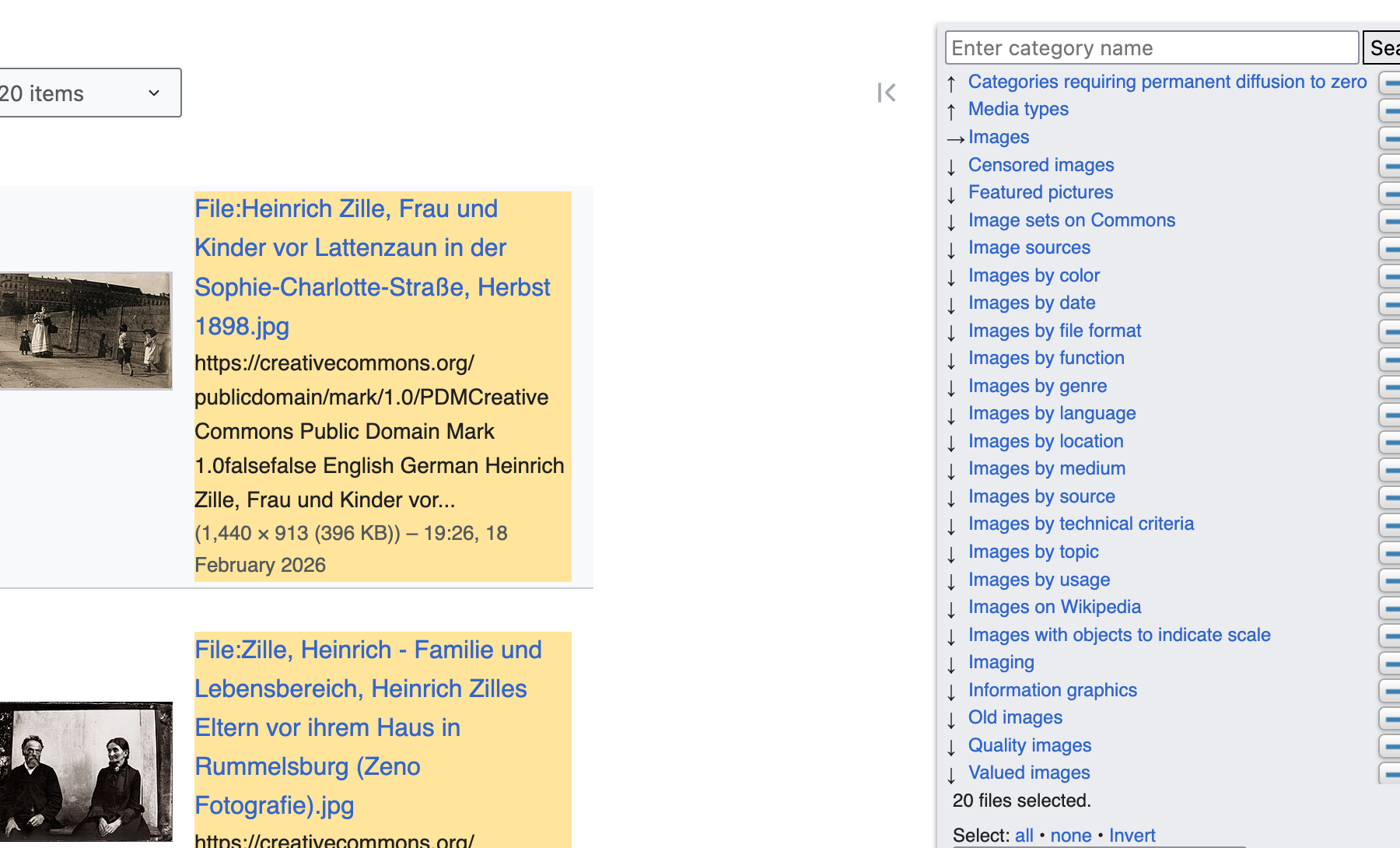
#structureddataoncommons is, in my view, the way to go for #wikicommons: Files and metadata become more findable, more interoperable and better reusable. Categories can be useful, but structured data is better. Here's a reasonably efficient way to get info from categories…
Characterizing (Co)Free Dagger Categories
Jean-Simon Pacaud Lemay
https://arxiv.org/abs/2609.14285 https://arxiv.org/pdf/2609.14285
GLSM monodromy on quantum period lattice of Calabi-Yau fourfold flops
Ban Lin
https://arxiv.org/abs/2608.06280 https://arxiv.org/pdf/2608.06280 https://arxiv.org/html/2608.06280
arXiv:2608.06280v1 Announce Type: new
Abstract: We establish an integral basis for the B-brane central charges of certain Calabi-Yau fourfold flops and derive exact expressions for their monodromies using the grade restriction rule and window categories of the associated gauged linear sigma models. The monodromy is interpreted as an EZ twist associated with the contraction of an exceptional surface onto a curve of conifold singularities. We further illustrate a decomposition of the EZ twist into spherical twists for families of splitting configurations of the sixtic Calabi-Yau fourfold and a complete intersection in grassmannian.
toXiv_bot_toot
alpena has a great used record store, noise & toys, and i usually come home with an inch or two of LPs, but not this year bc they’re in the middle of moving to a new space #alas
they don’t sort by categories, just alphabetically. i usually spend hours rummaging for vintage jazz among all the rest, picking up where i left off the following year.
i have found so many gems there
any…
There are millions of people around the world who could help make the world a better place, but don’t.
I’m talking about the ones who have got the power to shape their own careers,
though you would never know it from their utterly unsurprising résumés.
About the talented folks with the world at their feet who nonetheless get stuck in mind-numbing, pointless or just plain harmful jobs.
There’s an antidote to that kind of waste, and it’s called moral ambition.
…
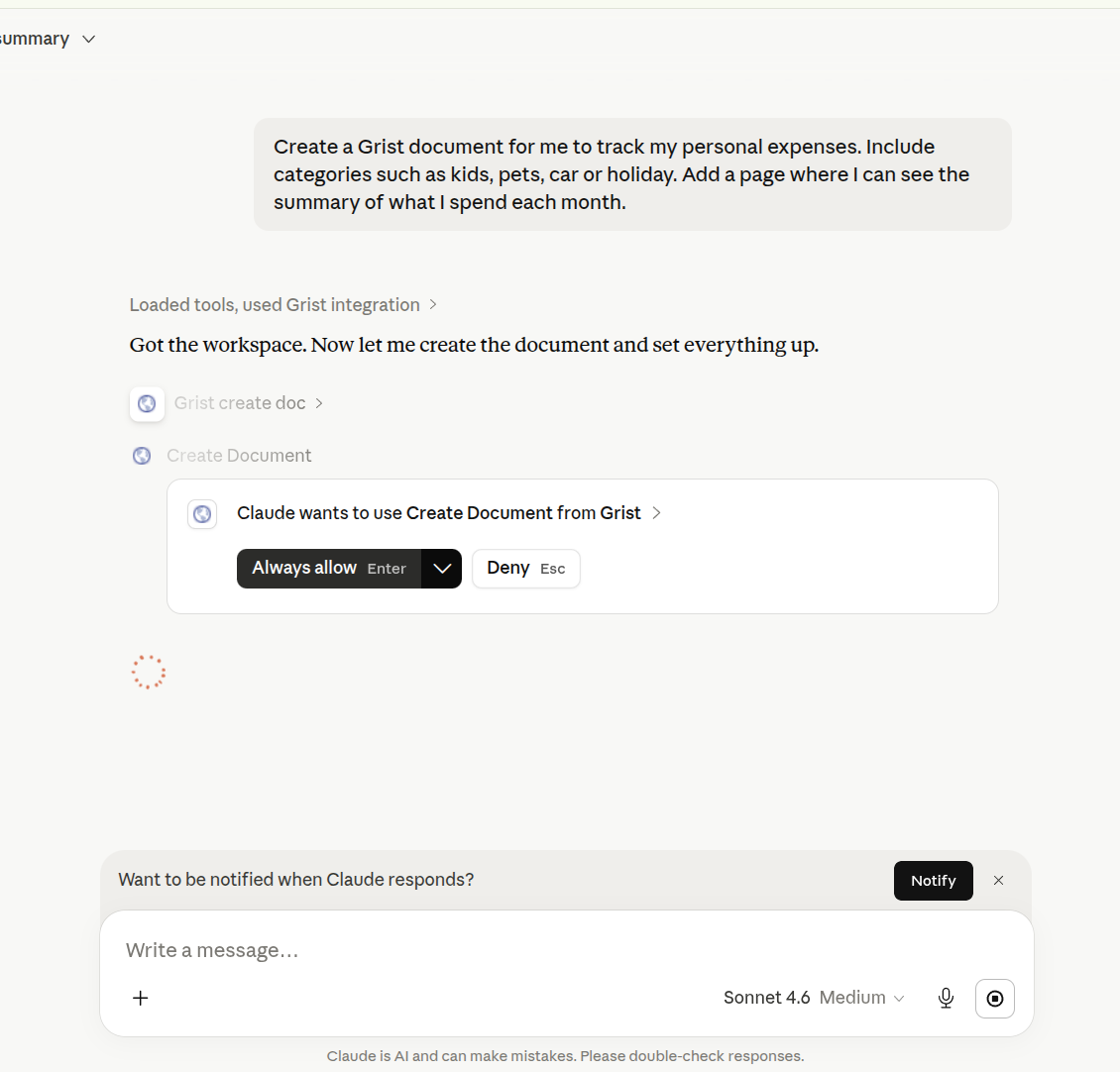
Tomorrow! Join Grist Labs co-founder Stan for a demo of Grist's new MCP server.
We'll start small and then show off a complex workflow that leverages multiple integrations, so there's something for everyone.
Connect Claude, ChatGPT, Gemini, or your own local models to your docs over the Model Context Protocol, then list and query tables, read and write rows, and build schema, all via OAuth with scoped access.
Register:
webkb: WebKB graphs (1998)
Web graphs crawled from four Computer Science departments in 1998, with each page manually classified into one of 7 categories: course, department, faculty, project, staff, student, or other. All graphs included in a single .zip; also included are 'co-citation' graphs, which links i and j if they both point to some k. Edge weights count the number of links from i to j.
This network has 349 nodes and 1393 edges.
Tags: Informational, Web gra…
arxiv_collab: Scientific collaborations in physics (1995-2005)
Collaboration graphs for scientists, extracted from the Los Alamos e-Print arXiv (physics), for 1995-1999 for three categories, and additionally for 1995-2003 and 1995-2005 for one category. For copyright reasons, the MEDLINE (biomedical research) and NCSTRL (computer science) collaboration graphs from this paper are not publicly available.
This network has 8361 nodes and 15751 edges.
Tags: Social, Collaboration…
While Turkey has experienced an increase in heat wave episodes between 1971 and 2016,
no epidemiological studies have examined their potential impacts on public health so far.
In this study excess mortality in Istanbul attributable to extreme heat wave episodes between 2013 and 2017 is presented.
Total excess deaths were calculated using mortality rates across different categories, including age, sex, and cause of death.
The analysis shows that three extreme heat w…
In an earlier post I introduced the principle that there were four categories of side hustle. Let’s now talk about the third category.
𝗕 𝗤𝘂𝗮𝗱𝗿𝗮𝗻𝘁: 𝗕𝘂𝗶𝗹𝗱𝗶𝗻𝗴 𝗦𝘆𝘀𝘁𝗲𝗺𝘀, 𝗡𝗼𝘁 𝗝𝘂𝘀𝘁 𝗜𝗻𝗰𝗼𝗺𝗲
Business-owner side hustles focus on leverage.
Examples:
• Online businesses
• Automated systems
• Team-based models
𝐏𝐫𝐨𝐬:
✔ Scalable
✔ Time flexibility over time
✔ Can become a true asset
𝐂𝐨𝐧𝐬:
✖ Learning curve
✖ Requires patience
✖ Needs structure and mentorship
💡 This is where side hustles stop being “extra money” and start becoming 𝐨𝐩𝐭𝐢𝐨𝐧𝐬. To me, 𝐭𝐡𝐢𝐬 𝐢𝐬 𝐭𝐡𝐞 𝐛𝐞𝐬𝐭 𝐭𝐲𝐩𝐞 𝐨𝐟 𝐬𝐢𝐝𝐞 𝐡𝐮𝐬𝐭𝐥𝐞 𝐭𝐨 𝐭𝐚𝐫𝐠𝐞𝐭. Remember, the whole point of a side hustle is that you can start one while already doing something else.
𝐐𝐮𝐞𝐬𝐭𝐢𝐨𝐧:
Would you rather work 𝒉𝒂𝒓𝒅𝒆𝒓 – or 𝒔𝒎𝒂𝒓𝒕𝒆𝒓?
arxiv_collab: Scientific collaborations in physics (1995-2005)
Collaboration graphs for scientists, extracted from the Los Alamos e-Print arXiv (physics), for 1995-1999 for three categories, and additionally for 1995-2003 and 1995-2005 for one category. For copyright reasons, the MEDLINE (biomedical research) and NCSTRL (computer science) collaboration graphs from this paper are not publicly available.
This network has 31163 nodes and 120029 edges.
Tags: Social, Collaborati…
physics_collab: Multilayer physicist collaborations (2015)
Two multiplex networks of coauthorships among the Pierre Auger Collaboration of physicists (2010-2012) and among researchers who have posted preprints on arXiv.org (all papers up to May 2014). Layers represent different categories of publication, and an edge's weight indicates the number of reports written by the authors. These layers are one-mode projections from the underlying author-paper bipartite network.
This n…
In an earlier post I introduced the principle that there were four categories of side hustle. Let’s now talk about the second category.
𝗦 𝗤𝘂𝗮𝗱𝗿𝗮𝗻𝘁: 𝗢𝘄𝗻𝗶𝗻𝗴 𝘁𝗵𝗲 𝗝𝗼𝗯 (𝗮𝗻𝗱 𝘁𝗵𝗲 𝗦𝘁𝗿𝗲𝘀𝘀)
Self-employed side hustles mean 𝒚𝒐𝒖 are the business.
Examples:
• Coaching
• Consulting
• Service-based businesses
𝐏𝐫𝐨𝐬:
✔ More control
✔ Higher income potential
✔ Uses your experience
𝐂𝐨𝐧𝐬:
✖ Still time-dependent
✖ Hard to step away
✖ Burnout risk
💡 Many people leave a job… only to create a more demanding one.
𝐊𝐞𝐲 𝐪𝐮𝐞𝐬𝐭𝐢𝐨𝐧:
What happens to your income if you take a week off?
physics_collab: Multilayer physicist collaborations (2015)
Two multiplex networks of coauthorships among the Pierre Auger Collaboration of physicists (2010-2012) and among researchers who have posted preprints on arXiv.org (all papers up to May 2014). Layers represent different categories of publication, and an edge's weight indicates the number of reports written by the authors. These layers are one-mode projections from the underlying author-paper bipartite network.
This n…
arxiv_authors: Arxiv authors (1993-2003)
Scientific collaborations between authors of papers submitted to arxiv.org, under 5 categories: gr-qc, astro-ph, cond-mat, hep-ph, and hep-th categories, spanning January 1993 to April 2003. If an author i co-authored a paper with author j, the graph contains a undirected edge from i to j. If the paper is co-authored by k authors this generates a completely connected (sub)graph on k nodes.
This network has 133280 nodes and 396160 edges.
arxiv_collab: Scientific collaborations in physics (1995-2005)
Collaboration graphs for scientists, extracted from the Los Alamos e-Print arXiv (physics), for 1995-1999 for three categories, and additionally for 1995-2003 and 1995-2005 for one category. For copyright reasons, the MEDLINE (biomedical research) and NCSTRL (computer science) collaboration graphs from this paper are not publicly available.
This network has 8361 nodes and 15751 edges.
Tags: Social, Collaboration…
Twisted Deligne products of semisimple tensor categories
Pavel Etingof, Dmitri Nikshych, Victor Ostrik
https://arxiv.org/abs/2607.19560 https://arxiv.org/p…
arxiv_authors: Arxiv authors (1993-2003)
Scientific collaborations between authors of papers submitted to arxiv.org, under 5 categories: gr-qc, astro-ph, cond-mat, hep-ph, and hep-th categories, spanning January 1993 to April 2003. If an author i co-authored a paper with author j, the graph contains a undirected edge from i to j. If the paper is co-authored by k authors this generates a completely connected (sub)graph on k nodes.
This network has 68746 nodes and 51971 edges.
webkb: WebKB graphs (1998)
Web graphs crawled from four Computer Science departments in 1998, with each page manually classified into one of 7 categories: course, department, faculty, project, staff, student, or other. All graphs included in a single .zip; also included are 'co-citation' graphs, which links i and j if they both point to some k. Edge weights count the number of links from i to j.
This network has 434 nodes and 30462 edges.
Tags: Informational, Web gr…
Replaced article(s) found for math.CT. https://arxiv.org/list/math.CT/new
[1/1]:
- Double Categories of Open Systems: the Cospan Approach
John C. Baez
https://
physics_collab: Multilayer physicist collaborations (2015)
Two multiplex networks of coauthorships among the Pierre Auger Collaboration of physicists (2010-2012) and among researchers who have posted preprints on arXiv.org (all papers up to May 2014). Layers represent different categories of publication, and an edge's weight indicates the number of reports written by the authors. These layers are one-mode projections from the underlying author-paper bipartite network.
This n…
arxiv_authors: Arxiv authors (1993-2003)
Scientific collaborations between authors of papers submitted to arxiv.org, under 5 categories: gr-qc, astro-ph, cond-mat, hep-ph, and hep-th categories, spanning January 1993 to April 2003. If an author i co-authored a paper with author j, the graph contains a undirected edge from i to j. If the paper is co-authored by k authors this generates a completely connected (sub)graph on k nodes.
This network has 68746 nodes and 51971 edges.
arxiv_citation: arXiv citation networks (1993-2003)
Citations among papers posted on arxiv.org under the hep-ph and hep-th categories, between 1993 and 2003. This time begins a few months after axiv was launched. If a paper i cites a paper j also in this data set, then a directed edge connects i to j. (Papers not in the data set are excluded.) These data were originally released as part of the 2003 KDD Cup.
This network has 27770 nodes and 352807 edges.
Tags: Informational,…
arxiv_citation: arXiv citation networks (1993-2003)
Citations among papers posted on arxiv.org under the hep-ph and hep-th categories, between 1993 and 2003. This time begins a few months after axiv was launched. If a paper i cites a paper j also in this data set, then a directed edge connects i to j. (Papers not in the data set are excluded.) These data were originally released as part of the 2003 KDD Cup.
This network has 34546 nodes and 421578 edges.
Tags: Informational,…
arxiv_collab: Scientific collaborations in physics (1995-2005)
Collaboration graphs for scientists, extracted from the Los Alamos e-Print arXiv (physics), for 1995-1999 for three categories, and additionally for 1995-2003 and 1995-2005 for one category. For copyright reasons, the MEDLINE (biomedical research) and NCSTRL (computer science) collaboration graphs from this paper are not publicly available.
This network has 40421 nodes and 175692 edges.
Tags: Social, Collaborati…
arxiv_collab: Scientific collaborations in physics (1995-2005)
Collaboration graphs for scientists, extracted from the Los Alamos e-Print arXiv (physics), for 1995-1999 for three categories, and additionally for 1995-2003 and 1995-2005 for one category. For copyright reasons, the MEDLINE (biomedical research) and NCSTRL (computer science) collaboration graphs from this paper are not publicly available.
This network has 8361 nodes and 15751 edges.
Tags: Social, Collaboration…
physics_collab: Multilayer physicist collaborations (2015)
Two multiplex networks of coauthorships among the Pierre Auger Collaboration of physicists (2010-2012) and among researchers who have posted preprints on arXiv.org (all papers up to May 2014). Layers represent different categories of publication, and an edge's weight indicates the number of reports written by the authors. These layers are one-mode projections from the underlying author-paper bipartite network.
This n…
physics_collab: Multilayer physicist collaborations (2015)
Two multiplex networks of coauthorships among the Pierre Auger Collaboration of physicists (2010-2012) and among researchers who have posted preprints on arXiv.org (all papers up to May 2014). Layers represent different categories of publication, and an edge's weight indicates the number of reports written by the authors. These layers are one-mode projections from the underlying author-paper bipartite network.
This n…
physics_collab: Multilayer physicist collaborations (2015)
Two multiplex networks of coauthorships among the Pierre Auger Collaboration of physicists (2010-2012) and among researchers who have posted preprints on arXiv.org (all papers up to May 2014). Layers represent different categories of publication, and an edge's weight indicates the number of reports written by the authors. These layers are one-mode projections from the underlying author-paper bipartite network.
This n…
webkb: WebKB graphs (1998)
Web graphs crawled from four Computer Science departments in 1998, with each page manually classified into one of 7 categories: course, department, faculty, project, staff, student, or other. All graphs included in a single .zip; also included are 'co-citation' graphs, which links i and j if they both point to some k. Edge weights count the number of links from i to j.
This network has 349 nodes and 1393 edges.
Tags: Informational, Web gra…
webkb: WebKB graphs (1998)
Web graphs crawled from four Computer Science departments in 1998, with each page manually classified into one of 7 categories: course, department, faculty, project, staff, student, or other. All graphs included in a single .zip; also included are 'co-citation' graphs, which links i and j if they both point to some k. Edge weights count the number of links from i to j.
This network has 349 nodes and 1393 edges.
Tags: Informational, Web gra…
arxiv_collab: Scientific collaborations in physics (1995-2005)
Collaboration graphs for scientists, extracted from the Los Alamos e-Print arXiv (physics), for 1995-1999 for three categories, and additionally for 1995-2003 and 1995-2005 for one category. For copyright reasons, the MEDLINE (biomedical research) and NCSTRL (computer science) collaboration graphs from this paper are not publicly available.
This network has 40421 nodes and 175692 edges.
Tags: Social, Collaborati…
 @netzschleuder@social.skewed.de