@toxi@mastodon.thi.ng
2026-02-16 10:45:56
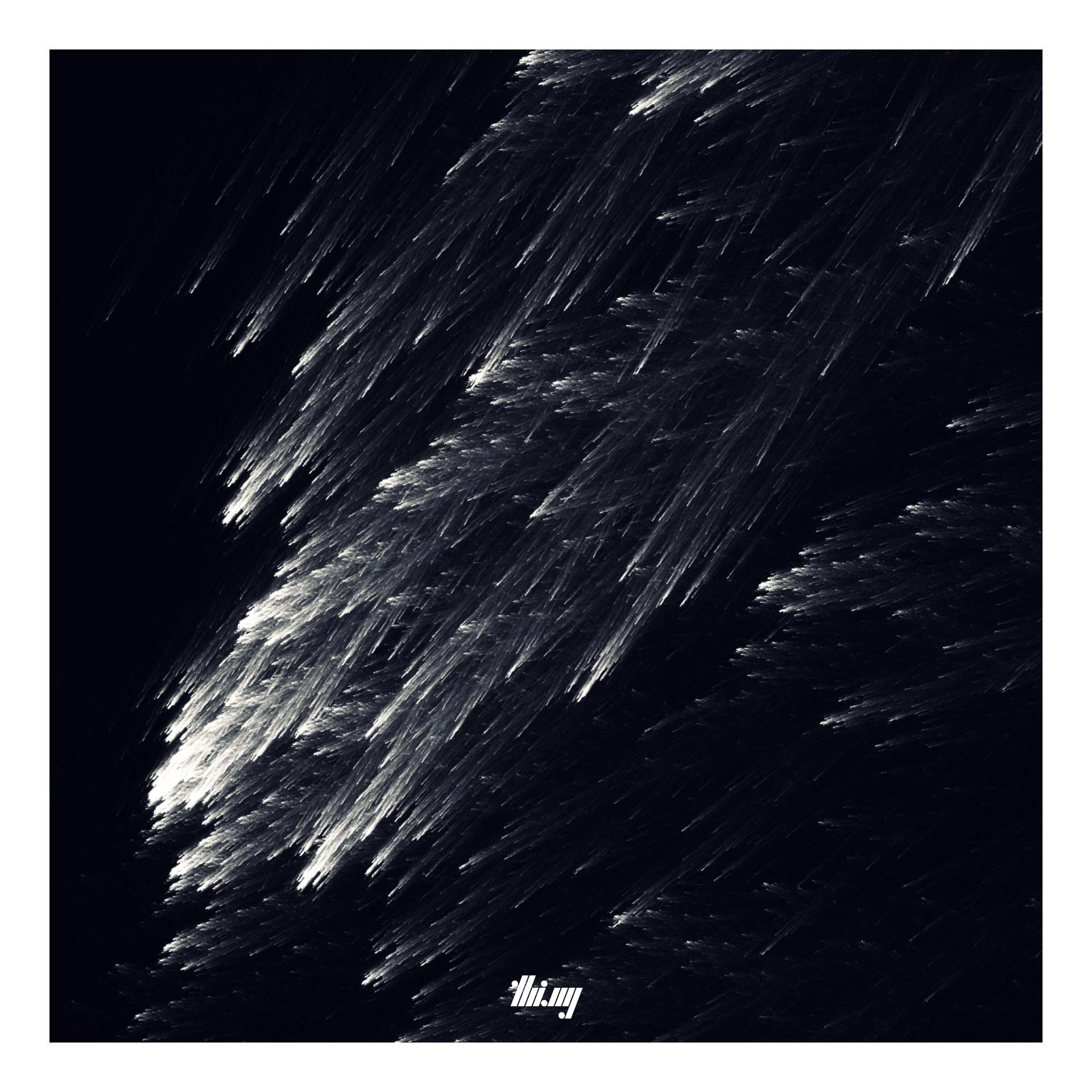
Light Streaks — generative photography
A small selection of long-exposures of randomly generated IFS (aka Iterated Function Systems), a family of very oldskool primitive/trivial fractal functions, but which can produce a fairly wide variety of outcomes. Each image is the result of billions of iterations of a single particle being iteratively transformed (meaning the particle's current position is used as the input for computing its next position etc.) For each iteration & posit…



 @thomasfuchs@hachyderm.io
2026-03-12 14:19:52
“Insanity is doing the same thing over and over again and expecting different results”
AI bros: “What if we made a machine that gives you different results every time asking the same thing?”
 @aardrian@toot.cafe
2026-01-14 20:04:07
“Live Region Support”
https://adrianroselli.com/2026/01/live-region-support.html
Just about to publish, Chrome updated, I re-tested, and my results for dynamic descriptions went sideways. So, I dunno, QA that for me?
Won’t it feel good to correct me? You know…
 @toxi@mastodon.thi.ng
2026-01-16 11:27:56
New #ThingUmbrella example to create a parametric, grid layout-based calibration sheet for black and white photography development. The sheet includes different swatches and gradients to measure results/responses of different exposure times and developer solutions/processes. The sheet also includes a placeholder for a custom test image to be added later...
All sheet components are pa…

 @karlauerbach@sfba.social
2026-01-11 23:01:48
I want to remind everyone of the Montana Plan - a viable approach to diminish the force of the Citizens United decision.
I myself have written about the power of each separate State to regulate corporations operating under the laws of that state - especially those corporations created under the laws of that state. This means that each state has the power and authority to regulate and restrict how corporations created under that state's laws spend money, and for what purpose.

 @cdarwin@c.im
2026-03-05 15:53:59
House to vote on war powers resolution after Senate measure fails
The House is preparing to vote on Thursday on a "war powers resolution" that would require Donald Trump to seek congressional permission before continuing the war with Iran
– a sign of unease in Congress over the rapidly widening conflict.
It’s the second vote in as many days, after the Senate defeated a similar measure along party lines on Wednesday.
The tally in the House is expected to be t…
 @Mediagazer@mstdn.social
2026-02-13 21:21:08
Cineverse says it is acquiring IndiCue, a profitable CTV ad tech company, for $22M plus up to $18M in earnout as Cineverse focuses on streaming infrastructure (George Winslow/TV Tech)
https://www.tvtechnology.com/platform/streaming/cinevers…

 @zachleat@zachleat.com
2026-02-09 22:01:00
A casual browse through records on https://www.cve.org/ (Common Vulnerabilities and Exposures):
React ×142 results
WordPress ×30,523 results
 @drgeraint@glasgow.social
2026-02-06 23:18:55
Review of the last* Scottish election before the Holyrood election in May.
"an utterly crushing result for the Conservatives. ... the kind of thing that could take them from 12 MSPs... to just 3; i.e. one per region outside Glasgow, where they risk wipeout."
https://ballotbox.scot/result-bearsden