 @cdarwin@c.im
2026-07-19 19:29:02
In one post, according to the US Attorney’s Office,
former women's track and field coach Steven Waithe wrote:
“Does anyone want to trade nudes?
I’m talking girls you actually know. Could be exes or whatever.
I have quite a few and [am] down to trade over snap[chat] or something.”
Legal documents do not name the sites on which Waithe distributed these images,
but Bellingcat found a cached version of a November 2020 post with that exact wording on Leake…

 @netzschleuder@social.skewed.de
2026-06-20 01:00:05
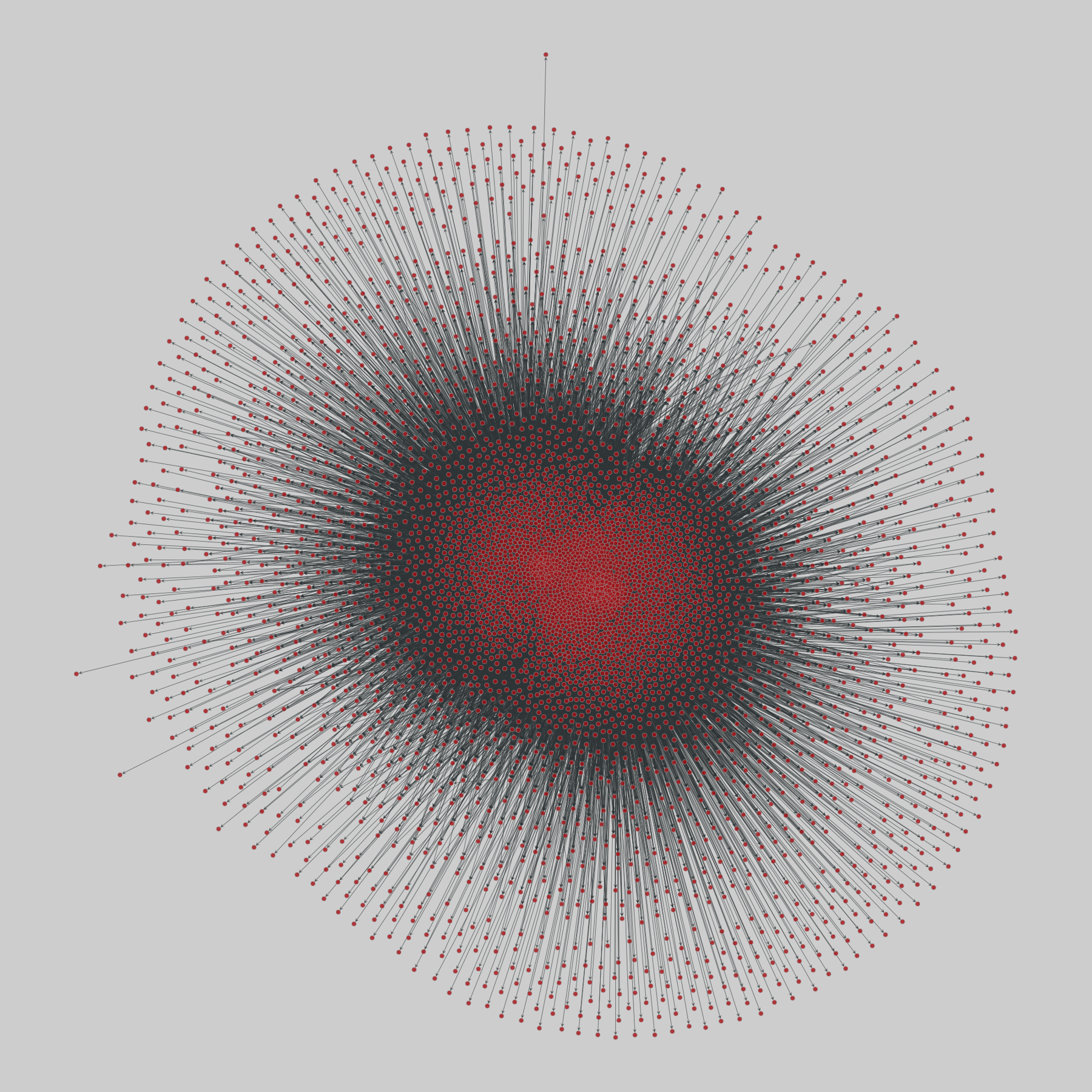
fediverse: Fediverse network (2018)
An early snapshot of the federation network among web publishers using the ActivityPub protocol. Nodes are instances, and a directed edge exists if an instance follows another instance.
This network has 4860 nodes and 484164 edges.
Tags: Social, Online, Information
https://ne…
 @Techmeme@techhub.social
2026-09-19 05:10:53
Business intelligence startup Veridion, which develops an AI-powered, real-time map of ~640M businesses worldwide, raised a $20M Series A led by Hoxton Ventures (Tamara Djurickovic/Tech.eu)
https://tech.eu/2026/09/16/veridion-lands-20m-to-take-…
 @netzschleuder@social.skewed.de
2026-07-19 01:00:03
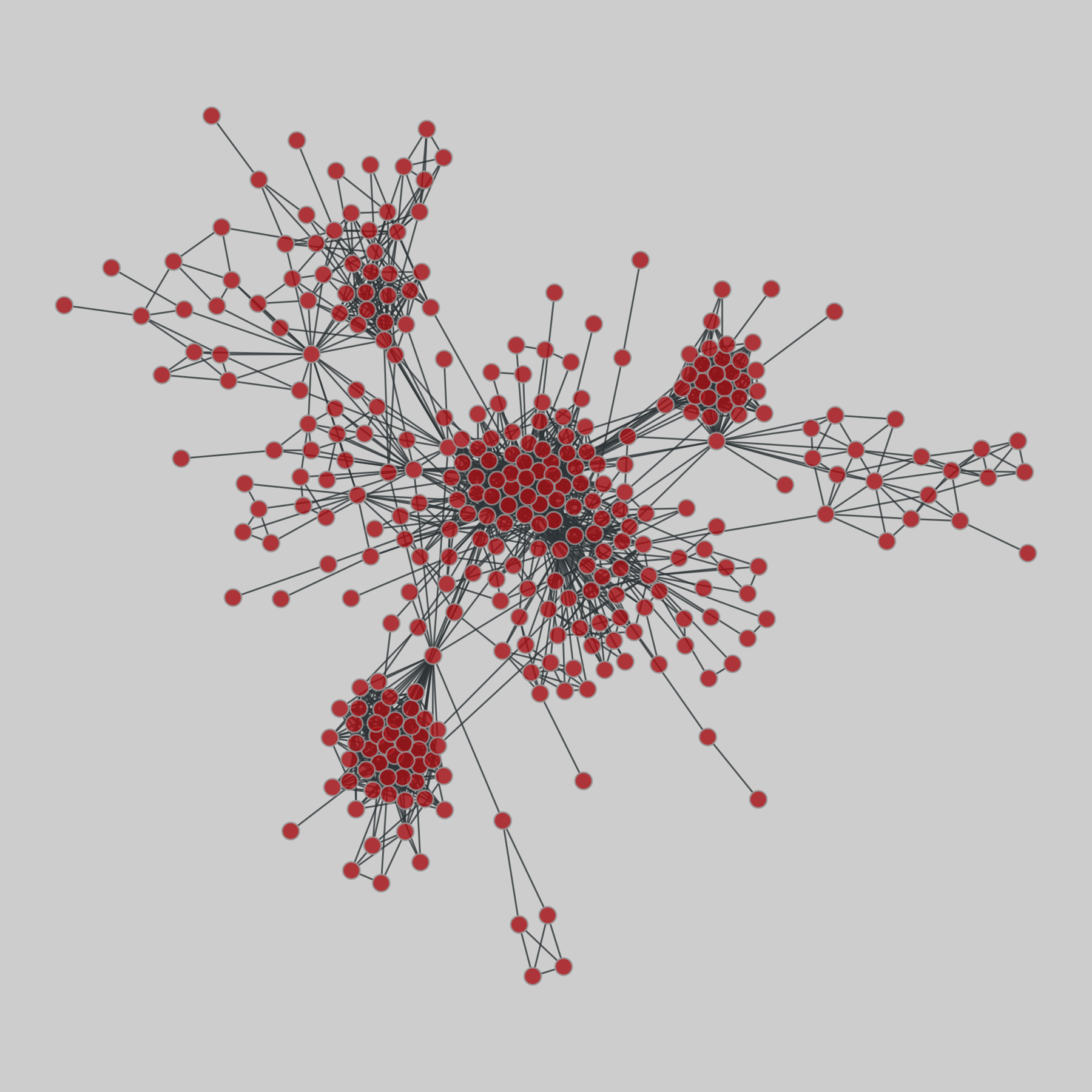
facebook_friends: Maier Facebook friends (2014)
A small anonymized Facebook ego network, from April 2014. Nodes are Facebook profiles, and an edge exists if the two profiles are "friends" on Facebook. Metadata gives the social context for the relationship between ego and alter.
This network has 362 nodes and 1988 edges.
Tags: Social, Online, Unweighted, Metadata
 @Techmeme@techhub.social
2026-09-18 18:55:50
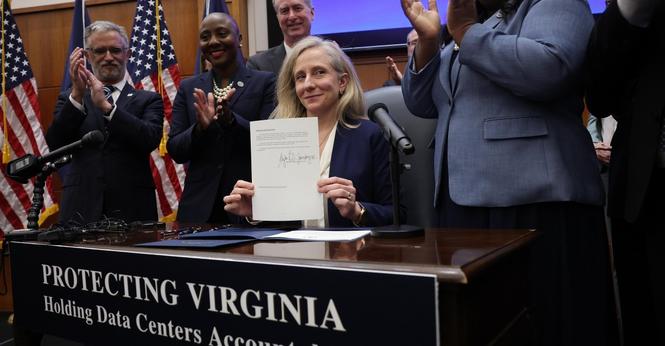
Virginia Gov. Abigail Spanberger signs an EO to slow down data center approvals, create an AI task force to evaluate workforce displacement, and more (Lauren Feiner/The Verge)
https://www.theverge.com/policy/997573/virginia-governor-spanberger-da…
 @netzschleuder@social.skewed.de
2026-09-19 12:00:04
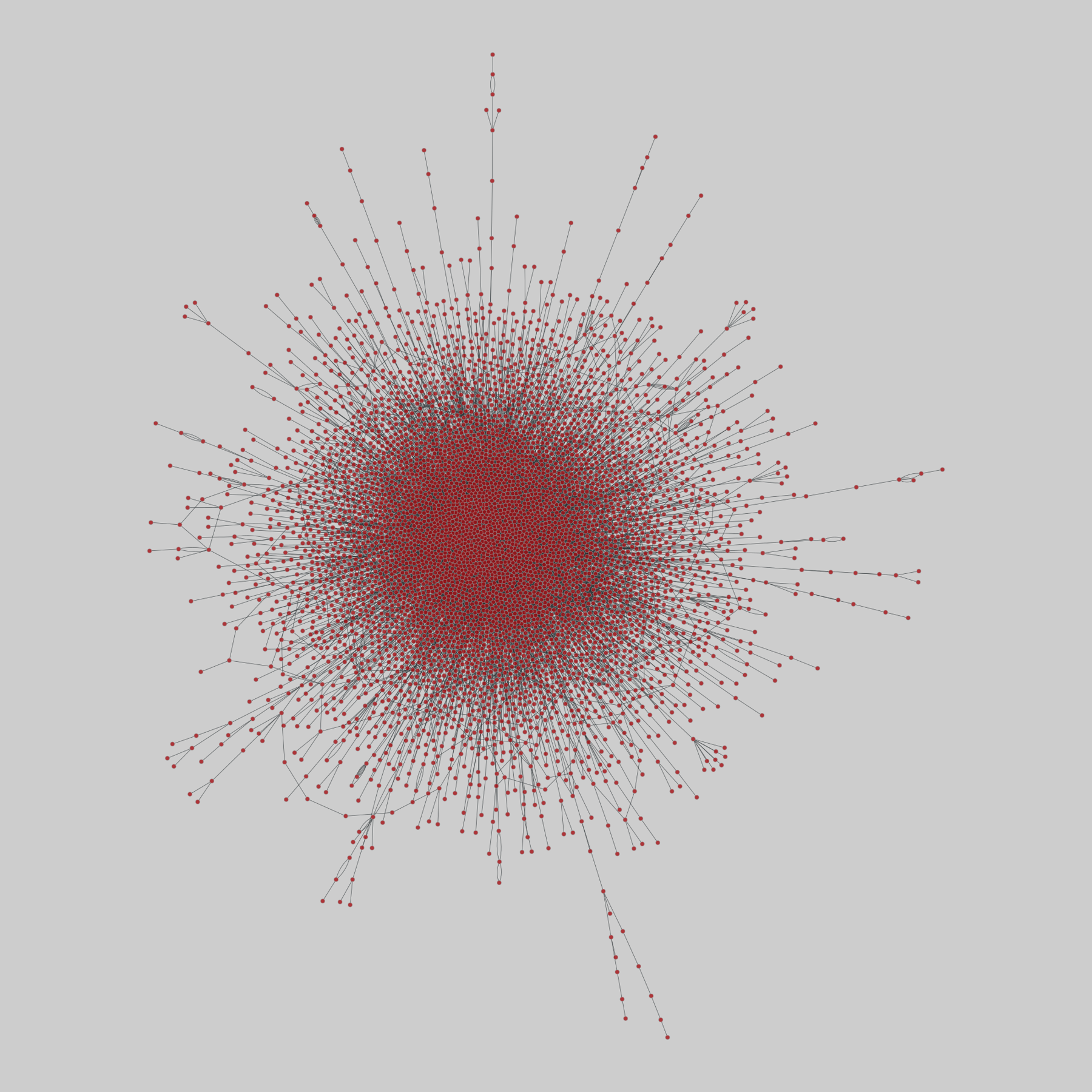
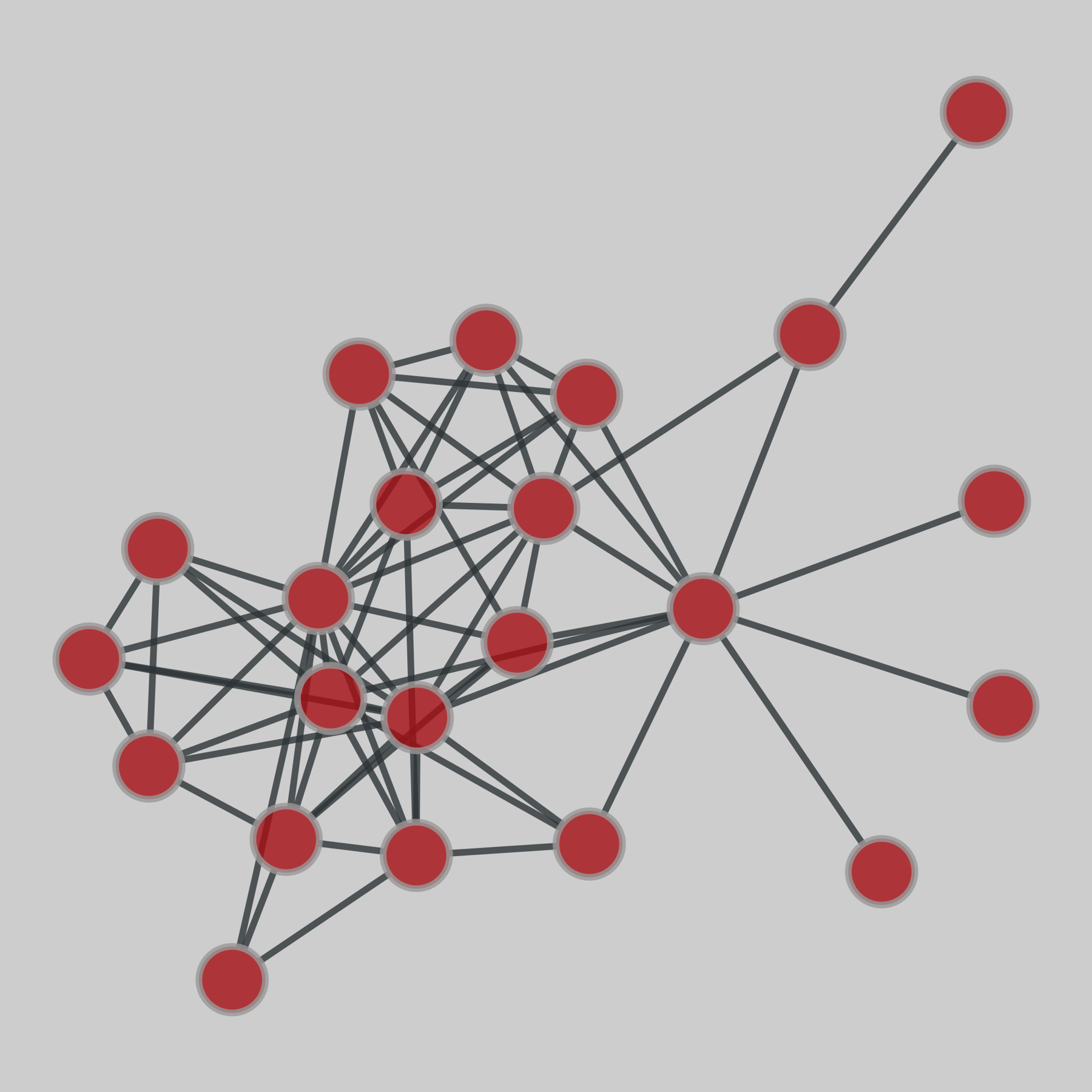
november17: November17 members (2009)
A network representing connections among members of the November 17 (N17) Greek terrorist group. Nodes are members, and an edge exists if two members have some connection in the past. Metadata include role, function, resources. Some attributes are missing.
This network has 22 nodes and 66 edges.
Tags: Social, Offline, Unweighted, Metadata
 @netzschleuder@social.skewed.de
2026-08-18 22:00:36
flixster: Flixster friendship network (2009)
A network of friendships among users of Flixster, an online social movie website that allows users to share movie ratings and to connect each other. Nodes represent users and an edge exists if two users are friends.
This network has 2523386 nodes and 7918801 edges.
Tags: Social, Online, Unweighted
 @netzschleuder@social.skewed.de
2026-07-19 05:00:05
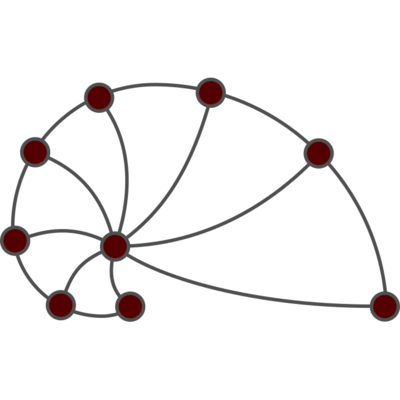
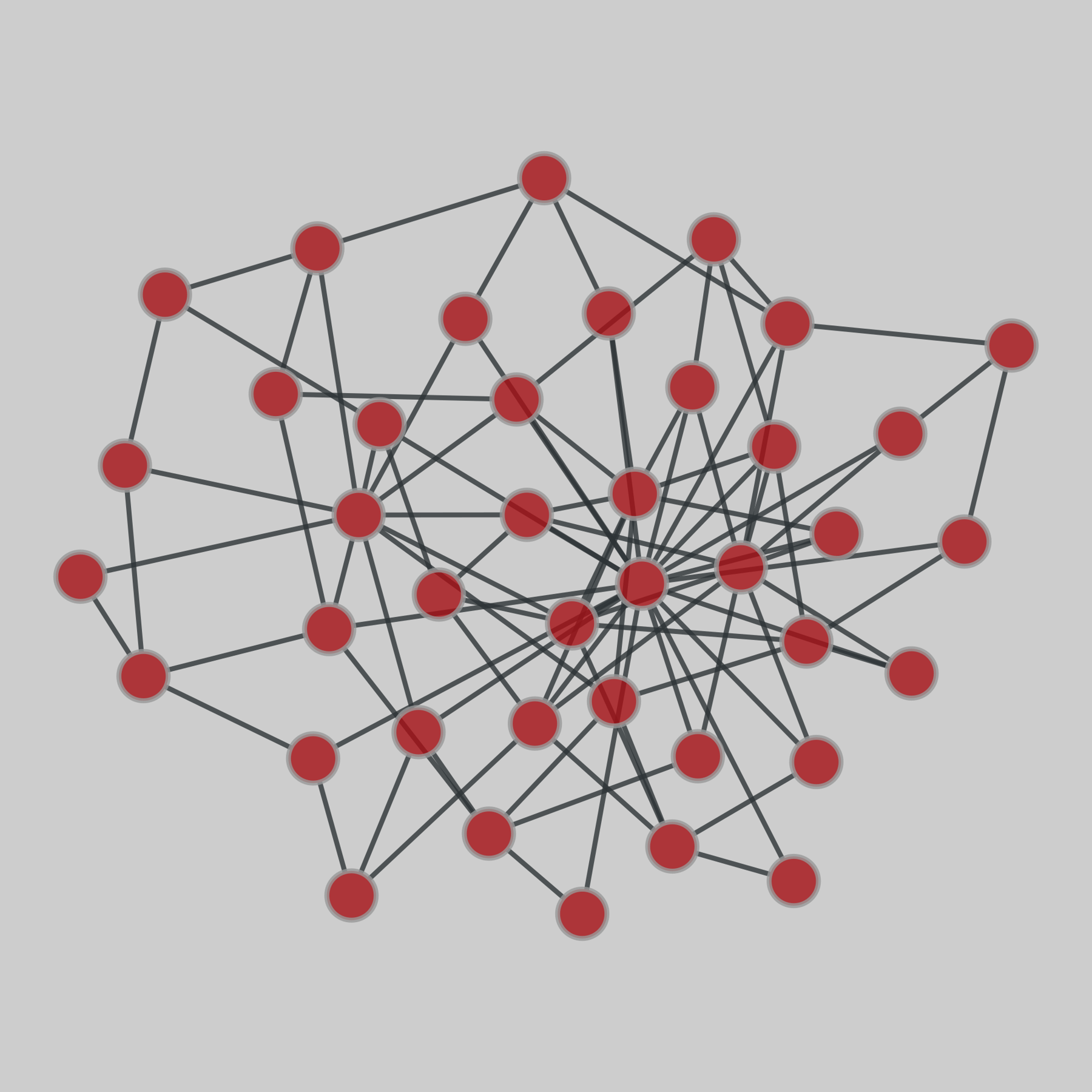
ceo_club: CEO Club Memberships
A bipartite network of the memberships of chief executive officers and the social organizations (clubs) to which they belong, from the Minneapolis-St. Paul area. Data originally collected by Galaskiewicz in 1985.
This network has 40 nodes and 95 edges.
Tags: Social, Affiliation, Unweighted
https://
 @netzschleuder@social.skewed.de
2026-09-18 22:00:05
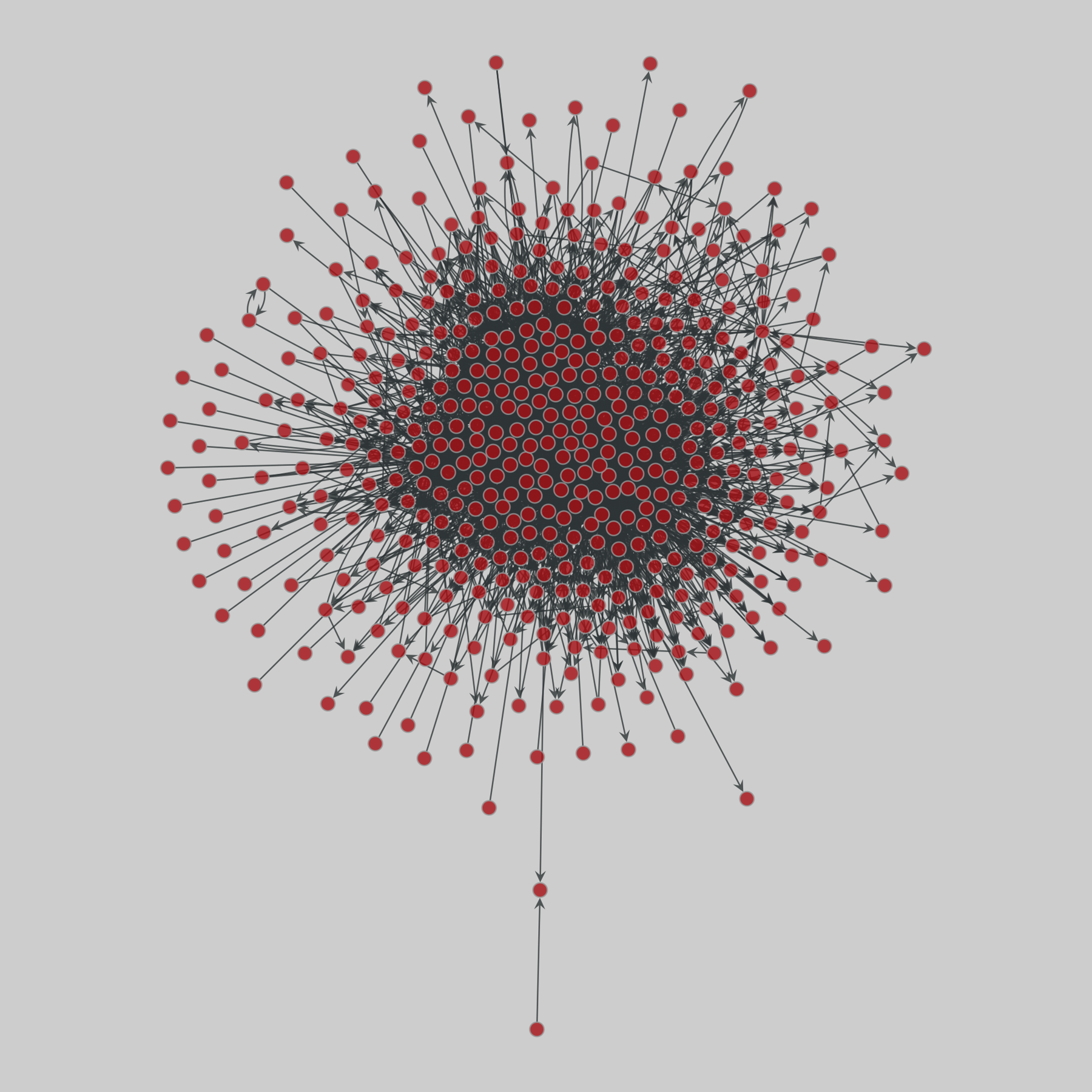
us_agencies: U.S. government agency websites (2018)
50 networks, one for each U.S. state, representing the web-based links between their associated government agencies websites. A node is an entire agency website and a directed edge (i,j) represents the existence of a hyperlink from any webpage in website i to some webpage in website j. Data was collected with a crawler. Nodes are annotated with the number of webpages per website, website name (related to its government function) and U…
 @netzschleuder@social.skewed.de
2026-08-19 04:00:05
foursquare: Foursquare NYC restaurants (2012)
Two bipartite networks of users and restaurant locations in New York City on Foursquare, from 24 October 2011 to 20 February 2012. In one network, an edge denotes a check-in event of a user at a restaurant. In the other, an edge exists if a user left a tip/comment on a restaurant. Metadata include comments.
This network has 6410 nodes and 10377 edges.
Tags: Social, Online, Unweighted, Metadata