 @Techmeme@techhub.social
2026-10-22 19:56:10
Canva launches Craft, its first image generation model, trained on human-designed templates, available to all users, with plans to support third-party chatbots (Ivan Mehta/TechCrunch)
https://techcrunch.com/2026/10/22/canva-releases-its-first-image-generati…

 @krasse_eloquenz@literatur.social
2026-09-26 07:17:57
Im Hiphopkurs sind wir eine Stufe weitergegangen und haben uns gegenseitig unseren Tag rappend erzählt (mit echten Worten). Erstaunlicherweise klappte auch das; der Trainer kam 2x auf mich zu und meinte, dass ich das echt gut kann. Reimen funktionierte auch ganz okay.
Ich sagte zu meiner Mutter, dass ich das Rappen weiterverfolgen möchte. Meine Mutter: "Aber das machen doch nur Jugendliche."
Jemand anders fragte: "Wozu ist das gut (in Gibberish zu rappen)?" 1/…
 @NFL@darktundra.xyz
2026-10-24 18:11:24
Saints vs. Steelers: Aaron Rodgers, Tyler Shough to duel in first-ever game in Paris
https://www.cbssports.com/nfl/news/steelers-vs-saints-how-to-watch-odds-preview-predictio…
 @cellfourteen@social.petertoushkov.eu
2026-10-25 10:07:43
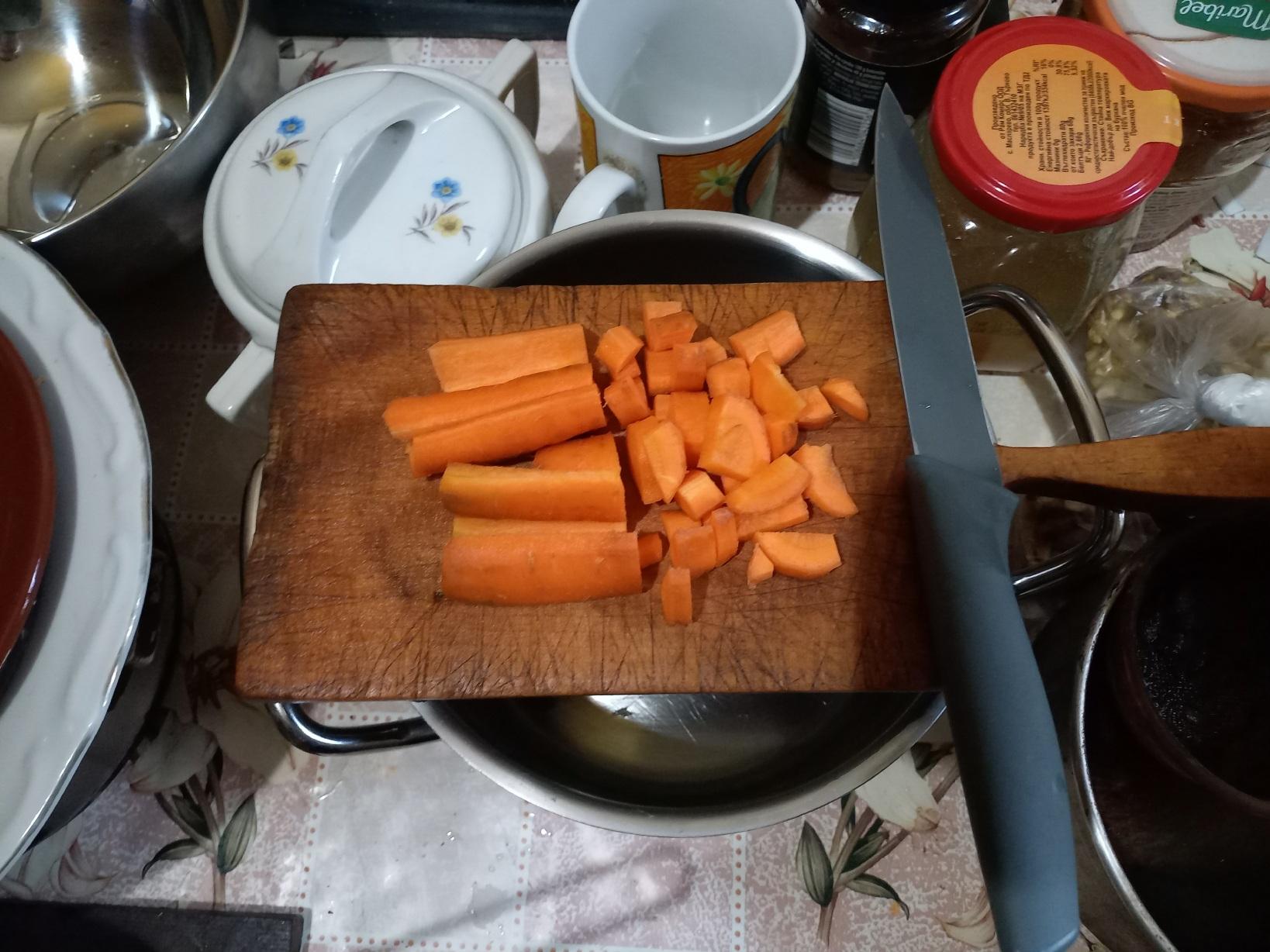
With roasted chicken on rice and split peas. But first you need to vote for president in Bulgaria.
 @Mediagazer@mstdn.social
2026-10-23 03:15:55
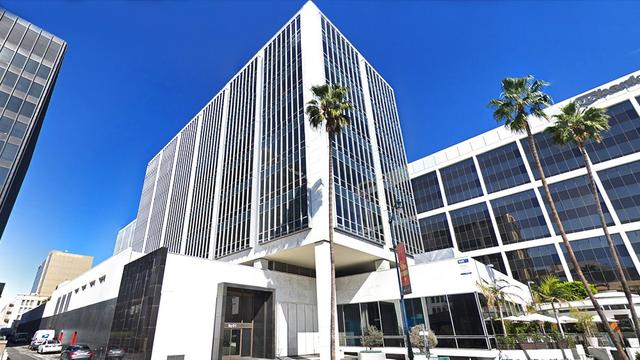
The American Entertainment Alliance calls for a rule modeled on the old "fin-syn" law protecting creators' ownership of shows, along with a tax credit (Gene Maddaus/Variety)
https://variety.com/2026/film/news/american-entertainment-…
 @edintone@mastodon.green
2026-10-16 06:57:04
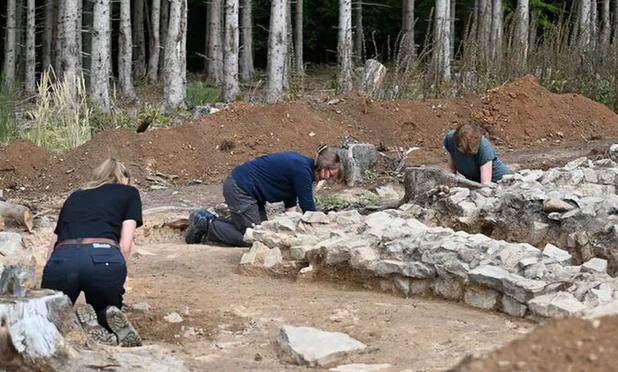
Inches Below the Forest Floor, Archeologists in Germany Unearthed a Roman Temple to the War God https://www.goodnewsnetwork.org/inches-below-the-forest-floor-archeologists-in-germany-unearthed-a-roman-temple-to-the-war…
 @comex@mas.to
2026-09-24 19:15:34
It's kind of crazy that both GPT and Claude really love to manipulate files by writing Python scripts that do text search-and-replace. First of all, why isn't this a dedicated tool? Second, the generated scripts usually don't check that the search-and-replace was successful. Are they just good enough at regurgitating text that they never make mistakes? What if the file was modified in the mean time?
 @ErikUden@mastodon.de
2026-10-23 10:34:43
I was at an apolitical event honoring people finishing their academic degrees in the health sector recently, and the last speech, sort of as if it was added as an after thought, tried to give a political message, which received immense applause, but just wasn't a message to me.
The speaker said “we need to be loud against all organizations that are against humanitarian principles”. My first thought was: Wow, we can't even name the dangerous ideology anymore, yet alone the organization…
 @gilest@mastodon.me.uk
2026-09-24 08:15:20
If you get a spare 30 mins or so, you should have a listen to the Ibrahim Alfa Jnr mixtape in the middle third of this edition of Late Junction. Quick, before it disappears from Sounds. Start from about 30 mins in, to hear his intro first.
https://www.bbc.co.uk/sounds/play/m00309lp
@Techmeme@techhub.social2026-10-23 06:02:03
SK Telecom unit SK Hyper is in talks with tech firms and investors to finance 15GW of data center capacity in South Korea by 2035; the first 5GW will cost $350B (Bloomberg)
https://www.bloomberg.com/news/articles/2026-10-23/sk-da…