Semi-subtoot: there's a certain kind of anti-genocide narrative that draws comparisons between the Gaza genocide and the genocide of Jews, queer, and disabled people during WW2, with an incredulous overtone, the subtext of which is: if the good nations invaded Germany to stop the Nazis' evil in WW2, it's hypocritical for this nations not to take action to protect Gazan civilians now. There are a couple of problems with this line of reasoning, but the most obvious from an anarchist perspective (which sees "good nation" for the oxymoron it is) is that it's ahistorical. The reasons for the various allies' entrance into WW2 are varied, but they weren't about good and evil, and in fact the full depth of the evils of the Holocaust *was not known* in allied countries until after the war. Nations never really do things to "fight evil" like some humans might; they always act out of a kind of (imperfect) self-interest. The motivations for many of the allies were simply "we don't want Germany to conquer and destroy us" (and the imperfection in that motive is amply evident in the appeasement that preceded the war). America was of course not swayed by that motive, and it was the Japanese that (thinking the issue would have to come to a head eventually and that a surprise attack was worth speeding it up) put America in a situation where it joined for similar reasons.
Why is this extra relevant right now? Because neither the US nor any European country is existentially threatened by Israel (or threatened at all in fact, quite the opposite they're all benefiting economically from the situation in Gaza). The lesson of history isn't "brave, good nations will stand up to fight against anyone who commits genocide or other major evils", it's "nations act in their narrow and twisted and often mistaken self-interest (the interest of the national entity, which is often counter to the interest of it's citizens), and they always mythologize their actions after the fact as having been a fight against evil, which sometimes by luck is partially true."
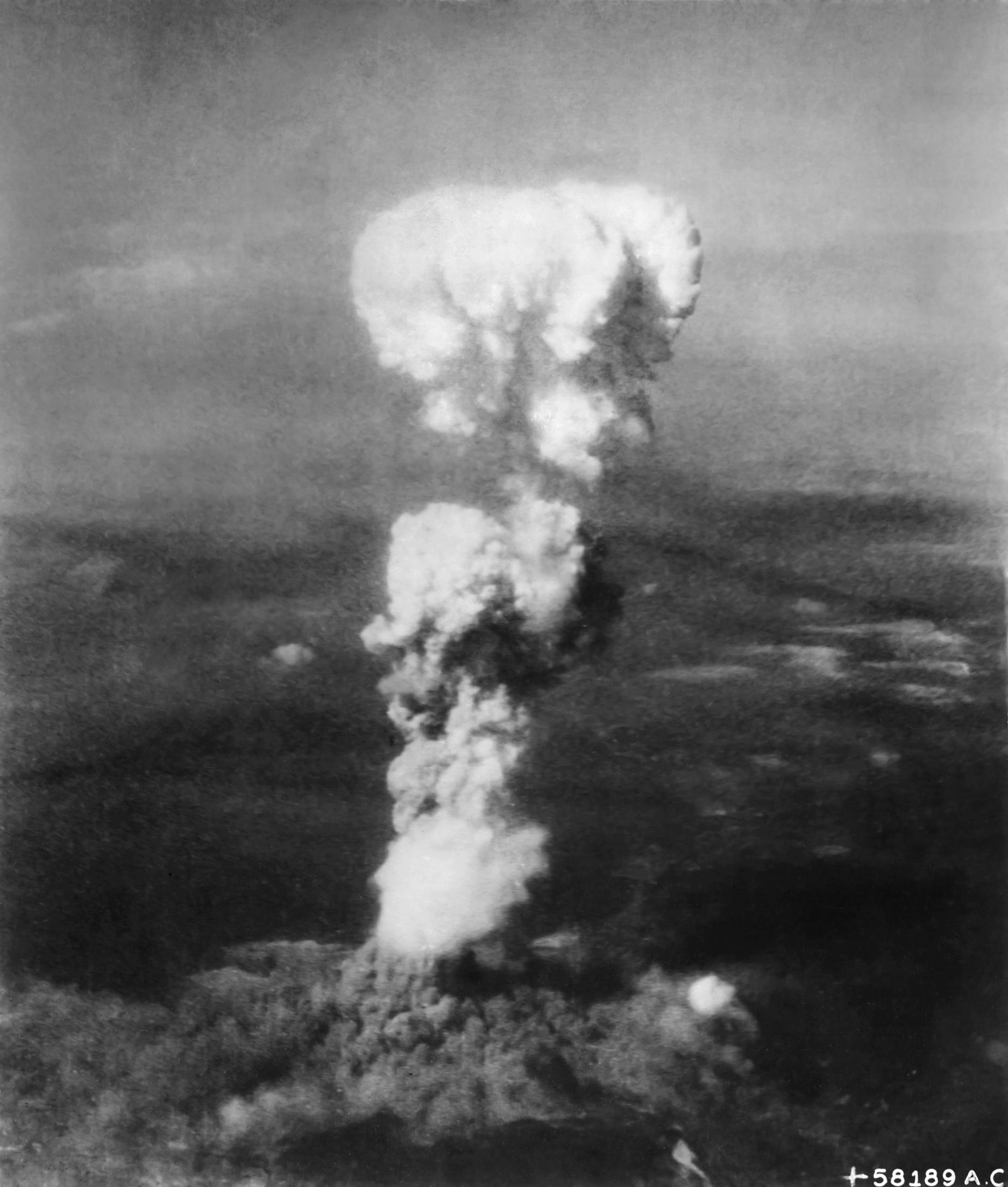
To double down on this point: in the European theater the U.S. war actions were pretty good overall, defeating an evil opponent through military force and being a fairly gracious victor to the civilian populations there. In contrast, in the Pacific theater the U.S. was one of two evil empires duking it out for global dominance at the expense of civilians on both sides. The Japanese empire was a vile regime and perpetrated horrors in China, Korea, and across southeast Asia. The U.S. was barely better, between Japanese internment camps at home, and mass targeting of civilians on Japan, both with the firebombing of Tokyo and especially the nuclear bombs dropped on Hiroshima and Nagasaki.
So if your model of how we stop genocide is "convince the good guys to invade (or exert political pressure) and save the day", your model is wrong. That's not what happened in WW2. I'm not confident I know the perfect solution, but I do think it involves a mass of people making increasingly disruptive protest so that the cost *to rich companies and thus politicians* of falling to intervene is too high to stomach. That's a large part of what succeeded in South Africa, for example. Thankfully, there is already a vibrant protest movement to end the genocide in Gaza, and even though they haven't been fully successful yet, I'm optimistic that as things naturally (and through hard work) fall apart for various fascists politically, that movement will be able to succeed.
#gaza #genocide
 @cdarwin@c.im