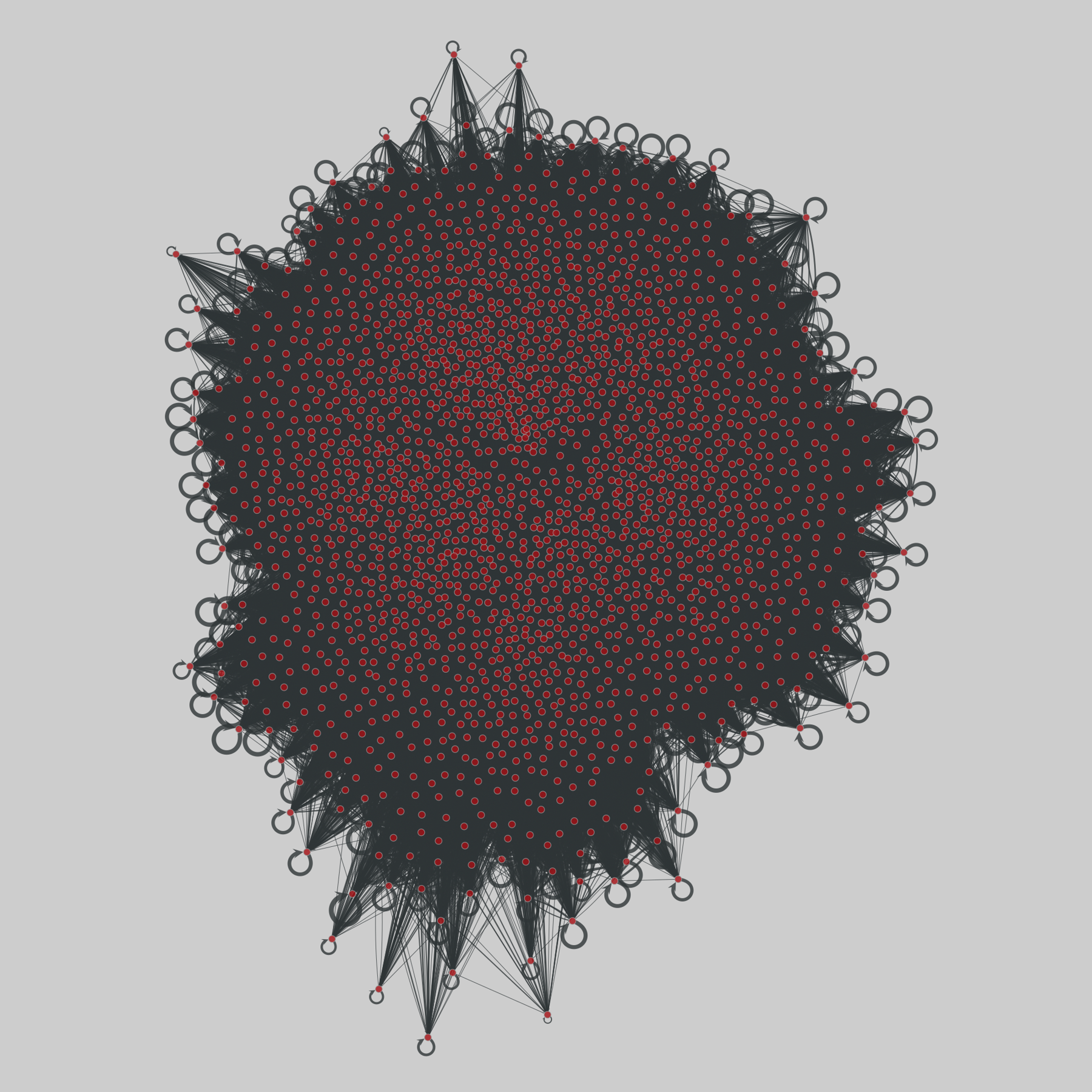
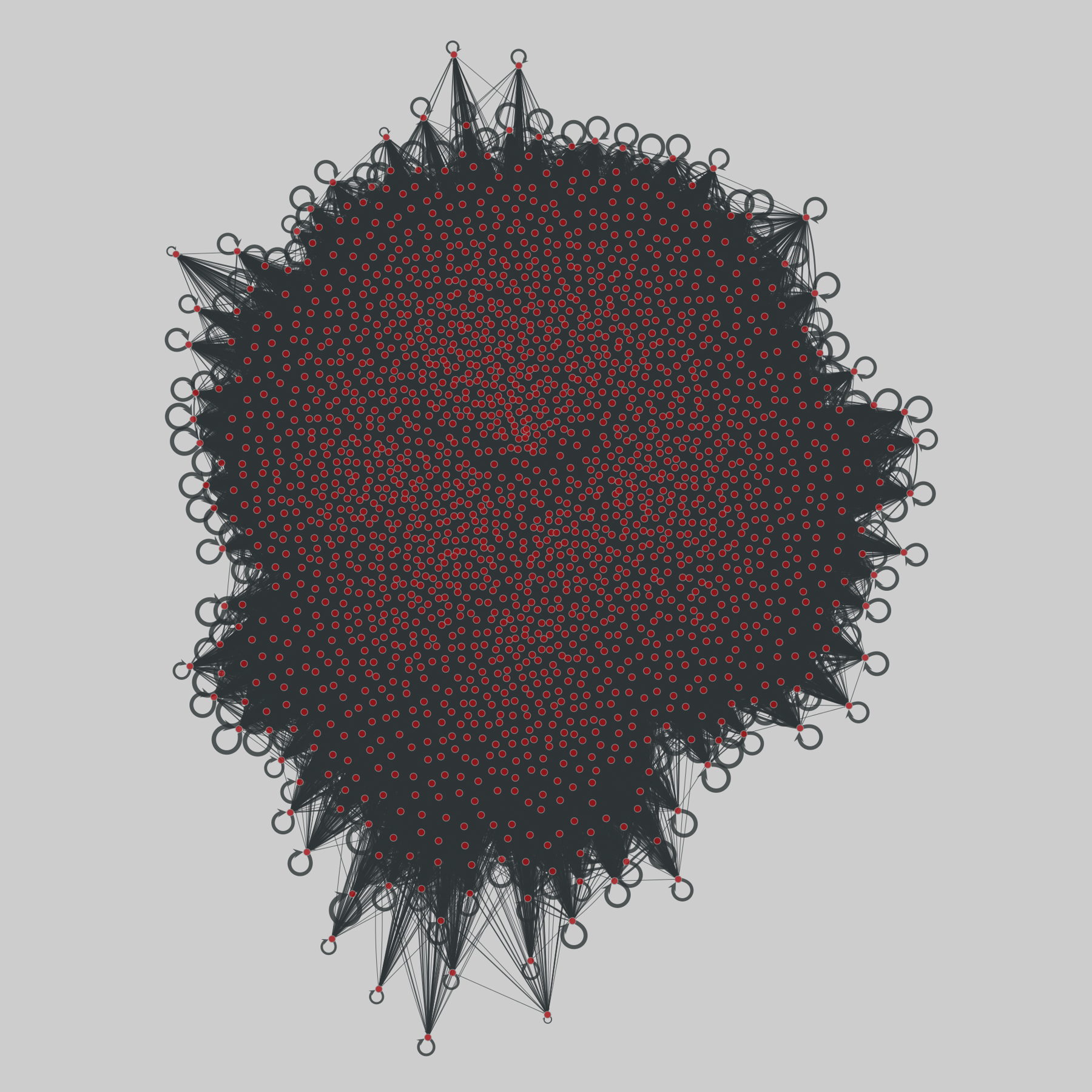
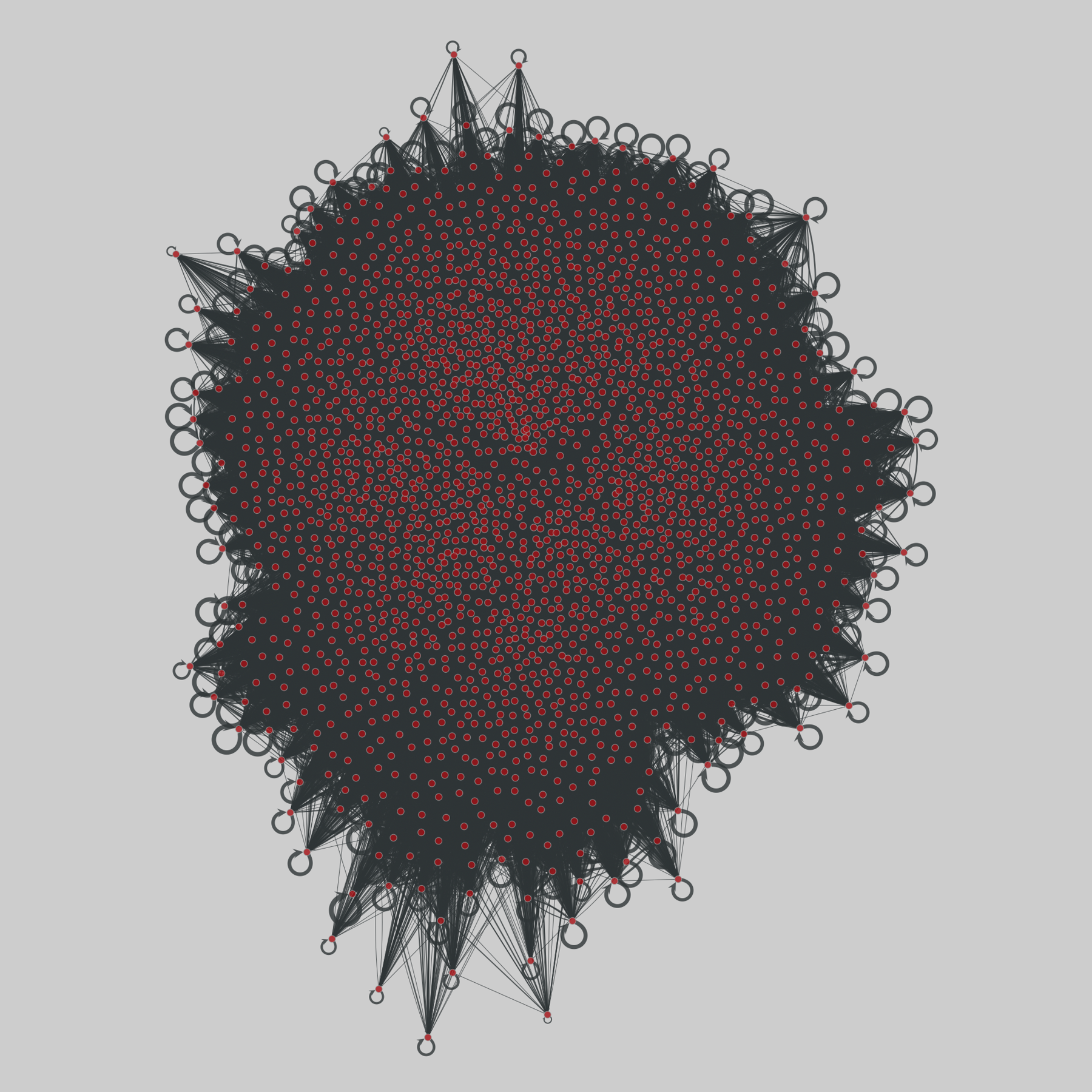
at_migrations: Austrian internal migrations (2002-2022)
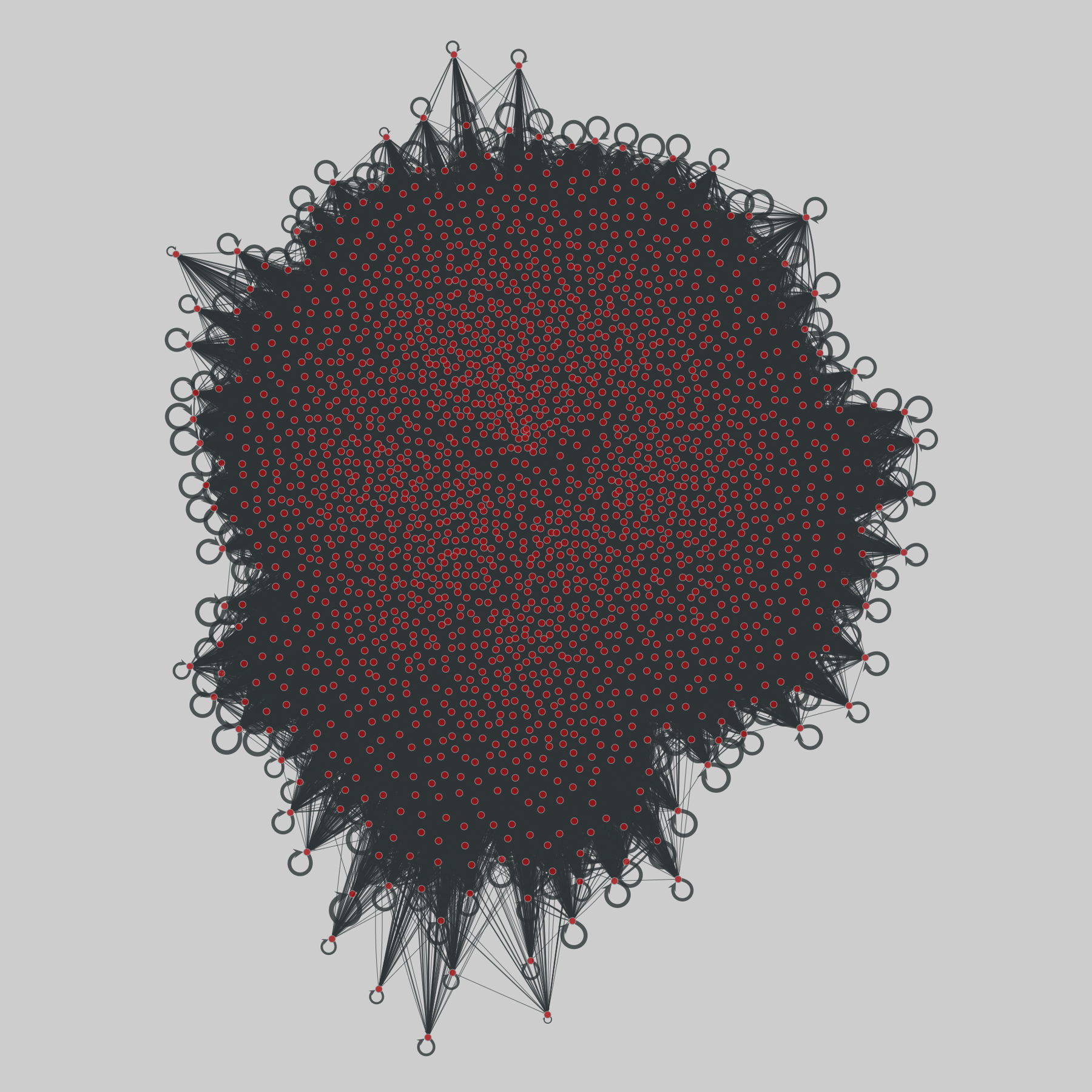
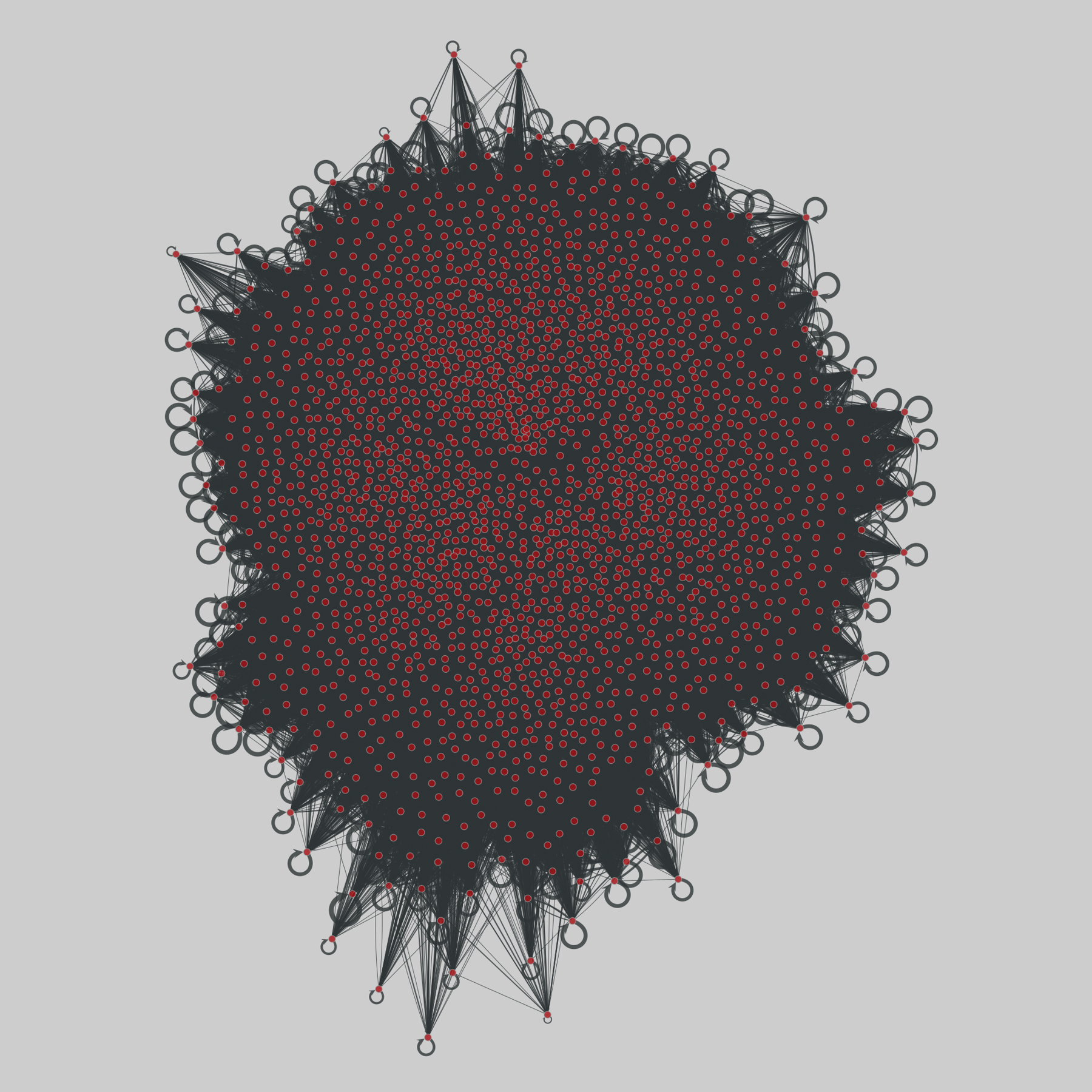
A network of migrations between municipalities in Austria, from 2002 to 2022. A weighted directed link from source to target indicates a migration flow from these two municipalities. Edges are annotated with migration volume (number of people), nationality, sex, and year.
This network has 2115 nodes and 2908569 edges.
Tags: Social, Economic, Travel, Weighted, Politlcal, Timestamps, Metadata
at_migrations: Austrian internal migrations (2002-2022)
A network of migrations between municipalities in Austria, from 2002 to 2022. A weighted directed link from source to target indicates a migration flow from these two municipalities. Edges are annotated with migration volume (number of people), nationality, sex, and year.
This network has 2115 nodes and 2908569 edges.
Tags: Social, Economic, Travel, Weighted, Politlcal, Timestamps, Metadata
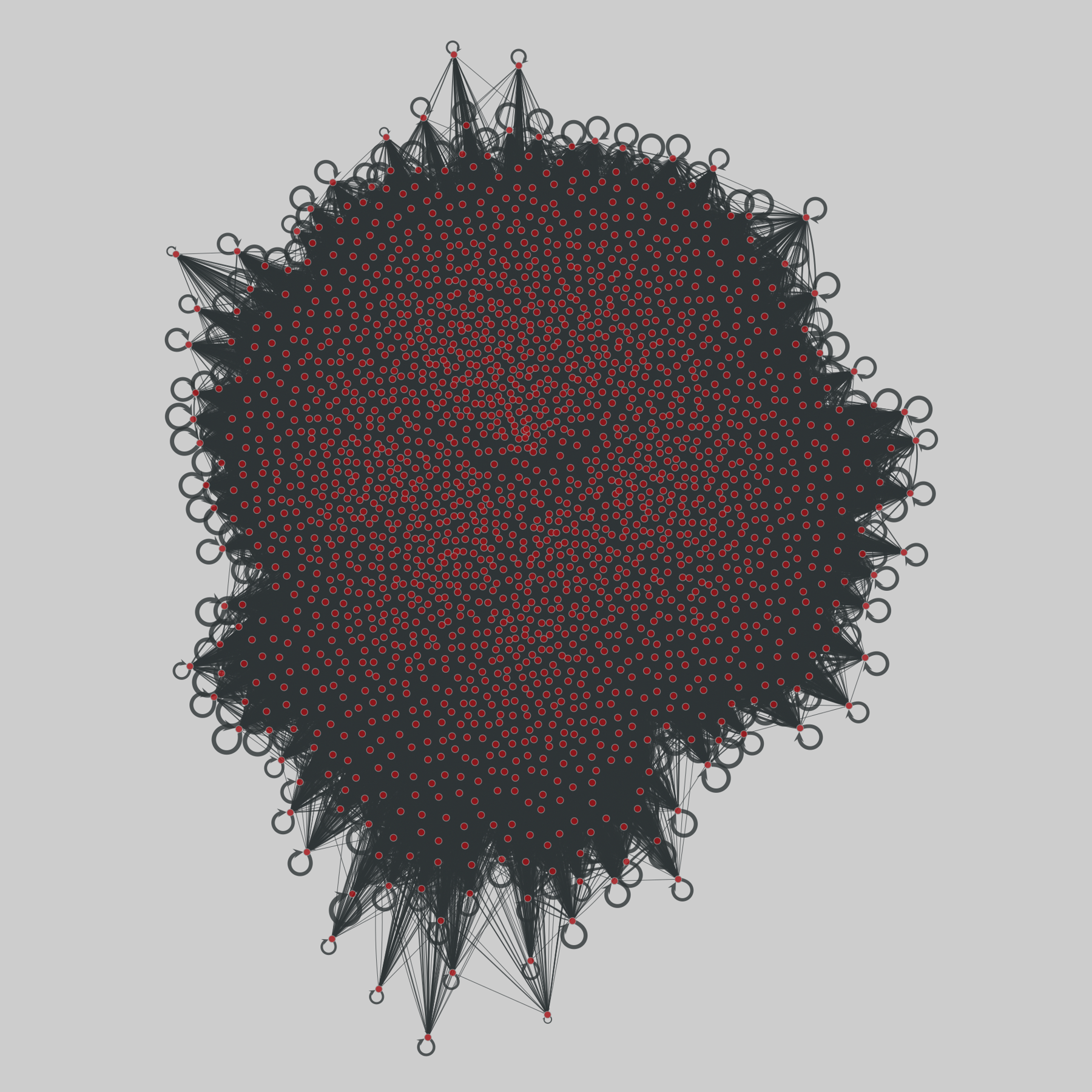
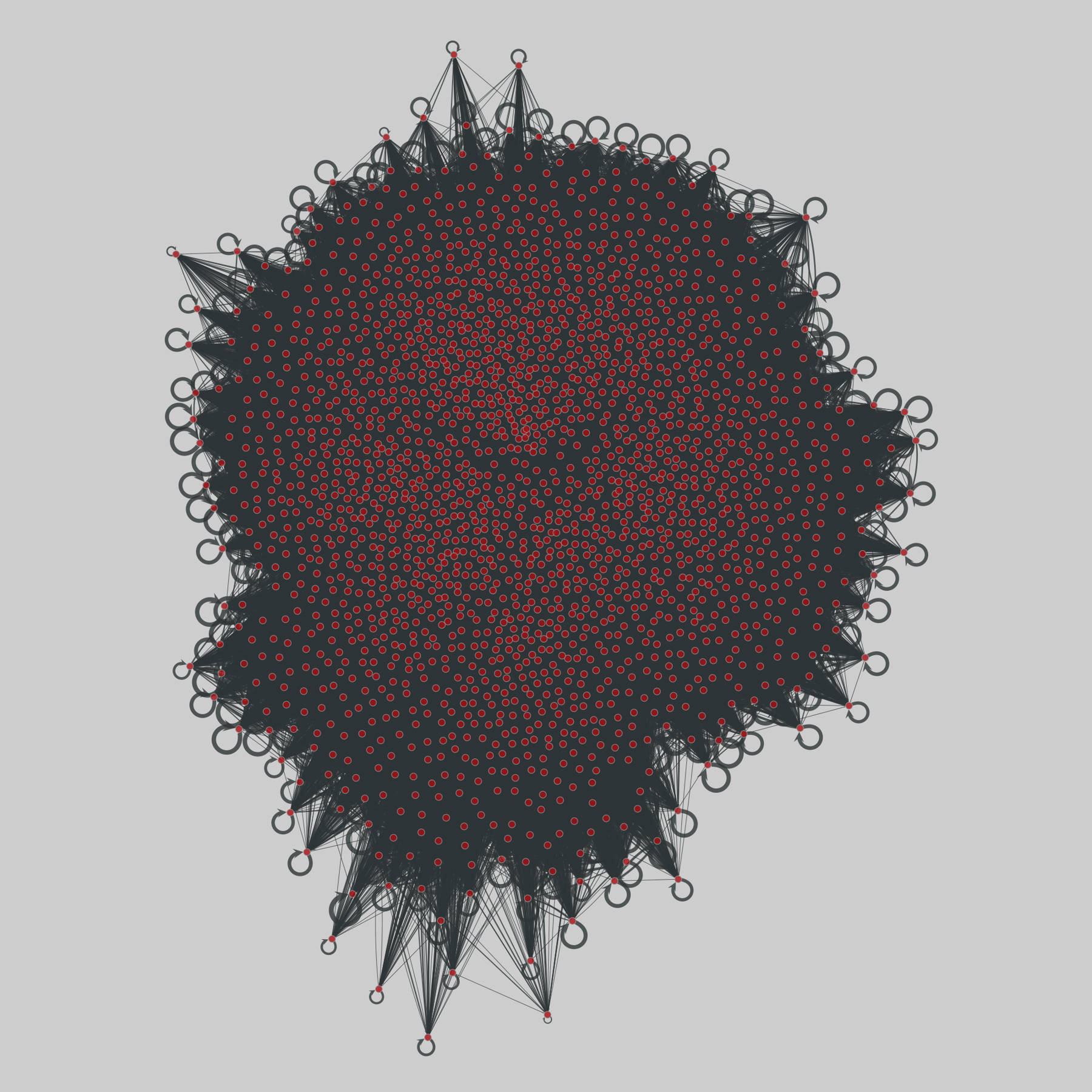
at_migrations: Austrian internal migrations (2002-2022)
A network of migrations between municipalities in Austria, from 2002 to 2022. A weighted directed link from source to target indicates a migration flow from these two municipalities. Edges are annotated with migration volume (number of people), nationality, sex, and year.
This network has 2115 nodes and 2908569 edges.
Tags: Social, Economic, Travel, Weighted, Politlcal, Timestamps, Metadata
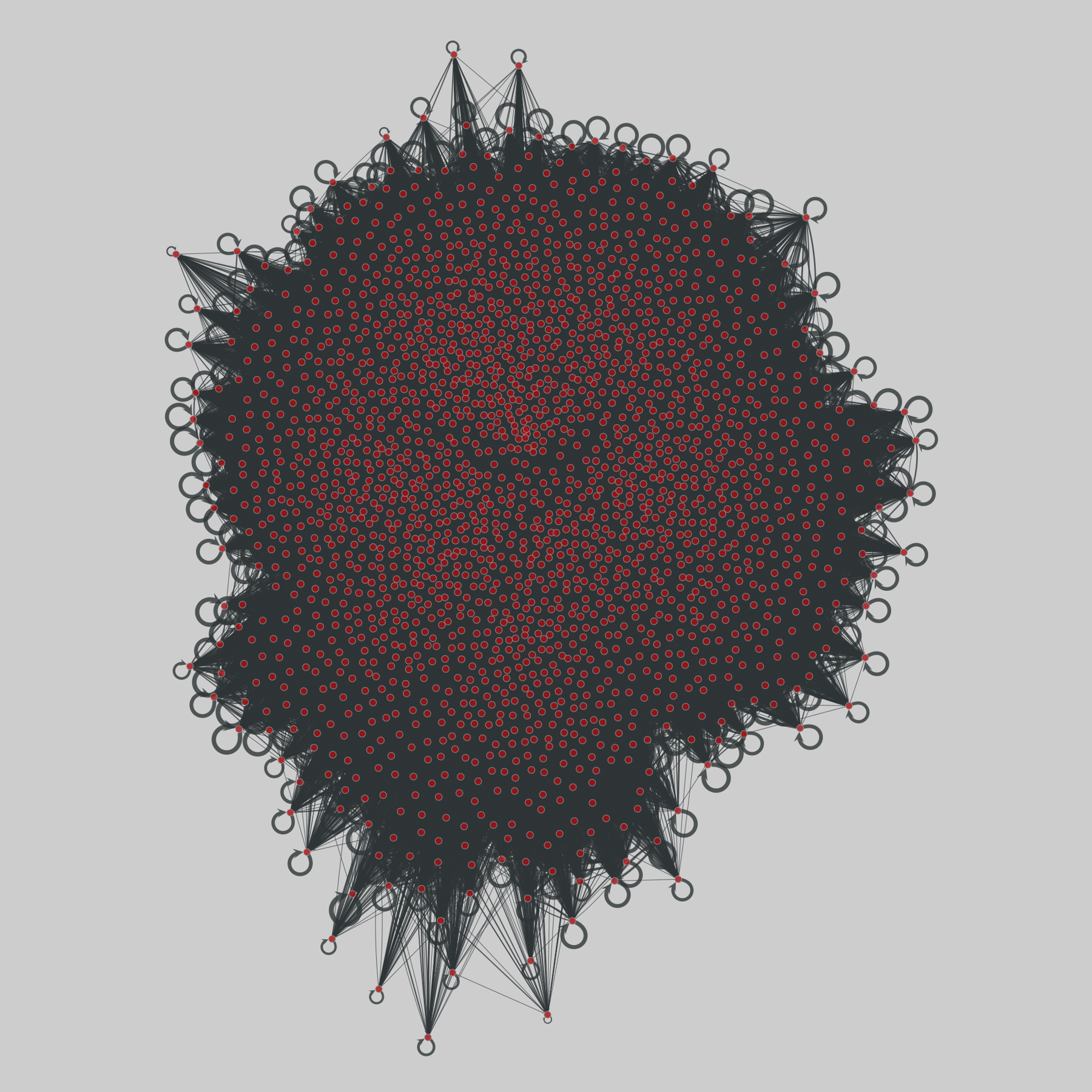
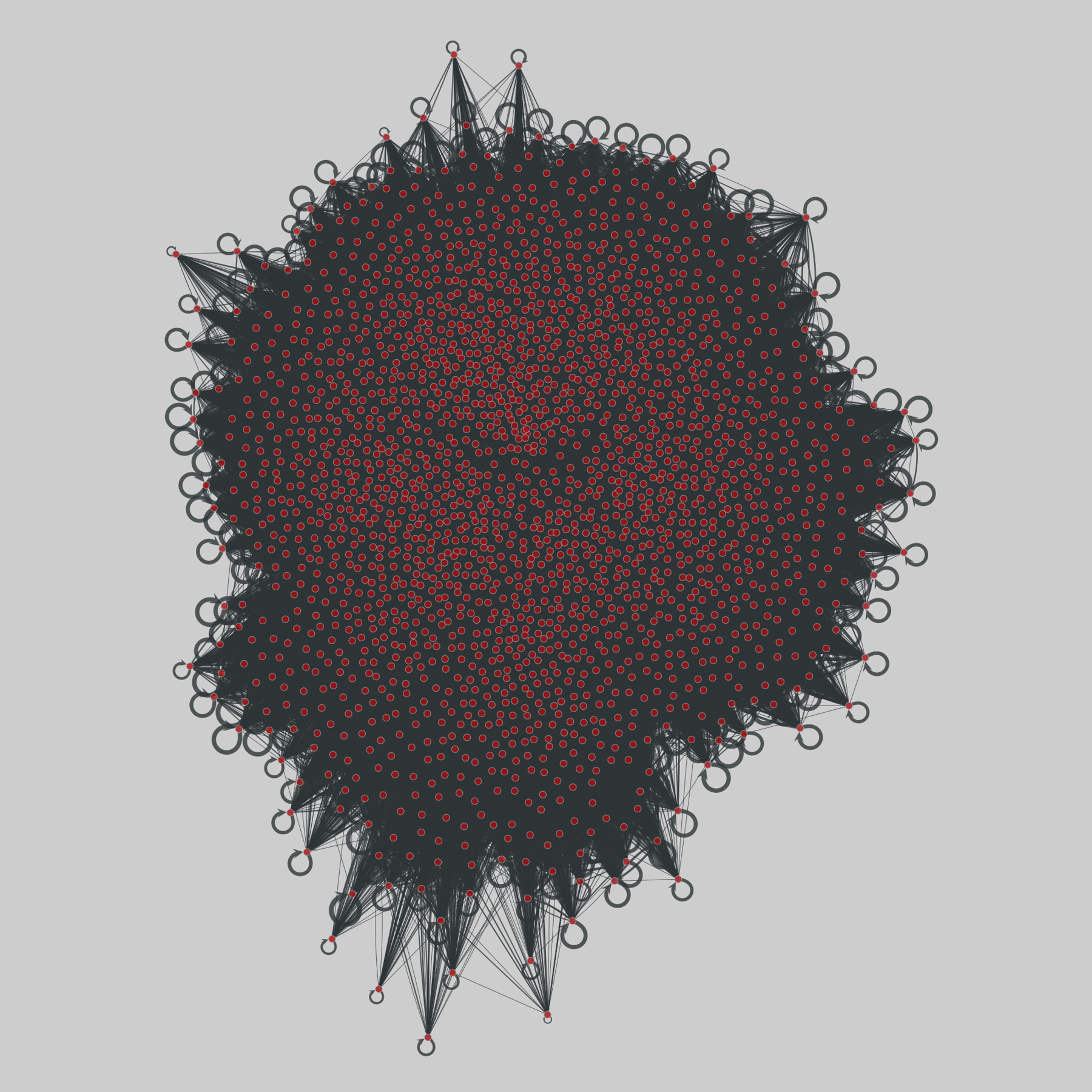
at_migrations: Austrian internal migrations (2002-2022)
A network of migrations between municipalities in Austria, from 2002 to 2022. A weighted directed link from source to target indicates a migration flow from these two municipalities. Edges are annotated with migration volume (number of people), nationality, sex, and year.
This network has 2115 nodes and 2908569 edges.
Tags: Social, Economic, Travel, Weighted, Politlcal, Timestamps, Metadata
As we head into the busiest news week in cyber world, check out the infosec developments you might have missed over the weekend, including
--Water system cyberattacks widen as Trump rejects suspected Iran link,
--OpenAI finds additional AI agents escaped containment,
--Rogue AI hacks raise unprecedented liability questions,
--DeepSeek launches industry's cheapest frontier AI model,
--UK agency exposes officials' data in internal security lapse,
--Leaked database reveals China's surveillance of foreigners,
--Apple cracks down on AI-generated bug reports,
--Hack exposes data of more than 100,000 UK police staff,
--Cyberattack hits Liechtenstein registry of company owners,
--Researchers uncover decades-old flaw in DNA evidence systems
--$70 million bitcoin theft exposes sophisticated wallet attack,
--Amgen investigates cloud breach involving patient data,
--AI is reshaping both cyberattacks and cyber defense,
--Microsoft warns travelers of malware campaign on hotel Wi-Fi,
--Arch Linux halts package adoptions after malicious takeover campaign,
--CareCloud breach grows to nearly 350,000 victims,
--Patient records leaked in cyberattack on Indian hospital,
--Google pulls AI-generated satellite imagery after abuse concerns,
--Horizon3.ai raises $250 million as AI security spending surges,
--Myspace plots an unlikely comeback,
--AI boom fuels renewed interest in computer science,
--ICE expands DNA collection to nearly one million people,
--Claude for Teachers raises legal and privacy concerns
https://www.metacurity.com/water-system-cyberattacks-widen-as-trump-rejects-suspected-iran-link/
at_migrations: Austrian internal migrations (2002-2022)
A network of migrations between municipalities in Austria, from 2002 to 2022. A weighted directed link from source to target indicates a migration flow from these two municipalities. Edges are annotated with migration volume (number of people), nationality, sex, and year.
This network has 2115 nodes and 2908569 edges.
Tags: Social, Economic, Travel, Weighted, Politlcal, Timestamps, Metadata
at_migrations: Austrian internal migrations (2002-2022)
A network of migrations between municipalities in Austria, from 2002 to 2022. A weighted directed link from source to target indicates a migration flow from these two municipalities. Edges are annotated with migration volume (number of people), nationality, sex, and year.
This network has 2115 nodes and 2908569 edges.
Tags: Social, Economic, Travel, Weighted, Politlcal, Timestamps, Metadata
at_migrations: Austrian internal migrations (2002-2022)
A network of migrations between municipalities in Austria, from 2002 to 2022. A weighted directed link from source to target indicates a migration flow from these two municipalities. Edges are annotated with migration volume (number of people), nationality, sex, and year.
This network has 2115 nodes and 2908569 edges.
Tags: Social, Economic, Travel, Weighted, Politlcal, Timestamps, Metadata
at_migrations: Austrian internal migrations (2002-2022)
A network of migrations between municipalities in Austria, from 2002 to 2022. A weighted directed link from source to target indicates a migration flow from these two municipalities. Edges are annotated with migration volume (number of people), nationality, sex, and year.
This network has 2115 nodes and 2908569 edges.
Tags: Social, Economic, Travel, Weighted, Politlcal, Timestamps, Metadata
at_migrations: Austrian internal migrations (2002-2022)
A network of migrations between municipalities in Austria, from 2002 to 2022. A weighted directed link from source to target indicates a migration flow from these two municipalities. Edges are annotated with migration volume (number of people), nationality, sex, and year.
This network has 2115 nodes and 2908569 edges.
Tags: Social, Economic, Travel, Weighted, Politlcal, Timestamps, Metadata
Build-Authorized Evidence for Opaque Calls: A Fail-Closed Rewrite-Authority Boundary
Zhonghua Yi (Toka Language Research Group)
https://arxiv.org/abs/2607.18949 https://arxiv.org/pdf/2607.18949 https://arxiv.org/html/2607.18949
arXiv:2607.18949v1 Announce Type: new
Abstract: Detached semantic facts about opaque native providers do not by themselves justify compiler rewrites: rewrite authority must be confined to the accepted fact, selected provider and build, caller, callback environment, observation, and runtime target. We present a build-authorized path-effect interface that enforces this boundary through fail-closed authorization and link receipts. The design separates receipt closure, callback-environment closure, and projection identity, and passes accepted facts to LLVM through a narrow internal API. We use one-hop topology-load reuse as a minimal observable witness of authority, not as the optimization target.
A conservative LLVM consumer reuses a pointer observation only from a noalias root or one constant nonzero projection. Rocq models prove conditional refinement and authority non-amplification under explicit effect, alias, compiler/ABI, and target-resolution premises. We instantiate checked production with Toka: a source-summary gate emits exact LLVM IR, a separate IR checker accepts only a bounded topology-preserving subset, and only accepted IR is compiled into the receipt-bound provider object. A bounded static Darwin/arm64 profile also checks the final direct branch target.
Across issuer-declared readv, recvmsg, and Cairo boundaries, authorized IR retains each opaque call, reduces the relevant loads from two to one, and preserves observed results; mismatched providers, builds, callbacks, projections, and unsupported IR remain neutral. A libjpeg case is rejected because its callback environment is open, while a bound callback singleton demonstrates the supported closure rule. The contribution is a checked deployment-compiler boundary with an explicit trust and applicability frontier, not a uniquely expressive effect encoding or a new load-elimination algorithm.
toXiv_bot_toot
at_migrations: Austrian internal migrations (2002-2022)
A network of migrations between municipalities in Austria, from 2002 to 2022. A weighted directed link from source to target indicates a migration flow from these two municipalities. Edges are annotated with migration volume (number of people), nationality, sex, and year.
This network has 2115 nodes and 2908569 edges.
Tags: Social, Economic, Travel, Weighted, Politlcal, Timestamps, Metadata
Toward a mechanistic understanding of inference in visual cortex and diffusion models
Zeyu Yun, Alexander Belsten, Dasheng Bi, Zahra Kadkhodaie, Yubei Chen, Bruno A. Olshausen
https://arxiv.org/abs/2607.15693 https://arxiv.org/pdf/2607.15693 https://arxiv.org/html/2607.15693
arXiv:2607.15693v1 Announce Type: new
Abstract: We describe a model of perceptual inference in primary visual cortex (V1) equivalent to a minimal diffusion model whose function can be readily understood from its parameters. The model is based on sparse coding with a non-factorial prior over latent variables in the form of an unconstrained, pairwise interaction matrix, extending standard sparse coding inference to a general recurrent dynamical system. We efficiently train these recurrent dynamics using a denoising score-matching objective and implicit differentiation. After training on natural images, the learned interaction matrix mirrors the structure of horizontal connections in superficial layers of V1 that link neurons of similar orientation tuning. This model exhibits exceptionally good denoising performance, restoring image features such as extended contours amid extreme visual ambiguity, nearly matching the behavior of standard, black-box diffusion architectures in generalization regime. Owing to the model's simplicity, the network's Jacobian can be decomposed directly in terms of the interaction matrix between latent variables, revealing mechanistically how the recurrent dynamics assign high probability over a continuous family of natural structural deformations. Intriguingly, within this circuit, a large fraction of latent variables learn to disconnect from visual input altogether, essentially forming a hierarchical representation that appears to enforce global consistency among image features. Together, the model and results bridge two distinct domains: for neuroscience, it generates concrete, testable hypotheses regarding functional connectivity in recurrent neural circuits during perceptual inference tasks; for machine learning, it elucidates the internal mechanisms learned by diffusion models that allow them to generate infinitely many novel images from a finite training set.
toXiv_bot_toot
 @netzschleuder@social.skewed.de