 @Schrank@phpc.social
2026-09-25 05:29:17
Shopware 6: Moving your cart storage to Redis is standard advice for a busy shop — but the docs never answer the question that actually matters: what happens to the carts that exist right now? There's a built-in command for exactly this, in both directions.
http://
 @avstockhausen@fedihum.org
2026-09-25 09:35:03
Bookmarked: Where the Readings Disagree: Finding HTR Errors by Asking a Model Five Times — William Mattingly, PhD #DH
 @boris@cosocial.ca
2026-09-26 14:56:41
I wrote a proposal in the #CoSocialCa members forum about making services we already run on @… for general co-op operations.
Git hosting (we run @…
 @heiseonline@social.heise.de
2026-10-23 08:11:03
Am 22. Dezember ist Schluss: The Browser Company stellt Arc-Browser ein
The Browser Company wird seinen Arc-Browser am 22. Dezember 2026 einstellen. Nutzer sollen auf den KI-Browser Dia wechseln.
https…

 @laimis@mstdn.social
2026-09-23 18:34:24
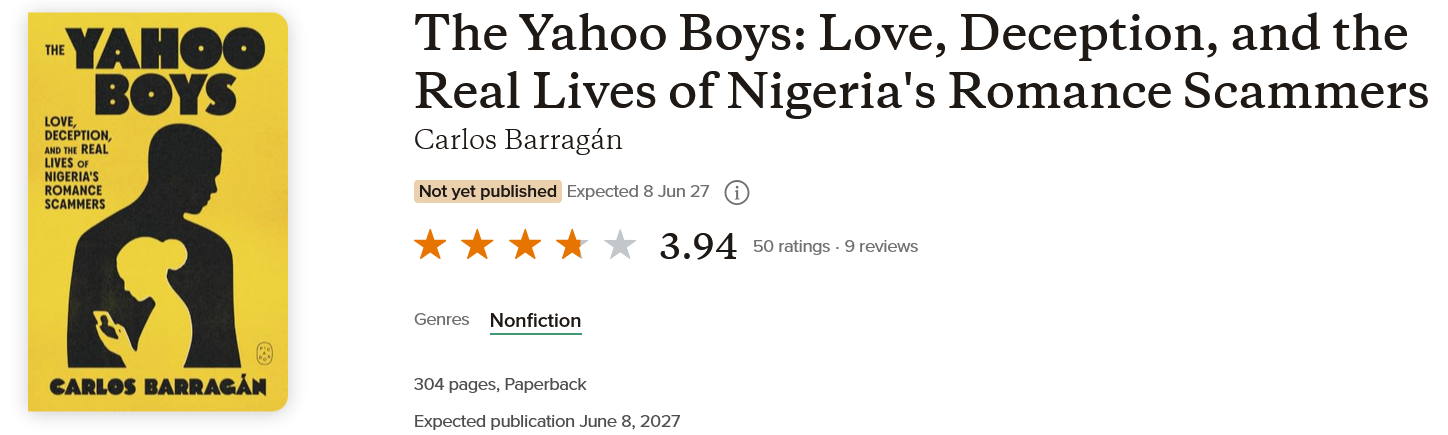
Man did I pick up a good book right now: The Yahoo Boys: Love, Deception, and the Real Lives of Nigeria's Romance Scammers
A journalist from Spain went to Nigeria and located a few Nigerian scammers that run all of these romance/gift card scams and wrote about who they are, how they get into it, how they live etc. It's a bit unreal how it's almost like a sport to these guys. Very fascinating.
It's says unreleased but somehow my library had this /shrug
 @cyclocracy@norden.social
2026-09-26 07:32:02
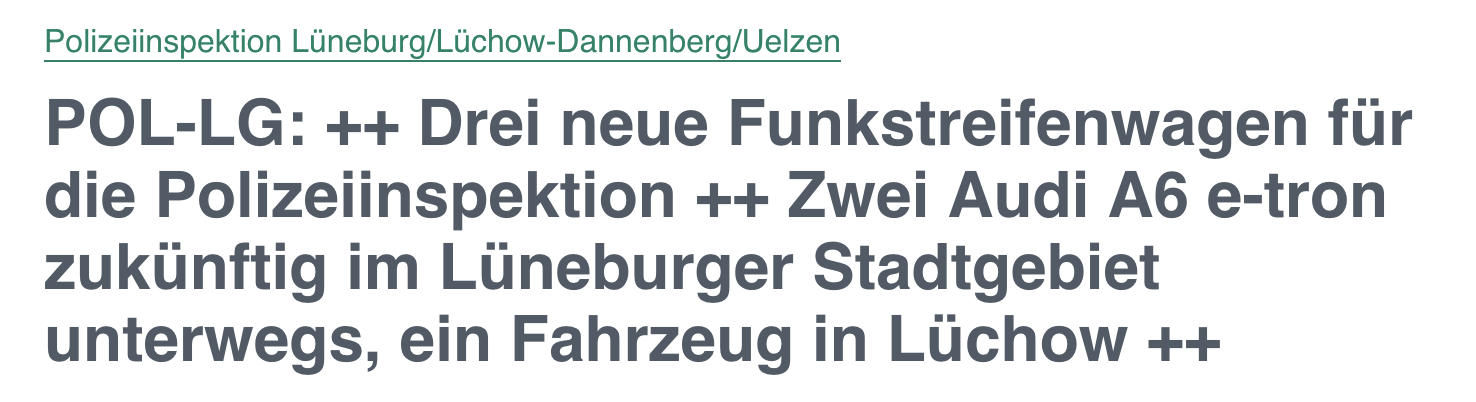
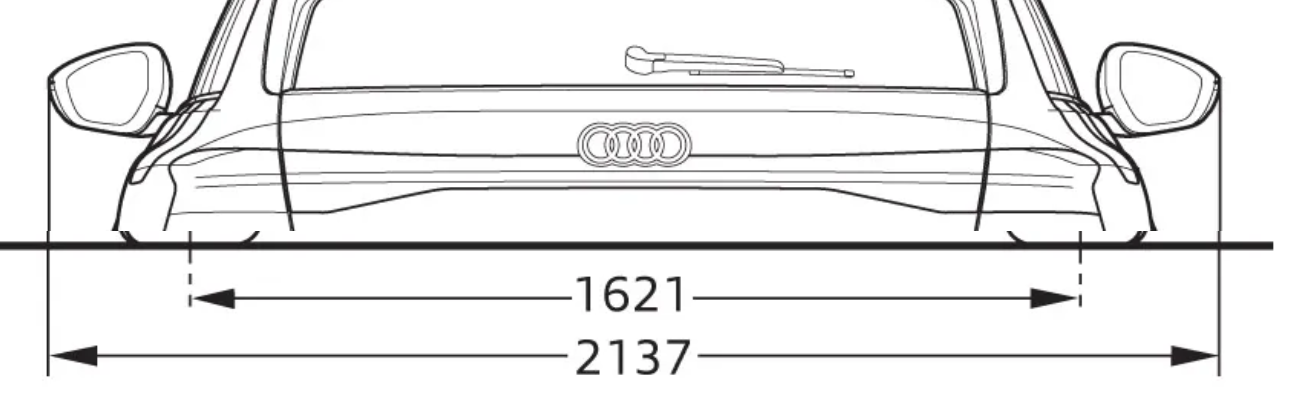
Jetzt wird's hier aber eng, nicht nur für Täter. Auch in #Lüneburg macht die Polizei mit beim #CarBloat Trend (https://www.
 @Mediagazer@mstdn.social
2026-10-22 11:20:49
Meta reports 18% YoY ad revenue growth in Europe for Q3, down from ~40% in Q1 and 24% in Q2, lagging the US and Canada, after rolling out Less Personalized Ads (Isabella Ward/Wired)
https://www.wired.com/story/metas-ad-sales-suffering-now-eur…

 @cowboys@darktundra.xyz
2026-10-24 03:59:34
Dak Prescott has three-word message as Cowboys face must-win situation https://www.sportingnews.com/ca/nfl/dallas-cowboys/news/dak-prescott-has-three-word-message-cowboys-face-must-win/dcf9060b986175583ac445…
 @ErikUden@mastodon.de
2026-10-23 13:49:49
RE: https://mastodon.de/@ErikUden/112398167366213643
Ich kann nie genug daran erinnern wie uns gesagt wurde das die Hamas den „Krieg” jederzeit hätte beenden können wenn sie die Geiseln frei lassen, doch diese Terrororganisation ziemlich früh genau das angebo…
 @trochee@dair-community.social
2026-09-20 04:38:32
Oh no I just found out that one of my favorite Buddhist teachers has just gone all AI grifter
Tara Brach, WYD this is not the dharma
https://lnkd.in/p/gcynwNDX