 @Techmeme@techhub.social
2025-10-28 15:50:53
Securitize, a blockchain company that tokenizes investments, files to go public via a SPAC started by Cantor Fitzgerald, valuing Securitize at $1.25B pre-money (Liz Napolitano/CNBC)
https://www.cnbc.com/2025/10/28/-blackrock-link…

 @cdarwin@c.im
2025-11-28 20:30:43
Bill 9, introduced by the governing Coalition Avenir Québec on Thursday,
bans prayer in public institutions, including in colleges and universities.
It also bans communal prayer on public roads and in parks,
with the threat of fines of C$1,125 for groups in contravention of the prohibition.
Short public events with prior approval are exempt.
 @Mediagazer@mstdn.social
2025-11-27 16:45:52
France's CNIL fines Condé Nast €750K because vanityfair.fr placed cookies on user devices without proper consent, following a December 2019 complaint (CNIL)
https://www.cnil.fr/en/cookies-placed-without-consent-company-publi…
 @poppastring@dotnet.social
2025-12-27 19:35:26
A post from the archive 📫:
Public Art Museums
#musings
 @jtk@infosec.exchange
2025-11-27 15:58:43
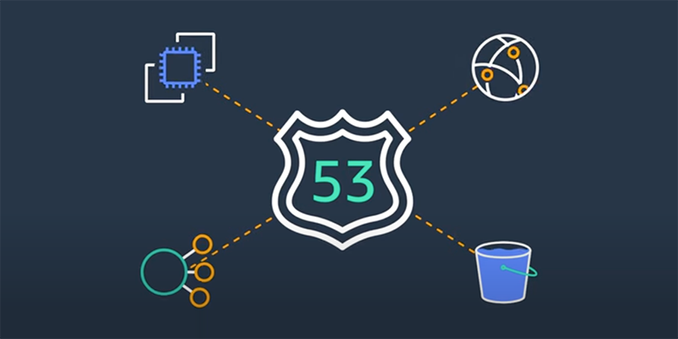
I can help but feel this "feature" should raise more concerns than it does alleviate them.
"Accelerated recovery for managing public DNS records addresses this need by targeting DNS changes that customers can make within 60 minutes of a service disruption in the US East (N. Virginia) Region."
 @fgraver@hcommons.social
2025-12-28 09:22:25
‘Of course he abused pupils’: ex-Dulwich teacher speaks out about Farage racism claims https://www.theguardian.com/news/ng-interactive/2025/dec/28/of-course-he-abused-p…
 @StephenRees@mas.to
2025-11-28 17:24:45
From The Conversation
Canada’s long history with public service media offers a useful model for thinking about how AI could serve the public.
A publicly funded AI system could draw on public-domain materials, government datasets and openly licensed cultural content. It could be offered as an open-source system, making it widely available to researchers, developers and everyday users alike.
 @cdarwin@c.im
2025-12-28 16:54:17
Proud to see UC Press books recognized across these best-of lists.
From pandemic response and climate history to teaching,
art, and the politics of equity,
these books reflect the kind of publishing we believe in:
books that challenge assumptions,
recover overlooked lives,
and bring complex ideas into public conversation.
Bold, field-defining scholarship for the public good
 @cdarwin@c.im
2025-10-27 01:30:04
We distinguish "personal unfairness",
-- the view that one’s own economic situation is unfair,
from "social unfairness",
-- the view that the economic situation of others in society is unfair.
Uncertainties associated with the transition to a globalized knowledge economy heighten people’s feelings of personal unfairness
Feelings of personal unfairness increase support for the "populist right"
and feelings about social unfairn…
