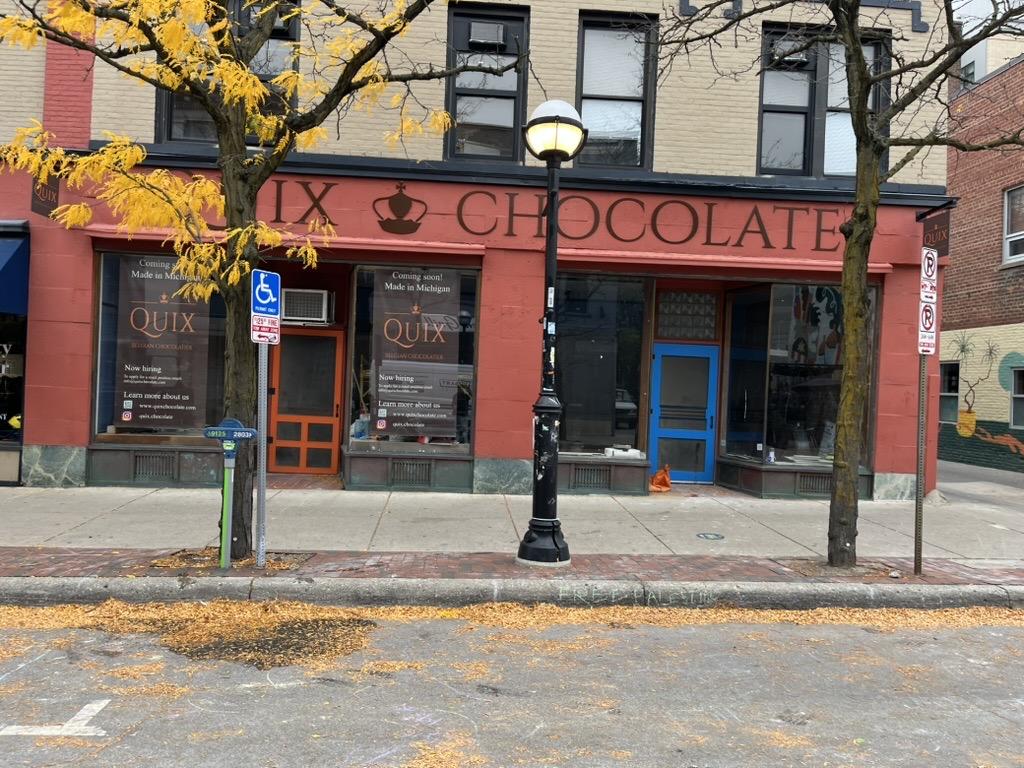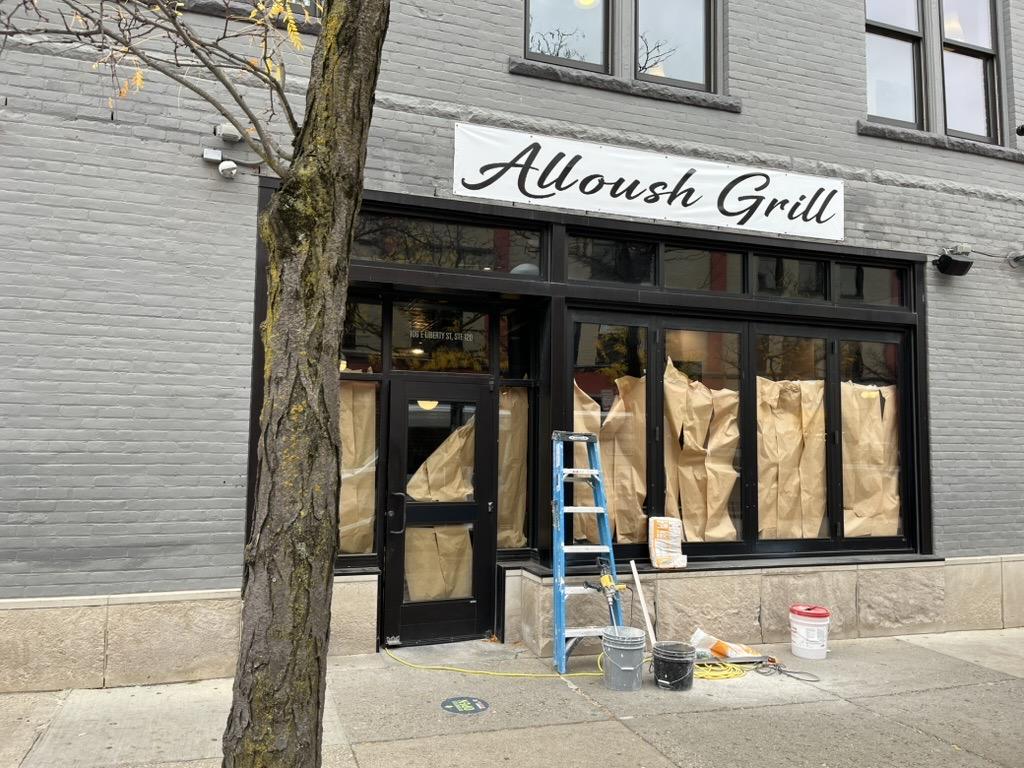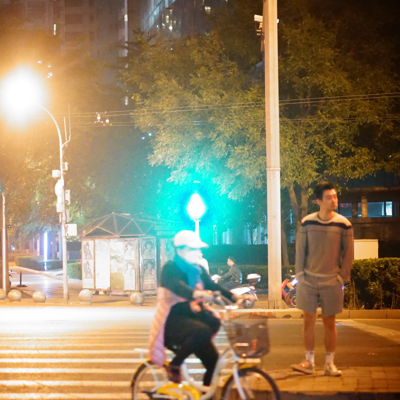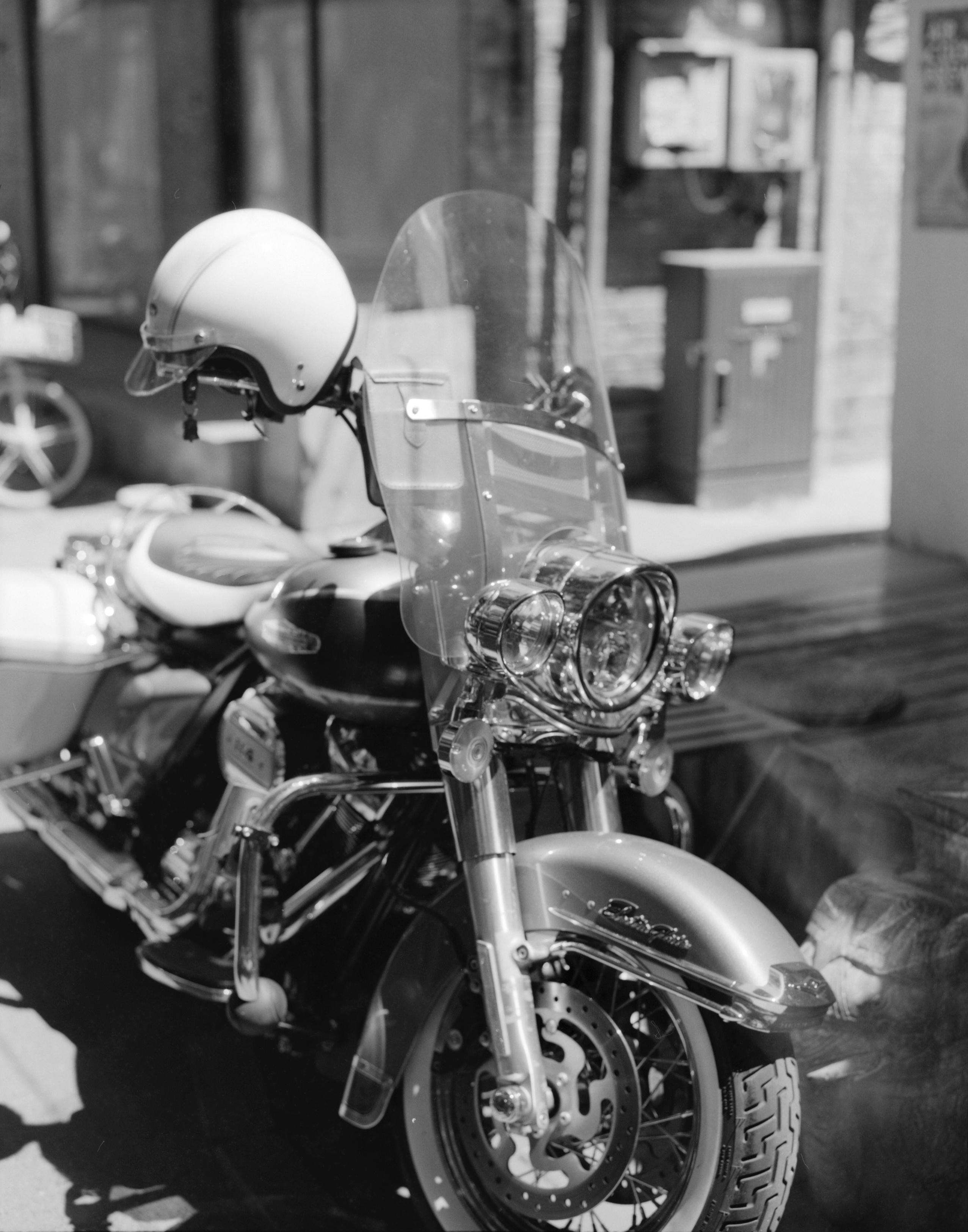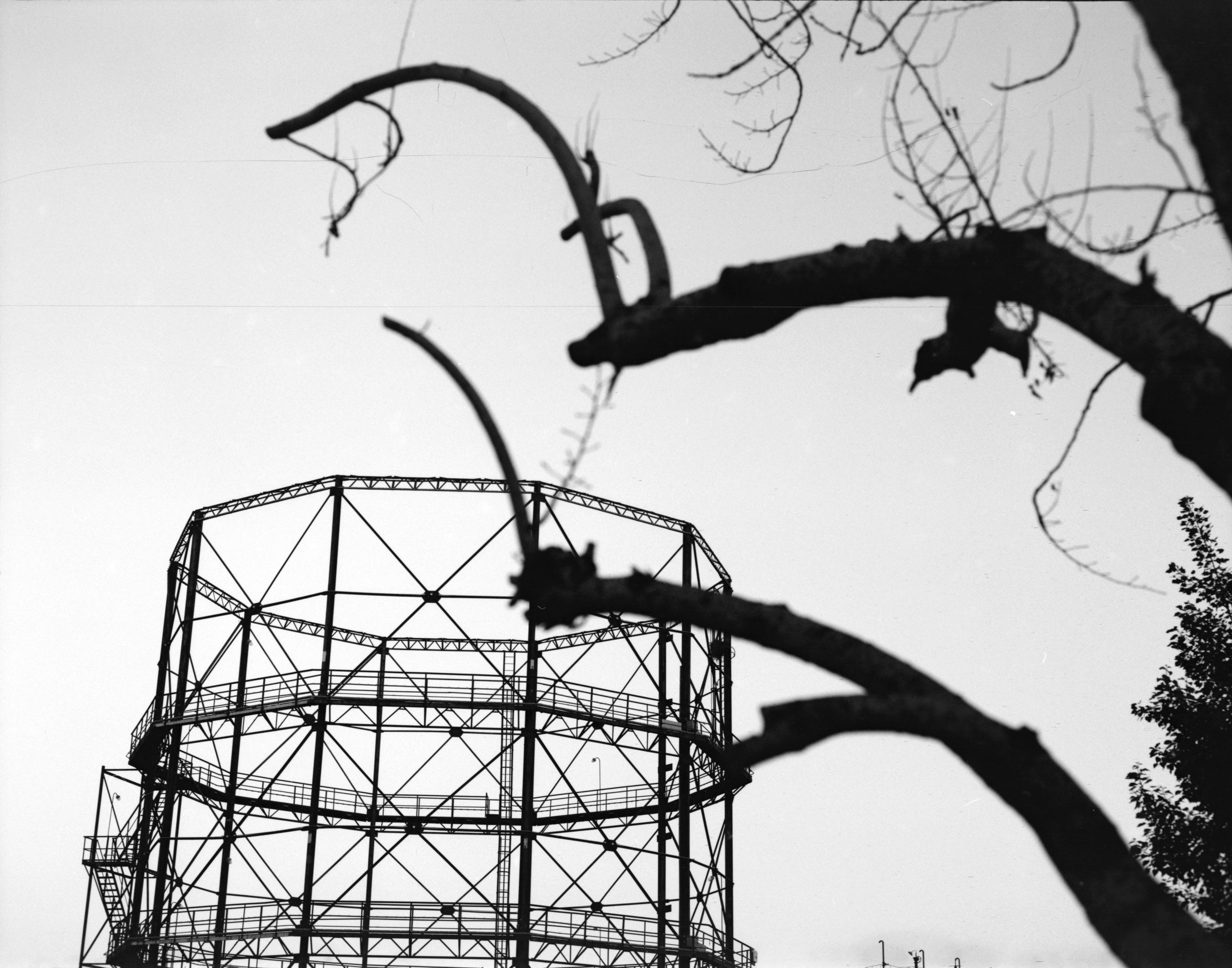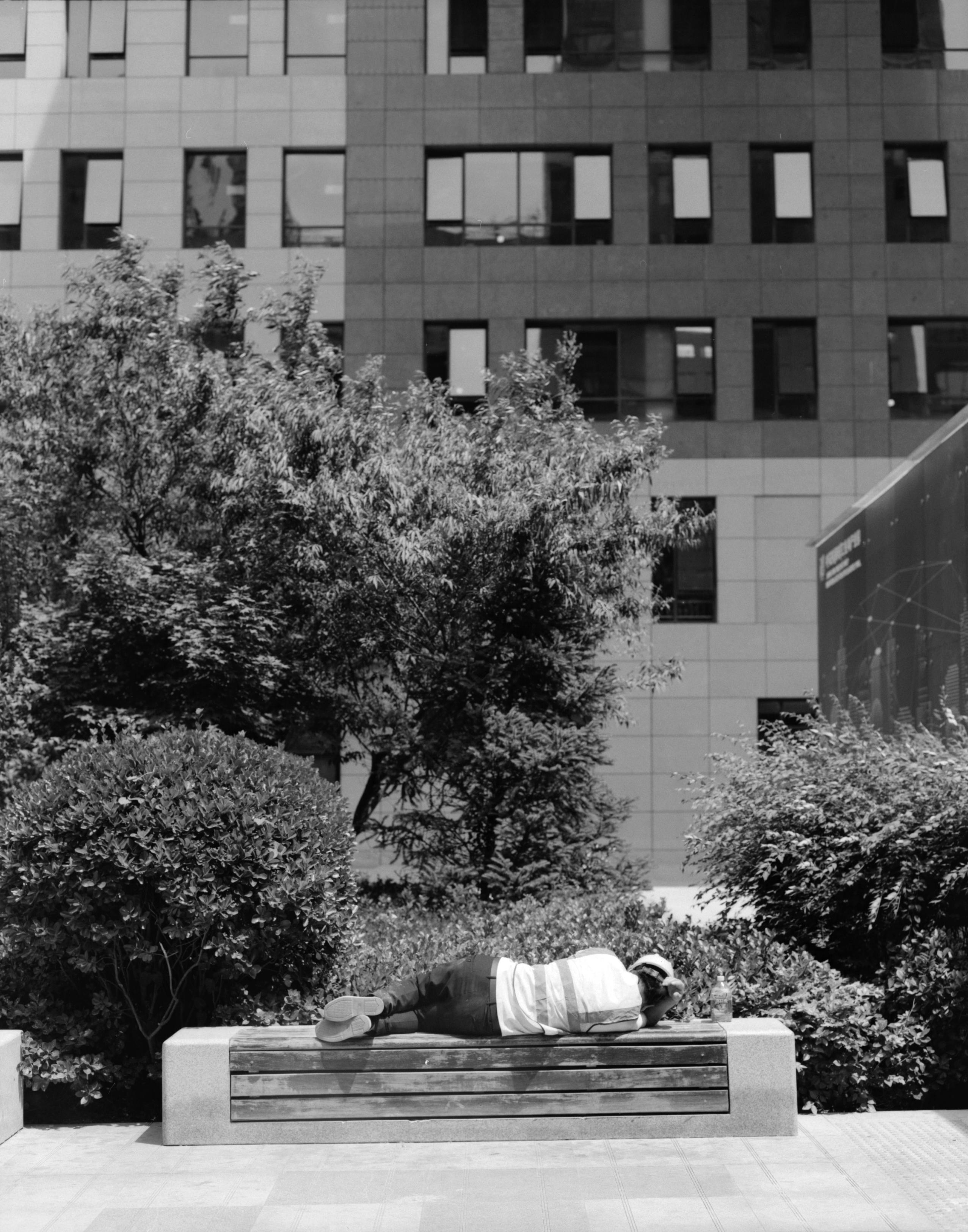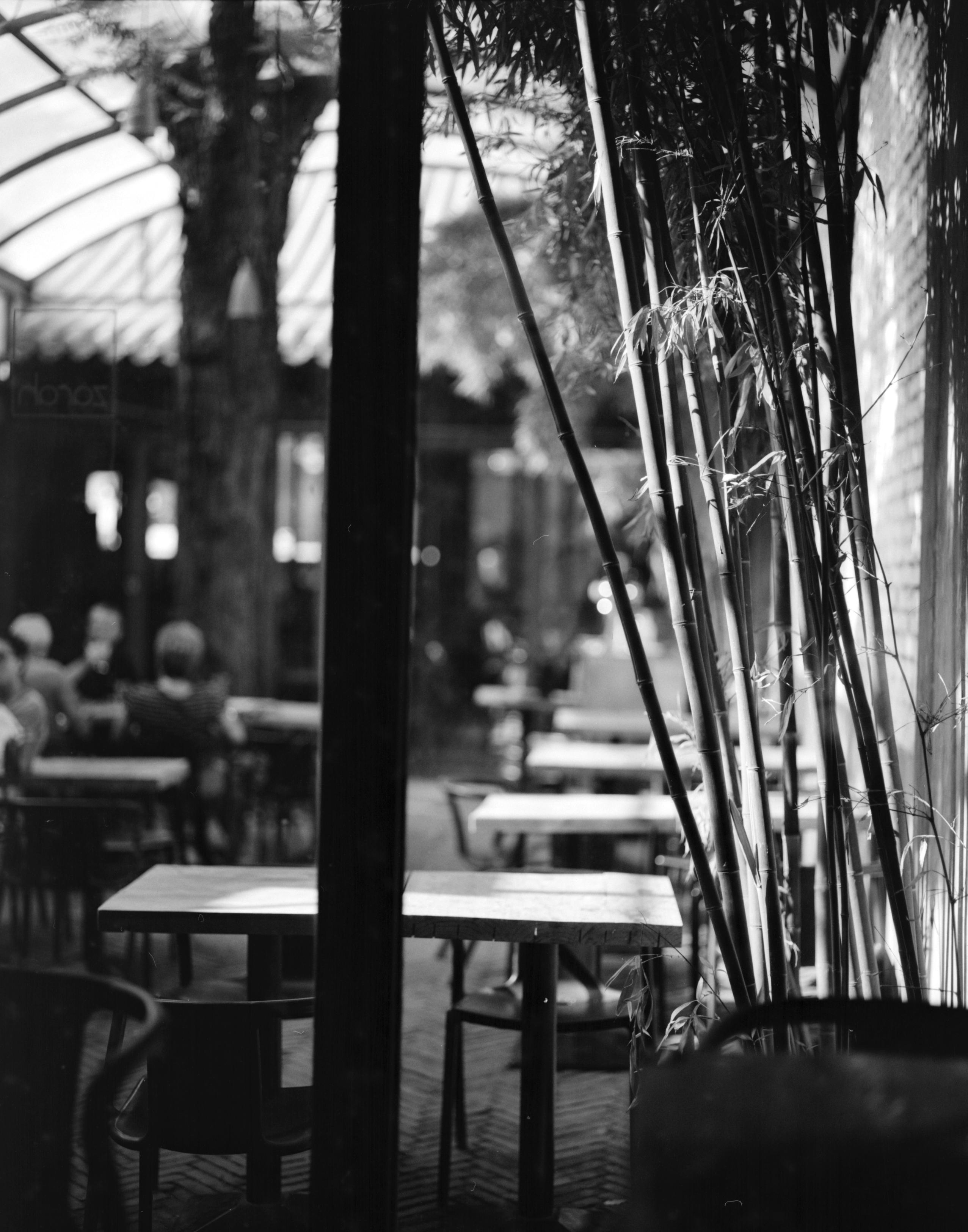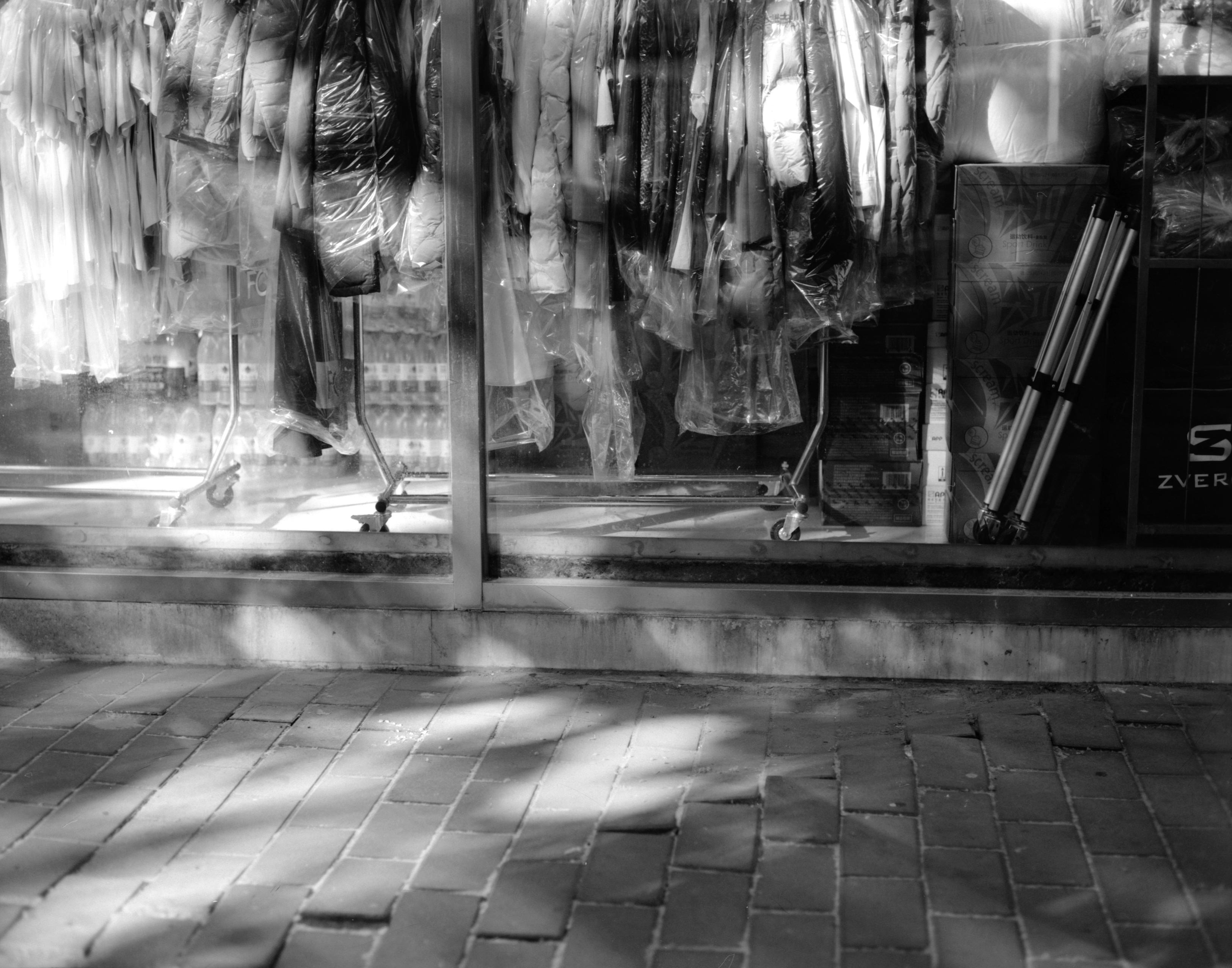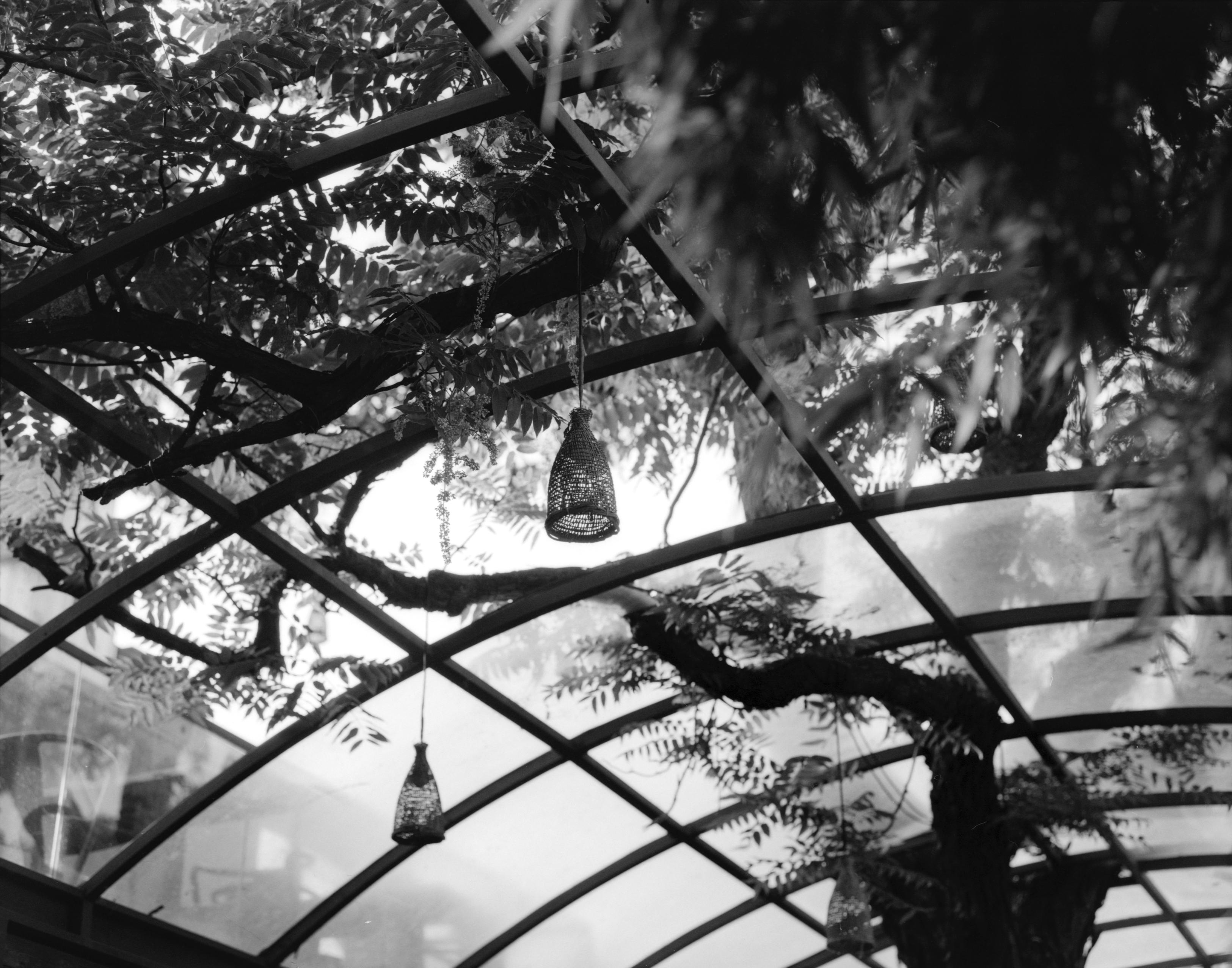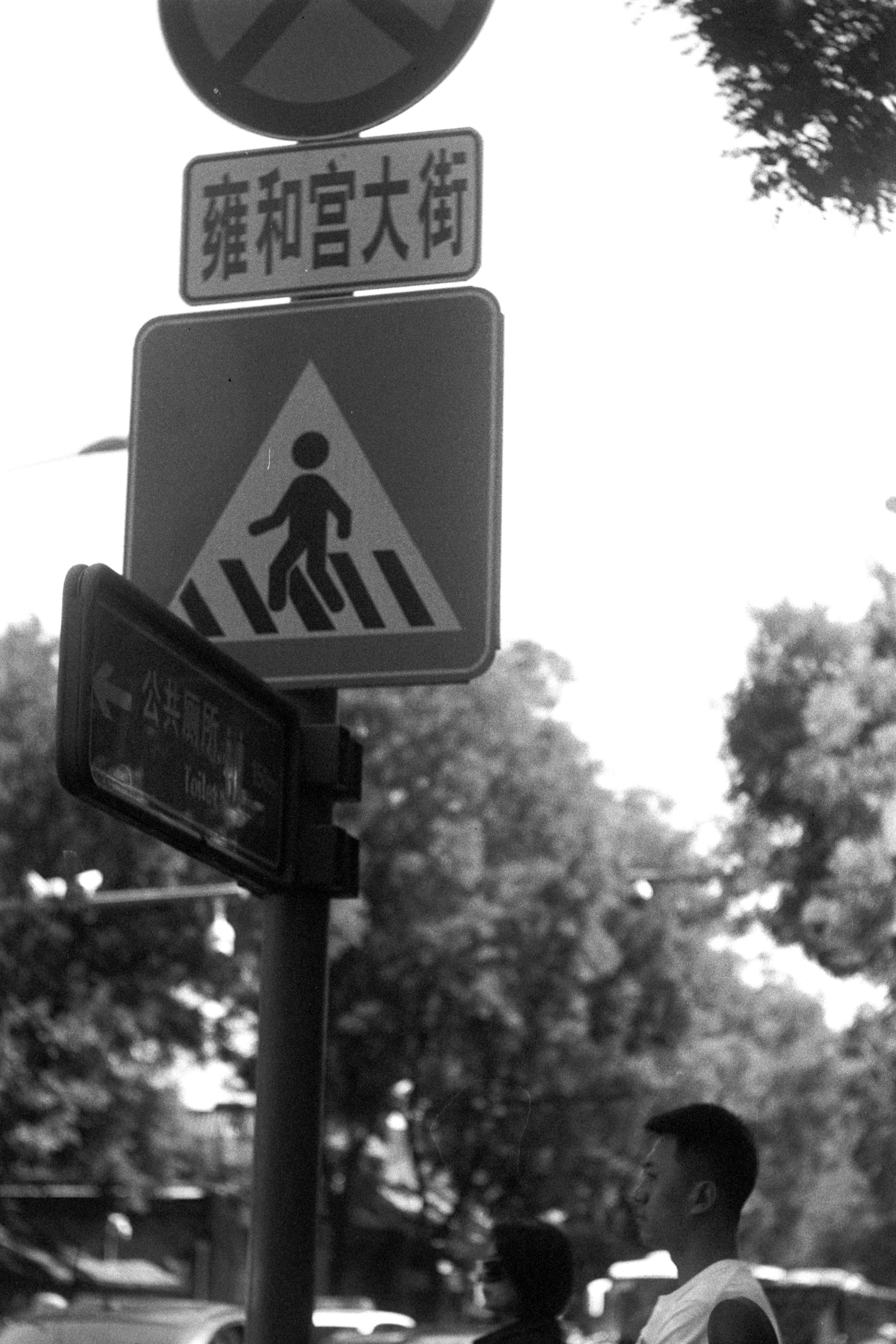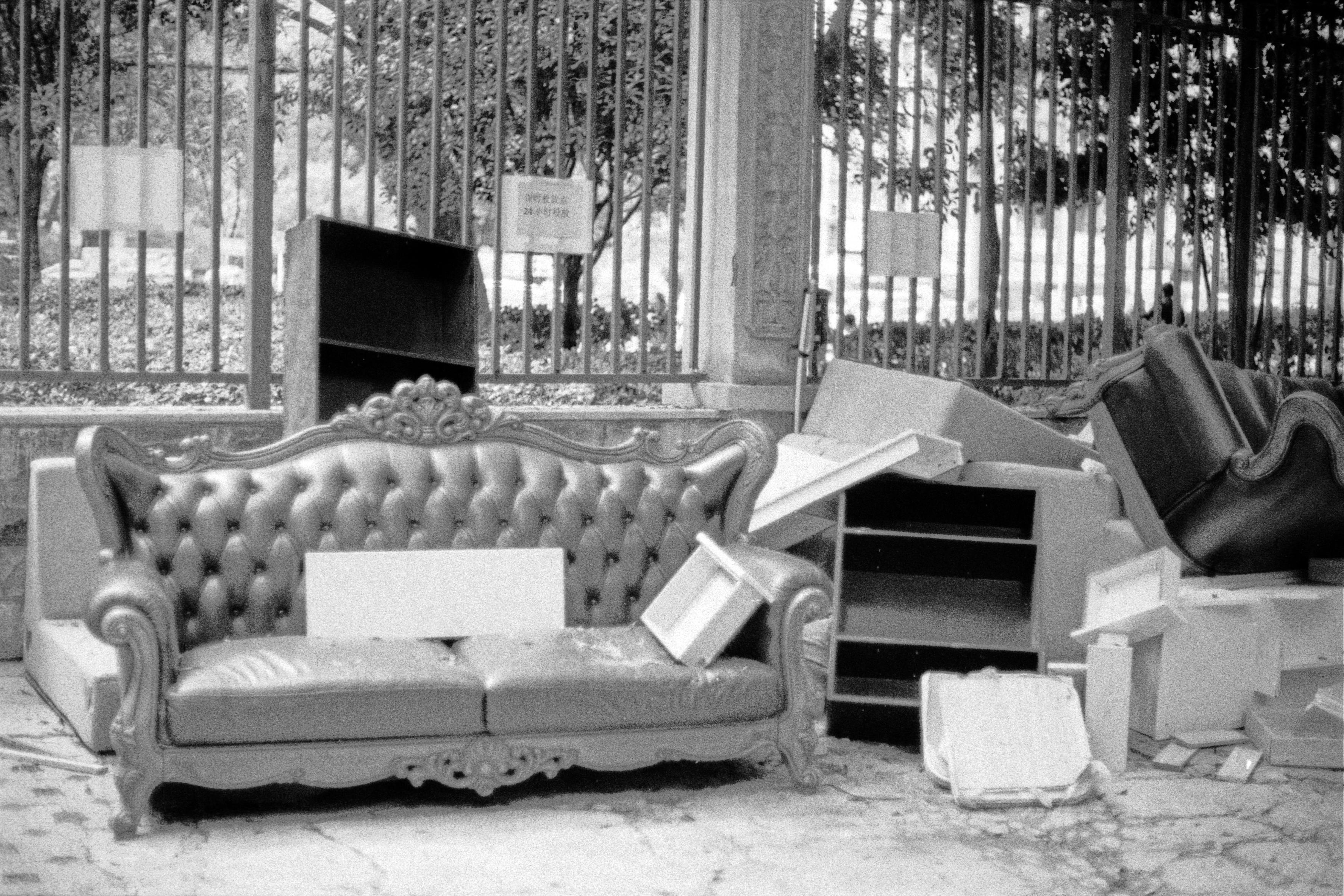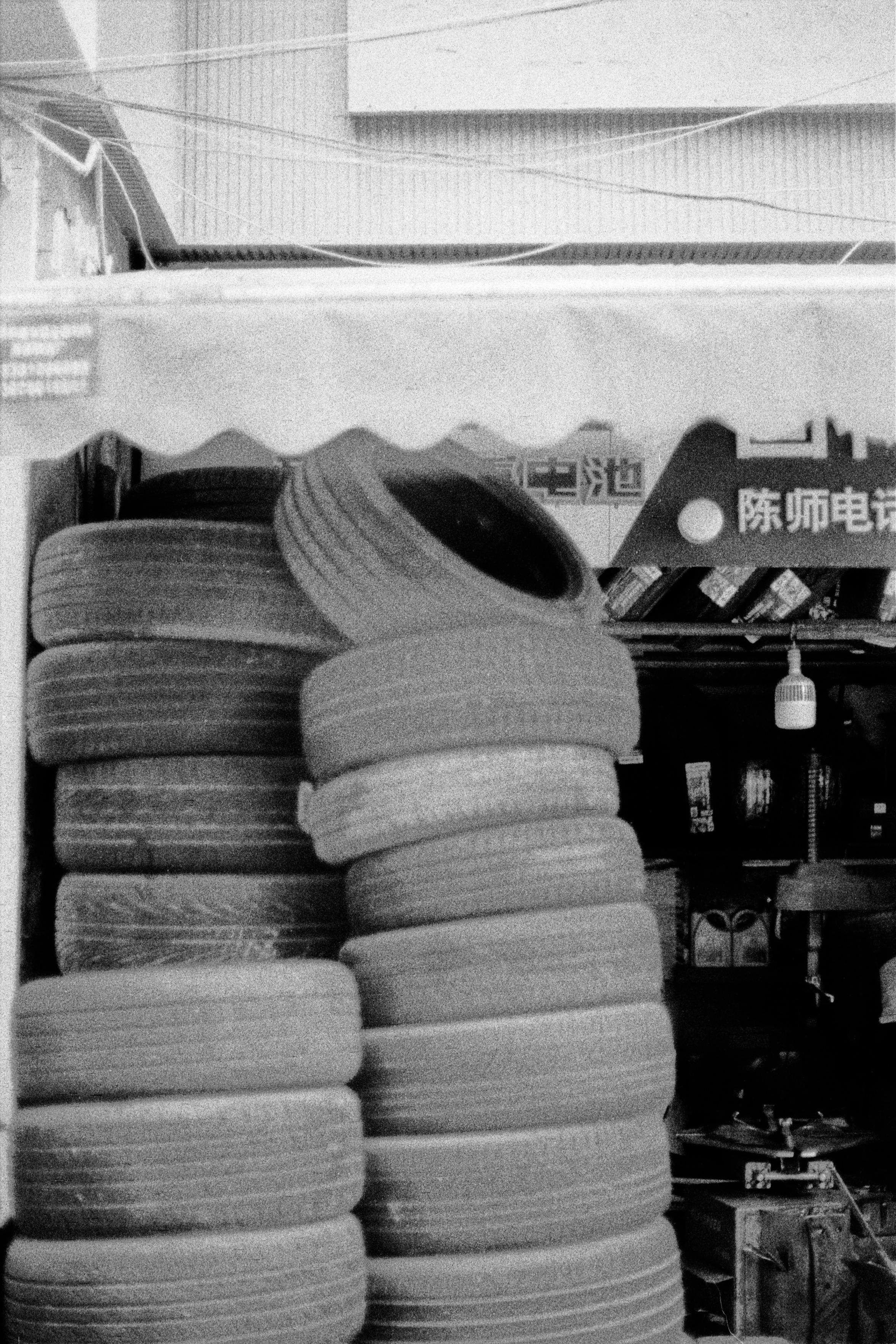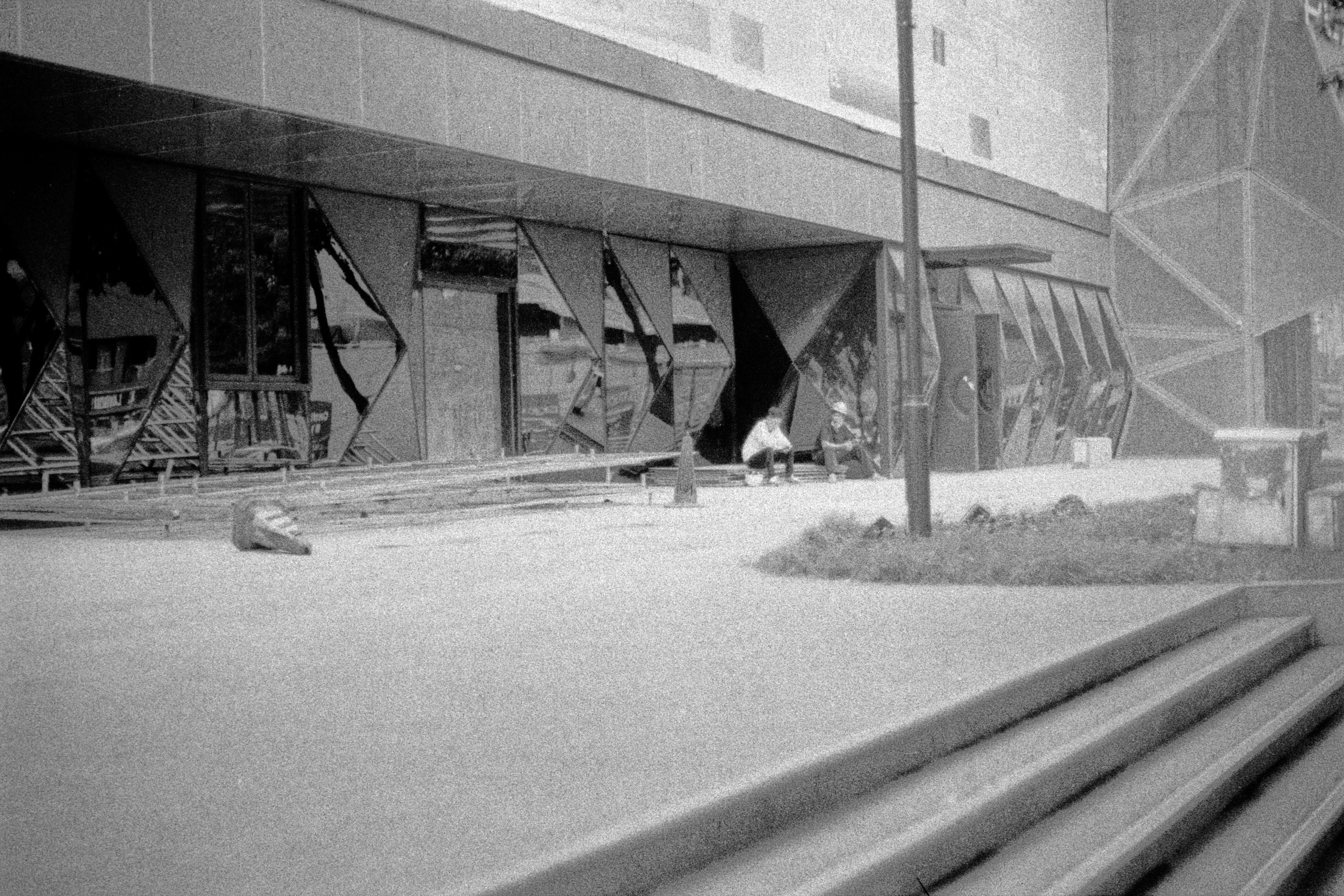
Mundane Things IX🌀
普通物件 IX 🌀
📷 Nikon FE
🎞️ Ilford FP4 Plus 125, expired 1993
If you like my work, buy me a coffee from PayPal #filmphotography
A profile of CBS' Tony Dokoupil: his start at Newsweek and NBC News, the shift to on-camera work, and ex-colleagues' surprise at some of his current coverage (Amos Barshad/Columbia Journalism Review)
https://www.cjr.org/feature/whats-up-with-
Quick reminder, especially if you’re a freelancer or developer using Free/Pro/Pro plans for client work: Opt out of GitHub using your data for AI model training before April 24 (seriously, wtf that this isn’t opt-in!).
https://github.com/settings/copilot/features#copilo…
Updated to Fedora 44, and discovered pretty quickly that middle click is disabled. 🤮
Not a big fan of Jordan Petridis right now. The attitude in his pull request was not awesome. Next I expect GNOME will remove the ability entirely with the excuse that "nobody uses it" since that was also used as part of the excuse for disabling it by default, calling all of us who use it a "nobody" which is kind of disrespectful.
They didn't even add it to settings. The repair is not particularl…
Logistics in the technical sense (part of supply chain management) is a subset of logistics in the vernacular sense ("the handling of the details of an operation"). You can explore this second and more general sense, and thereby build an understanding of the first and more technical sense, by iteratively asking the question, "how does one make that happen" and follow questions from there.
A big part of organizing is figuring out the (vernacular) logistics (and helping others figure it out). You want to organize a seed swap? Ok. How does one make that happen? Well, you need seeds, people, a place, and perhaps a time. How does one make that happen? You can forage seeds or you can buy seeds for a garden and swap extras. How do you get people to come? Well, figure out where you want people to come from and choose an accessible place. What's the easiest thing to do? Get people from your neighborhood. How does one make that happen? Well, maybe put up flyers. How does one make that happen? Well, print them on your printer if you have one, or at a library, then go post them up. Etc.
Keep asking questions until you either find a roadblock that you can't find a way around, or you find things you can do yourself (one of those things you can do yourself is asking friends to help).
If you practice the exercise of thinking about how things happen, you can start to find things that you can do yourself. You can start to understand what exists now, and you can imagine what's possible. By thinking about logistics, you can figure out how to replace things when they collapse or are dismantled. You can also identify things that can't easily be replaced, and try to figure out alternatives.
This practice is good for figuring out how to build, but it can also be a valuable practice for figuring out how to resist. Concentration camps and ethnic cleansing also require logistics. Mass displacement means moving people. How does one do that? People are generally going to be moved in planes or buses. How does one do that? Well, people get loaded on to planes or buses in specific places. Planes and buses need fuel. Planes are fueled at their airports, which may well be the same places where people are loaded on to them. There is a fuel depo and a fuel truck that makes flying people out of a specific place possible. How does the fuel get to that fuel depo? Well, that fuel is probably also delivered by truck. Someone drives those trucks. Someone fuels those planes. Someone clears the planes for takeoff. Someone fuels those busses. Someone drives those busses. And so on.
Logistics networks can be highly complex. The more complex the operation, the more possible points of failure and more possible points where pressure can be applied, where operations can be disrupted. Ethnic cleansing is a complicated operation. The logistics of disrupting complicated things tend to be much less complicated than the logistics of the complicated things themselves.
The Right has exploited this fact for a long time. Centralized social services are logistically complex. Public infrastructure is logistically complex. By destroying these things, they can loot public resources by privatizing the infrastructure and functionality.
But the things that support the Right are even more logistically complex. Oil, cars, AI data centers, internal paramilitary, these are extremely complicated and fragile. There are numerous pressure points, all of which can respond to numerous strategies.
If we want to win, we should reduce the influence of politics over the things we care about. We should focus on building distributed mutual aid networks that don't rely on state funding and aren't subject to the whims of politicians. This is also known as "dual power." That is, creating counter-institutions outside of the dominant political system. The Right already does this in the form of churches and corporations.
As we reduce our complexity, we can then press our complexity advantage against the things for which the Right *needs* the state: the apparatus of violence needed to maintain capital and enforce the dominant order.
City Silhouettes IV 🏙️
城市轮廓线 IV 🏙️
📷 Pentax 6x7
🎞️ Lucky SHD 400 (6x7)
If you like my work, Support by buying me a coffee or a roll of film from PayPal https://www.paypal.com/paypalme/ydcdingsite
Cross To The Other Side ❎
去向另一边 ❎
📷 Nikon FE
🎞️ Lucky C200
If you like my work, buy me a coffee from PayPal #filmphotography
Some Places with Snow II ❄️
一些有雪的地方 II ❄️
📷 Nikon F4E
🎞️ Ilford FP4 Plus 125, expired 1993
If you like my work, buy me a coffee from PayPal #filmphotography
Seconds Apart ⌛️
一秒钟 ⌛️
📷 Zeiss IKON Super Ikonta 533/16
🎞️ Ilford HP5 Plus 400, expired 1993
If you like my work, buy me a coffee from PayPal https://www.paypal.com/paypalme/ydcdingsite
Sickly Red II ⭕️
病态的红 II ⭕️
📷 Pentax MX
🎞️ CineStill 800T
If you like my work, buy me a coffee from PayPal #filmphotography …