 @detondev@social.linux.pizza
2026-07-19 01:42:41
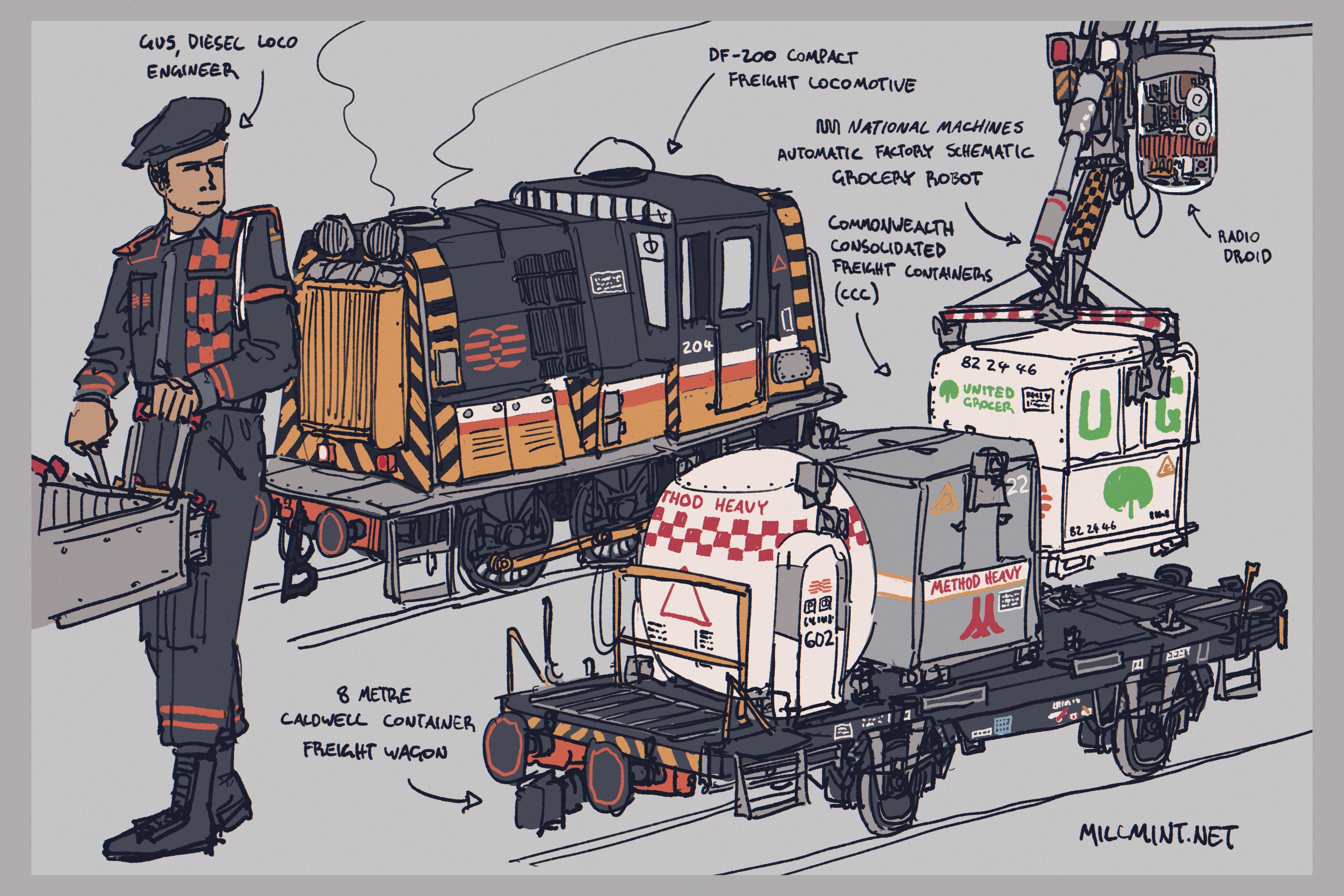
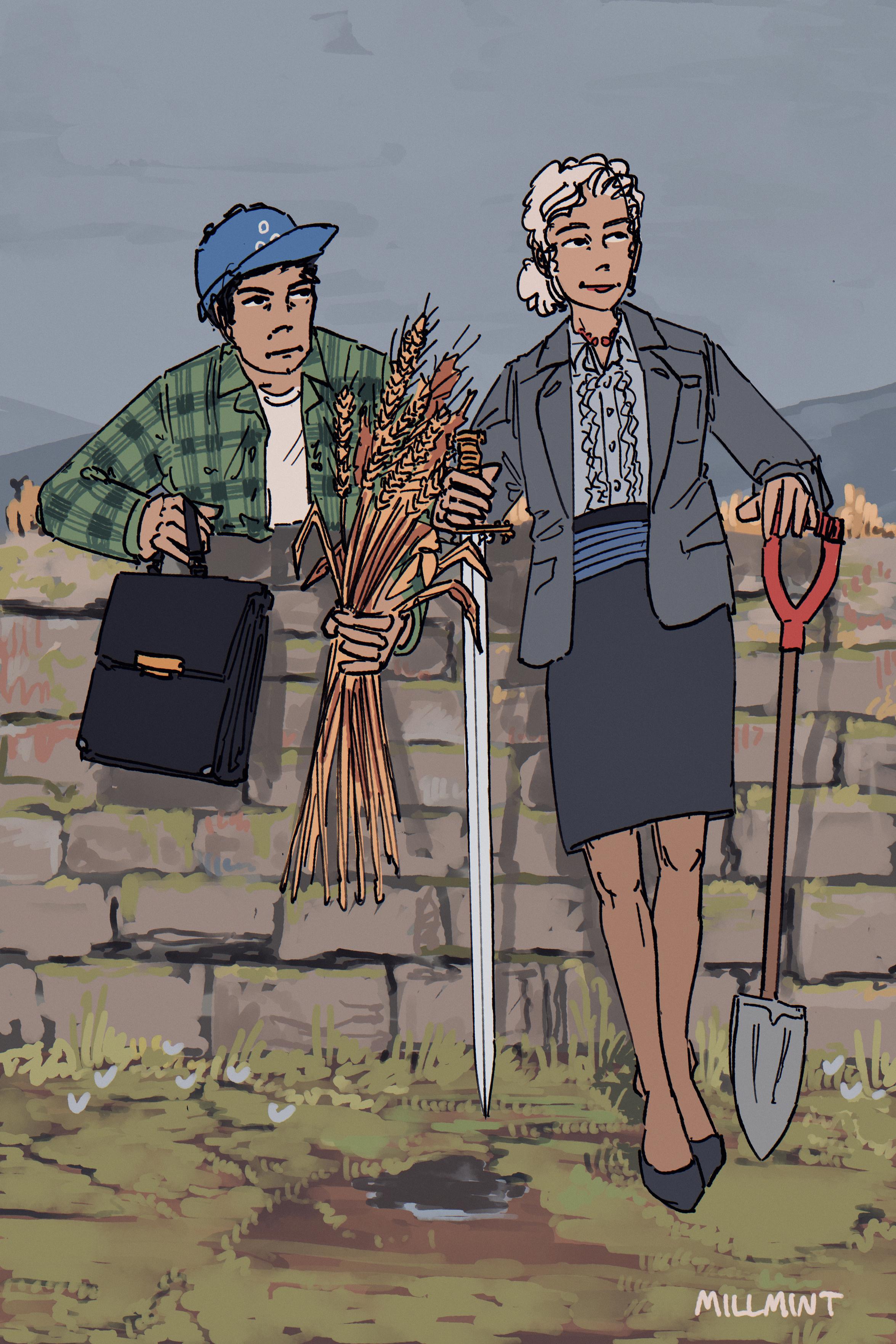
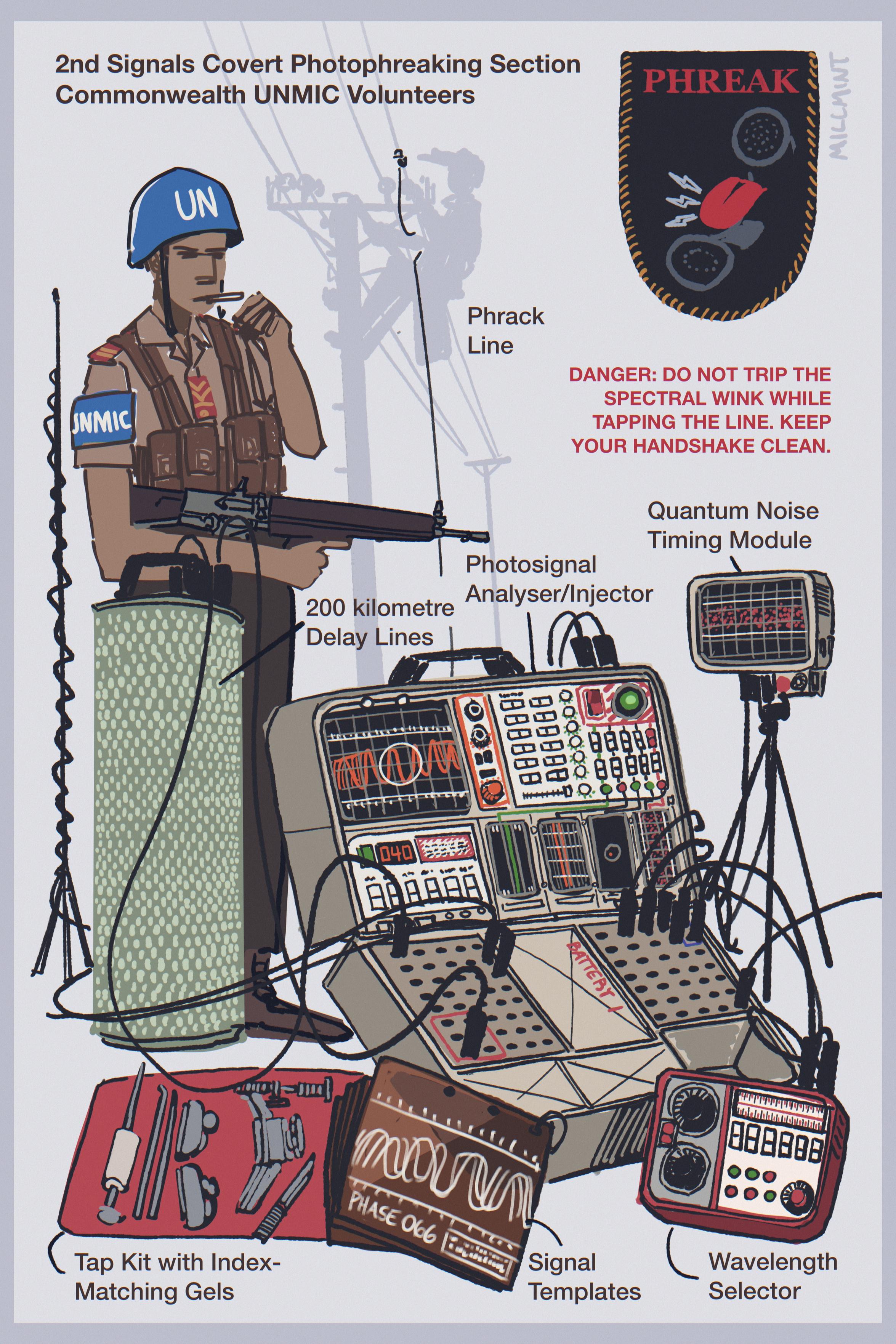
Enjoying MillMint today, and thinking about the way a world built by one person inevitably winds up uncannily unified in aesthetic to the point it undermines the project's credibility with regards to what it tries to express about ours
https://millmint.net

 @Techmeme@techhub.social
2026-07-20 15:25:43
Source: Tencent is in talks to acquire Israeli game developer SuperPlay in a deal valuing SuperPlay at $1B-$1.5B; Playtika acquired SuperPlay in 2024 for $690M (Golan Hazani/CTech)
https://www.calcalistech.com/ctechnews/article/hkvfmqsvme

 @pavelasamsonov@mastodon.social
2026-07-20 12:46:15
A generation of PMs made a career out of copying ideas from other apps they've seen into their own app. Today, AI (which has seen every app) can do this 100x faster than any of them.
The only problem is that doing this was always pointless
This week's issue of the Product Picnic newsletter breaks down this problem and surfaces some tools for thinking in workflows (or just plain thinking) rather than worrying about atomic features.

 @patrick_townsend@infosec.exchange
2026-08-16 18:13:09
Signal – Don’t forget to configure for privacy
In a business or non-profit environment, there is a good chance that your management team is using Signal. And why not? It brings security and privacy to messaging, file sharing, video and phone calls. Not only can you do one-to-one communications, you can create and manage groups. Sensitive business conversations can remain secret. What’s not to like about that?
Out-of-the-Box Signal needs attention to the configuration settings to get the best privacy. If you are a CISO or IT specialist, you can help your management team configure Signal for the best privacy.
After installing Signal on a mobil phone or desktop, review the configuration settings and adjust them as needed. Here is a free guide that will get you started:
#Security #Privacy #Signal
 @timjan@social.linux.pizza
2026-09-07 21:53:23
I see a lot of talk about #MapQuest as a replacement for Google maps. Testing it on my bike commute, it tries too hard to minimize distance at the cost of placing me on large arterials instead of bike trails. Sure, it means that it managed to reduce the distance from 8.2 miles to 7.4 miles ... But that's not enough by far to make me voluntarily place my wheels on these certain stroads.…
 @tiotasram@kolektiva.social
2026-09-15 07:31:34
Wish inspiration hadn't struck right at 1 a.m. when I have to teach tomorrow, but we'll see if I can get back to sleep now that I'm done with a draft of this story. Glad to have my first entry in my "incredulous young historians of the future" series actually written instead of just imagined. There are surely some typos ahead...
#SciFi #Writing #Technology #ShortStory
"The Age of Progress", a short story by Tiota Sram.
"Your assignment", said the teacher, "is to describe why the progressive vision of technology that gives us the name 'Age of Progress' today failed, and why it was actually a pessimistic view of technology. Your study guides have links to a few sources, but as usual you should synthesize information from at least two knowledge systems, and one of those shouldn't be family-based."
"Ugh", said Ye'xik, "this is gonna be tricky. Wasn't the whole problem with the Age of Progress that they were too optimistic about technology?"
"Well, they did talk a lot about the end of the world and extinction, and I did almost happen, right?" said Finan.
"Yeah, that's gotta count as pessimism, doesn't it?" Gedi chimed in.
"Well..." said Hallavia, with their usual deliberate tone, "I think it's not that simple, or at least it doesn't have to be."
The four of them were walking outside to have lunch, pondering the new assignment from this cycle's history and culture teacher. A brief silence fell as they pondered the Age of Progress.
"Maybe we should look at it through another history system?" offered Finan. "I mean, we've been learning about knowledge systems and lenses, and the 'Ages' lens of just one perspective with its own distortions, right?"
"My mab is working with my omeh on an oral history right now", said Gedi, "maybe I can use that as my second knowledge system? I'll see what they have to say about it!"
"We shouldn't all use the same knowledge systems though", said Ye'xik. "I think there's a bit of a thesis/antithesis thing going on here too? Like we were learning in ideas class?"
"Wait, I missed ideas last week", said Gedi, what's an antithesis?"
"It's just an opposite, really", said Ye'xik. "You take the thesis statement and construct any statement that contradicts it. The two form a pair, and then you can try to find a synthesis that combines both ideas."
"I didn't really get that part", Finan interrupted, "like, if they're contradictory, how could they be expressed together? Wouldn't you need to pick one that's true?... wait I guess maybe if you mixed different knowledge systems? But then would they really be contradictory?"
The group fell silent for a moment in thought.
Hallavi spoke up: "Incommensurate isn't the same as contradictory, I think. That's what it would be if you had two truths from different knowledge systems that didn't fit. Plus... not all knowledge systems have a concept of truth, or of contradiction?"
The group pondered this for a bit more.
"I think maybe there's lots of ways to be contradictory, even in a very logic-hungry knowledge system", said Gedi. "Then if your thesis and antithesis contradict in one way, you could find another sort out 'axis' in which they don't, and state your synthesis from there?"
"Oh, that makes sense", said Ye'xik.
"Anyways what were you saying about the Age of Progress, Ye'xik?" said Gedi.
"Wait", interrupted Hallavi, "Did that mashes sense to you, Finan?"
Finan had been silent, looking down at their feet, but replied "Oh yeah, thanks for checking Hallavi! I think I got the part about synthesis now, thanks Gedi. I was just thinking about optimism and pessimism more. Is that where you were going with this, Ye'xik?"
"Haha, yeah Finan, you got it", said Ye'xik. "Since optimism and pessimism can be opposites, does the teacher actually want us to form a synthesis of them?"
"Oh..." muttered Gedi, "that's a good idea."
"I think..." began Hallavi, pausing to collect their thoughts, "I think the teacher would have told us that, though. Obviously it's not a wrong way to approach this assignment because it incorporates pessimism, but teachers usually aren't too tricky. I think it's okay to be literal about the pessimism thing. And I think I have an idea..."
When Hallavi remained silent for a moment, Ye'xik opened their mouth to speak, but then looked at Hallavi and closed it again. Finan and Gedi were looking at Hallavi too. They pushed through the doors out to the meadow, and settled in their usual place to sit, pulling lunches out of their bags. Hallavi finally spoke up while the others were chewing: "The Age of Progress lasted from the Enlightenment to the Dim Times, and they believed that technology would always get better, no matter what. That's the progressive vision of technology our teacher was talking about. They thought it could solve any problem, and they wouldn't have to worry about weapons or extinctions or the climate or pollution or any of that stuff, because technology would eventually come up with a solution. They looked at the technology that solved problems like diseases or overcame engineering challenges and extrapolated too broadly, basically. That's the idea they had?"
The other three were all nodding their heads, knowing Hallavi needed room to think and put words together.
Hallavi continued: "So it seems like it's optimistic, because they thought it could do anything. But they were thinking about technology like I just talked about it: like an 'it' that could 'do'. That's not what we've been learning in our technology class. Invention is a social phenomenon, and technologies have both material and social bases, not to mention communities of practice and knowledge maintenance. So I think the idea of technological progress divorced from social participation is pessimistic, because it mythologizes technology in a way that makes it seem uncontrollable."
"Huh" said Gedi and Finan while at the same time Ye'xik said "mhmm".
Hallavi looked up shyly at the rest of them, but they were all looking back with admiration.
"I think you're right, Hallavi", said Ye'xik. "Or at least, that's probably what the teacher wanted us to puzzle out. Good thing they asked us to include two knowledge systems so we can each have our own perspectives to contribute, otherwise you'd go first and our presentations would all just be 'What Hallavi said'".
Hallavi blushed but Finan laughed "Hah! You're right and that Ye'xik."
Gedi was looking at their sandwich with some intensity. They looked at Hallavi then back at their sandwich. "It's like they thought they were strapped to an out-of-control rocket, when you put it that way", they said. "It must have been scary, really, to believe that technology was almost an entity, changing in an inevitable way. That word 'inevitable' really takes all the human agency out of it, doesn't it. And even though they kept saying that technology would inevitably solve problems, look at what the technologies they invented actually did!"
Finan shuddered. He added, "Really, it was their dominators who were saying it was inevitable wasn't it? Back then it wasn't like today where historians travel and sample all kinds of ideas, so the primary sources we're reading are almost all from dominators, right?"
Ye'xik responded "Yeah, I keep forgetting to account for that. It was such a weird and horrible time, it's kinda hard to believe everything we read and hear sometimes."
Gedi picked up the thread again "That makes it worse, right? All those dominators saying the stuff they're doing is inevitable, and lying to everyone's faces about it being progress and wonderful stuff, meanwhile two thirds of it is the most awful stuff there's ever been, I mean they could have literally killed everyone and ruined the whole planet, and they almost did."
"They did actually crush a lot of cultures beyond recognition so the survivors had to rebuild with only weak ties to their old traditions", said Hallavi with a quiet intensity.
They all were silent for a moment, pondering the horrors of a bygone age.
Finan broke the silence: "That's a terrible kind of pessimism, to believe that technologcal 'progress' is inevitable, at a time when most people are dominators somewhere in a hierarchy and the ones on top constantly talk about how technologies like medicines will 'save' the world while mostly inventing new technologies of violence. Everyone must have understood what they really meant based on the technologies they were actually developing and investing into. I think I still don't understand how the Age of Progress and the Dim Times could even happen".
"Yeah, and the pessimism is only part of our assignment", signed Ye'xik. "We still have to describe why the progressive vision failed, although I think maybe you just did a lot of that, Finan".
A gloom descended briefly, until Gedi said "Well, this assignment is supposed to take a week or two, right? Thanks to Hallavi we've already cracked the crux, I think, so we don't need to ruminate too much right this moment about ancient history, and we know things turned out okay in the end. Let's finish lunch and go climb a tree!"
@pavelasamsonov@mastodon.social2026-07-20 12:46:15
A generation of PMs made a career out of copying ideas from other apps they've seen into their own app. Today, AI (which has seen every app) can do this 100x faster than any of them.
The only problem is that doing this was always pointless
This week's issue of the Product Picnic newsletter breaks down this problem and surfaces some tools for thinking in workflows (or just plain thinking) rather than worrying about atomic features.
#UX #Tech #SoftwareDevelopment
 @cdarwin@c.im
2026-06-21 06:55:48
Water in the Colorado River is dwindling to levels that haven’t been seen in decades,
and the seven states whose residents and farmers depend on the river can’t agree on a fair way to divide up what’s left.
Negotiations are going nowhere despite more than six months of ongoing talks, plus cajoling by the Trump administration, which twice gathered governors in hopes of a breakthrough that never came.
States are already sniping at aspects of a water-use plan the federal Bure…

 @azonenberg@ioc.exchange
2026-06-25 01:29:32
Thinking about making a suite of FPGA (and i guess potentially ASIC) debug IPs that integrate with ngscopeclient. In part because Efinix's debug tools are... Suboptimal.
The flow will be ADIv5 esque but not exclusively JTAG/SWD centric.
At a high level my concept is to root with a bridge from various external interfaces (starting with UART) to APB. The bridge will offer commands for 32 bit read and write, getting some kind of id code / version, and querying the base address o…
@Techmeme@techhub.social2026-07-21 19:16:00
Poolside launches Laguna S 2.1, an 118B open-weight model built for agentic coding and long-horizon work, that it says competes with larger open models (Iain Martin/Forbes)
https://www.forbes.com/sites/iainmartin/2026/…