 @tiago@social.skewed.de
2026-09-20 06:17:52
Mathematicians: “Math isn't really about proofs, it's about understanding!”
Physicists: 👀
https://terrytao.wordpress.com/2026/09/18/if-math-is-more-than-proof-we-need-to-better-celebrate-the-rest-of-it/…
@tiago@social.skewed.deMathematicians: “Math isn't really about proofs, it's about understanding!”
Physicists: 👀
https://terrytao.wordpress.com/2026/09/18/if-math-is-more-than-proof-we-need-to-better-celebrate-the-rest-of-it/…
 @cdarwin@c.im
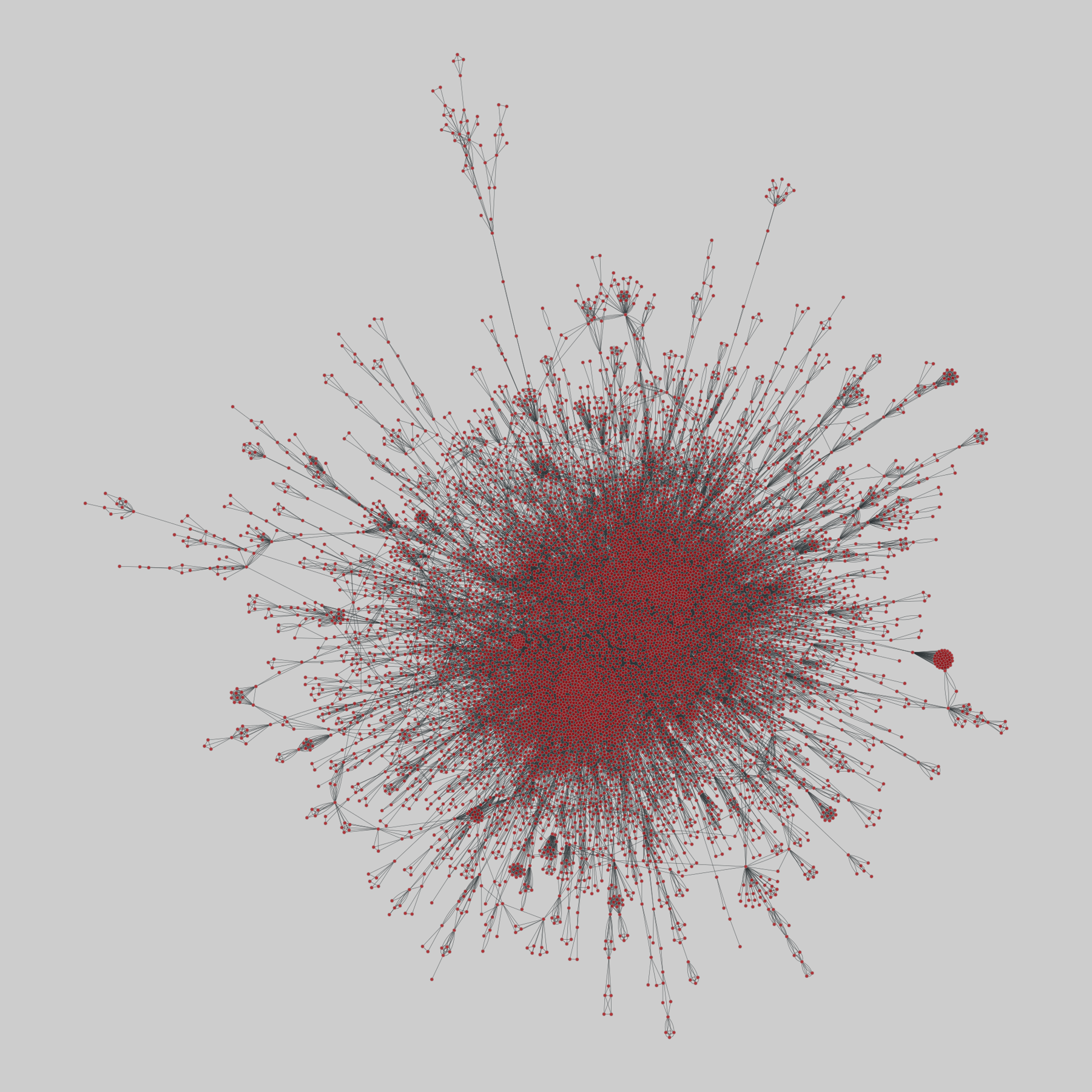
 @netzschleuder@social.skewed.de
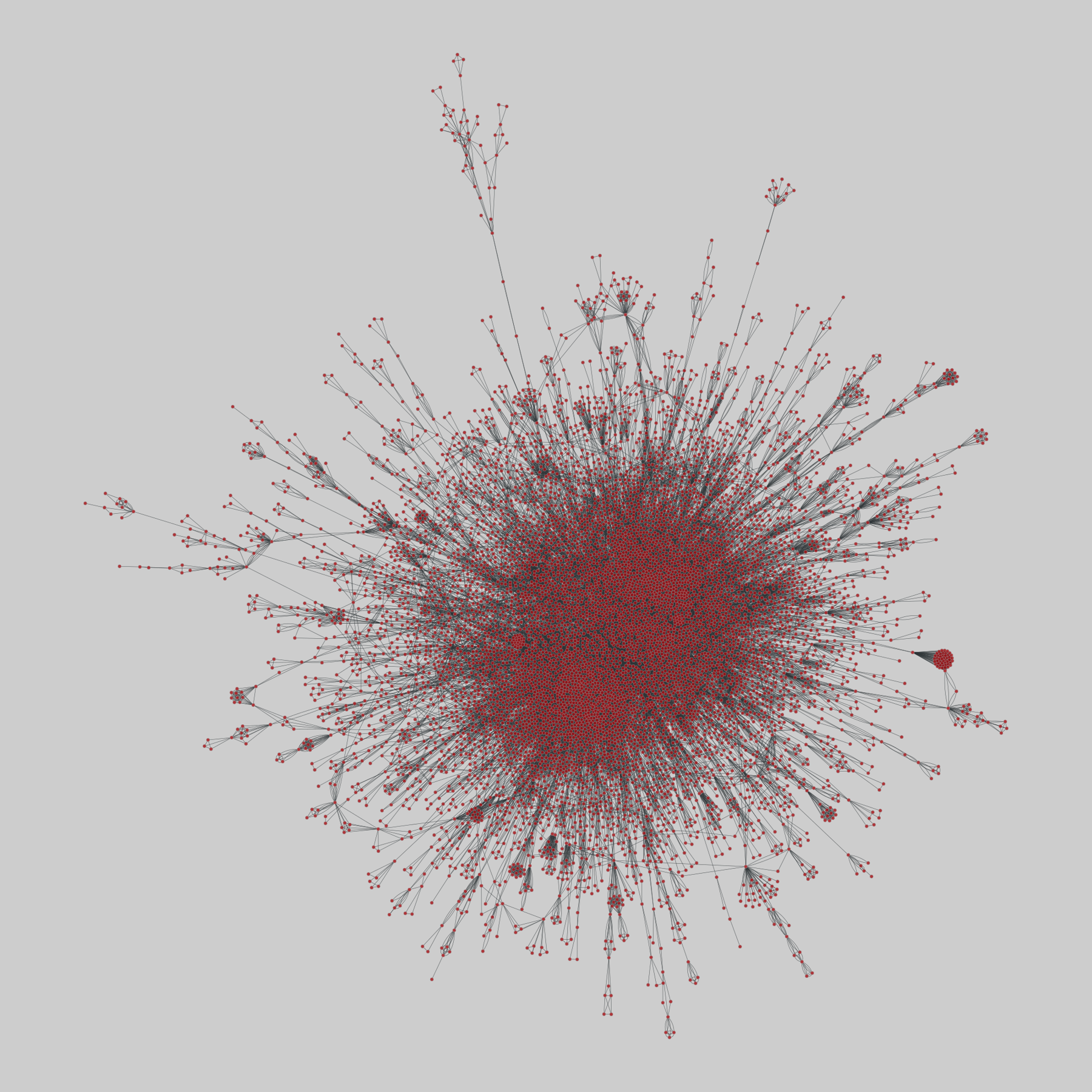
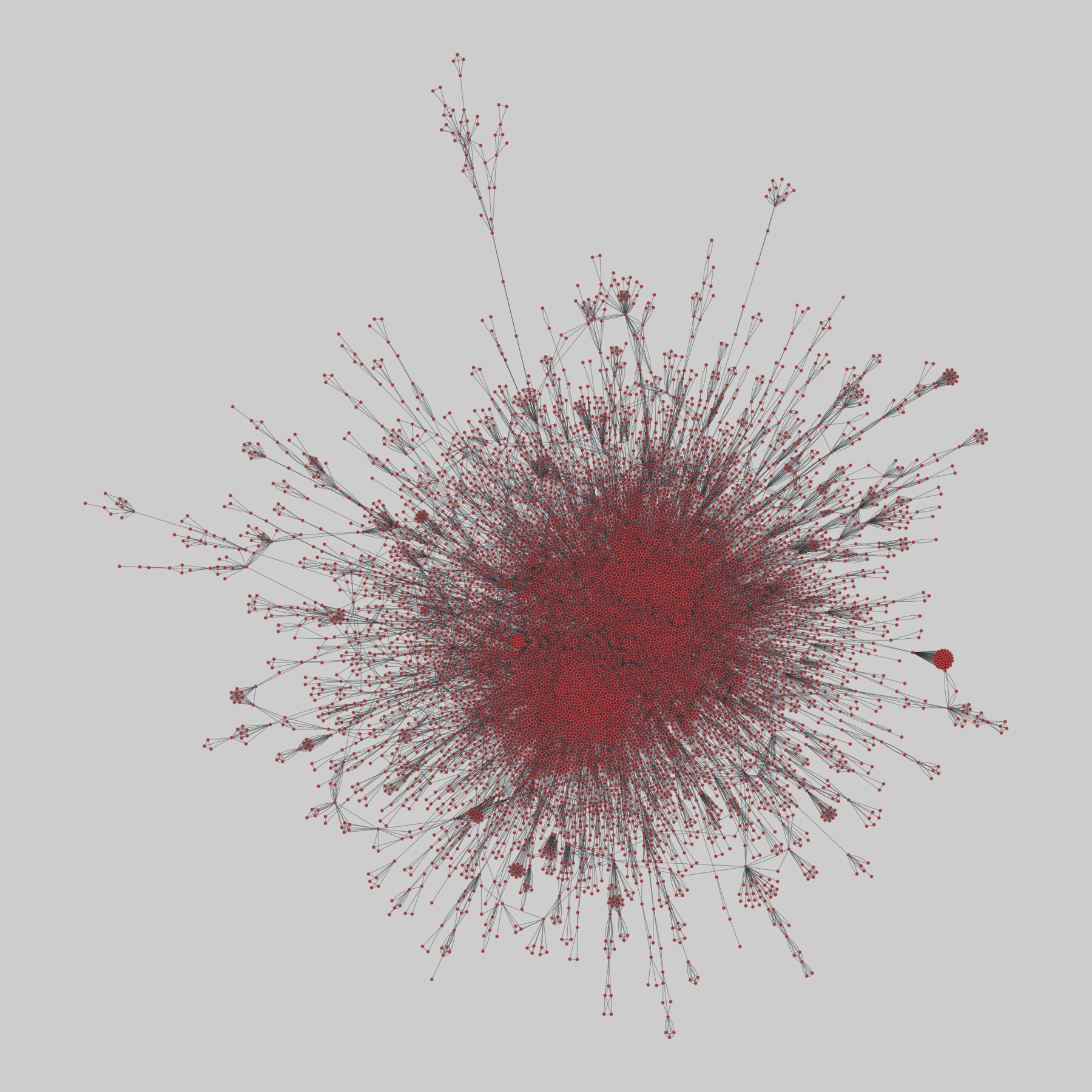
physics_collab: Multilayer physicist collaborations (2015)
Two multiplex networks of coauthorships among the Pierre Auger Collaboration of physicists (2010-2012) and among researchers who have posted preprints on arXiv.org (all papers up to May 2014). Layers represent different categories of publication, and an edge's weight indicates the number of reports written by the authors. These layers are one-mode projections from the underlying author-paper bipartite network.
This n…
 @emilis@social.linux.pizza @cdarwin@c.im
Physicists at China’s BESIII experiment in Beijing have found the strongest evidence yet for the existence of glueballs
– subatomic particles made of gluons alone.
The glueball-like particle is called X(2370) and it was first spotted at BESIII 15 years ago.
Gluons carry the strong nuclear force that binds quarks into protons and neutrons.
Gluons also pull on each other as hard as they pull on quarks,
which means they ought to be able to clump into particles call…
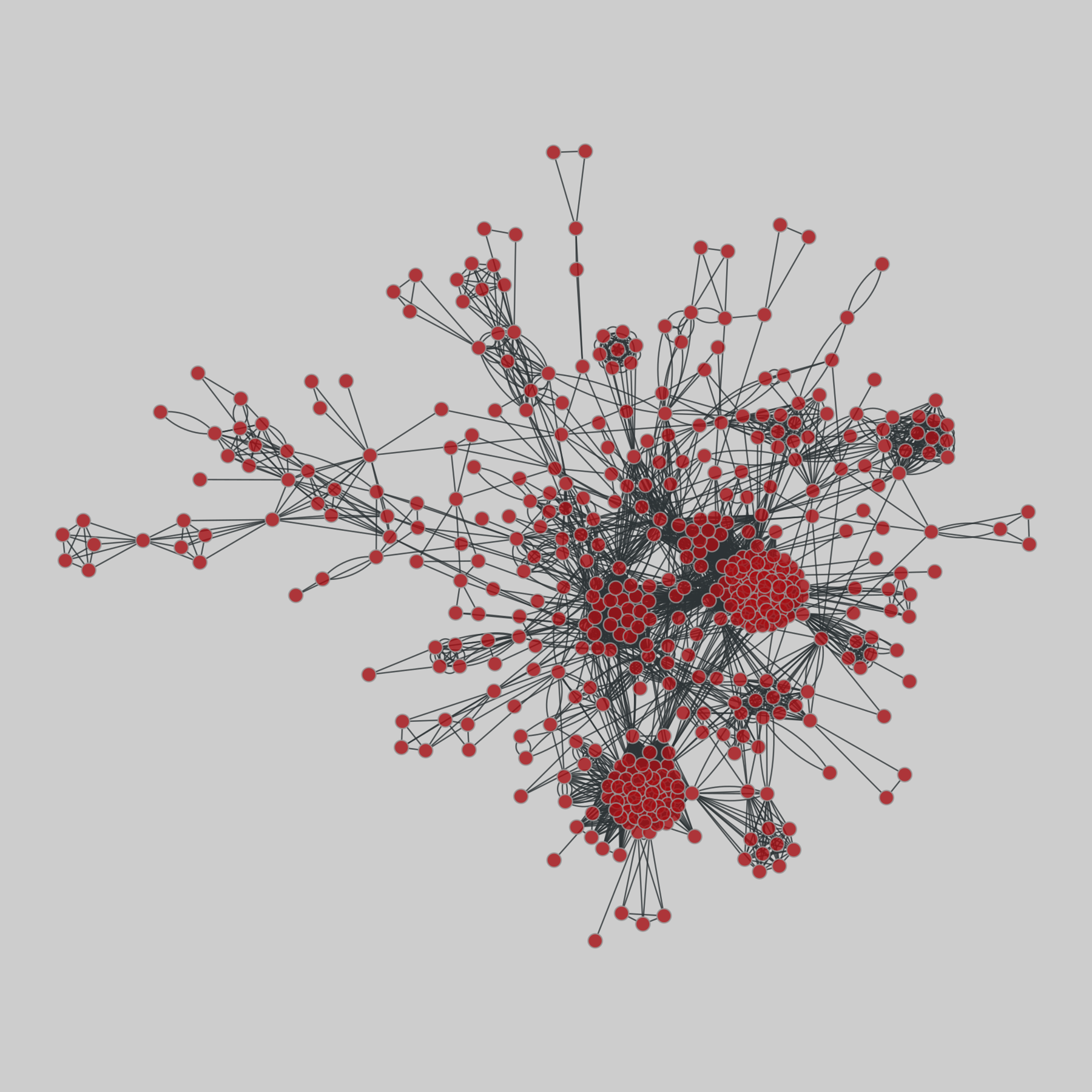
@netzschleuder@social.skewed.dephysics_collab: Multilayer physicist collaborations (2015)
Two multiplex networks of coauthorships among the Pierre Auger Collaboration of physicists (2010-2012) and among researchers who have posted preprints on arXiv.org (all papers up to May 2014). Layers represent different categories of publication, and an edge's weight indicates the number of reports written by the authors. These layers are one-mode projections from the underlying author-paper bipartite network.
This n…
 @newsie@darktundra.xyz
Vast ‘Structures’ In Space Reveal the Universe Isn't What We Thought https://www.404media.co/vast-structures-in-space-reveal-the-universe-isnt-what-we-thought/
 @cosmos4u@scicomm.xyz
Superexpansion of interplanetary #CoronalMassEjection observed by Solar Orbiter and Wind spacecraft within 0.14 au radial separation: https://academic.oup.com/mnras/article/548/3/stag350/8661665?login=false -> Iowa physicists describe ‘super expansion’ magnetic cloud from the sun: https://now.uiowa.edu/news/2026/06/iowa-physicists-describe-super-expansion-magnetic-cloud-sun - findings reveal more about how gaseous explosions from the sun could be dangerous to Earth.
 @seav@en.osm.town
The great German physicist #MaxPlanck is one of the latest victims of automated copyright enforcement algorithms.
https://www.science.org/content/article/wh
 @teledyn@mstdn.ca
Physicists made a black hole out of light to test Stephen Hawking's elusive radiation theory | Live Science
https://www.livescience.com/physics-mathematics/quantum-physics/smaller-than-the-tiniest-scale-in-nature-physicists-made-a-black-hole-out-of-light-and-used-it-to-test-stephen-hawkings-elusive-radiation-theory
@netzschleuder@social.skewed.dephysics_collab: Multilayer physicist collaborations (2015)
Two multiplex networks of coauthorships among the Pierre Auger Collaboration of physicists (2010-2012) and among researchers who have posted preprints on arXiv.org (all papers up to May 2014). Layers represent different categories of publication, and an edge's weight indicates the number of reports written by the authors. These layers are one-mode projections from the underlying author-paper bipartite network.
This n…
 @netzschleuder@social.skewed.de
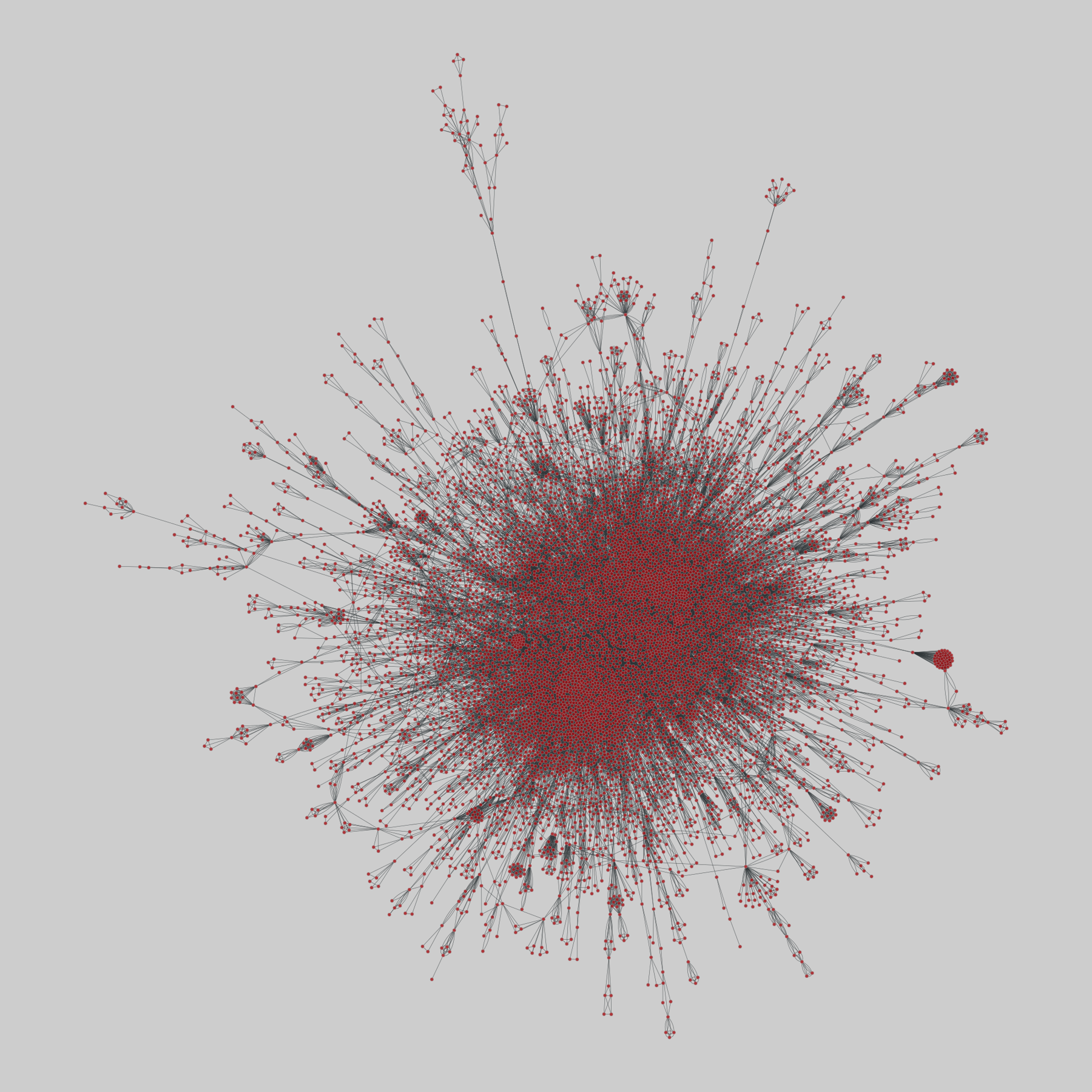
physics_collab: Multilayer physicist collaborations (2015)
Two multiplex networks of coauthorships among the Pierre Auger Collaboration of physicists (2010-2012) and among researchers who have posted preprints on arXiv.org (all papers up to May 2014). Layers represent different categories of publication, and an edge's weight indicates the number of reports written by the authors. These layers are one-mode projections from the underlying author-paper bipartite network.
This n…
 @servelan@newsie.social
The Poop Emoji Got Gravity Right, Physicists Find
https://gizmodo.com/the-poop-emoji-got-gravity-right-physicists-find-2000776121
@netzschleuder@social.skewed.dephysics_collab: Multilayer physicist collaborations (2015)
Two multiplex networks of coauthorships among the Pierre Auger Collaboration of physicists (2010-2012) and among researchers who have posted preprints on arXiv.org (all papers up to May 2014). Layers represent different categories of publication, and an edge's weight indicates the number of reports written by the authors. These layers are one-mode projections from the underlying author-paper bipartite network.
This n…
 @netzschleuder@social.skewed.de
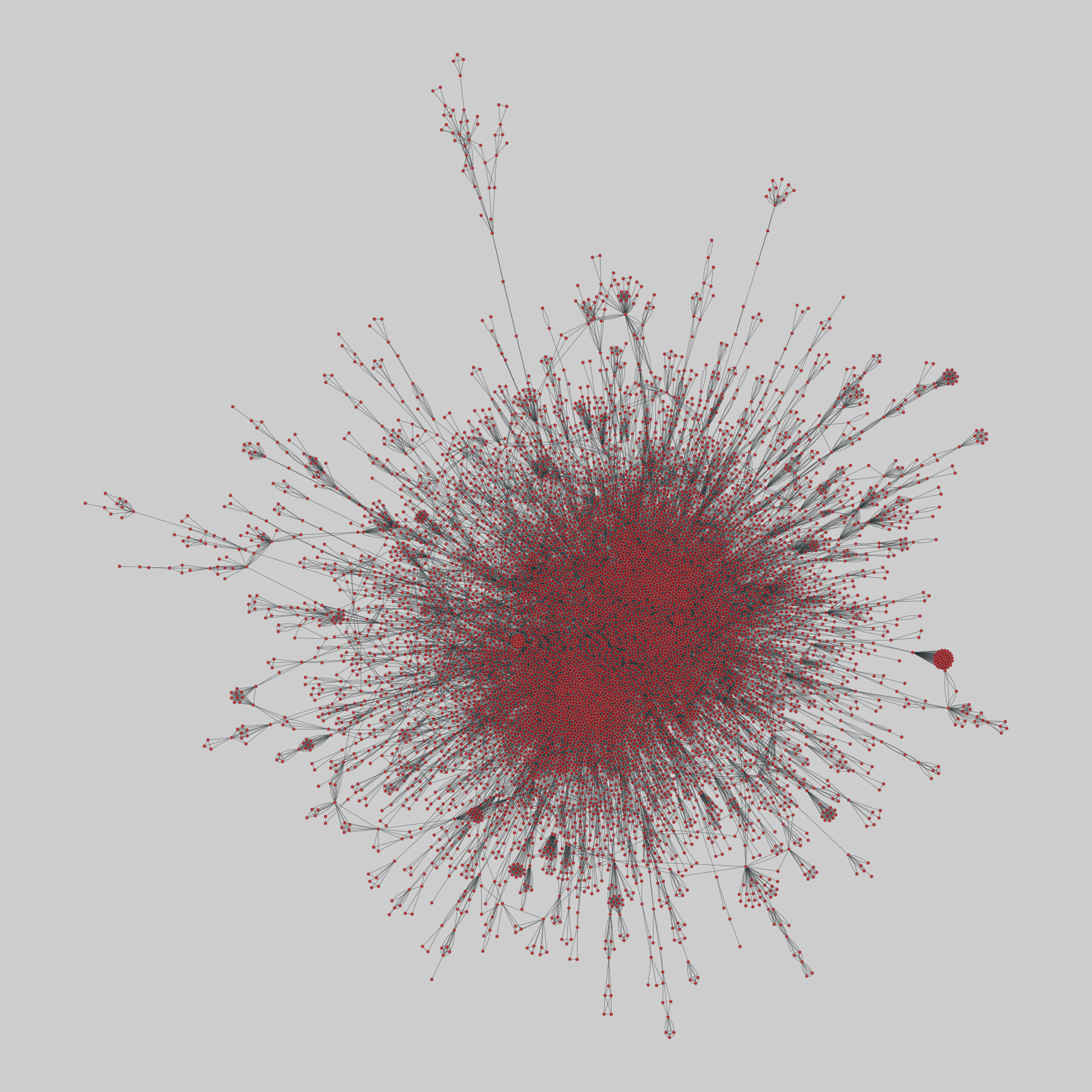
physics_collab: Multilayer physicist collaborations (2015)
Two multiplex networks of coauthorships among the Pierre Auger Collaboration of physicists (2010-2012) and among researchers who have posted preprints on arXiv.org (all papers up to May 2014). Layers represent different categories of publication, and an edge's weight indicates the number of reports written by the authors. These layers are one-mode projections from the underlying author-paper bipartite network.
This n…
 @netzschleuder@social.skewed.de
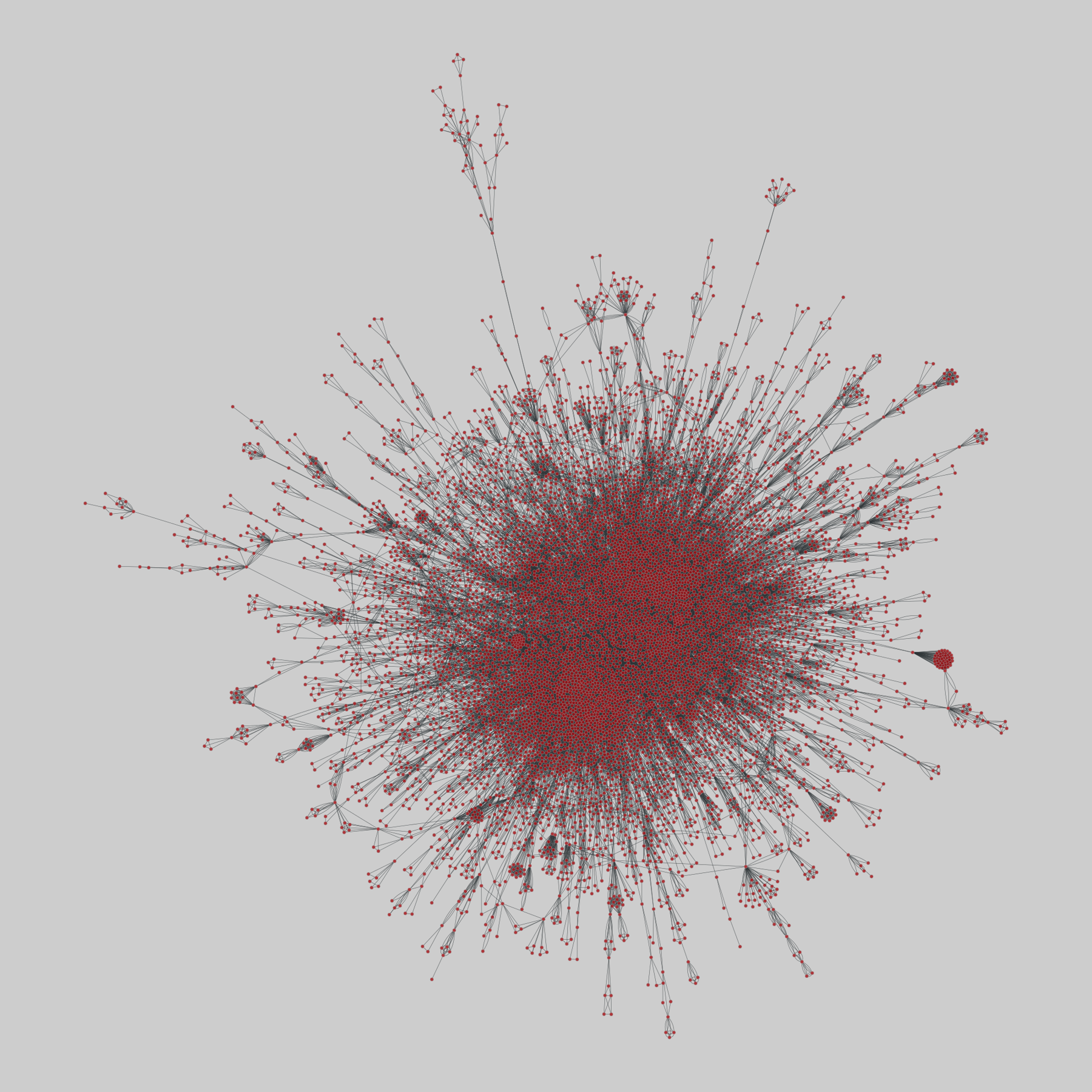
physics_collab: Multilayer physicist collaborations (2015)
Two multiplex networks of coauthorships among the Pierre Auger Collaboration of physicists (2010-2012) and among researchers who have posted preprints on arXiv.org (all papers up to May 2014). Layers represent different categories of publication, and an edge's weight indicates the number of reports written by the authors. These layers are one-mode projections from the underlying author-paper bipartite network.
This n…
 @netzschleuder@social.skewed.de
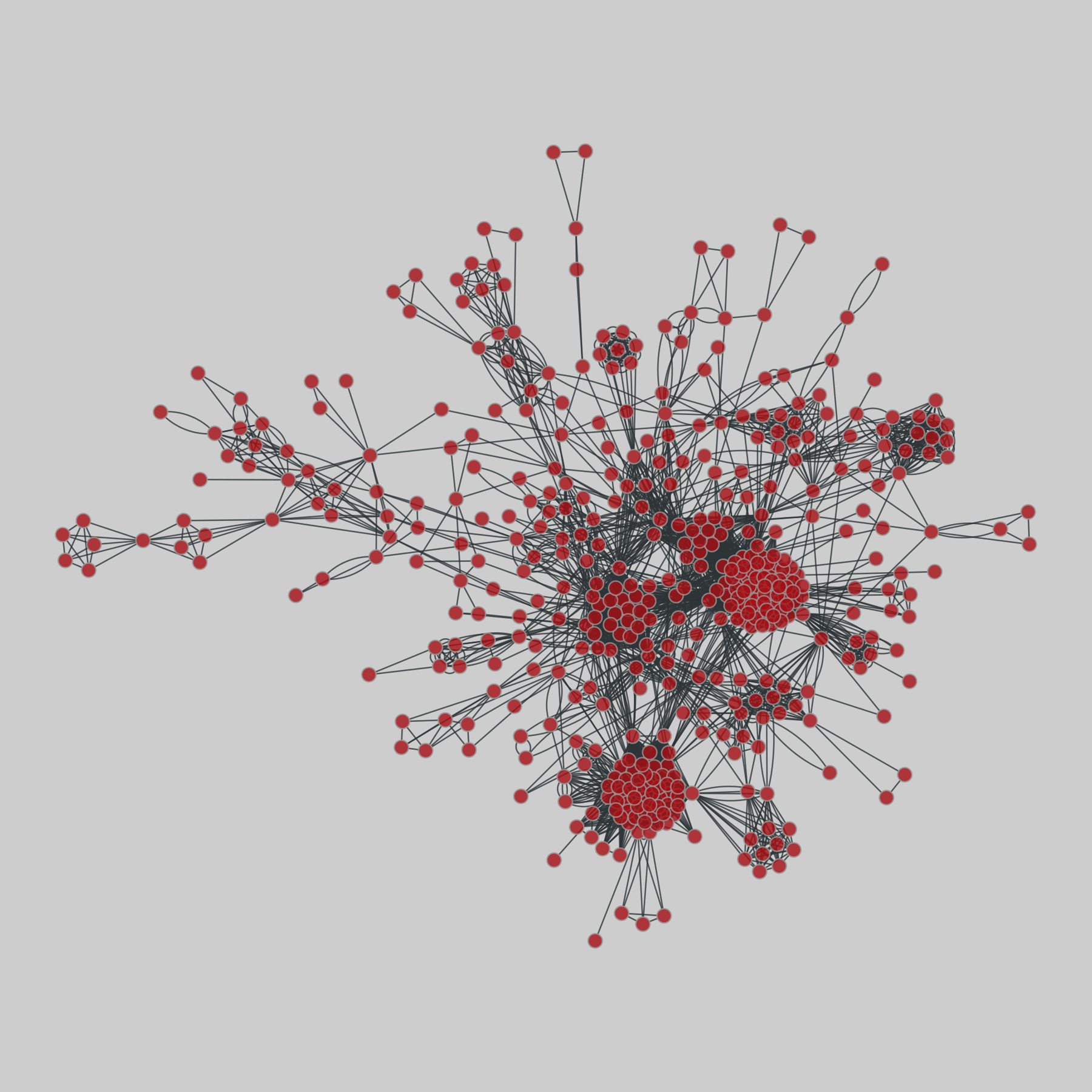
physics_collab: Multilayer physicist collaborations (2015)
Two multiplex networks of coauthorships among the Pierre Auger Collaboration of physicists (2010-2012) and among researchers who have posted preprints on arXiv.org (all papers up to May 2014). Layers represent different categories of publication, and an edge's weight indicates the number of reports written by the authors. These layers are one-mode projections from the underlying author-paper bipartite network.
This n…
 @teledyn@mstdn.ca
Is this the first glimpse of dark matter? Data point excites physicists | Nature
#WIMPs
https://www.nature.com/articles/d41586-026-01985-9

