Tootfinder

Opt-in global Mastodon full text search. Join the index!

@cosmos4u@scicomm.xyz
2026-03-04 23:25:41

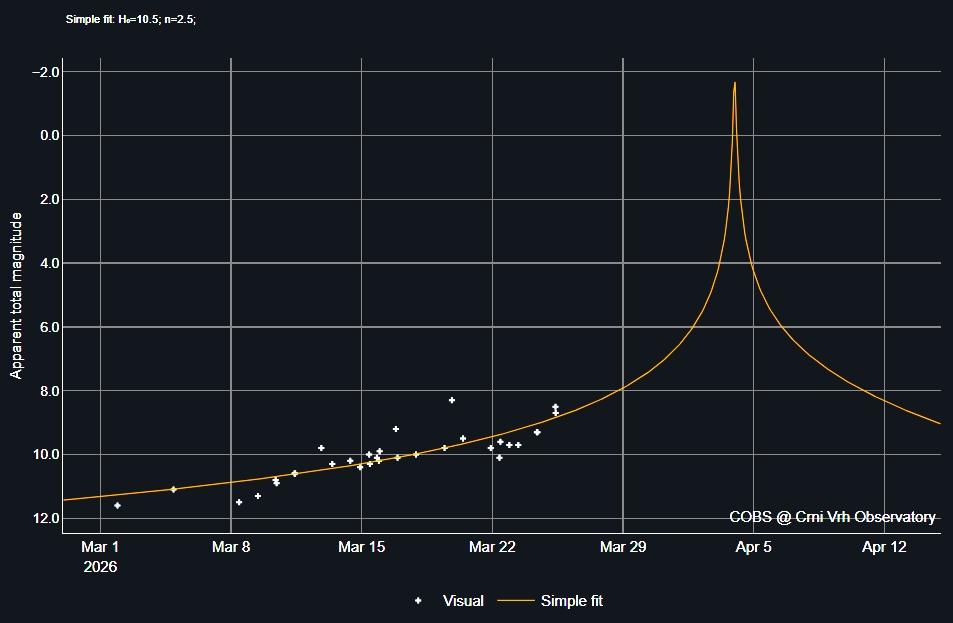
So the new #Kreutz #comet #MAPS is *still* following the constant rapid rise in brightness it has shown since discovery: a dumb extrapolation - cobs.si/analysis/?comet=2688&f - has it get 10,000-times brighter than the Sun at its extremely close perihelion which makes so sense at all, of course, physically.
"It must therefore be assumed that this increase in activity will level off significantly in the near future," writes fg-kometen.vdsastro.de/koj_202: "More likely are parameters m m0=12.0 mag / n=4 (or even lower), which would still result in a (very short-term) maximum brightness of about –9 mag (but this would probably still be significantly too bright) – always assuming that the comet survives its perihelion passage unscathed."
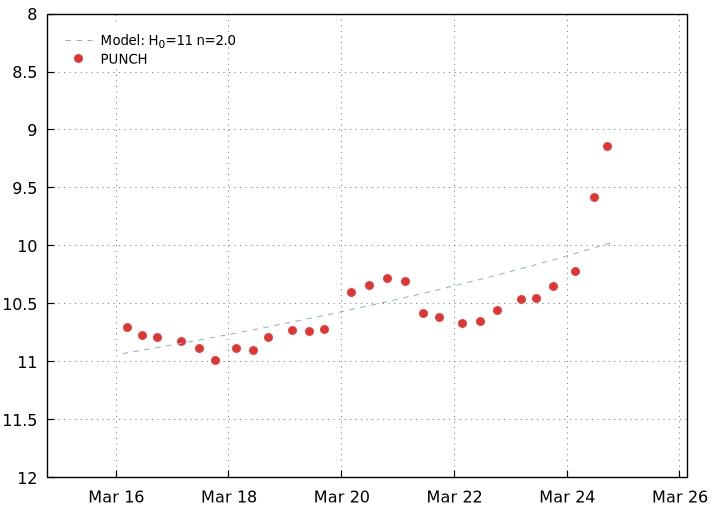
For other views see cbat.eps.harvard.edu/iau/cbet/ and arxiv.org/abs/2602.17626 and facebook.com/photo?fbid=102365 and cometografia.es/cometa-kreutz- - and the actual brightness is tracked at cobs.si/obs_list?id=2688 where it has reached ~11.5 mag. now.

@cosmos4u@scicomm.xyz
2026-02-20 03:51:54

"The most recent orbital computations make it increasingly likely that the object [the new #Kreutz comet MAPS] is a fragment of one of the comets observed by Ammianus Marcellinus in AD 363, thereby strengthening evidence in support of the contact-binary hypothesis of the Kreutz system," writes Zdenek Sekanina in arxiv.org/abs/2602.17626: "In this context, the comet is the only second-generation fragment of Aristotle's comet that we are aware of to appear after the 12th century. It does not look like a major fragment, but rather like an outlying fragment of a much larger sungrazer."

@cosmos4u@scicomm.xyz
2026-01-17 12:21:35

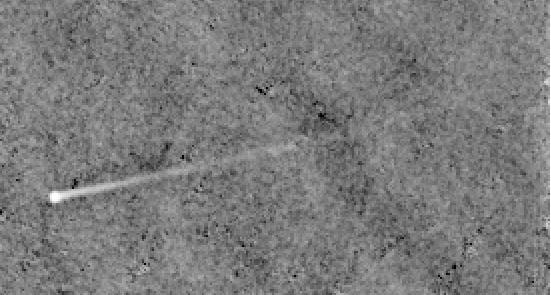
Will THIS become the comet of the year if not decade? "6AC4721" doesn't even have a proper number or name but it is on a #Kreutz orbit that will bring it very close to the Sun in April - and was discovered already farther from the Sun than even Ikeya-Seki, whatever that means: facebook.com/groups/2270023586 and astronomynow.com/2026/01/16/po and x.com/JAtanackov/status/201228 discuss the uncertain outcome of the adventure. In any case here is the comet last night: "Kreutz Comet 6AC4721 is currently brighter than expected,." write G. Rhemann and M. Jäger: "A deeper image from Namibia (Jan 16.91, 12“/3.6 12x120sec with Asi 6200) already shows a 2' coma and 85” coma in Pa 41. The total brightness measured with the Tycho Tracker was 16m5."

@cosmos4u@scicomm.xyz
2026-01-23 18:20:37

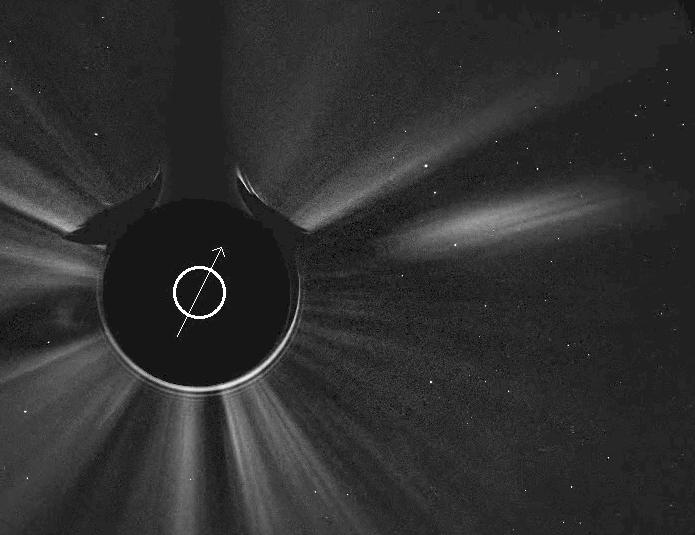
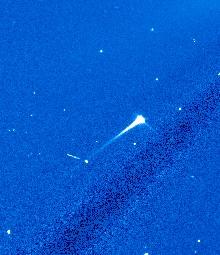
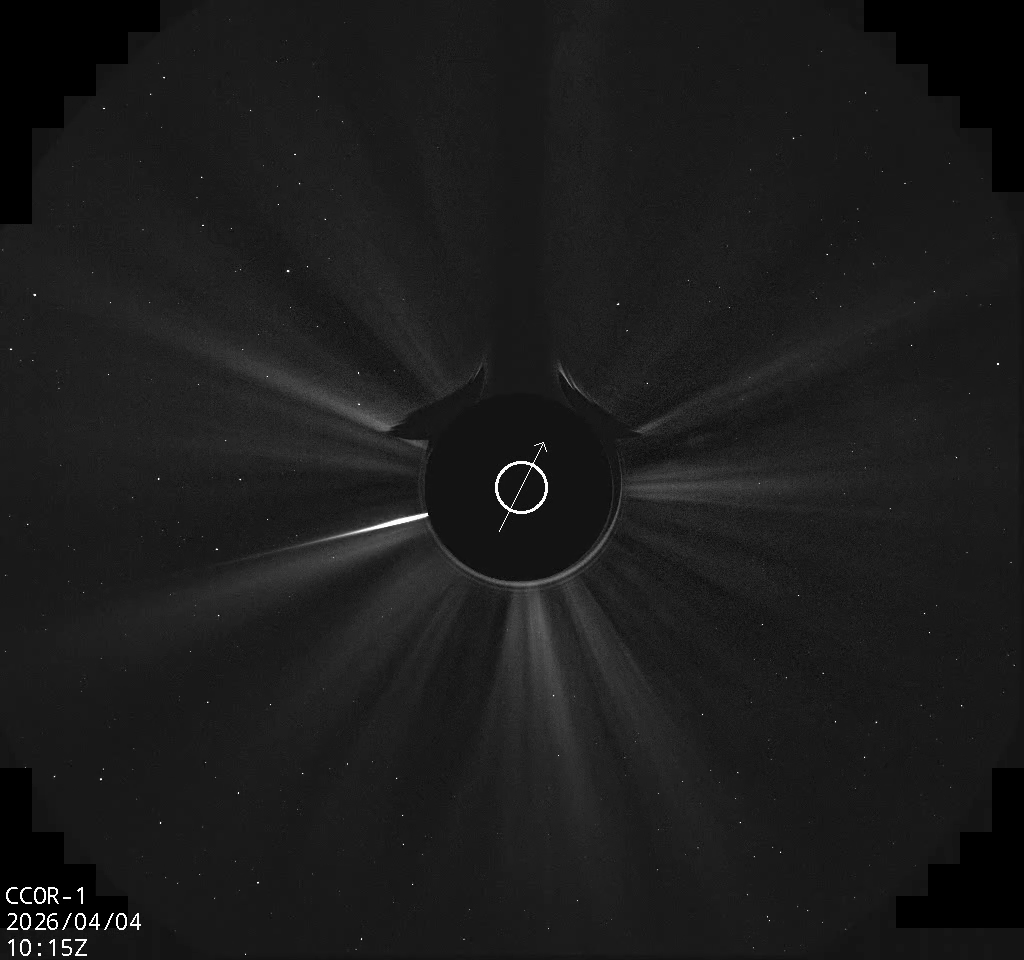
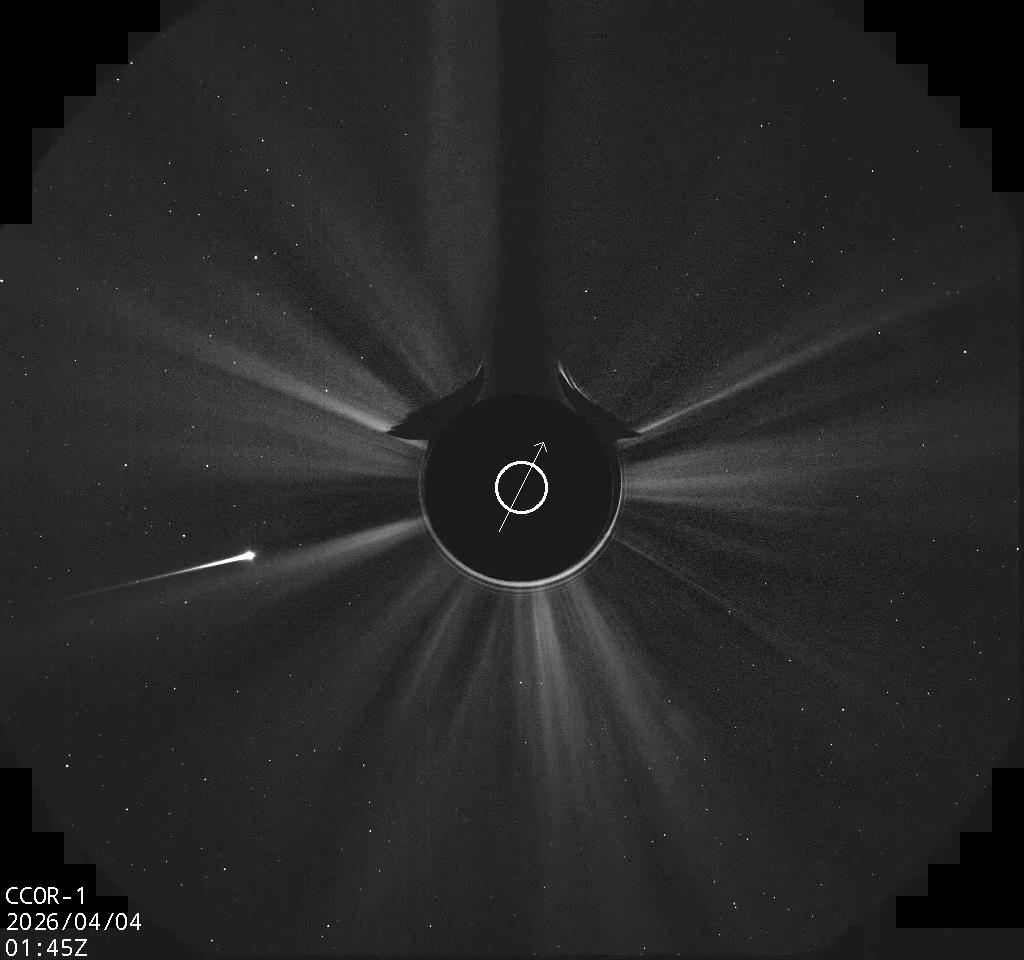
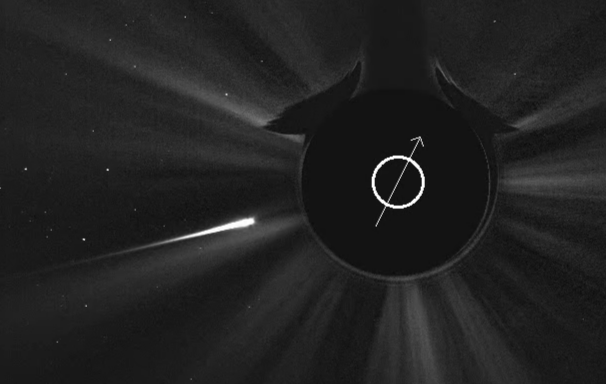
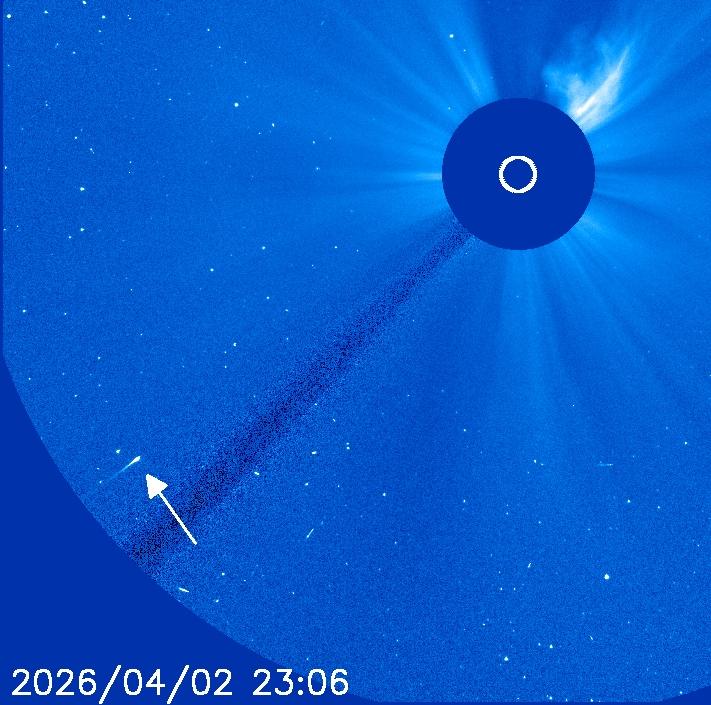
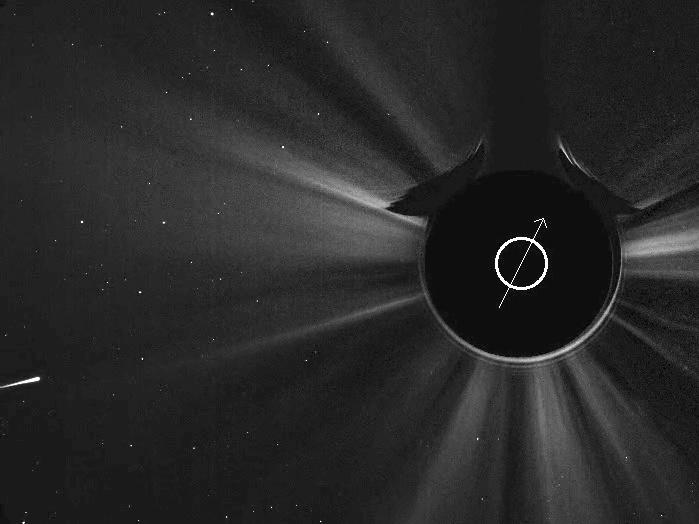
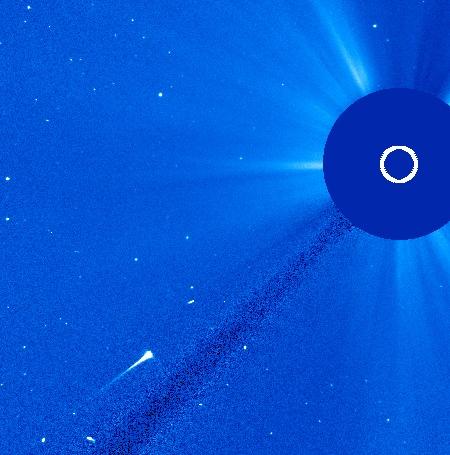
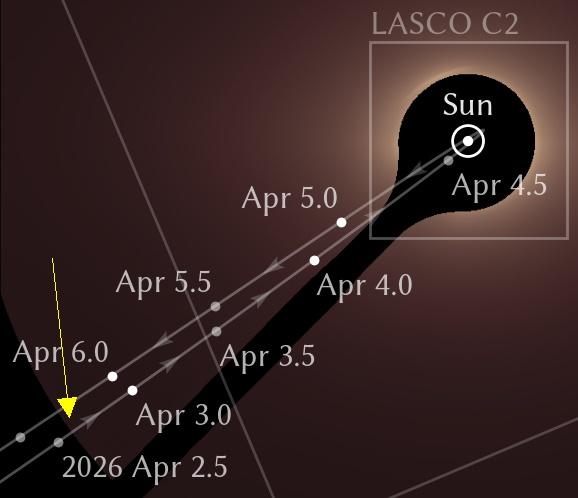
The new #Kreutz #comet discovered unusually early has been named C/2026 A1 (MAPS): #photosphere on 4 April and becoming a bright comet.

@cosmos4u@scicomm.xyz
2026-01-24 01:27:56

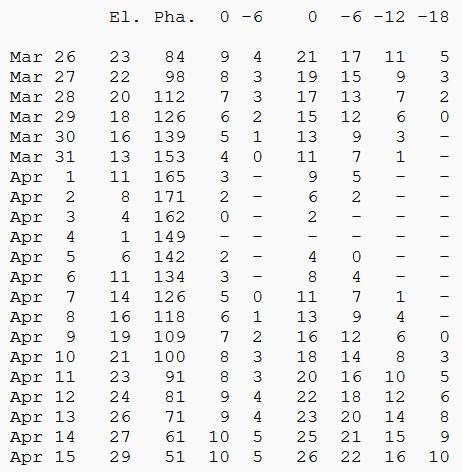
The new #Kreutz #comet is now C/2026 A1 (MAPS): cbat.eps.harvard.edu/iau/cbet/ and #perihelion is highly uncertain but there is hope as facebook.com/groups/2270023586 and groups.io/g/comets-ml/topic/11 explain. And if MAPS makes it to perihelion and is (very) bright then coronagraphs on the ground might be able to catch it against the inner corona as the following table - calculated with ssd.jpl.nasa.gov/horizons/app. - shows.