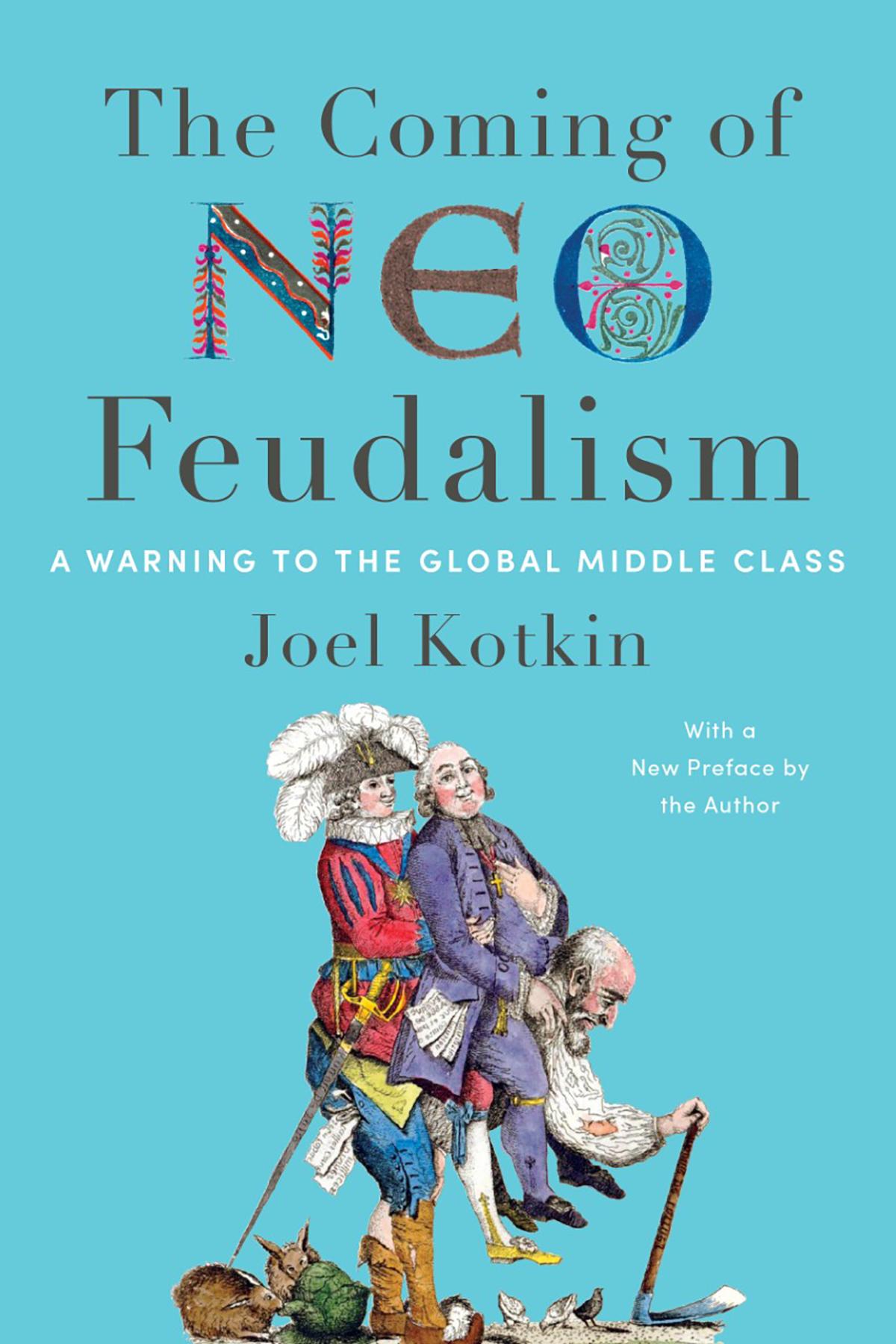
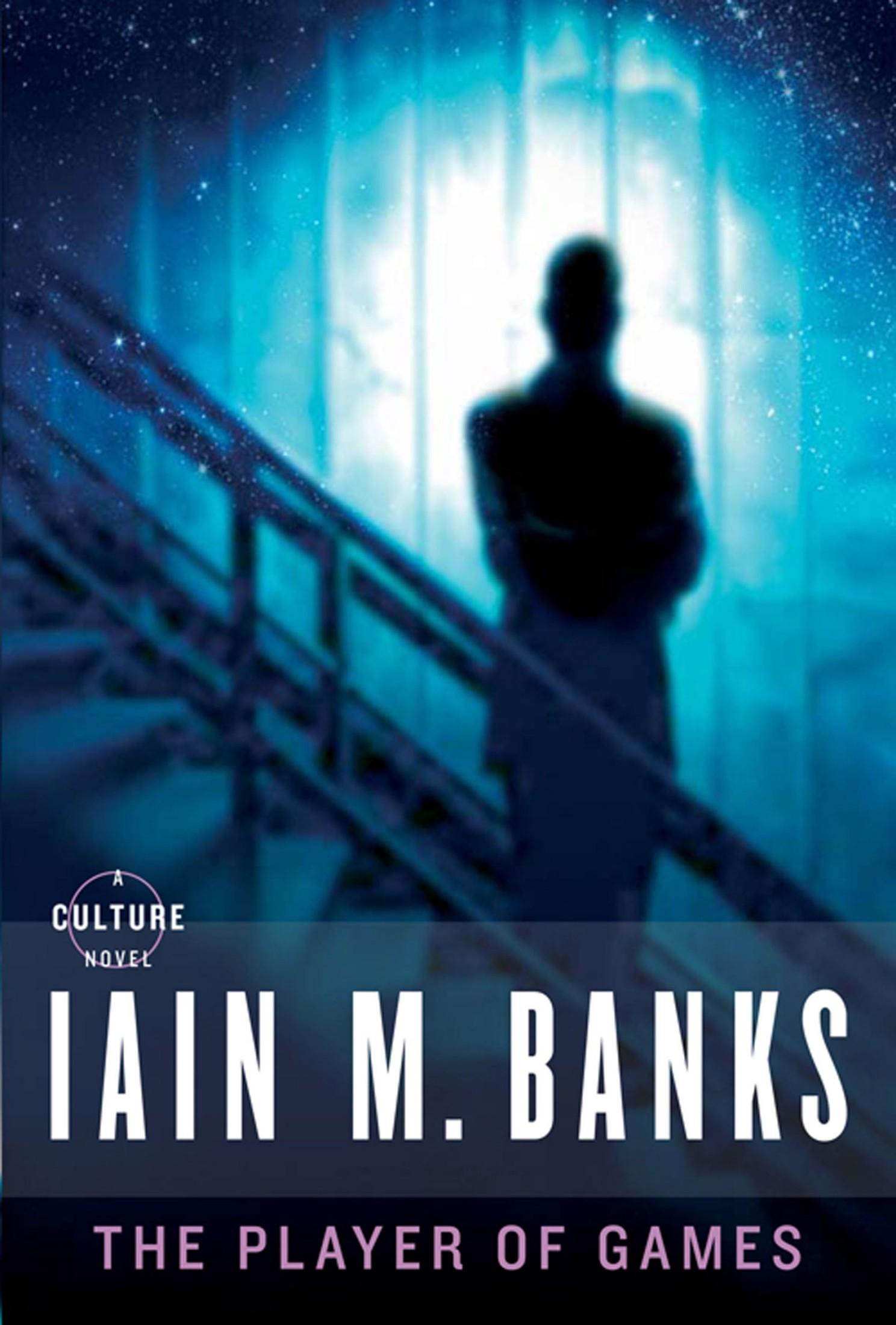
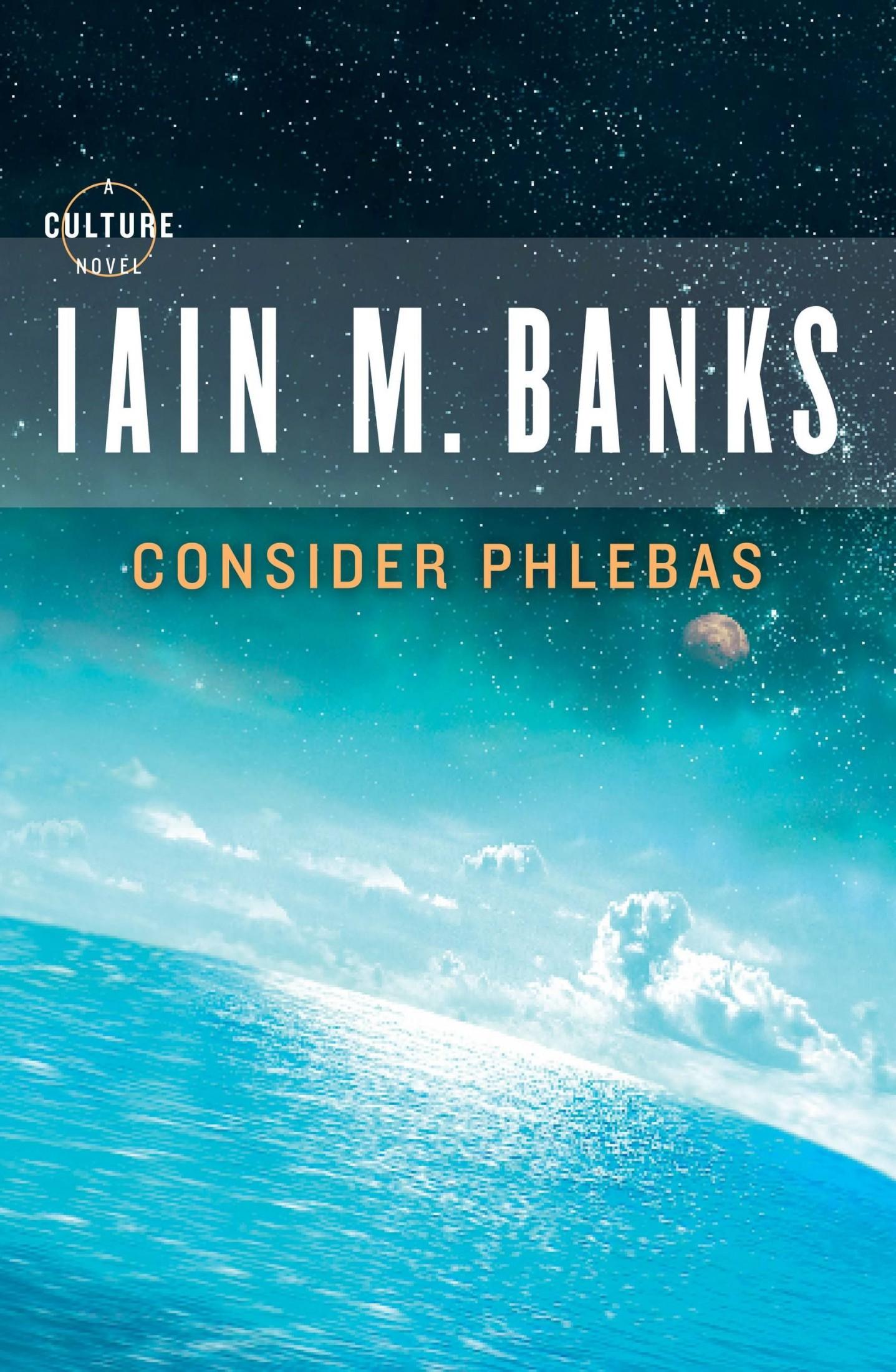
 @kurtsh@mastodon.social
2026-07-31 02:21:42
@kurtsh@mastodon.social @ncoca@social.coop
Worth #reading this piece - a level-headed take on #China and how its changed.
https://www.chinafile.com/reporting-op…
 @hikingdude@mastodon.social
Didn't do a lot today 🤧
But at least the shire is almost liberated!
#lordoftherings #reading #books

 @tiotasram@kolektiva.social
Just finished reading "The Beast Player" by Nahoko Uehashi. I had already watched the anime, but it had been so king I didn't remember all the details. While the anime was great, the book is even better, and it's going to be high on my list of things to recommend to my children when they're old enough to read for fun.
The neurodivergent representation is cool, as is the deep central question of interspecies bonds and the political possibilities and dangers they entail. Uehashi handles the exploration of that question well in my judgment, including appropriate ambiguity without muddying moral clarity. Elin is a truly fantastic protagonist, not without flaws but nevertheless a excellent role model and a very sympathetic figure without being pitiful.
One thing I really love about Uehashi's writing is that she's not shy about using interior narration to tell the reader directly what a variety of characters are feeling, but when she does this she focuses on human contradictions, quirks, and weaknesses that make those characters feel much richer, and that remind the reader of all the ways our weird and sometimes contradictory or inexplicable quirks guide our actions just as much as both logical thought and predictable/expected feelings. None of the characters is an unerring source of wisdom, with every grand principle presented shown to have its weaknesses and biases, and even the wisest characters making mistakes and learning from them.
Overall, a wonderful book, and having also seen the "Seirei no Moribito" anime but not read the books, I'm excited to dig into more of Uehashi's extensive catalog.
#AmReading #ReadingNow #Bookstodon
@hikingdude@mastodon.social"Gandalf!" rief Frodo und richtete sich auf. Da saß der alte Zauberer auf einem Stuhl am offenen Fenster.
#herrderringe #reading
 @pixelpusher220@dmv.community
The Largest Popup Book In The World
Putting the 'exercise' in Exercise Your Mind!
#Books #Reading #ExerciseYourMind
https://www.youtube.com/shorts/DgZsF6RUfbY
 @ellie@ellieayla.net
 @kineticdiplomacy@infosec.exchange
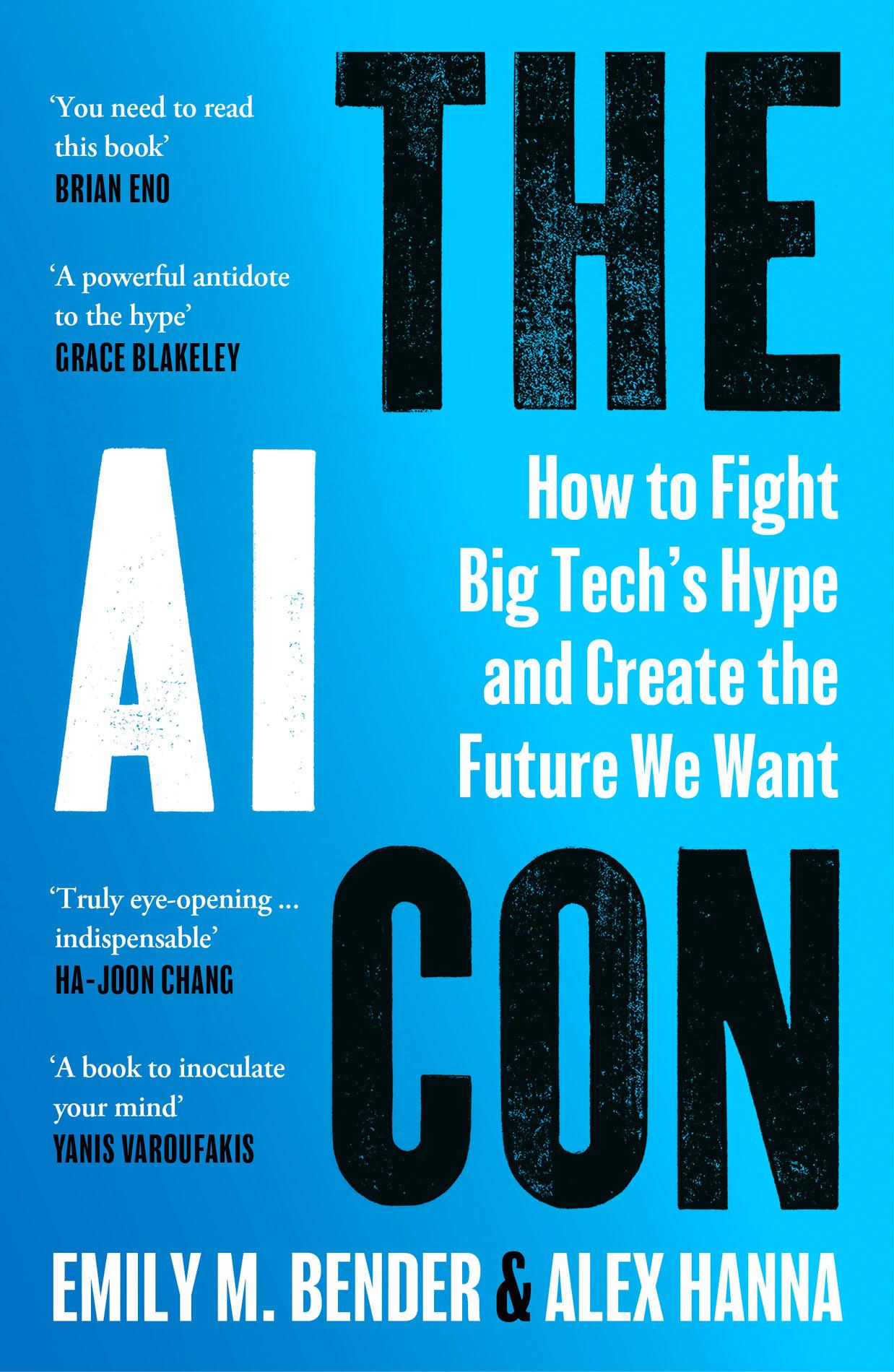
The authors make a very clear argument against all merit of the current Media extrusion machines being peddled by Silicon Valley. The book lays it all out in all the details. Unfortunately it's not helpful in giving tools how to fight back, although that is to be expected. I higly recommend slapping the leadership of your organisation in the face with this book, or at the very least make them read it.
⭐⭐⭐⭐⭐
#BookReview #Books #Reading #Nonfiction #Politics #BusinessEconomics #TechnologySociety #InformationMediaStudies
 @tiotasram@kolektiva.social
So... I've started reading Leviathan Wakes by James S.A. Corey, and 110 pages in I'm finding a lot to dislike, even though I've mostly heard nothing but good stuff about the series (and also the TV show). The fact that it became a popular TV show should probably have been a warning, but so far it's got standard-issue patriarchal & misogynist background radiation plus copaganda, with no real signs that there's going to be any reversal or repudiation of that stuff. There's also no indication I'll get any interesting thoughts about society or humanity out of this beyond bog standard space opera fare, in stark contrast to, say, A Deepness in the Sky which I also read recently and which has a similar heft. Does anyone who has read deeper into the series have opinions on whether it's worth my time?
#Bookstodon #AmReading #ReadingNow
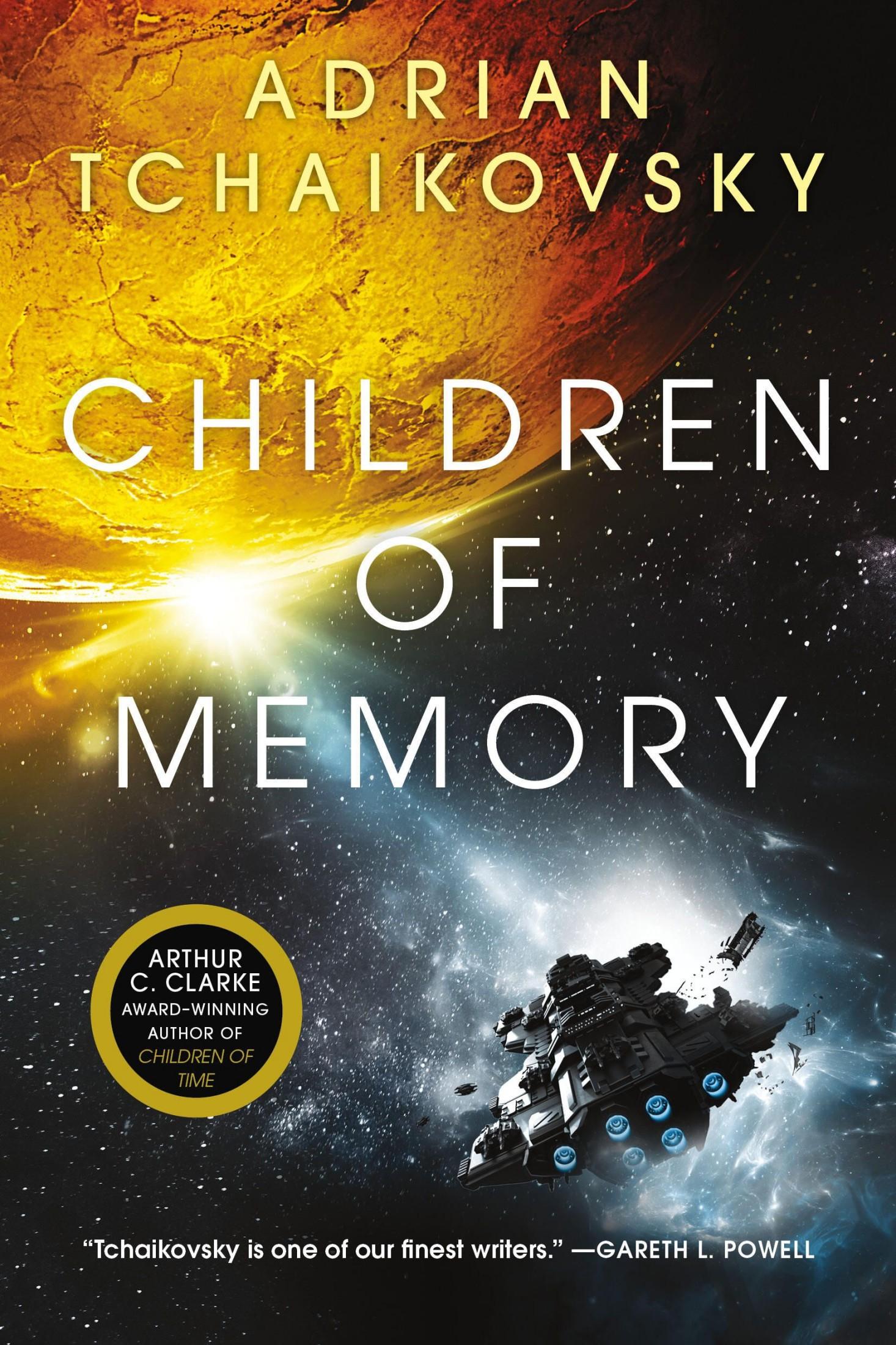
@kineticdiplomacy@infosec.exchangeA little frustrating to read, as seems to be the standard for this series. I liked the lost colony idea, but the presentation is very fragmented. I guess that's on purpose, but it doesn't work for me. I wont be getting part 4 of the series, I'm done.
⭐⭐⭐
#BookReview #Books #Reading #Fiction #ScienceFiction #SpaceOpera
 @tiotasram@kolektiva.social
Just finished reading "There is no Antimemetics Division" by qntm. Not nearly the kind of aid-to-the-societal-imagination stuff I'm craving these days, but it does pleasantly stretch one's conceptual boundaries (assuming the horror aspects don't bother you). The core idea is truly clever and well-explored, even if I think it could have been even stronger by discarding classic horror tropes entirely (then again, I'm very much not the target audience in this regard).
#AmReading #ReadingNow #Bookstodon
 @Xavier@infosec.exchange
I'm going on a reading adventure. I just finished up with Shadows of the Apt series by Adrian Tchaikovsky. As I started thinking about what to read next, I thought I might go back and finish series that I never completed. I try to only read book series whose story is concluded. But occasionally I can't resist like Dungeon Crawler Carl. But I'm so bad at waiting.
So thought this might be a good use case for my local AI. I downloaded by reading history from #BookWyrm and asked it to find all the series that had concluded, but I never finished. And it worked great.
So now I get to go back and jump into old worlds that I used to explore. Its going to be so much to visit old friends, old stories. Squee! First up, #Mistborn!
#bookstodon #books #reading @…
@tiotasram@kolektiva.socialJust finished reading "The Language of Spells" by Garrett Weyr with illustrations by Katie Harnett. An *excellent* book, not high fantasy but instead a tale of an ordinary kid who happens to get caught up in some extraordinary business when she makes a friend.
I absolutely love the parenting example that the book sets, the ways it deals with grief, its unique conception of magic (and of dragons), and its steadfast commitment to the personal over the epic perspective.
Meets and exceeds the "will I recommend it to my kids" bar that quite a few things I've read recently have failed to clear.
#AmReading #ReadingNow #Bookstodon
 @smurthys@hachyderm.io
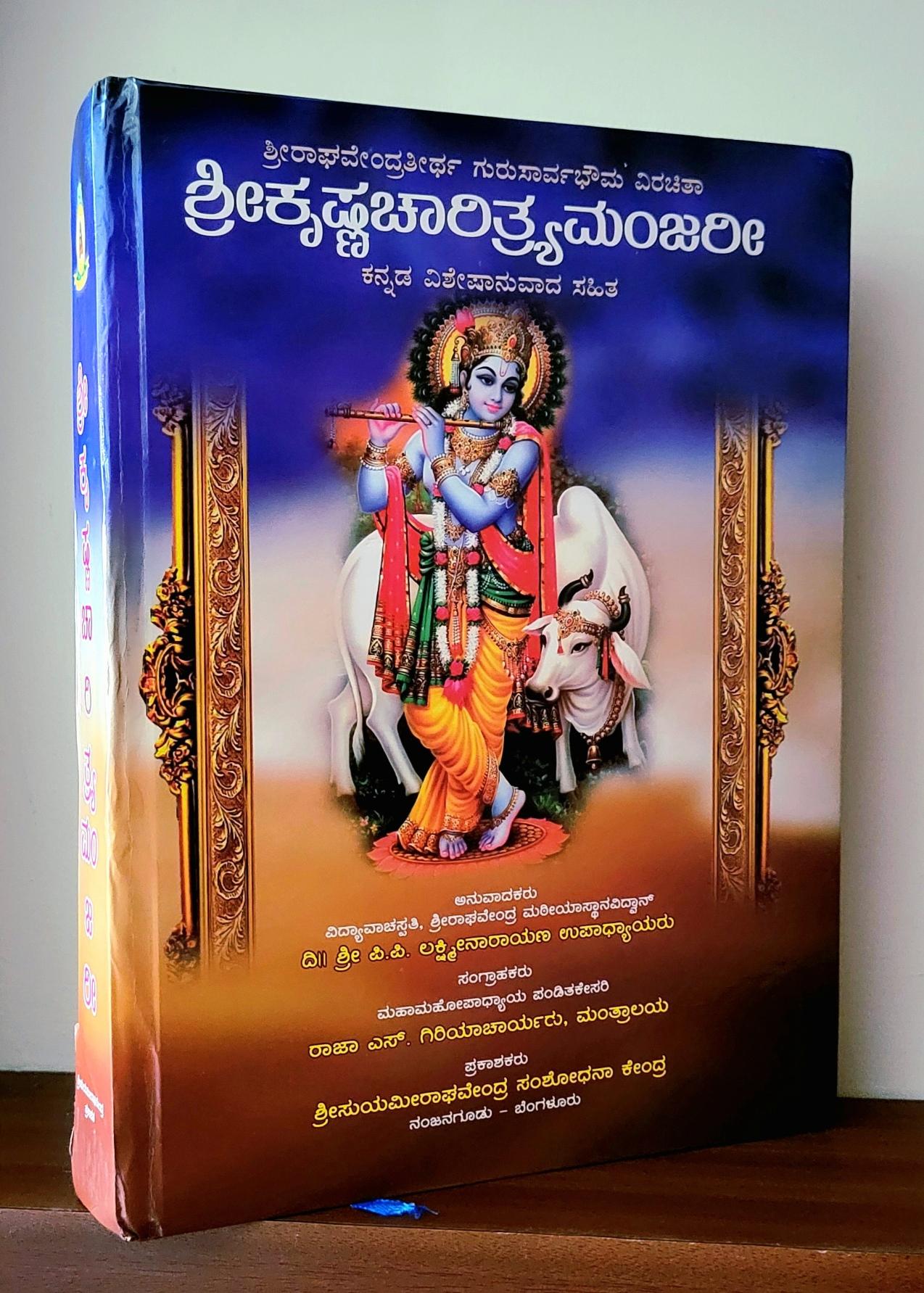
Super #niche: I received this book last year and finally started reading (muddling through) it now. It's a 700-page #Kannada commentary on a 350 years old #Sanskrit scholarly work about events in the life of Krishna.🪈
The original "shree-krishna-chaarithrya-manjaree" is by Mantralaya Sri Raghavendra Swami and is only 28 verses (112 lines).📜
#wipWednesday #Wednesday #workInProgress #reading #photography
 @tiotasram@kolektiva.social
Just finished reading "Embrace Your Size" by hara. It's a lovely nonfiction manga about body positivity, part autobiography and part advocacy/education. It talks about the author's experiences with bullying and eating disorders, and her journey to feeling comfortable with and positive about her size.
#AmReading #ReadingNow #Bookstodon
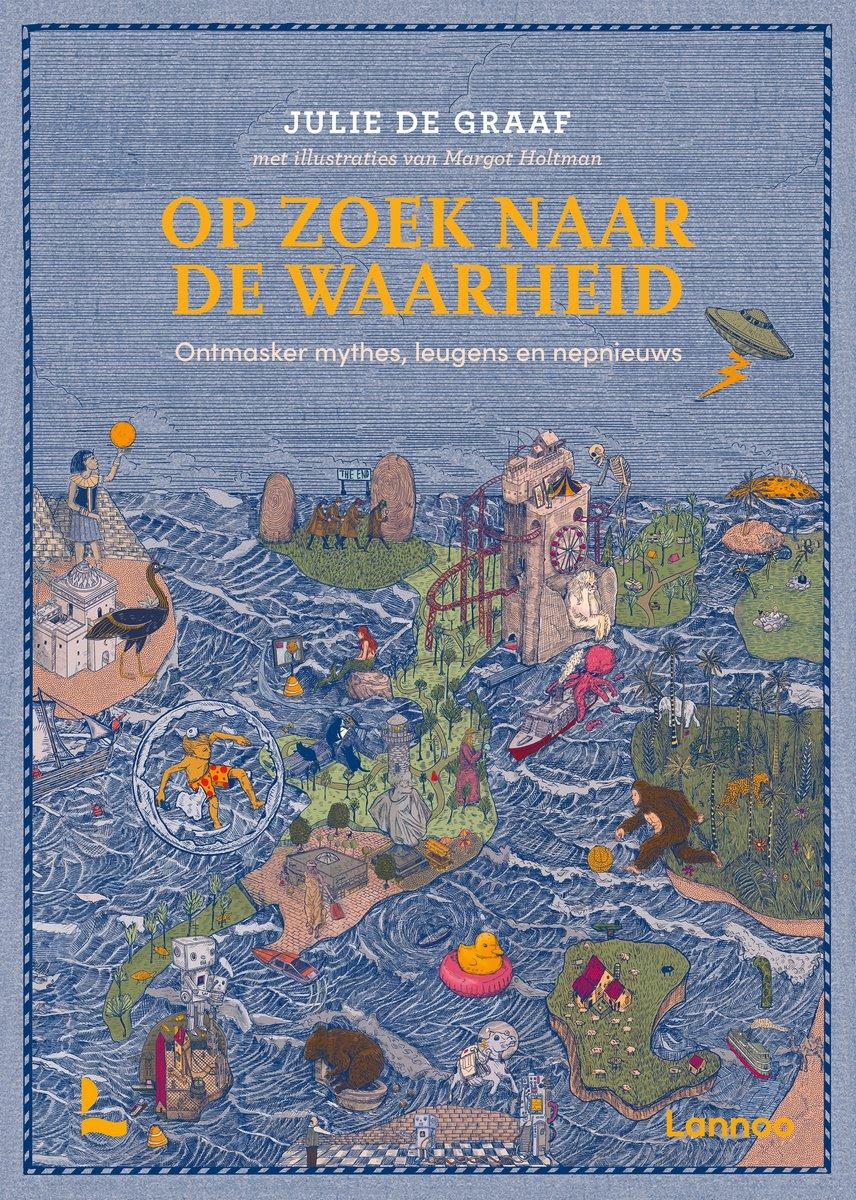
@kineticdiplomacy@infosec.exchange#BookReview #Books #Reading #Nonfiction #History #EconomicHistory #TheNetherlands #17thCentury #18thCentury
 @tiotasram@kolektiva.social
Just finished "Healer of the Water Monster" by Brian Young. I'm reading a bunch of juvenile fiction right now in a quest to have some good recommendations for my kids to read in a few years when they're old enough, and this one definitely makes the cut, with deeply-integrated #OwnVoices Diné cultural elements, good (to my reading) handling of complex topics like divorce and depression, and cool magical elements. This is exactly the kind of new generation of kids' fiction I'm looking for that drops the regressive themes present in so much of what I read at that age. For example, I just before this I read Howl's Moving Castle and then The House of Many Ways by Dianna Wynne Jones, and while the first was pretty much great, the sequel has a whole benevolent monarchy thing that's central to the book in a way that weighs down the politics of the book a lot. Unsurprisingly, the indigenous perspective is a refreshing one.
#AmReading #ReadingNow #Bookstodon
@tiotasram@kolektiva.socialJust fished "Coldwire" by Chloe Gong. An interesting and well-written cyberpunk thriller, even though it didn't have the social-imaginative elements I was looking for. I liked the reveal, and the overall construction, even if I felt that a lot of things were a bit off, and I'm not sure how I feel about an ultimately-optimistic-about-technical-possibilities view of the future right now, especially after reading Vinge's "A Deepness in the Sky" just recently which offers an idea of a future that's less optimistic (even if it dilutes that a bit towards the end).
Even if Gong's imagined future doesn't feel like it has anything interesting to say about either how to get to or sustain a more libratory society, it's a fun book and I'm definitely somewhat interested in the potential for a sequel.
#AmReading #ReadingNow #Bookstodon
 @kineticdiplomacy@infosec.exchange
#BookReview #Bookstodon #Reading #Nonfiction #CommunicationStudies #ChildrensBooks
 @tiotasram@kolektiva.social
Just finished re-reading volume 1 of Yokohama Kaidashi Kikou by Hitoshi Ashinano in English official translation, checked out from one of my local libraries. It's really cool to see lots of the excellent Japanese stuff that I read through fan translations mostly online in the 2000s and 2010s not only come out as an official translation, but make their way onto library shelves for random people to discover without having to be deep into Japanese culture fandom.
YKK is of course a pretty legendary manga, and even though I'd read it before, it had been a while and the manga is so much more feelings-based than plot-based that it was at least as enjoyable the second time through. Ashinano's sweeping curves that capture the wide open landscapes of Minato are beautiful, and her characters also capture a particular feeling of freedom and kindness that's lovely to immerse oneself in. It's the kind of world where you understand immediately that the gun is just a memento and doesn't represent any kind of violence, foreshadowed or otherwise. Calm down, Chekhov, have a coffee, and get with the extremely relaxing times.
#AmReading #ReadingNow #Bookstodon
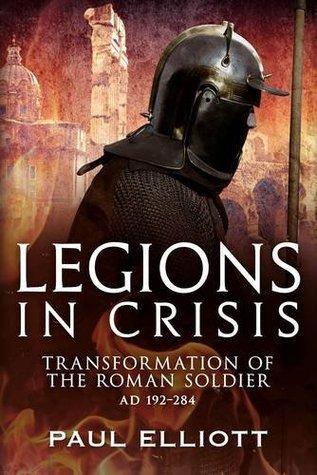
@kineticdiplomacy@infosec.exchange#BookReview #Bookstodon #Reading #Nonfiction #History #MilitaryHistory #Italy #ClassicalEra
 @kineticdiplomacy@infosec.exchange
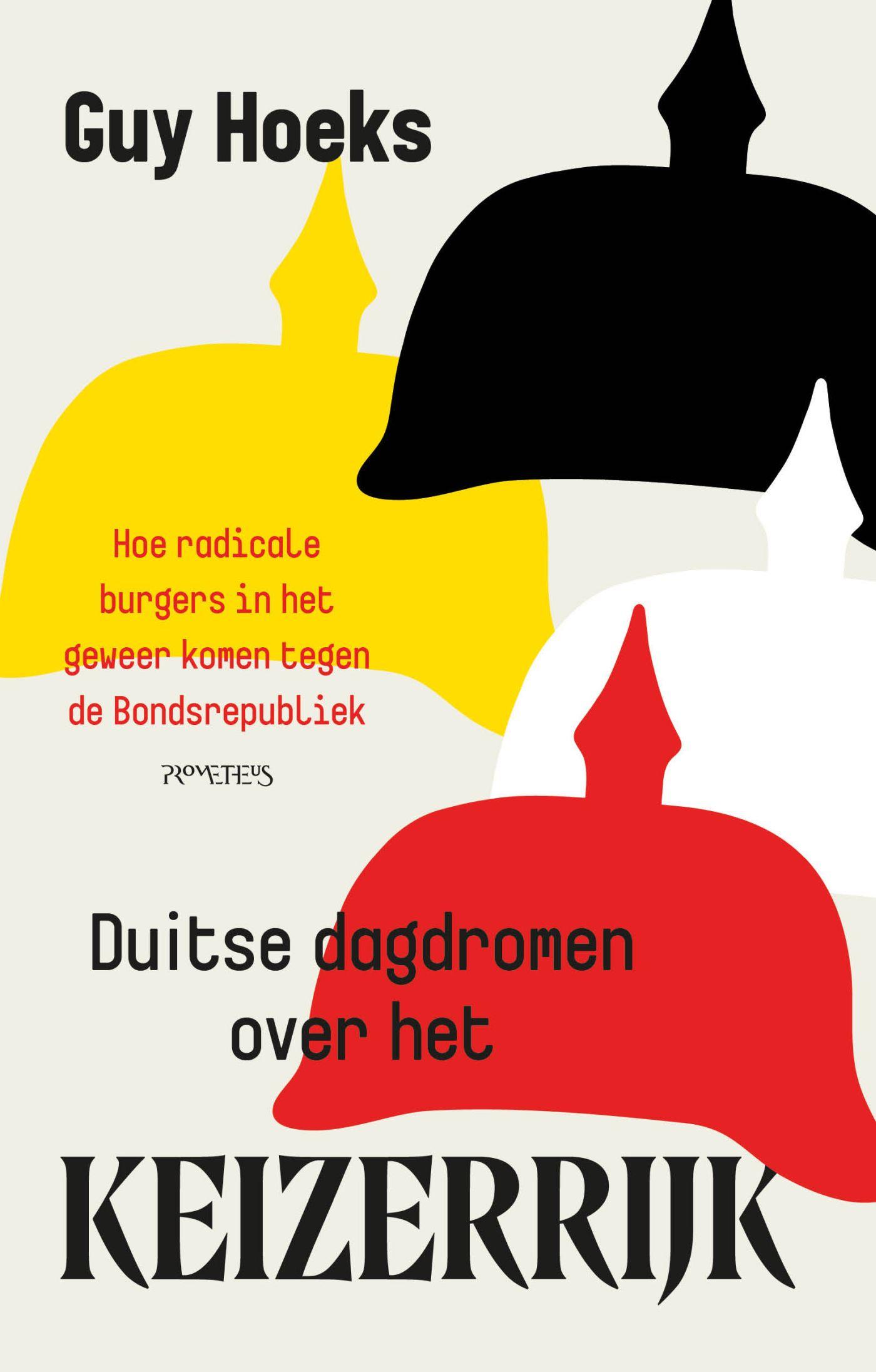
#BookReview #Bookstodon #Reading #Nonfiction #History #SocialHistory #21stCentury #Germany
 @kineticdiplomacy@infosec.exchange
The book describes the political headwinds the Dutch company ASML found itself in, after people found out what the strategic importance of their products was. It is however a very light book. It glances over ASML's history, jumps back and forth in the timeline, and it keeps repeating itself. The authors love to talk about how amazing their own research work was, and how the authors this and how the authors that. I don't trust people who speak about themselves in the 3rd person, and are not God Emperor of Planet Earth. So low score, there are better books about the subject.
⭐
#BookReview #Books #Reading #Nonfiction #Politics #21stCentury #TechnologySociety
 @tiotasram@kolektiva.social
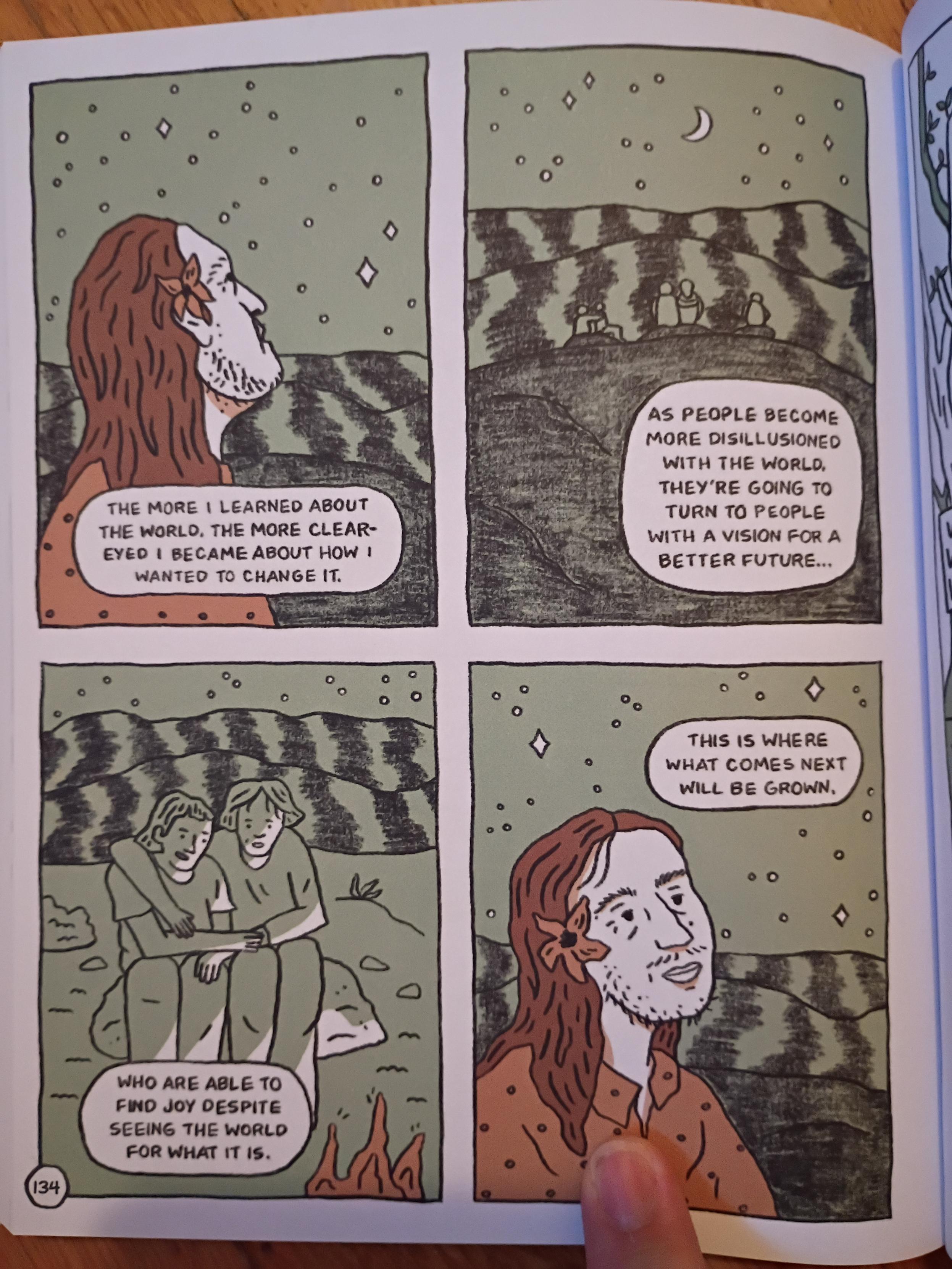
Just finished reading "Holler: A Graphic Memoir of Rural Resistance" by Denali Sai Nalamalapu. An excellent graphic novel about resistance to the Mountain Valley Pipeline in Virginia and West Virginia. Although the pipeline is sadly operational today, resistance delayed it by more than twice the originally-planned timeline, and increased the cost tremendously. This kind of action increases cost and risk projections for pipelines all around the world and slows down capitalist extraction even where it can't stop it.
The book is lovely, drawn from interviews with 6 different activists and including a variety of perspectives on resistance, including an indigenous perspective. A gray thing to read if you're into #SolarPunk, #anarchism, or #ClimateJustice, or just curious. I've included a picture of a page talking about building towards future communities here.
#AmReading #ReadingNow #Bookstodon
 @kineticdiplomacy@infosec.exchange
#BookReview #Books #Reading #Nonfiction #BiographyMemoir #PoliticalLeaders #TheNetherlands #21stCentury #TechnologySociety
 @kineticdiplomacy@infosec.exchange @kineticdiplomacy@infosec.exchange
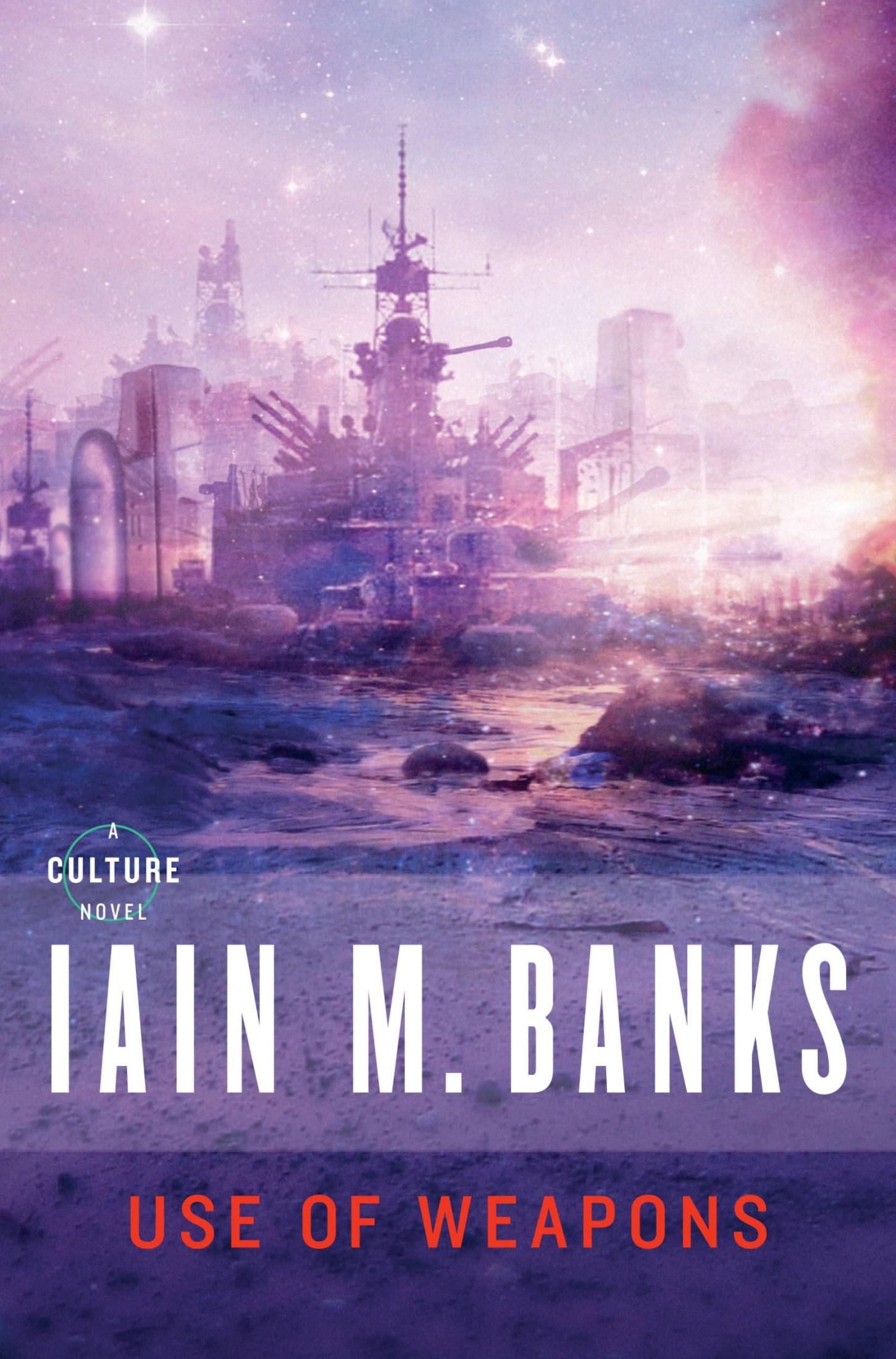
#BookReview #Bookstodon #Reading #Fiction #ScienceFiction #SpaceOpera
 @kineticdiplomacy@infosec.exchange
#BookReview #Books #Reading #Nonfiction #Politics #PhilosophyReligion #TechnologySociety #Sociology #Psychology
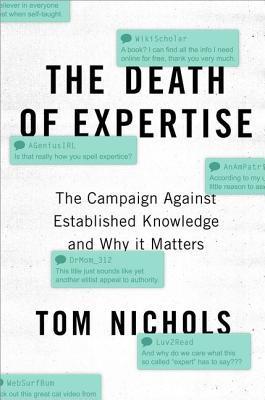 @kineticdiplomacy@infosec.exchange
#BookReview #Books #Reading #ReferenceWorks #Academic #Nonfiction #Psychology
 @kineticdiplomacy@infosec.exchange @kineticdiplomacy@infosec.exchange
Yes, the Netherlands had its own CIA. Spies and everything. But with about 1% of the necessary budget, and you get a typically Dutch version of it. Always underfunded, more lucky than competent, the IDB was never going to be a great success. This book gives a fascinating insight into the service, it's reason for being and ultimate demise.
⭐⭐⭐⭐
#BookReview #Books #Reading #Nonfiction #History #TheNetherlands #20thCentury #Espionage
 @kineticdiplomacy@infosec.exchange
#BookReview #Books #Reading #Nonfiction #Politics #History #EconomicHistory #BusinessEconomics #Sociology