@Techmeme@techhub.social
2026-10-23 00:31:12
An interview with Ondřej Surý, a volunteer who maintains PHP and automates its patches, about his role in fixing two critical PHP security vulnerabilities (Charlie Warzel/The Atlantic)
h…

 @georgiamuseum@glammr.us
2026-10-21 15:19:31
The Catholic Church often commissioned artworks depicting saints, angels and sacred stories. In the sixteenth century, there was a movement to start showing religious images in more relatable fashion, with the hope that people would identify themselves more with these figures. Damiano said the church hoped this effect would “elicit more piety, more devotion, by seeing this happen by example.”
10/
 @gideonstar@mastodon.gideonstar.de
2026-10-21 21:49:46
Nachdem Webtrees, Roundcube, Matomo und Alpine dann doch noch relativ zeitnah gepatcht haben, kann ich jetzt beruhigt das Terminal zumachen und schlafengehen!
 @jonippolito@digipres.club
2026-08-18 13:52:36
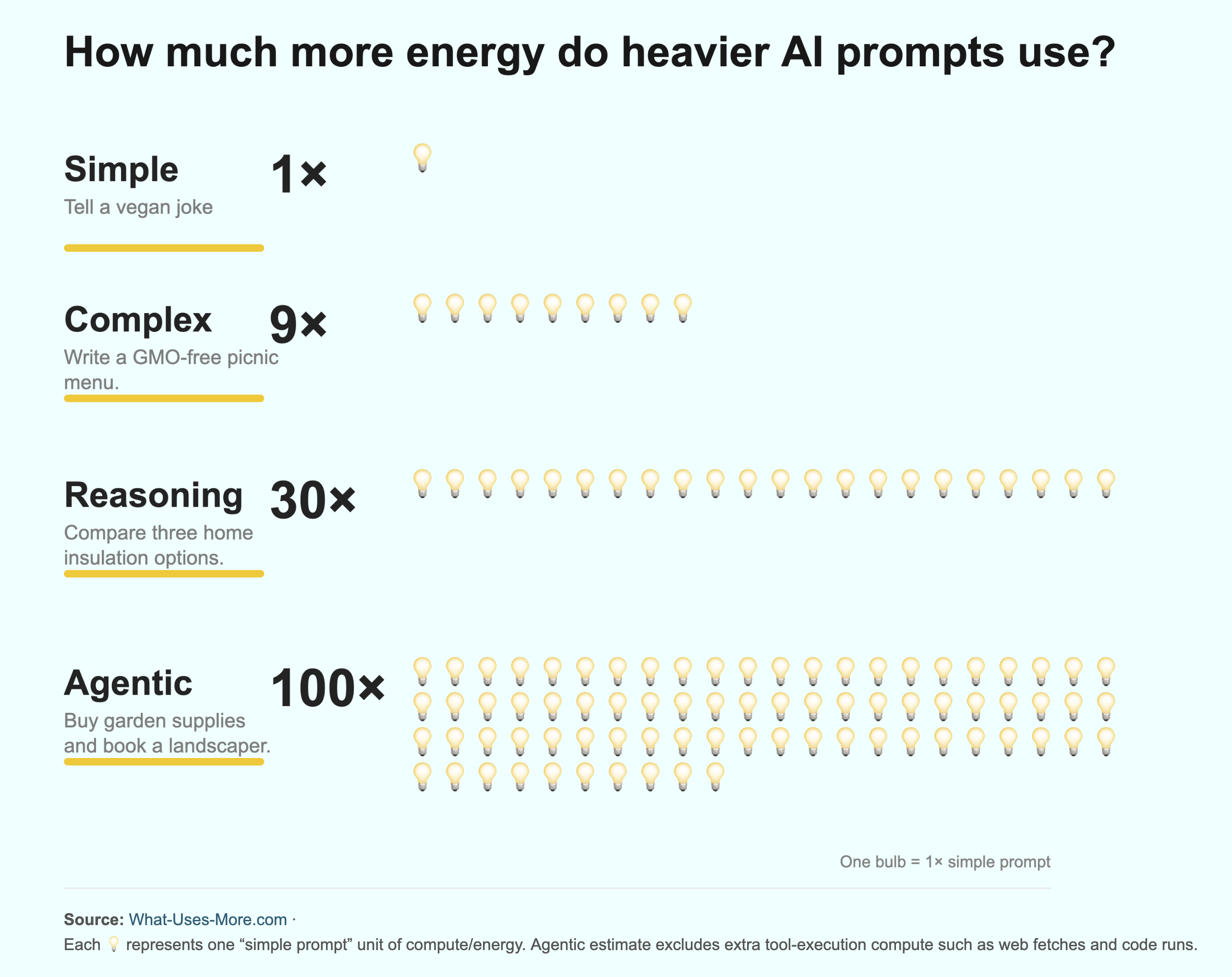
Generative AI’s per-query footprint can be small compared to flying, eating meat, or even Zoom. Until agents show up and compute goes through the roof.
How I updated my AI footprint calculator accordingly https://jonippolito.substack.com/p/agents-are-where-ais-energy-bil…
 @carl@heath.social
2026-10-03 19:35:10
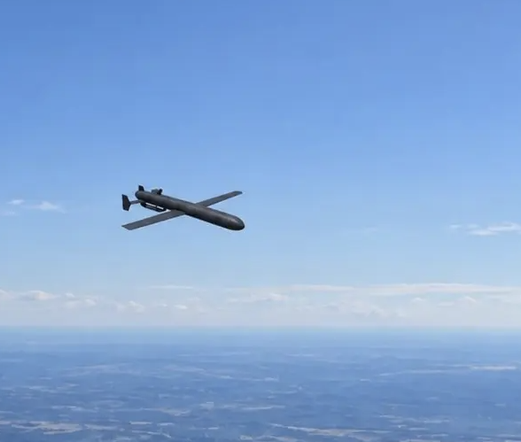
Eric Schmidt gissade tio procent. Ryssland gjorde mer än hälften av sina drönare till jetdrönare. Den som lär sig snabbast vinner, och det är en ledningsfråga. I min senaste text skriver jag om Ukraina, om utveckling, AI och inte minst om rådighet.
https://carlheath.se/…
 @heronheart@vivaldi.social
2026-10-01 16:41:34
The Mice are Probing the Houses Defenses
I awoke in the middle of the night to the sound of the cat thundering accross the floor. I assumed he had a case of the zoomies. Next morning I found a dead mouse in front of the bedroom door. "Good Kitty". "Mighty Hunter". Tossed the corpse outside as a warning to all it's relatives. It usually works better if I can get the mouse away from the cat while the mouse is still alive to tell all it's friends and relatives …
 @cosmos4u@scicomm.xyz
2026-10-21 16:38:57
Disk Truncation Triggers Relativistic Jet Launching of a Highly Accreting Supermassive #BlackHole: https://iopscience.iop.org/article/10.3847/2041-8213/aeaa2c -> What Drives the Jets Fired from Hungry Supermassive Black Holes? https://www.tohoku.ac.jp/en/press/what_drives_the_jets_fired_from_hungry_supermassive_black_holes.html
 @xiffy@mastodon.nl
2026-10-18 17:37:18

 @rainerzufall_le@mastodon.social
2026-10-13 12:48:37
Kennt ihr diesen völlig austauschbaren Souvenierramsch, der gefühlt überall für relativ viel Geld verkauft wird mit austauschbaren Stadt- und Ländernamen? Heute hab ich solchen Ramsch mit "KI"-Motiven entdeckt. Total folgerichtig
@cosmos4u@scicomm.xyz2026-10-19 17:08:13
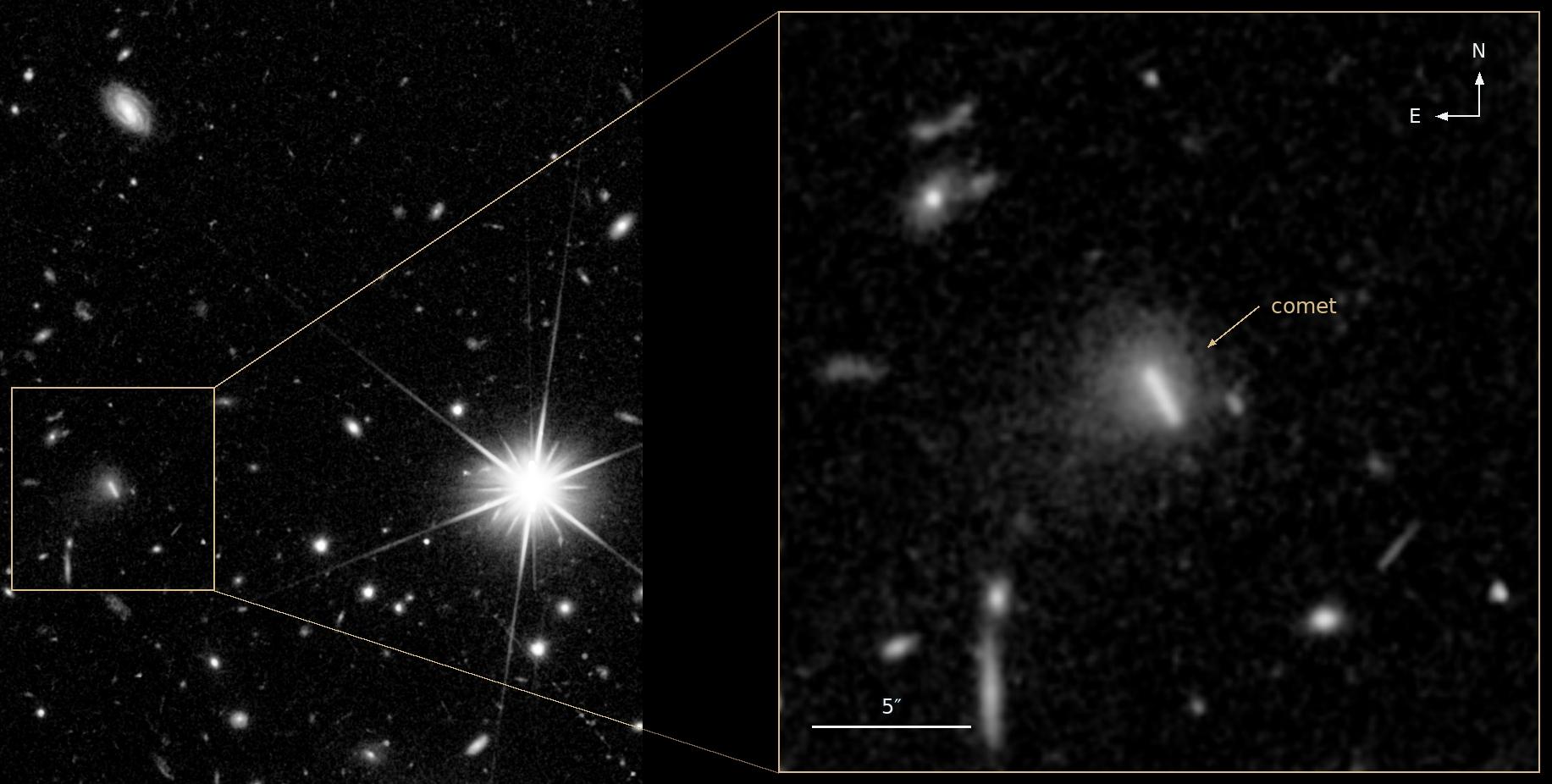
The European Space Agency’s #Euclid space telescope has discovered its first previously unknown #comet, in images taken between 16 and 24 September 2026: #CometInterceptor mission.