2026-06-19 10:15:11
Keine #Starlink-#Antennen in #Leuk! 🛰️🚫
Stoppen wir den Bau der 40 geplanten Starlink-Antennen in Leuk! Die digitale #Infrastruktur
Great photos from the Rest of World's 2026 Photo Contest! Of course given that I've been monitoring Low Earth Orbit ( #LEO) solutions for #InternetAccess, I was intrigued that the winning photo showed the contrast between a train of
What the company had to say - #Starlink satellite incident: "On Sunday, March 29, Starlink satellite 34343 experienced an anomaly on-orbit, resulting in loss of communications with the satellite at ~560 km above Earth.
Latest analysis shows the event poses no new risk to the @Space_Station, its crew, or to the upcoming launch of NASA’s Artemis II mission. We will continue to monitor the satellite along with any trackable debris and coordinate with @NASA and the @USSpaceForce.
The event also posed no new risk to this morning’s Transporter-16 mission, which was designed to avoid Starlink with payload deploys well above or well below the constellation. The SpaceX and Starlink teams are actively working to determine root cause and will rapidly implement any necessary corrective actions."
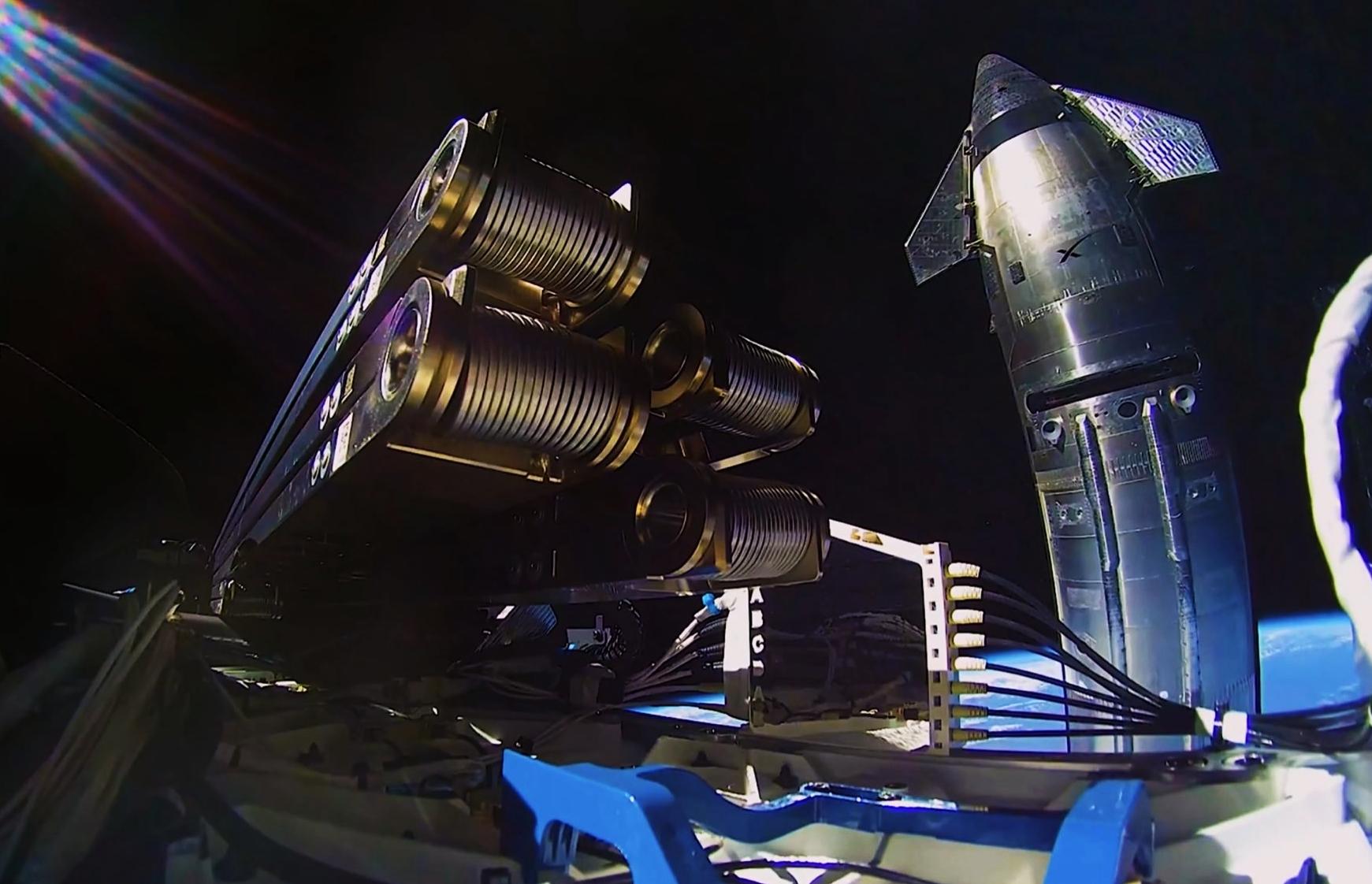
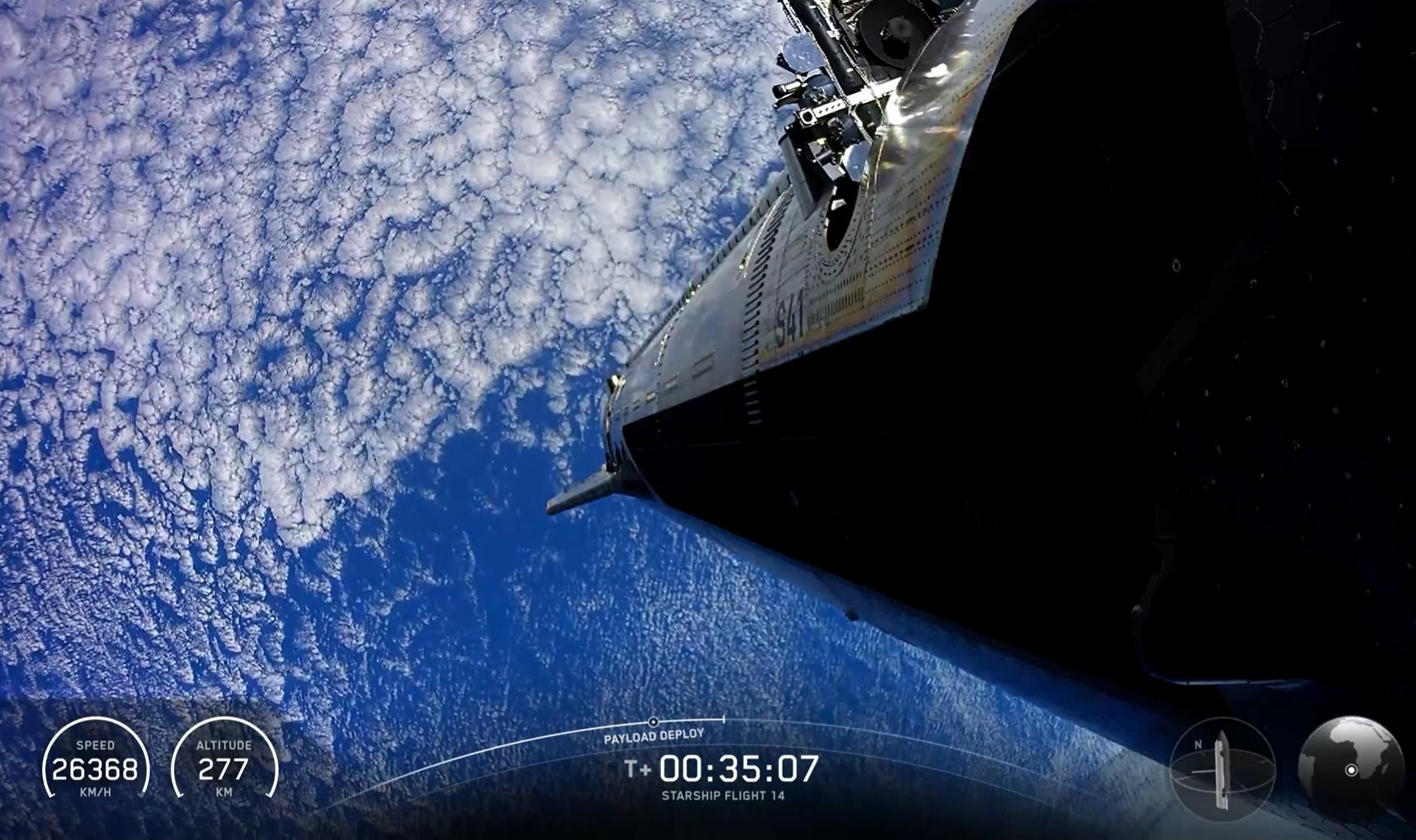
First-sat views from #Starlink launch G10-38 on May 1, deployed from SpaceX's Falcon rocket: https://www.youtube.com/watch?v=LFTa-Or7nj4 <- https://x.com/michaelnicollsx/status/2051498745251201193 - watch as the Starlink sats cruise over an entire orbit, through sunrise and sunset, and slowly separate from each as they complete their post-launch deployment sequence before beginning orbit raise.
While there was no #Starship launch the #SpaceX webcast contained two unexpected segments, one about a vague plan of a space tourist flight - #Starlink Stargaze system described in https://starlink.com/updates/stargaze and https://breakingdefense.com/2026/01/spacex-unveils-stargaze-space-tracking-system/ and https://smallsatnews.com/2026/02/18/spacex-unveils-stargaze-system-to-revolutionize-space-traffic-management/: apparently there are numerous unlisted satellites in LEO which come so close to the Starlinks that cameras on the latter see them as bright objects. How could those objects have been missed by all space surveillance from the ground?
A #Starlink satellite has exploded, kind of: according to https://nitter.net/LeoLabs_Space/status/2038680177408880719 a radar network has "detected tens of objects in the vicinity of the satellite after the event, with a first pass over our radar site in the Azores, Portugal. Additional fragments may have been produced — analysis is ongoing. We've characterized this event as likely caused by an internal energetic source rather than a collision with space debris or another object. Due to the low altitude of the event, fragments from this anomaly will likely de-orbit within a few weeks".