 @lightweight@mastodon.nzoss.nz
2026-10-20 01:51:24
This seems like quite a dumb move. https://www.rnz.co.nz/news/politics/2037318/new-zealand-signs-1-point-6-billion-deal-to-buy-five-navy-helicopters-and-weapons
 @bourgwick@heads.social
2026-08-20 13:36:05
as someone who has worn knockoff raybans for decades, yet another sincere 'n' hearty "fuck you, creepizoids" to meta. https://wandering.shop/@susankayequinn/117123975744986279
 @Mediagazer@mstdn.social
2026-09-20 15:30:28
Gov. Gavin Newsom signs a postproduction tax incentive into law, rewarding productions that locate scoring, editing, or other post work in California (Katie Kilkenny/The Hollywood Reporter)
https://www.hollywoodreporter.com/business
 @cdarwin@c.im
2026-09-19 21:27:19
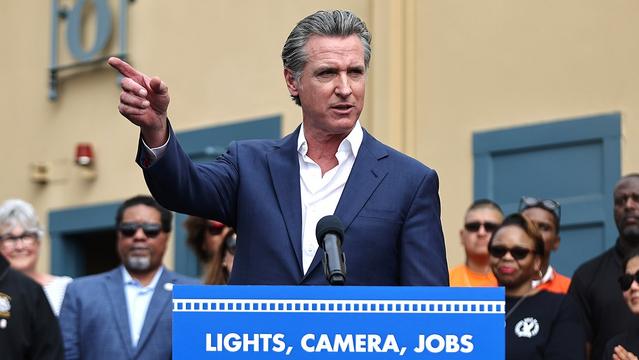
Newsom signs bills to shield California elections from Trump interference, and increase transparency
Gov. Gavin Newsom signed a sweeping package of election-security bills Saturday,
vowing California will block any attempts by Donald Trump and law enforcement allies to meddle with November’s vote.
New laws make it a felony to seize ballots or voting machines,
restrict police activity near polling places,
and expand early ballot drop-off locations and multilingua…

 @raiders@darktundra.xyz
2026-08-19 12:35:41
Raiders showing signs that prove Ashton Jeanty breakout potential https://raiderswire.usatoday.com/story/sports/nfl/raiders/2026/08/19/raiders-showing-signs-that-prove-ashton-jeanty-breakout-potenti…
 @cowboys@darktundra.xyz
2026-10-20 16:36:37
Former Cowboys 2026 Training Camp Reject Signs With Falcons: Report https://heavy.com/sports/nfl/dallas-cowboys/charles-snowden-signs-with-falcons-report/
 @markhburton@mstdn.social
2026-10-19 06:52:09
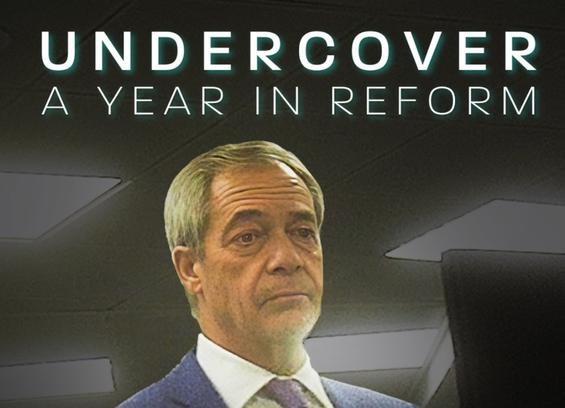
'In one of the most damaging sequences, Reform’s director of communications describes mayoral candidate Chris Parry as “clearly a racist” and says he should be removed. Yet when Farage becomes involved, Parry remains and is instead told to apologise.
'The communications director then tells Farage directly:
'“You’re protecting him.”'
Inside Reform: the most shocking findings from ITV’s 90-minute undercover investigation
 @cowboys@darktundra.xyz
2026-10-19 21:56:27
Ex-Dallas Cowboys 1st-Round Draft Bust Signs With Packers https://heavy.com/sports/nfl/dallas-cowboys/first-round-mazi-smith-signs-packers/
@cowboys@darktundra.xyz2026-08-20 15:39:32
@cowboys@darktundra.xyz2026-08-20 15:08:06