@thomasfuchs@hachyderm.io
2026-04-07 03:02:09
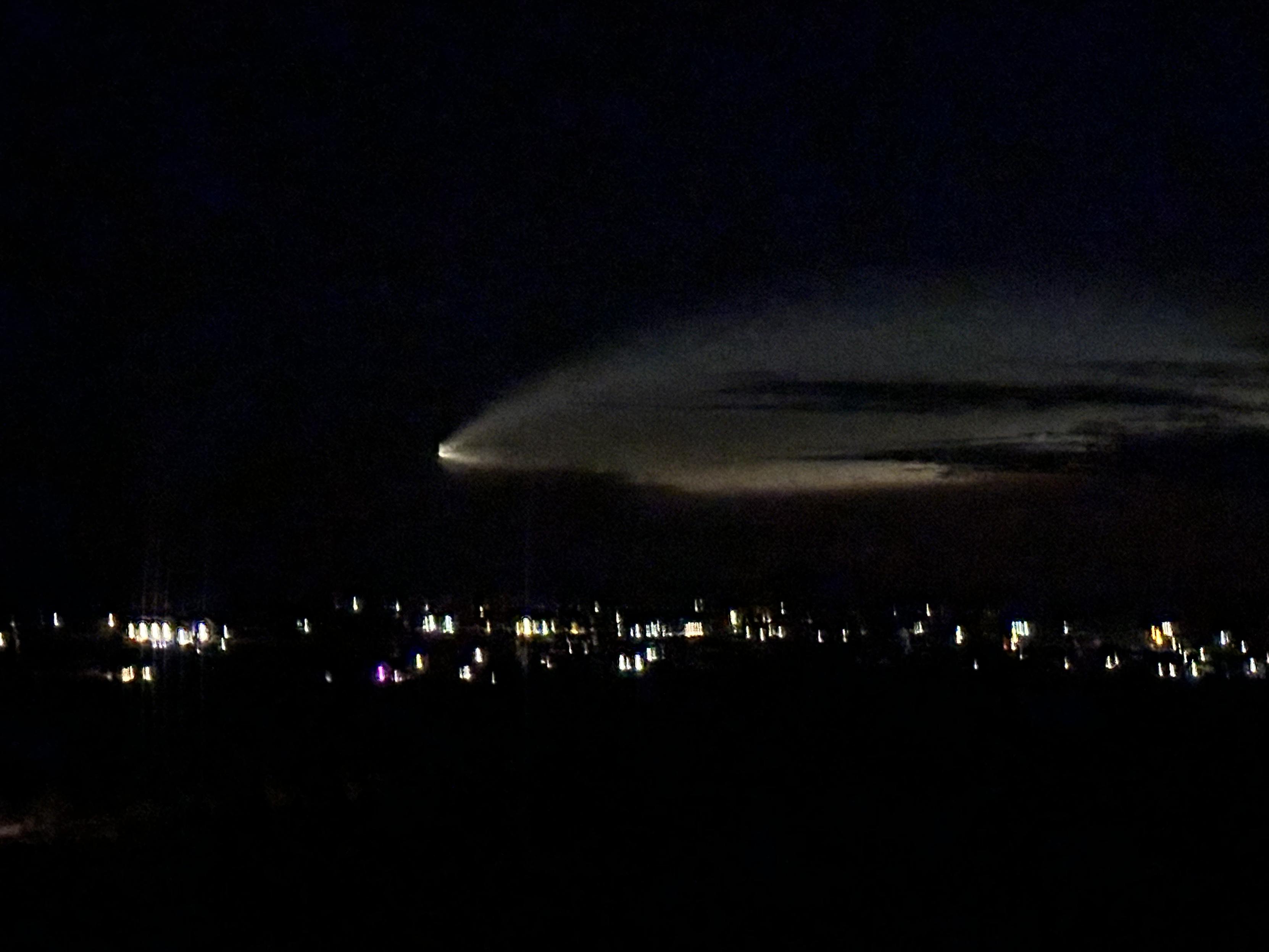
Just saw Vandenberg rocket launch from our house in Arizona
Looks cool, I wish it wasn’t that Starlink space junk
 @cdarwin@c.im
2026-01-31 07:37:00
The rolling grasslands and rocky beaches of
"Vandenberg Space Force Base",
— home to more than a dozen at-risk species,
easily could pass for a peaceful nature preserve
— but that's an illusion.
The nearly 100,000-acre base was a testing ground in the 1960s for early-generation ballistic missiles,
and today it's a launch site for satellites, classified missions and other payloads key to a new type of war: one fought far above the Earth.
 @cosmos4u@scicomm.xyz
2026-02-10 03:55:37
NASA’s #Arcstone instrument, designed to improve the accuracy of lunar calibration, successfully completed its technology demonstration, and now begins extended operations: https://www.nasa.gov/blogs/smallsatellites/2026/01/28/nasas-arcstone-instrument-successfully-completes-primary-mission/ - Arcstone launched on June 23 on a SpaceX Transporter-14 from Vandenberg Space Force Base in California, on a six-month mission to measure light reflected by the Moon, which is a stable and potentially highly-accurate calibration source, for satellite sensors
@cosmos4u@scicomm.xyz2026-01-11 03:26:04
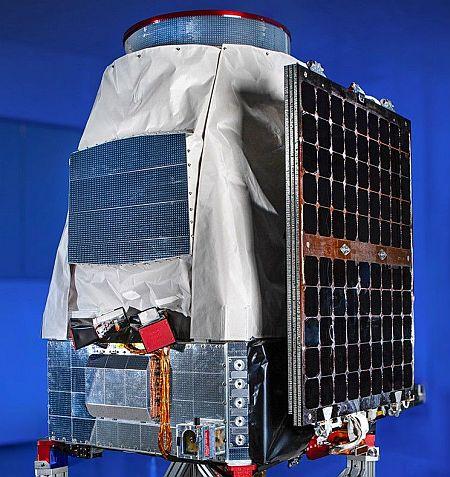
A small #SpaceTelescope and two really small ones should launch 10 hours from now from Vandenberg, including the #exoplanet observer #Pandora: see https://skyweek.wordpress.com/2026/01/05/allgemeines-live-blog-ab-dem-5-januar-2026/#Jan09 for many links including papers describing the three satellites and https://spaceflightnow.com/2026/01/10/live-coverage-spacex-to-launch-1st-twilight-rideshare-mission/ and https://www.space.com/space-exploration/launches-spacecraft/watch-spacex-launch-nasas-pandora-exoplanet-studying-satellite-on-jan-11 for more and some of the three dozen other payloads, too.