@yetiinabox@todon.nl
2026-07-21 15:07:53
#Entomology
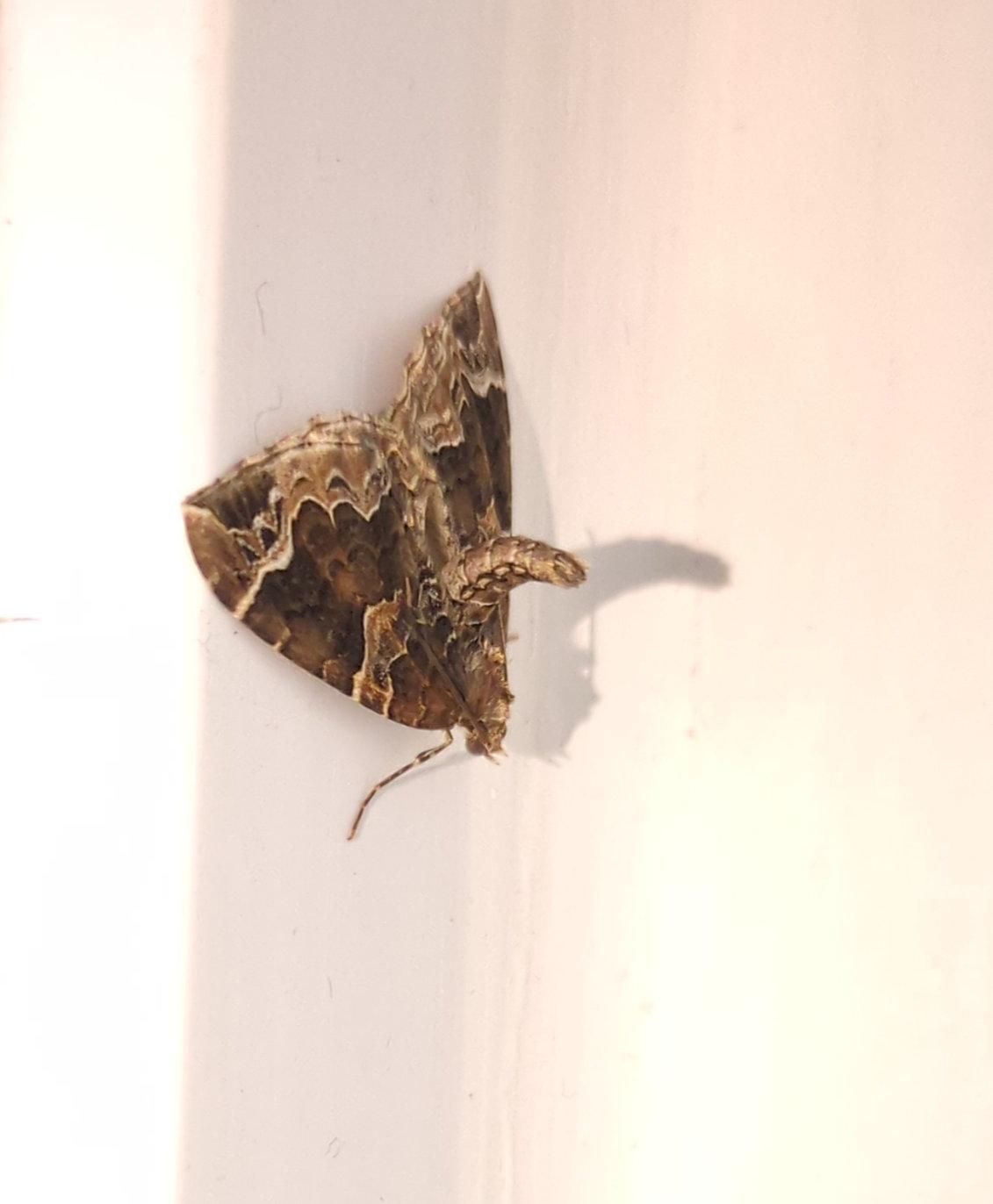
Fedimind: what has happened to this moth? Its abdomen is flexed sharply up so that it protrudes from beneath the wings and over the thorax; it has been motionless like this for many hours. We do not use any poisons in our house. I'm guessing it's a Silver Y moth?
 @aardrian@toot.cafe
2026-09-20 19:27:15
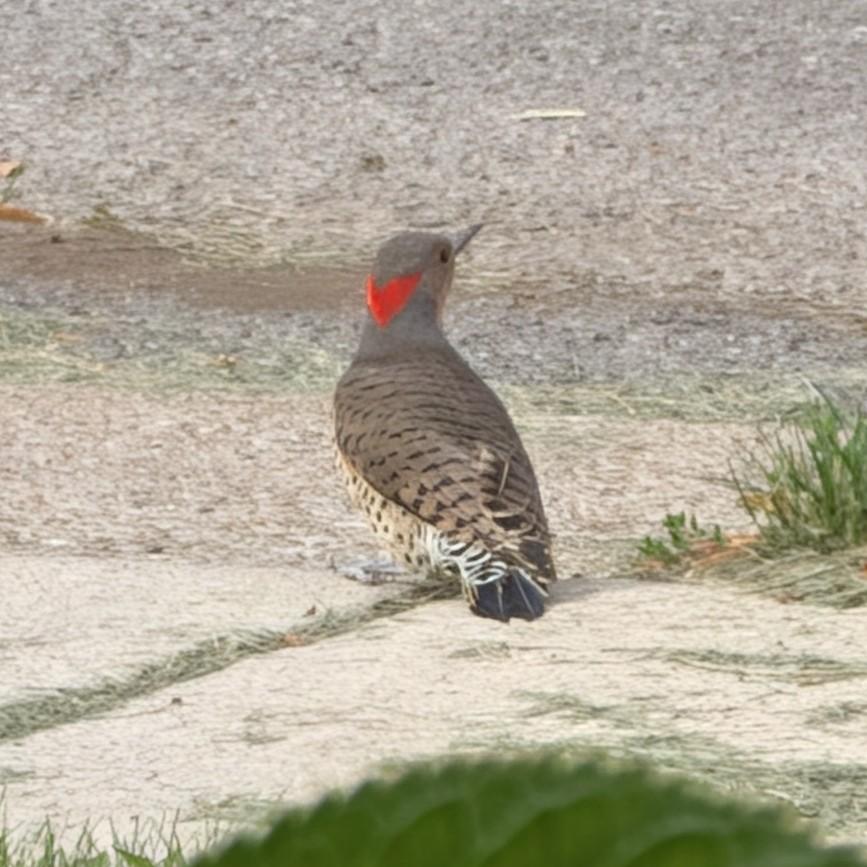
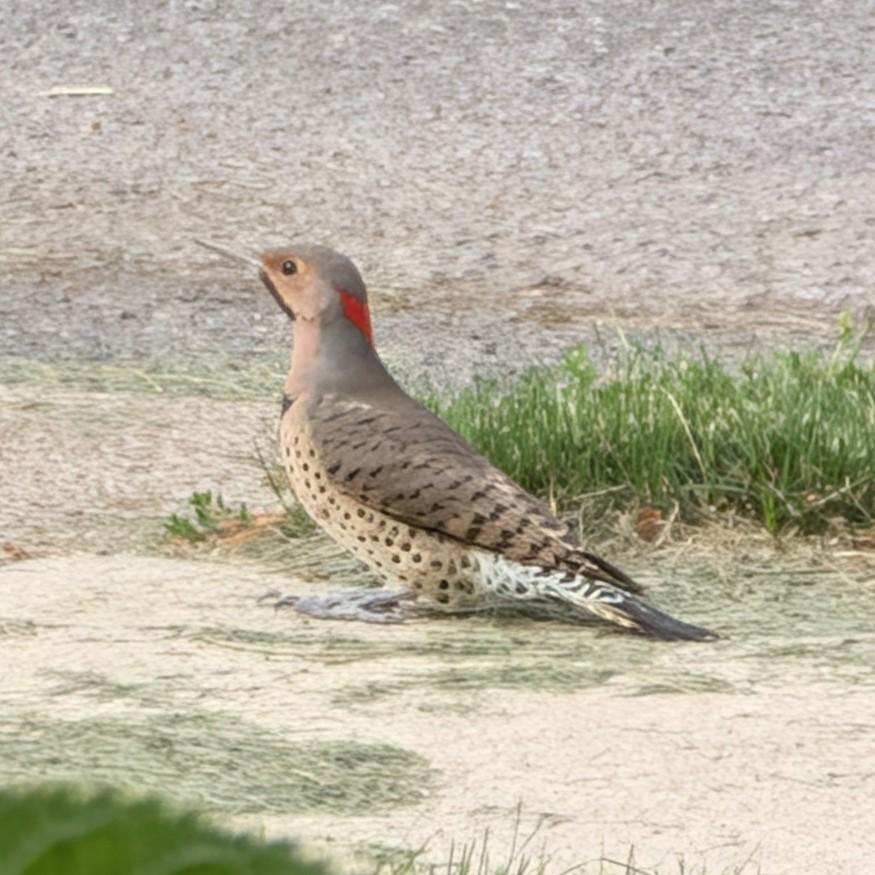
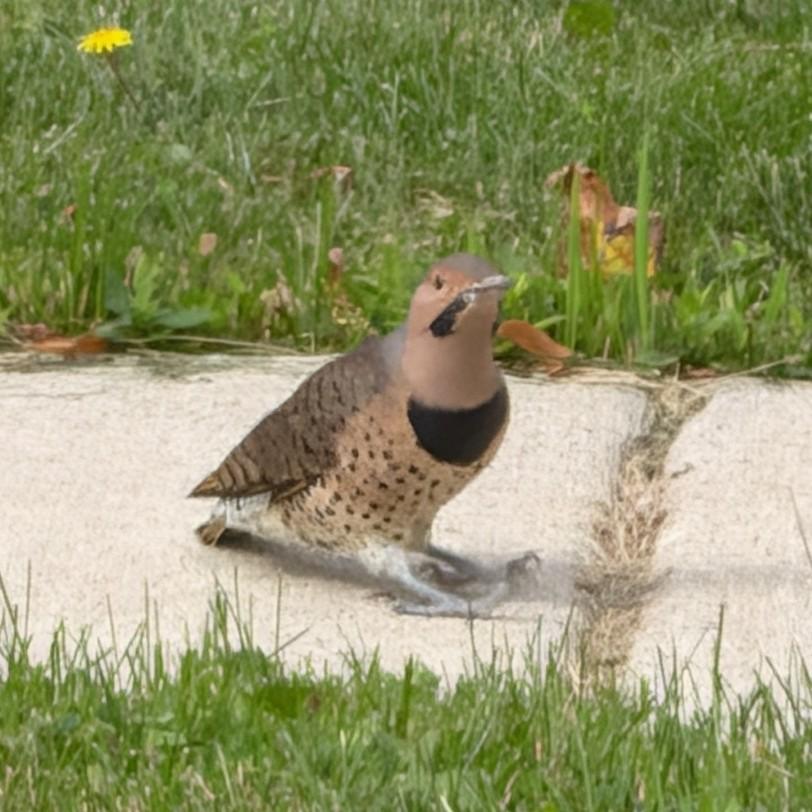
So exactly a week after reading about the Northern Flicker at the Roger Tory Peterson Institute (https://rtpi.org/trails-hemlock-forests/), one joined me at my house.
This one was a male (I think), yellow-shafted.
More info:
 @jorgecandeias@mastodon.social
2026-08-12 18:37:56
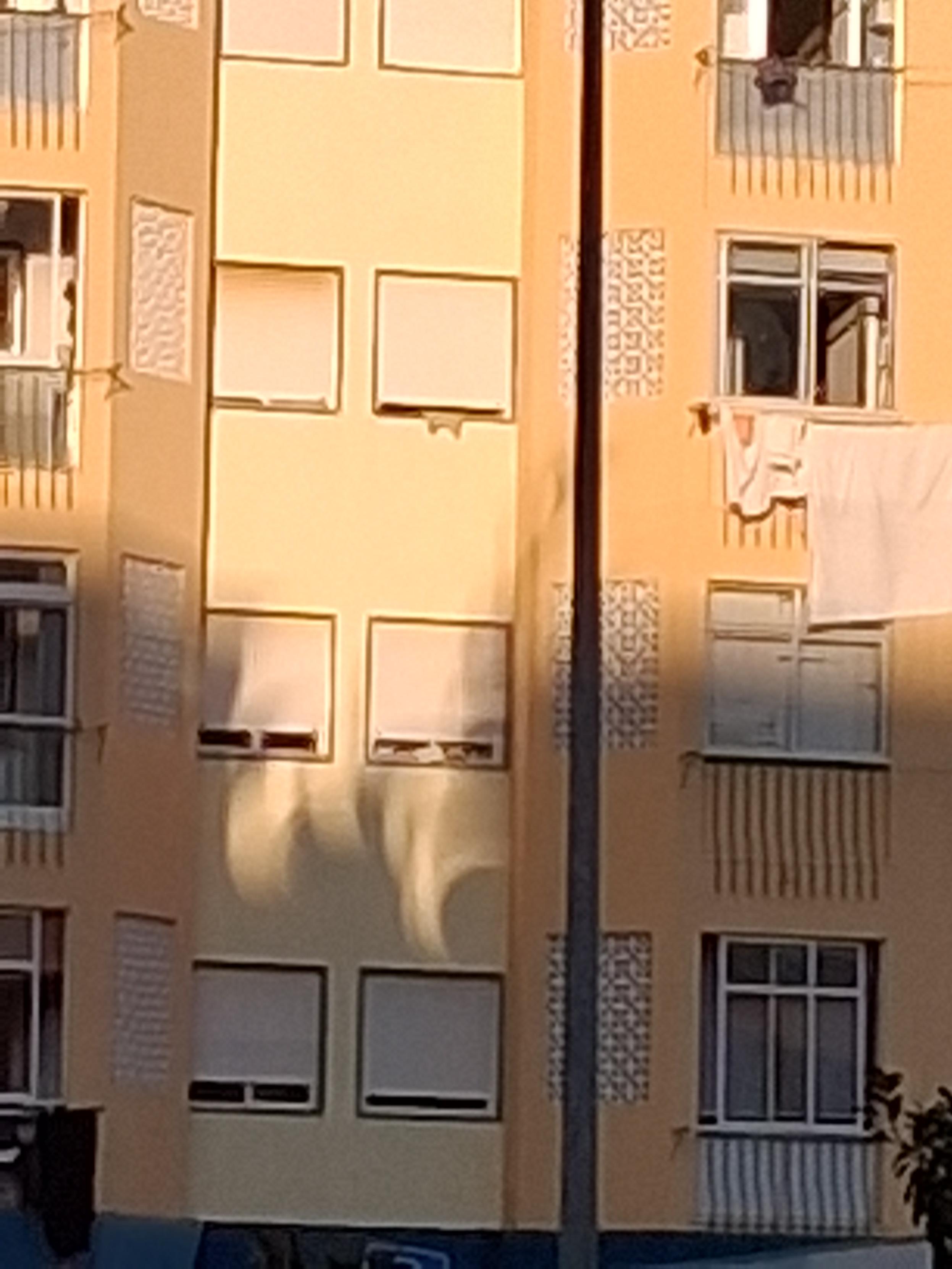
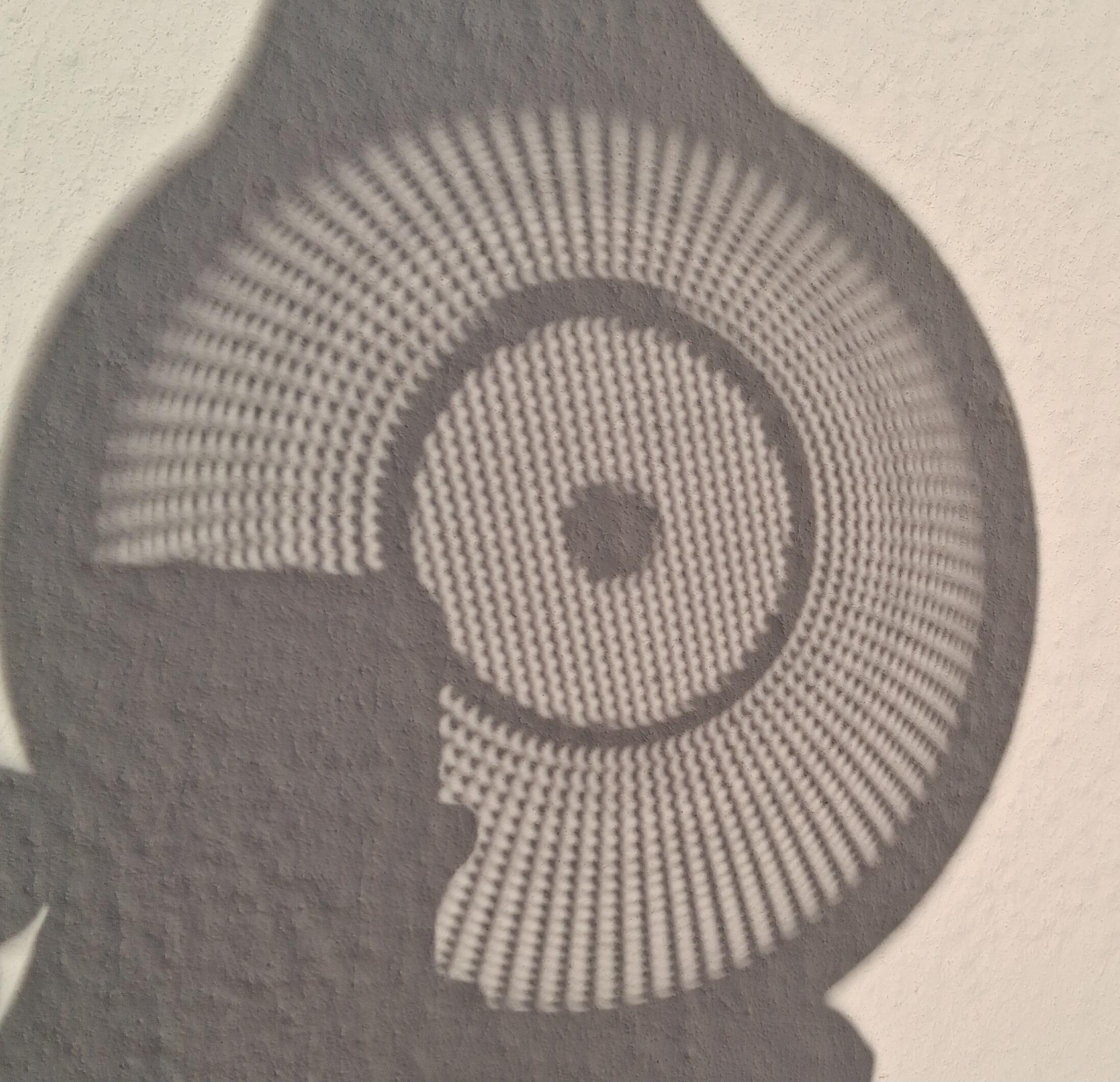
Sombras em crescente. O que fiz com o escorredor, aqui em ponto grande (não sei ao certo o que estš a causar estas sombras).
#eclipse
 @cosmos4u@scicomm.xyz
2026-08-22 23:57:59
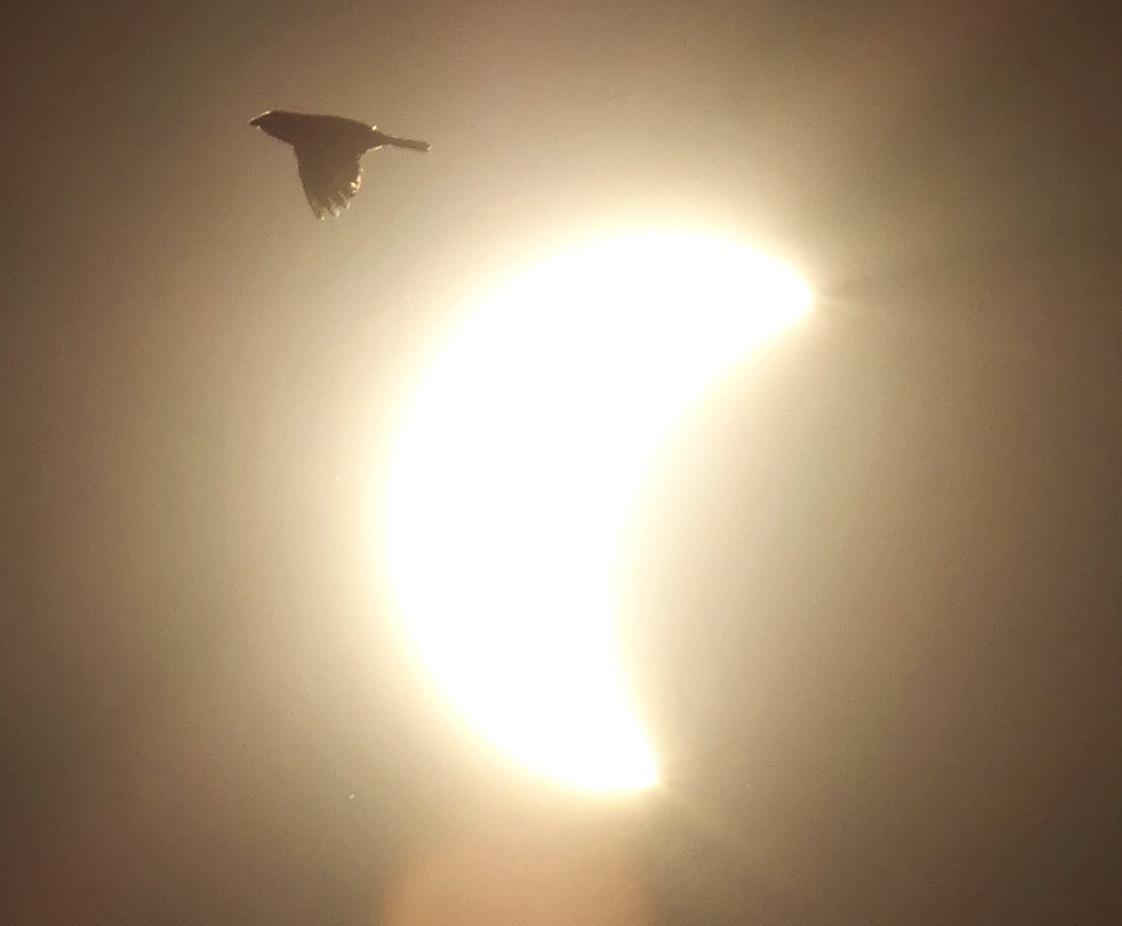
And finally here is a most unexpected picture I just found looking through my #SolarEclipse images from Sahagún, Spain, taken experimentally before totality w/o a filter, for the first time in detail: a bird next to the solar crescent, caught in flight with 1/16,000 second at f/8 and ISO 200 - which the autofocus thankfully found more interesting than the astronomical event in the background ...
 @theodric@social.linux.pizza
2026-08-12 18:24:40
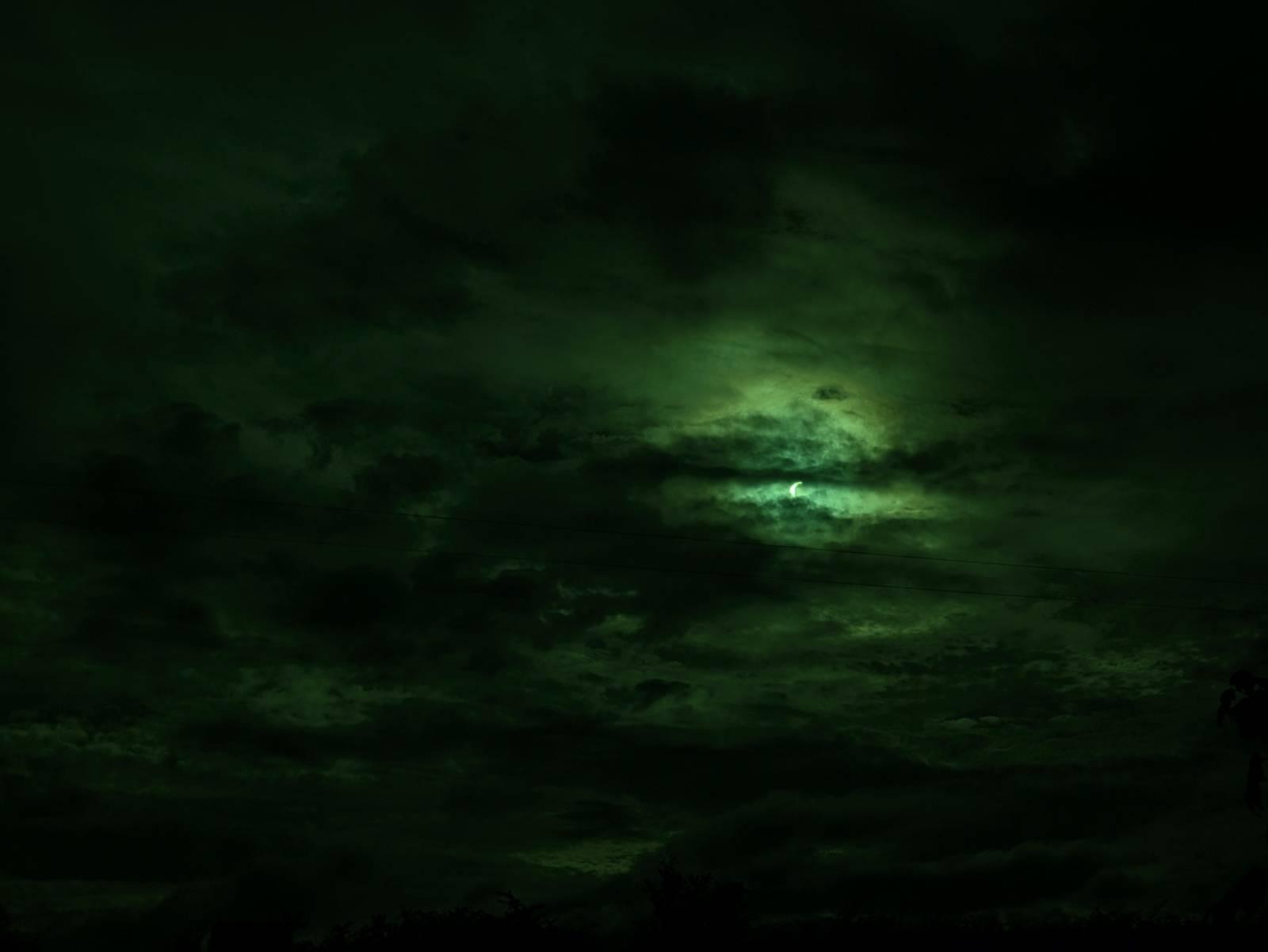
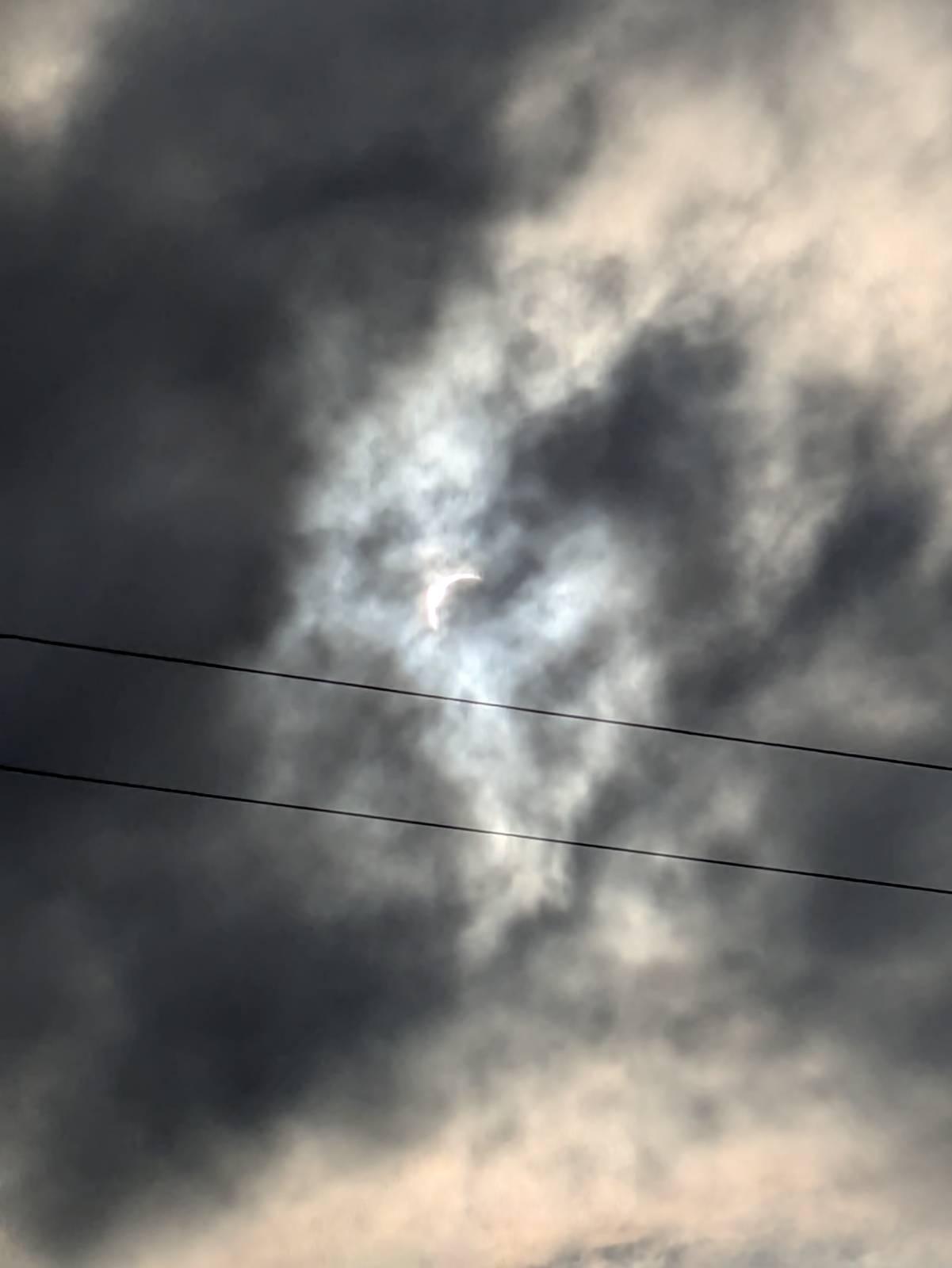
Despite the clouds and the oh-so-helpful automatic exposure continually resetting its zero point until I was unable to cut enough light to meaningfully capture the occlusion in quantity, I got these two shots. I really need a dSLR that does as it's told!
 @jorgecandeias@mastodon.social
2026-08-12 18:25:34
Onde se prova que estš mesmo a ocorrer um #eclipse. Os buraquinhos deviam aparecer quadrados, não em crescente.
 @smashtie@mas.to
2026-08-12 19:01:49


 @cosmos4u@scicomm.xyz
2026-08-23 21:38:19
Still going through numerous recorded webcasts and TV broadcasts of the ecent Total #SolarEclipse on YouTube - and finding to my surprise that many of the experienced groups or large TV channels blew it right at second contact which is arguably the most important moment for the audience: image out of focus, solar crescent just leaving the FOV, using an H-alpha telescope only which is counter-productive for total eclipses etc. From what I've seen so far the clear winner remains the feed from Iceland of all places, mentioned earlier in the thread, and in https://www.facebook.com/groups/SolarEclipseChasers/posts/28259718680290370/ I mention four other interesting cases - and ask for links to other winners. Know any?
 @bourgwick@heads.social
2026-06-30 14:16:57