2026-02-17 12:13:01
I Ran a 5.25” Floppy Disk With NO Case in an IBM XT Drive. - YouTube
#floppy_Disk

Well, I had the dip switches set incorrectly and it was trying to test memory that didn't exist. Fixed that and the floppy drives seem to work as well...
I'm also impressed that the Dell System 200 DOS 3.3 Master disk (circa 1987) is still working.
#retrocomputing
#IBM5150
💾💽💿📀 Important PSA 💾💽💿📀
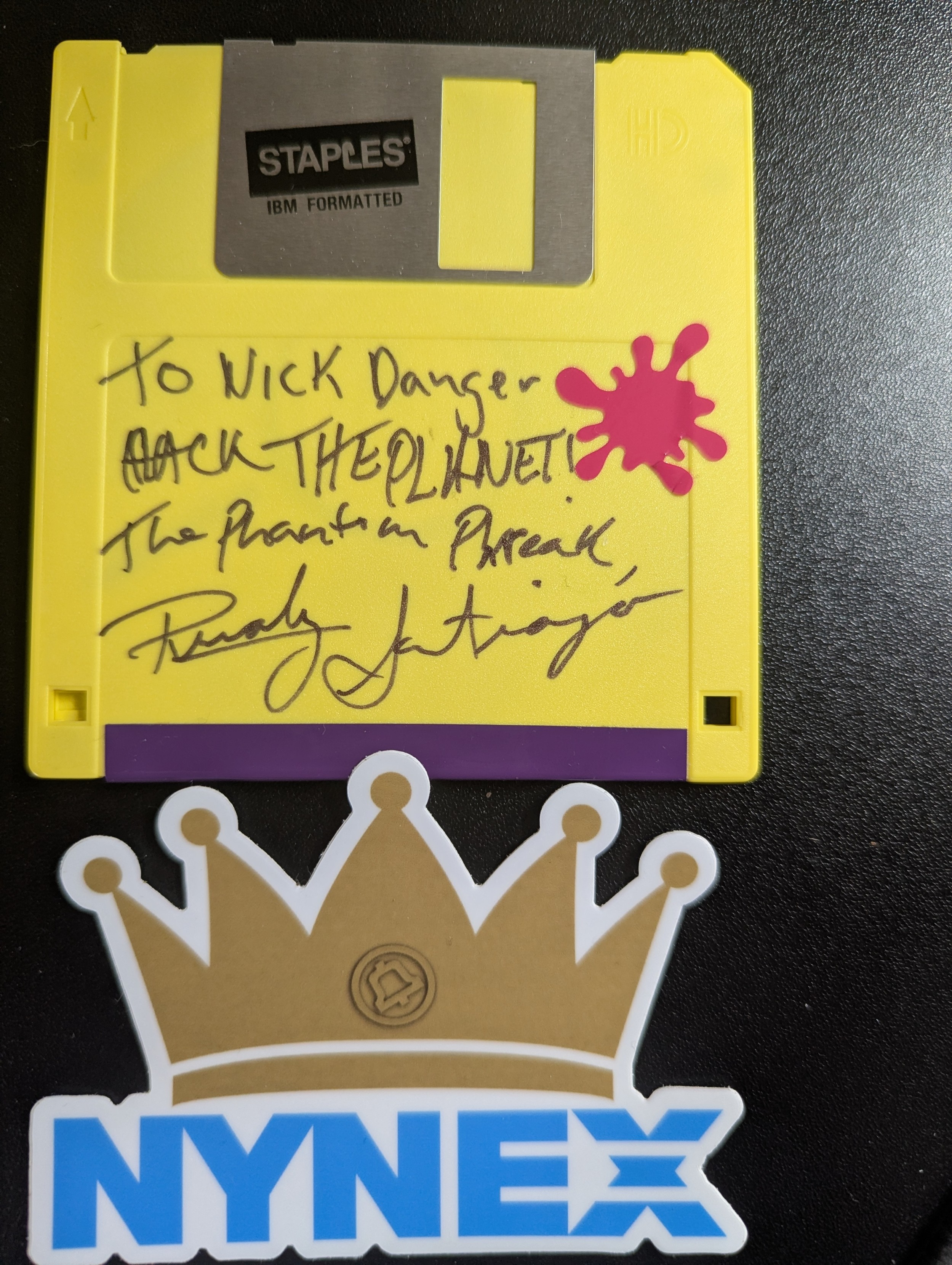
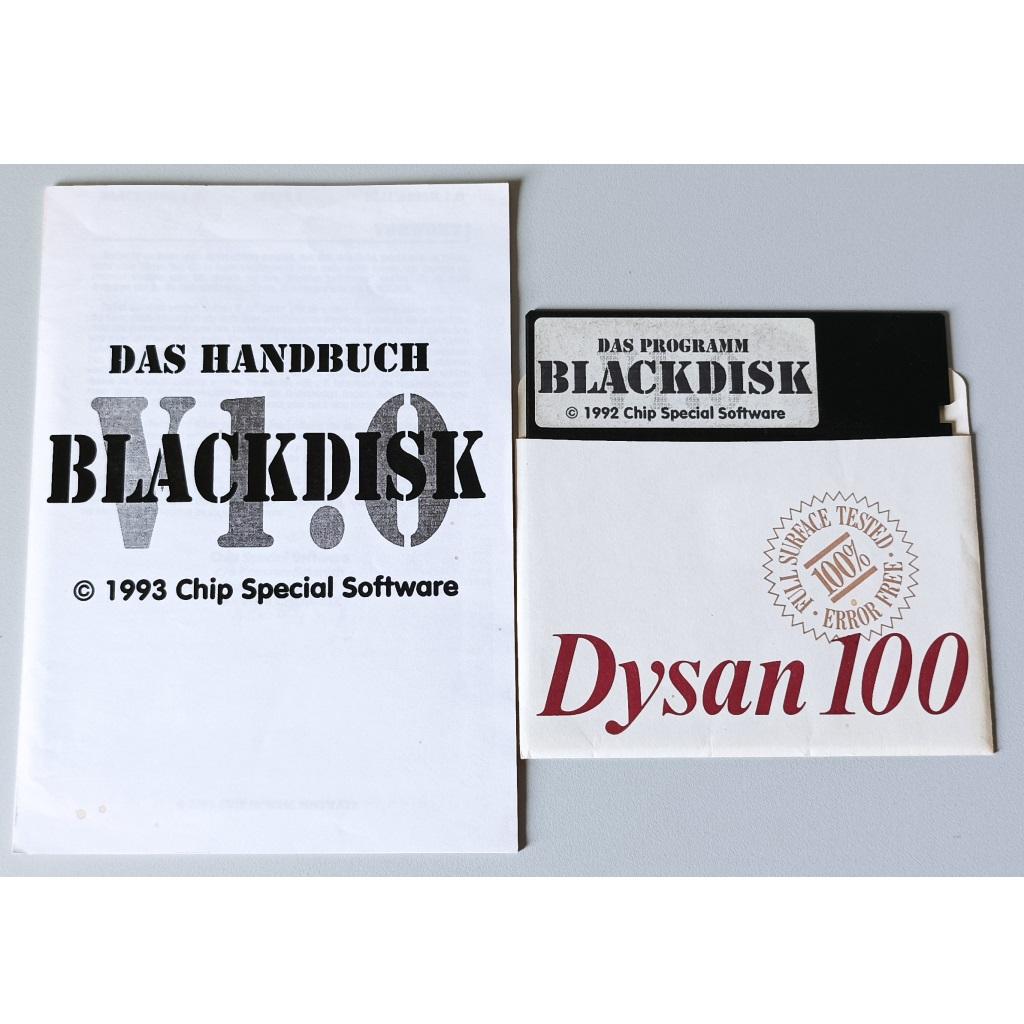
"Floppy disk" (with a "k")
A single thin and flexible plastic disk coated with a magnetic medium, inside a plastic shell. Yes, all variants are floppy disks, including 3.5", 5.25", 8" and some rarer variants. Removable.
"Hard disk" (with a "k")
One or more hard platters [usually made from metal or glass], coated with a magnetic medium, inside a rigid, air-tight shell. Usually not removable.
"Optical disc" (with a "c")
A single rigid plastic multi-layered disc with one or more metal layers that contain data. Most don't have a shell, though some variants do. Removable.
The disk/disc distinction is by convention.
from my link log —
Floppy disk history: The evolution of personal computing.
https://www.hpe.com/us/en/insights/articles/the-history-of-the-floppy-disk-1703.html
saved 2019-10-10
And no, "floppy disk" is not short for "floppy diskette".
Same as "hard disk" isn't short for "hard diskette".
FasTrak, California's toll system, lets you change your email address without verifying it. However they do not let you update your account without a 10 digit fax number. You also have the option of ordering quarterly bill reports "on disk". One ones if they mean compact or floppy.
"Diskette" refers to the complete medium, aka the floppy disk inside the shell.
It's using a dimuitive because when IBM introduced 8" diskettes in the 1970s they were substantially smaller than hard disks at the time. (Note that hard disks back then often were removable and semi-portable, often 14" in size).
Anyway, obviously floppy disk refers to the floppy disk that stores data, just as thumb drive refers to…
wait a minute
https://hachyderm.io/@thomasfuchs/115602153224142336
In summary, if you want great audio quality use:
- Vinyl records
- CDs
- Well-recorded cassettes
- Super Audio CDs
- Audio DVD and Blu-ray
- Lossless digital files
- Lossless streaming
- DAT
- DCC
- Minidisc (some variants)
- high bitrate compressed audio files
- MIDI files on floppy disk
- hire a live band
RE: https://hachyderm.io/@thomasfuchs/115604873348659045
Maybe you think all of this is irrelevant now, who gives a fuck about a media format more than 50 years old?
Well, fun fact, the design of SD cards is referencing the design of floppy disks, and were specifically made thin enough to be used in floppy adapters (see https://en.wikipedia.org/wiki/FlashPath).
Yes, they made an adapter to stick your SD card in and read and write it in a standard floppy disk drive; though you would need to install special software to use it (ironically that software probably came on a CD).
Why would they do such a thing? Because there was no (widespread) USB.
Floppy Disk Christmas
Sony Mavica MVC-FD85 (1.3MP, 2000)
#ShittyCameraChallenge