@Techmeme@techhub.social
2026-09-21 15:55:51
SpaceXAI releases Grok 4.7, which it says is better at verifying its own work and managing longer context, available for $2/1M input and $6/1M output tokens (xAI)
https://x.ai/news/grok-4-7
 @ErikJonker@mastodon.social
2026-07-22 07:40:53

 @sncf_ligne_l@lepoulsdumonde.com
2026-07-21 12:28:34
Le trafic est fortement perturbé entre Paris Saint-Lazare et St-Nom-la-Bretèche dans les 2 sens.
Pour plus d'informations sur cette perturbation, consultez le fil X de la ligne L.
Motif : alerte de sécurité émise par le conducteur dans le secteur de Garches-Marnes-la-Coquette.
🤖 21/07 14:28
 @tinoeberl@mastodon.online
2026-09-20 06:08:01
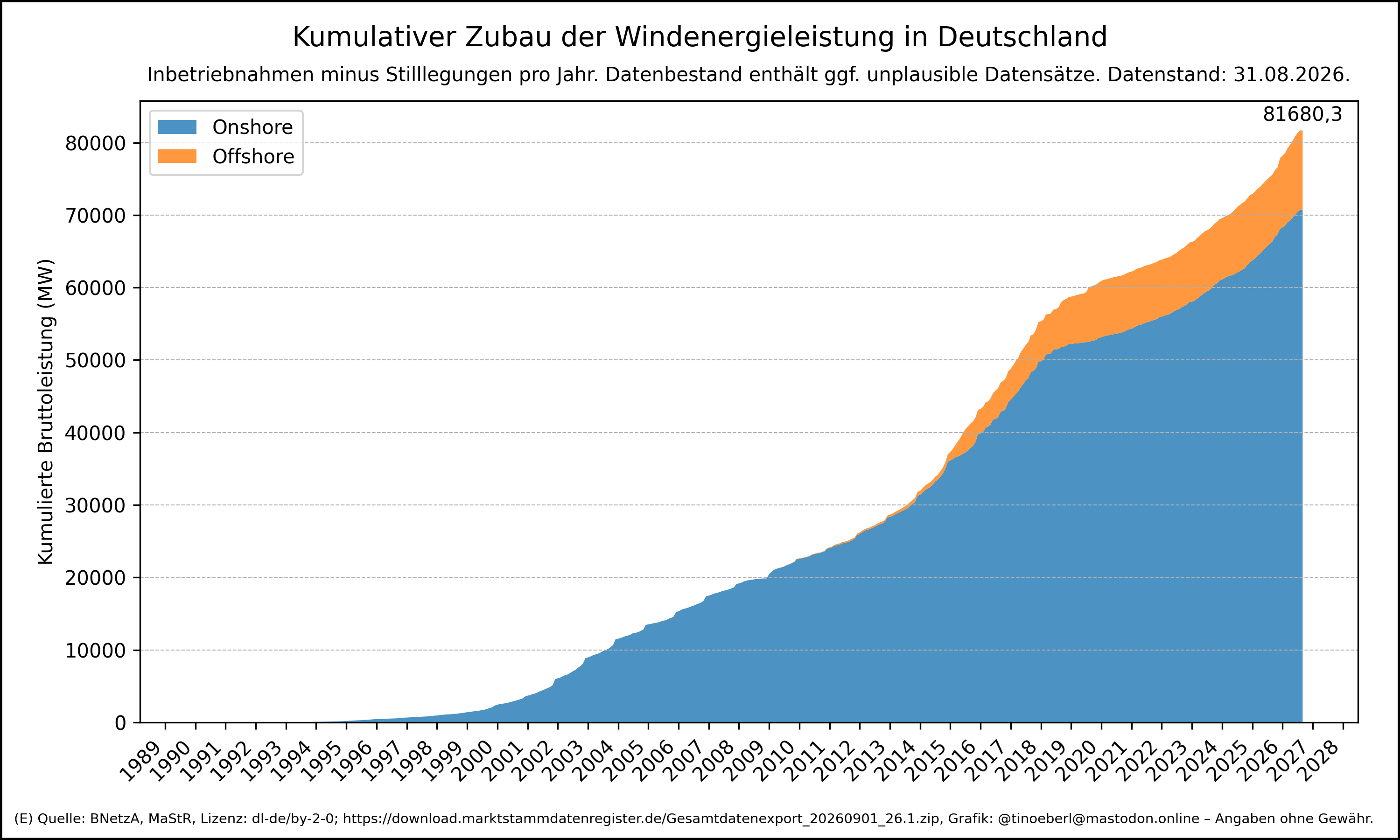
Kumulativer Zubau der #Windenergieleistung in #Deutschland mit Stand vom 31.08.2026.
Summen der Inbetriebnahmen minus Stilllegungen pro Jahr.
Der Datenbestand enthält ggf. unplausible Datensätze.
👉 Zusatzlesestoff: Warum
 @sncf_ligne_r@lepoulsdumonde.com
2026-09-20 06:41:48
Le trafic est ralenti entre Melun et Montereau dans les 2 sens.
Pour plus d'informations sur cette perturbation, consultez le fil X de la ligne R.
Motif : difficulté d'acheminement du conducteur.
🤖 20/09 08:41
 @andres4ny@social.ridetrans.it
2026-09-18 21:31:35
I feel like contextual clicks inside of apps are an anti-pattern (especially on touchscreens). I click on a toot over here, and it loads the toot. I click on the toot over there, and it loads the link to whatever article they linked to. Click in yet another spot, and it loads this profile of the person who made the toot. This is all inside a 1in x 2in rectangle. My thumb takes up half the rectangle. Like, wtf.
As laptop touchpads get worse, this is becoming a problem there too!
@Techmeme@techhub.social2026-08-14 16:12:58
Alibaba releases weights for Qwen3.8 models under Apache 2.0 license, including Qwen3.8-27B, which it says beats Qwen3.7-Plus and excels in real-world coding (@alibaba_qwen)
https://x.com/alibaba_qwen/status/2088280182356611304
 @sncf_ligne_l@lepoulsdumonde.com
2026-08-20 17:45:54
Le trafic est perturbé entre Paris Saint-Lazare et St-Nom-la-Bretèche dans les 2 sens.
Pour plus d'informations sur cette perturbation, consultez le fil X de la ligne L.
Motif : alerte de sécurité émise par le conducteur Š Louveciennes.
🤖 20/08 19:45
@Techmeme@techhub.social2026-09-13 22:40:57
Satya Nadella says "we welcome" the "deliberate pacing needed to get alignment right", and announces a "Code of Conduct" for Microsoft's MAI models (Satya Nadella/@satyanadella)
https://x.com/satyanadella/status/2099220712024408084