 @Techmeme@techhub.social
2026-01-22 15:25:41
Adobe rolls out Firefly Foundry, which creates AI-generated "commercially safe" images, video, and more grounded in a brand or franchise's creative universe (Dade Hayes/Deadline)
https://deadline.com/2026/01/adobe-firefly-foundry-ai-caa-wme-1236692649/…

 @Mediagazer@mstdn.social
2026-01-22 16:21:05
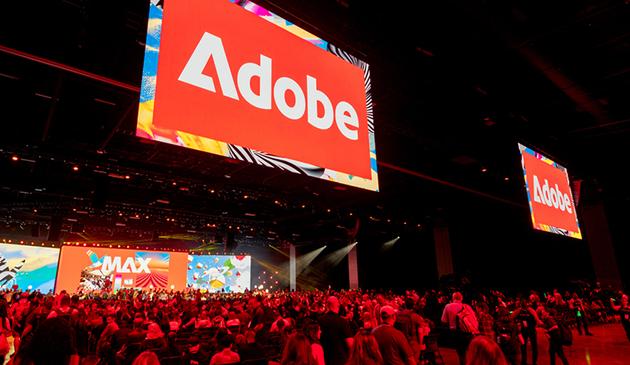
Adobe rolls out Firefly Foundry, which creates AI-generated "commercially safe" images, video, and more grounded in a brand or franchise's creative universe (Dade Hayes/Deadline)
https://deadline.com/2026/01/adobe-firefly-foundry-ai-caa-wme-1236692649/…
 @filmfacts@social.tchncs.de
2026-03-21 12:30:31
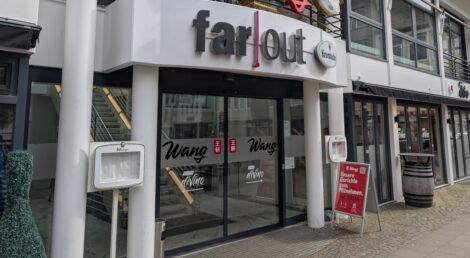
Far Out in #Bielefeld
Hachja, früher war ich jünger und abends viel öfter unterwegs :-)
https://www.andreas-edler.de/blog/2026/03/far-out/
 @Techmeme@techhub.social
2026-02-17 17:10:49
SEC filing: Liftoff withdraws its IPO filing without specifying a reason, less than two weeks after the mobile ad platform postponed plans to price its IPO (Anthony Hughes/Bloomberg)
https://www.bloomberg.com/news/articles/2026-0…
 @fgraver@hcommons.social
2026-03-14 08:33:46
 @Techmeme@techhub.social
2026-03-18 06:40:54
Founders are increasingly leasing multimillion-dollar mansions in San Francisco's wealthy neighborhoods as corporate HQs and hacker houses, amid the AI boom (The San Francisco Standard)
https://sfstandard.com/2026/03/17/move-garages-startups-now-hatc…

 @hikingdude@mastodon.social
2026-02-12 19:19:44
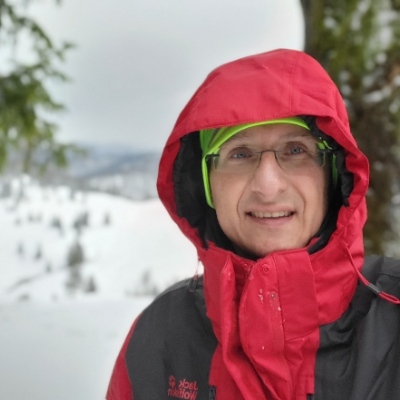
For todays #fotovorschlag 'Sitzgelegenheit' / 'seating',
I chose a photo from a trip to #scotland and its highlands years ago.
We so enjoyed the history, landscape people and the haggis.
Best greetings to all the scottish people out there

 @gscherer2@social.linux.pizza
2026-02-09 16:00:21
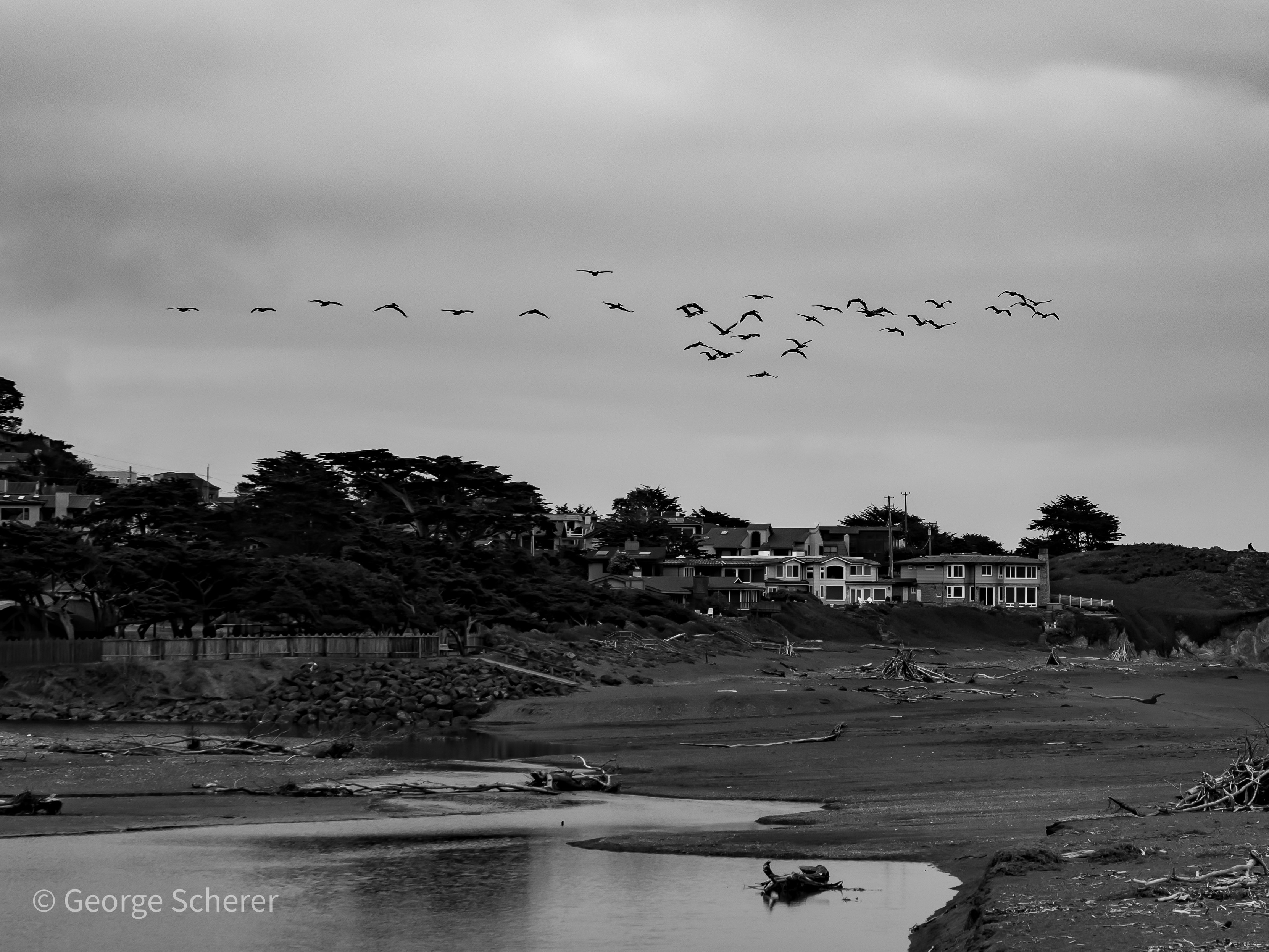
Flock of Pelicans flying over the beach. Moonstone Beach, Cambria, California, USA. May, 2023. OM System OM-1 M.Zuiko 12-40 F2.8. #moonstonebeach #pelican #birds
 @karlauerbach@sfba.social
2026-04-04 18:26:23
Our patent system, like our copyright system, has become a monster in which the "monopoly" period granted to patent (and cop;yright) holders far, far exceeds what is granted by our US Constitution.
The Constitution requires that patents and copyrights (but not trademarks) be for "limited times". That is not defined, but it must be interpreted in the context of the Contitution's goal to "promote scientific and artistic progress".
The following ra…
 @inthehands@hachyderm.io
2026-02-23 18:46:04
It’s worth noting that Sir Arthur Conan Doyle, originator of the bad deductive rule in question, spent his later years falling for and vehemently defending a variety of hoaxes involving fairies and communicating with the dead:
https://thisiscriminal.com/episode-175-ghost-racket-crusade-10-22-2021/