First, let’s talk about “grokking”.
In 2022, OpenAI published a paper showing that if you train a model on a simple dataset
(for instance, a simple mathematical operation like division),
and keep training it long after the training looks like it’s stalled out,
the model will suddenly make a massive jump in capability.
Why does this work?
The first stage of training is like rote memorization:
the model has to compress as much of the training data as…
Me Playing Overwatch for the first time since 2022: yeah, this is still fun! Wonder where all the toxic people went?
Me playing OW in comp: ah
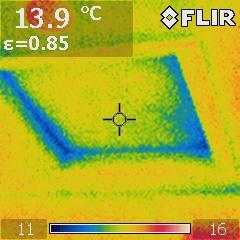
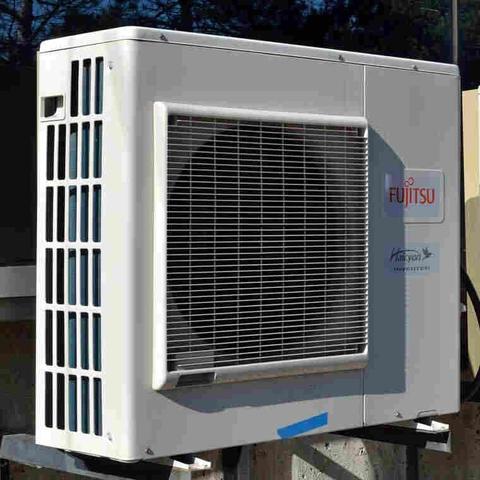
Home Heat Pumps: Barriers to Installation (2022) - A case study in the friction in specifying and installing a heat-pump in the UK, even for a savvy early adopter. #heatpump #netZero #futureReady -…
"which emojis are used the least often?" - Great question, and we rarely find data on this! But luckily, we studied this at least for two corpora with German users (and admittedly only for face emojis). So: Many object or symbol emojis (from the "tail end" of the emoji list) are very, very rarely used. Overall, faces and hearts are the most frequent. Among the face emojis, we compiled the full list of usages from a huge Twitter corpus (semi-public communication, 2014-2022) and a much small WhatsApp chat corpus (private or group communication). You can find the frequencies in this table linked below (and sort by frequency by clicking on the column). The least frequent face emoji in the large corpus was the "frowning face with open mouth" 😦, which most people have never seen before. Personally, I think it's pretty ambiguous and not very useful, as there are better emojis for anything it might express. #emojis #linguistics #WorldEmojiDay
https://tscheffler.github.io/2024-Face-Emoji-Norming/ratings.html
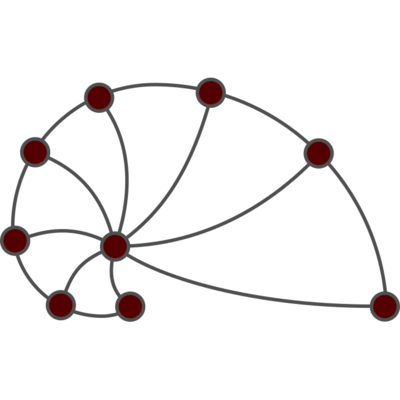
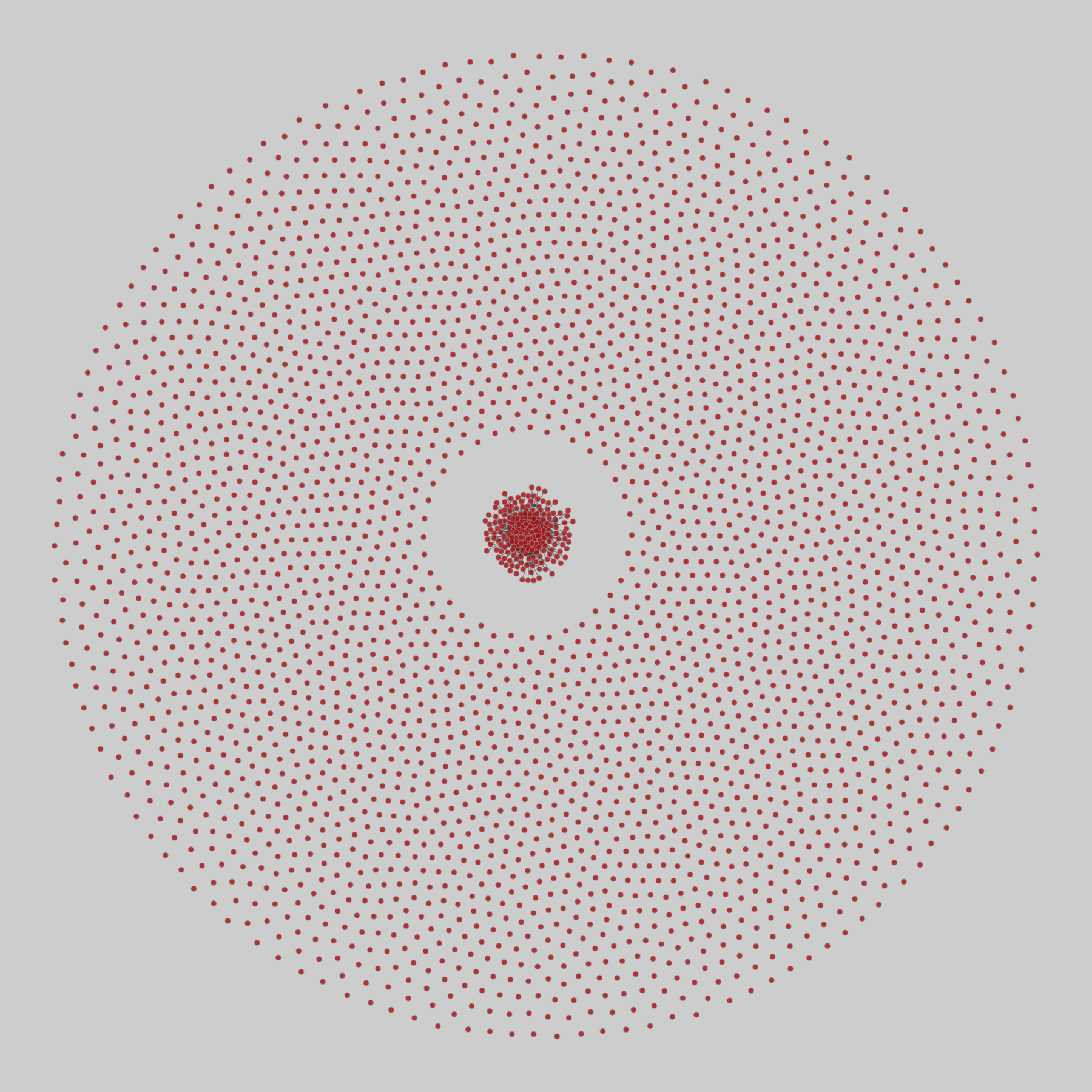
faculty_hiring_us: Faculty hiring networks in the US (2022)
Networks of faculty hiring for all PhD-granting US universities over the decade 2011–2020. Each node is a PhD-granting institution, and a directed edge (i,j) indicates that a person received their PhD from node i and was tenure-track faculty at node j during time of collection (2011-2020). This dataset is divided into separate networks for all 107 fields, as well as aggregate networks for 8 domains, and an overall network for …
„Drei Jahre lang - von 2022 bis 2025 - hatten die Forscher das etwa 3.500 Quadratkilometer große Einzugsgebiet der Unteren Spree zwischen Spreewald und Berlin untersucht.
Laut dem Bericht zählt die Region zu den wasserärmsten Gebieten Deutschlands. Die Grundwasserstände seien lokal seit dem Jahr 2000 um bis zu drei Meter gesunken.“
Genau hier baut Schwarz-Digits ein riesiges #Rechenzentrum
The International Online Organ Forum is the place to go if you are interested in organ music or think you might be. It's on several social media channels (not Mastodon - yet!). Sign-up for their free monthly newsletter and get an amazing free feature-length organ film each month, FREE too. https://io-of.org/st-vi…
My mother brought me to this country from Peru as a young boy.
She always told me that we need to work hard, give back, and help our community,
because that is what it means to be an American.
When she died of COVID-19,
I promised I would fight like hell for every family like ours.
In 2022 my community sent me to Congress - the first openly LGBTQ immigrant ever elected - to do just that.
I’m Robert Garcia – now the top Democrat on the House Ov…
Home Heat Pumps: Barriers to Installation (2022) - A case study in the friction in specifying and installing a heat-pump in the UK, even for a savvy early adopter. #heatpump #netZero #futureReady -…
Macht uns KI dumm ?
Ende 2022 drängte sich ChatGPT in unser Leben und hat es schnell tiefgreifend verändert. Vielleicht werden künftige Geschichtsbücher die generative KI einmal mit der Erfindung des Buchdrucks vergleichen. Der Begriff „Künstliche Intelligenz“ ist laut der Philosophin Anne Alombert irreführend, denn er vergleicht uns mit Maschinen und entpolitisiert die Debatte. […]
📺
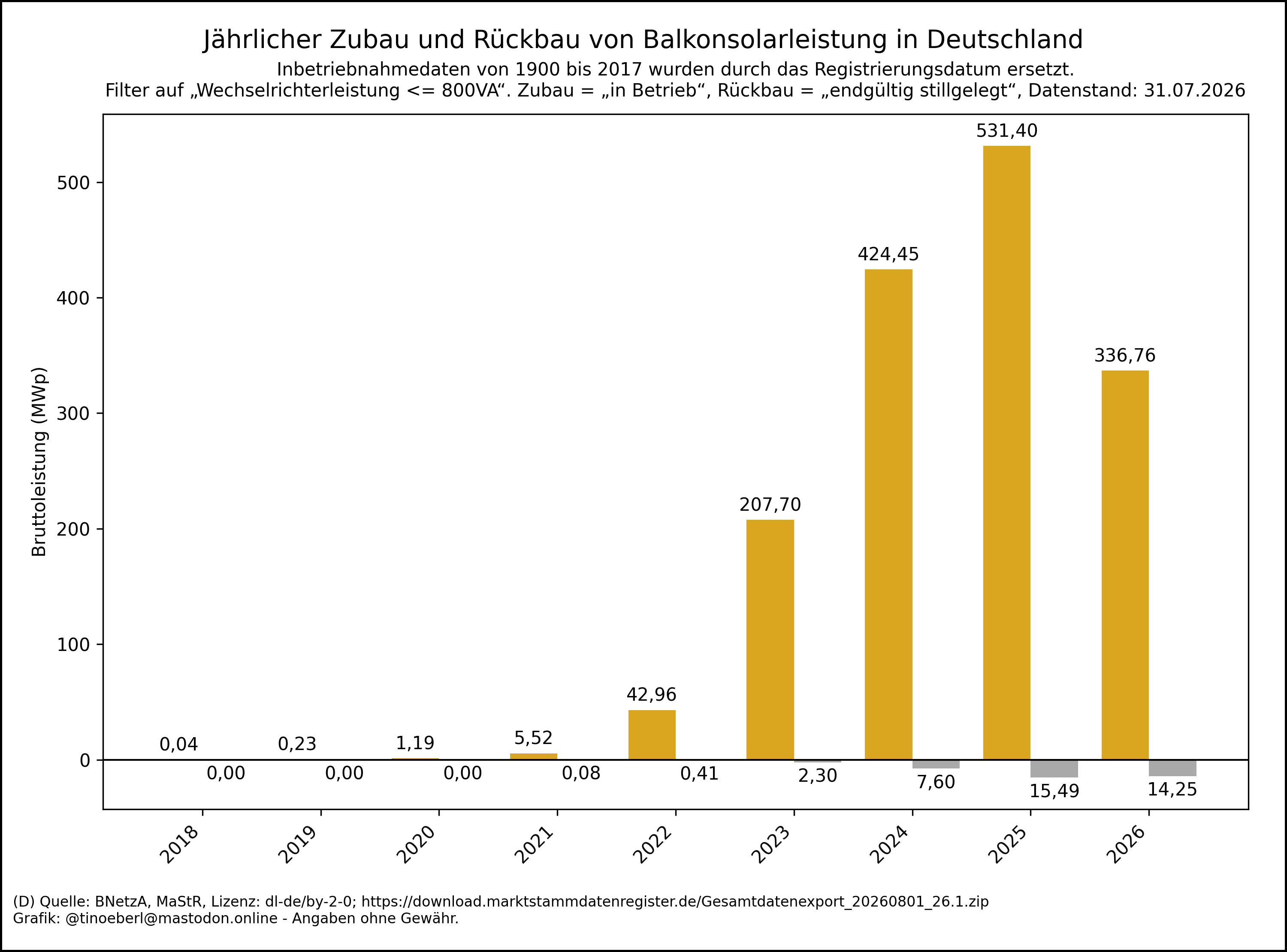
Jährlicher Zubau und Rückbau von #Balkonsolarleistung in Deutschland mit Stand vom 31.07.2026.
Unplausible Inbetriebnahmedaten von 1900 bis 2017 wurden durch das Registrierungsdatum der #Steckersolaranlage ersetzt.
👉 Zusatzlesestoff:
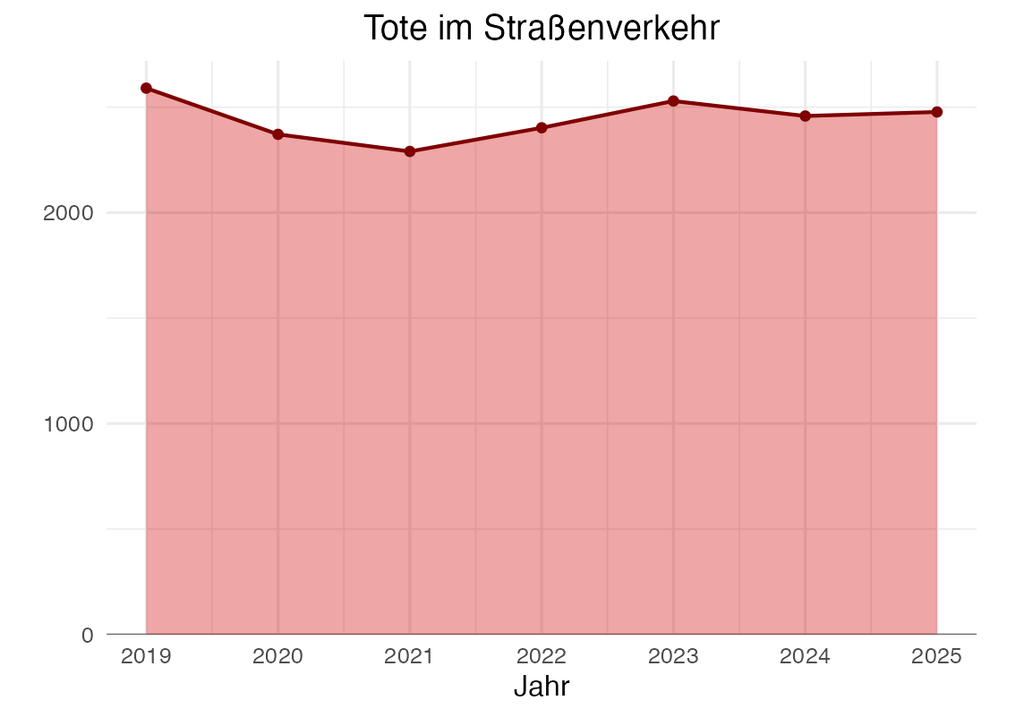
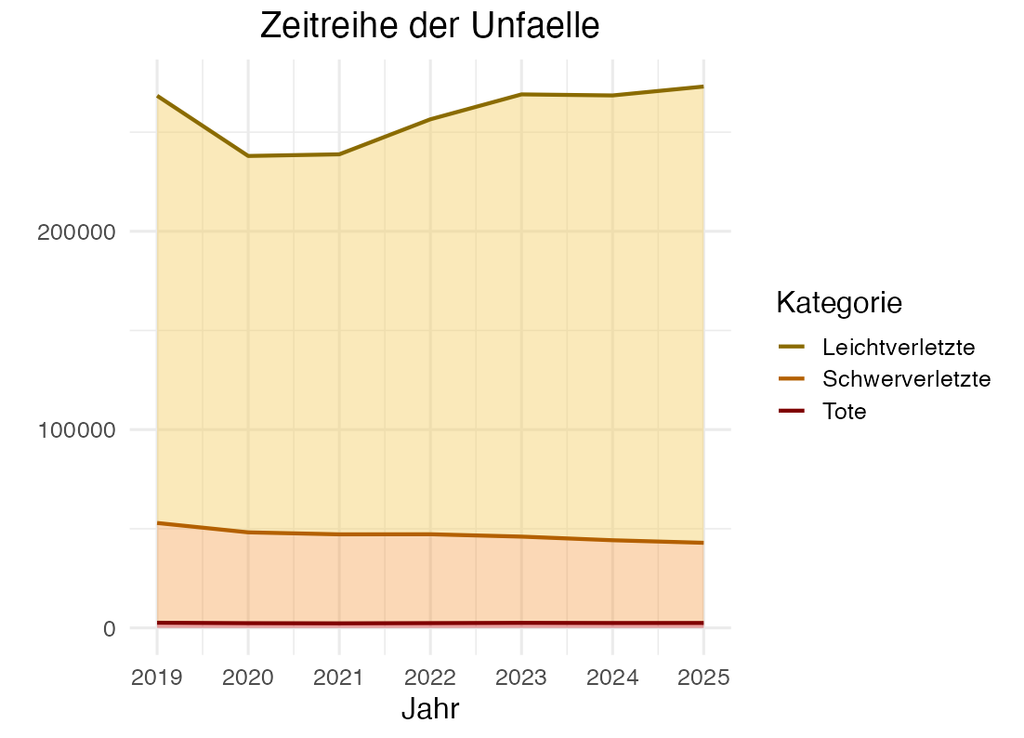
Der https://unfallatlas.statistikportal.de/ enthält jetzt auch die Daten von 2025. Wie immer belegen die Zahlen den Erfolg der "Vision Zero Fortschritt" der Petrolköpfe und Auto-Ideologen. Schwerverletzte leicht Rückläufig, Tote und Leichtverletzte gehen weiter rauf. Der Straßenterror bleibt …
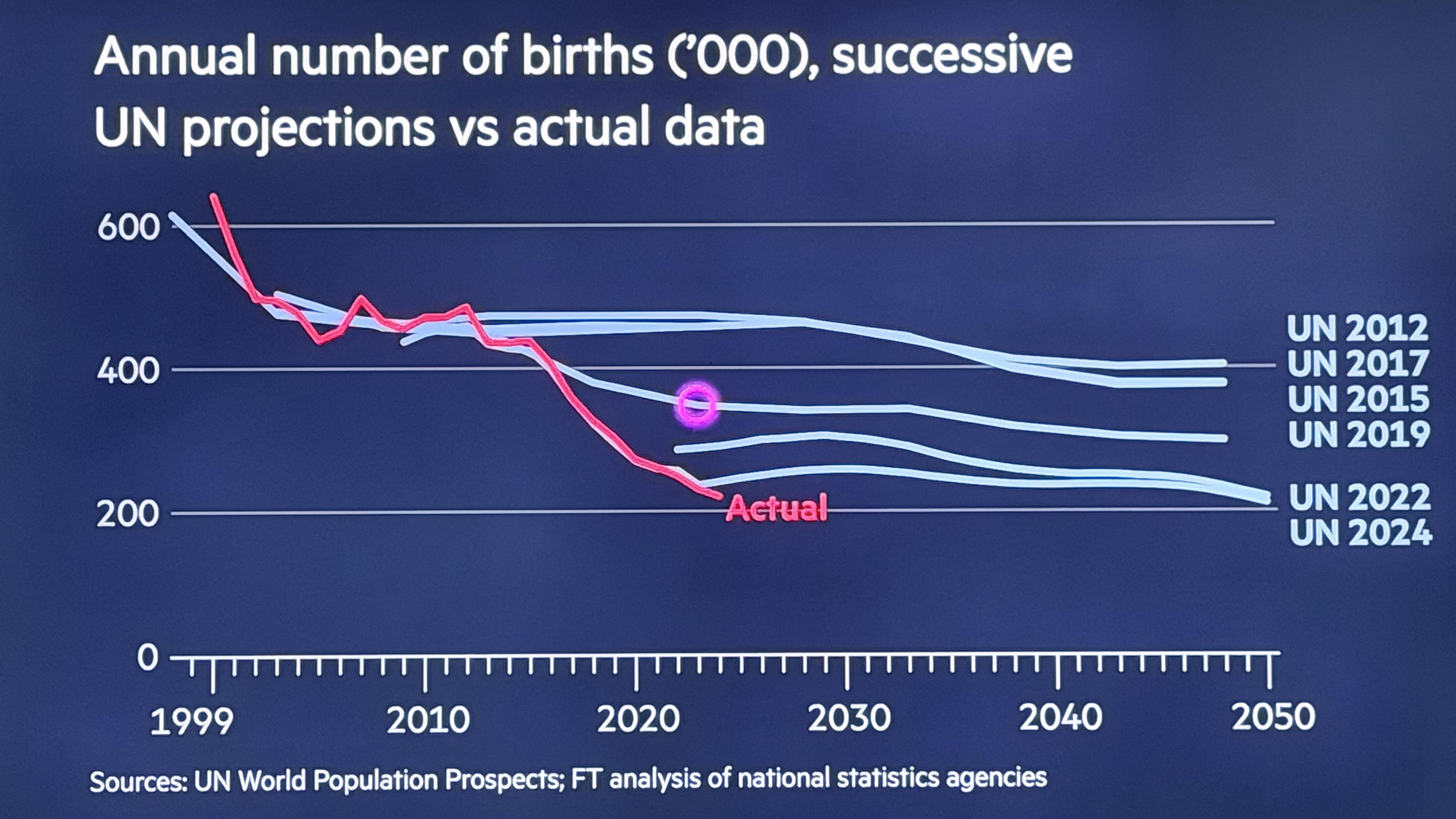
A reminder that the obsession 50 years ago was #overpopulation — it was the scary message next to every practical environmental message about pollution, etc
Fast forward to now, and the opposite is true — no longer a case of “don’t worry, it’s just wealthy nations breed less”
In fact, environmentalism was always right about pollution — but the scary message is everything cost…
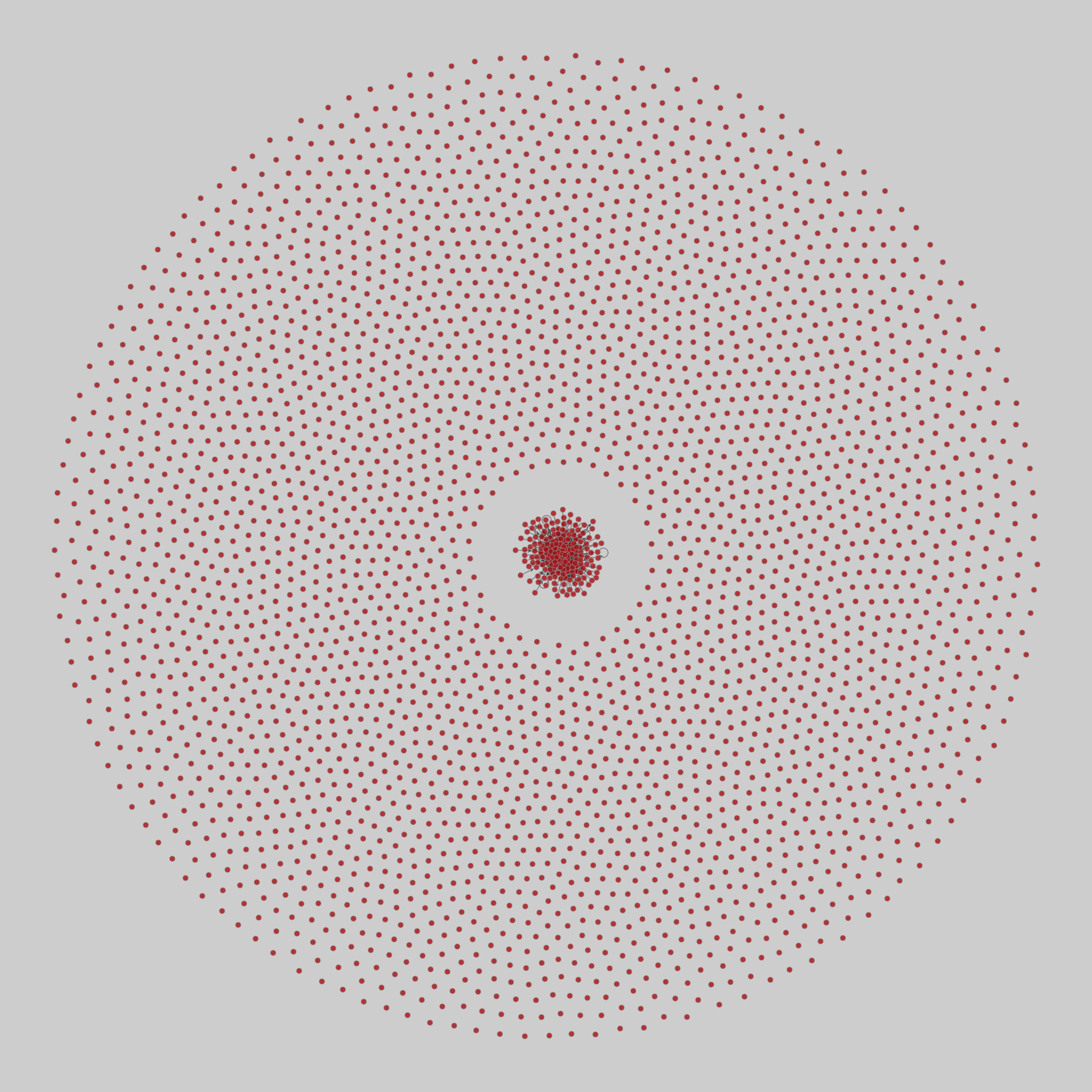
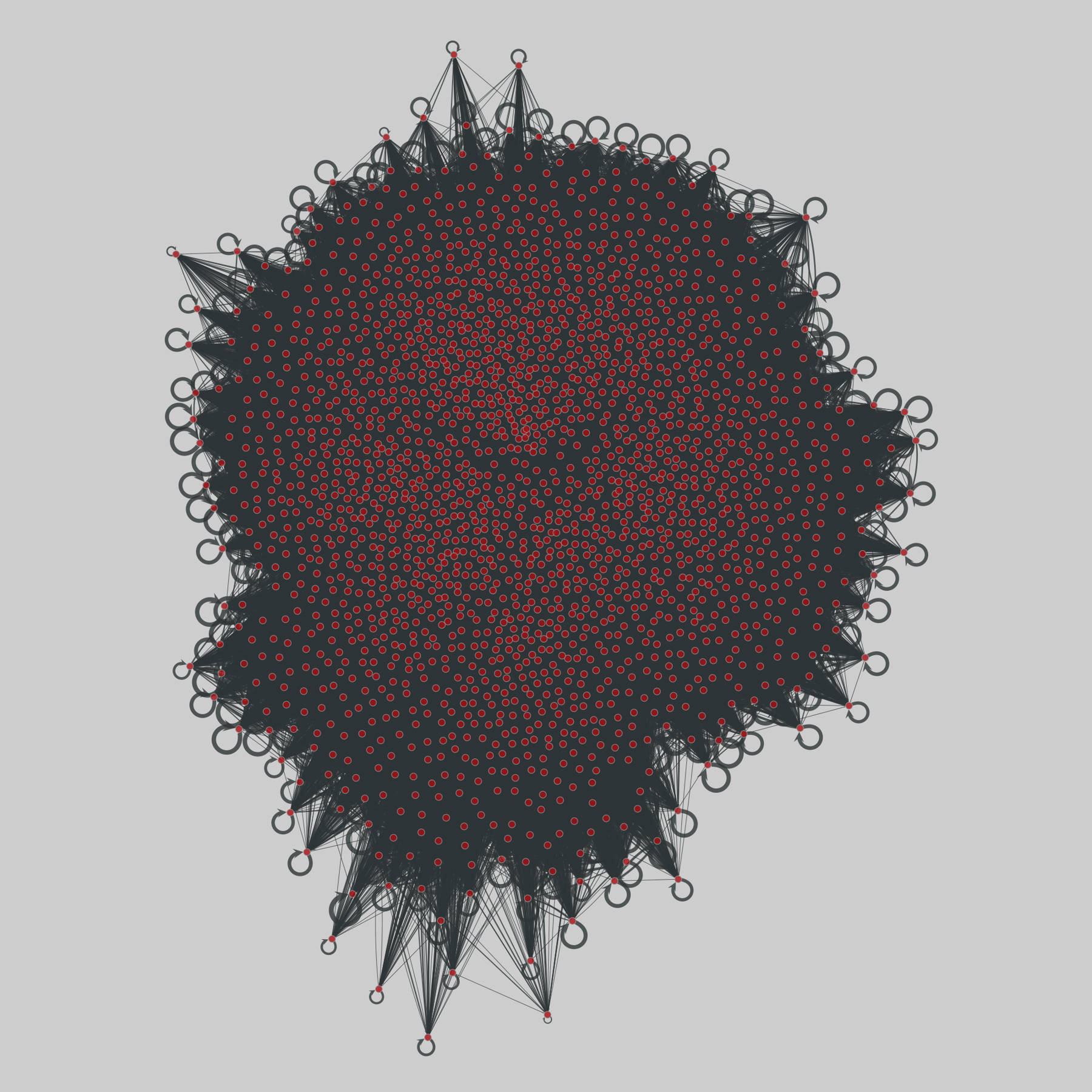
at_migrations: Austrian internal migrations (2002-2022)
A network of migrations between municipalities in Austria, from 2002 to 2022. A weighted directed link from source to target indicates a migration flow from these two municipalities. Edges are annotated with migration volume (number of people), nationality, sex, and year.
This network has 2115 nodes and 2908569 edges.
Tags: Social, Economic, Travel, Weighted, Politlcal, Timestamps, Metadata
Home Heat Pumps: Barriers to Installation (2022) - A case study in the friction in specifying and installing a heat-pump in the UK, even for a savvy early adopter. #heatpump #netZero #futureReady -…
Organizational Technology Ladders: Remote Work and Generative AI Adoption
Gregor Schubert
https://arxiv.org/abs/2608.11626 https://arxiv.org/pdf/2608.11626 https://arxiv.org/html/2608.11626
arXiv:2608.11626v1 Announce Type: new
Abstract: This study proposes that firms move along an "organizational technology ladder": adopting one technology transforms hiring and work processes and builds skills and organizational capital that change the cost of adopting subsequent technologies. I study how firms' adoption of remote work technology during the COVID-19 period shaped later uptake of generative AI. Using U.S. job-posting data and an instrumental-variables strategy based on predicted differences in labor-market pressure to offer remote work, I estimate that a 10 percentage point increase in remote hiring in 2021-2022 increases the share of job postings mentioning generative AI in 2023-2024 by 0.4 percentage points across firms and 0.7 percentage points across occupations within firms. I provide evidence on mechanisms consistent with a technology-ladder channel: remote work adoption shifts hiring toward technical and managerial capabilities that predict faster conversion of generative AI exposure into adoption. Firms with return-to-office mandates---interpreted as revealing low remote productivity---exhibit a substantially larger response of generative AI adoption to remote work, consistent with an organizational frictions channel.
toXiv_bot_toot
faculty_hiring_us: Faculty hiring networks in the US (2022)
Networks of faculty hiring for all PhD-granting US universities over the decade 2011–2020. Each node is a PhD-granting institution, and a directed edge (i,j) indicates that a person received their PhD from node i and was tenure-track faculty at node j during time of collection (2011-2020). This dataset is divided into separate networks for all 107 fields, as well as aggregate networks for 8 domains, and an overall network for …
 @Mediagazer@mstdn.social