 @burger_jaap@mastodon.social
2026-07-19 18:50:43
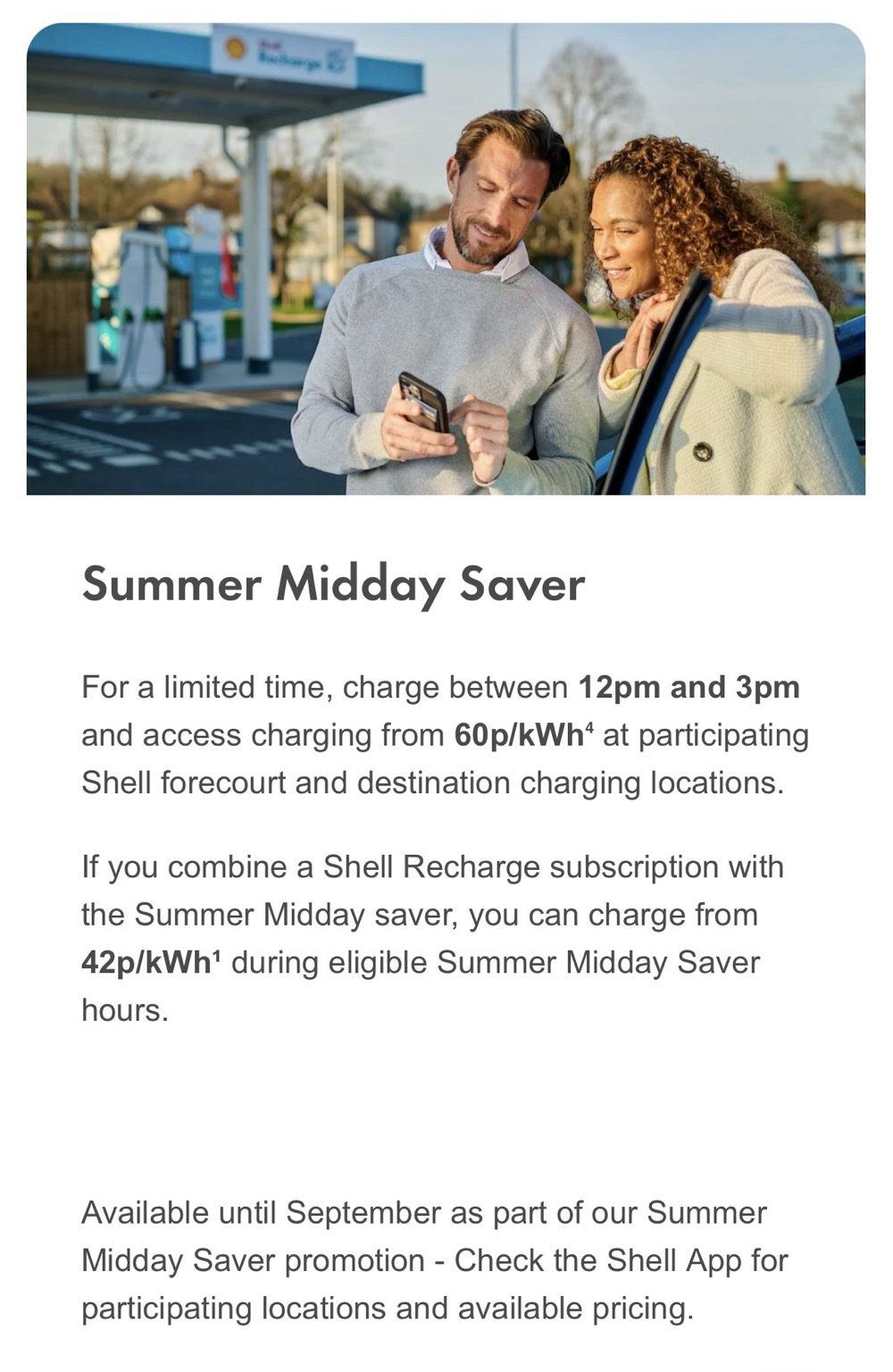
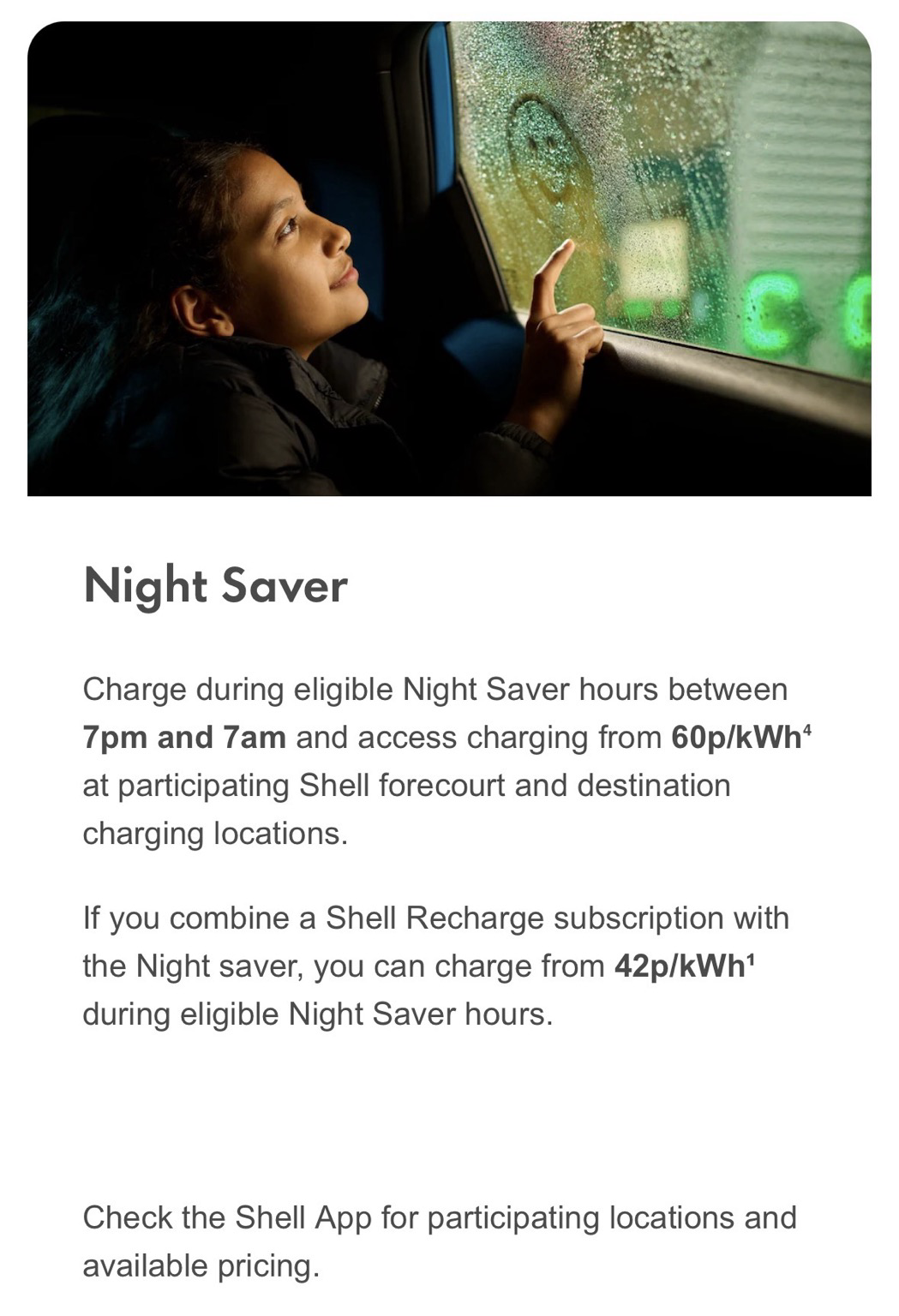
Shell Recharge UK is introducing cheaper charging rates for electric cars around midday during the summer months and at night all year round.
Available only via their app – not for roaming users or adhoc users – unfortunately!
https://www.shell.co.uk/electric-vehicle-c
 @cdarwin@c.im
2026-08-20 15:13:13
From the outside, the city of Avenal appears to embody every bit of its motto
– an “oasis in the sun”.
Approaching the community, passing through the dusty yellow hillsides of the Central Valley,
Avenal emerges with a sudden burst of green on the horizon.
Its small-town feel and quiet tree-lined streets offer respite from the bustling Interstate 5 some five miles away. But trouble is brewing here that has brought this lonesome city national attention.
🔸In April,…

 @ErikJonker@mastodon.social
2026-07-19 08:29:03
The fact that an autocratic, corrupt and in some ways fascist republican administration only leads to a relatively small lead of the democrats in the polls, is food for thought. People in the US are farther removed from European and democratic values than ever it seems.
https://www.
 @cdarwin@c.im
2026-07-19 15:22:09
Trump is dangerous twice over:
in what he does
and what he tells us to fear while doing it.
Factcheckers agreed he proved nothing.
Failing as evidence, his address succeeded as permission
– for federal intervention already under way in Fulton county.
In his speech, Trump assembled old intelligence, vulnerabilities and lies
into a conspiracy:
220 million US voter records in Chinese hands,
“extremely exposed” voting machines,
278,000 s…

 @lightweight@mastodon.nzoss.nz
2026-07-17 03:35:20
Looking at https://www.rnz.co.nz/news/world/732341/trump-claims-that-declassified-documents-show-us-election-vulnerabilities it's worth noting that the Heritage Foundation wrote the Project 2025 plan, and they're …
@burger_jaap@mastodon.social2026-08-18 12:25:38
 @cdarwin@c.im
2026-09-19 00:49:37
For Donald Trump, it’s always personal.
And he leaves this week feeling betrayed.
First, the US supreme court rejected his effort to restrict mail-in ballots ahead of the midterm elections.
“These are not the people I interviewed to serve on the United States Supreme Court,”
the president wrote on his Truth Socialplatform. “They are merely a shell of their original selves.”
Then the Federal Reserve defied Trump by raising its benchmark interest rate by a quarte…
 @cdarwin@c.im
2026-07-19 02:16:39
We know from polling that voters want us to be talking about preserving their rights and freedoms (No Kings)
and not just “kitchen table issues”
and that there is nothing more intrinsically American than fighting for freedom and democracy.
We also know from polling, lots and lots of polling, that voters believe that our hearts are in right place
but question our toughness, and whether we are strong enough to be able to fight and deliver for them.
So we should se…
 @cdarwin@c.im
2026-07-17 06:56:14
Documents Trump released to support his claims — and previous assessments from the intelligence community — do not back up his most aggressive statements about election security.
In fact, some of the documents reach the opposite conclusion.
They also do not contain significant new revelations about vulnerabilities in election systems.
One of the documents posted on the White House website was blunt:
“We assess that vote tabulation systems would be difficult to manipu…
 @cdarwin@c.im
2026-07-17 18:01:31
Democrats and voting rights groups say Donald Trump’s primetime speech
making unverified claims of Chinese interference in the 2020 election
is the clearest sign yet that the president is laying the groundwork to tamper with the results of November’s midterms.
The upcoming elections to decide the balance of power in Congress and many state legislatures
will be a major test of Trump’s appeal to voters two years after he resoundingly beat the Democratic candidate Kamala…
