 @edintone@mastodon.green
2026-07-19 06:00:30
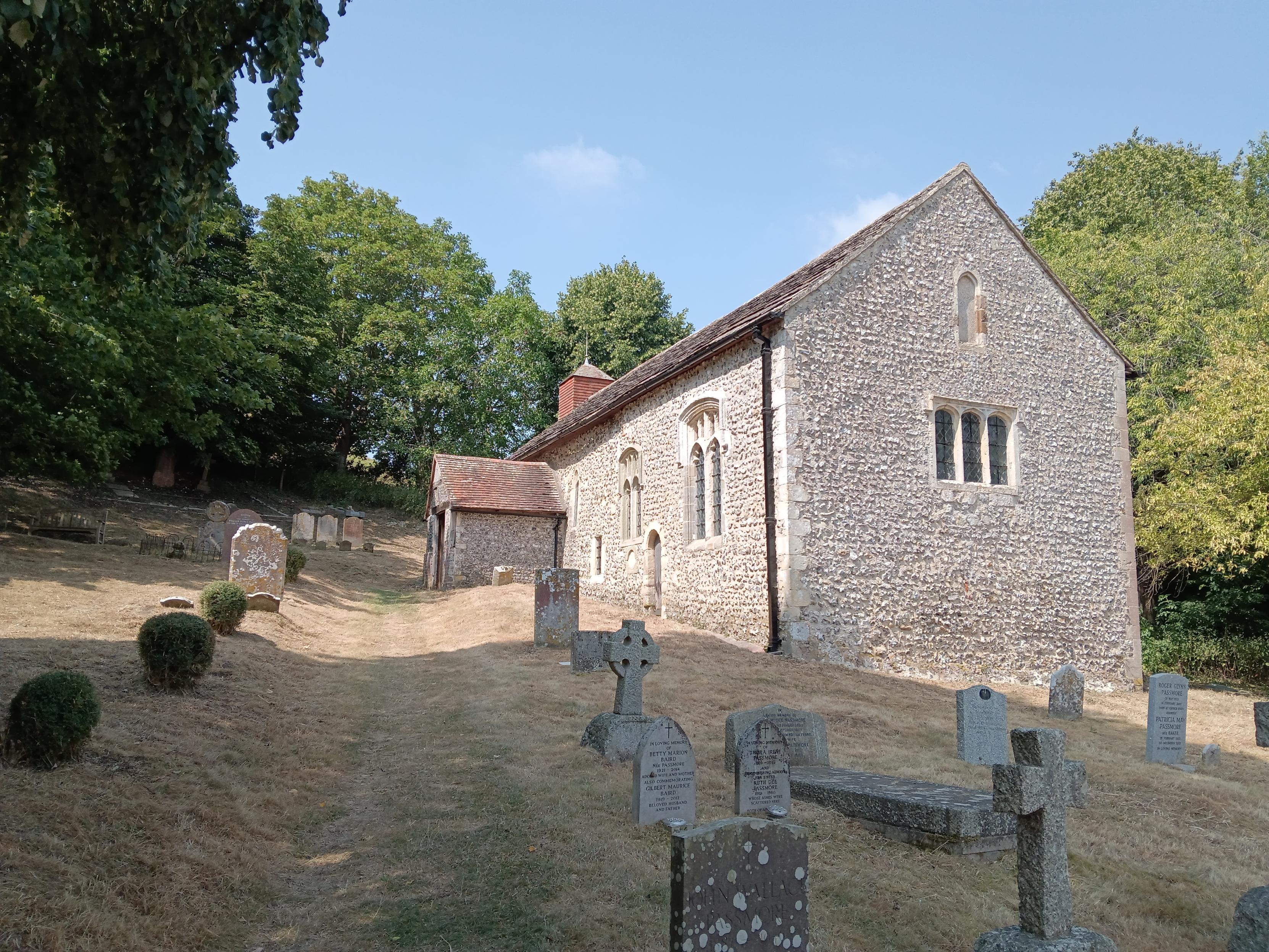
#SilentSunday Coombes, #WestSussex Noted for its extensive medieval wall paintings, some as early as 1120. #photography
 @primonatura@mstdn.social
2026-09-20 16:00:07
"Europe's e‑waste is a valuable resource—let's not throw it away"
#Europe #EWaste #Technology

 @netzschleuder@social.skewed.de
2026-07-20 02:00:05
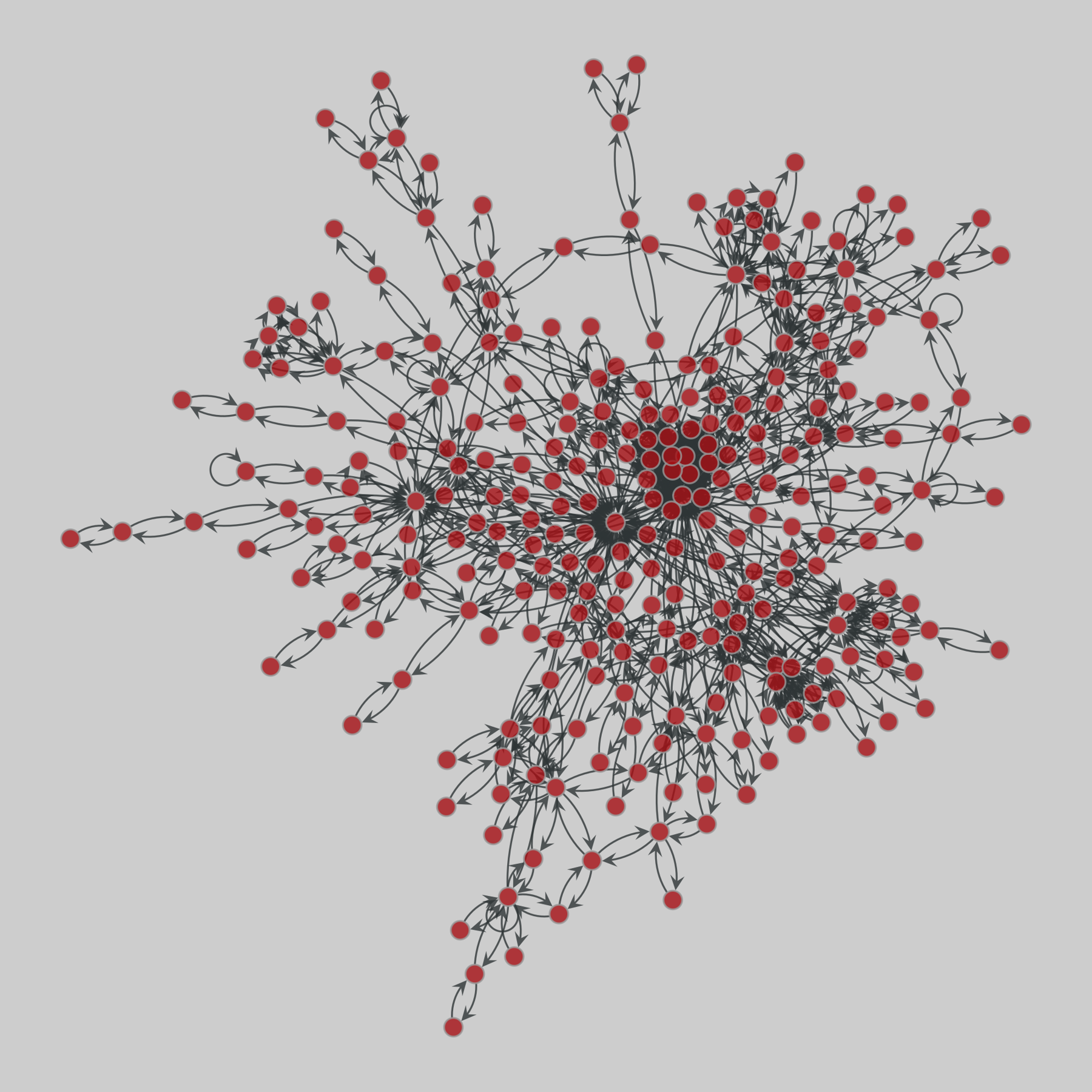
webkb: WebKB graphs (1998)
Web graphs crawled from four Computer Science departments in 1998, with each page manually classified into one of 7 categories: course, department, faculty, project, staff, student, or other. All graphs included in a single .zip; also included are 'co-citation' graphs, which links i and j if they both point to some k. Edge weights count the number of links from i to j.
This network has 300 nodes and 1155 edges.
Tags: Informational, Web gra…
 @mcdanlj@social.makerforums.info
2026-08-13 00:55:57
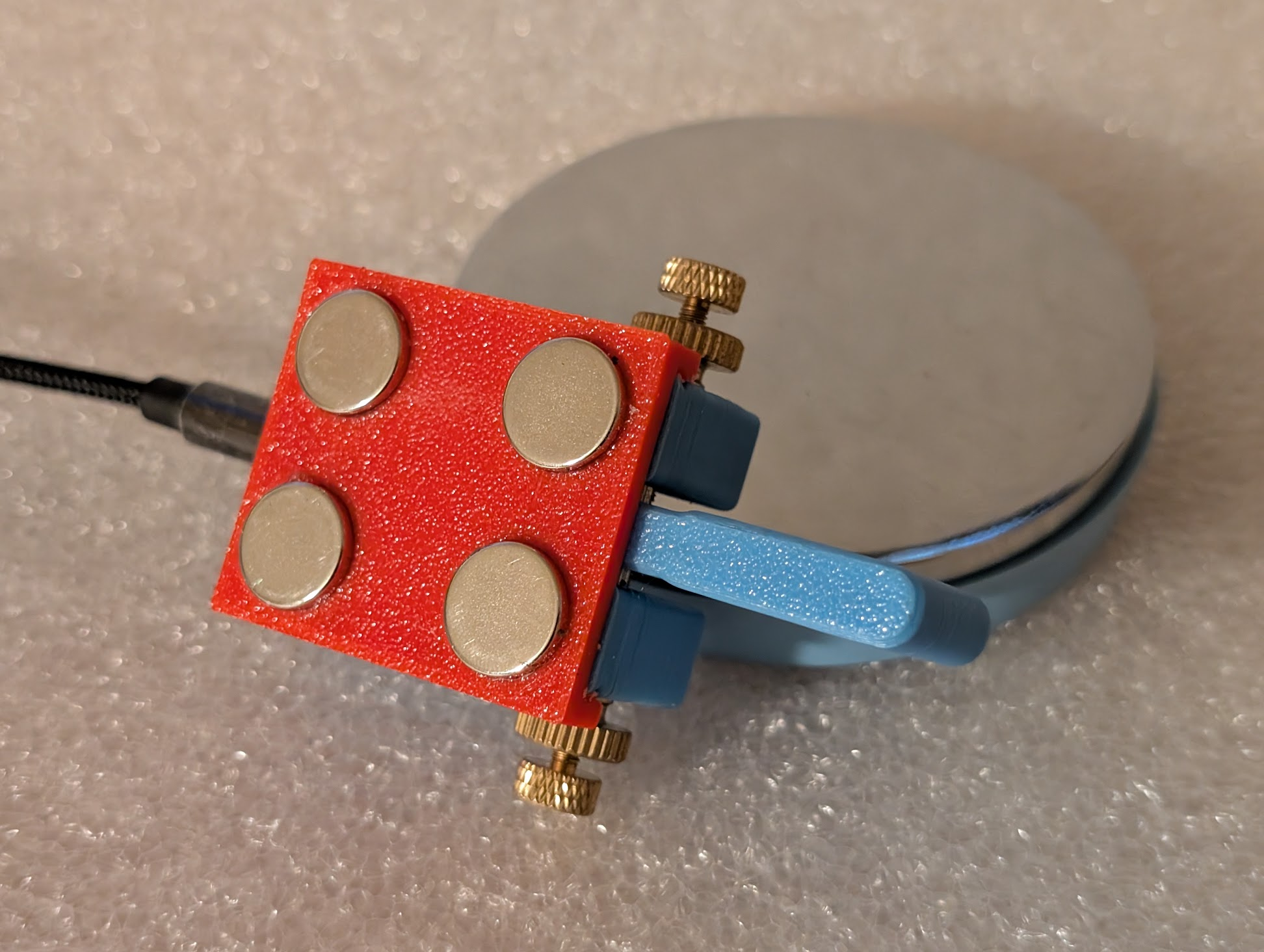
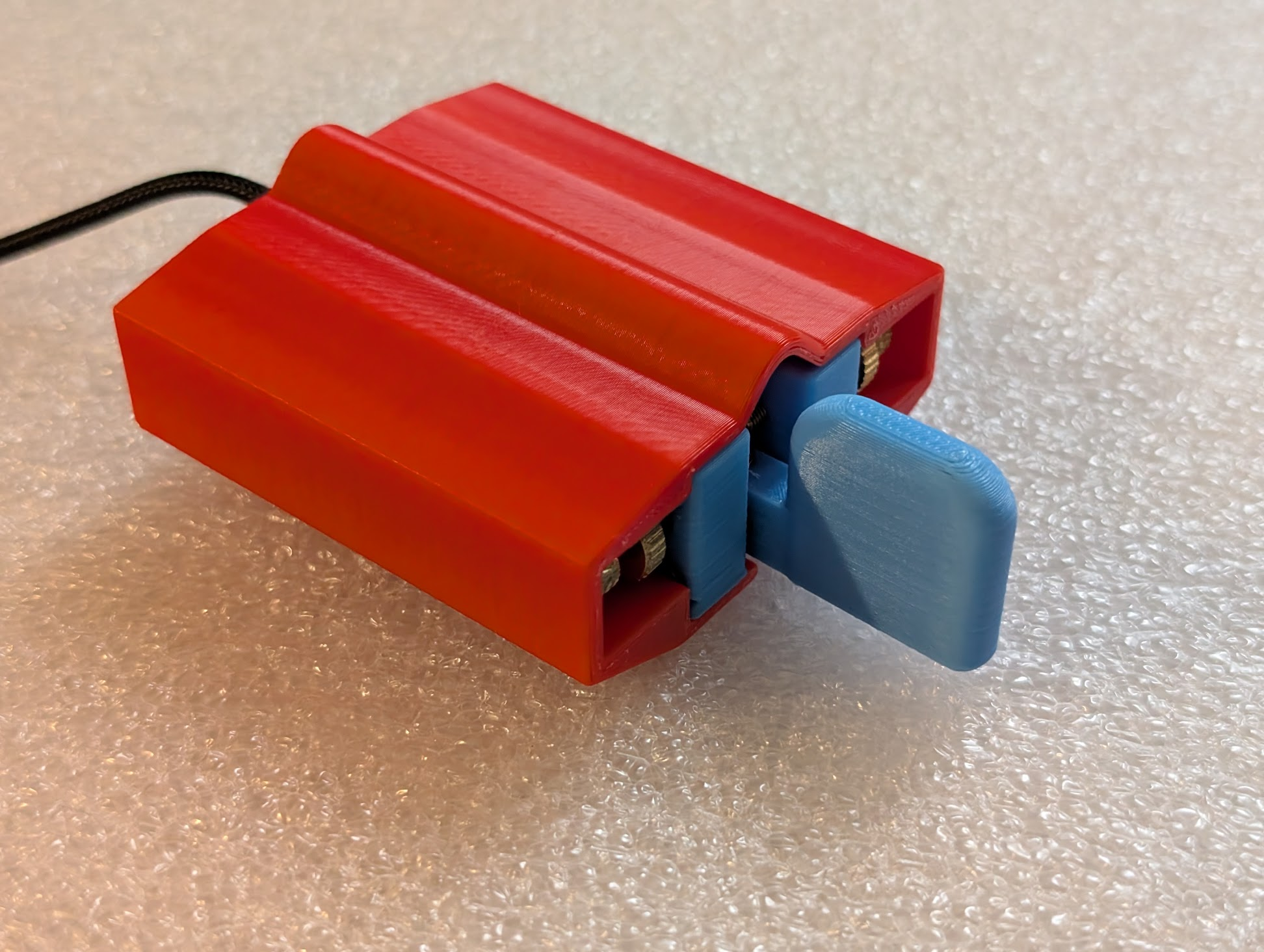
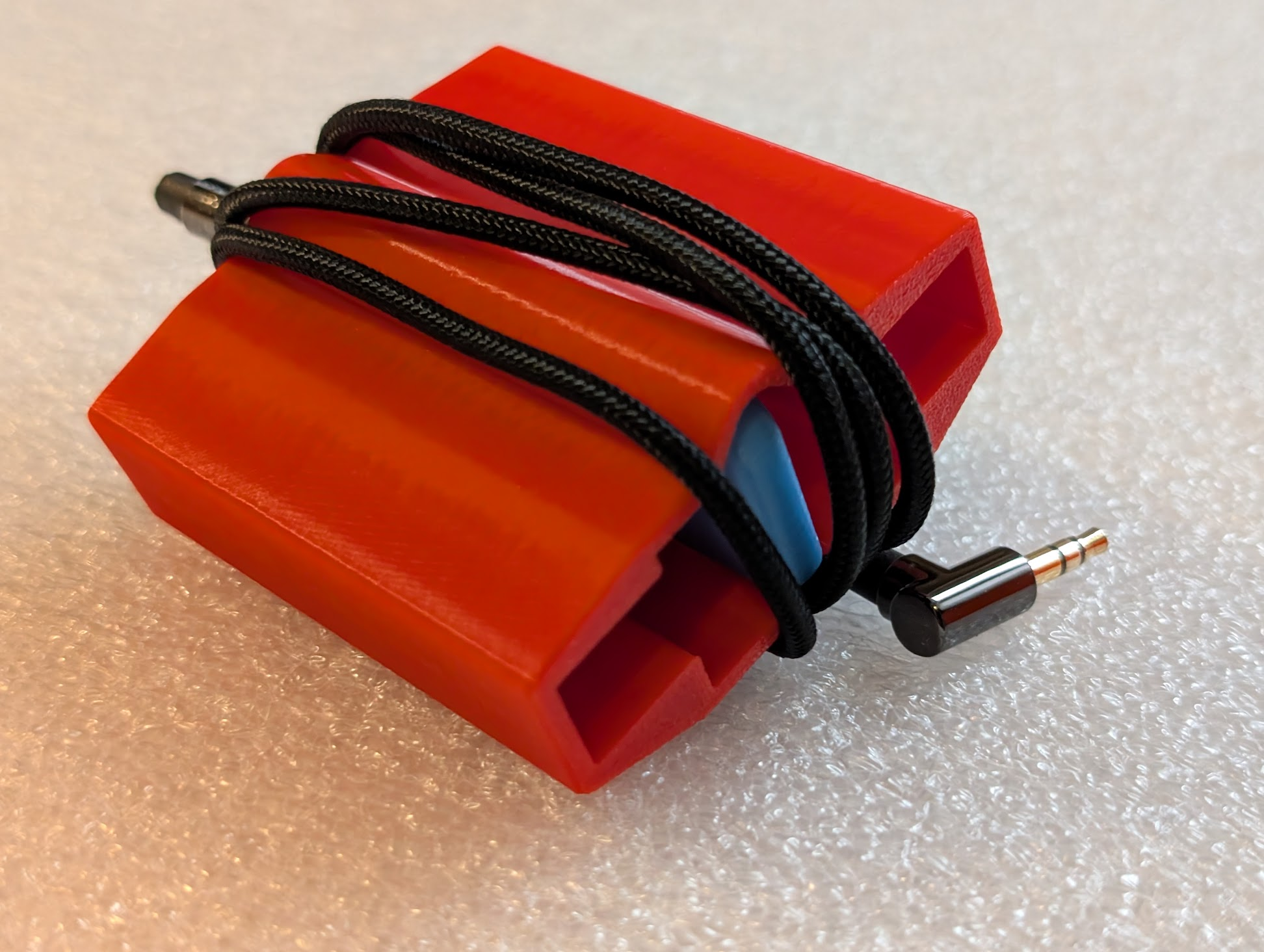
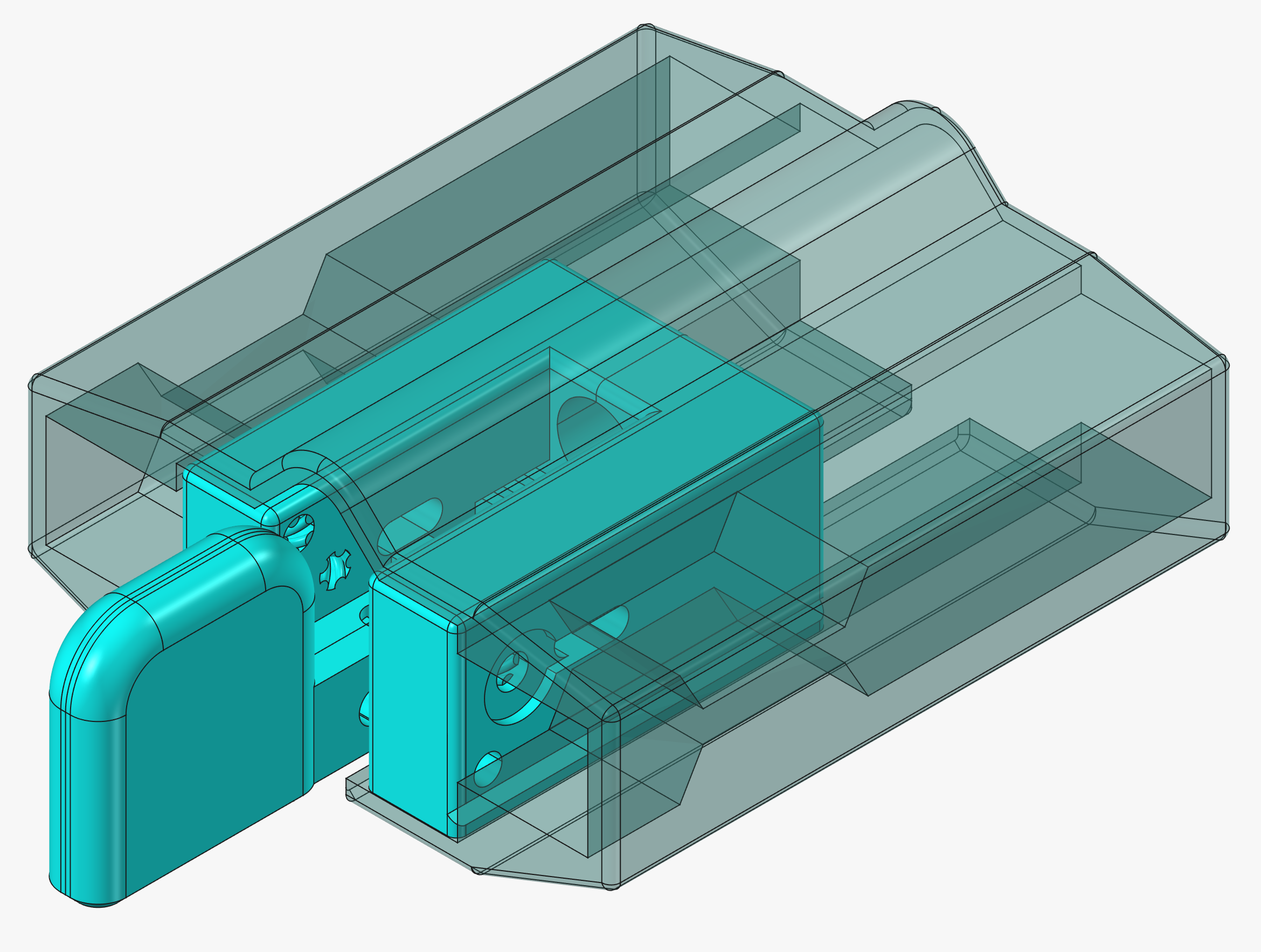
Big news! I just released version 0.9 of my 3d-printed #MorseCode single-paddle key system.
Changes:
- New grip that acts like a case. @…
 @hex@kolektiva.social
2026-06-27 04:05:41
Now, I don't especially like the term "church" so I may use something else... like "coven." You can do what you want. But I happen to have already mapped out an example. (It is exactly that, just an example, so take if it's useful, change if you need, and don't stick to anything too closely.) Oh, this mapping also means that you would, for religious reasons, only be allowed to work under capitalism 4 days a week instead of 5.
Given the increases in productivity over the last 100 years, a 4 day work week is a completely reasonable expectation. If we have to annex Monday for the weekend by force of religion, so be it. It is rightfully ours anyway. If enough people try it, this will probably work. If it doesn't work, it just needs more people.
The Practice of Worship:
It is recommended to break down worship in to three sections: the functional, the communal, and the spiritual. It is also recommended to break these across multiple days. A common structure for some Christian churches is to take 10-15 minutes for announcements (Functional), an hour or two for services (Spiritual), followed by (Communal) coffee, tea, and cookies for an unspecified time up to two hours after. When starting or working with limited time a single compressed model like this may work, but it's not optimal.
- The Functional
The purpose of this section is to address the functional needs of the coven. Block out time (less than 90 minute blocks is recommended) to go through reports and updates from those involved in the Dispensary, Library, Works Committee (infrastructure), and Services Committee (providing services internally and, potentially, externally). Talk through any additional announcements, including those from other covens you may be federated with.
It is helpful to include unstructured communal time, such as shared meals, during or after functional meetings. As the federation grows, more time will be needed. It is recommended to break functional meetings, work parties, and such across multiple days. When a federation becomes sufficiently large, it is recommended to take every Monday, on top of Saturday and Sunday, as a third day of community and worship.
The scope of the functional spans 3 realms (which may be more-or-less fluid): the personal or family, the coven and federation, and humanity itself. It is up to each coven and individual to negotiate how to allocate the three days of the weekend once we have liberated Monday from the work week, but it is important to reserve it for one of these three. However, some people must work on weekends. Medical personnel, for example, cannot conform to a standard work week. While the work week should be universally restricted, which specific days are used will be up to the specific coven and their members.
A functional meeting can start with an agenda like the following:
Functional Invocation
Announcements
Report Backs
Dispensary
Inventory Check
What is low
What is empty
What is expiring
What is needed
Funds status
Library
Inventory Check and Items needing return
Library acquisition requests
Funds status and budget check
Works Committee
Upcoming projects
Subcommittee updates (Following the Works Committee agenda)
New committee formations
Funds status
Services Committee
New capabilities announcements
New needs requests
Subcommittee updates (Following the Works Committee agenda)
New committee formations
Funds status
Task Check
Breaking the Circle
This agenda is a suggestion for those who don't know where to start. It can be adapted or ignored as appropriate.
- The Spiritual
Spirituality is necessarily an undefined space. It is deeply personal. Each individual taking time to share their own personal spiritual experiences can help each connect with each other. This experience of connection can itself be a spiritual experience. It may also be useful to read esoteric, mystical, or philosophical texts together as type of "book club" and share thoughts. Others may draw from their own knowledge or traditions. This is something that must be defined together within a group.
- The Communal
The communal aspect of the practice of worship bind the coven and federation together. Within the community we find joy and release, connection and comfort. The coven is where we turn in times of need, and where we share our hopes and dreams.
 @Dragofix@veganism.social
2026-09-18 21:42:16
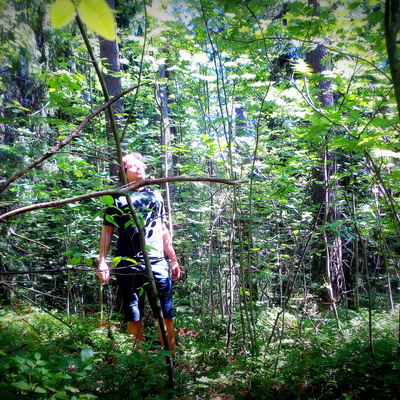
Europe's e‑waste is a valuable resource—let's not throw it away #Europe

 @arXiv_mathST_bot@mastoxiv.page
2026-08-17 08:46:06
Replaced article(s) found for math.ST. https://arxiv.org/list/math.ST/new
[1/1]:
- Revisiting Asymptotic Theory for Principal Component Estimators of Approximate Factor Models
Peiyun Jiang, Yoshimasa Uematsu, Takashi Yamagata
https://arxiv.org/abs/2311.00625 https://mastoxiv.page/@arXiv_mathST_bot/111339128055839658
- On the Effectiveness of Classical Regression Methods for Optimal Switching Problems
Martin Andersson, Benny Avelin, Marcus Olofsson
https://arxiv.org/abs/2506.15436 https://mastoxiv.page/@arXiv_mathOC_bot/114709239419542874
- Bayesian Distributionally Robust Merton Problem with Nonlinear Wasserstein Projections
Jose Blanchet, Jiayi Cheng, Hao Liu, Yang Liu
https://arxiv.org/abs/2512.01408 https://mastoxiv.page/@arXiv_mathOC_bot/115649350857966480
- $\alpha$-Mutual Information for the Gaussian Noise Channel
Mohammad Milanian, Alex Dytso, Martina Cardone
https://arxiv.org/abs/2604.10922 https://mastoxiv.page/@arXiv_csIT_bot/116402225977777282
- Singular Asymptotics of SPADE in Quantum Source Discrimination
Natsuki Kariya
https://arxiv.org/abs/2605.14432 https://mastoxiv.page/@arXiv_quantph_bot/116577630495105009
- Cross-Calibrated Confidence Fields for Local Risk Updates
Mingzhi Song
https://arxiv.org/abs/2606.19147 https://mastoxiv.page/@arXiv_statML_bot/116770104341022233
- A Direct Route to Markov Chain Convergence via Asymptotic Equivalence with the Target
Patrick Forr\'e
https://arxiv.org/abs/2608.03353 https://mastoxiv.page/@arXiv_mathPR_bot/117041893314585622
- Extreme principal minors of Wishart and deformed GOE matrices
Zhaorui Dong, Tiefeng Jiang, Tuan Pham, Jianfeng Yao
https://arxiv.org/abs/2608.13154 https://mastoxiv.page/@arXiv_mathPR_bot/117092881421641444
toXiv_bot_toot
 @sherold@mastodon.online
2026-07-14 11:49:21
Just so you know, a T-Rex fossil is being auctioned off at Sotheby's today.
Just in case you have the spare cash.
And room in your yard or garage.
https://www.sothebys.com/en/buy/auction/2026/natural-history/tyrannosaurus-rex

 @seeingwithsound@mas.to
2026-08-14 19:16:08
Bats decouple sonar gaze from steering to resolve sensory conflict https://www.biorxiv.org/content/10.64898/2026.08.08.743555v1 "We induced auditory-visual conflict in free-flying echolocating Egyptian fruit bats", "animals could efficiently employ active sen…
 @netzschleuder@social.skewed.de
2026-08-18 12:00:05
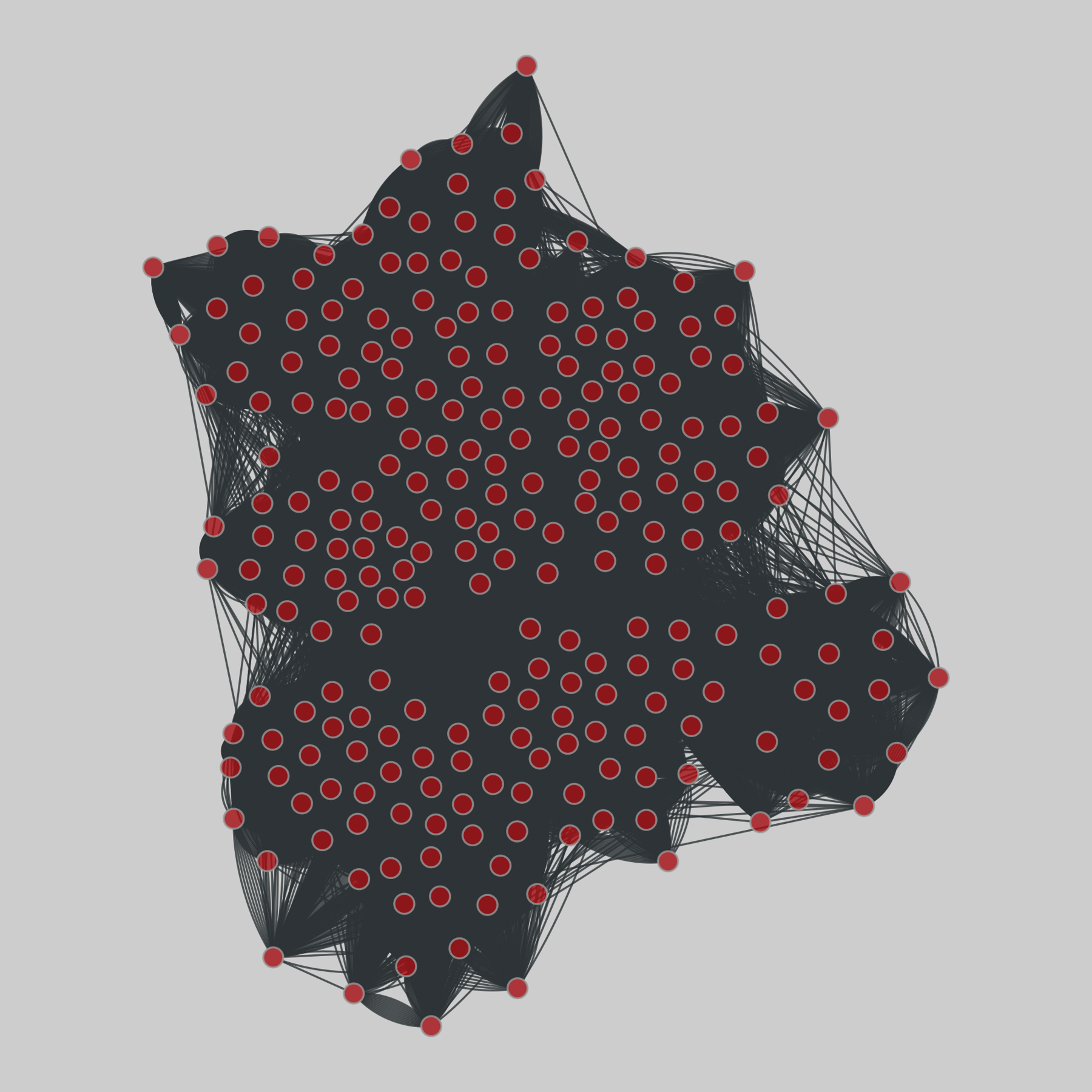
sp_primary_school: Primary school dynamic contacts (2009)
Two temporal networks of contacts among students and teachers at a primary school in Lyon, France, on consecutive days of in October 2009. Each network accumulates all contacts over the course of a single day; contacts were sampled at 20-second intervals.
This network has 242 nodes and 125773 edges.
Tags: Social, Offline, Weighted, Temporal, Metadata