 @datascience@genomic.social
2026-08-17 10:00:01
The {conflicted} package makes sure that namespace conflicts are solved explicitly and prevents unpleasent surprises: #rstats
 @Mediagazer@mstdn.social
2026-07-16 22:05:54
Sony Music Publishing completes its acquisition of the full music rights portfolio of Recognition Music Group, backed by Singapore's sovereign wealth fund GIC (Tim Ingham/Music Business Worldwide)
https://www.musicbusinessworldwide.com/d…

 @NFL@darktundra.xyz
2026-06-17 02:36:40
Patriots, Robert Kraft file complaint against town of Foxborough over 'improper' fees https://www.nytimes.com/athletic/7367933/2026/06/16/patriots-owner-robert-kraft-complaint-foxborough-stadium-licensing-fees/
 @seeingwithsound@mas.to
2026-06-17 13:10:06
#Paradromics and University of Michigan complete first #Connexus BCI implantation for the FDA-approved Connect-One clinical study
 @azonenberg@ioc.exchange
2026-08-16 20:09:56
Proper generic kernel fusion is *so* complicated.
Making it work for a trivial 1:1 case is easy, but considering more complicated scenarios like "shader needs another SSBO as a scratch buffer or to read a large block of constants from", or "input and output are not 1:1" or even "shader has multiple outputs" complicates things dramatically.
But I don't want to rush out an incomplete half-baked solution that will have to be ripped out later on.
 @mszll@datasci.social
2026-07-16 19:31:19
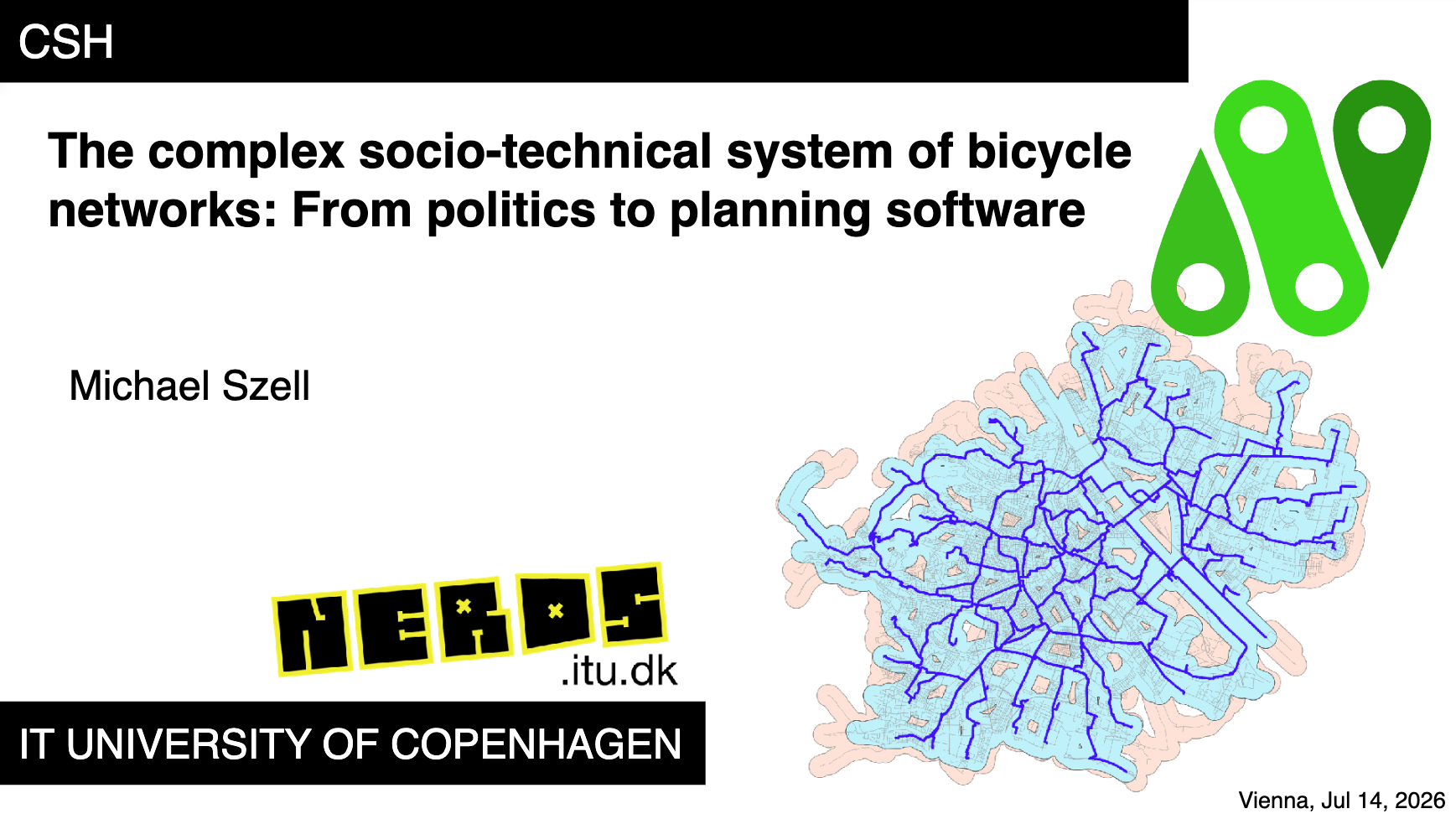
The slides of my talk two days ago at #Complexity Science Hub #Vienna are now online [pdf]: https://michael.szell.net/down…
 @raiders@darktundra.xyz
2026-08-17 13:45:35
Watch: Lions HC Dan Campbell sent into hysterics reading Jim Otto injury history https://raiderswire.usatoday.com/story/sports/nfl/raiders/2026/08/17/lions-hc-dan-campbell-hysterics-laughin…
 @grist@fosstodon.org
2026-09-15 16:40:53
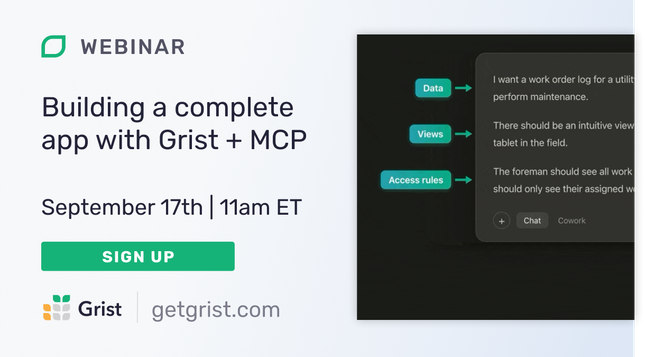
This Thursday – if you've been wondering how Grist can look in an MCP-powered workflow, watch our CEO build an entire app in a single webinar: https://www.getgrist.com/webinars/building-a-complete-app-with-grist-mcp/
 @thomasfuchs@hachyderm.io
2026-06-17 02:07:40
So, I'm still experimenting with locally run LLMs (powered by solar cells!) for writing some inconsequential data mangling stuff for my "vintage cameras" hobby; it's quite interesting how the development cycle with these LLMs sort of drives home that LLMs are completely useless for almost anything they're advertised for, like writing (for humans).
The thing is: coding is the use case that LLMs are by far most suitable for and they still largely suck at it.
There's immense amounts of training data of correctly functioning code, there's tons of documentation, a lot of code is in repositories that include the full history of its development including why stuff was changed in small bits, code itself is the simplest of "human" languages and mathematically non-ambiguous, code can be checked in small bits for correctness by just running it, in many languages simple code snippets can be written to introspect on the code (e.g. find out what methods an object supports, so an LLM can query the language or libraries themselves in addition to the user) and perhaps most importantly: code is always and has always been very similar to other, existing code as most software serves the ever same repetitive use cases, both in detail and on a high level.
YET… using LLMs to code requires countless iterations to get there, both internally in the LLM (to get the code even running in the first place) and together with the user to make it do the right thing. And even when it's "there" the code is mediocre at best, and often veering into appalling.
And this is expected to just work on the first try on much more complex issues like writing for humans? Transcribing doctors? Having legal opinions? Identifying fraud? lol, sure
 @lpryszcz@genomic.social
2026-06-17 13:11:52
Just Be Normal About Things by JA Westenberg
Most people don’t need a complete ideological conversion. They need to read more than one source, stop confusing vibes with facts, and admit that complicated problems are - in fact - complicated.
https://www.joanwestenberg.com/p/just-be-n
