 @simon_brooke@mastodon.scot
2025-11-15 09:57:31
"A new investigation of Elon #Musk’s X by Sky News found that every account set up by reporters, 'no matter their political orientation, was fed a glut of rightwing content', much of which was extreme. The experts it consulted believe this pattern could have resulted only from an algorithm engineered for this purpose, and that 'an algorithmic bias must be decided by senior people at …
 @grifferz@social.bitfolk.com
2026-01-16 00:22:04
Pocock back on his bullshit about shady corporate interests wanting to destroy email in favour of web-based communication they can control.
…no. Communities stopped using email because users stopped using email, probably for a variety of reasons. They are just going where the users are.
The inbox providers probably bear the most blame, but even they, like spammers, are acting out of capitalistic motives not evil 3d chess motives.
 @deprogrammaticaipsum@mas.to
2025-11-16 09:16:29
"The scene (“Hidden Figures”, 2016) ends with Mr. Stafford famously claiming “that’s old!” as if the Pythagorean theorem was suddenly not useful anymore after 3500 years… Mr. Stafford’s reaction is canonical and very appropriate; it is the same that most devs have upon learning the fact that COBOL is running most credit card transactions, or when frontend engineers discover that static or server-rendered HTML websites do not need 10 MB of JavaScript on the browser."
 @castarco@hachyderm.io
2025-11-16 12:05:17
I have the distinct impression that we could use most American "sci-fi" TV series (which seem to have a kink for post-apocalyptical scenographies) as a diagnostic tool for the autism spectrum.
For a moment, let's leave aside the tons of right-wing propaganda "hidden" in plain sight, and their excessive reliance on boring & worn out tropes (religious & cultish bullshit, irrational lack of communication & excess of anti-social behaviour, all vs all, ultra-low-iq characters*, psychotic & irrationally treacherous characters*, ultra-inconsistent character development used to justify "unexpected" plot twists, rampant anti-intellectualism...).
What could be used as a diagnosis tool is the incredible amount of strong inconsistencies that we can find in them**. It throws me out of the story every single time; and I suspect that it takes a certain kind of "uncommon personality" to feel that way about it, because otherwise these series wouldn't be so popular without real widespread criticism beyond cliches like "too slow", "it loses steam towards the end of the season", etc.
Many of those plots start in a gold mine of potentially powerful ideas... yet they consistently provide us with dirt & clay instead, while side-lining the "good stuff" as if it was too complicated for the populace.
Do you feel strongly about it? Do you feel like you can't verbalize it without being criticised as "too negative", or "too picky", or an "unbearable snob"? Do you wonder why it seems like nobody around shares your discomfort with these stories?
* : I feel this is a bit like the chicken & egg problem. Has the media conditioned part of American society to behave like dumb psychopaths as if it was something "natural", or is the media reflecting what was already there? Also, could we use other societies as models for these stories... just for a change? Please?
** : Just a tiny example: a "brilliant" engineer who builds a bridge out of fence parts and who doesn't bother to perform the most basic tests before trying it in a real setting and suffer the consequences: the bridge failing and her falling into the void. Bonus points for anyone who knows what I'm talking about.
 @CerstinMahlow@mastodon.acm.org
2025-12-14 14:58:37
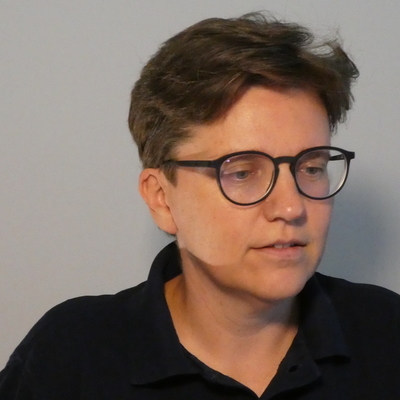
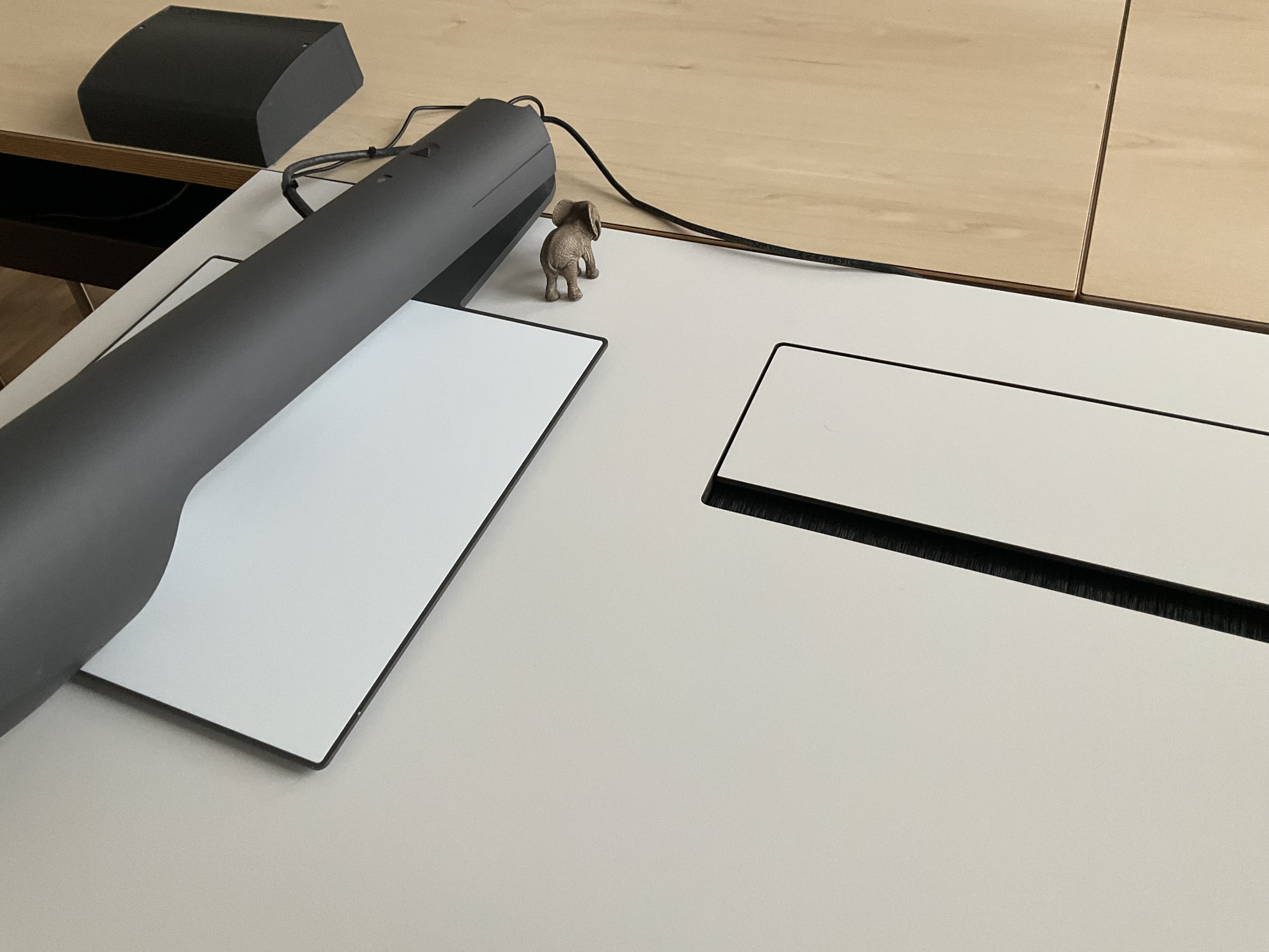
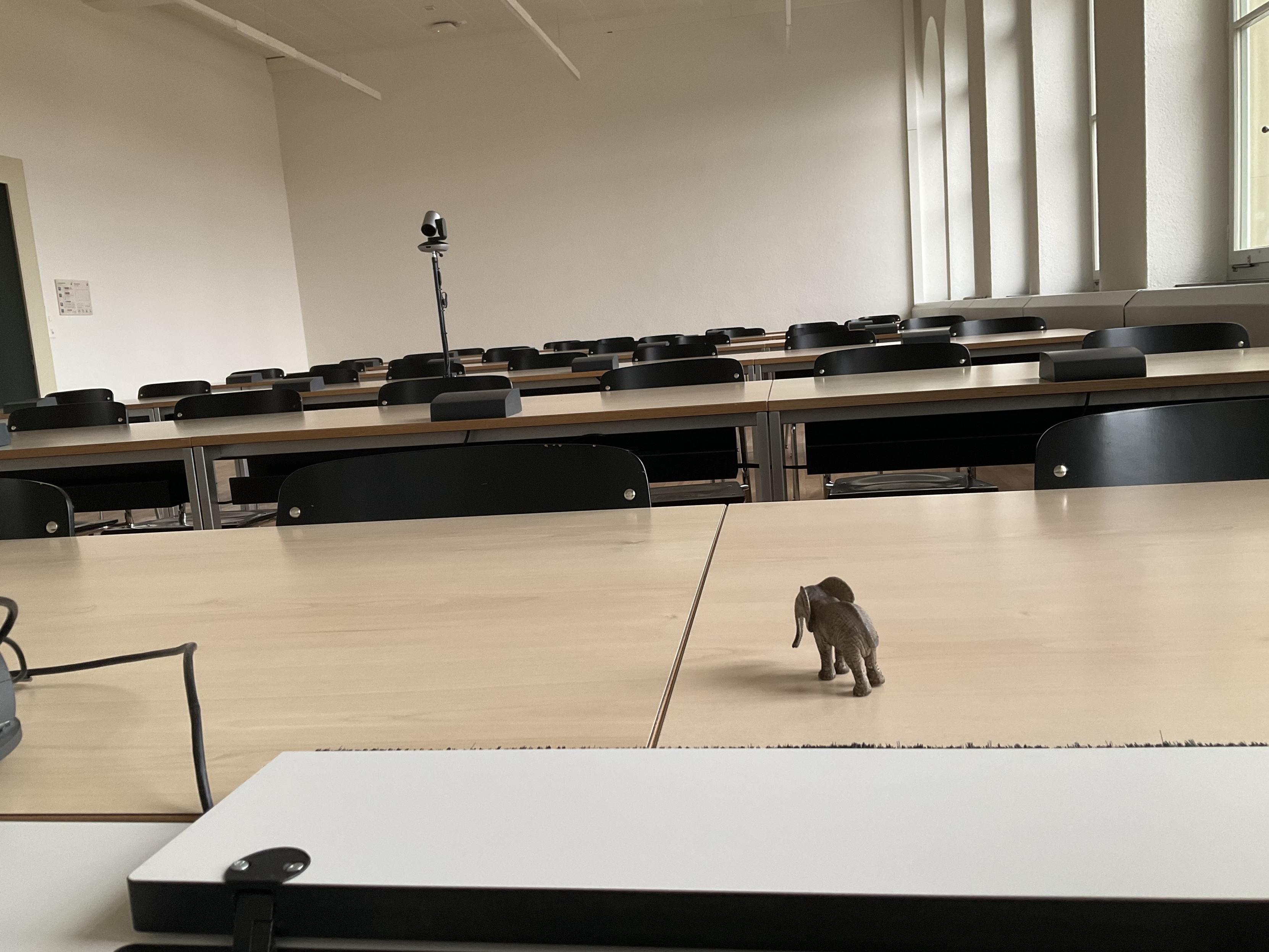
Yesterday was my last day of this term's teaching Communication at the School of Engineering. So time to say good by to the little fellow living in TH547 and attending all lectures! He was there even on days none of the 33 students showed up
#AcademicChatter #TeachingElephant

 @UP8@mastodon.social
2025-11-11 22:47:33
🫰🏿 Snap out of it: Canonical on Flatpak friction, Core Desktop, and the future of Ubuntu
https://go.theregister.com/feed/www.theregister.com/2025/11/03/canonical_jon_seager_qa/

 @Techmeme@techhub.social
2025-12-11 14:20:43
Stanford researchers develop AI hacking bot Artemis and say it surpassed nine out of 10 penetration testers by rapidly finding bugs in the university's network (Robert McMillan/Wall Street Journal)
https://www.wsj.com/tech/a…
 @seav@en.osm.town
2025-12-07 03:00:48
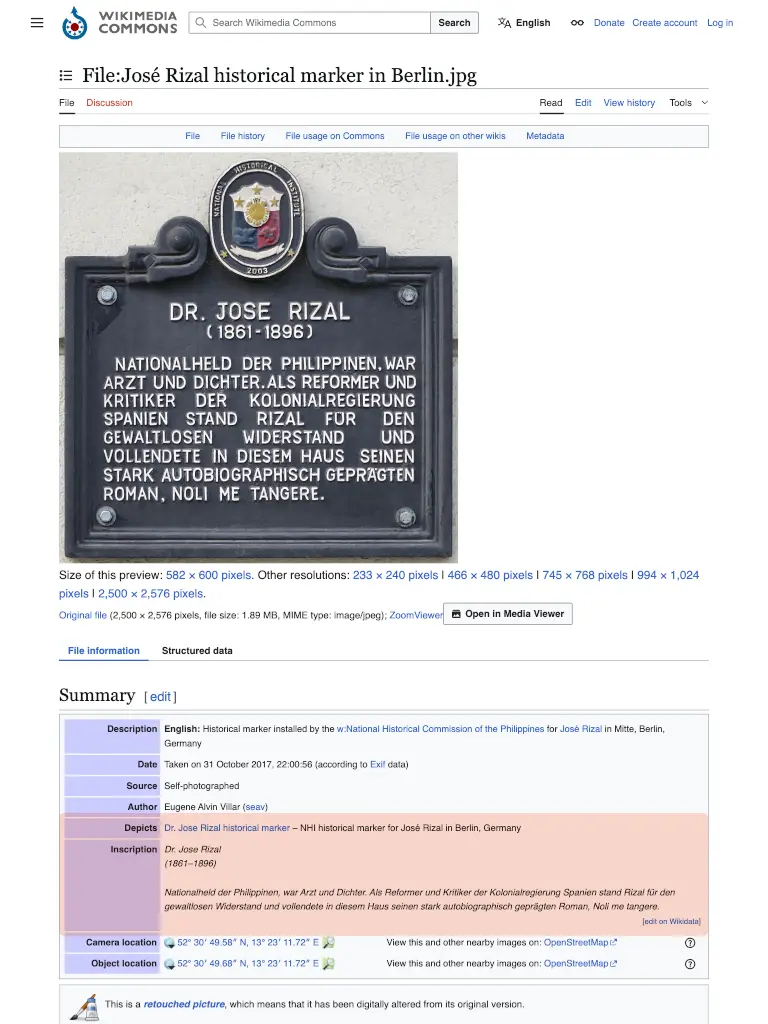 @Techmeme@techhub.social
2025-12-10 22:21:12
Google rolls out Preferred Sources globally, letting users customize "top stories" in Search, and launches highlighted links from users' news subscriptions (Barry Schwartz/Search Engine Land)
https://searchengineland.com/google-ro
