 @tiotasram@kolektiva.social
2026-09-26 22:39:42
It only takes a very rudimentary understanding of economics to see that, in the long run, the market price of running "agentic AI" (or whatever the latest buzz becomes) and the salary of any kind of knowledge worker can only be separated by a gap that's dependent on *management's* ability to tell their output apart.
There is a cosmic-scale gap between the long-term value to a company in paying a salary to a human vs. getting an LLM to "do" the "same" work, but it's a gap that many people are investing heavily in hiding right now, and CEOs and managers become incredibly gullible when you promise them they won't have to deal with humans who might ask for raises, even though it should be obvious you plan to jack up prices once they're locked in. They also aren't well-known for a deep understanding of how their workers actually generate value, and tend to be easily distracted by shiny but shallow demos, which is exactly what LLMs can produce well.
Even in the most optimistic scenario I can imagine for these developments, the myth of upward mobility that's been a lynchpin for defusing class solidarity among wage laborers is going to take a significant beating. There's a completely obvious game plan underway to try to use fascism to shore up the power of the wealthy against any kind of mass movement, and to play the ancient divide-and-conquer game along race and gender lines just as usual, so the range of outcomes is huge, but every time you use an LLM you're pushing this closer to a sharper conflict.
#AI #LLMs
 @morituri@berlin.social
2026-10-20 17:37:42
 @morituri@berlin.social
2026-10-16 09:52:42
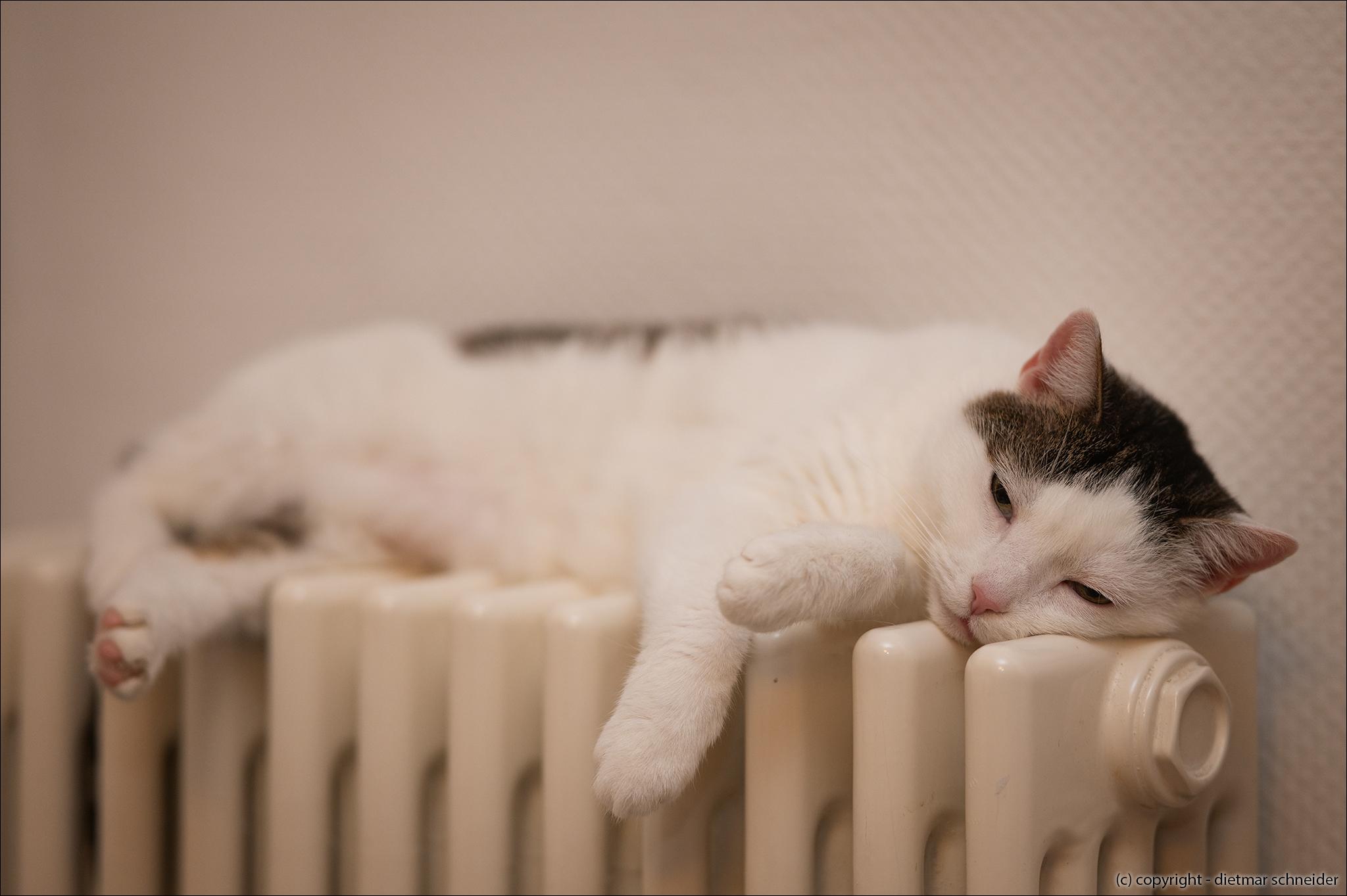
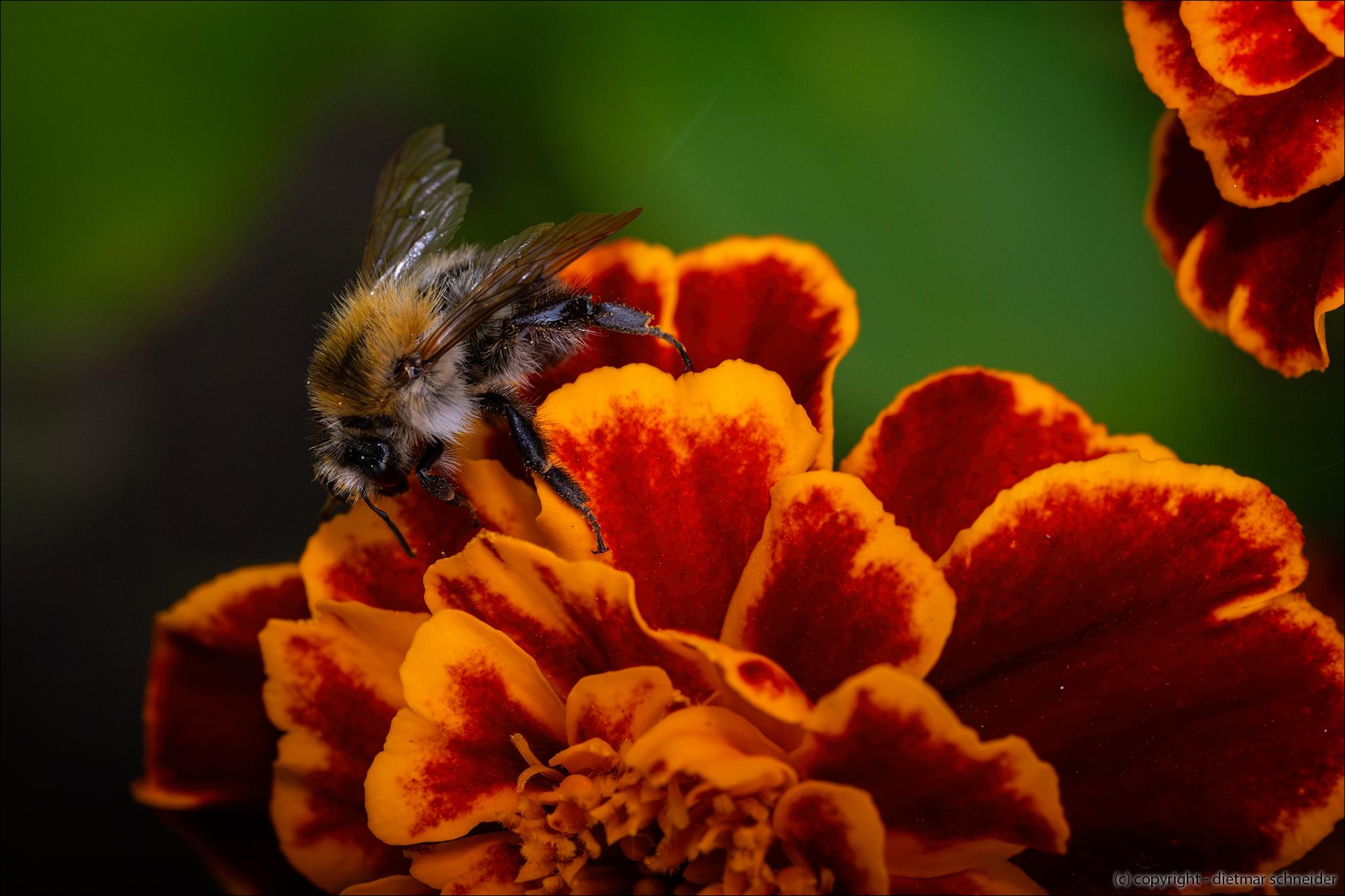
Hier ist eine Hummel, die am frühen Morgen noch etwas verschlafen wirkt. Mit Tautropfen im Fell möchte der kleine Kollege sein Gesicht lieber nicht zeigen. Nachts wird es inzwischen ziemlich kühl – verständlich, dass er sich ein wenig bockig benimmt... 😊♥️
#DietmarSchneider #Fotogalerie #Foto #Photography #Fotografie #Photo #Animals #Bienen #Bees #Hummel #BumbleBee #Insekten #Insects #Wildlife #Berlin #Schlossparkgezwitscher #Naturephotography #Naturfotografie #Digitour
 @morituri@berlin.social
2026-10-16 23:37:42
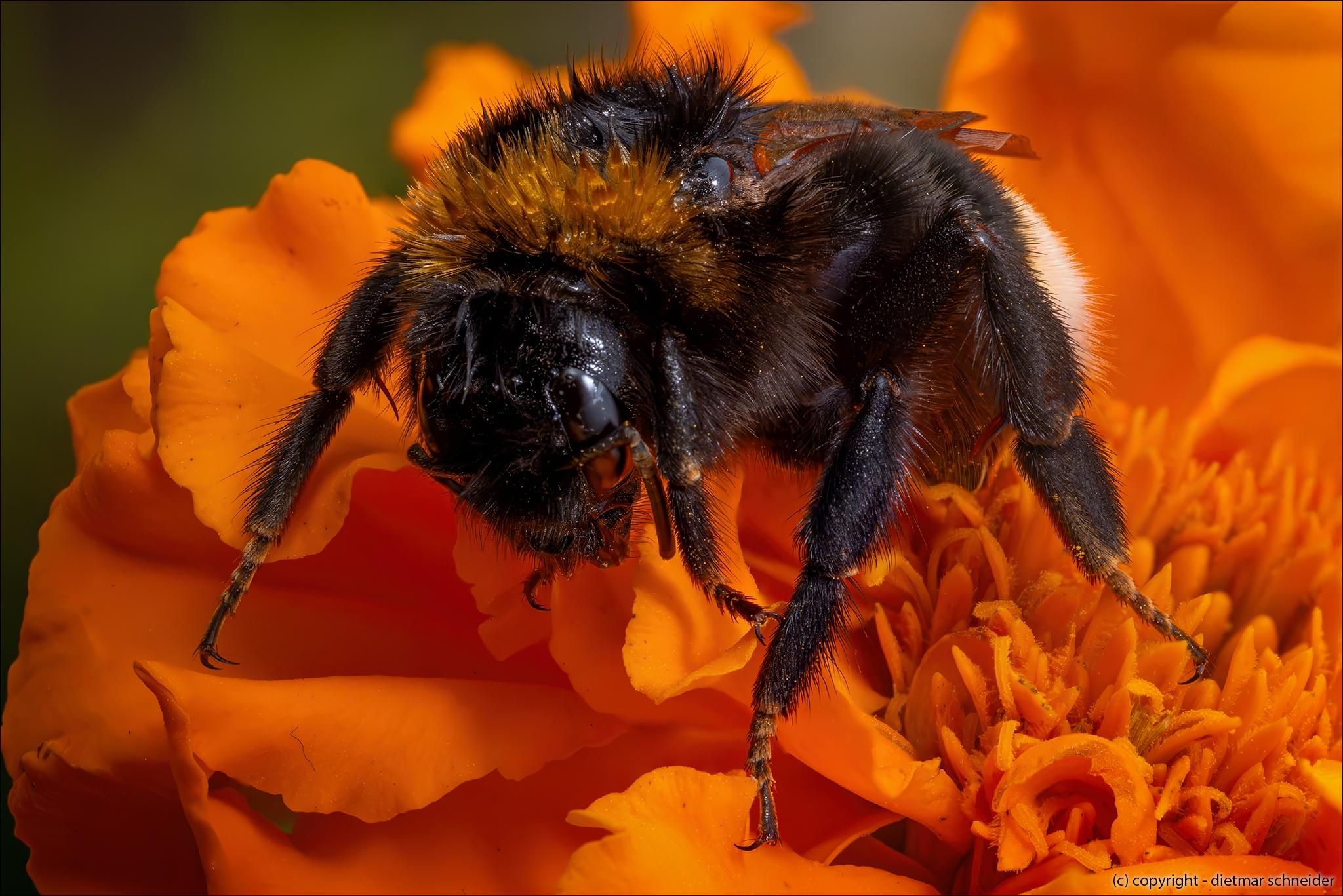
Eine Hummel haben wir noch. 🙂
Erdhummeln gehören zu den wichtigsten Bestäubern in Gärten, Feldern und Parks - diese hier ist im Schlosspark Charlottenburg zu Hause... ❤️
#DietmarSchneider #Fotogalerie #Foto #Photography #Fotografie #Photo #Animals #Bienen #Bees #Hummel #BumbleBee #Insekten #Insects #Wildlife #Berlin #insectphotography #Schlossparkgezwitscher #Naturephotography #Naturfotografie #Digitour
 @morituri@berlin.social
2026-10-16 22:04:55
 @morituri@berlin.social
2026-10-16 08:55:00
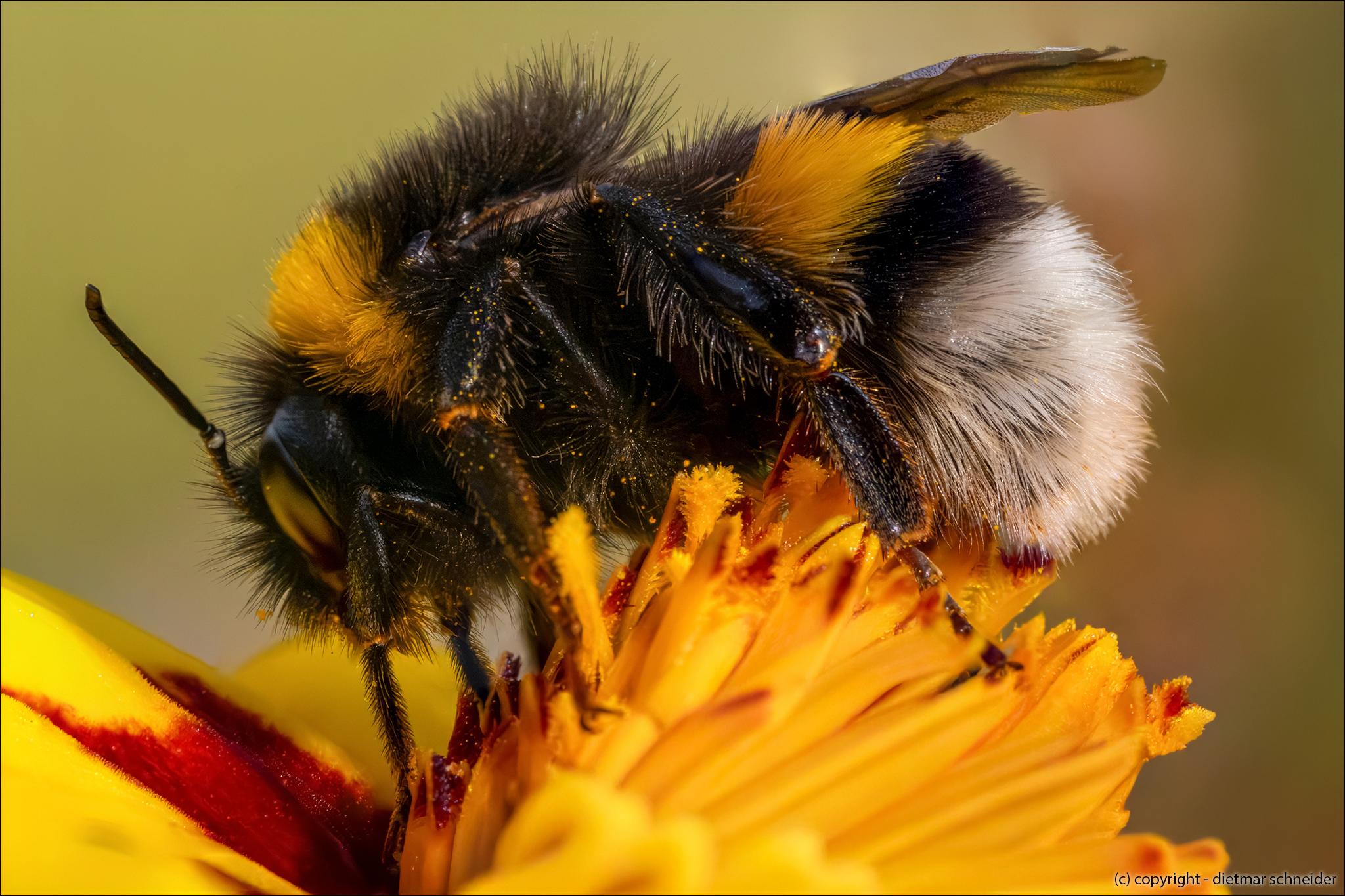
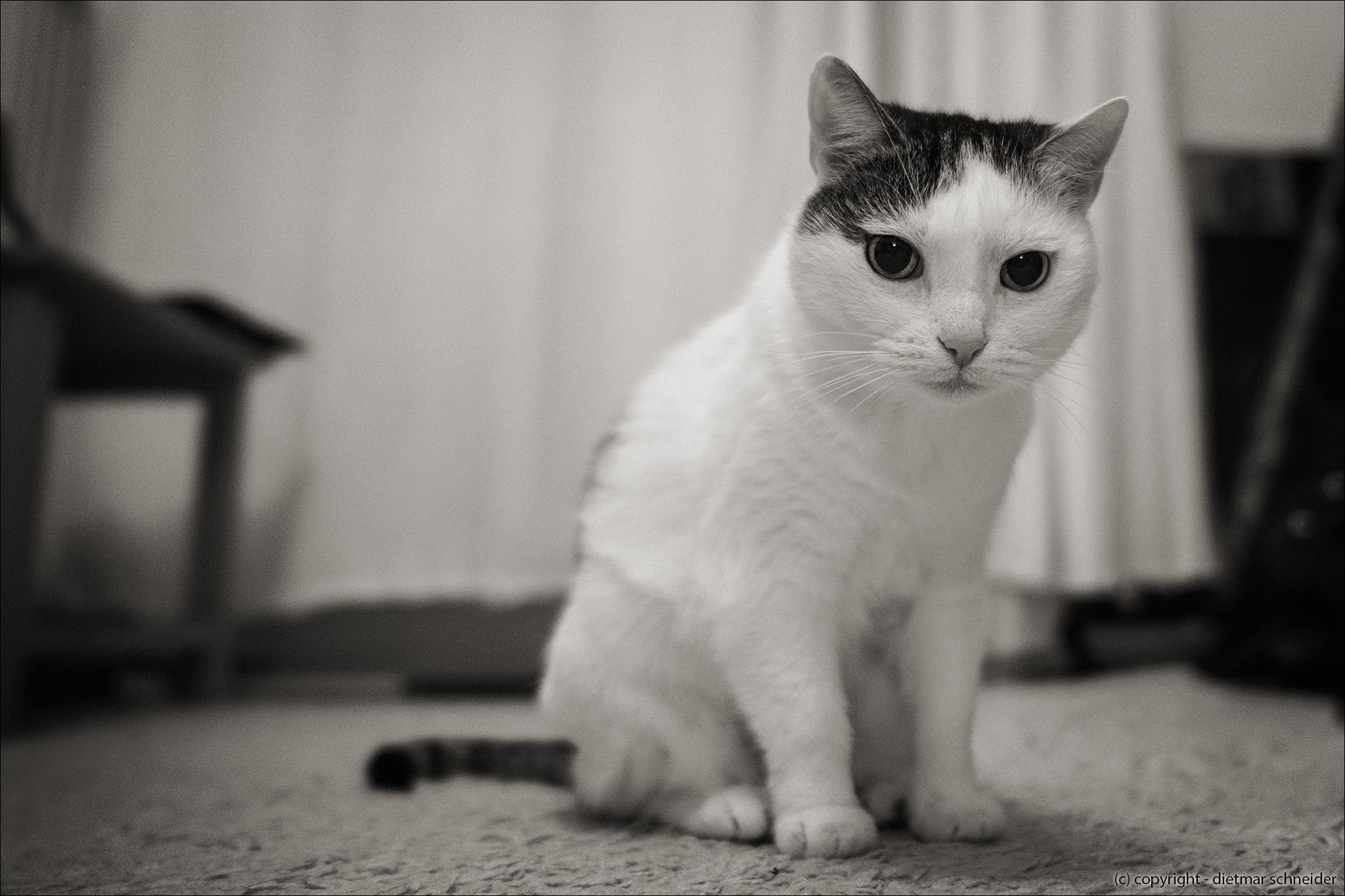
Eine fleißige Hummel, auch jetzt noch unterwegs - hier auf einer orange-roten Blüte einer Studentenblume.
#DietmarSchneider #Fotogalerie #Foto #Photography #Fotografie #Photo #Animals #Bienen #Bees #Hummel #Studentenblume #StudentFlower #Blumen #Flowers #Pflanzen #Plant #Tagetes #BumbleBee #Insekten #Insects #Wildlife #Berlin #Schlossparkgezwitscher #Naturephotography #Naturfotografie #Digitour
 @morituri@berlin.social
2026-10-15 10:32:50
Ich wollte schon immer mal 'nen Hummelpopo fotografieren 😊 😄 ♥️
#DietmarSchneider #Fotogalerie #Foto #Photography #Fotografie #Photo #Animals #Bienen #Bees #Hummel #BumbleBee #Insekten #Insects #Wildlife #Berlin #HummelHintern #HummelPopo #Schlossparkgezwitscher #Naturephotography #Naturfotografie #Digitour
 @morituri@berlin.social
2026-10-15 16:19:42
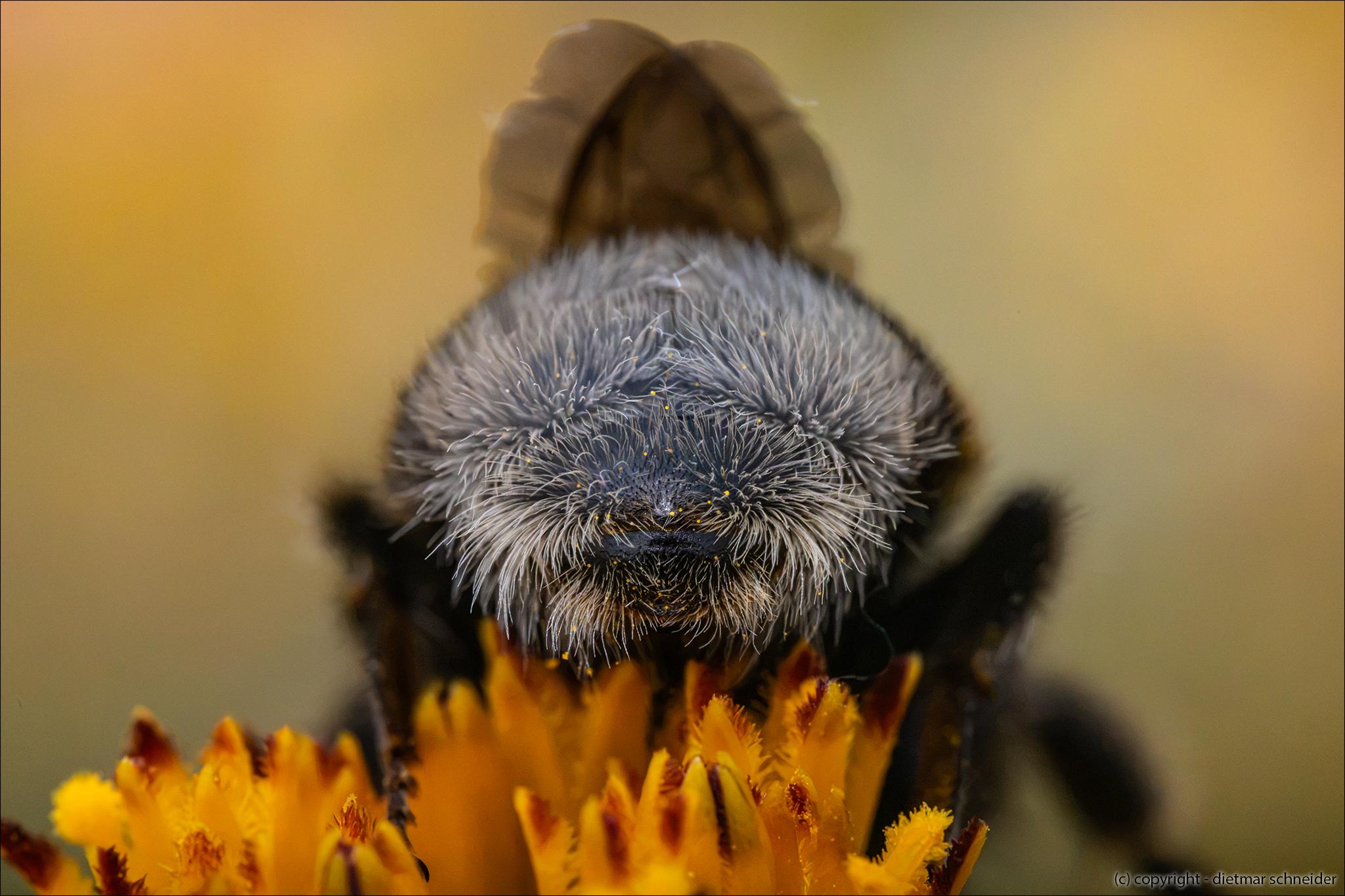
Im Netz der Kreuzspinne... Focus-Stacking Aufnahme, daher sind einige Fragmente im Bereich des Spinnennetzes unscharf. ... wahrscheinlich fällt es nur mir auf 😊
#DietmarSchneider #Fotogalerie #Foto #Photography #Fotografie #Photo #Animals #Spinnentiere #Arachnids #Gliederfüßer #Arthropod #Kreuzspinne #Gartenkreuzspinne #GardenSpider #Spider #Wildlife #Berlin #Schlossparkgezwitscher #Naturephotography #Naturfotografie #Digitour
 @morituri@berlin.social
2026-10-15 17:40:38
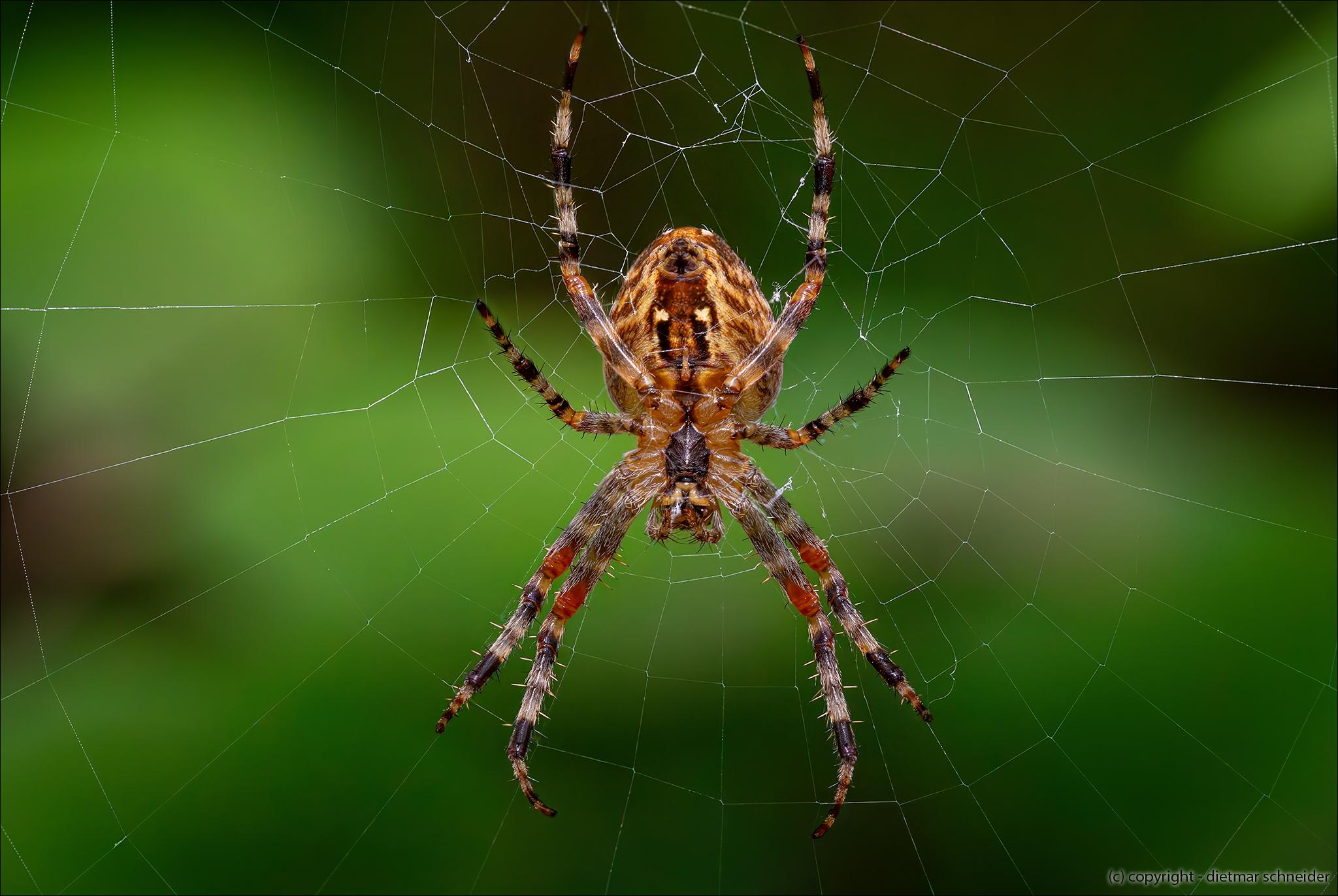
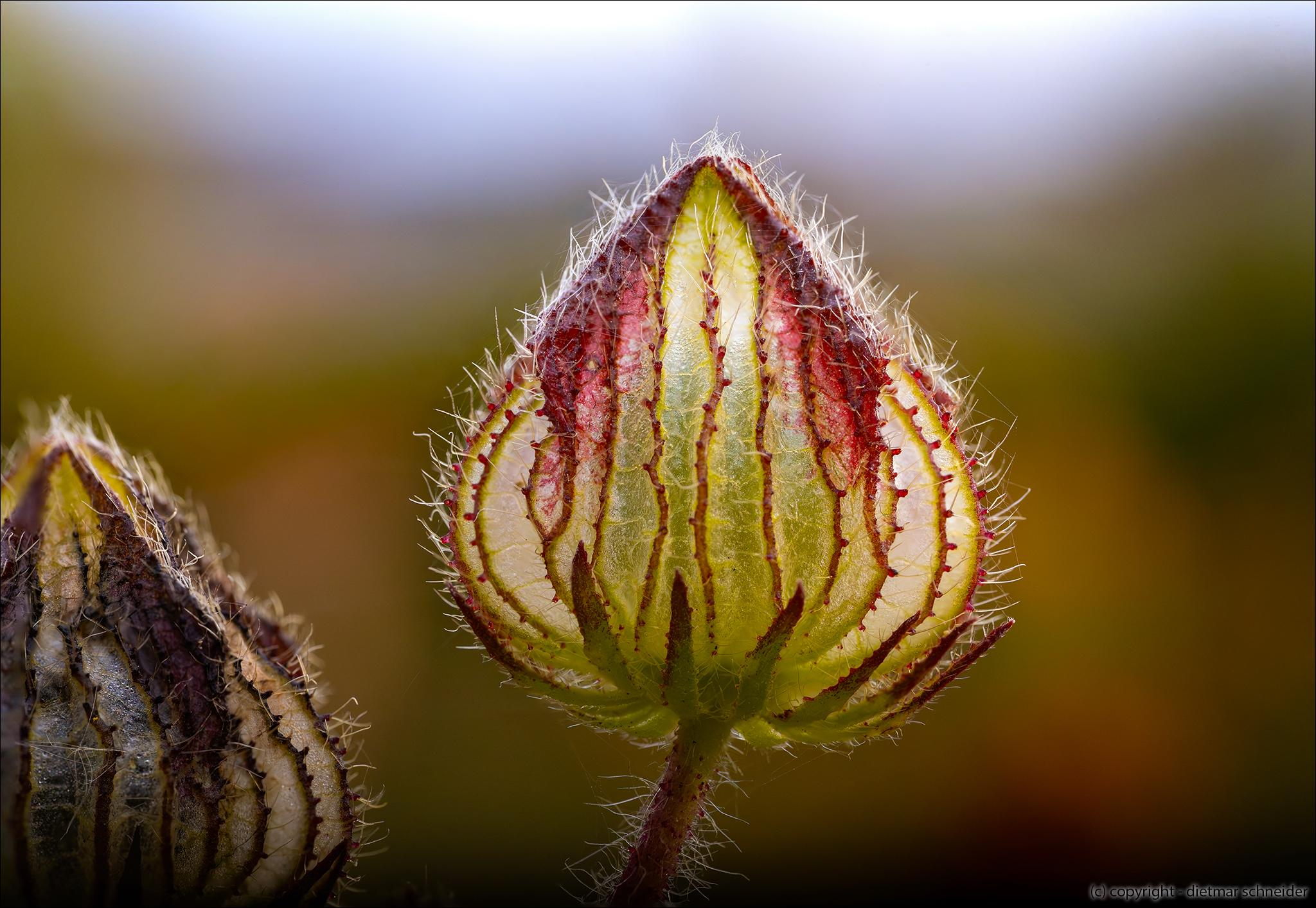
Blütenkelch der Stundenblume, auch bekannt als Stundeneibisch, Stunden-Roseneibisch oder Stundenröslein. Ihre Blüte ist meist nur für wenige Stunden am Vormittag oder bei reichlich Sonnenschein zu sehen.
#Fotogalerie #PhotoGallery #Fotos #Photos #Fotografie #Photography #Stundeblume #VeniceMallow #HibiscusTrionum #Blumen #Flowers #Pflanzen #Plant #Natur #Nature #Naturfotografie #Naturephotography #Berlin #Schlossparkgezwitscher #Digitour
 @morituri@berlin.social
2026-10-11 17:38:47
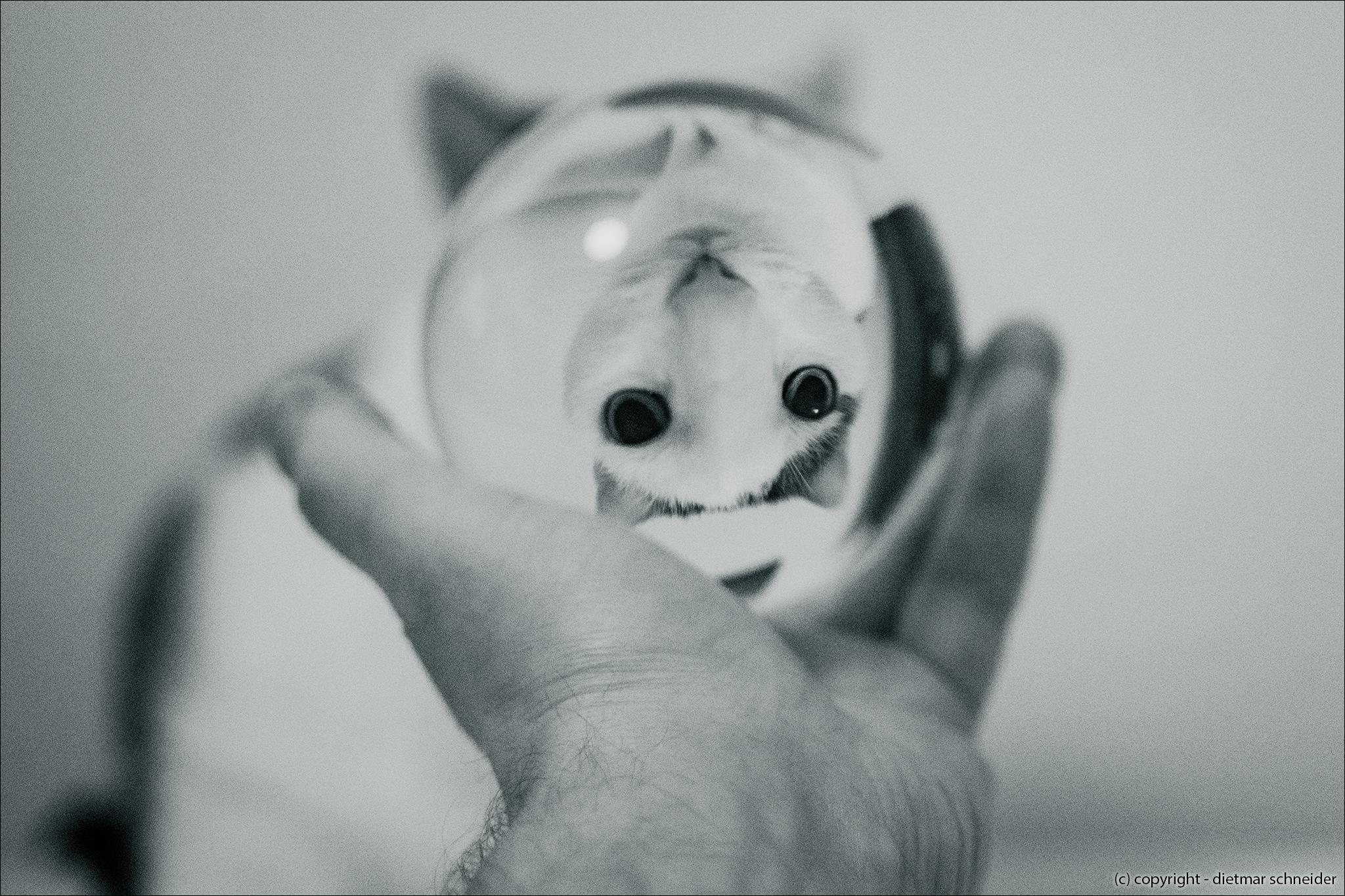
Eins Glaskugel-Bild ham wer noch 😊
#Stillersonntag #Silentsunday
#Caturdayeveryday #FediCats #Uschi #Caturday #DietmarSchneider #Catstodon #Fotogalerie #Foto #Haustier #Katze #Cat #Katzen #Cats #Photography #Photo #Video #VideoClip #KatzenVideo #CatsOfMastodon #CatsOfFediverse #Animals #Berlin #Schlossparkgezwitscher #Digitour #SchwarzWeiss #BlackAndWhite