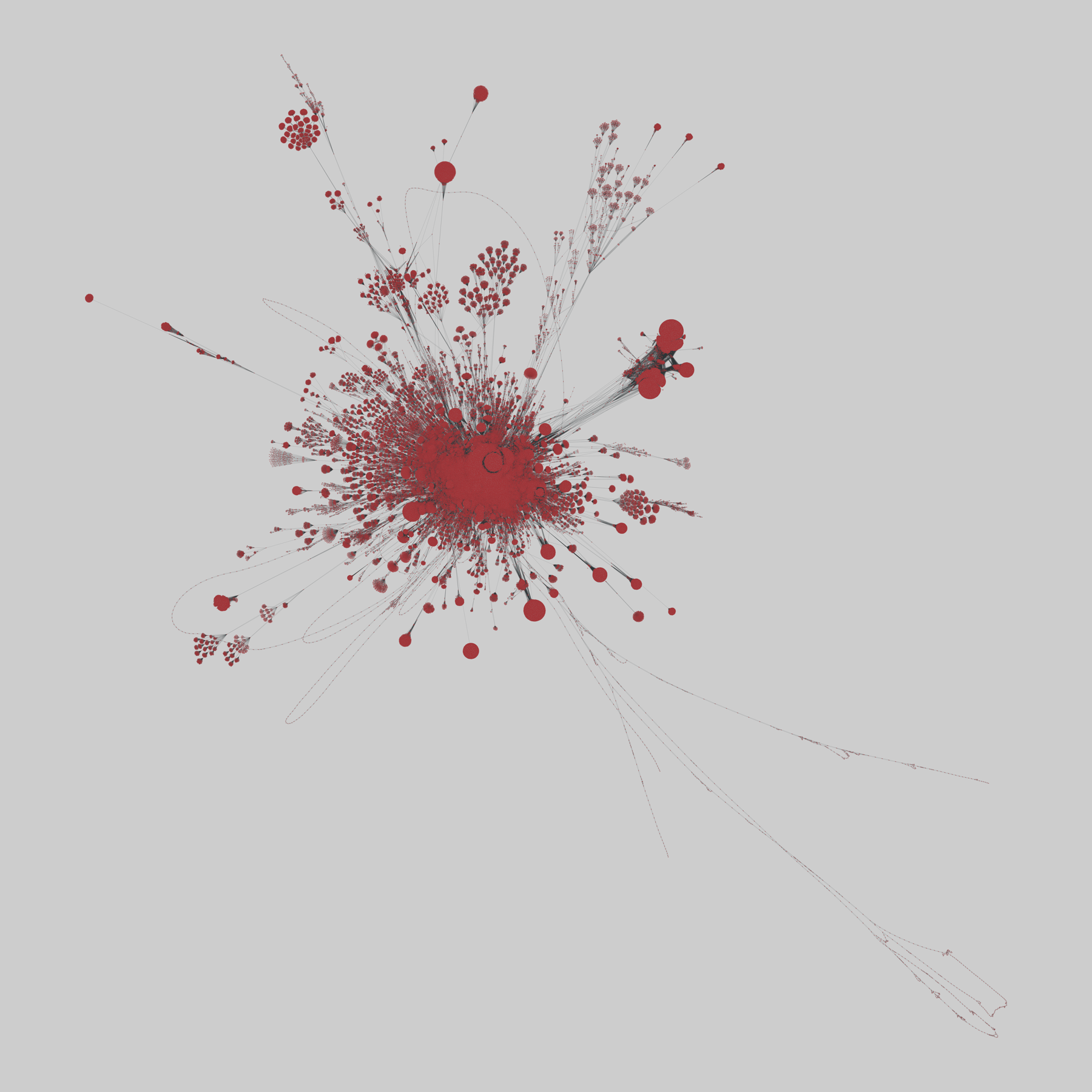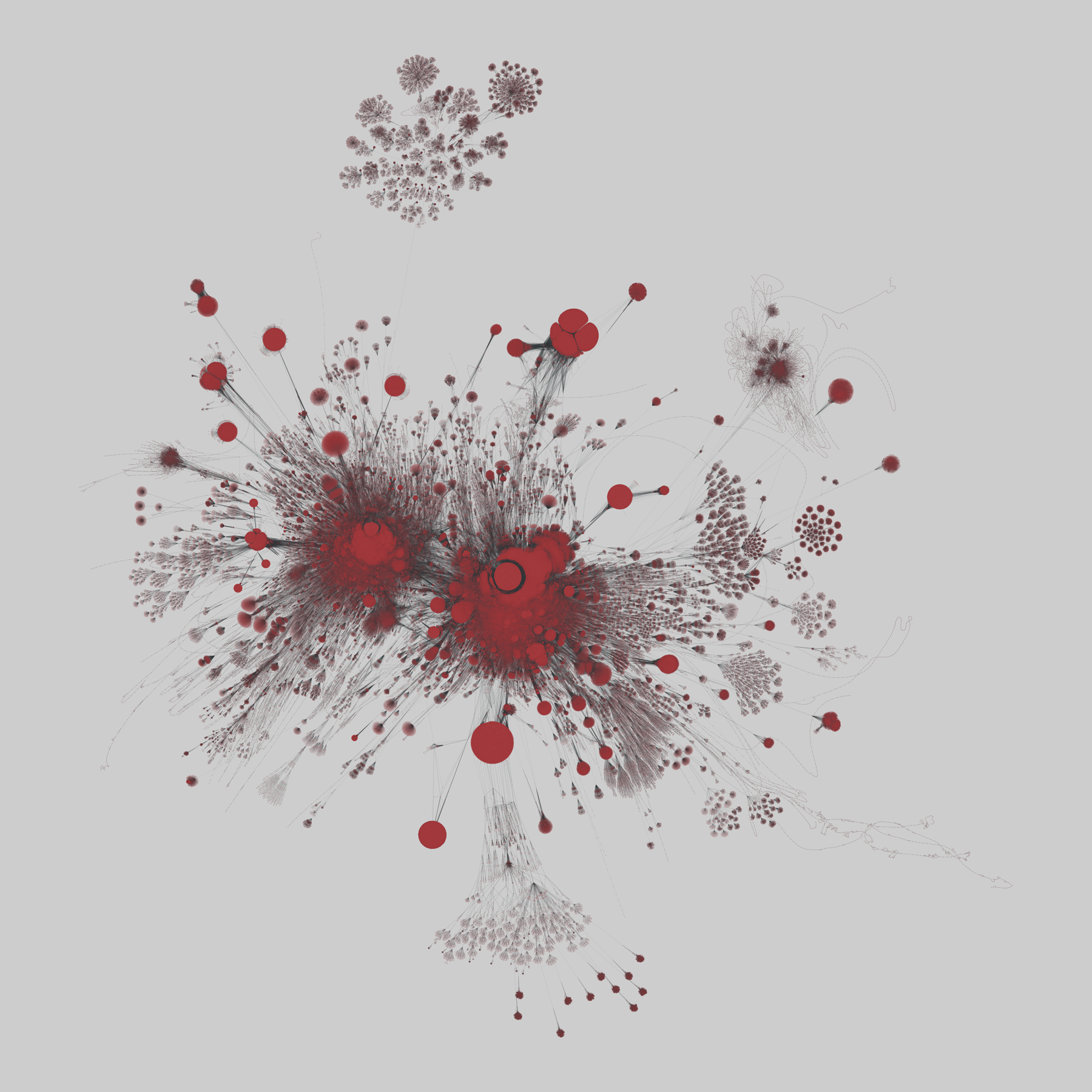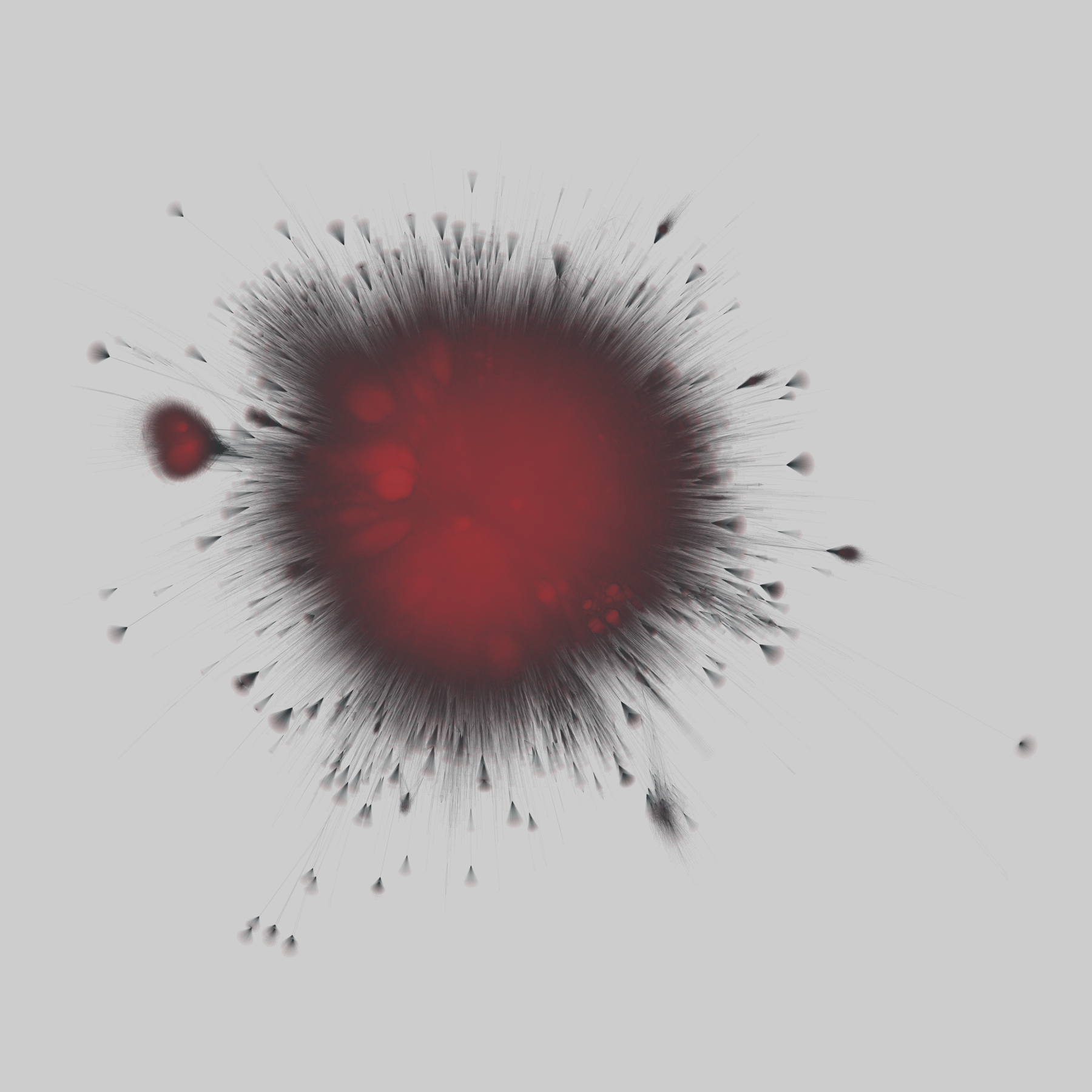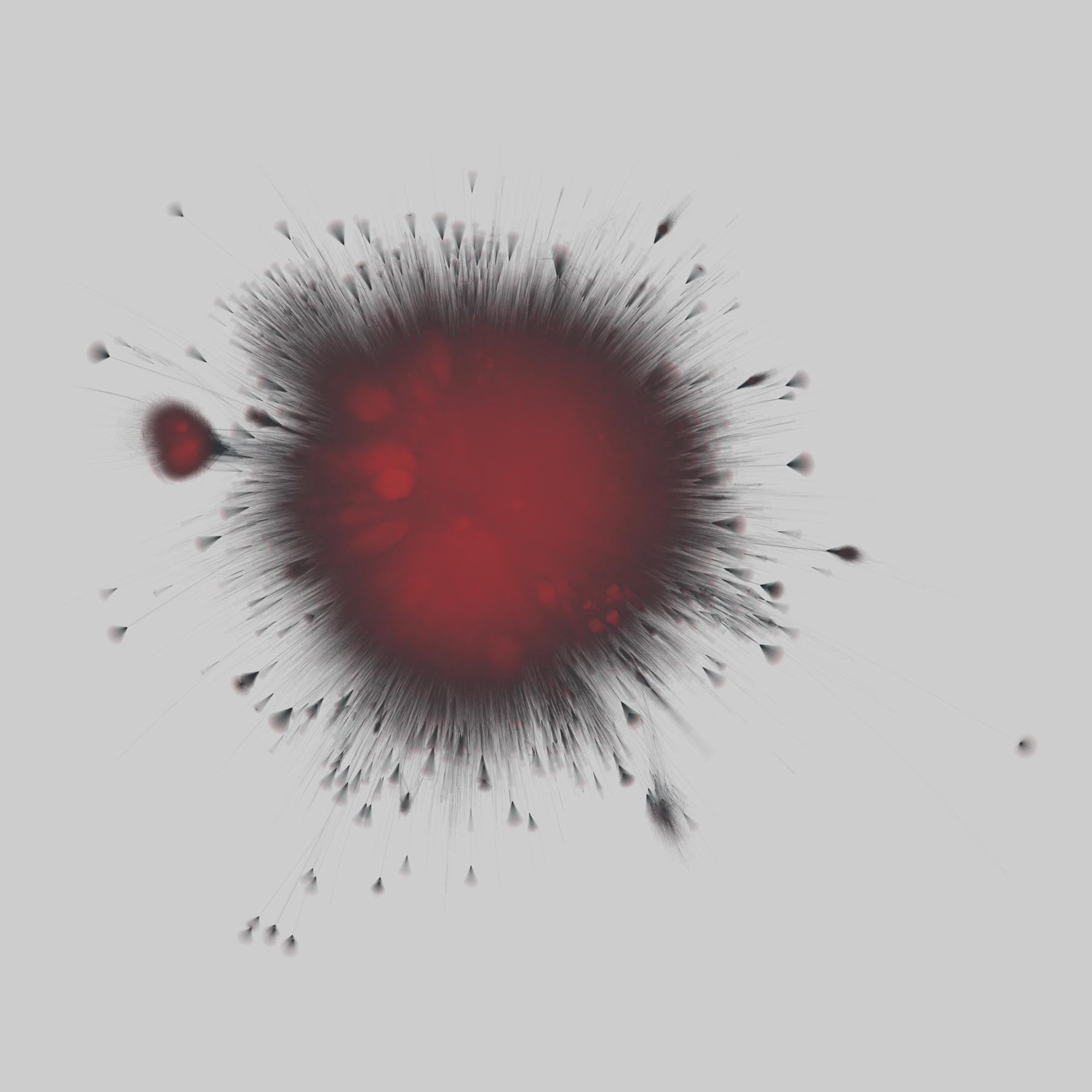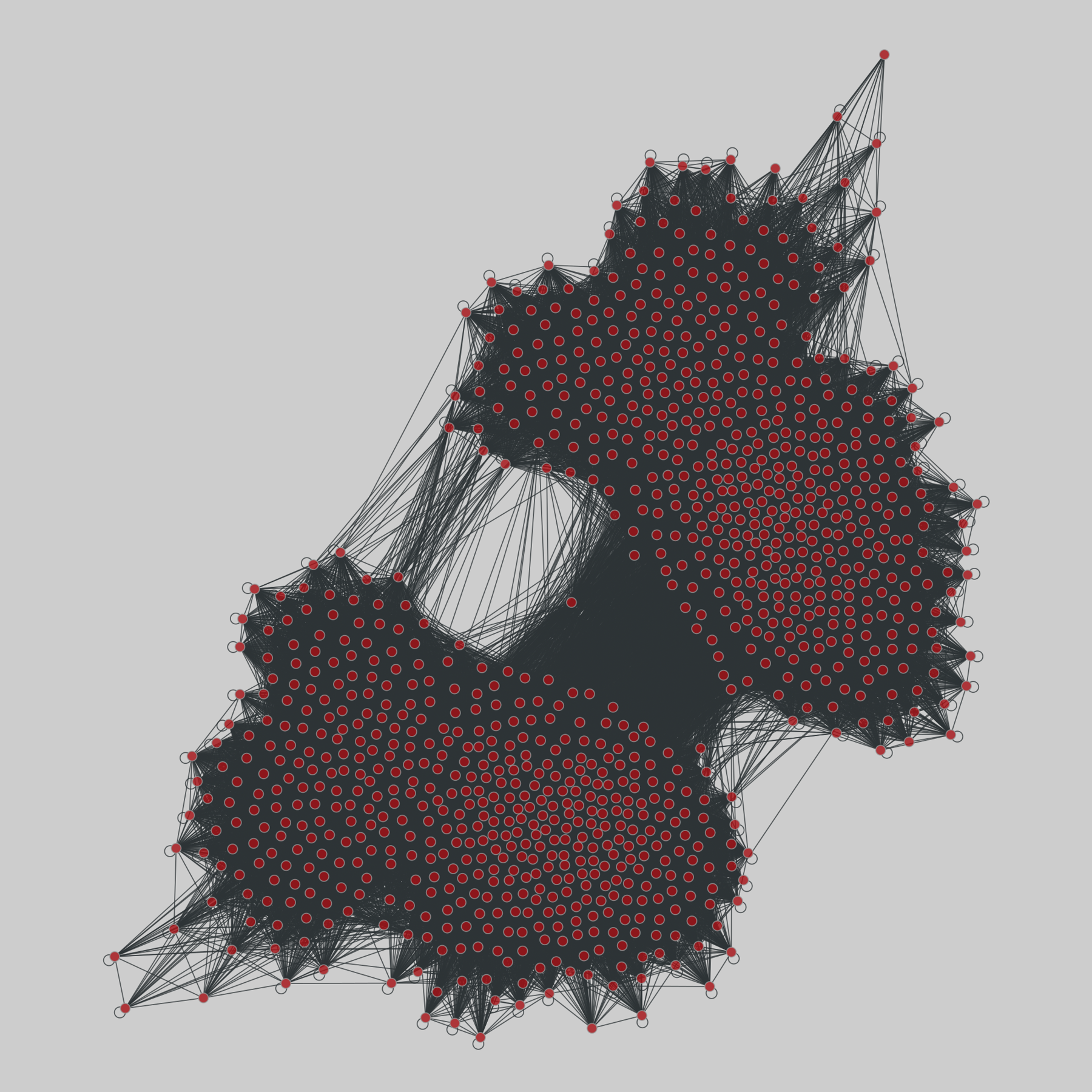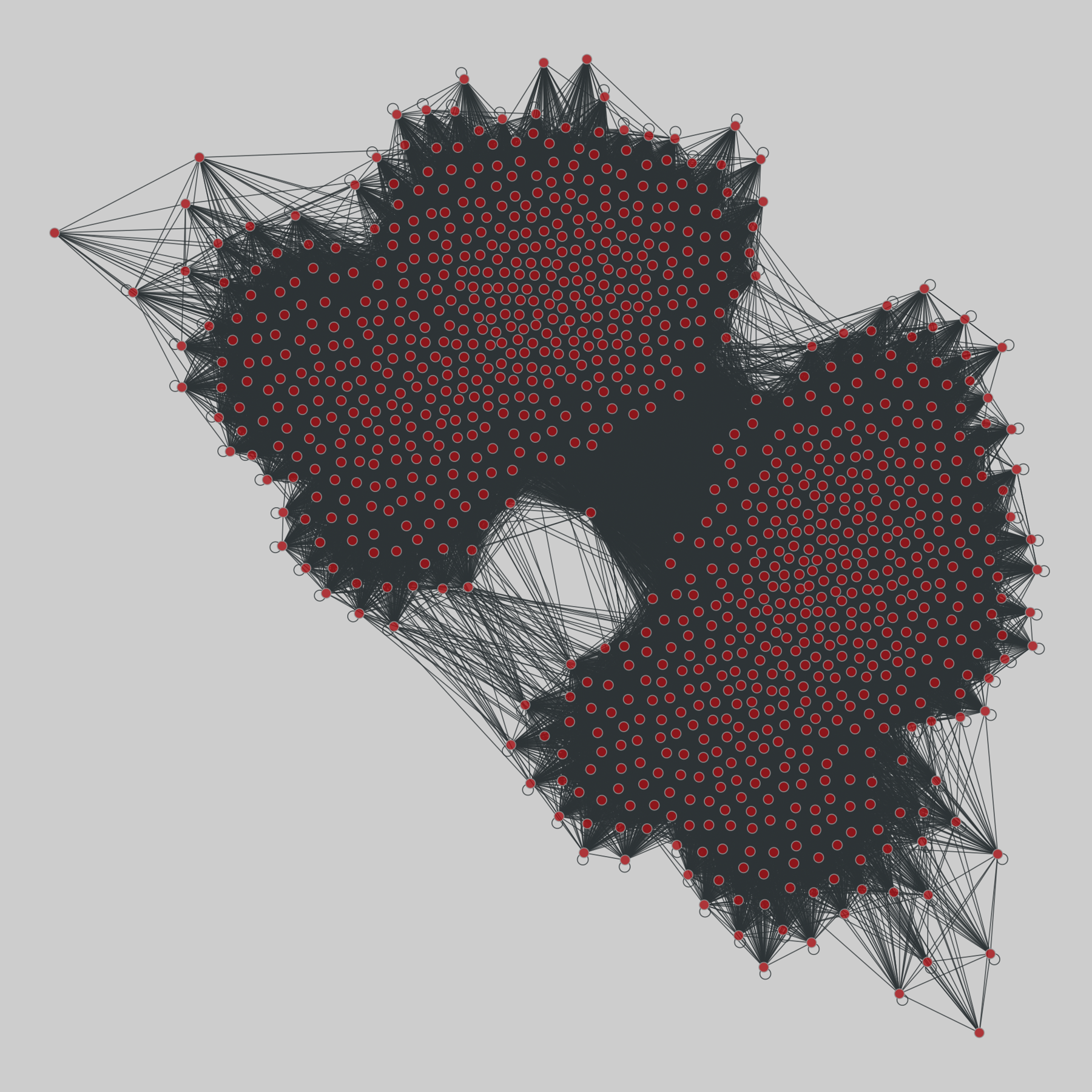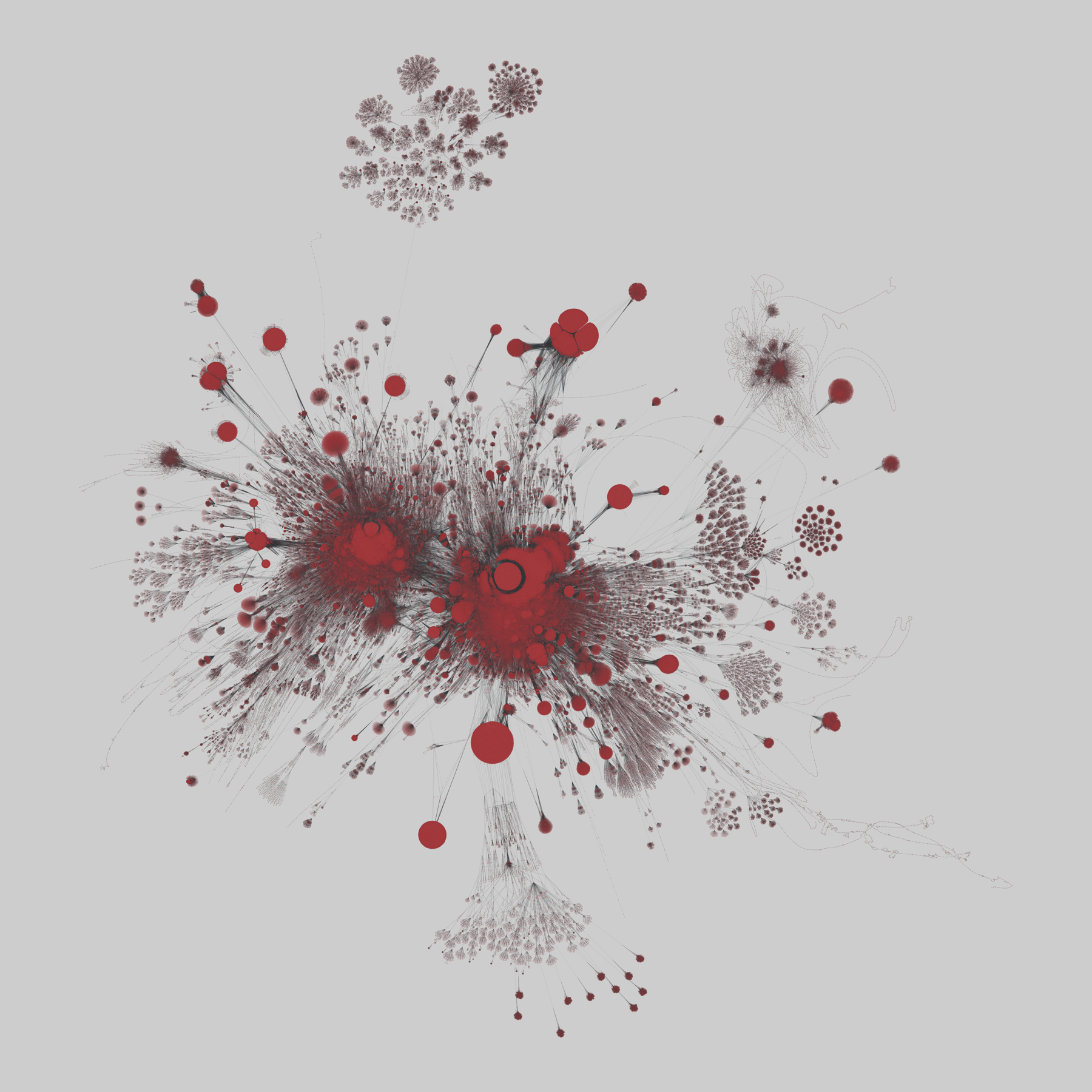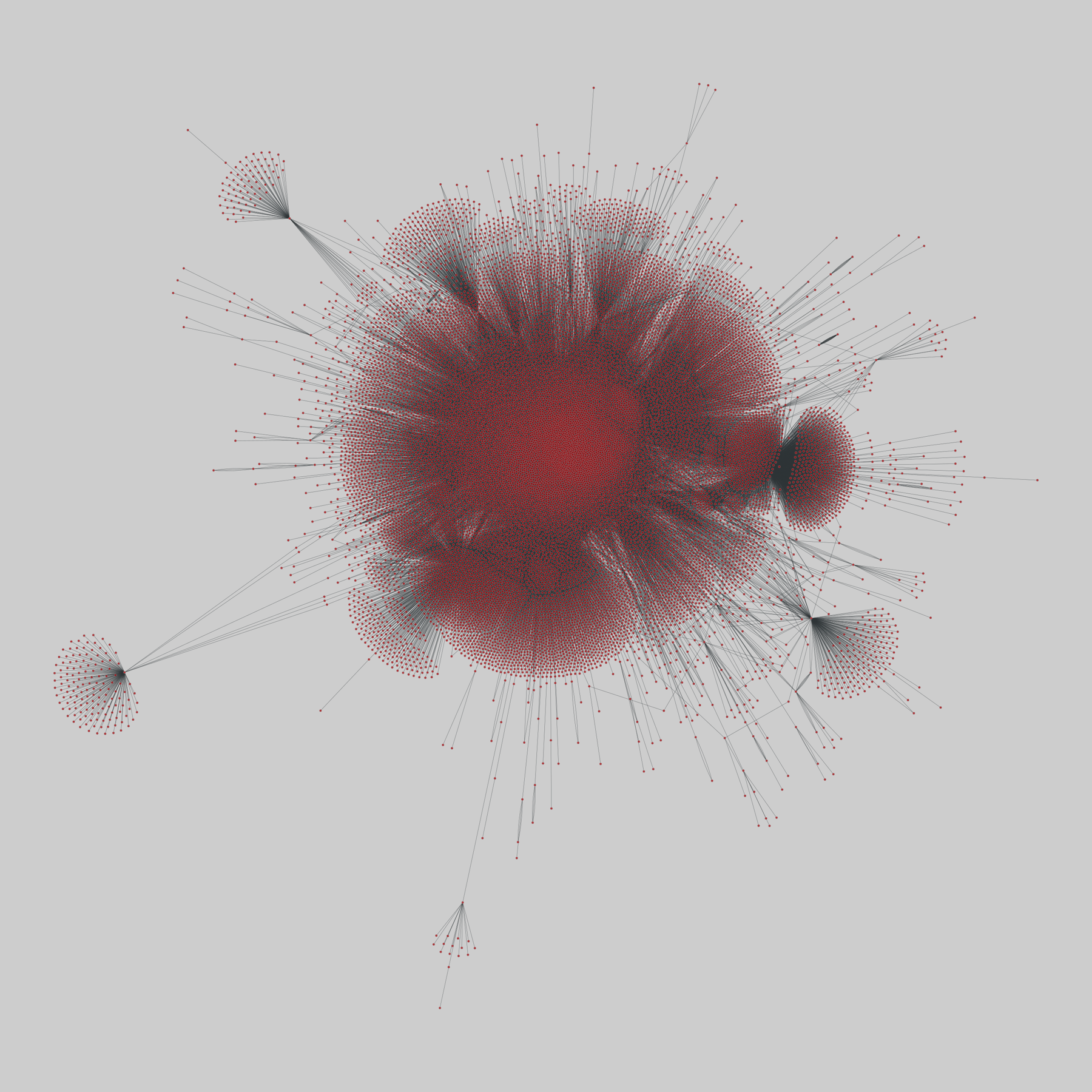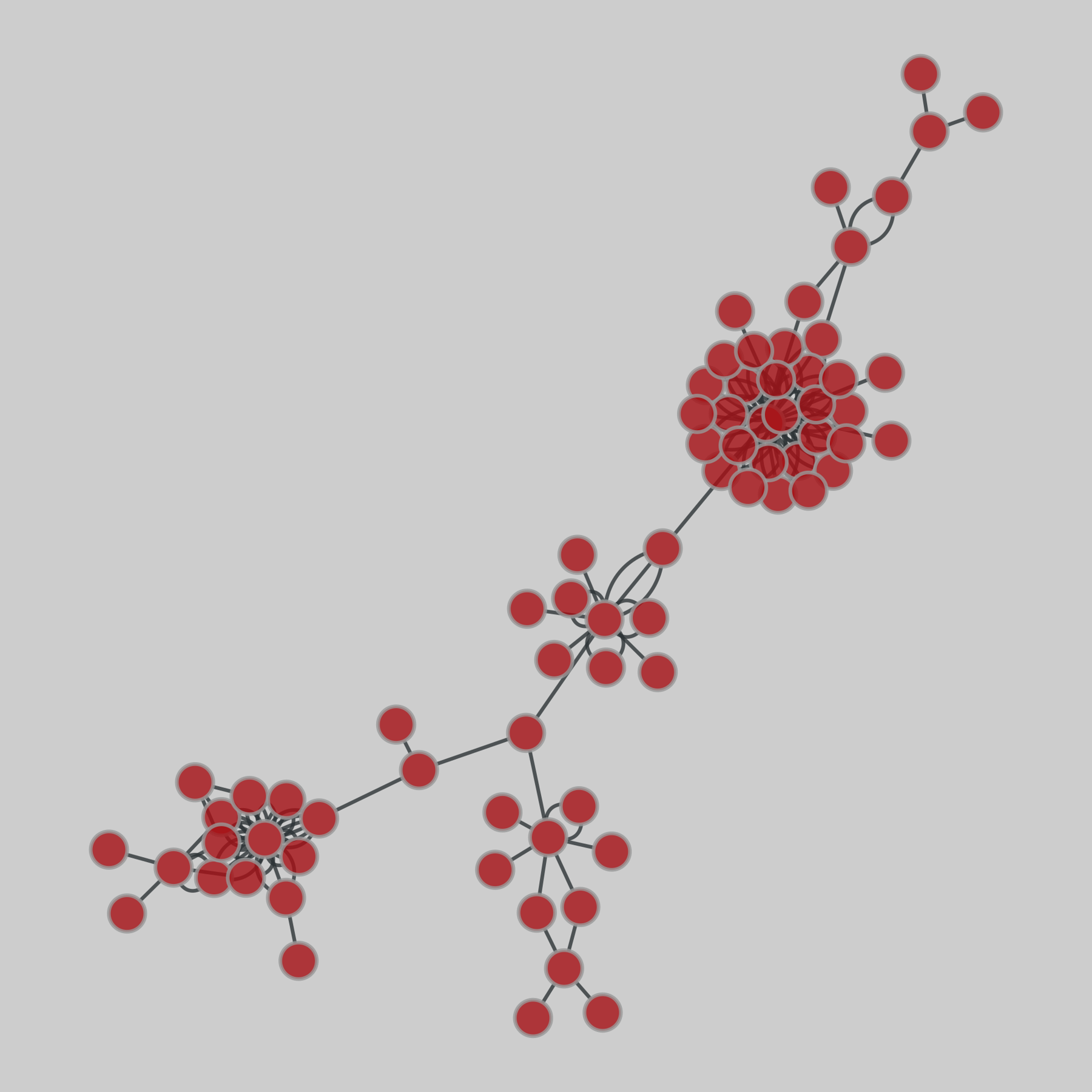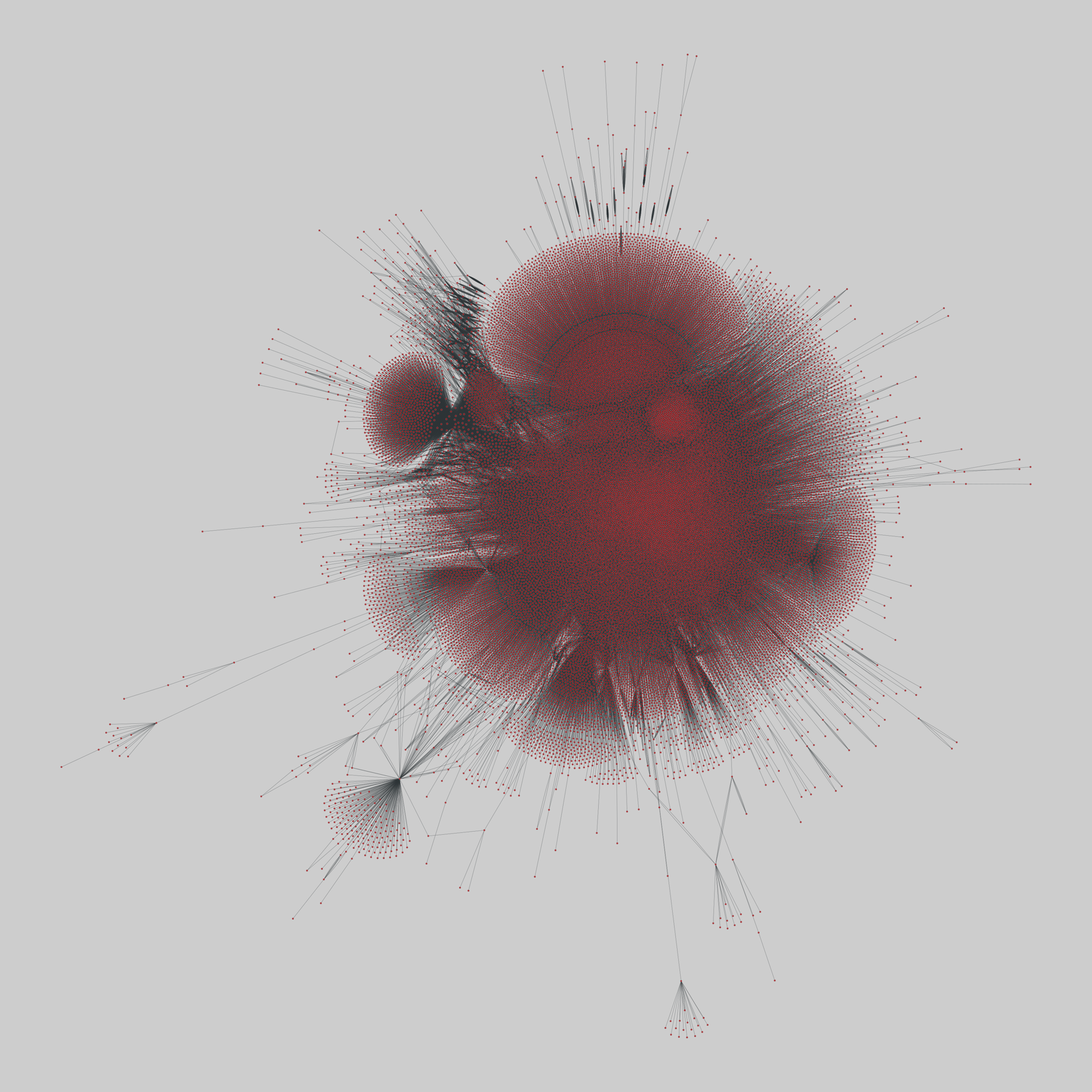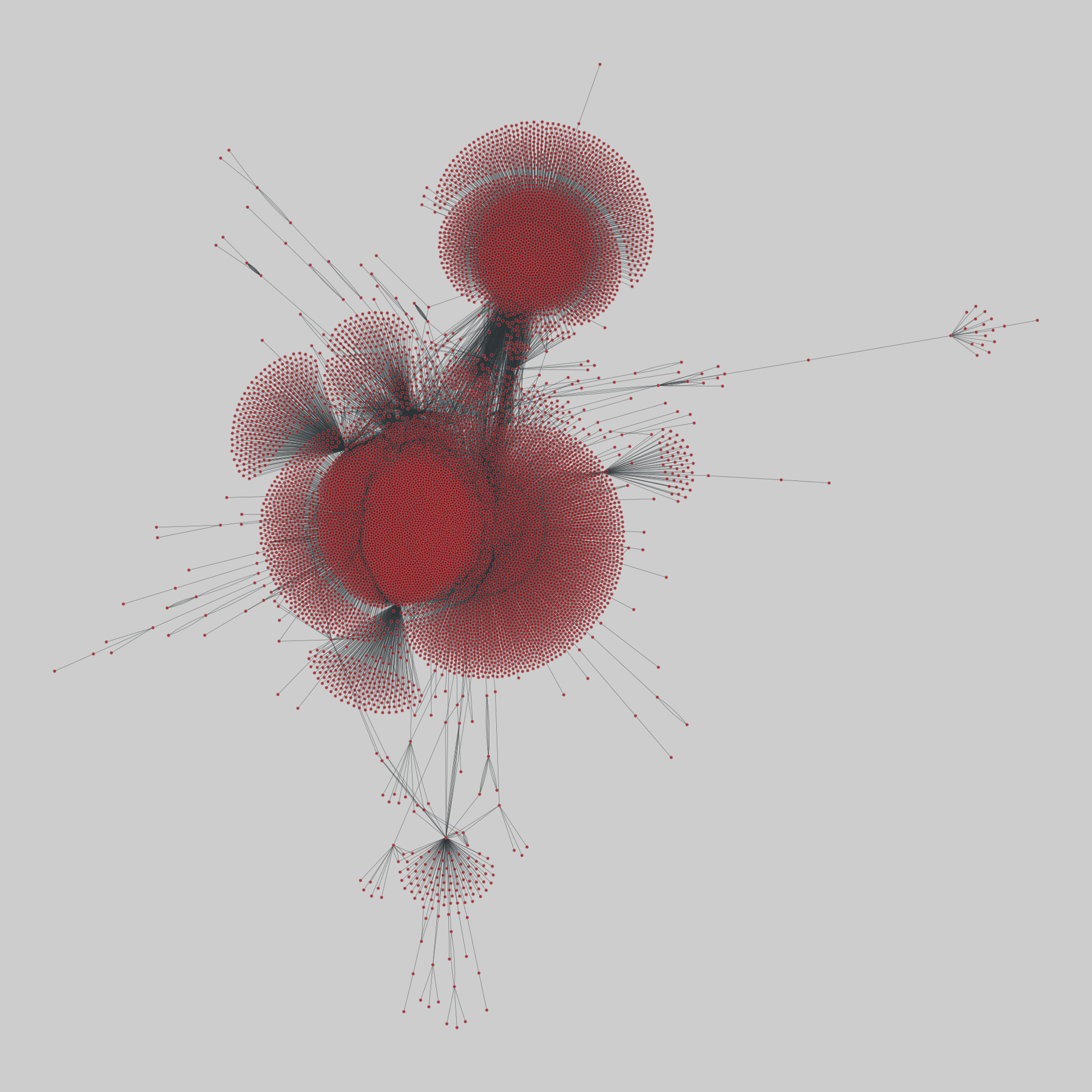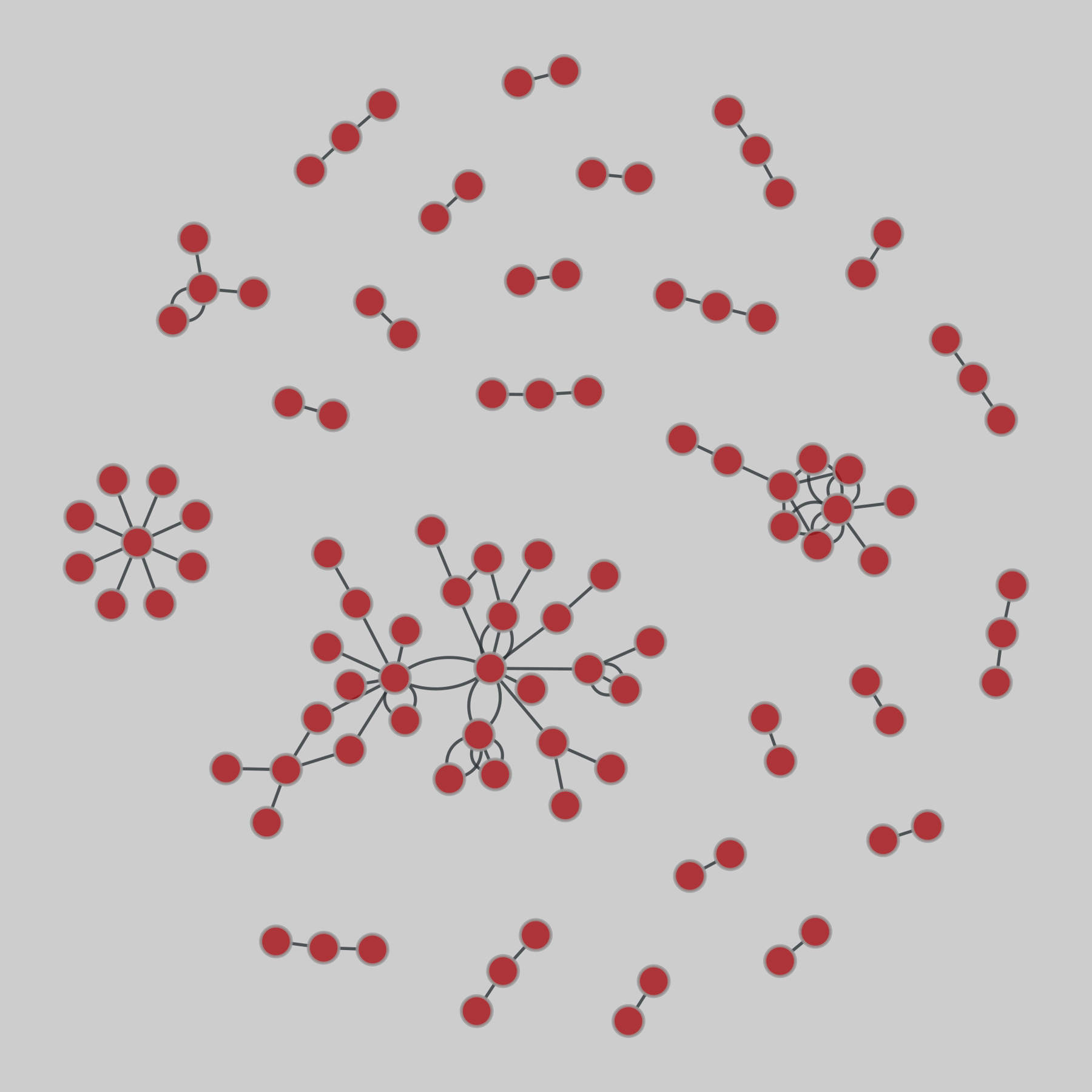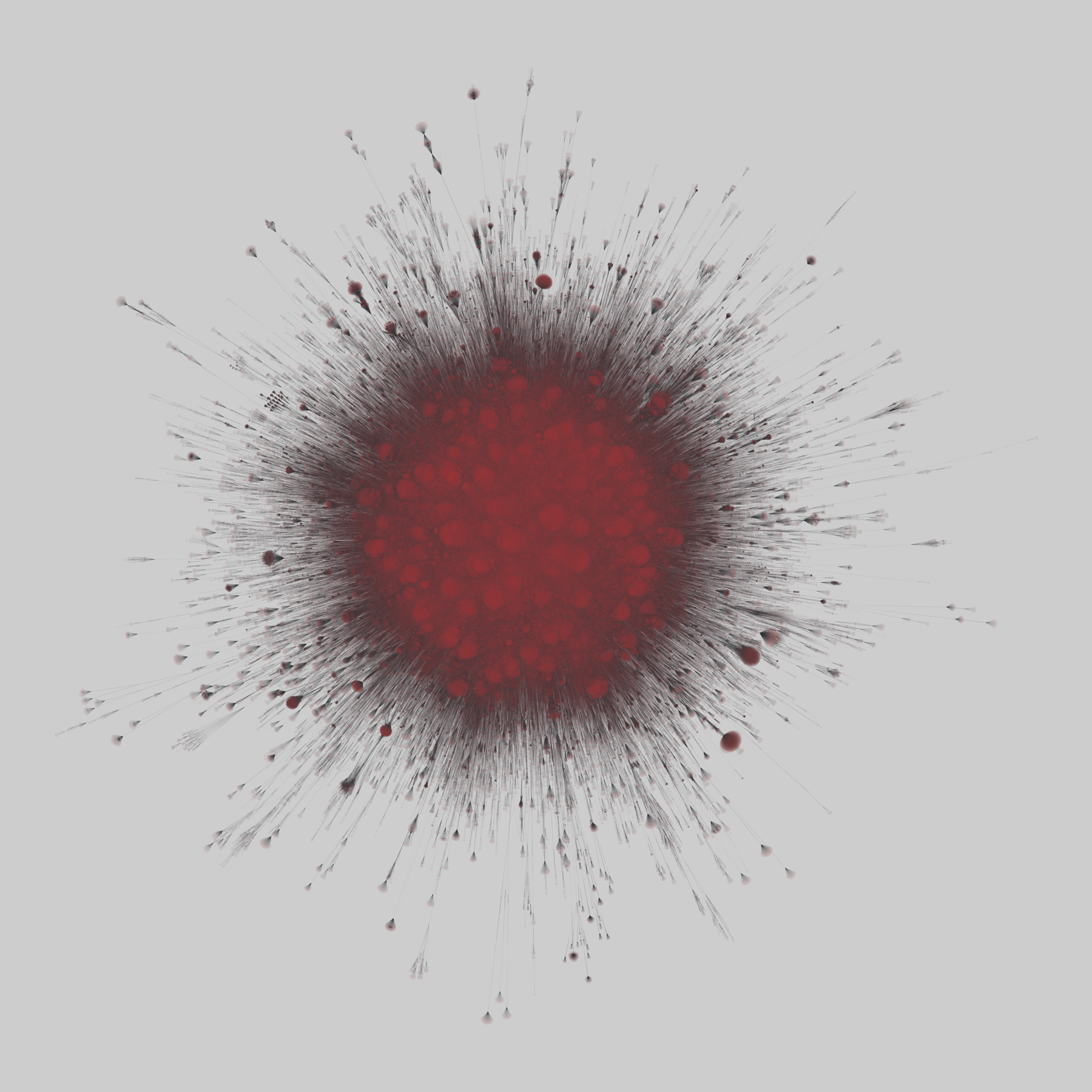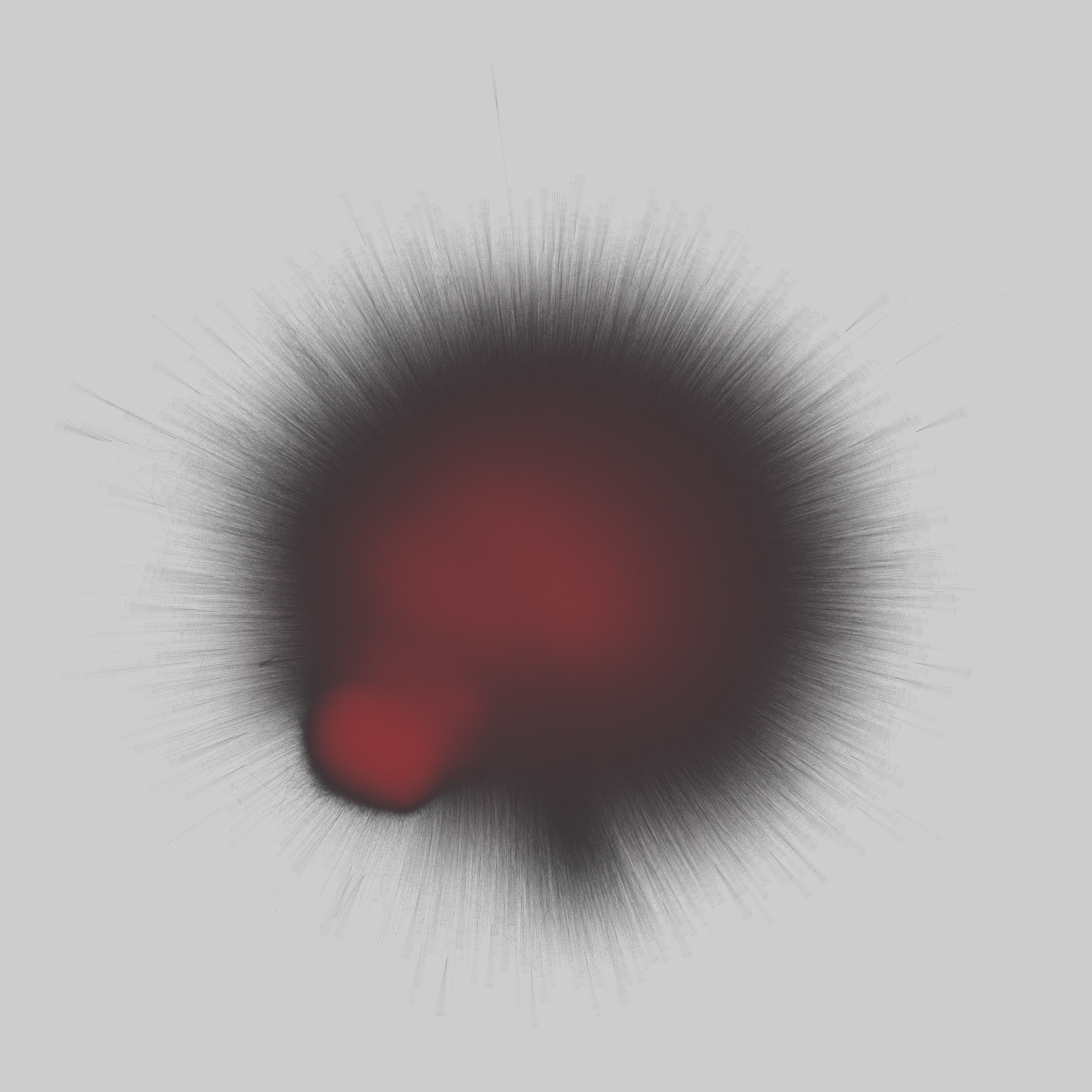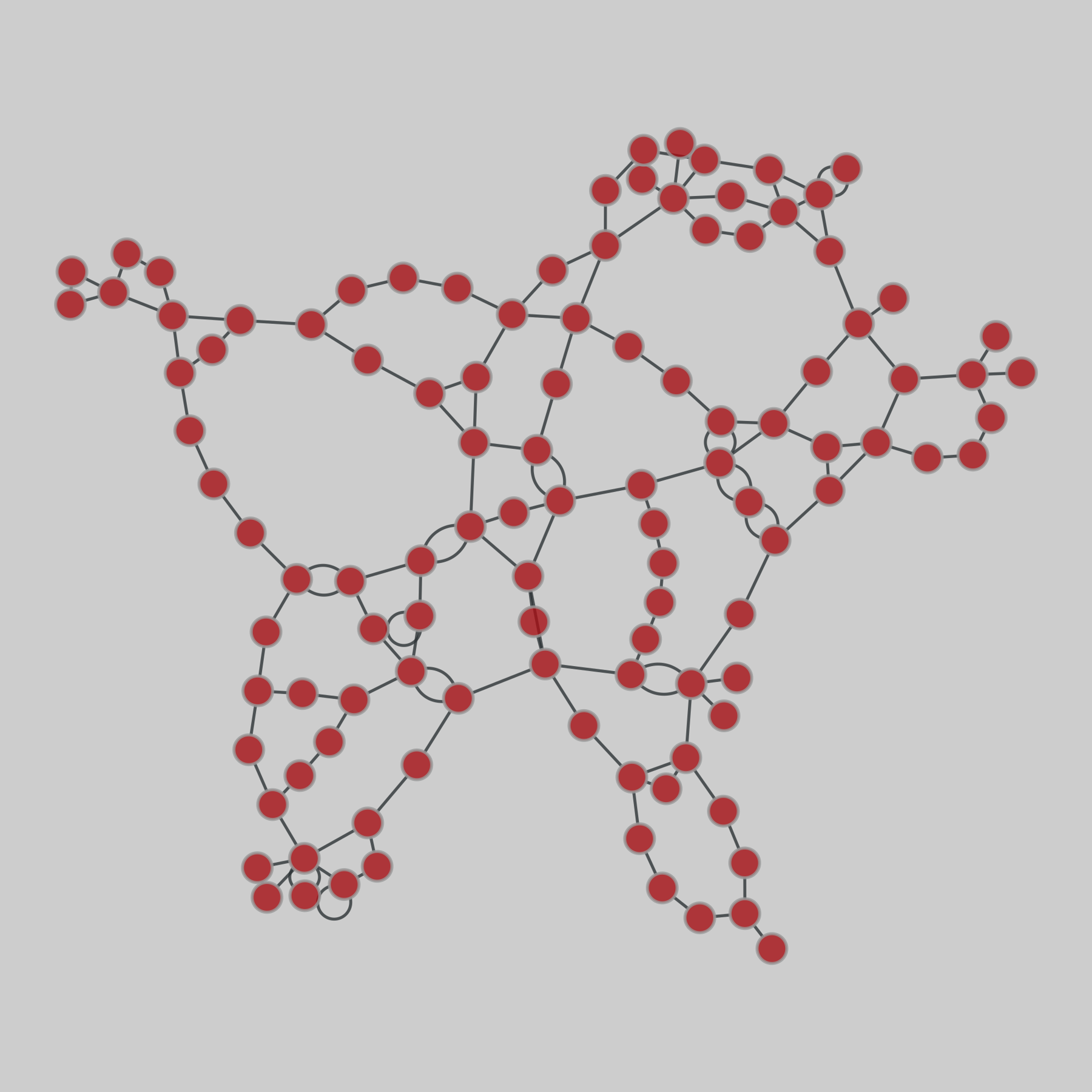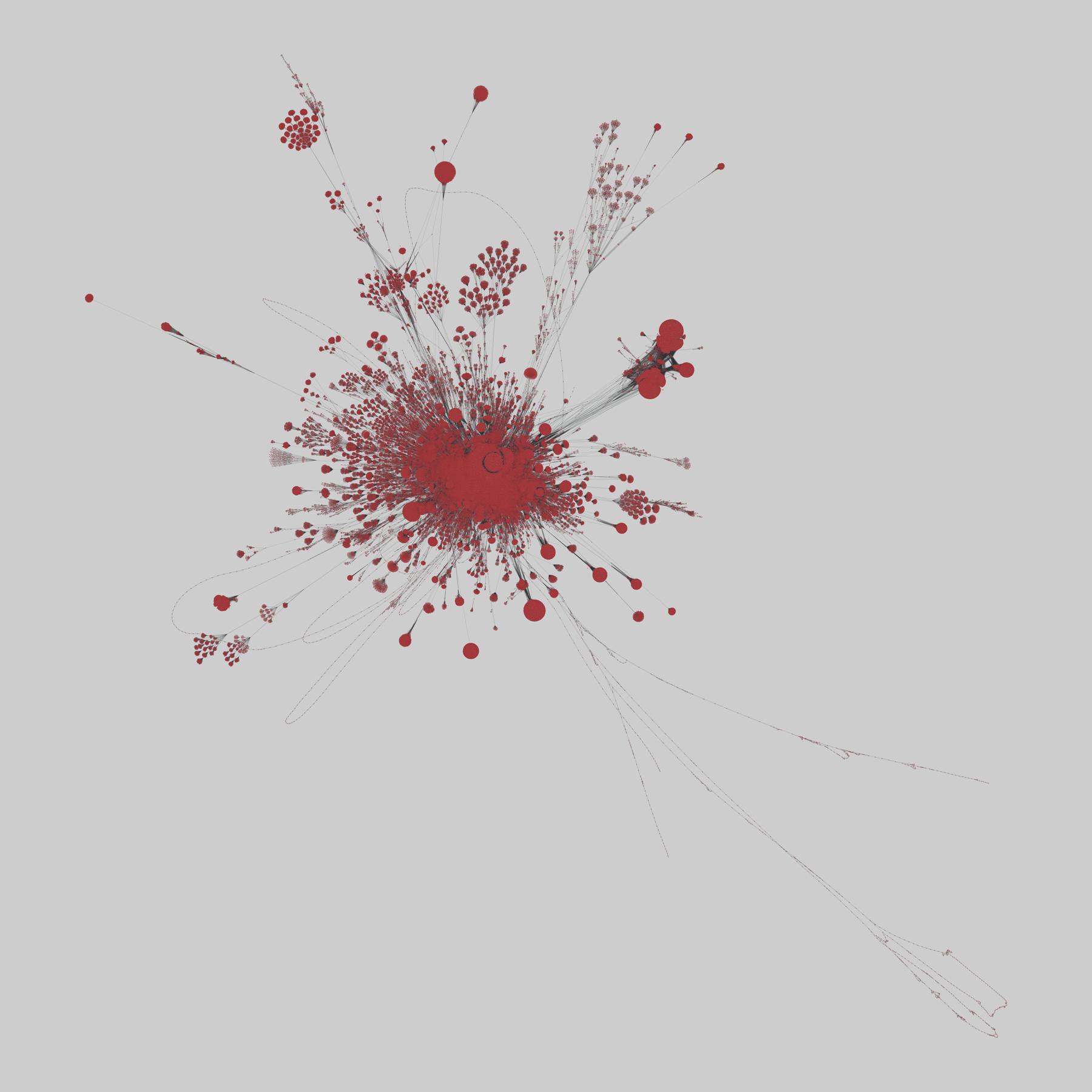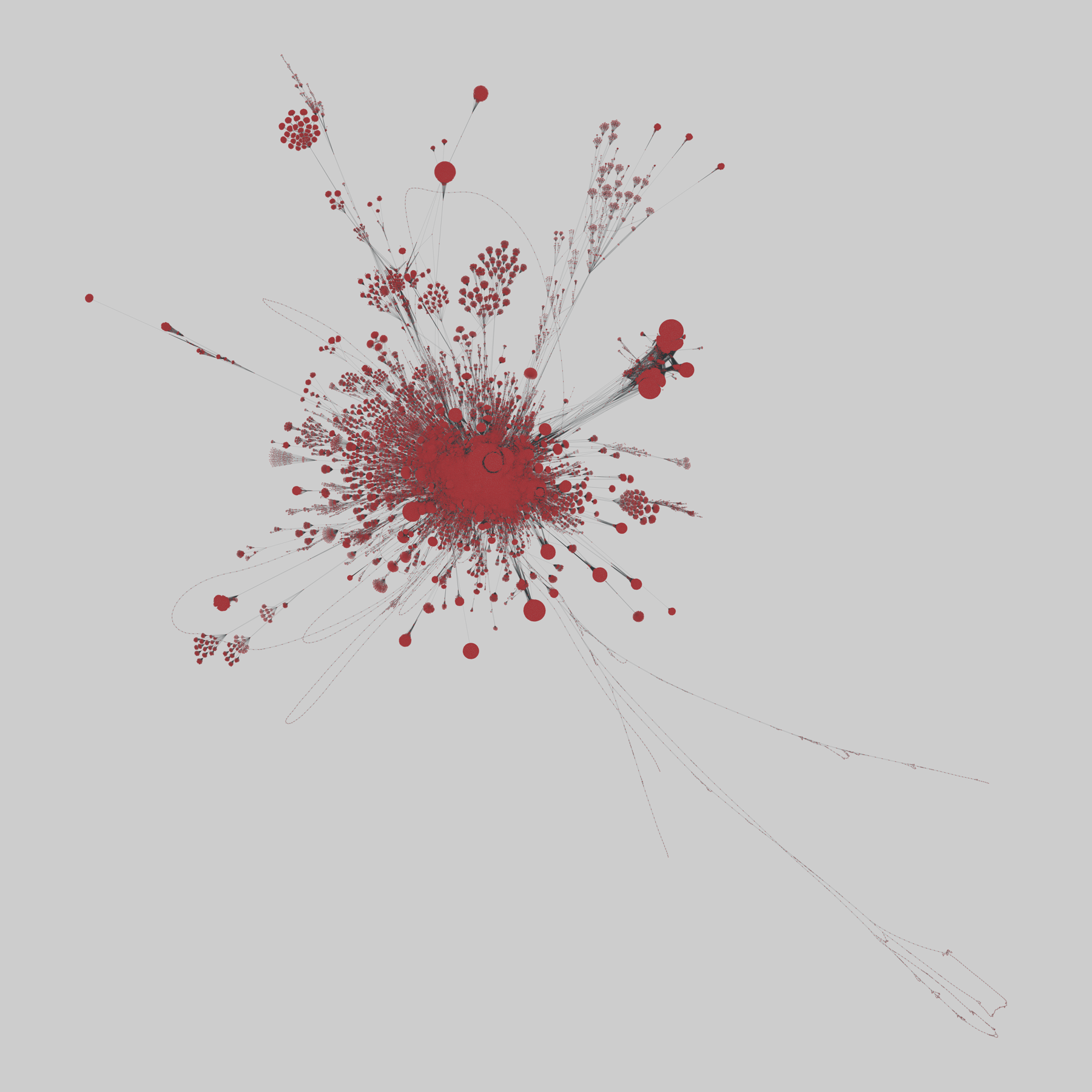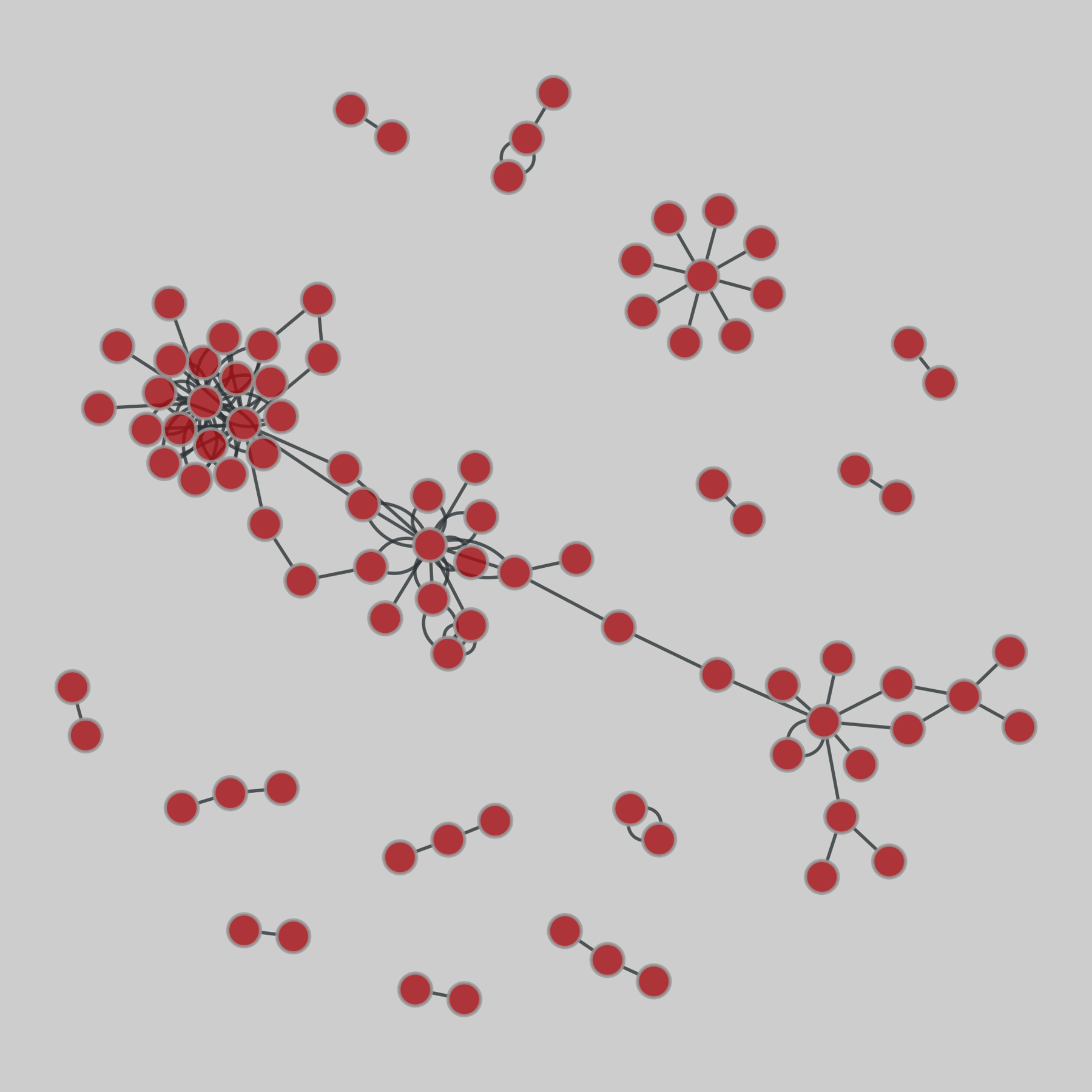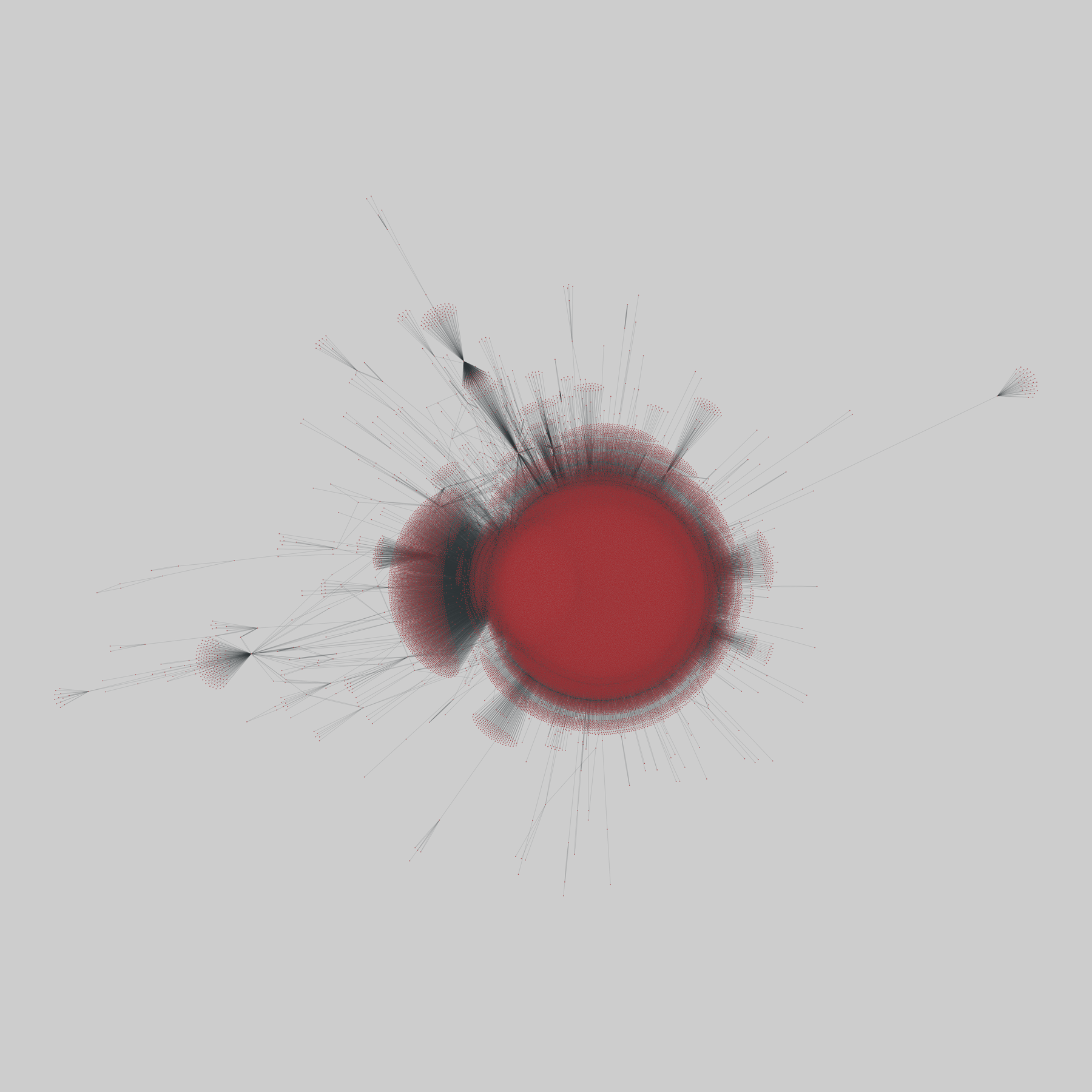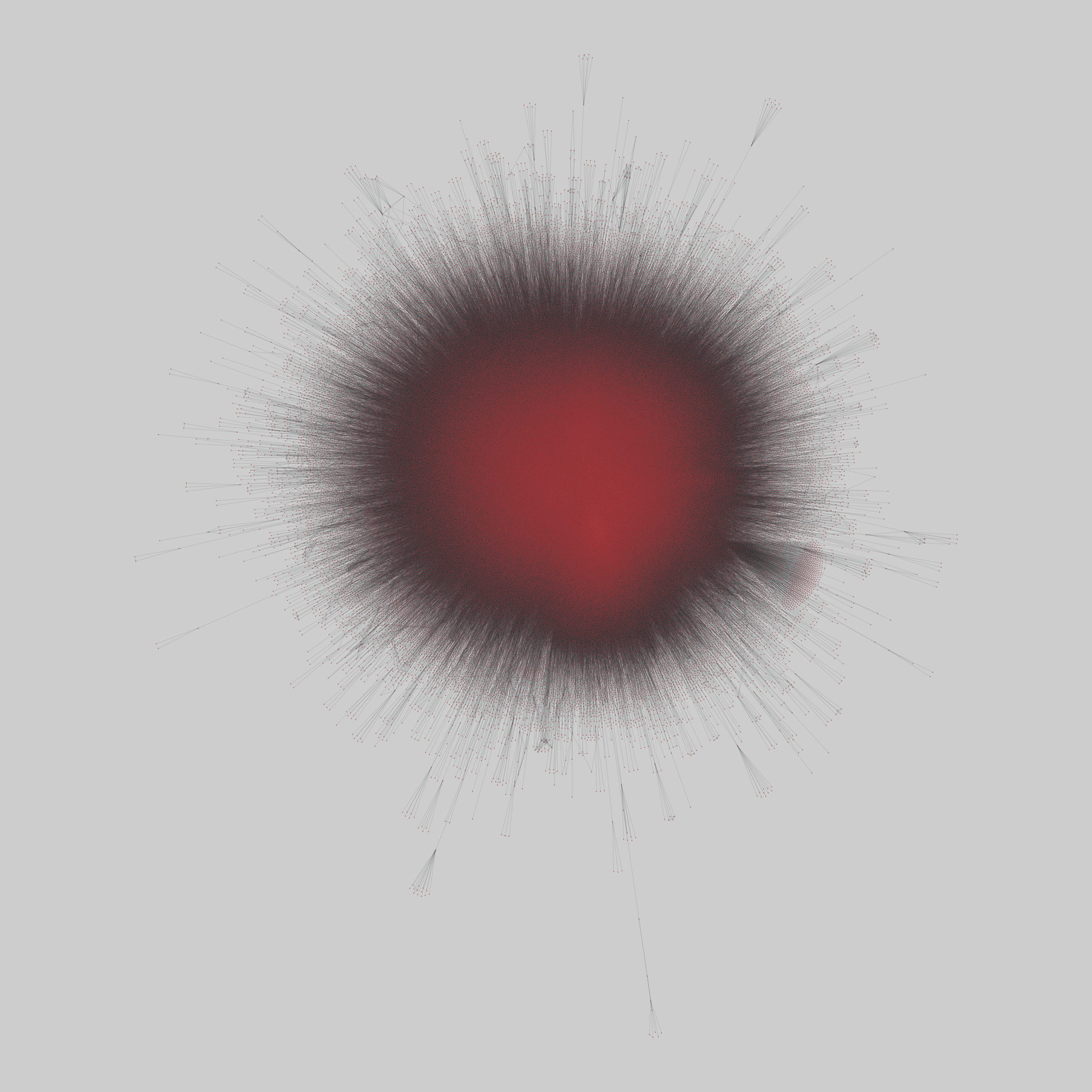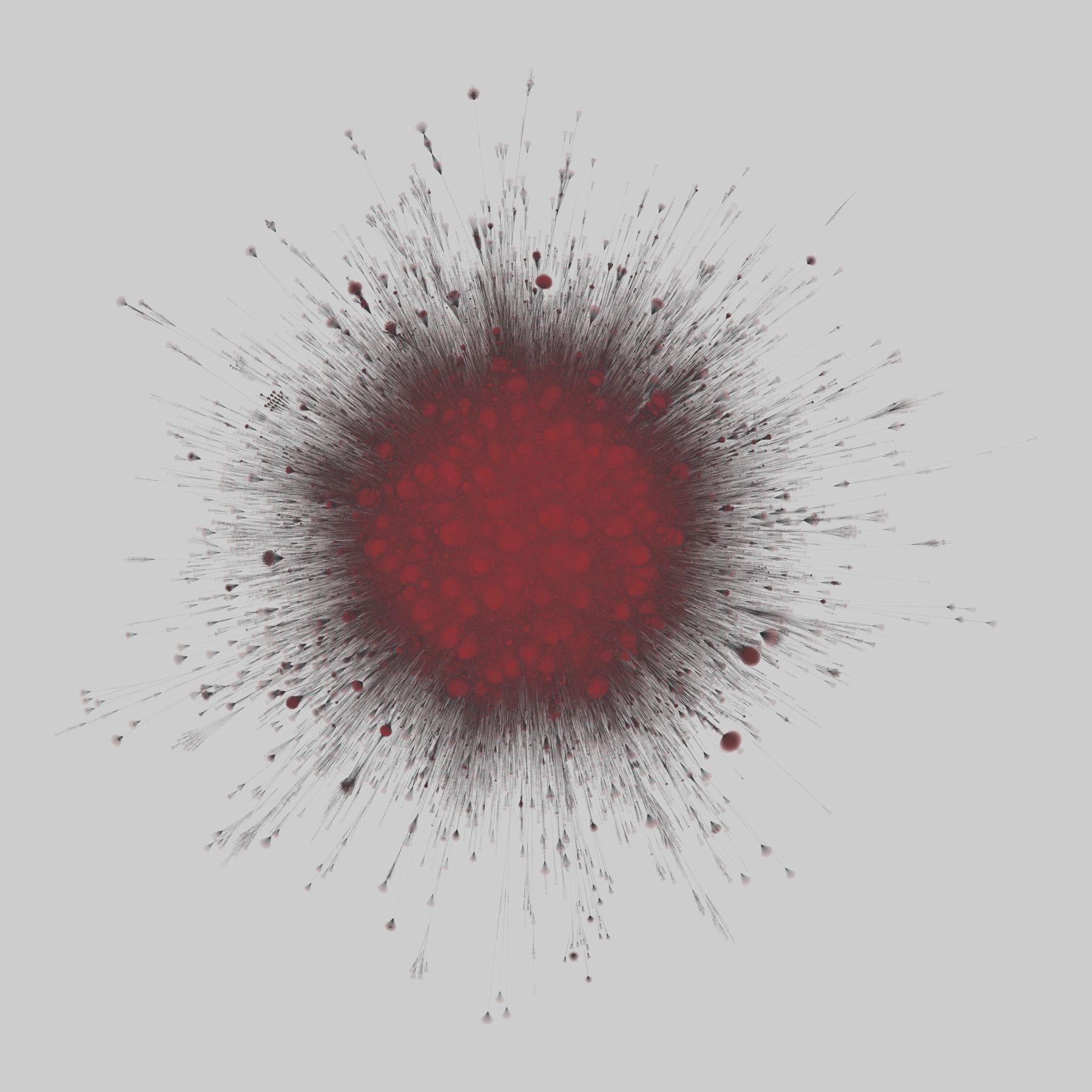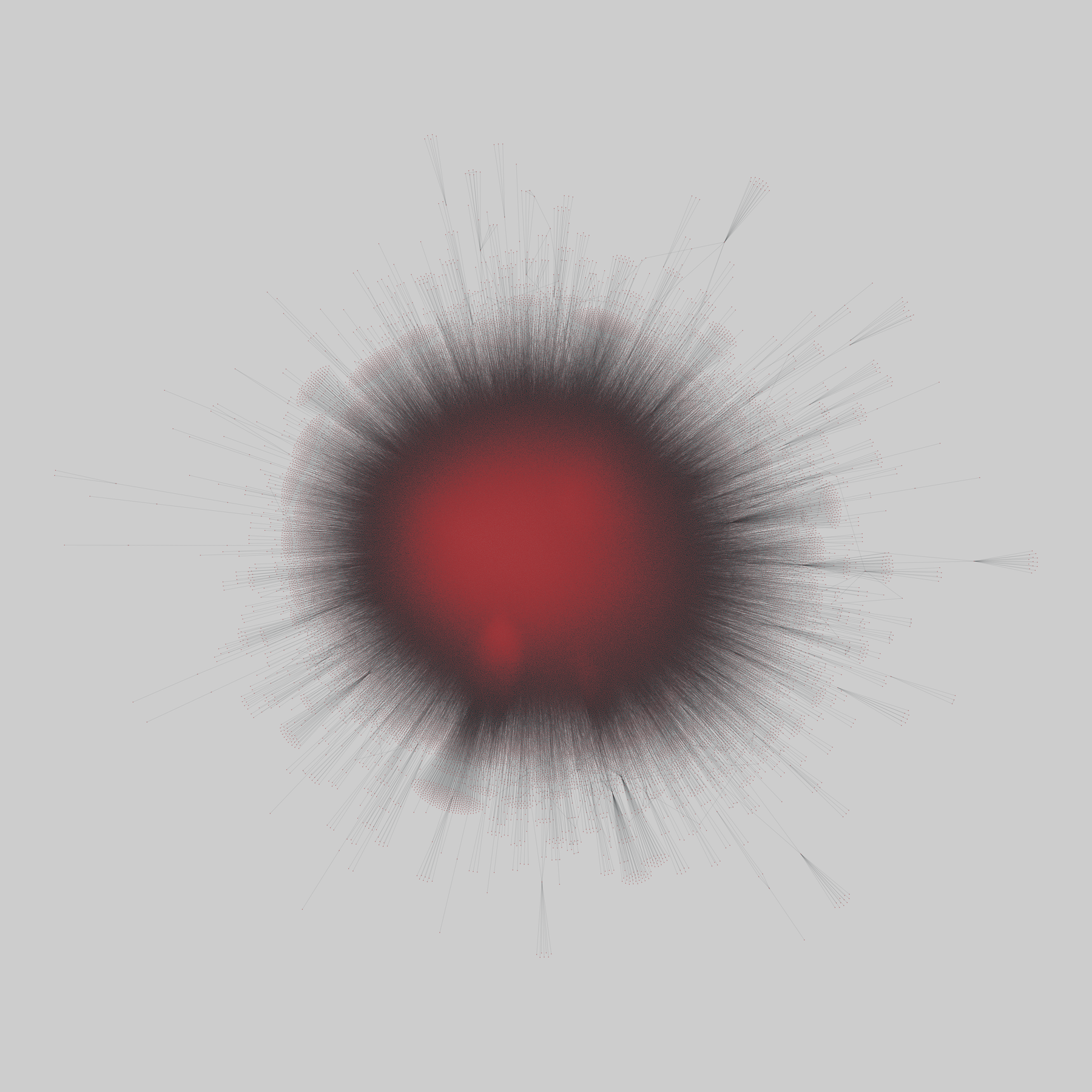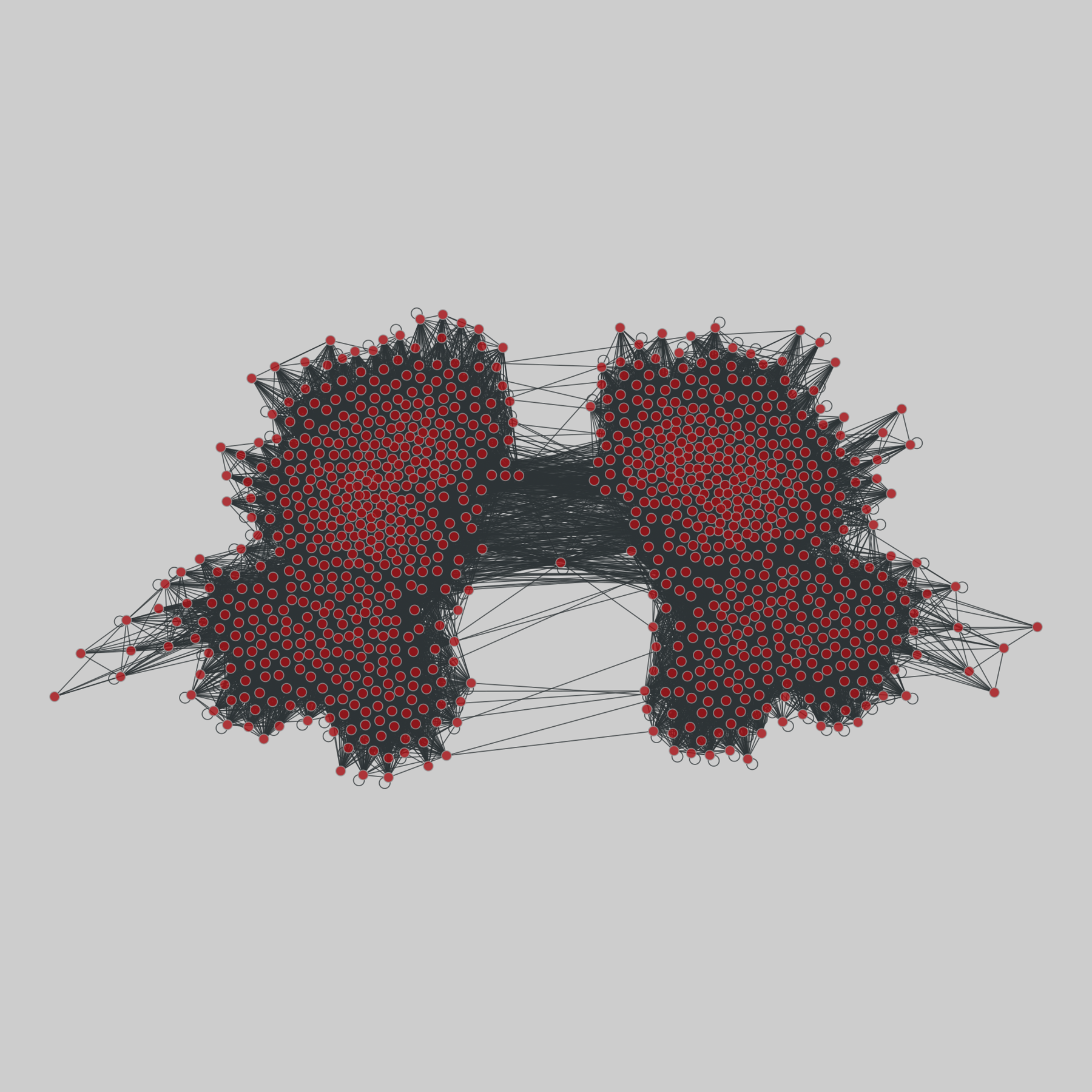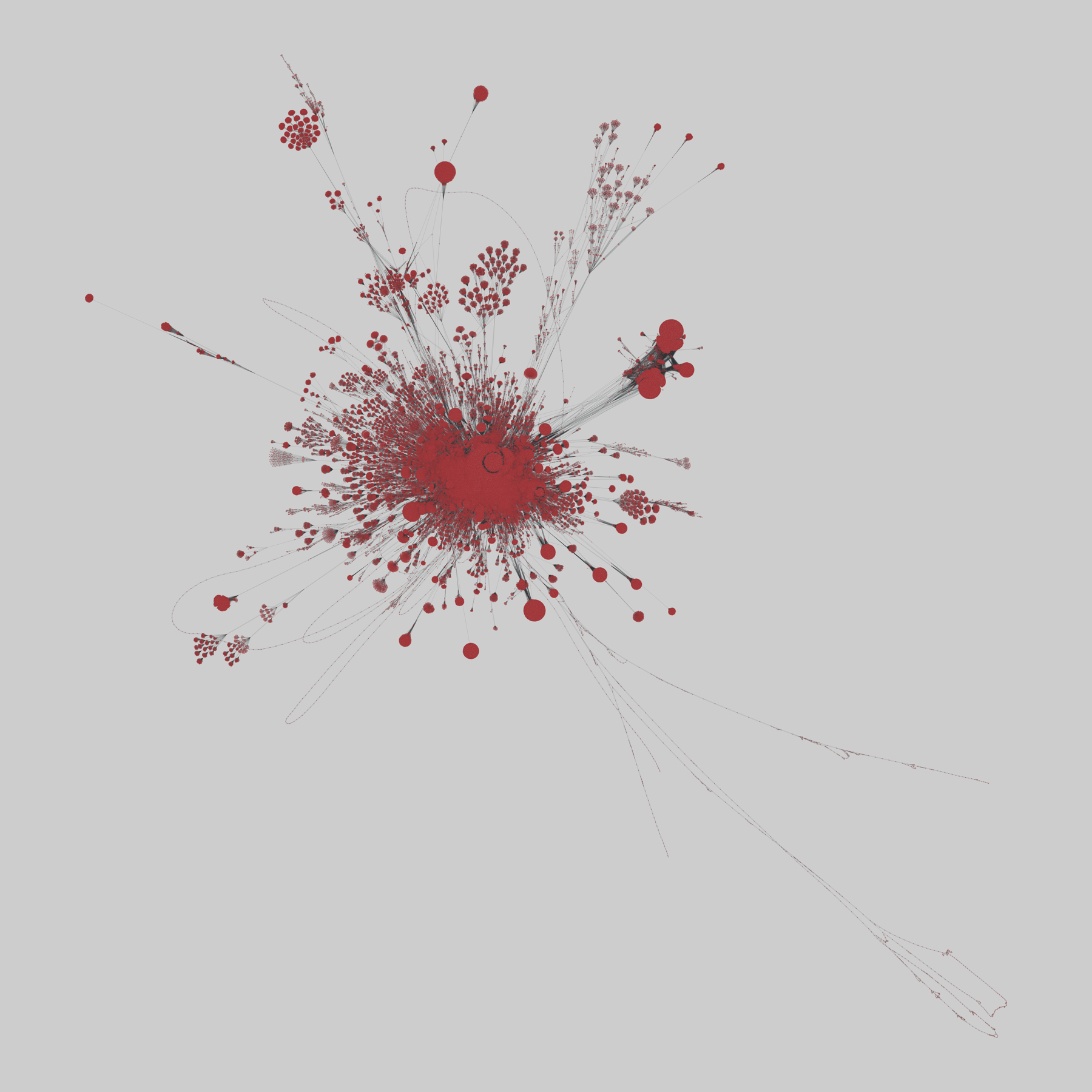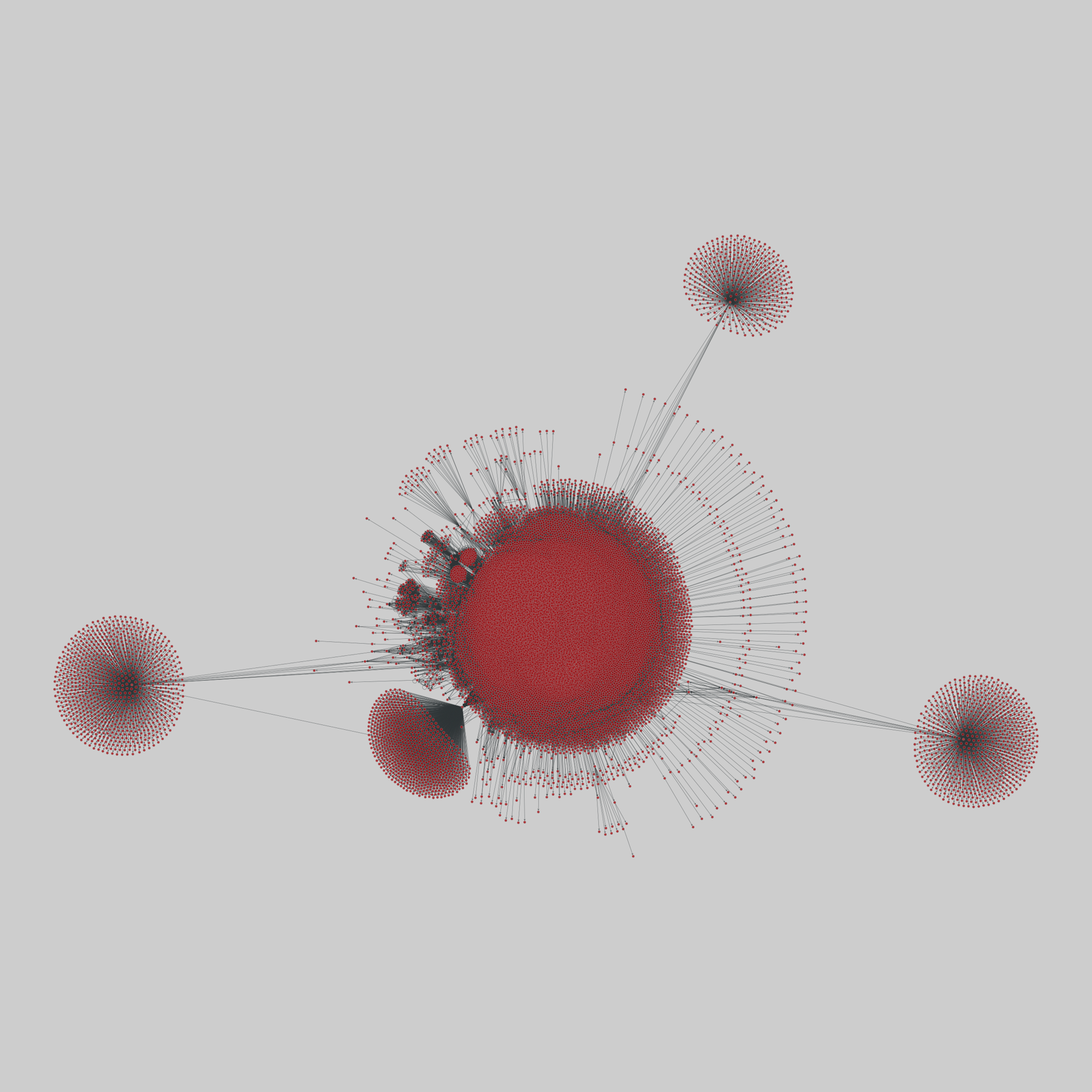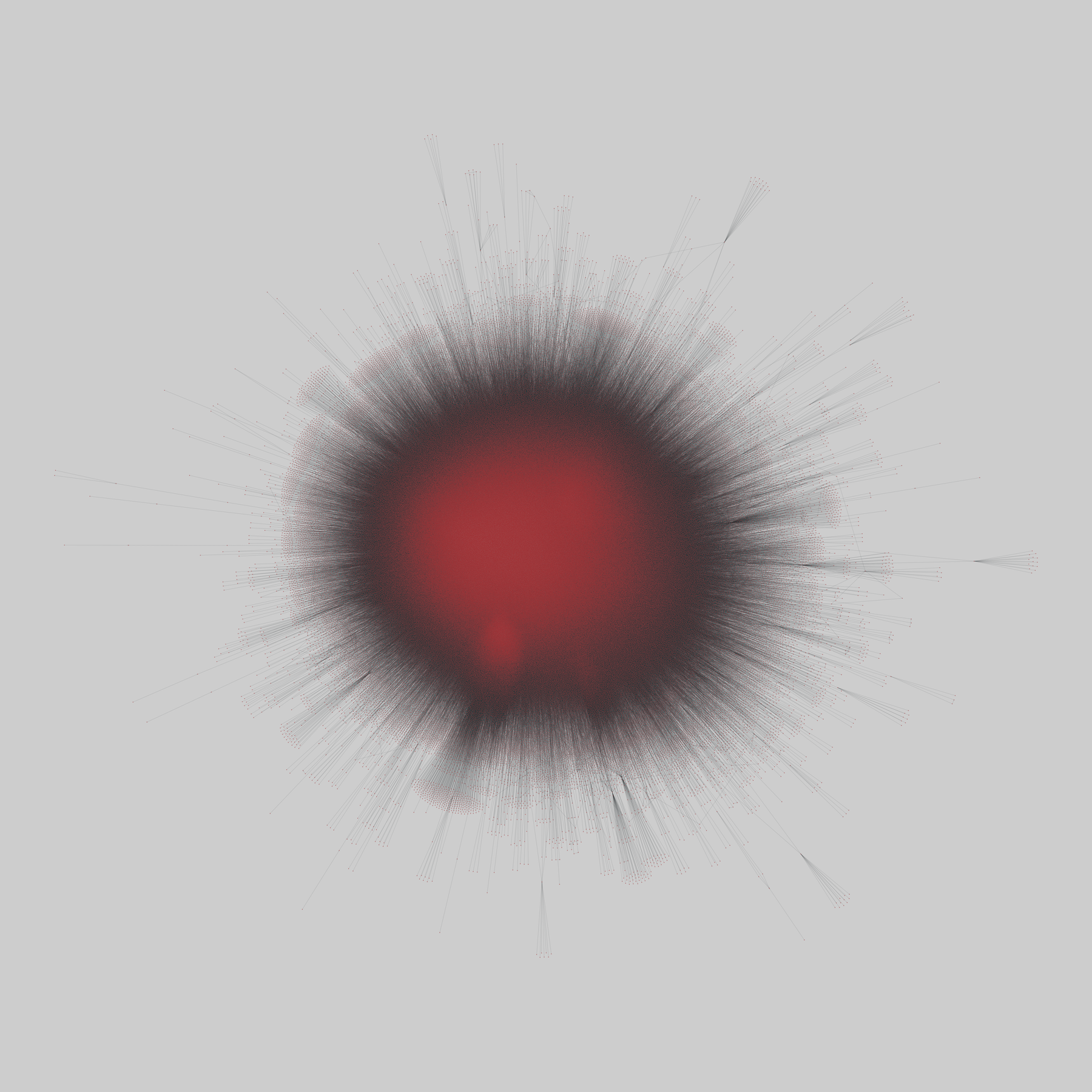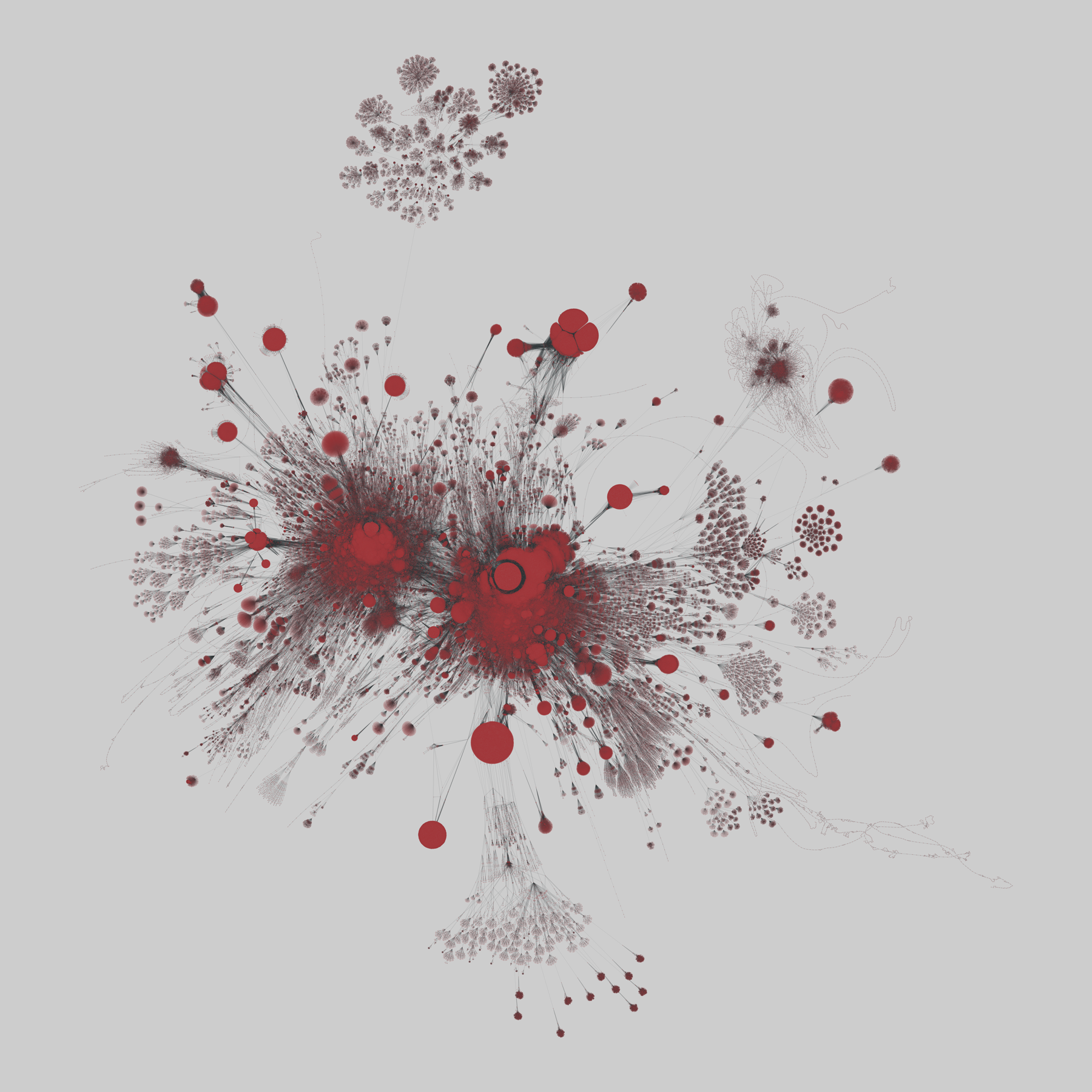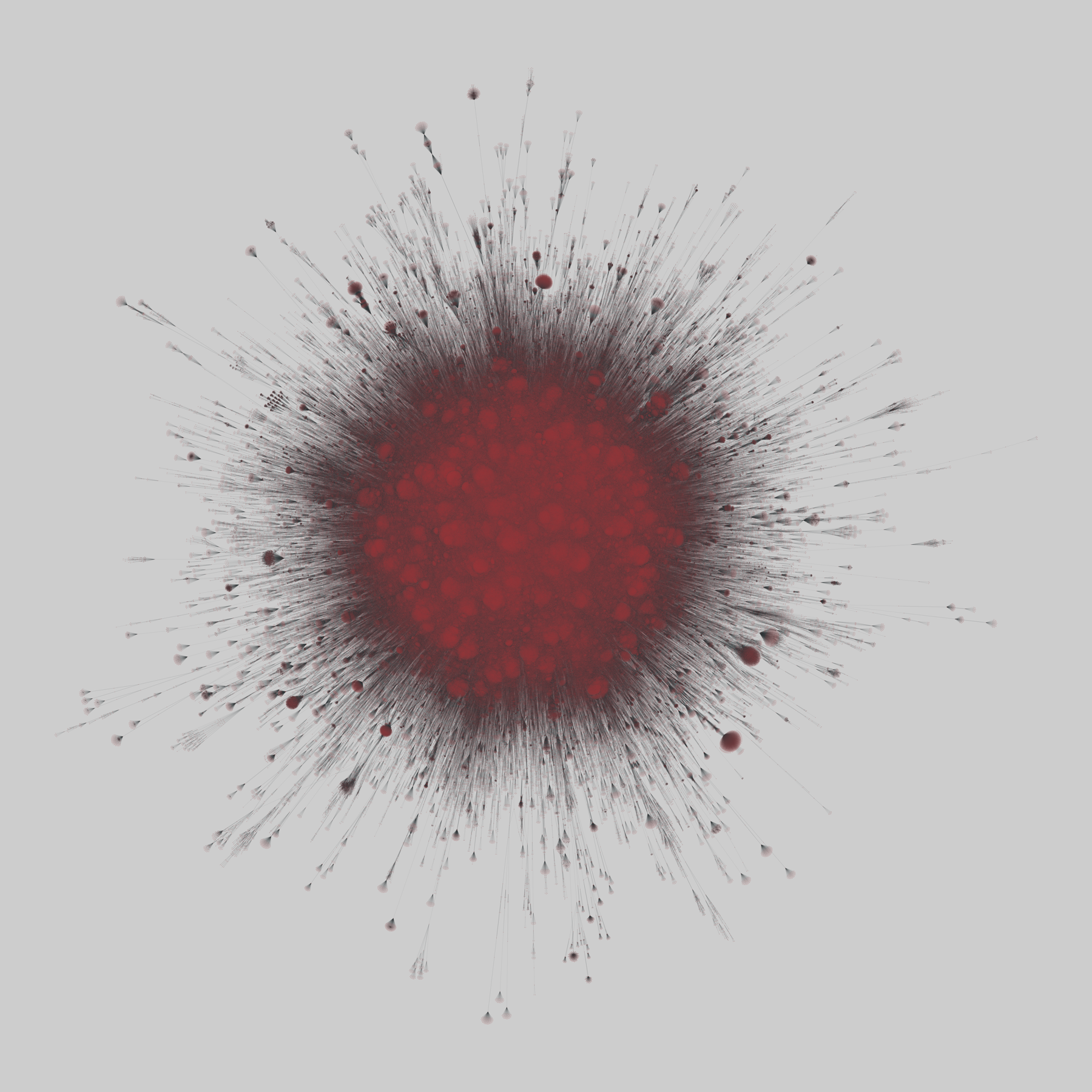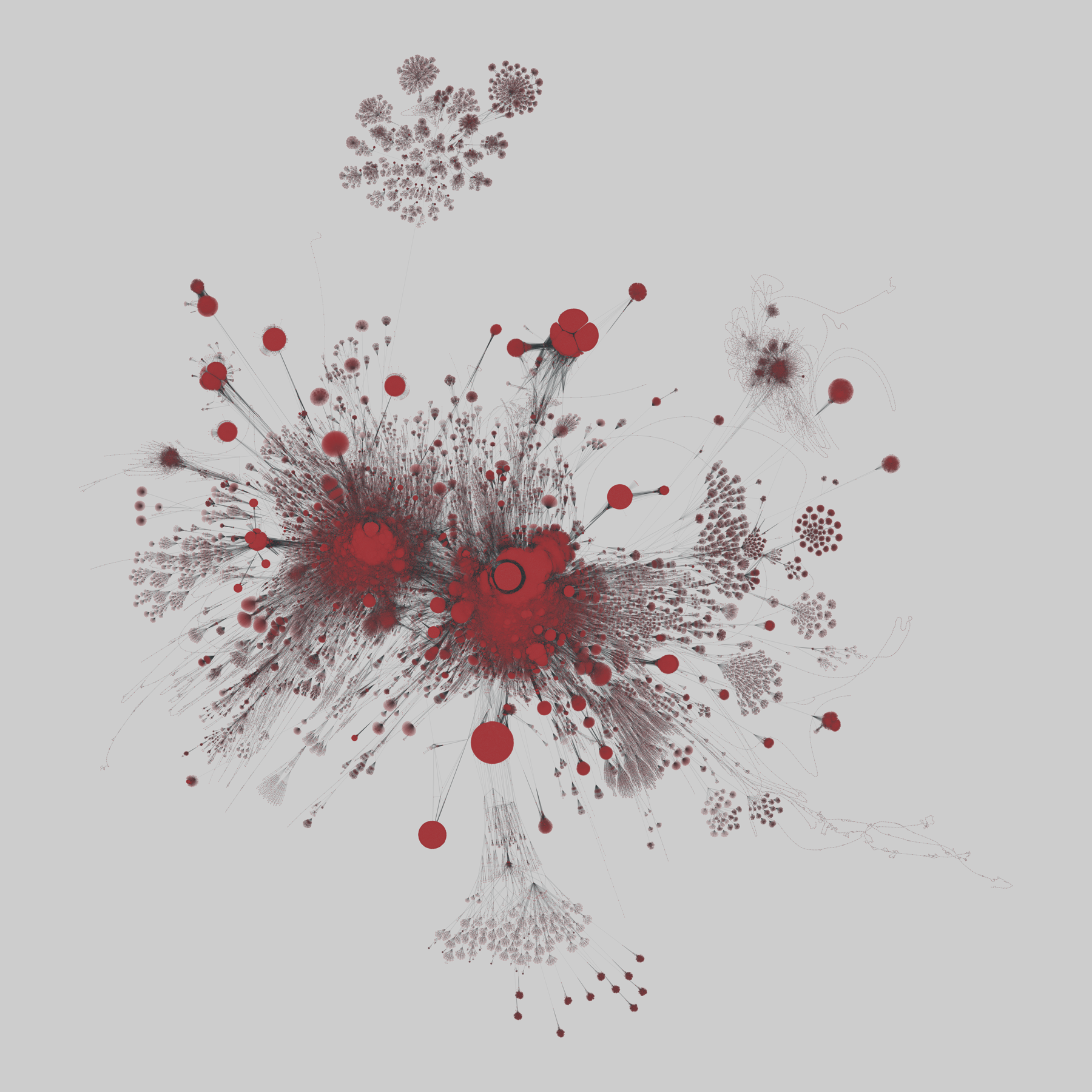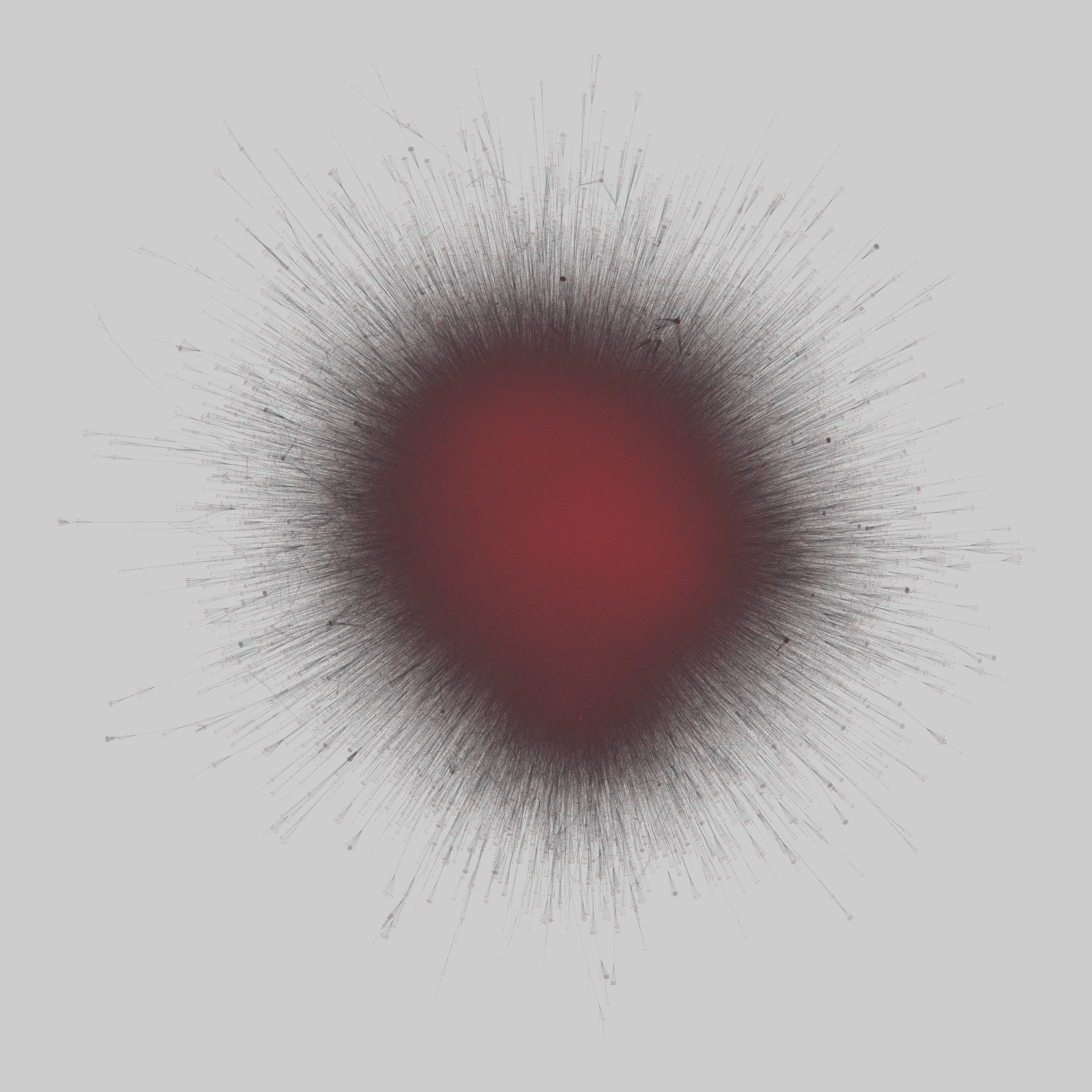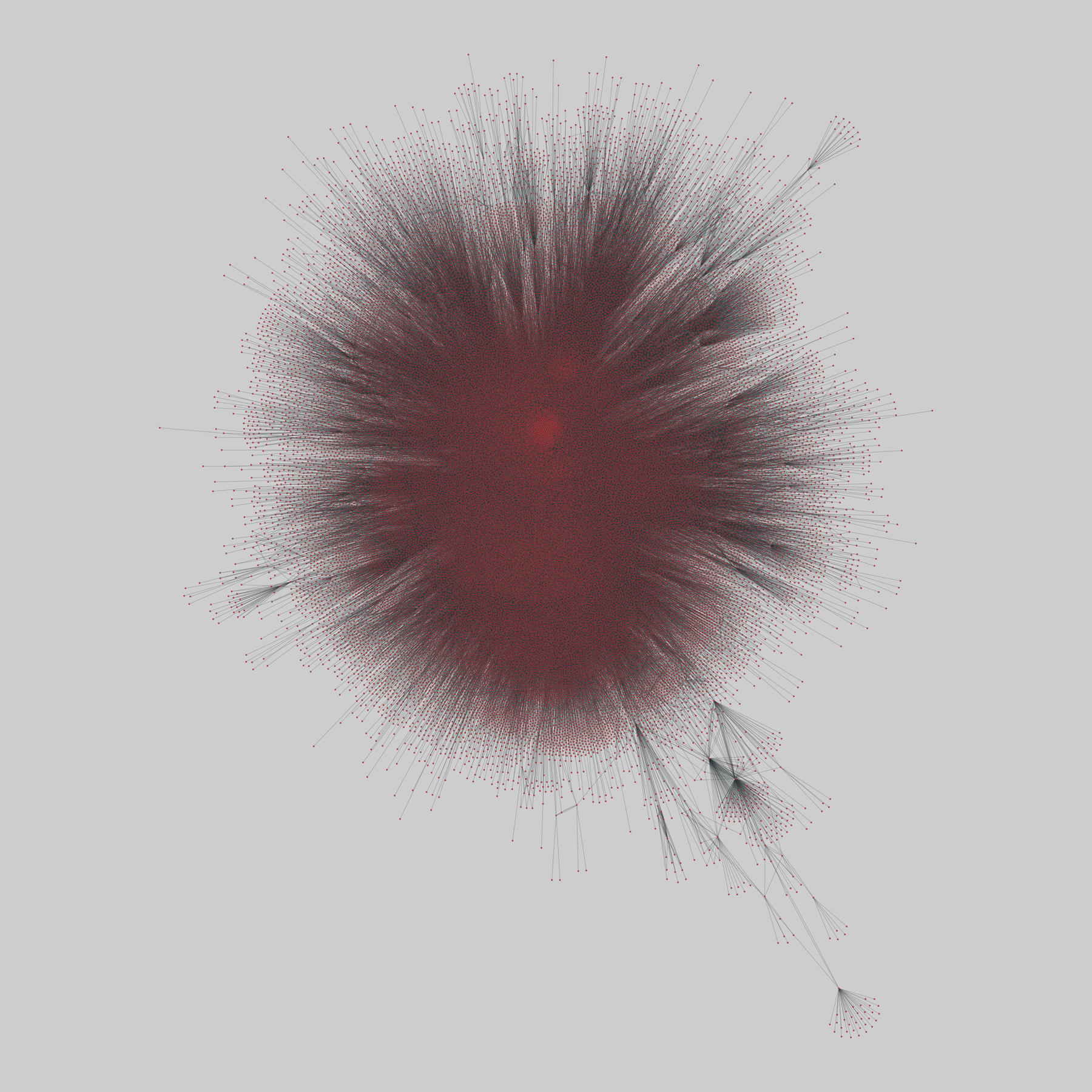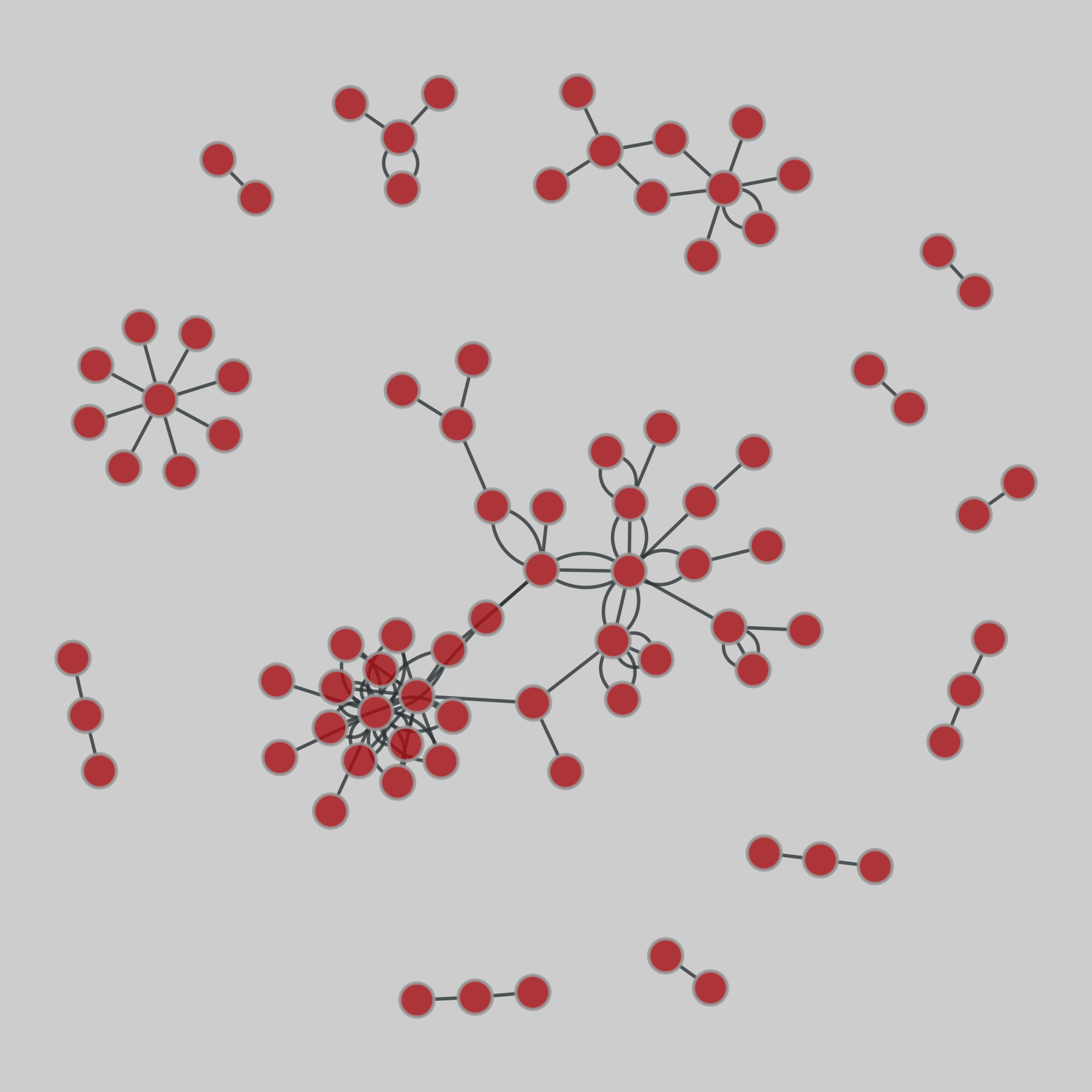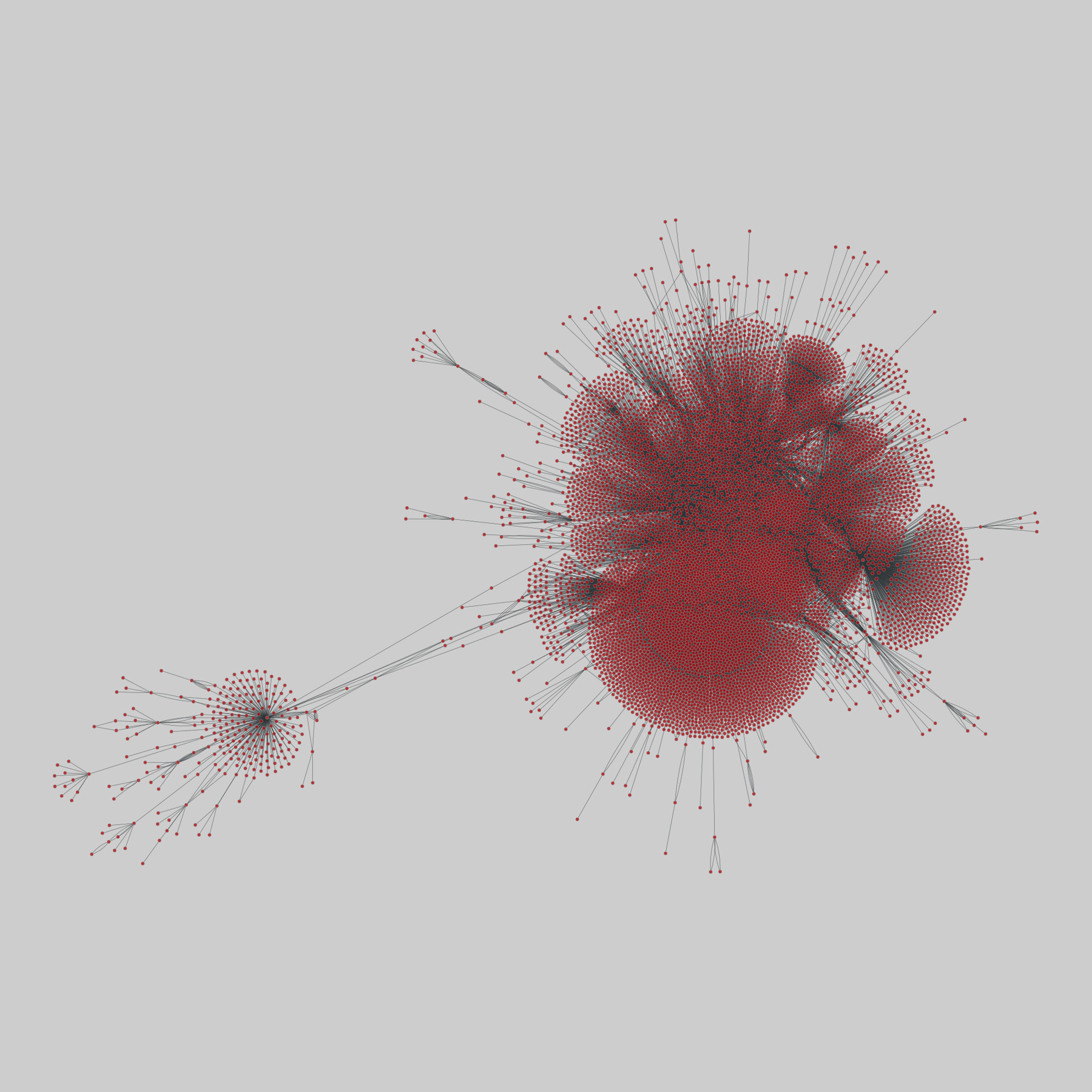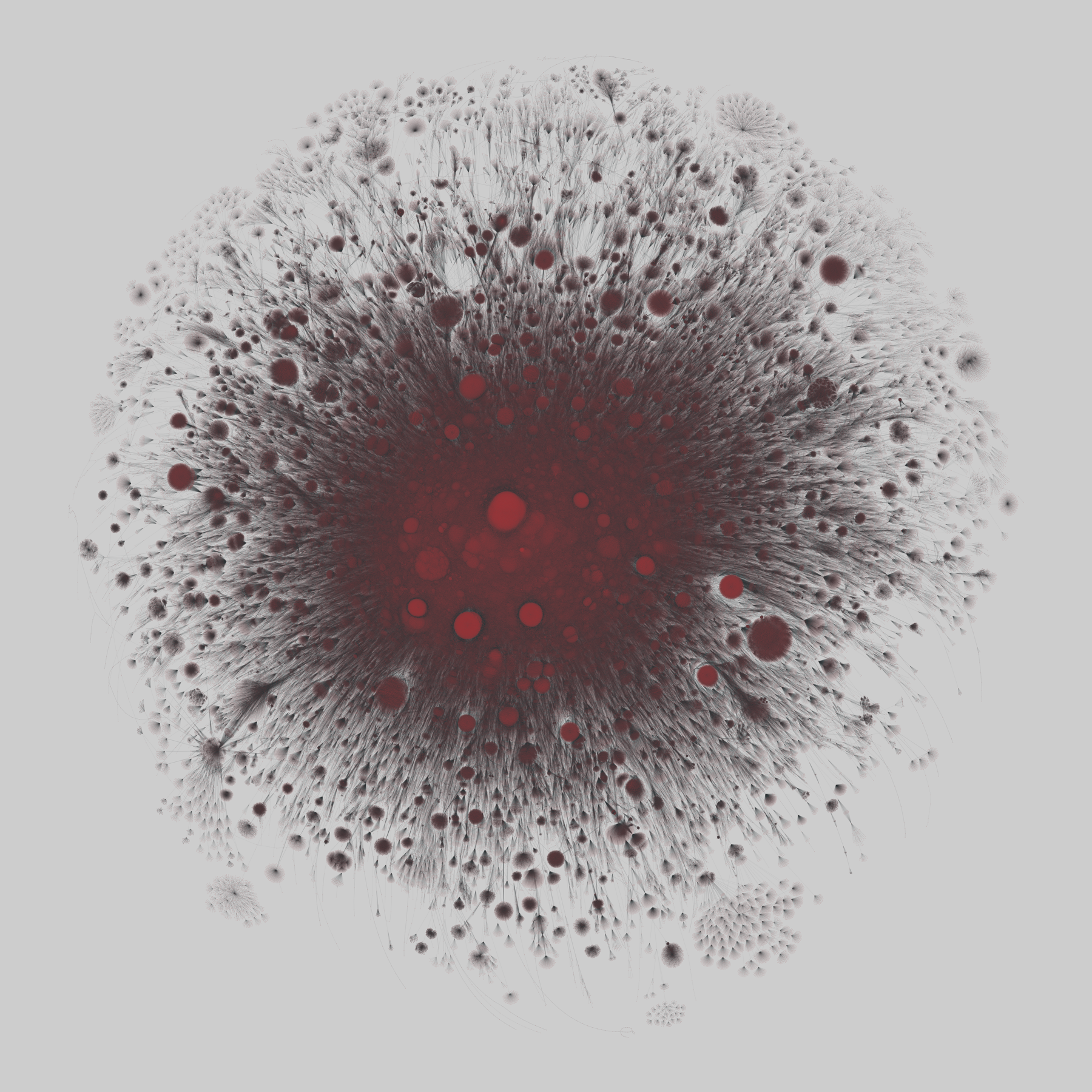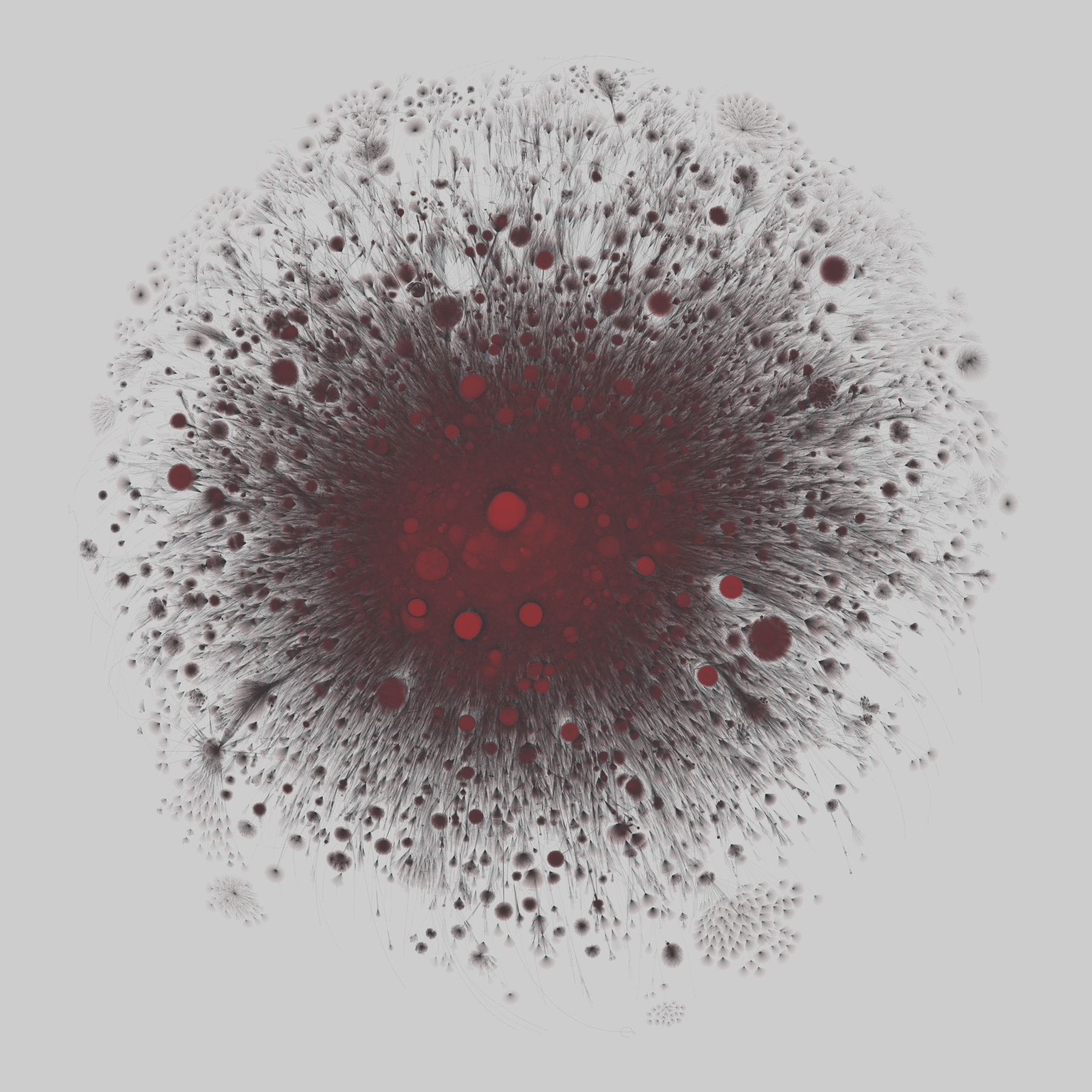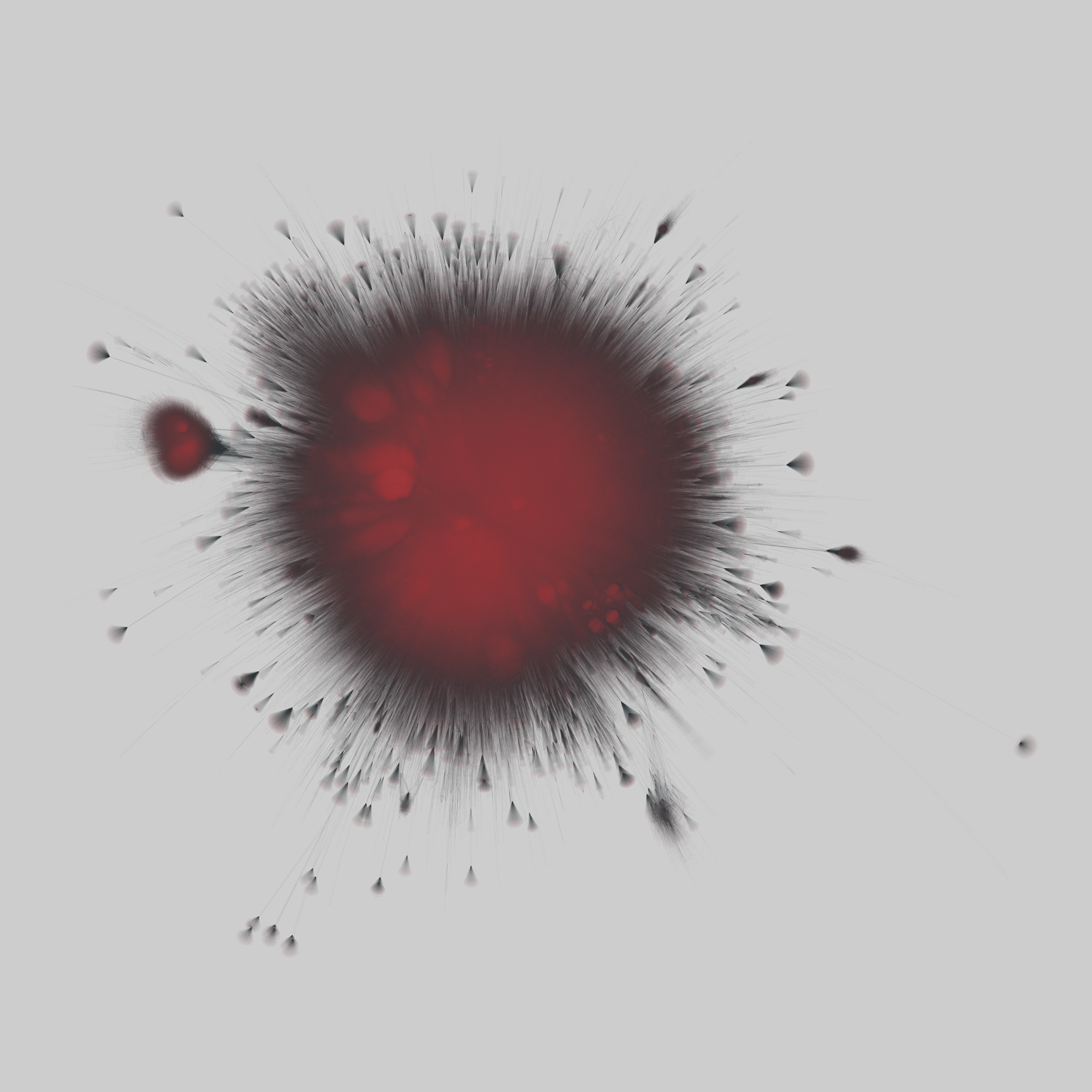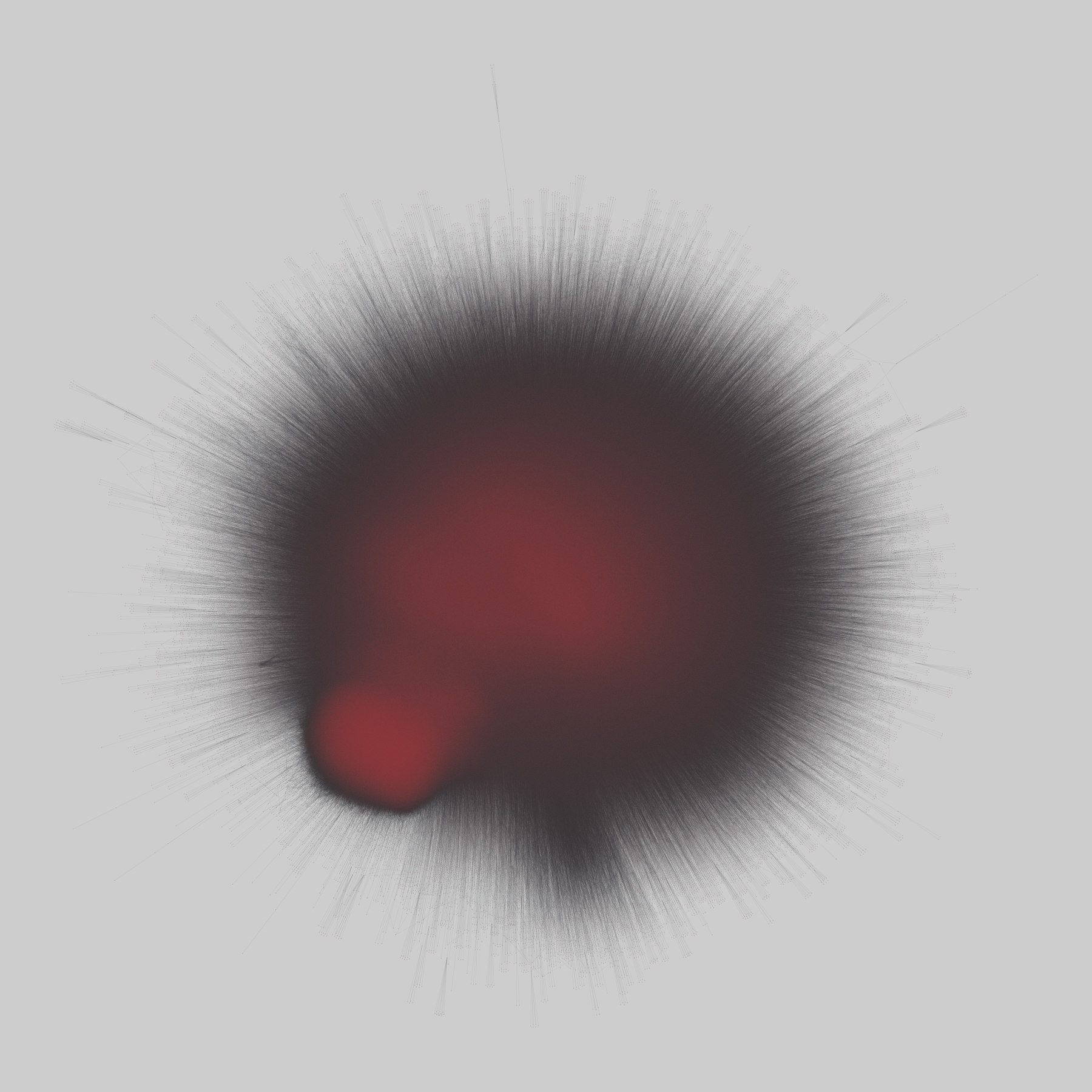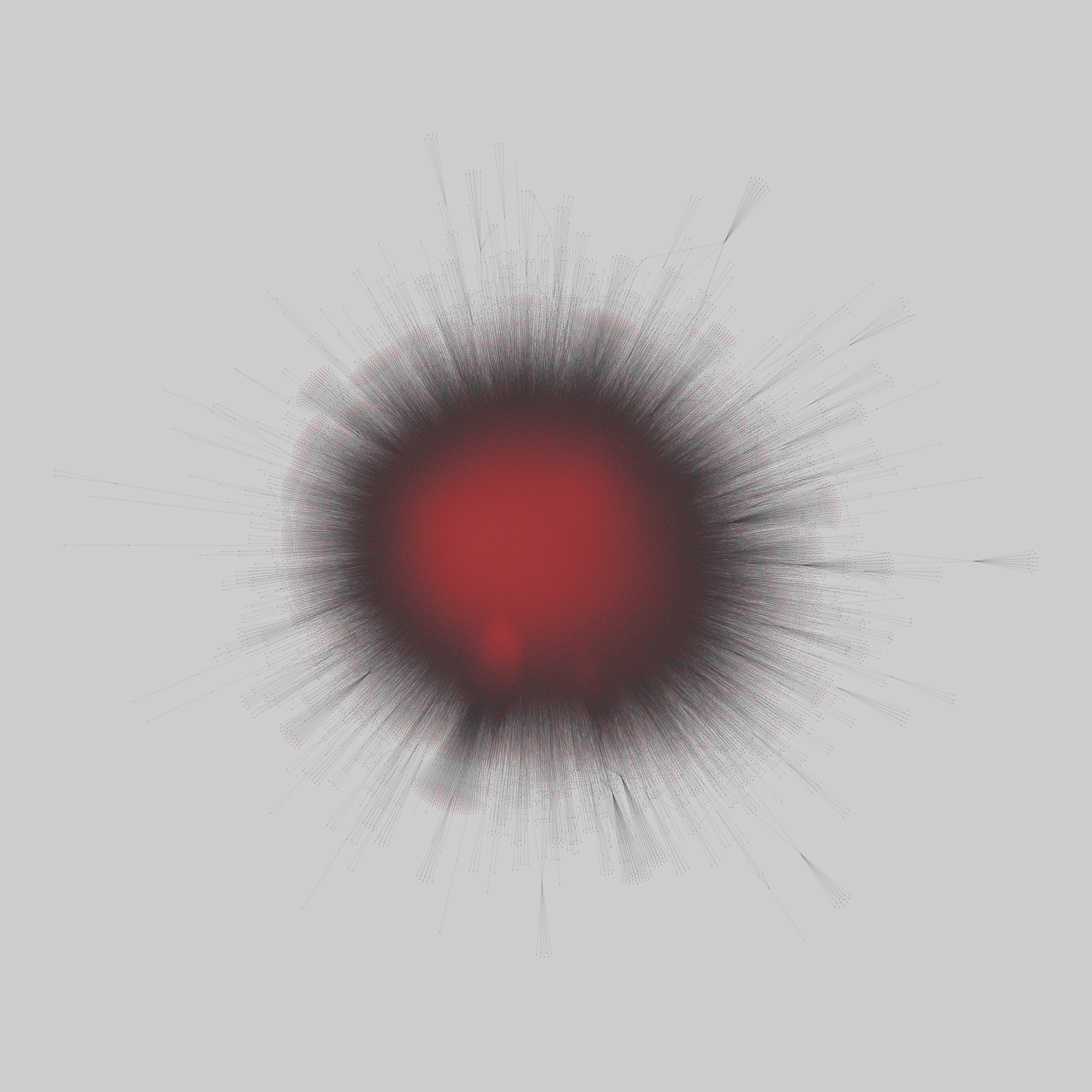
lastfm_aminer: Last.fm social graph
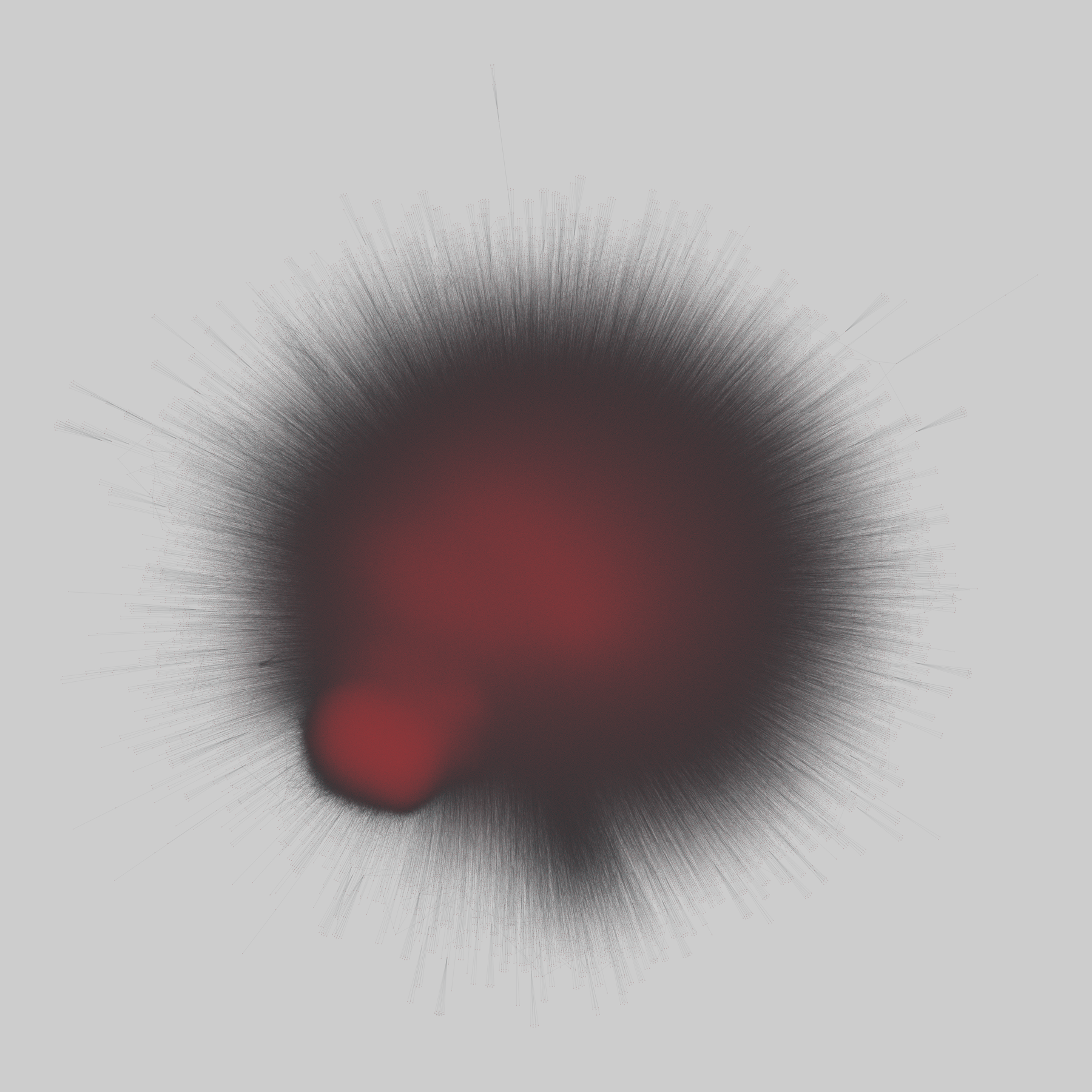
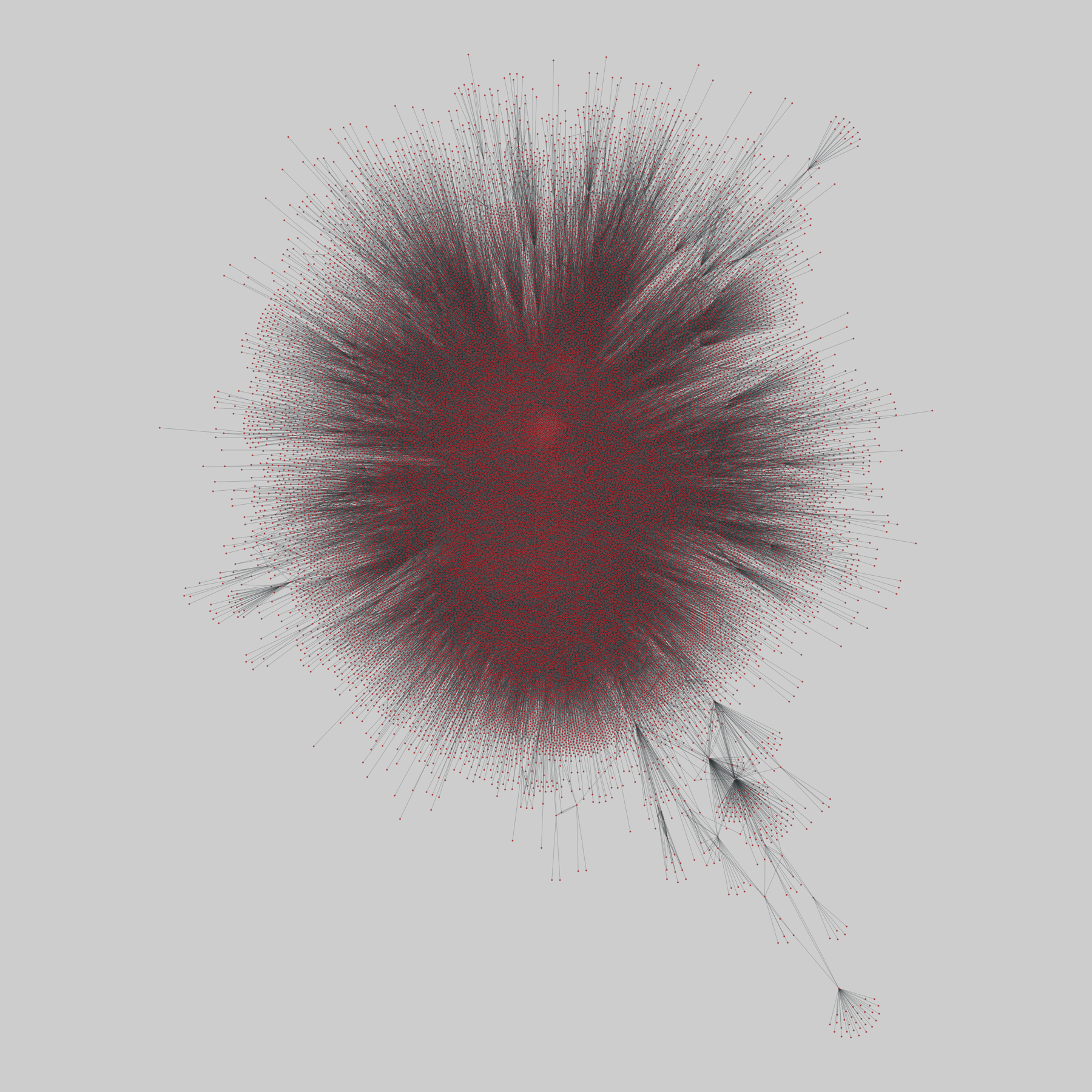
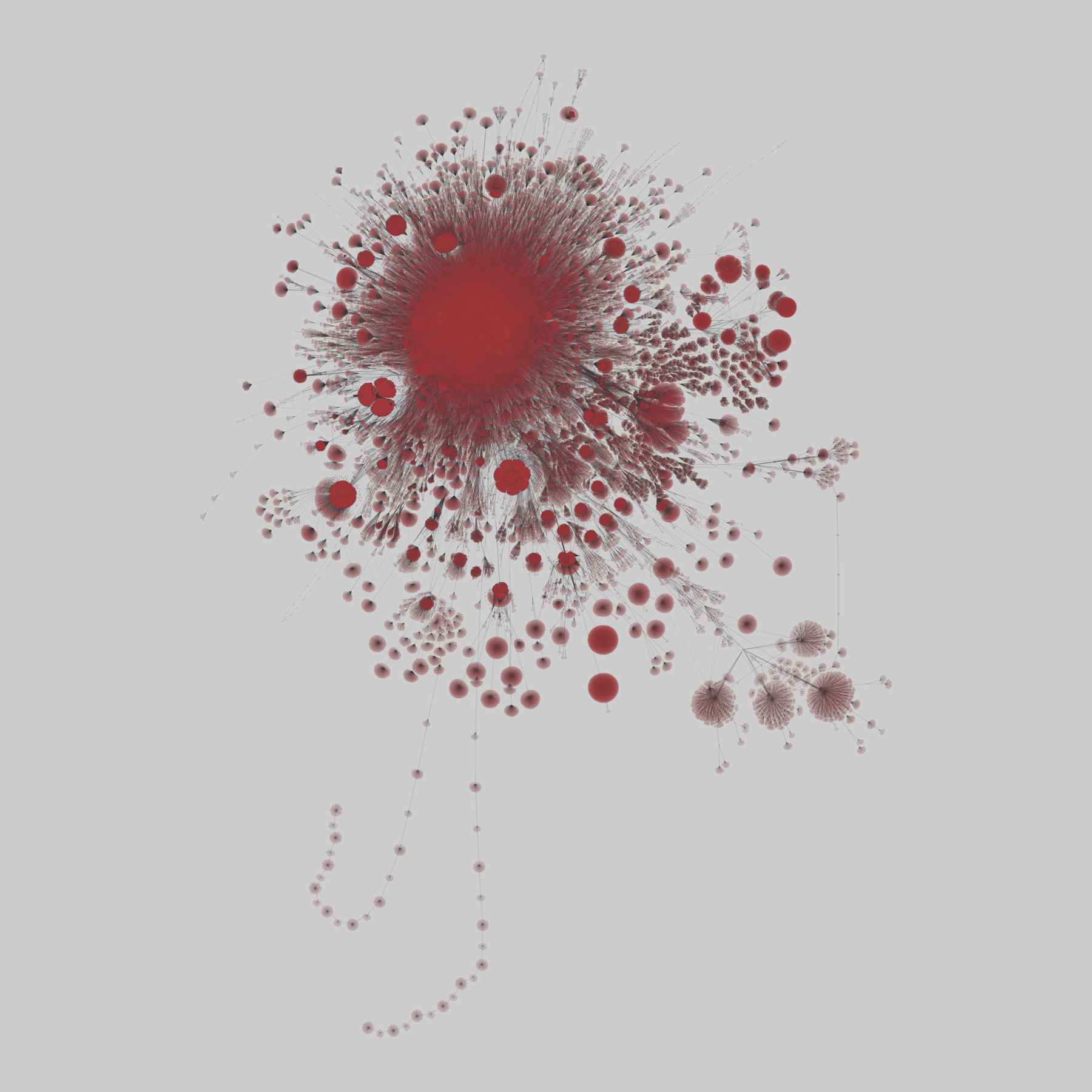
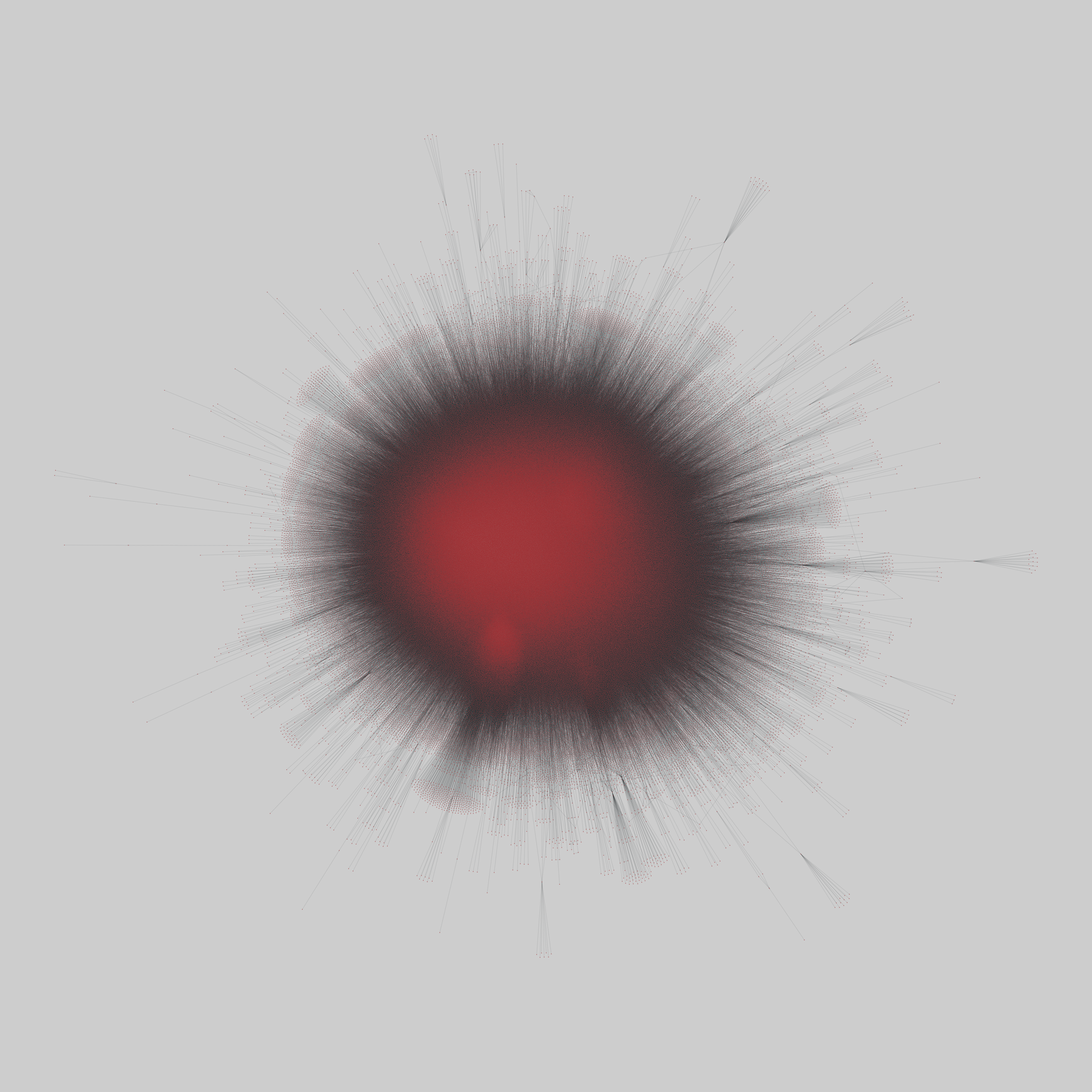
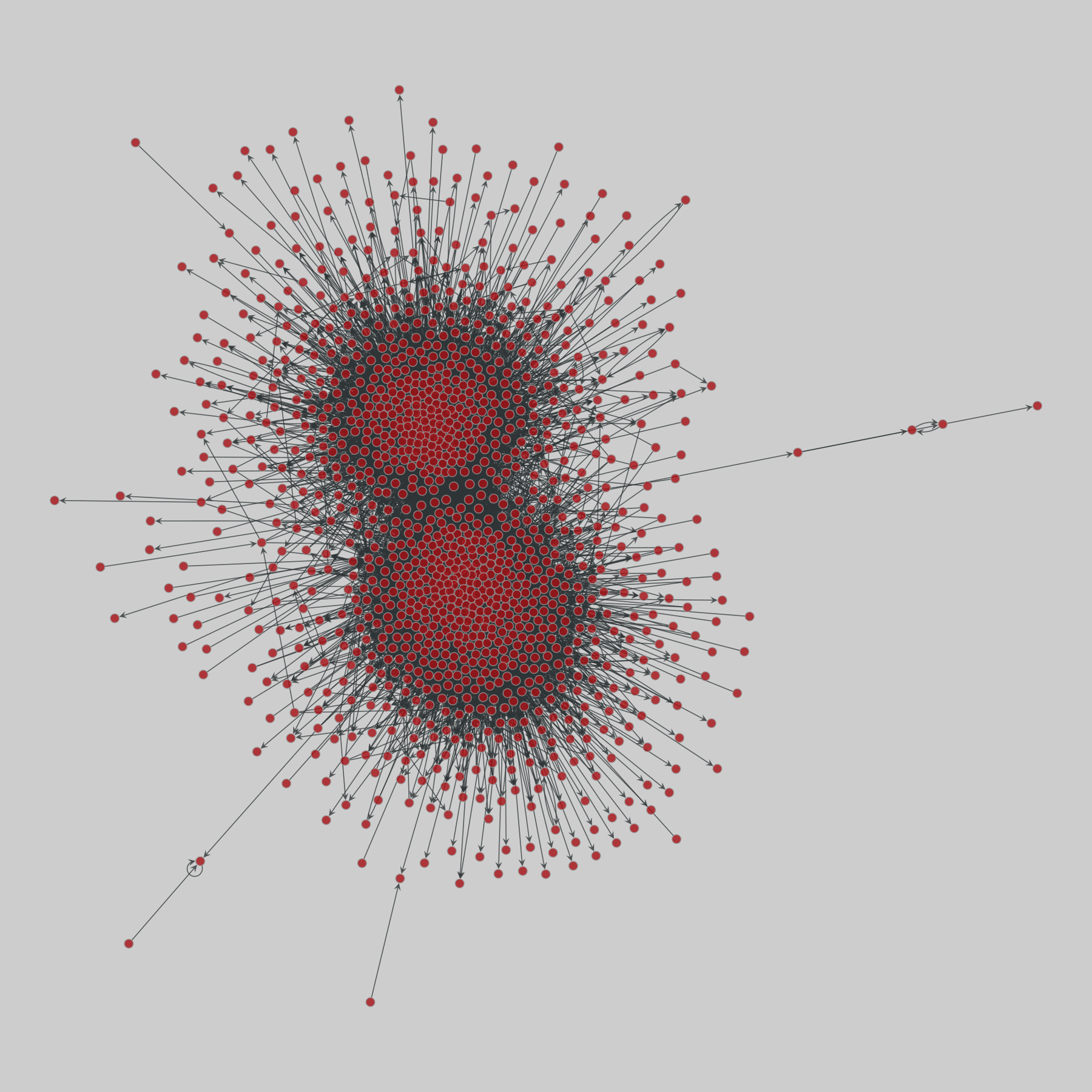
This network contains the social graph of last.fm, a site that provides a streaming radio service, where users can search music and get personalized recommendation. A directed edge (i,j) means that user i follows user j.
This network has 136409 nodes and 1685524 edges.
Tags: Social, Online, Unweighted
lastfm_aminer: Last.fm social graph
This network contains the social graph of last.fm, a site that provides a streaming radio service, where users can search music and get personalized recommendation. A directed edge (i,j) means that user i follows user j.
This network has 136409 nodes and 1685524 edges.
Tags: Social, Online, Unweighted
Fanciful Figurines flip Free Flood-It -- Polynomial-Time Miniature Painting on Co-gem-free Graphs
Christian Rosenke, Mark Scheibner
https://arxiv.org/abs/2602.00690 https://arxiv.org/pdf/2602.00690 https://arxiv.org/html/2602.00690
arXiv:2602.00690v1 Announce Type: new
Abstract: Inspired by the eponymous hobby, we introduce Miniature Painting as the computational problem to paint a given graph $G=(V,E)$ according to a prescribed template $t \colon V \rightarrow C$, which assigns colors $C$ to the vertices of $G$. In this setting, the goal is to realize the template using a shortest possible sequence of brush strokes, where each stroke overwrites a connected vertex subset with a color in $C$. We show that this problem is equivalent to a reversal of the well-studied Free Flood-It game, in which a colored graph is decolored into a single color using as few moves as possible. This equivalence allows known complexity results for Free Flood-It to be transferred directly to Miniature Painting, including NP-hardness under severe structural restrictions, such as when $G$ is a grid, a tree, or a split graph. Our main contribution is a polynomial-time algorithm for Miniature Painting on graphs that are free of induced co-gems, a graph class that strictly generalizes cographs. As a direct consequence, Free Flood-It is also polynomial-time solvable on co-gem-free graphs, independent of the initial coloring.
toXiv_bot_toot
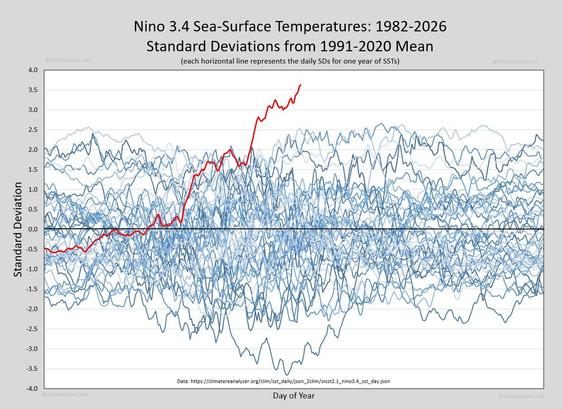
March was the first month above 430 ppm atmospheric CO₂ of this year, and only the second in about 15 million years!
The first one was May 2025; many more to follow, unfortunately.
Based on daily values at Mauna Loa, the average was ~430.2 ppm, that's 2.0 ppm higher than last year.
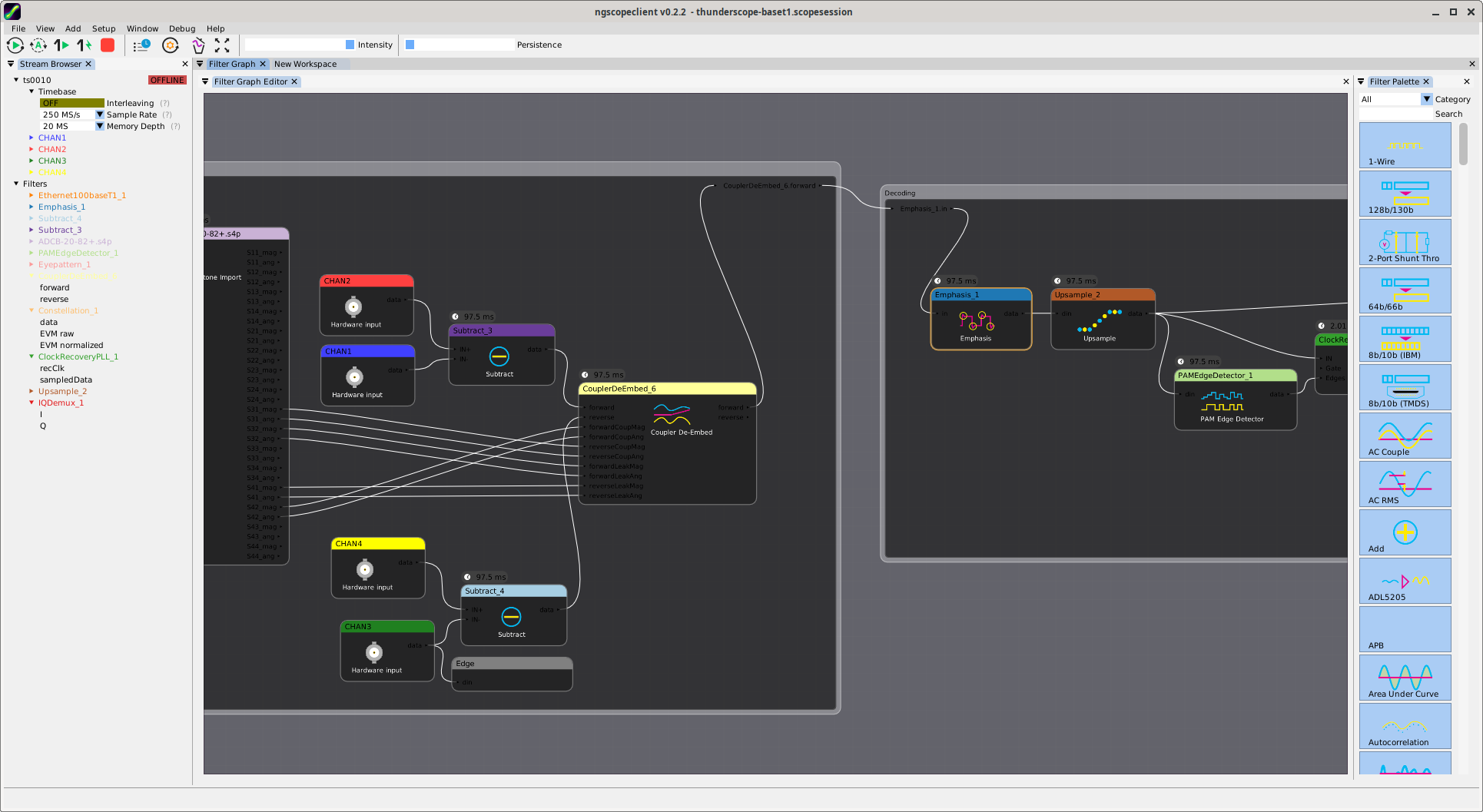
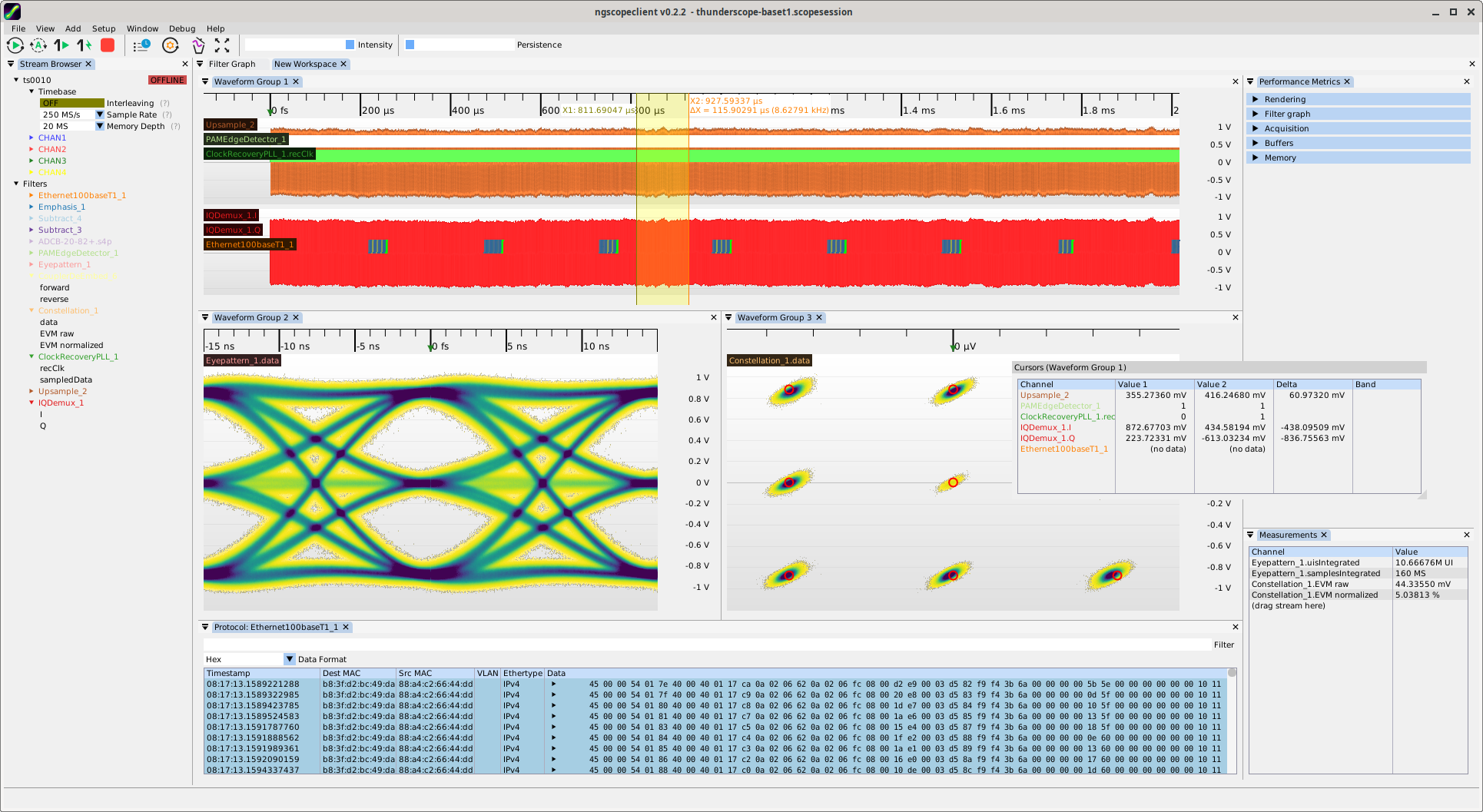
I'm going to have to screen record this, I can't believe I got it working this well.
2x 50M point differential Ethernet waveform into subtract filter, CDR, and eye pattern.
Refreshing at 8.3 Hz. With just a little bit more optimization or faster hardware this will be real time.
Then I can start working on getting protocol decodes to run at full rate too.
That plot about github having lots of issues after it was aquired by Microsoft, remember it's a zoomed in graph between 99.5% and 100%
It's still really impressive how the cutoff is really clear. And I think it's not a good look on github, even in the right context.
But it's not enough for people to leave it. And it's not even the major reason why they should.
flickr_aminer: Flickr social graph
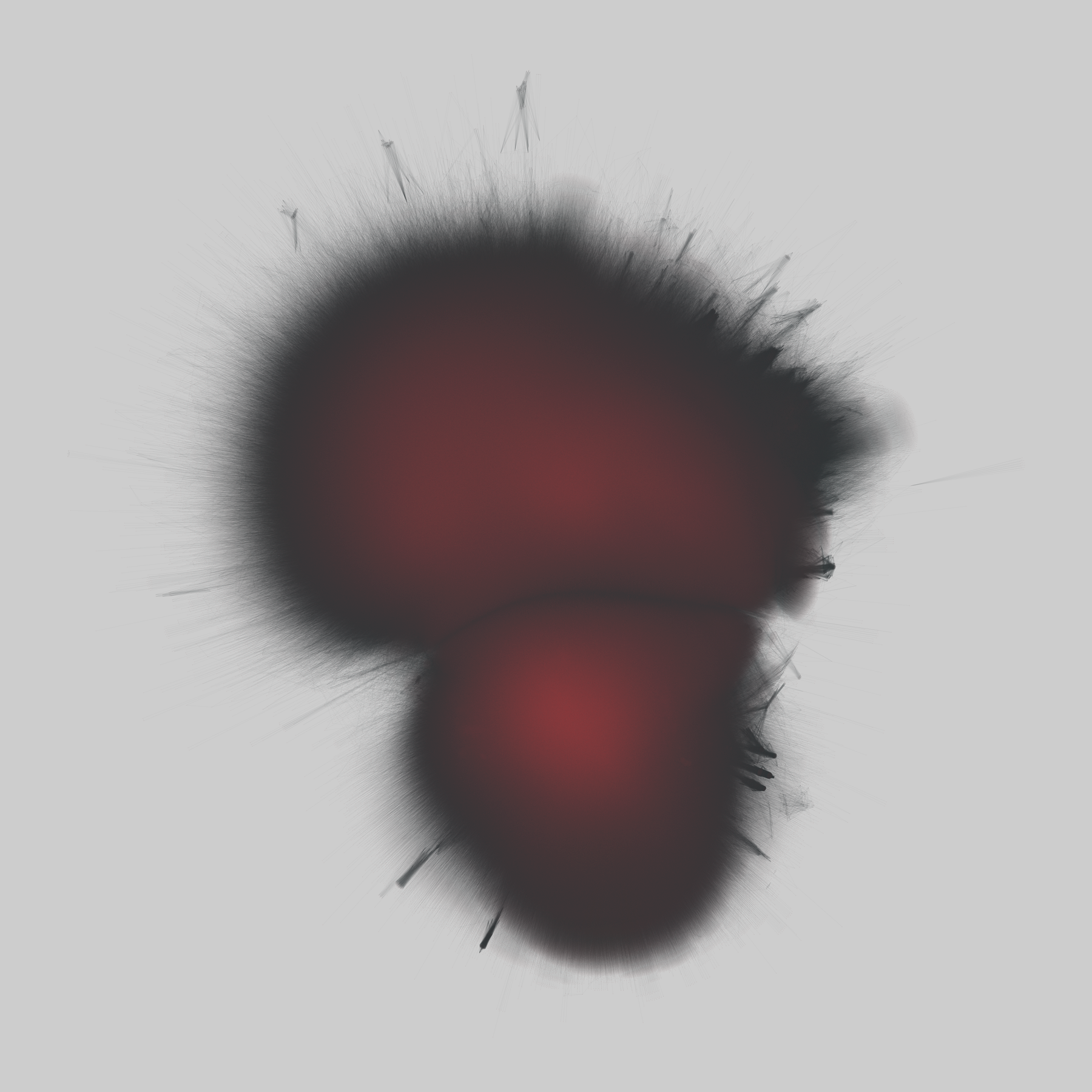
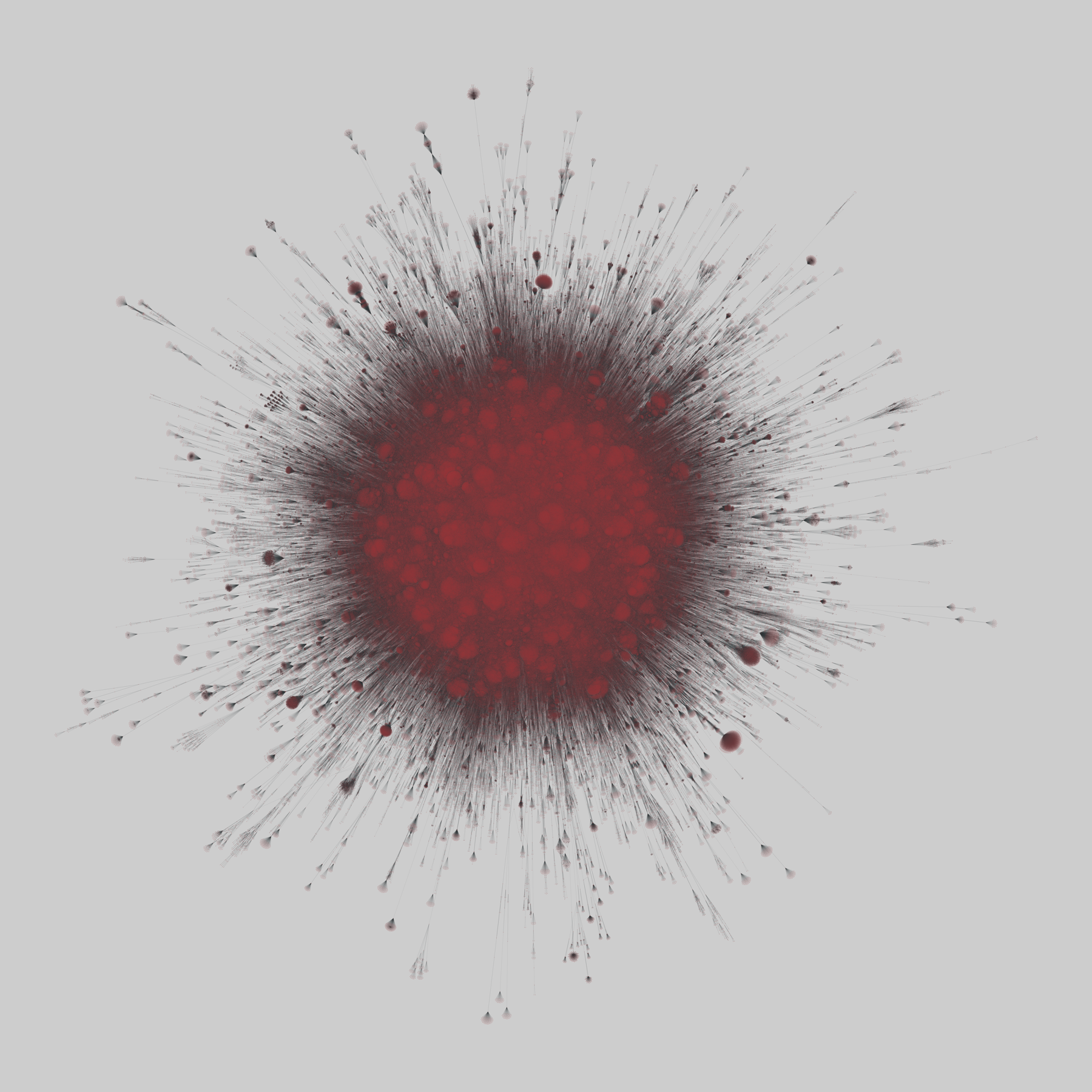
This network contains the social graph of flickr, a popular photo sharing network for users to upload photos and share photos, where a directed edge (i,j) means that user i follows user j.
This network has 214626 nodes and 9114557 edges.
Tags: Social, Online, Unweighted
https://
Not just more of the same.
Note that this eye-popping graph only includes ICE, and not CBP, which saw a similar explosion.
https://www.npr.org/2026/01/21/nx-s1-5674887/ice-budget-funding-congress-trump
13/
Based on daily values, the February average of atmospheric CO2 at Mauna Loa was ~429.4 ppm; that's 2.3 ppm higher than last year. We made our climate problem worse again.
#ClimateChange #co2 #emissions
myspace_aminer: MySpace social graph
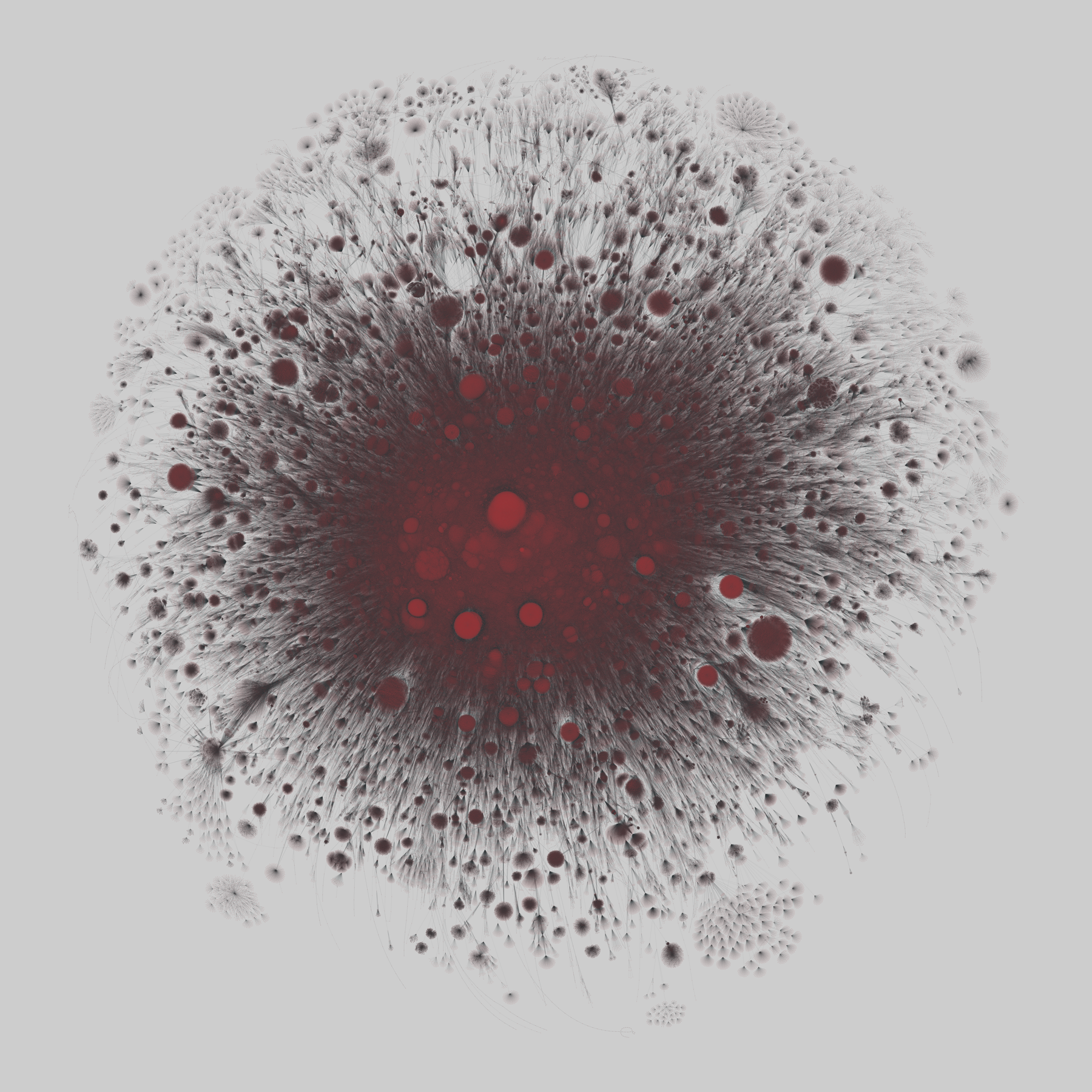
This network contains the social graph of MySpace, a social networking website which also has a strong music emphasis. A directed edge (i,j) means that user i follows user j.
This network has 854498 nodes and 6489736 edges.
Tags: Social, Online, Unweighted
https://netwo…
Probing Graph Neural Network Activation Patterns Through Graph Topology
Floriano Tori, Lorenzo Bini, Marco Sorbi, St\'ephane Marchand-Maillet, Vincent Ginis
https://arxiv.org/abs/2602.21092 https://arxiv.org/pdf/2602.21092 https://arxiv.org/html/2602.21092
arXiv:2602.21092v1 Announce Type: new
Abstract: Curvature notions on graphs provide a theoretical description of graph topology, highlighting bottlenecks and denser connected regions. Artifacts of the message passing paradigm in Graph Neural Networks, such as oversmoothing and oversquashing, have been attributed to these regions. However, it remains unclear how the topology of a graph interacts with the learned preferences of GNNs. Through Massive Activations, which correspond to extreme edge activation values in Graph Transformers, we probe this correspondence. Our findings on synthetic graphs and molecular benchmarks reveal that MAs do not preferentially concentrate on curvature extremes, despite their theoretical link to information flow. On the Long Range Graph Benchmark, we identify a systemic \textit{curvature shift}: global attention mechanisms exacerbate topological bottlenecks, drastically increasing the prevalence of negative curvature. Our work reframes curvature as a diagnostic probe for understanding when and why graph learning fails.
toXiv_bot_toot
TIEG-Youpu Solution for NeurIPS 2022 WikiKG90Mv2-LSC
Feng Nie, Zhixiu Ye, Sifa Xie, Shuang Wu, Xin Yuan, Liang Yao, Jiazhen Peng, Xu Cheng
https://arxiv.org/abs/2603.28512 https://arxiv.org/pdf/2603.28512 https://arxiv.org/html/2603.28512
arXiv:2603.28512v1 Announce Type: new
Abstract: WikiKG90Mv2 in NeurIPS 2022 is a large encyclopedic knowledge graph. Embedding knowledge graphs into continuous vector spaces is important for many practical applications, such as knowledge acquisition, question answering, and recommendation systems. Compared to existing knowledge graphs, WikiKG90Mv2 is a large scale knowledge graph, which is composed of more than 90 millions of entities. Both efficiency and accuracy should be considered when building graph embedding models for knowledge graph at scale. To this end, we follow the retrieve then re-rank pipeline, and make novel modifications in both retrieval and re-ranking stage. Specifically, we propose a priority infilling retrieval model to obtain candidates that are structurally and semantically similar. Then we propose an ensemble based re-ranking model with neighbor enhanced representations to produce final link prediction results among retrieved candidates. Experimental results show that our proposed method outperforms existing baseline methods and improves MRR of validation set from 0.2342 to 0.2839.
toXiv_bot_toot
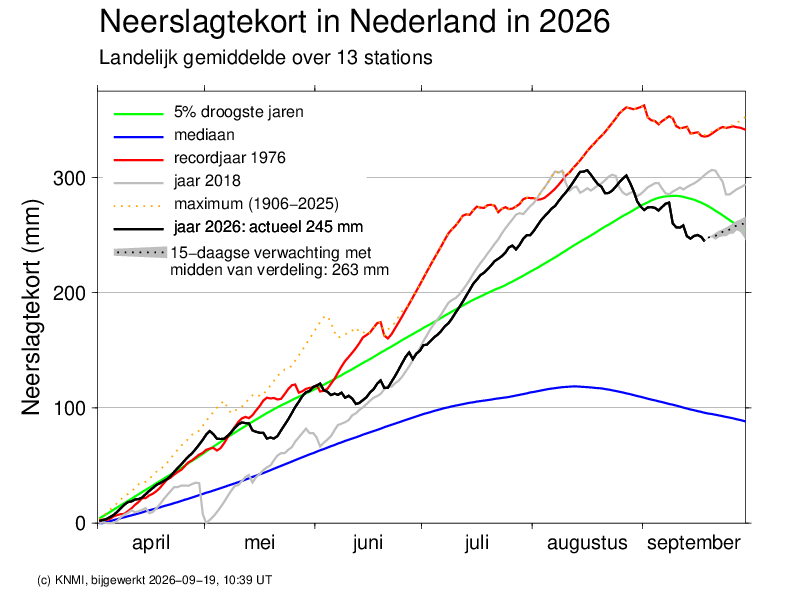
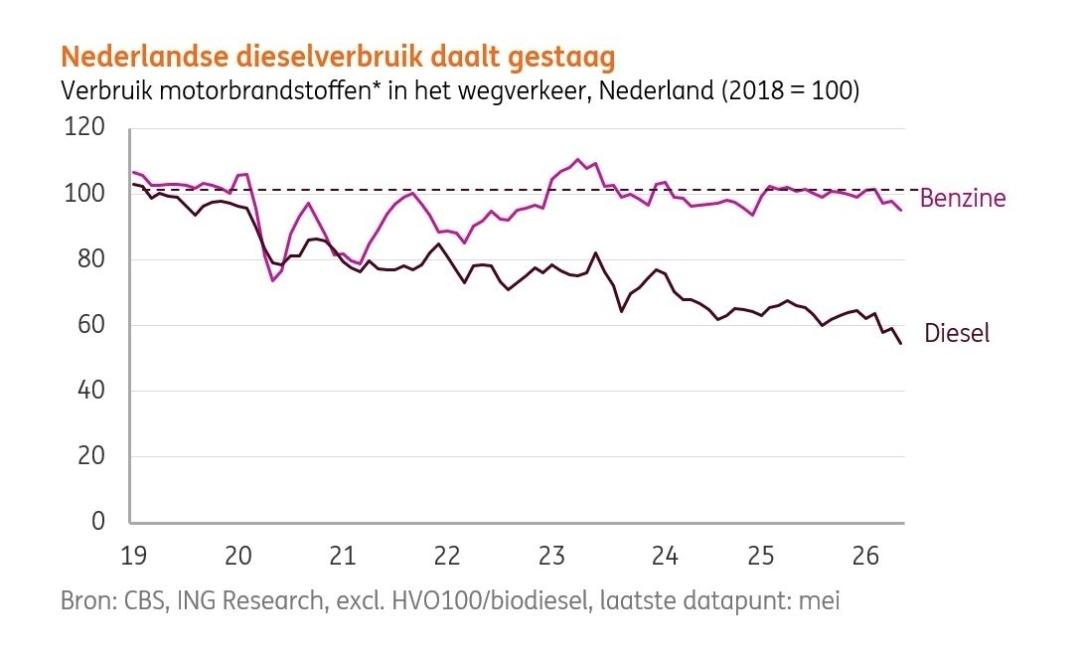
Modest response of the oil price to the war in the Middle East.
topology: Internet AS graph (2004)
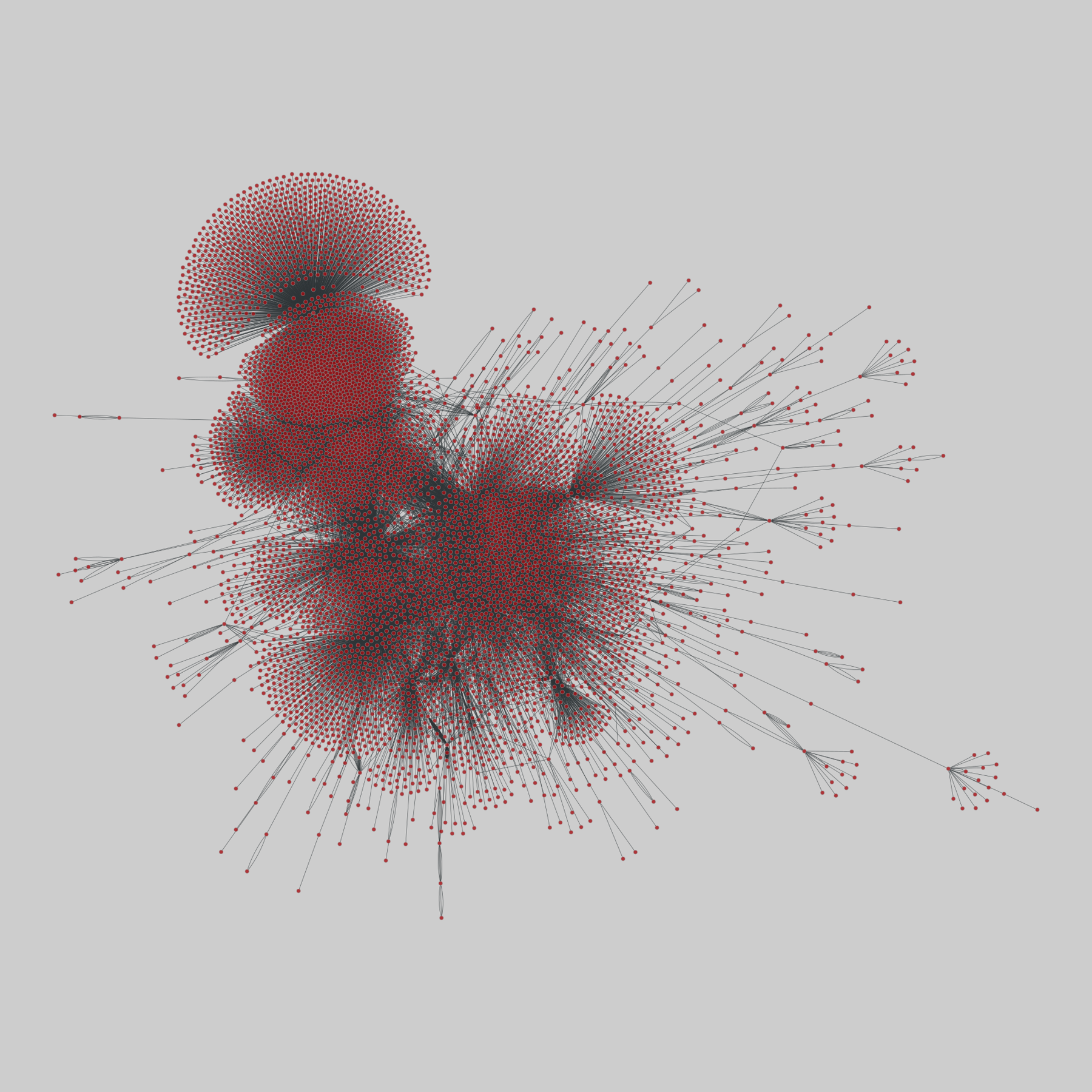
An integrated snapshot of the structure of the Internet at the level of Autonomous Systems (ASs), reconstructed from multiple sources, including the RouteViews and RIPE BGP trace collectors, route servers, looking glasses, and the Internet Routing Registry databases. This snapshot was created around October 2004.
This network has 34761 nodes and 171403 edges.
Tags: Technological, Communication, Unweighted, Multigraph, Timestamps
🪟 Full Window Function support: ROW_NUMBER, RANK, DENSE_RANK, LAG, LEAD, NTILE, FIRST_VALUE, LAST_VALUE & more for analytical workloads
🔄 Common Table Expressions including recursive CTEs for complex hierarchical and graph-style data queries
📈 Advanced aggregations: ROLLUP, CUBE & GROUPING SETS for multi-dimensional reporting and subtotal calculations
💾 Write-Ahead Logging (WAL) periodic snapshots for crash-safe persistence – runs in both in-memory and file-based …
Crosslisted article(s) found for math.CV. https://arxiv.org/list/math.CV/new
[1/1]:
- Reeb spaces of functions being analytic on dense subsets and their graph structures
Naoki Kitazawa
Hardness and Tractability of T_{h 1}-Free Edge Deletion
Ajinkya Gaikwad, Soumen Maity, Leeja R
https://arxiv.org/abs/2602.00644 https://arxiv.org/pdf/2602.00644 https://arxiv.org/html/2602.00644
arXiv:2602.00644v1 Announce Type: new
Abstract: We study the parameterized complexity of the T(h 1)-Free Edge Deletion problem. Given a graph G and integers k and h, the task is to delete at most k edges so that every connected component of the resulting graph has size at most h. The problem is NP-complete for every fixed h at least 3, while it is solvable in polynomial time for h at most 2.
Recent work showed strong hardness barriers: the problem is W[1]-hard when parameterized by the solution size together with the size of a feedback edge set, ruling out fixed-parameter tractability for many classical structural parameters. We significantly strengthen these negative results by proving W[1]-hardness when parameterized by the vertex deletion distance to a disjoint union of paths, the vertex deletion distance to a disjoint union of stars, or the twin cover number. These results unify and extend known hardness results for treewidth, pathwidth, and feedback vertex set, and show that several restrictive parameters, including treedepth, cluster vertex deletion number, and modular width, do not yield fixed-parameter tractability when h is unbounded.
On the positive side, we identify parameterizations that restore tractability. We show that the problem is fixed-parameter tractable when parameterized by cluster vertex deletion together with h, and also when parameterized by neighborhood diversity together with h via an integer linear programming formulation. We further present a fixed-parameter tractable bicriteria approximation algorithm parameterized by k. Finally, we show that the problem admits fixed-parameter tractable algorithms on split graphs and interval graphs, and we establish hardness for a directed generalization even on directed acyclic graphs.
toXiv_bot_toot
internet_as: Internet AS graph (2006)
A symmetrized snapshot of the structure of the Internet at the level of Autonomous Systems (ASs), reconstructed from BGP tables posted by the University of Oregon Route Views Project. This snapshot was created on 22 July 2006.
This network has 22963 nodes and 48436 edges.
Tags: Technological, Communication, Unweighted
Fast Sparse Matrix Permutation for Mesh-Based Direct Solvers
Behrooz Zarebavami, Ahmed H. Mahmoud, Ana Dodik, Changcheng Yuan, Serban D. Porumbescu, John D. Owens, Maryam Mehri Dehnavi, Justin Solomon
https://arxiv.org/abs/2602.00898 https://arxiv.org/pdf/2602.00898 https://arxiv.org/html/2602.00898
arXiv:2602.00898v1 Announce Type: new
Abstract: We present a fast sparse matrix permutation algorithm tailored to linear systems arising from triangle meshes. Our approach produces nested-dissection-style permutations while significantly reducing permutation runtime overhead. Rather than enforcing strict balance and separator optimality, the algorithm deliberately relaxes these design decisions to favor fast partitioning and efficient elimination-tree construction. Our method decomposes permutation into patch-level local orderings and a compact quotient-graph ordering of separators, preserving the essential structure required by sparse Cholesky factorization while avoiding its most expensive components. We integrate our algorithm into vendor-maintained sparse Cholesky solvers on both CPUs and GPUs. Across a range of graphics applications, including single factorizations, repeated factorizations, our method reduces permutation time and improves the sparse Cholesky solve performance by up to 6.27x.
toXiv_bot_toot
Wer mal richtig mit Musik 🎶 , KI 🤖 und dem Culture Knowledge Graph 🐙 hacken will, ist ganz herzlich zur Teilnahme an der Data Challenge von @… und @… eingeladen! Das Ziel lautet "Develo…
The clankers found my website...
Trump's incoherent rambling (bombing Iran back to the Stone Age, etc.) managed to drive up the oil price by $6/barrel within 30 minutes yesterday evening.
Quantum Graph Theory by Example
Gian Luca Spitzer, Ion Nechita
https://arxiv.org/abs/2603.23651 https://arxiv.org/pdf/2603.23651 https://arxiv.org/html/2603.23651
arXiv:2603.23651v1 Announce Type: new
Abstract: Quantum graphs have been introduced by Duan, Severini, and Winter to describe the zero-error behaviour of quantum channels. Since then, quantum graph theory has become a field of study in its own right. A substantial source of difficulty in working with quantum graphs compared to classical graphs stems from the fact that they are no longer discrete objects. This makes it generally difficult to construct insightful, non-trivial examples. We present a collection of non-trivial quantum graphs that can be thought of in discrete terms, and that can be expressed in the diagrammatic formalism introduced by Musto, Reutter, and Verdon. The examples arise as the quantum graphs acted on by increasingly smaller classical matrix groups, and are parametrised by triples of matrices $(A, B, C)$. The parametrisation reveals a clean decomposition of quantum graph structure into classical and genuinely quantum components: $A$ and $C$ are described by a classical weighted graph called the strange graph, while $B$ provides a purely quantum contribution with no classical analogue. Based on this model, we give exact formulas or establish bounds for quantum graph parameters, such as the number of connected components, the chromatic number, the independence number, and the clique number. Our results provide the first large, parametric families of quantum graphs for which standard graph parameters can be computed analytically.
toXiv_bot_toot
internet_as: Internet AS graph (2006)
A symmetrized snapshot of the structure of the Internet at the level of Autonomous Systems (ASs), reconstructed from BGP tables posted by the University of Oregon Route Views Project. This snapshot was created on 22 July 2006.
This network has 22963 nodes and 48436 edges.
Tags: Technological, Communication, Unweighted
Mediamarkt.de hat fast denselben PageRank wie Otto.de – aber einen HC Rank von 418.396 vs. 5.153. 📊
Harmonic Centrality misst, wo eine Domain im Web-Netzwerk sitzt. Nicht wer auf dich verlinkt, sondern wie zentral du bist. Common Crawl nutzt genau diesen Wert für die Crawl-Priorität – und 64 % aller LLMs trainieren auf Common-Crawl-Daten.
Backlink-Stärke und Netzwerkposition sind nicht dasselbe.
notre_dame_web: Webgraph (Notre Dame)
The web graph of Notre Dame University (nd.edu), as collected in 1999.
This network has 325729 nodes and 1497134 edges.
Tags: Informational, Web graph, Unweighted
https://networks.skewed.de/net/notre_dame_web
Ridiculogram…
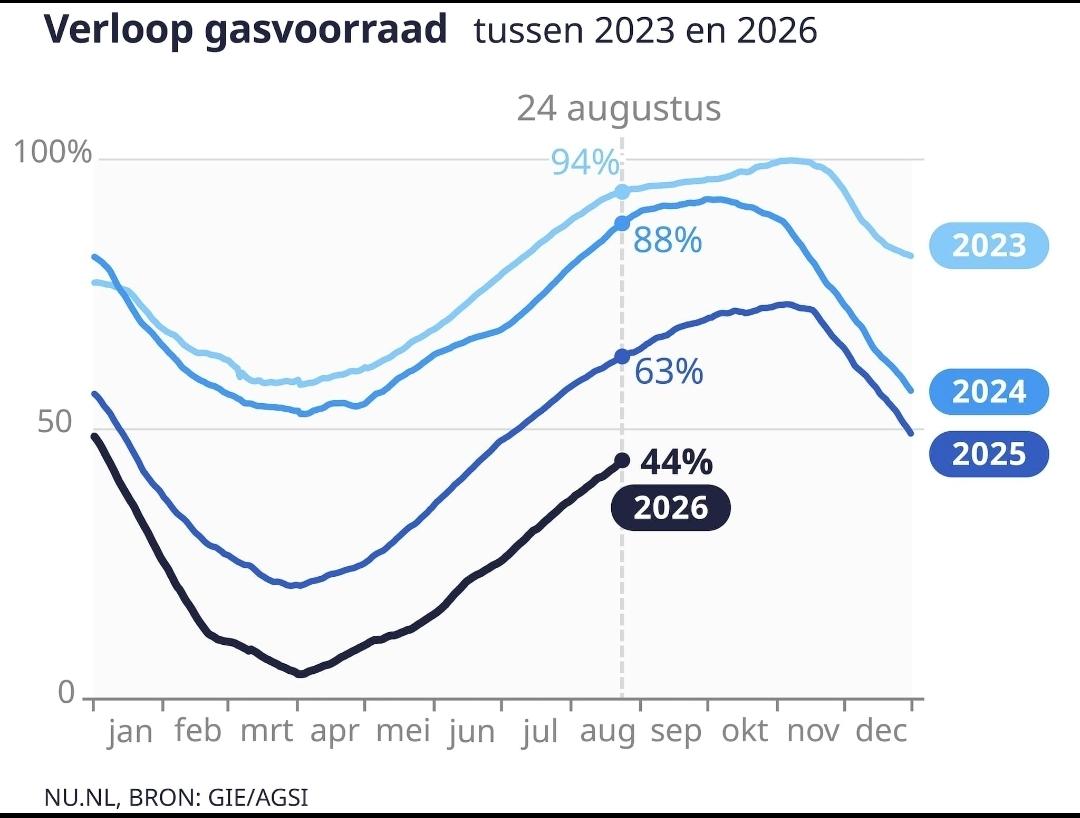
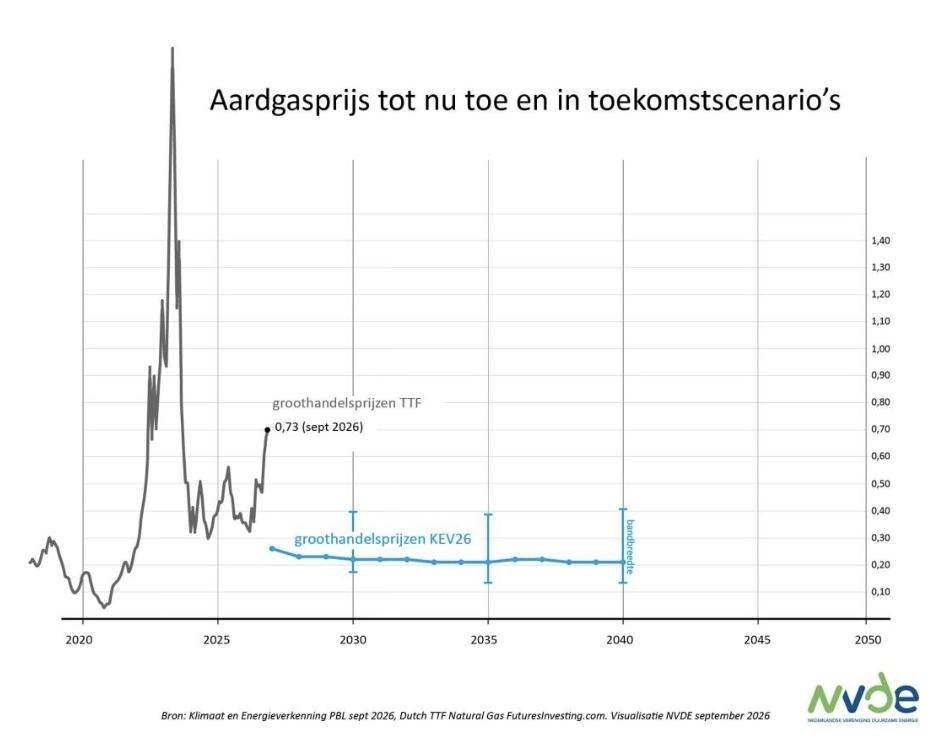
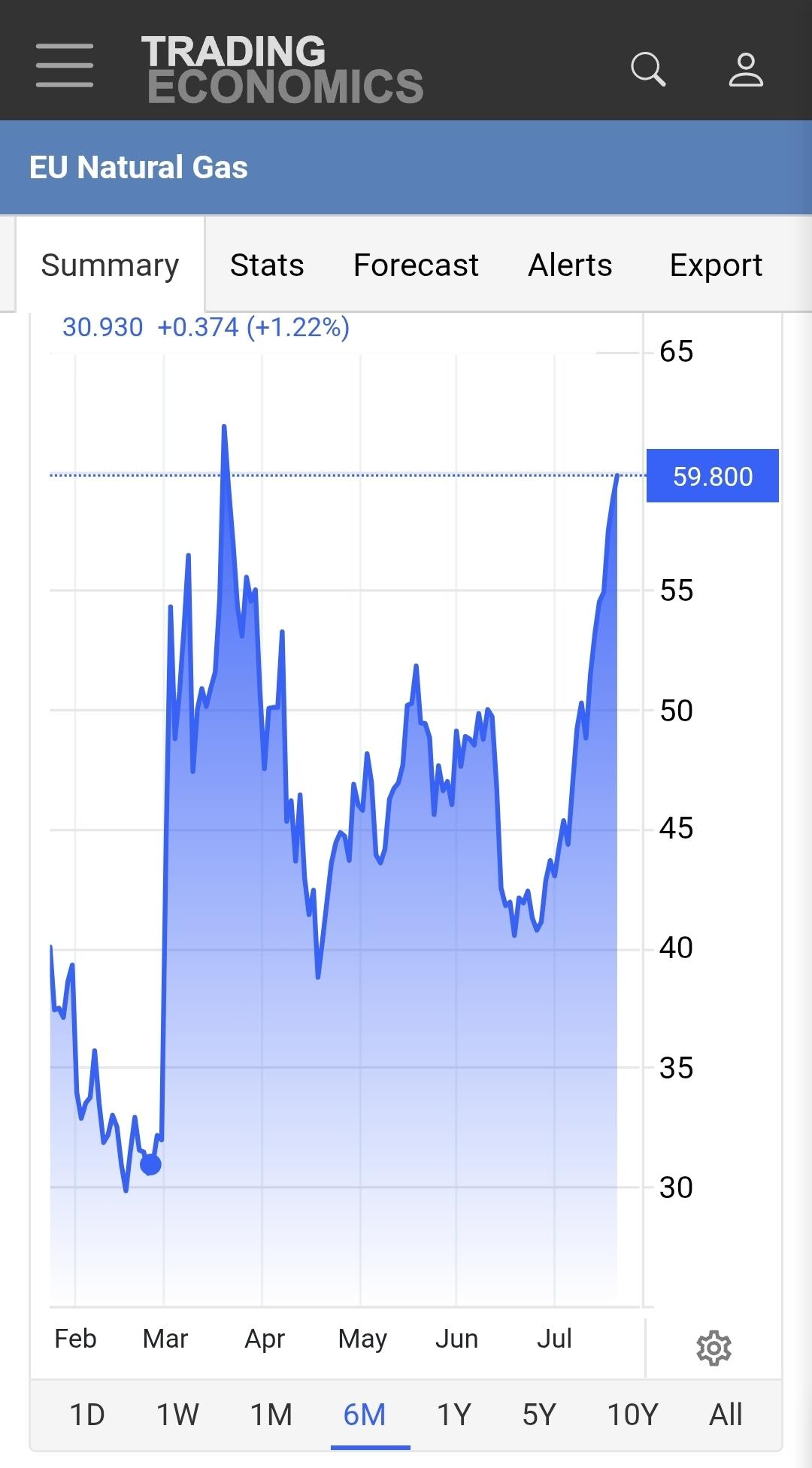
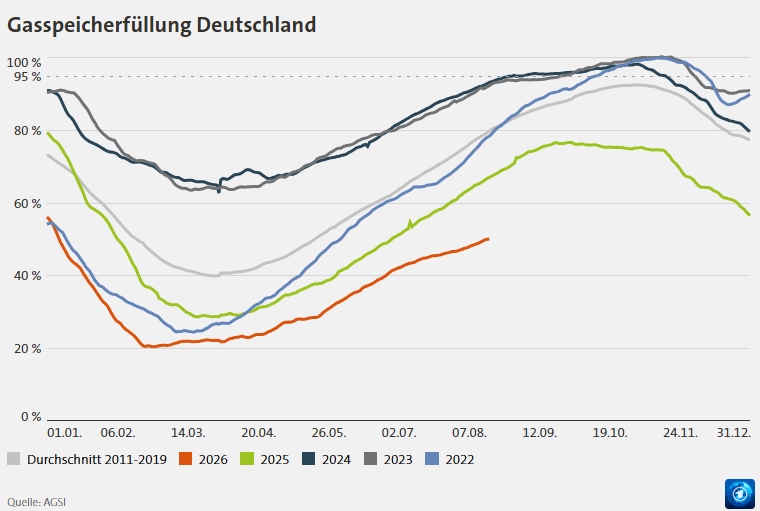
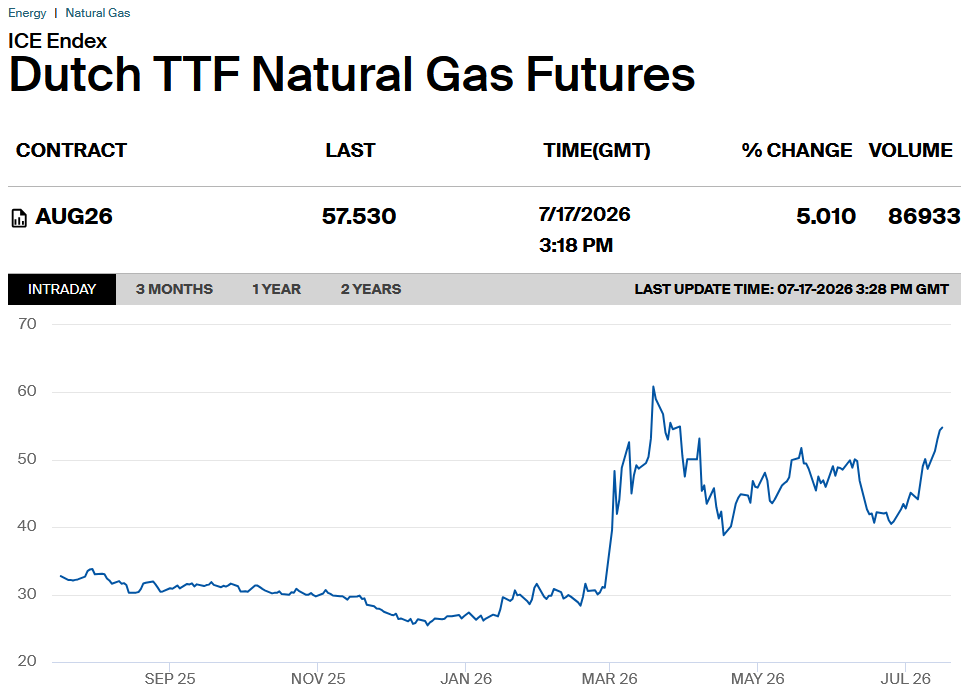
European gas price now up 48% since Friday!
And Dutch gas storages at a very low level (10% filled).
But: no incentive at all for commercial companies to start filling up again: prices throughout the year are higher than those for next winter. If we want the storages filled, governments need to act.
A polynomial-time algorithm for recognizing high-bandwidth graphs
Luis M. B. Varona
https://arxiv.org/abs/2602.01755 https://arxiv.org/pdf/2602.01755 https://arxiv.org/html/2602.01755
arXiv:2602.01755v1 Announce Type: new
Abstract: An unweighted, undirected graph $G$ on $n$ nodes is said to have \emph{bandwidth} at most $k$ if its nodes can be labelled from $0$ to $n - 1$ such that no two adjacent nodes have labels that differ by more than $k$. It is known that one can decide whether the bandwidth of $G$ is at most $k$ in $O(n^k)$ time and $O(n^k)$ space using dynamic programming techniques. For small $k$ close to $0$, this approach is effectively polynomial, but as $k$ scales with $n$, it becomes superexponential, requiring up to $O(n^{n - 1})$ time (where $n - 1$ is the maximum possible bandwidth). In this paper, we reformulate the problem in terms of bipartite matching for sufficiently large $k \ge \lfloor (n - 1)/2 \rfloor$, allowing us to use Hall's marriage theorem to develop an algorithm that runs in $O(n^{n - k 1})$ time and $O(n)$ auxiliary space (beyond storage of the input graph). This yields polynomial complexity for large $k$ close to $n - 1$, demonstrating that the bandwidth recognition problem is solvable in polynomial time whenever either $k$ or $n - k$ remains small.
toXiv_bot_toot
trec_web: TREC WT10g (2003)
A web graph network originally constructed in 2003 as a testbed for information-retrieval techniques, including web search engines. Distributed by University of Glasgow.
This network has 1601787 nodes and 8063026 edges.
Tags: Informational, Web graph, Unweighted
https://networks.skewed.de/net…
livejournal_aminer: Livejournal social graph
This network contains the social graph of Livejournal, a free on-line social network where users can keep a blog, journal or diary, where a directed edge (i,j) means that user i follows user j.
This network has 3017286 nodes and 87037567 edges.
Tags: Social, Online, Unweighted
https://
Took a look at the ngscopeclient "fall time" filter since it's the next in line alphabetically for some refactoring and decided hey, the inner loop is pretty simple let's try GPUing it.
But first I wanted to get a baseline run time for 50M points (790 ms).
Aaand found numerical stability issues. So I need to fix the algorithm before I optimize it.
This is why we use int64's for time values in all new code, not float32 or even (as done here) float64.
GraphWalker: Agentic Knowledge Graph Question Answering via Synthetic Trajectory Curriculum
Shuwen Xu, Yao Xu, Jiaxiang Liu, Chenhao Yuan, Wenshuo Peng, Jun Zhao, Kang Liu
https://arxiv.org/abs/2603.28533 https://arxiv.org/pdf/2603.28533 https://arxiv.org/html/2603.28533
arXiv:2603.28533v1 Announce Type: new
Abstract: Agentic knowledge graph question answering (KGQA) requires an agent to iteratively interact with knowledge graphs (KGs), posing challenges in both training data scarcity and reasoning generalization. Specifically, existing approaches often restrict agent exploration: prompting-based methods lack autonomous navigation training, while current training pipelines usually confine reasoning to predefined trajectories. To this end, this paper proposes \textit{GraphWalker}, a novel agentic KGQA framework that addresses these challenges through \textit{Automated Trajectory Synthesis} and \textit{Stage-wise Fine-tuning}. GraphWalker adopts a two-stage SFT training paradigm: First, the agent is trained on structurally diverse trajectories synthesized from constrained random-walk paths, establishing a broad exploration prior over the KG; Second, the agent is further fine-tuned on a small set of expert trajectories to develop reflection and error recovery capabilities. Extensive experiments demonstrate that our stage-wise SFT paradigm unlocks a higher performance ceiling for a lightweight reinforcement learning (RL) stage, enabling GraphWalker to achieve state-of-the-art performance on CWQ and WebQSP. Additional results on GrailQA and our constructed GraphWalkerBench confirm that GraphWalker enhances generalization to out-of-distribution reasoning paths. The code is publicly available at https://github.com/XuShuwenn/GraphWalker
toXiv_bot_toot
budapest_connectome: Budapest Reference Connectome 3.0
A parameterizable consensus brain graph, derived from connectomes of 477 people, each computed from MRI datasets of the Human Connectome Project. Nodes are brain regions, and edges are weighted by the number of "tracks" that run between two nodes, as well as fiber length, fractional anisotropy and the number of occurrences in each of the 477 individuals.
This network has 1015 nodes and 63448 edges.
Tags: Biolo…
student_cooperation: Student cooperation (2012)
Network of cooperation among students in the "Computer and Network Security" course at Ben-Gurion University, in 2012. Nodes are students, and edges denote cooperation between students while doing their homework. The graph contains three types of links: Time, Computer, Partners.
This network has 185 nodes and 360 edges.
Tags: Social, Offline, Multigraph, Unweighted
Added a scrollable list of errors to the filter graph editor so you can see multiple problems more clearly.
The error message automatically spawns, docked to the south side of the filter graph editor, when an error appears and disappears when the last error is resolved.
A $5$-Approximation Analysis for the Cover Small Cuts Problem
Miles Simmons, Ishan Bansal, Joe Cheriyan
https://arxiv.org/abs/2602.01462 https://arxiv.org/pdf/2602.01462 https://arxiv.org/html/2602.01462
arXiv:2602.01462v1 Announce Type: new
Abstract: In the Cover Small Cuts problem, we are given a capacitated (undirected) graph $G=(V,E,u)$ and a threshold value $\lambda$, as well as a set of links $L$ with end-nodes in $V$ and a non-negative cost for each link $\ell\in L$; the goal is to find a minimum-cost set of links such that each non-trivial cut of capacity less than $\lambda$ is covered by a link. Bansal, Cheriyan, Grout, and Ibrahimpur (arXiv:2209.11209, Algorithmica 2024) showed that the WGMV primal-dual algorithm, due to Williamson, Goemans, Mihail, and Vazirani (Combinatorica, 1995), achieves approximation ratio $16$ for the Cover Small Cuts problem; their analysis uses the notion of a pliable family of sets that satisfies a combinatorial property. Later, Bansal (arXiv:2308.15714v2, IPCO 2025) and then Nutov (arXiv:2504.03910, MFCS 2025) proved that the same algorithm achieves approximation ratio $6$. We show that the same algorithm achieves approximation ratio $5$, by using a stronger notion, namely, a pliable family of sets that satisfies symmetry and structural submodularity.
toXiv_bot_toot
as_skitter: Skitter IP graph (2005)
An aggregate snapshot of the Internet Protocol (IP) graph, as measured by the traceroute tool on CAIDA's skitter infrastructure, in 2005.
This network has 1696415 nodes and 11095298 edges.
Tags: Technological, Communication, Unweighted
https://networks.skewed.de/net/as_s…
Somewhat surprisingly (but very welcome): these RAM and CPU upgrades, so far, have not materially increased the power demand of my lab.
I put the new RAM in the VM server yesterday (the 25th) and the upgraded CPU/RAM in the lab bench box a few hours ago.
I'm sure if I were to max them out for hours a day, I'd see a difference. But since my compute demands tend to be very bursty, the average power draw is the bigger concern and that seems to be roughly unchanged.
google_web: Old Google web graph (2002)
A web graph representing a crawl of a portion of the general WWW, from a 2002 Google Programming contest.
This network has 916428 nodes and 5105039 edges.
Tags: Informational, Web graph, Unweighted
https://networks.skewed.de/net/google_web
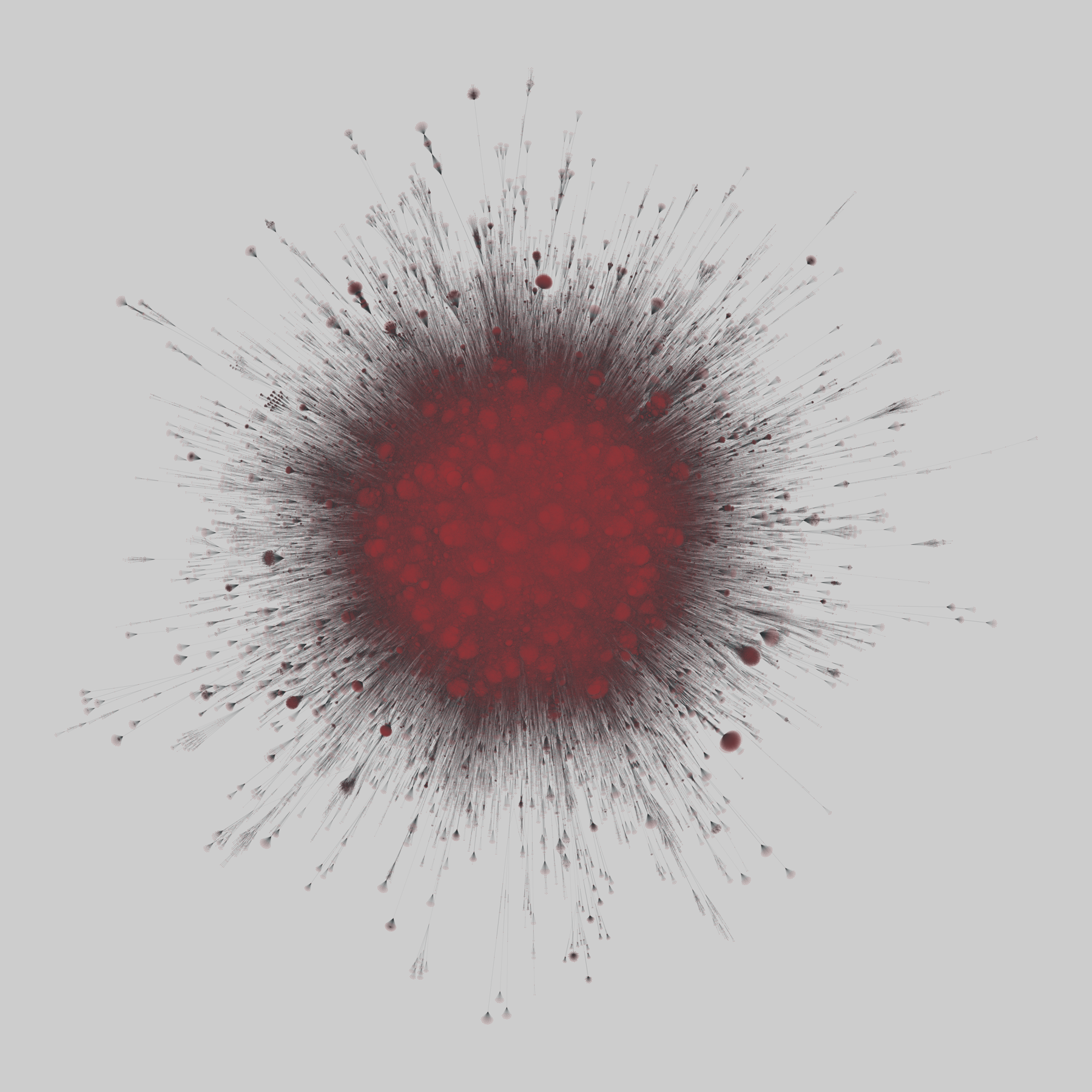
trec_web: TREC WT10g (2003)
A web graph network originally constructed in 2003 as a testbed for information-retrieval techniques, including web search engines. Distributed by University of Glasgow.
This network has 1601787 nodes and 8063026 edges.
Tags: Informational, Web graph, Unweighted
https://networks.skewed.de/net…
google_web: Old Google web graph (2002)
A web graph representing a crawl of a portion of the general WWW, from a 2002 Google Programming contest.
This network has 916428 nodes and 5105039 edges.
Tags: Informational, Web graph, Unweighted
https://networks.skewed.de/net/google_web
as_skitter: Skitter IP graph (2005)
An aggregate snapshot of the Internet Protocol (IP) graph, as measured by the traceroute tool on CAIDA's skitter infrastructure, in 2005.
This network has 1696415 nodes and 11095298 edges.
Tags: Technological, Communication, Unweighted
https://networks.skewed.de/net/as_s…
as_skitter: Skitter IP graph (2005)
An aggregate snapshot of the Internet Protocol (IP) graph, as measured by the traceroute tool on CAIDA's skitter infrastructure, in 2005.
This network has 1696415 nodes and 11095298 edges.
Tags: Technological, Communication, Unweighted
https://networks.skewed.de/net/as_s…
The Trump-Netanyahu war in the Middle East already drove up the price of urea fertiliser, produced there as well, by 75%.
netscience: Scientific collaborations in network science (2006)
A coauthorship network among scientists working on network science, from 2006. This network is a one-mode projection from the bipartite graph of authors and their scientific publications.
This network has 1589 nodes and 2742 edges.
Tags: Social, Collaboration, Weighted, Projection
netscience: Scientific collaborations in network science (2006)
A coauthorship network among scientists working on network science, from 2006. This network is a one-mode projection from the bipartite graph of authors and their scientific publications.
This network has 1589 nodes and 2742 edges.
Tags: Social, Collaboration, Weighted, Projection
google: Google internal webpages (2007)
A directed network of webpages from Google's own sites, and the hyperlinks among them. Edge direction indicates that i hyperlinks to j.
This network has 15763 nodes and 171206 edges.
Tags: Informational, Web graph, Unweighted
https://networks.skewed.de/net/google
google: Google internal webpages (2007)
A directed network of webpages from Google's own sites, and the hyperlinks among them. Edge direction indicates that i hyperlinks to j.
This network has 15763 nodes and 171206 edges.
Tags: Informational, Web graph, Unweighted
https://networks.skewed.de/net/google
netscience: Scientific collaborations in network science (2006)
A coauthorship network among scientists working on network science, from 2006. This network is a one-mode projection from the bipartite graph of authors and their scientific publications.
This network has 1589 nodes and 2742 edges.
Tags: Social, Collaboration, Weighted, Projection
edit_wikibooks: Wikipedia book edits (2010)
Two bipartite user-page networks extracted from Wikipedia, about books. A user connects to a page if that user edited that page. Edits (edges) are timestamped. Edge weights represent counts of the number of edits.
This network has 394 nodes and 499 edges.
Tags: Informational, Web graph, Multigraph, Timestamps
livejournal_aminer: Livejournal social graph
This network contains the social graph of Livejournal, a free on-line social network where users can keep a blog, journal or diary, where a directed edge (i,j) means that user i follows user j.
This network has 3017286 nodes and 87037567 edges.
Tags: Social, Online, Unweighted
https://…
berkstan_web: Webgraph (Berkeley-Stanford)
The web graph of Berkeley and Stanford Universities (berkeley.edu and stanford.edu), as collected in 2002. Nodes represent pages and directed edges represent hyperlinks between them.
This network has 685231 nodes and 7600595 edges.
Tags: Informational, Web graph, Unweighted
https://
myspace_aminer: MySpace social graph
This network contains the social graph of MySpace, a social networking website which also has a strong music emphasis. A directed edge (i,j) means that user i follows user j.
This network has 854498 nodes and 6489736 edges.
Tags: Social, Online, Unweighted
https://netwo…
livejournal_aminer: Livejournal social graph
This network contains the social graph of Livejournal, a free on-line social network where users can keep a blog, journal or diary, where a directed edge (i,j) means that user i follows user j.
This network has 3017286 nodes and 87037567 edges.
Tags: Social, Online, Unweighted
https://
internet_as: Internet AS graph (2006)
A symmetrized snapshot of the structure of the Internet at the level of Autonomous Systems (ASs), reconstructed from BGP tables posted by the University of Oregon Route Views Project. This snapshot was created on 22 July 2006.
This network has 22963 nodes and 48436 edges.
Tags: Technological, Communication, Unweighted
as_skitter: Skitter IP graph (2005)
An aggregate snapshot of the Internet Protocol (IP) graph, as measured by the traceroute tool on CAIDA's skitter infrastructure, in 2005.
This network has 1696415 nodes and 11095298 edges.
Tags: Technological, Communication, Unweighted
https://networks.skewed.de/net/as_s…
flickr_aminer: Flickr social graph
This network contains the social graph of flickr, a popular photo sharing network for users to upload photos and share photos, where a directed edge (i,j) means that user i follows user j.
This network has 214626 nodes and 9114557 edges.
Tags: Social, Online, Unweighted
https://
internet_as: Internet AS graph (2006)
A symmetrized snapshot of the structure of the Internet at the level of Autonomous Systems (ASs), reconstructed from BGP tables posted by the University of Oregon Route Views Project. This snapshot was created on 22 July 2006.
This network has 22963 nodes and 48436 edges.
Tags: Technological, Communication, Unweighted
arxiv_authors: Arxiv authors (1993-2003)
Scientific collaborations between authors of papers submitted to arxiv.org, under 5 categories: gr-qc, astro-ph, cond-mat, hep-ph, and hep-th categories, spanning January 1993 to April 2003. If an author i co-authored a paper with author j, the graph contains a undirected edge from i to j. If the paper is co-authored by k authors this generates a completely connected (sub)graph on k nodes.
This network has 108300 nodes and 186936 edges.
berkstan_web: Webgraph (Berkeley-Stanford)
The web graph of Berkeley and Stanford Universities (berkeley.edu and stanford.edu), as collected in 2002. Nodes represent pages and directed edges represent hyperlinks between them.
This network has 685231 nodes and 7600595 edges.
Tags: Informational, Web graph, Unweighted
https://
flickr_aminer: Flickr social graph
This network contains the social graph of flickr, a popular photo sharing network for users to upload photos and share photos, where a directed edge (i,j) means that user i follows user j.
This network has 214626 nodes and 9114557 edges.
Tags: Social, Online, Unweighted
https://
flickr_aminer: Flickr social graph
This network contains the social graph of flickr, a popular photo sharing network for users to upload photos and share photos, where a directed edge (i,j) means that user i follows user j.
This network has 214626 nodes and 9114557 edges.
Tags: Social, Online, Unweighted
https://
google_web: Old Google web graph (2002)
A web graph representing a crawl of a portion of the general WWW, from a 2002 Google Programming contest.
This network has 916428 nodes and 5105039 edges.
Tags: Informational, Web graph, Unweighted
https://networks.skewed.de/net/google_web
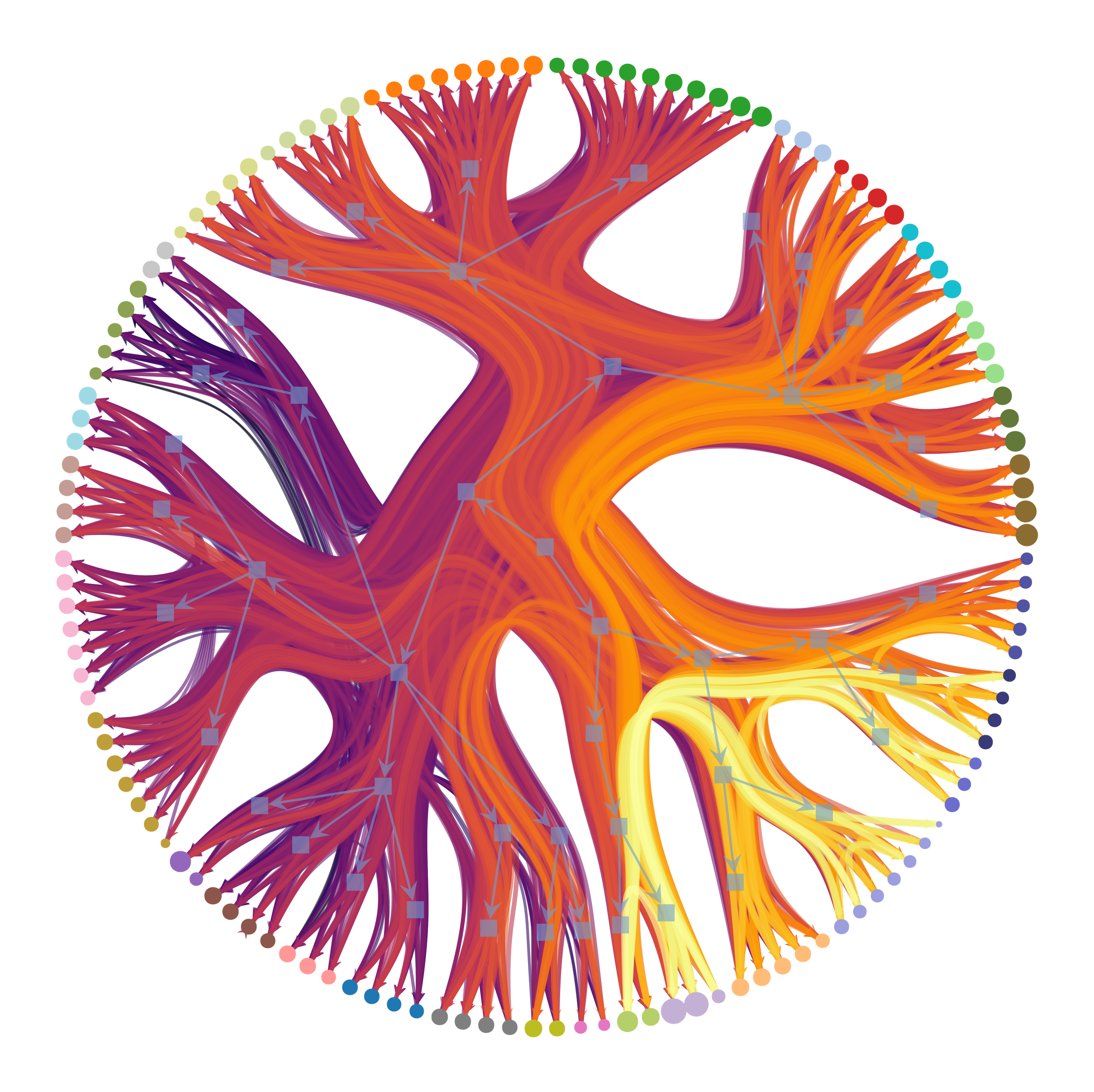
internet_as: Internet AS graph (2006)
A symmetrized snapshot of the structure of the Internet at the level of Autonomous Systems (ASs), reconstructed from BGP tables posted by the University of Oregon Route Views Project. This snapshot was created on 22 July 2006.
This network has 22963 nodes and 48436 edges.
Tags: Technological, Communication, Unweighted
internet_as: Internet AS graph (2006)
A symmetrized snapshot of the structure of the Internet at the level of Autonomous Systems (ASs), reconstructed from BGP tables posted by the University of Oregon Route Views Project. This snapshot was created on 22 July 2006.
This network has 22963 nodes and 48436 edges.
Tags: Technological, Communication, Unweighted
internet_as: Internet AS graph (2006)
A symmetrized snapshot of the structure of the Internet at the level of Autonomous Systems (ASs), reconstructed from BGP tables posted by the University of Oregon Route Views Project. This snapshot was created on 22 July 2006.
This network has 22963 nodes and 48436 edges.
Tags: Technological, Communication, Unweighted
livejournal_aminer: Livejournal social graph
This network contains the social graph of Livejournal, a free on-line social network where users can keep a blog, journal or diary, where a directed edge (i,j) means that user i follows user j.
This network has 3017286 nodes and 87037567 edges.
Tags: Social, Online, Unweighted
https://
berkstan_web: Webgraph (Berkeley-Stanford)
The web graph of Berkeley and Stanford Universities (berkeley.edu and stanford.edu), as collected in 2002. Nodes represent pages and directed edges represent hyperlinks between them.
This network has 685231 nodes and 7600595 edges.
Tags: Informational, Web graph, Unweighted
https://
wikipedia_link: Wikipedia links (2016)
Networks of hyperlinks among articles on Wikipedia, for all available languages. A directed edge (i,j) indicates that article i hyperlinks to j.
This network has 64347 nodes and 1397072 edges.
Tags: Informational, Web graph, Unweighted
https://networks.skewed.de/n…
wikipedia_link: Wikipedia links (2016)
Networks of hyperlinks among articles on Wikipedia, for all available languages. A directed edge (i,j) indicates that article i hyperlinks to j.
This network has 3811 nodes and 132837 edges.
Tags: Informational, Web graph, Unweighted
https://networks.skewed.de/net/…
polblogs: Political blogs network (2004)
A directed network of hyperlinks among a large set of U.S. political weblogs from before the 2004 election. Includes blog political affiliation as metadata.
This network has 1490 nodes and 19090 edges.
Tags: Informational, Web graph, Unweighted, Metadata
https://networks.skewed.d…
trec_web: TREC WT10g (2003)
A web graph network originally constructed in 2003 as a testbed for information-retrieval techniques, including web search engines. Distributed by University of Glasgow.
This network has 1601787 nodes and 8063026 edges.
Tags: Informational, Web graph, Unweighted
https://networks.skewed.de/net…
myspace_aminer: MySpace social graph
This network contains the social graph of MySpace, a social networking website which also has a strong music emphasis. A directed edge (i,j) means that user i follows user j.
This network has 854498 nodes and 6489736 edges.
Tags: Social, Online, Unweighted
https://netwo…
lastfm_aminer: Last.fm social graph
This network contains the social graph of last.fm, a site that provides a streaming radio service, where users can search music and get personalized recommendation. A directed edge (i,j) means that user i follows user j.
This network has 136409 nodes and 1685524 edges.
Tags: Social, Online, Unweighted
lastfm_aminer: Last.fm social graph
This network contains the social graph of last.fm, a site that provides a streaming radio service, where users can search music and get personalized recommendation. A directed edge (i,j) means that user i follows user j.
This network has 136409 nodes and 1685524 edges.
Tags: Social, Online, Unweighted
trec_web: TREC WT10g (2003)
A web graph network originally constructed in 2003 as a testbed for information-retrieval techniques, including web search engines. Distributed by University of Glasgow.
This network has 1601787 nodes and 8063026 edges.
Tags: Informational, Web graph, Unweighted
https://networks.skewed.de/net…
google_web: Old Google web graph (2002)
A web graph representing a crawl of a portion of the general WWW, from a 2002 Google Programming contest.
This network has 916428 nodes and 5105039 edges.
Tags: Informational, Web graph, Unweighted
https://networks.skewed.de/net/google_web

budapest_connectome: Budapest Reference Connectome 3.0
A parameterizable consensus brain graph, derived from connectomes of 477 people, each computed from MRI datasets of the Human Connectome Project. Nodes are brain regions, and edges are weighted by the number of "tracks" that run between two nodes, as well as fiber length, fractional anisotropy and the number of occurrences in each of the 477 individuals.
This network has 1015 nodes and 63448 edges.
Tags: Biolo…
topology: Internet AS graph (2004)
An integrated snapshot of the structure of the Internet at the level of Autonomous Systems (ASs), reconstructed from multiple sources, including the RouteViews and RIPE BGP trace collectors, route servers, looking glasses, and the Internet Routing Registry databases. This snapshot was created around October 2004.
This network has 34761 nodes and 171403 edges.
Tags: Technological, Communication, Unweighted, Multigraph, Timestamps
livejournal_aminer: Livejournal social graph
This network contains the social graph of Livejournal, a free on-line social network where users can keep a blog, journal or diary, where a directed edge (i,j) means that user i follows user j.
This network has 3017286 nodes and 87037567 edges.
Tags: Social, Online, Unweighted
https://…
livejournal_aminer: Livejournal social graph
This network contains the social graph of Livejournal, a free on-line social network where users can keep a blog, journal or diary, where a directed edge (i,j) means that user i follows user j.
This network has 3017286 nodes and 87037567 edges.
Tags: Social, Online, Unweighted
https://
google_web: Old Google web graph (2002)
A web graph representing a crawl of a portion of the general WWW, from a 2002 Google Programming contest.
This network has 916428 nodes and 5105039 edges.
Tags: Informational, Web graph, Unweighted
https://networks.skewed.de/net/google_web
notre_dame_web: Webgraph (Notre Dame)
The web graph of Notre Dame University (nd.edu), as collected in 1999.
This network has 325729 nodes and 1497134 edges.
Tags: Informational, Web graph, Unweighted
https://networks.skewed.de/net/notre_dame_web
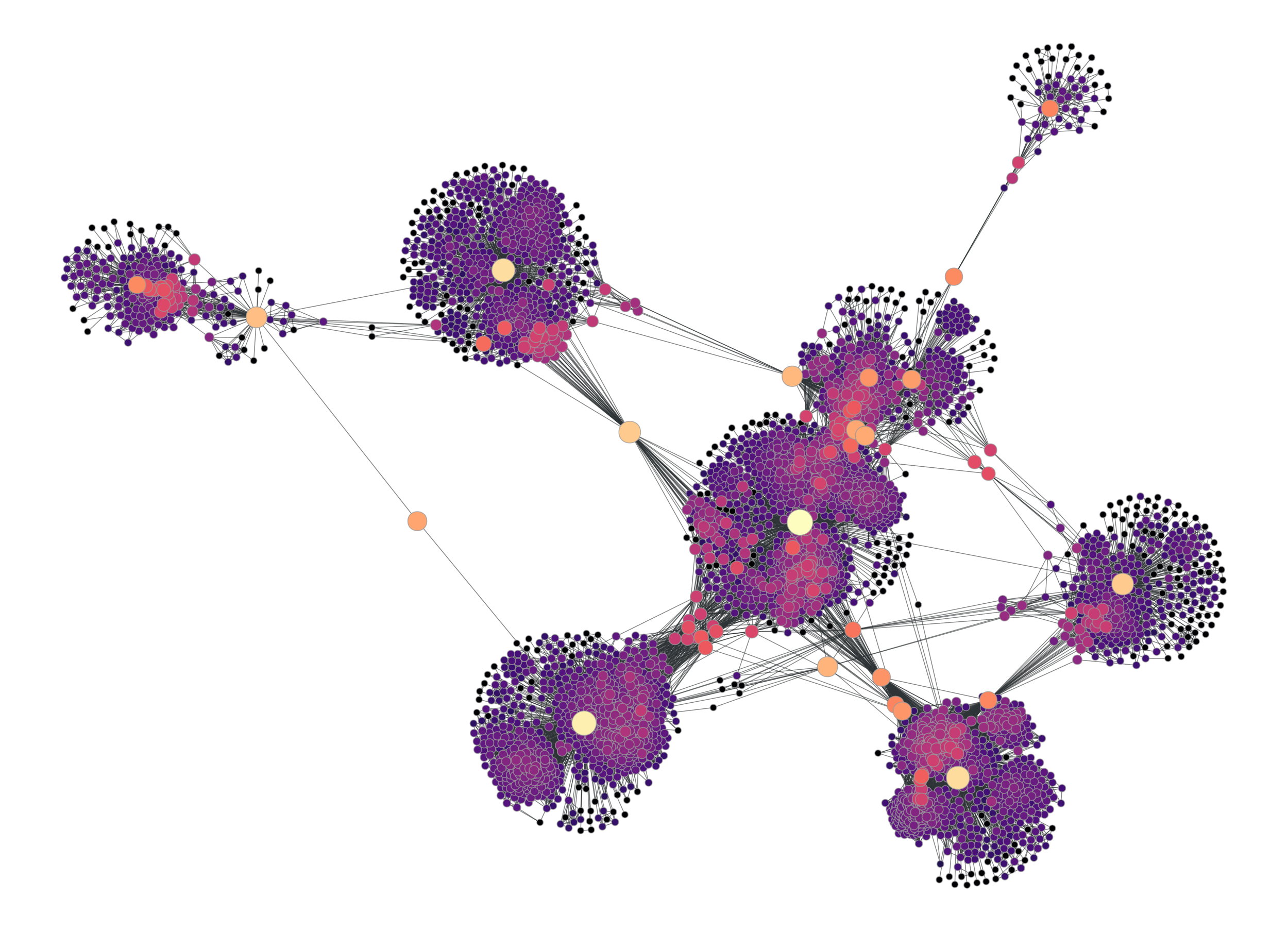
Ridiculogram…
notre_dame_web: Webgraph (Notre Dame)
The web graph of Notre Dame University (nd.edu), as collected in 1999.
This network has 325729 nodes and 1497134 edges.
Tags: Informational, Web graph, Unweighted
https://networks.skewed.de/net/notre_dame_web
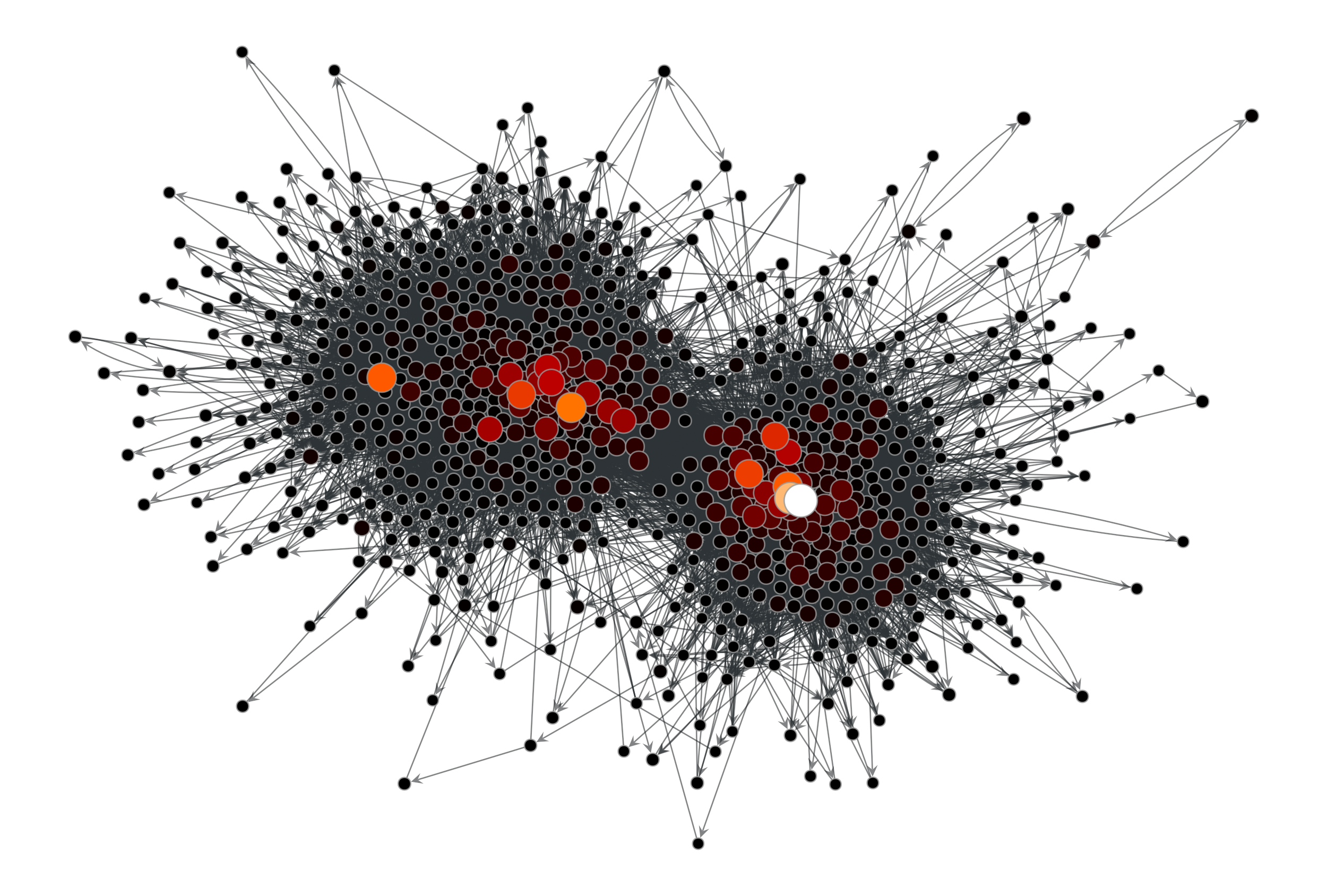
Ridiculogram…
livejournal_aminer: Livejournal social graph
This network contains the social graph of Livejournal, a free on-line social network where users can keep a blog, journal or diary, where a directed edge (i,j) means that user i follows user j.
This network has 3017286 nodes and 87037567 edges.
Tags: Social, Online, Unweighted
https://…
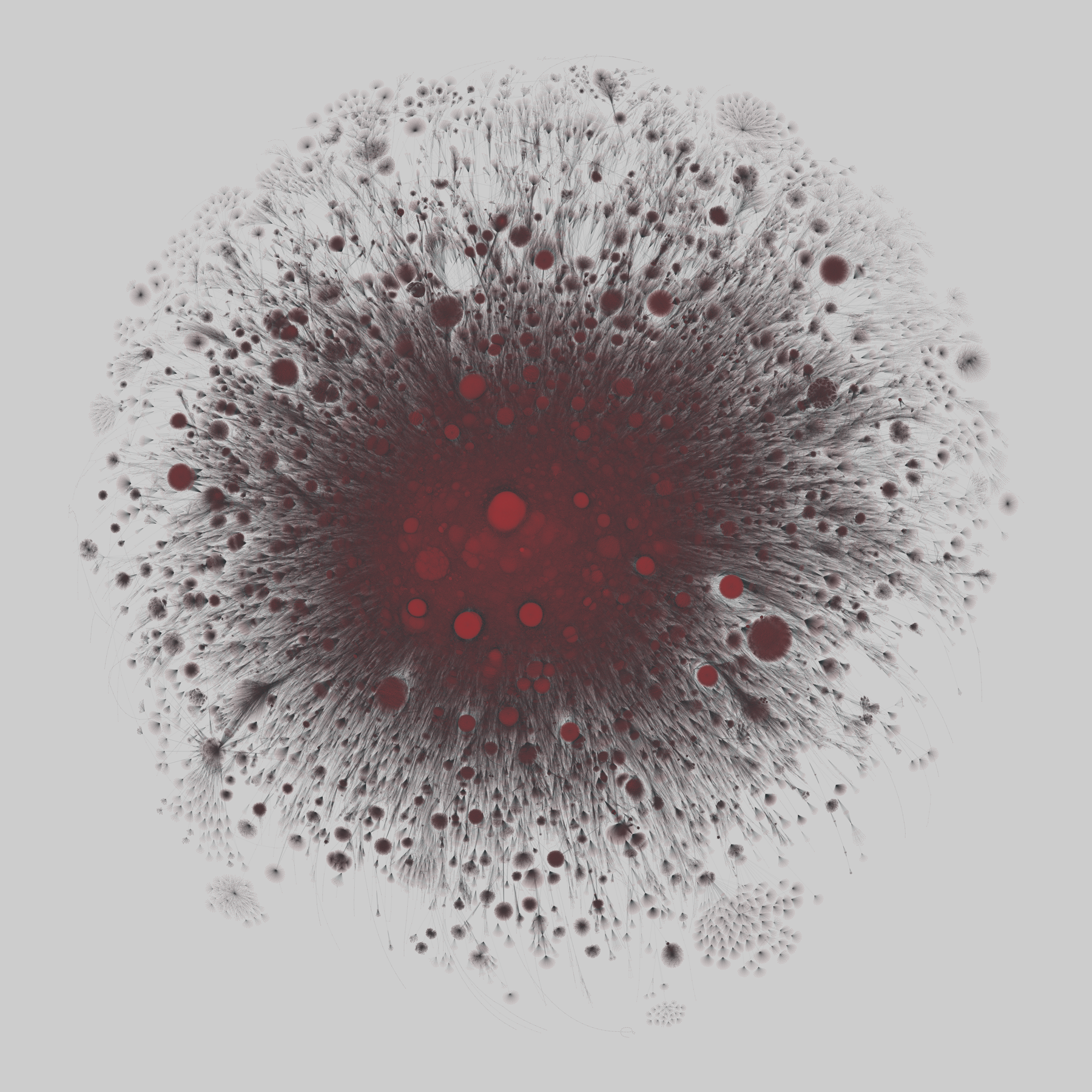
notre_dame_web: Webgraph (Notre Dame)
The web graph of Notre Dame University (nd.edu), as collected in 1999.
This network has 325729 nodes and 1497134 edges.
Tags: Informational, Web graph, Unweighted
https://networks.skewed.de/net/notre_dame_web

Ridiculogram…
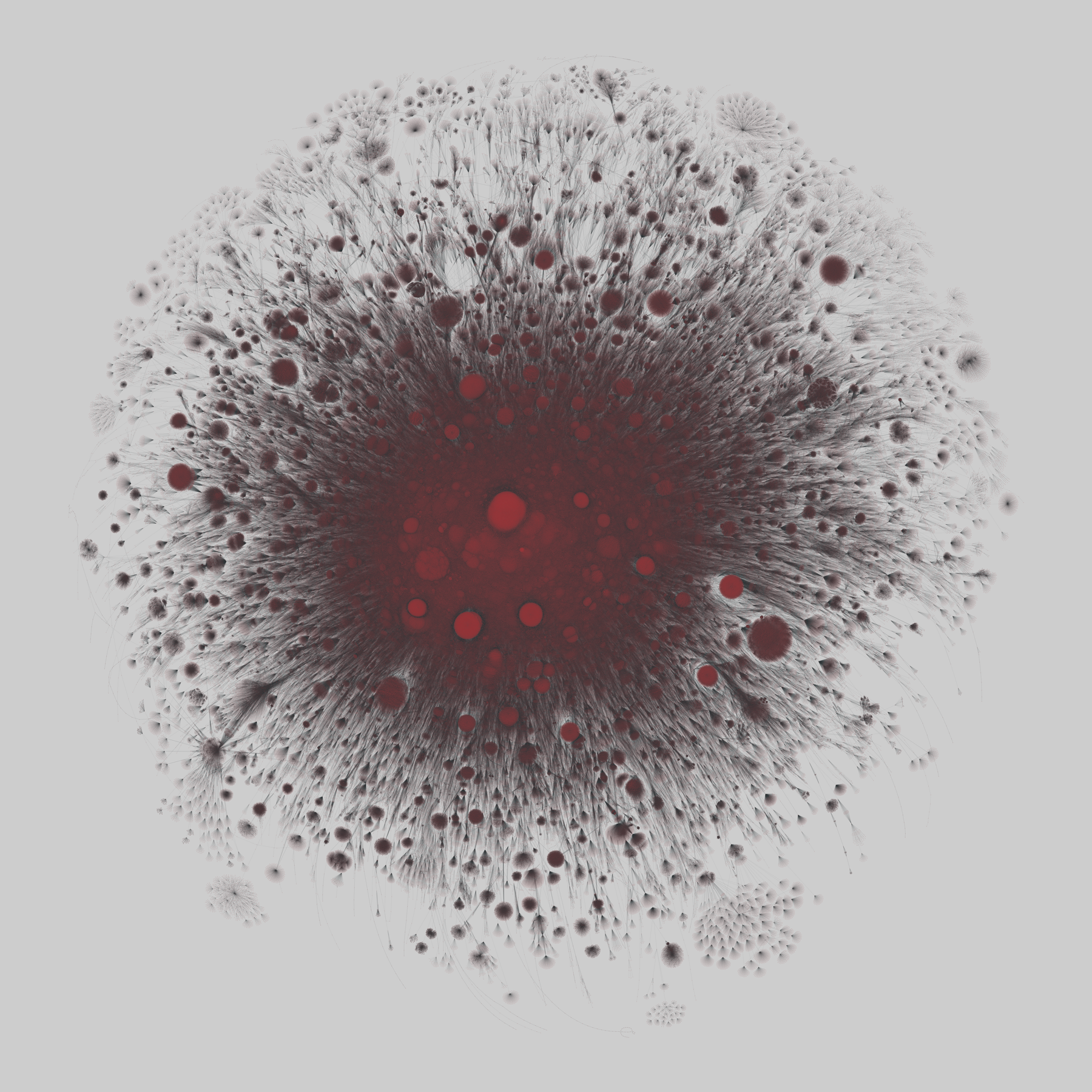
trec_web: TREC WT10g (2003)
A web graph network originally constructed in 2003 as a testbed for information-retrieval techniques, including web search engines. Distributed by University of Glasgow.
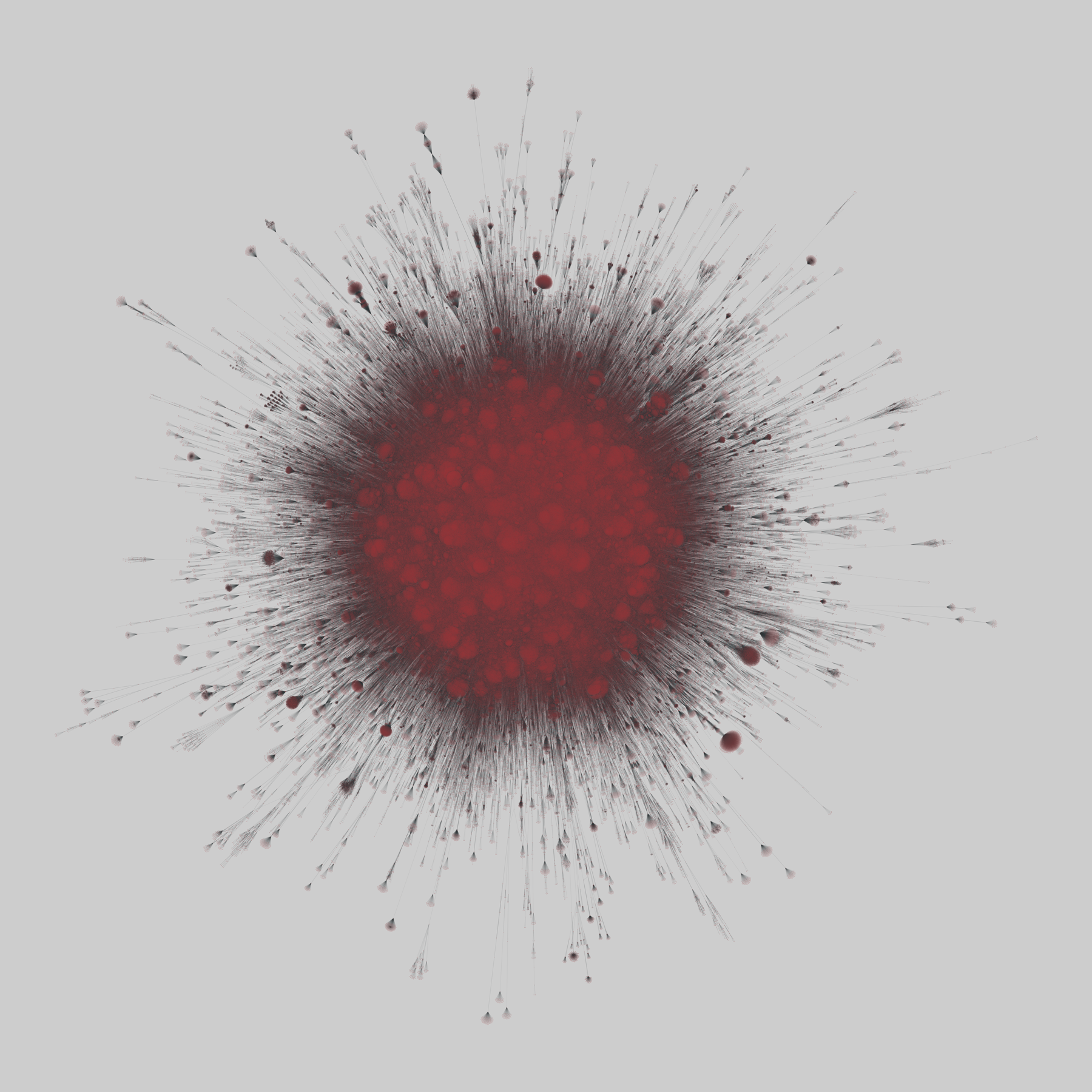
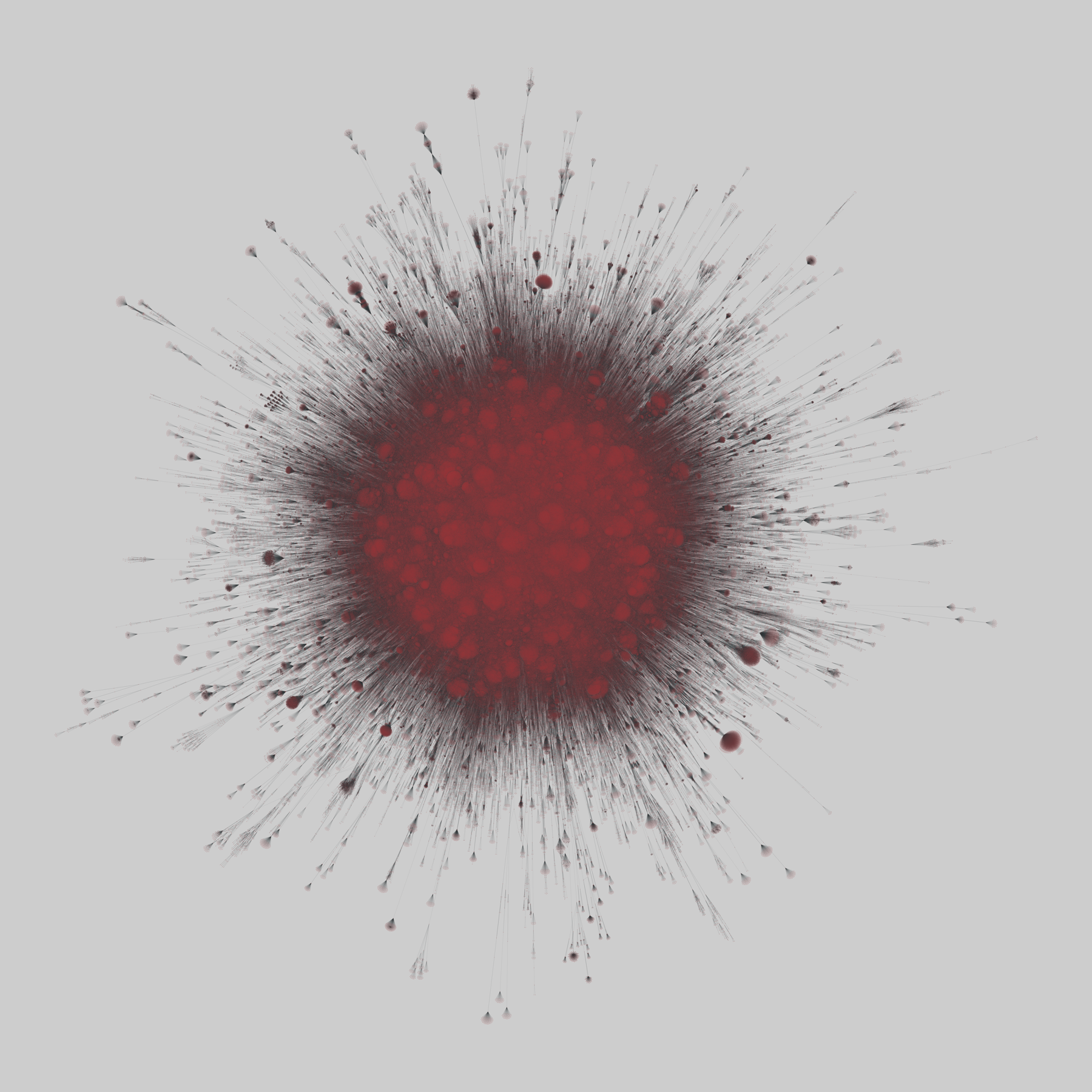
This network has 1601787 nodes and 8063026 edges.
Tags: Informational, Web graph, Unweighted
https://networks.skewed.de/net…
trec_web: TREC WT10g (2003)
A web graph network originally constructed in 2003 as a testbed for information-retrieval techniques, including web search engines. Distributed by University of Glasgow.
This network has 1601787 nodes and 8063026 edges.
Tags: Informational, Web graph, Unweighted
https://networks.skewed.de/net…
as_skitter: Skitter IP graph (2005)
An aggregate snapshot of the Internet Protocol (IP) graph, as measured by the traceroute tool on CAIDA's skitter infrastructure, in 2005.
This network has 1696415 nodes and 11095298 edges.
Tags: Technological, Communication, Unweighted
https://networks.skewed.de/net/as_s…
livejournal_aminer: Livejournal social graph
This network contains the social graph of Livejournal, a free on-line social network where users can keep a blog, journal or diary, where a directed edge (i,j) means that user i follows user j.
This network has 3017286 nodes and 87037567 edges.
Tags: Social, Online, Unweighted
https://
stanford_web: Webgraph (Stanford)
The web graph of Stanford University (stanford.edu), as collected in 2002. Nodes represent pages and directed edges represent hyperlinks between them.
This network has 281904 nodes and 2312497 edges.
Tags: Informational, Web graph, Unweighted
https://networks.skewed.de/net/s…
lastfm_aminer: Last.fm social graph
This network contains the social graph of last.fm, a site that provides a streaming radio service, where users can search music and get personalized recommendation. A directed edge (i,j) means that user i follows user j.
This network has 136409 nodes and 1685524 edges.
Tags: Social, Online, Unweighted
lastfm_aminer: Last.fm social graph
This network contains the social graph of last.fm, a site that provides a streaming radio service, where users can search music and get personalized recommendation. A directed edge (i,j) means that user i follows user j.
This network has 136409 nodes and 1685524 edges.
Tags: Social, Online, Unweighted
dblp_coauthor_snap: DBLP authors (2012)
A coauthorship network extracted from the DBLP computer science manuscript database, in 2012. This network is a one-mode projection from the bipartite graph of computer scientists and their publications.
This network has 425957 nodes and 1049866 edges.
Tags: Social, Collaboration, Unweighted, Metadata, Projection
dblp_coauthor_snap: DBLP authors (2012)
A coauthorship network extracted from the DBLP computer science manuscript database, in 2012. This network is a one-mode projection from the bipartite graph of computer scientists and their publications.
This network has 425957 nodes and 1049866 edges.
Tags: Social, Collaboration, Unweighted, Metadata, Projection
edit_wikiquote: Wikiquote edits (2010)
A bipartite user-page network extracted from Wikiquotes. A user connects to a page if that user edited that page. Edits (edges) are timestamped. Edge weights represent counts of the number of edits.
This network has 5297 nodes and 27934 edges.
Tags: Informational, Web graph, Multigraph, Timestamps