 @burger_jaap@mastodon.social
2025-12-04 09:53:06
Can you guess which country's EV charging strategy prioritises market-based price signals to guide charging and discharging?
#V2G
 @burger_jaap@mastodon.social
Can you guess which country's EV charging strategy prioritises market-based price signals to guide charging and discharging?
#V2G
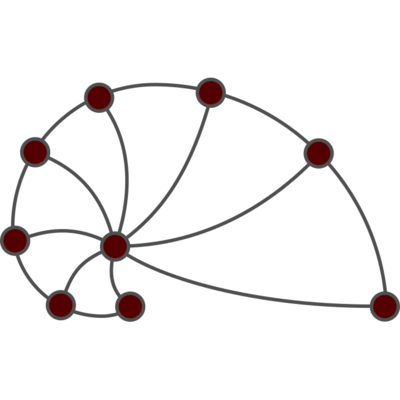 @netzschleuder@social.skewed.de
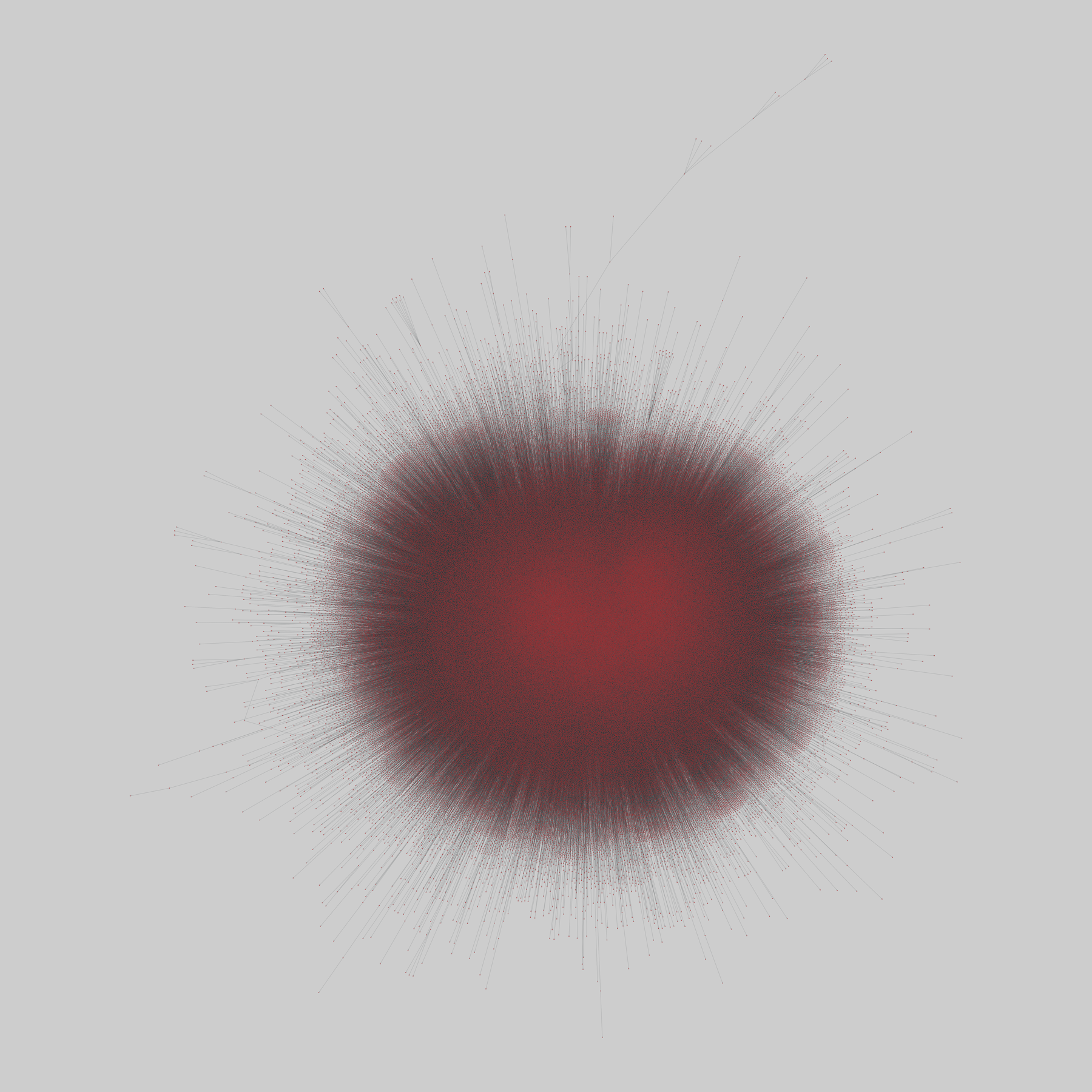
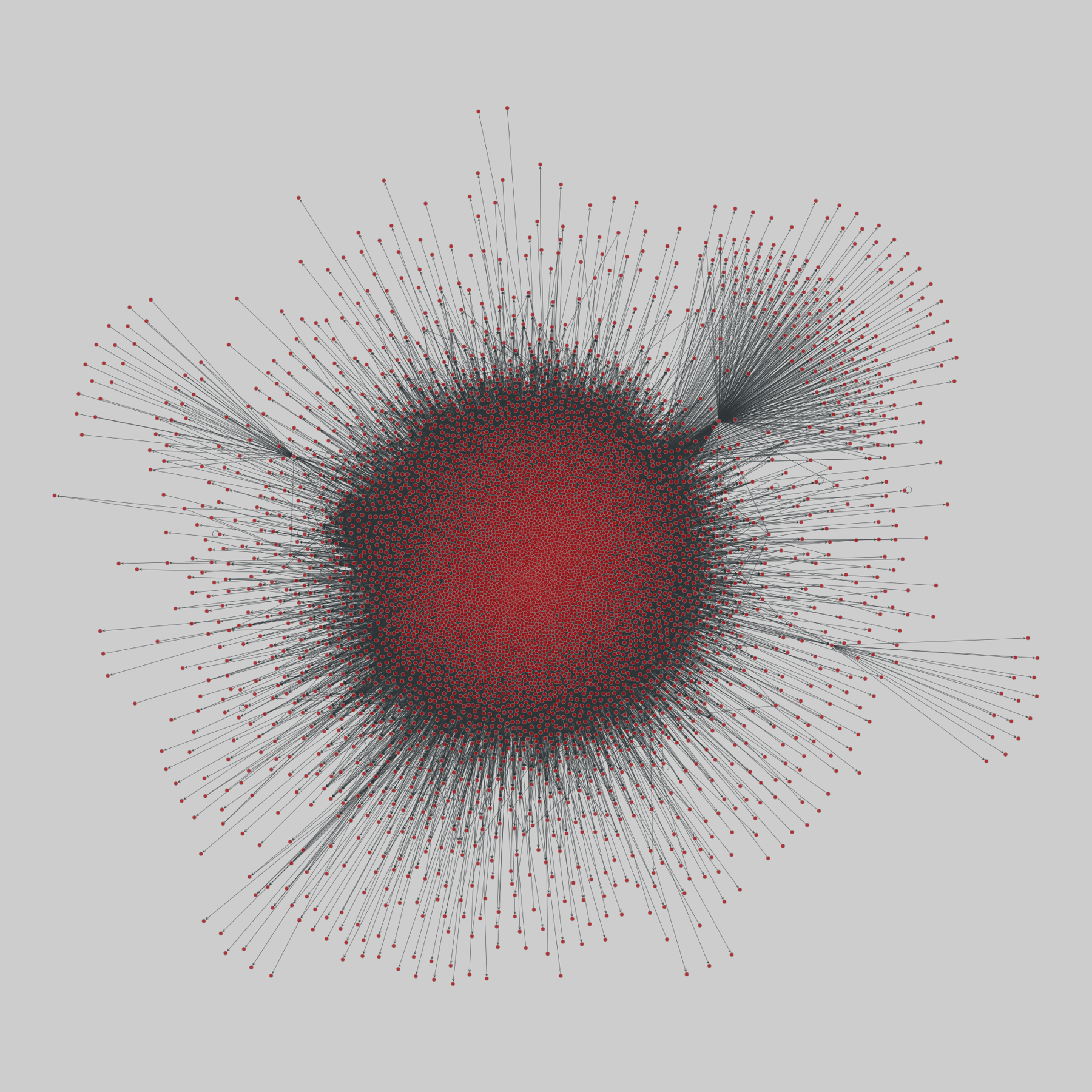
wiki_users: Wikipedia user interaction (2011)
A network derived from interactions between editors of the English language Wikipedia, as derived from the edit histories of 563 wiki pages related to politics. A positive sign indicates positive links such as trust or similarities, and a negative sign indicates distrust or disagreement.
This network has 138592 nodes and 740397 edges.
Tags: Social, Online, Signed
 @NFL@darktundra.xyz
Browns' Shedeur Sanders, Jerry Jeudy downplay heated sideline interaction during loss to 49ers
https://www.cbssports.com/nfl/news/shedeur-sanders-jerry-jeudy…
 @Jyoti@mas.to
No-one has "the right" to talk to you, to take up your time with their un-requested interaction.
You do not owe anyone your time.
This is true IRL, I think we all know that.
Why people forget it online is beyond me.
 @fortune@social.linux.pizza
If I kiss you, that is an psychological interaction.
On the other hand, if I hit you over the head with a brick,
that is also a psychological interaction.
The difference is that one is friendly and the other is not
so friendly.
The crucial point is if you can tell which is which.
-- Dolph Sharp, "I'm O.K., You're Not So Hot"
 @leftsidestory@mstdn.social
Un Momento 🕰️
一瞬 🕰️
📷 Zeiss Ikon Super Ikonta 533/16
🎞️ Lucky SHD 400
#filmphotography #Photography #blackandwhite



 @netzschleuder@social.skewed.de
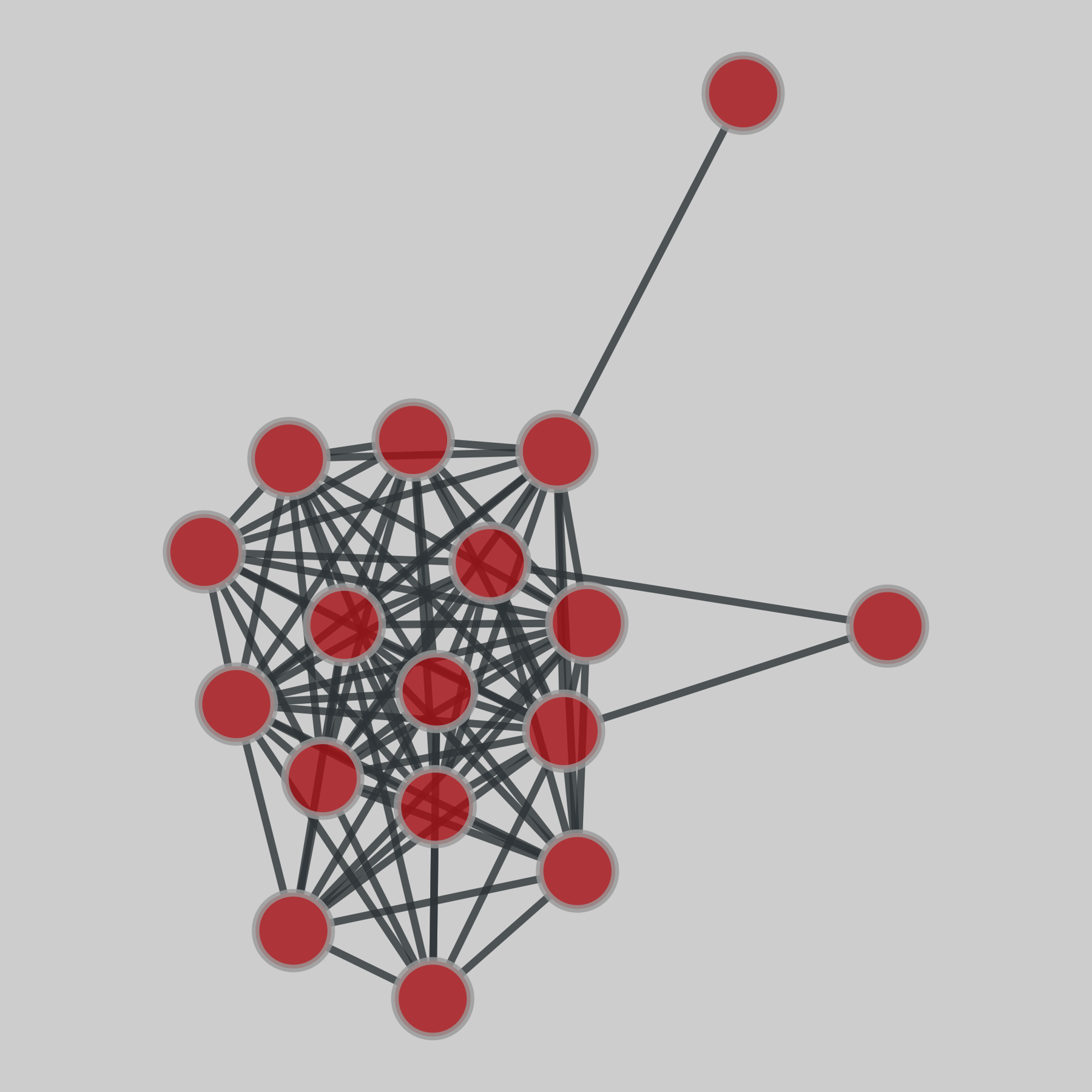
kangaroo: Grey kangaroo dominance
Dominance relations among a group of free-ranging grey kangaroos (Macropus giganteus). Edge weights represent the frequency of interaction. The two versions below are equivalent.
This network has 17 nodes and 91 edges.
Tags: Social, Animal, Weighted
https://networks.skewed.de/net/kangar…
 @CubitOom@social.linux.pizza
We Have Rights When Documenting ICE Arrests
https://www.wehaverights.us/
ICE arrests and deportations are on the rise in the U.S., and it is your right to film an interaction as long as you don’t interfere — here are some best practices if you are a witness.
 @netzschleuder@social.skewed.de
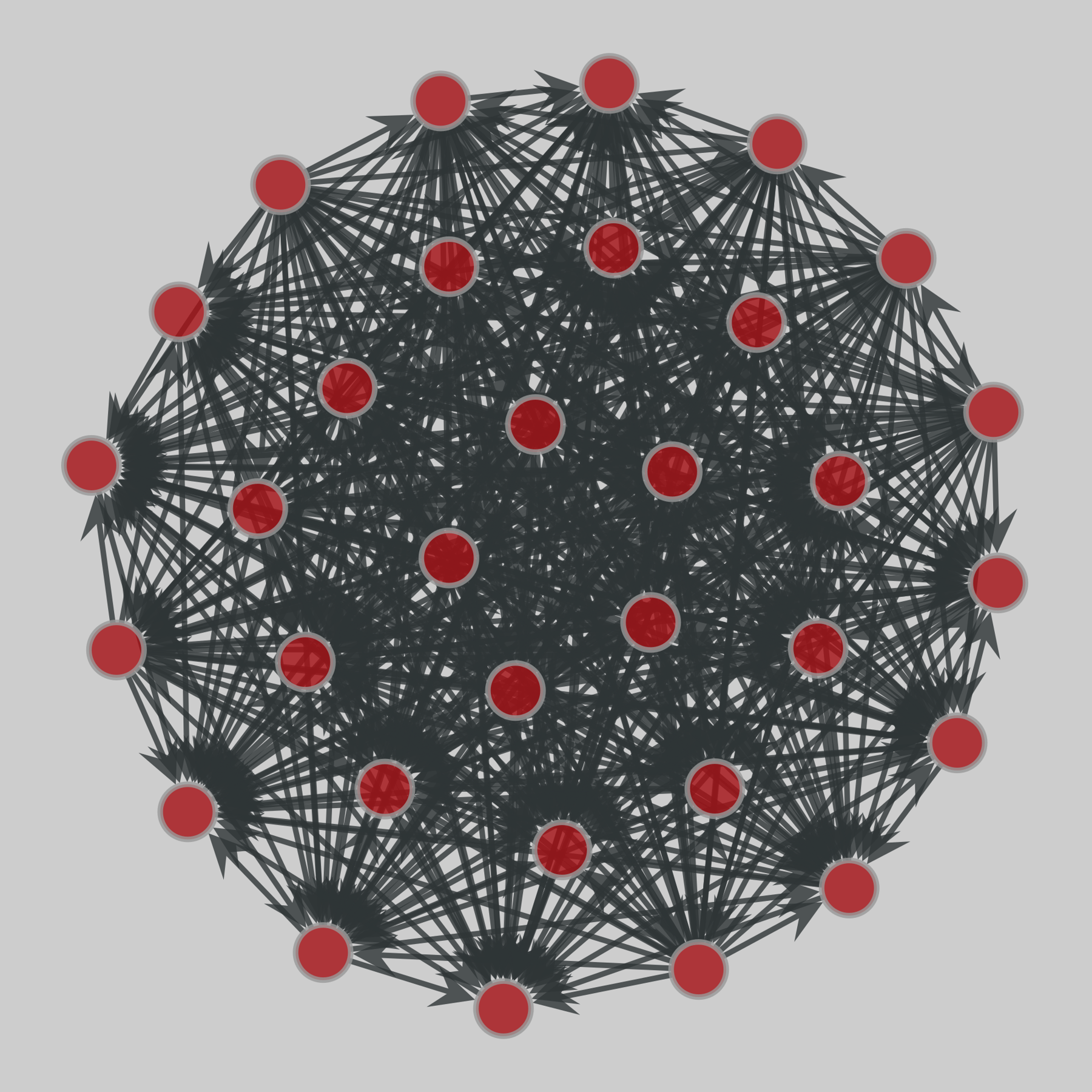
hens: White Leghorn hens (1946)
Dominance interactions (pecking) among a group of White Leghorn hens, observed in 1946. Edge weights represent the frequency of interaction. The two versions below are equivalent.
This network has 32 nodes and 496 edges.
Tags: Social, Animal, Weighted
https://networks.skewed.de/net/hens
 @laurentperrinet@neuromatch.social
Š #Strasbourg ? une exposition Š ne pas manquer:
https://laurentperrinet.github.io/post/2026-02-20_ososphere/
 @PwnieFan@infosec.exchange
From Marcia Bjornerud's Reading The Rocks: Over geologic time, the specific rhythms and idioms change slowly, but the essential rules of the dance remain the same: interaction, restraint, reincarnation.
These rhythms of nature shape all the organisms that evolved under their influence. It is folly to think that we can sit out the dance or make our own rules ... without the force field of scarcity, a constant in our evolutionary past, we lose something of our full potential. Once we …

 @cdarwin@c.im
#eDNA Environmental DNA
The Core Concept: A non-invasive monitoring technique that detects the presence of species by extracting and analyzing genetic material shed into the environment (water, soil, air) rather than isolating the organism itself.
Key Distinction/Mechanism: Unlike traditional ecology which relies on physical capture or visual observation ("macro-organismal" interaction),…
 @@arXiv_physicsatomph_bot@mastoxiv.page@mastoxiv.page
Characterization of Feshbach resonances in $^6\mathrm{Li}{-}^7\mathrm{Li}$ using improved interaction potentials
Jing-Chen Zhang, Paul Julienne, Yu Liu
https://arxiv.org/abs/2603.02361
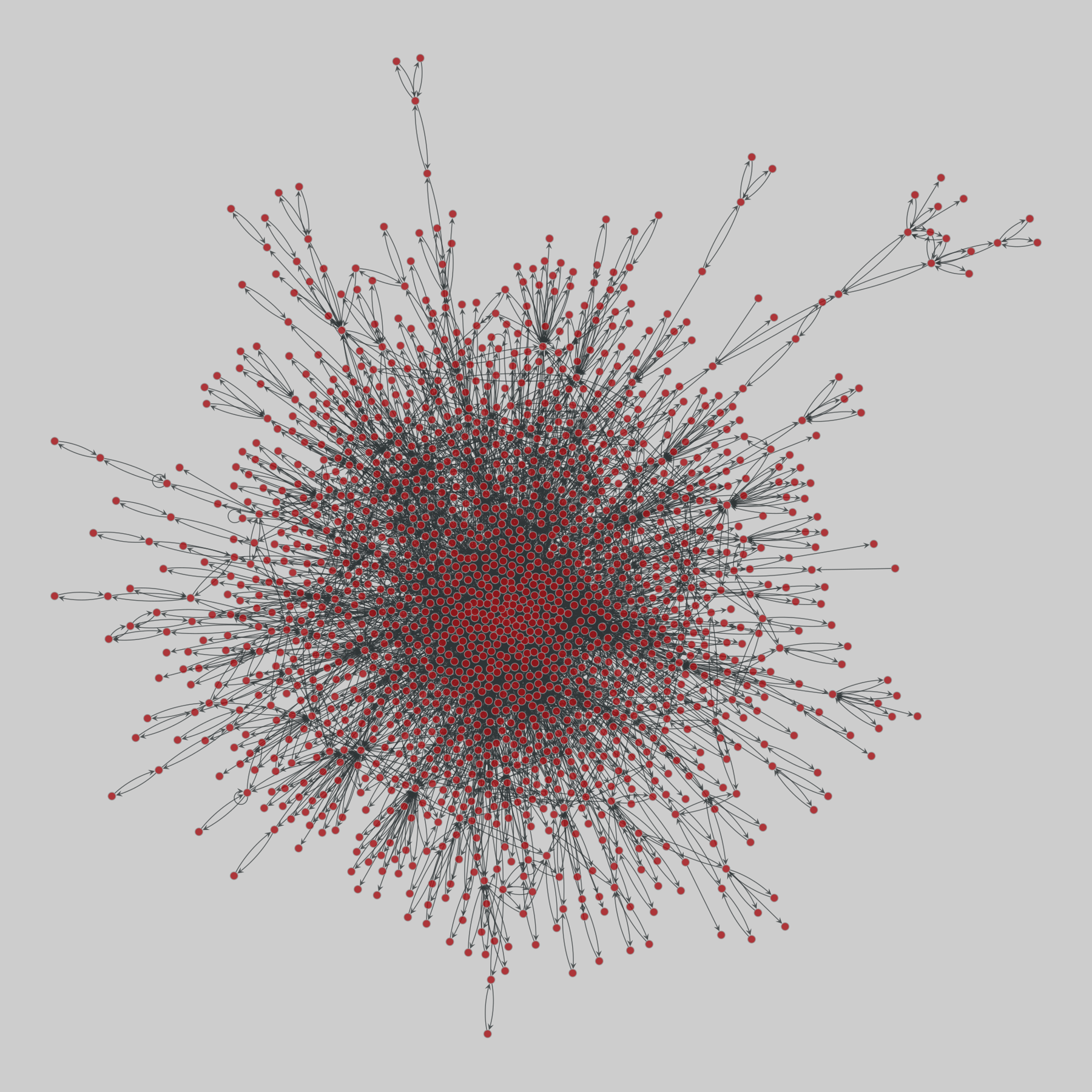
@netzschleuder@social.skewed.deinteractome_stelzl: Stelzl human interactome (2005)
A network of human proteins and their binding interactions. Nodes represent proteins and an edge represents an interaction between two proteins, as inferred via high-throughput Y2H experiments using bait and prey methodology.
This network has 1706 nodes and 6207 edges.
Tags: Biological, Protein interactions, Unweighted
 @seeingwithsound@mas.to
Crossmodal interaction of flashes and beeps across time and number follows Bayesian causal inference #SiFI
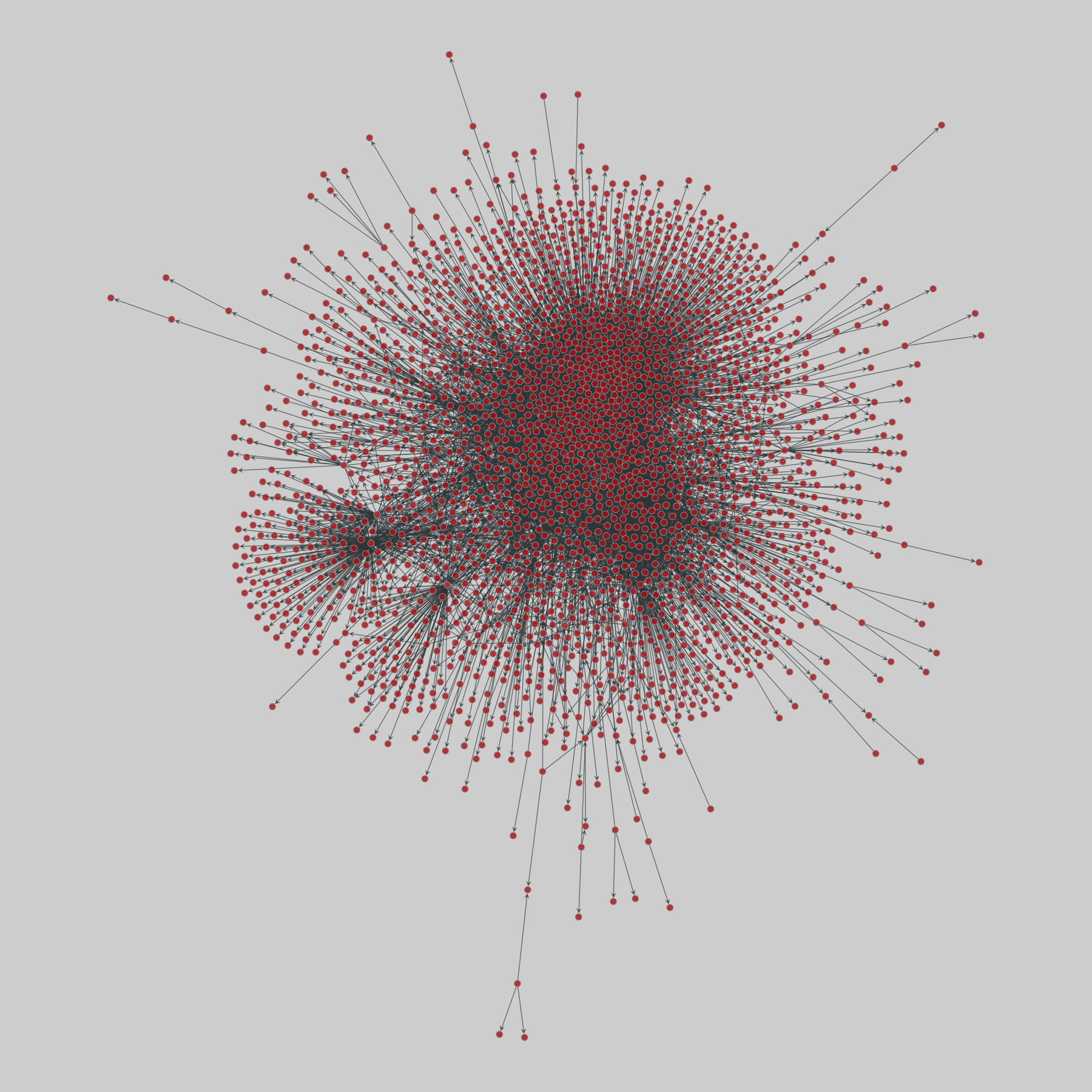
@netzschleuder@social.skewed.deinteractome_figeys: Figeys human interactome (2007)
A network of human proteins and their binding interactions. Nodes represent proteins and an edge represents an interaction between two proteins, as inferred using a mass spectrometry‐based approach.
This network has 2239 nodes and 6452 edges.
Tags: Biological, Protein interactions, Unweighted
 @netzschleuder@social.skewed.de
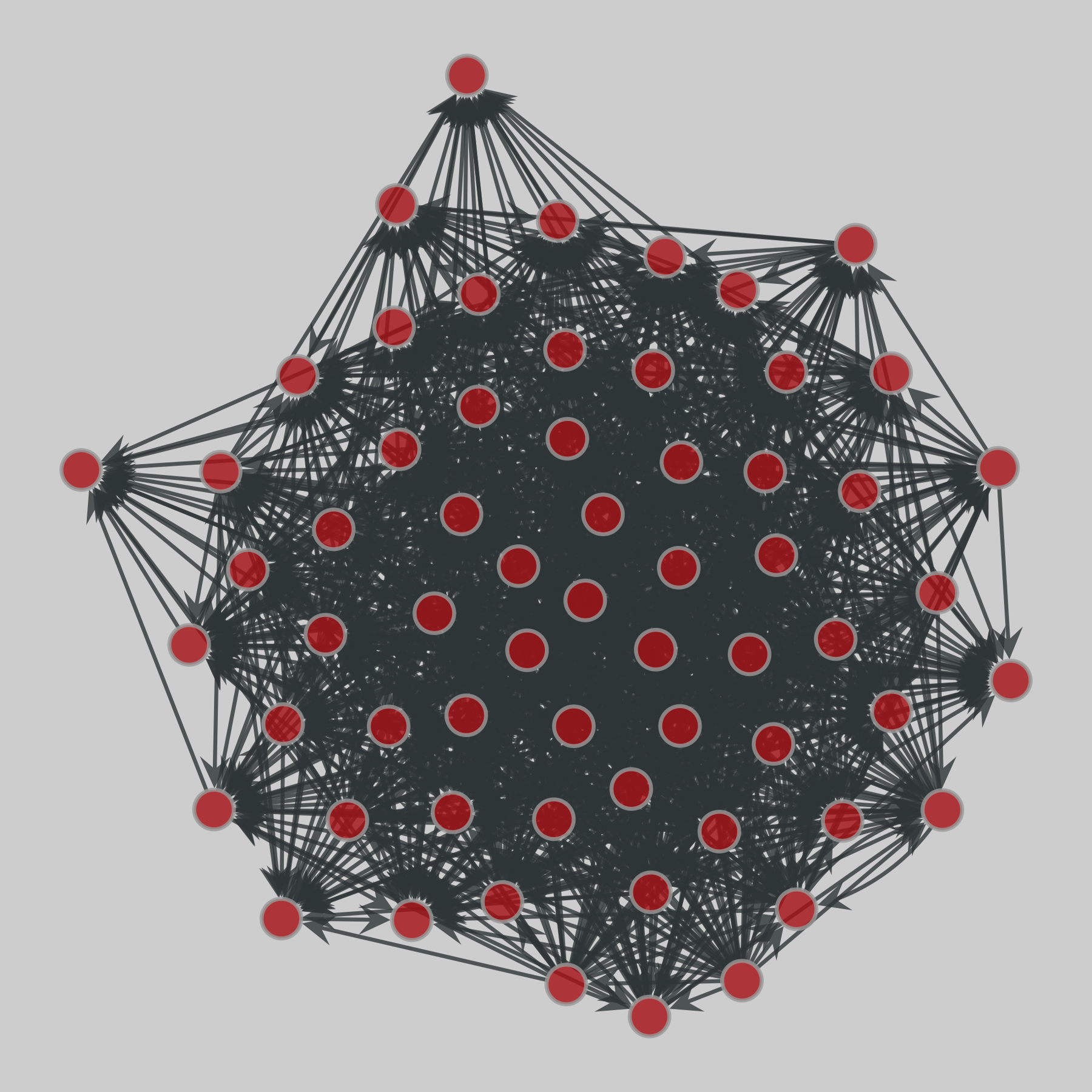
macaques: Japanese macaques (1976)
Dominance interactions among a group of adult female Japanese macaques (Macaca fuscata fuscata), observed during a non-mating season in 1976. Edge weights represent the frequency of interaction.
This network has 62 nodes and 1187 edges.
Tags: Social, Animal, Weighted
https://networks.s…
 @doktrock@toad.social
New prep for me this semester: Analytical / instrumental methods in chemistry. We get to enjoy working with AAS, ICP-OES, SEM-EDS, XRF, NMR, UV-VIS, IR, SPR, GCMS, CHNS elemental analysis and more!
 @netzschleuder@social.skewed.de
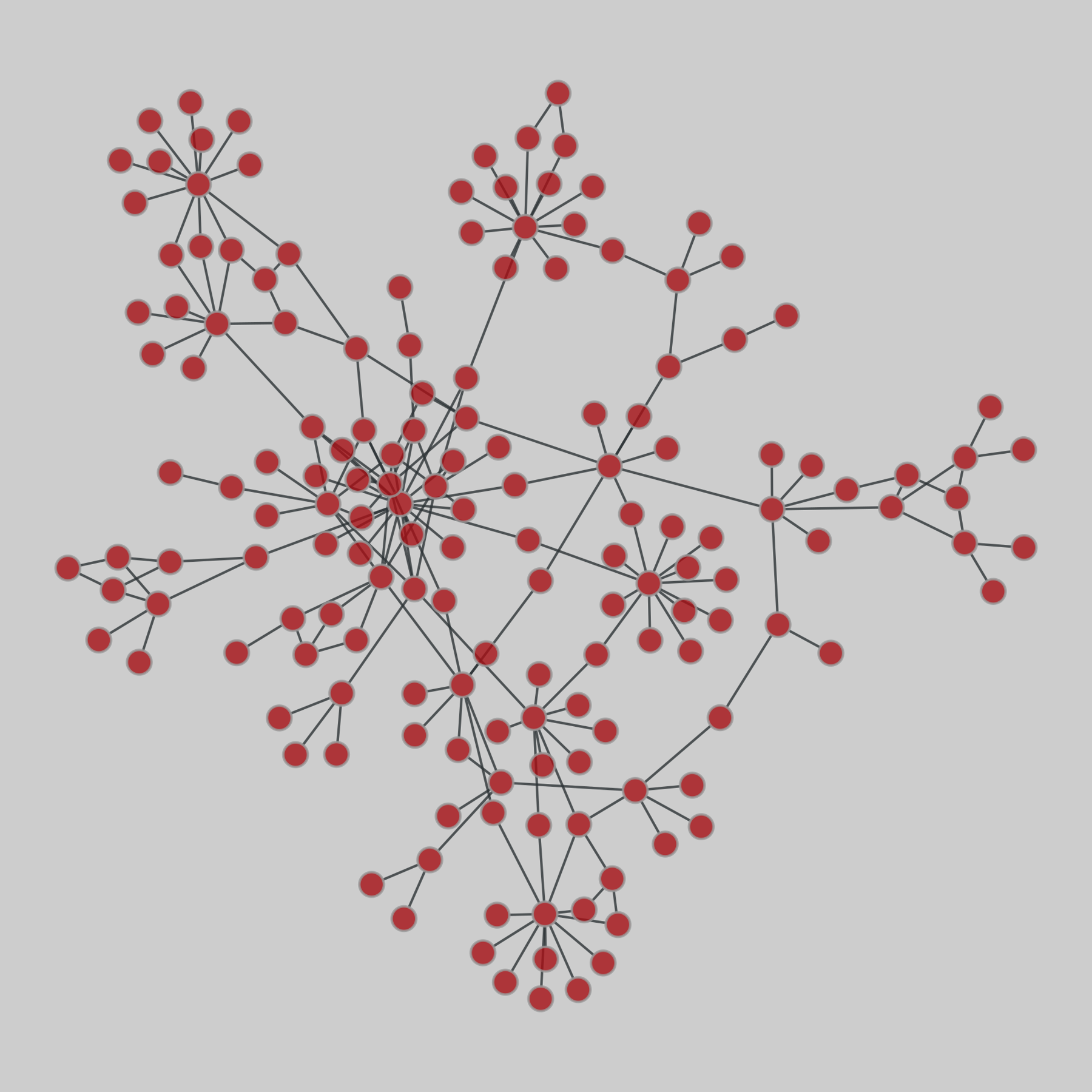
interactome_pdz: PDZ-domain interactome (2005)
A network of PDZ-domain-mediated protein–protein binding interactions, extracted from the PDZBase database. Nodes represent proteins and an edge represents a binding interaction between two proteins.
This network has 212 nodes and 244 edges.
Tags: Biological, Protein interactions, Unweighted
 @netzschleuder@social.skewed.de
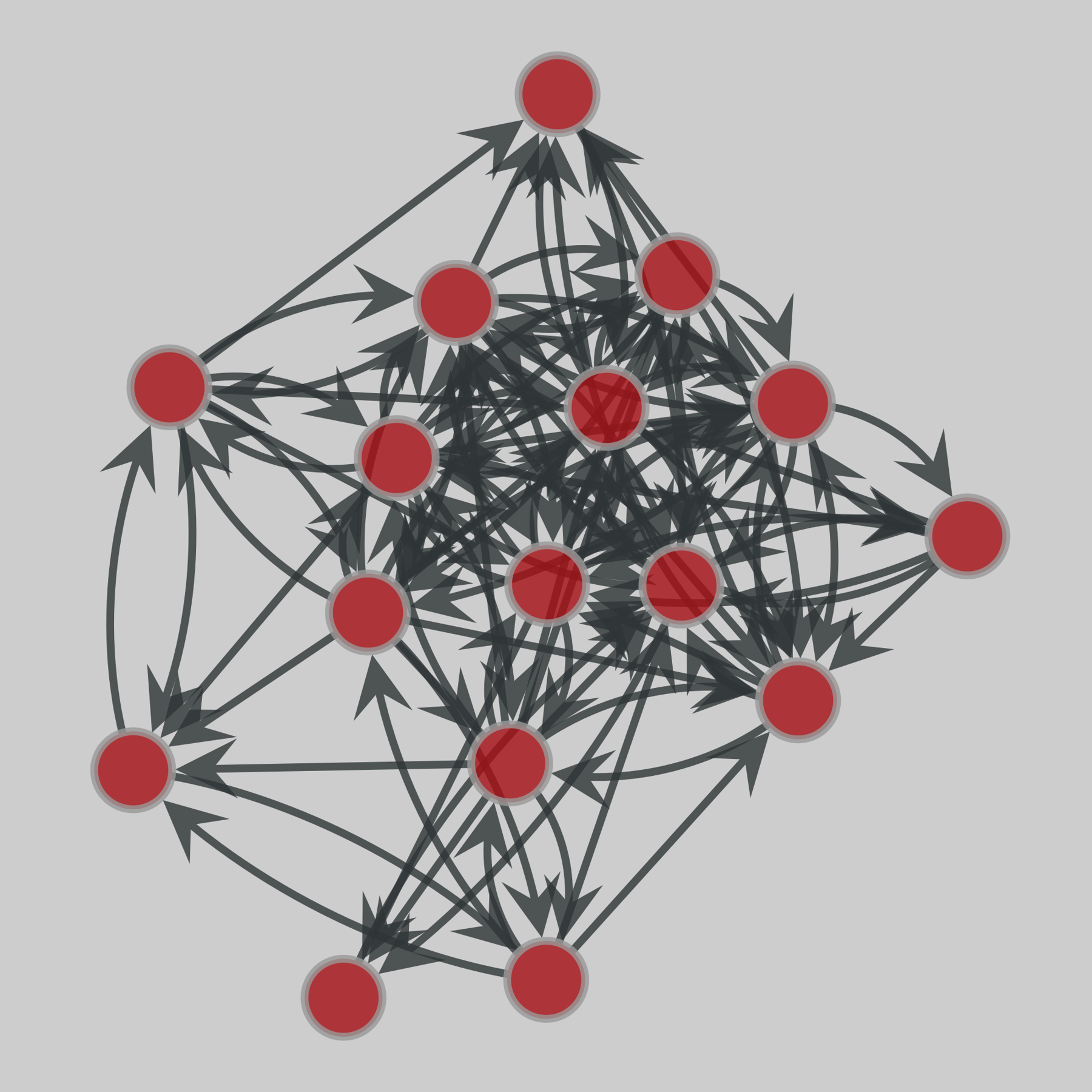
rhesus_monkey: Rhesus monkey grooming (1963)
Grooming interactions among a group of wild adult rhesus monkeys (Macaca mulatta) in Cayo Santiago, during a two month period in 1963. Edge weights represent the frequency of interaction. The two versions below are equivalent.
This network has 16 nodes and 111 edges.
Tags: Social, Animal, Weighted
 @UP8@mastodon.social
😇 Religion/spirituality may protect against depression among young adult online gamers
https://medicalxpress.com/news/2026-01-religionspirituality-depression-young-adult-online.html
@netzschleuder@social.skewed.deinteractome_yeast: Coulomb yeast interactome (2005)
A network of protein-protein binding interactions among yeast proteins. Nodes represent proteins found in yeast (Saccharomyces cerevisiae) and an edge represents a binding interaction between two proteins.
This network has 1870 nodes and 2277 edges.
Tags: Biological, Protein interactions, Unweighted
 @netzschleuder@social.skewed.de
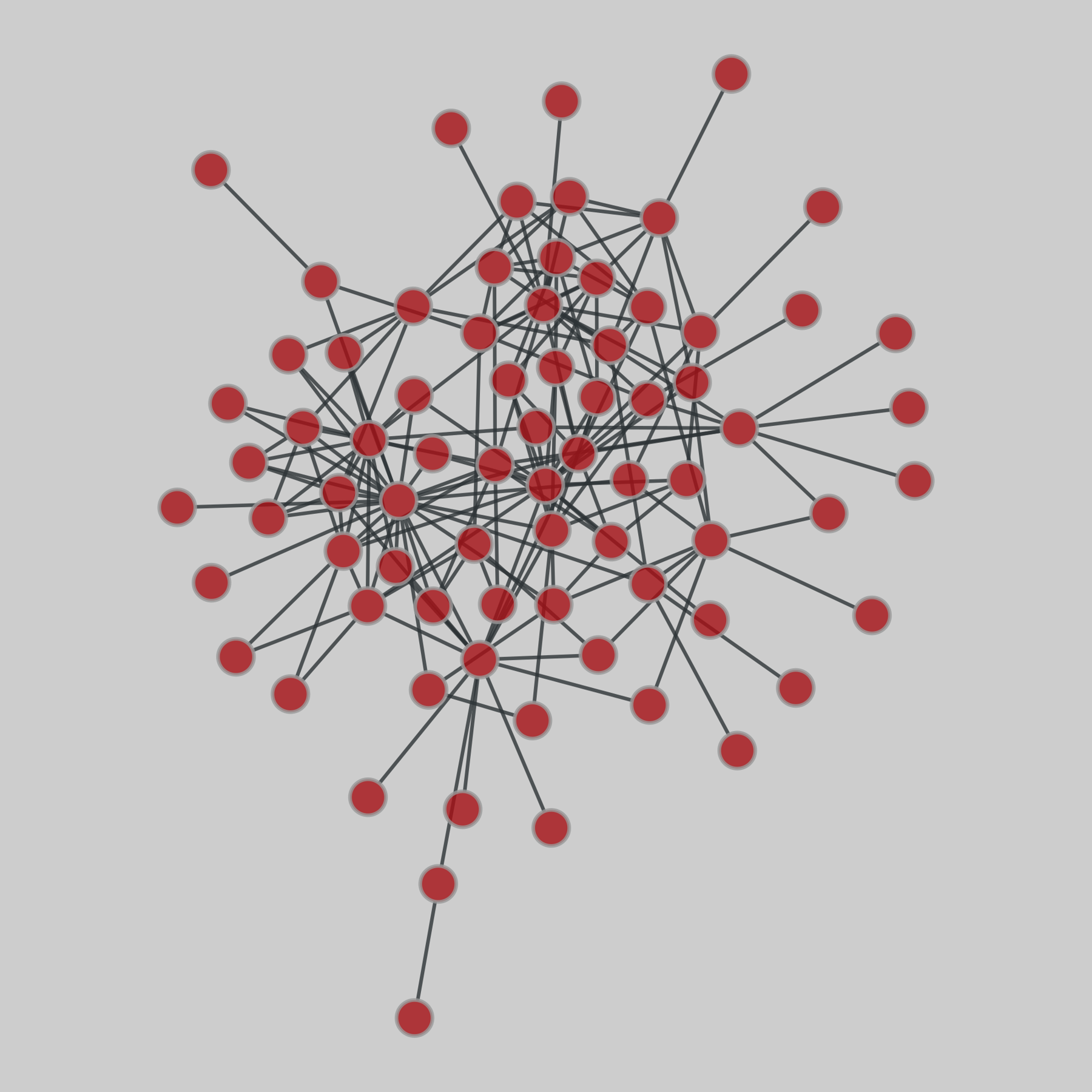
blumenau_drug: Blumenau drug interactions (2019)
A network of drug-drug interactions, extracted from 18 months of electronic health records (EHRs) from the city of Blumenau in Southern Brazil. Nodes are annotated with drug information (separate file), and edges are weighted by the severity of the interaction, along with other information.
This network has 75 nodes and 181 edges.
Tags: Biological, Drug interactions, Weighted, Metadata
 @Techmeme@techhub.social
Some experts in the human-computer interaction field say making AI chatbots act humanlike creates cognitive dissonance for users over how much to trust them (Kashmir Hill/New York Times)
https://www.nytimes.com/2025/12/19/technol<…
 @bici@mastodon.social
“Tahoe is the worst user interface update in the history of the Mac. Every change is either wrongheaded, poorly executed, or both. The Mac remains usable only because of Tahoe’s lack of ambition: it mostly alters the appearance and metrics of interface elements rather than making fundamental changes to the structure of the Mac UI. ....The bad ideas embodied in Tahoe reveal an Apple design team that has abandoned the most basic principles of human-computer interaction.”
—John Siracusa
@netzschleuder@social.skewed.degenetic_multiplex: Multiplex genetic interactions (2014)
Multiplex networks representing different types of genetic interactions, for different organisms. Layers represent (i) physical, (ii) association, (iii) co-localization, (iv) direct, and (v) suppressive, (vi) additive or synthetic genetic interaction. Edge direction (i,j) indicates gene i interacting with gene j.
This network has 3879 nodes and 8182 edges.
Tags: Biological, Gene regulation, Protein interactions, Unwei…
 @netzschleuder@social.skewed.de
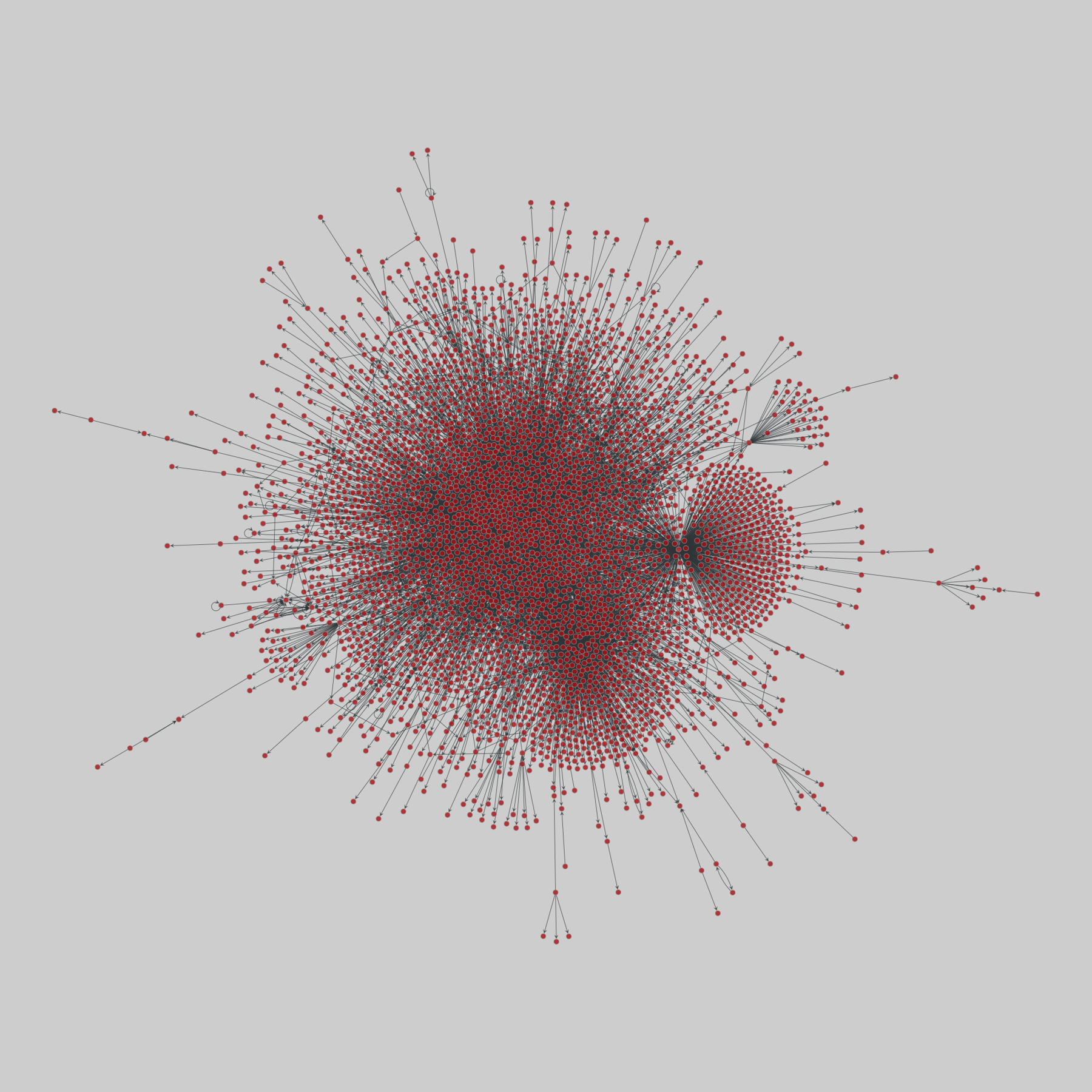
genetic_multiplex: Multiplex genetic interactions (2014)
Multiplex networks representing different types of genetic interactions, for different organisms. Layers represent (i) physical, (ii) association, (iii) co-localization, (iv) direct, and (v) suppressive, (vi) additive or synthetic genetic interaction. Edge direction (i,j) indicates gene i interacting with gene j.
This network has 6570 nodes and 282755 edges.
Tags: Biological, Gene regulation, Protein interactions, Unw…
 @tiotasram@kolektiva.social
An extremely simple syllogism, for which the evidence is ample and has been easily available for over a decade:
ICE : white people in Minneapolis ::
regular police : Black people everywhere in America
If you're saying "Abolish ICE" right now (as you should be) but you're hesitant to say "Abolish the police" then you're okay with the brutality as long as it's reinforcing the racial hierarchy, and that's not a good look.
I understand that "Abolish the police" is a scary thing to think about if *your* experience has been that they keep you safe, but recognize how much of that is myth vs reality, e.g. have you ever personally had a positive interaction with police, or do those all happen in stories? Also, even if they do keep you safe, is it worth it if the cost is brutality to the marginalized? (No, it's not.)
At minimum we can see the following behaviors on both sides of the syllogism:
- retaliation for legally "protected" defiance or even just observation
- random killings, with mostly-nonexistent repercussions for the officers involved
- regular widespread harassment & surveillance
-more that I don't have time to list right now. Feel free to reply with your own examples.
#AbolishICE #AbolishThePolice
@cdarwin@c.imThe confrontation began when, according to eyewitness video,
two women were standing off with a federal agent and Pretti was filming the interaction with a cell phone.
At least one agent attacks first the women and then Pretti.
Another video shows an agent spraying a chemical irritant in his face and in the faces of the women
before throwing Pretti on the ground.
At this point, at least six masked agents were wrestling with him before firing at least 10 shots…
@netzschleuder@social.skewed.demist: MIST protein interaction database (2020)
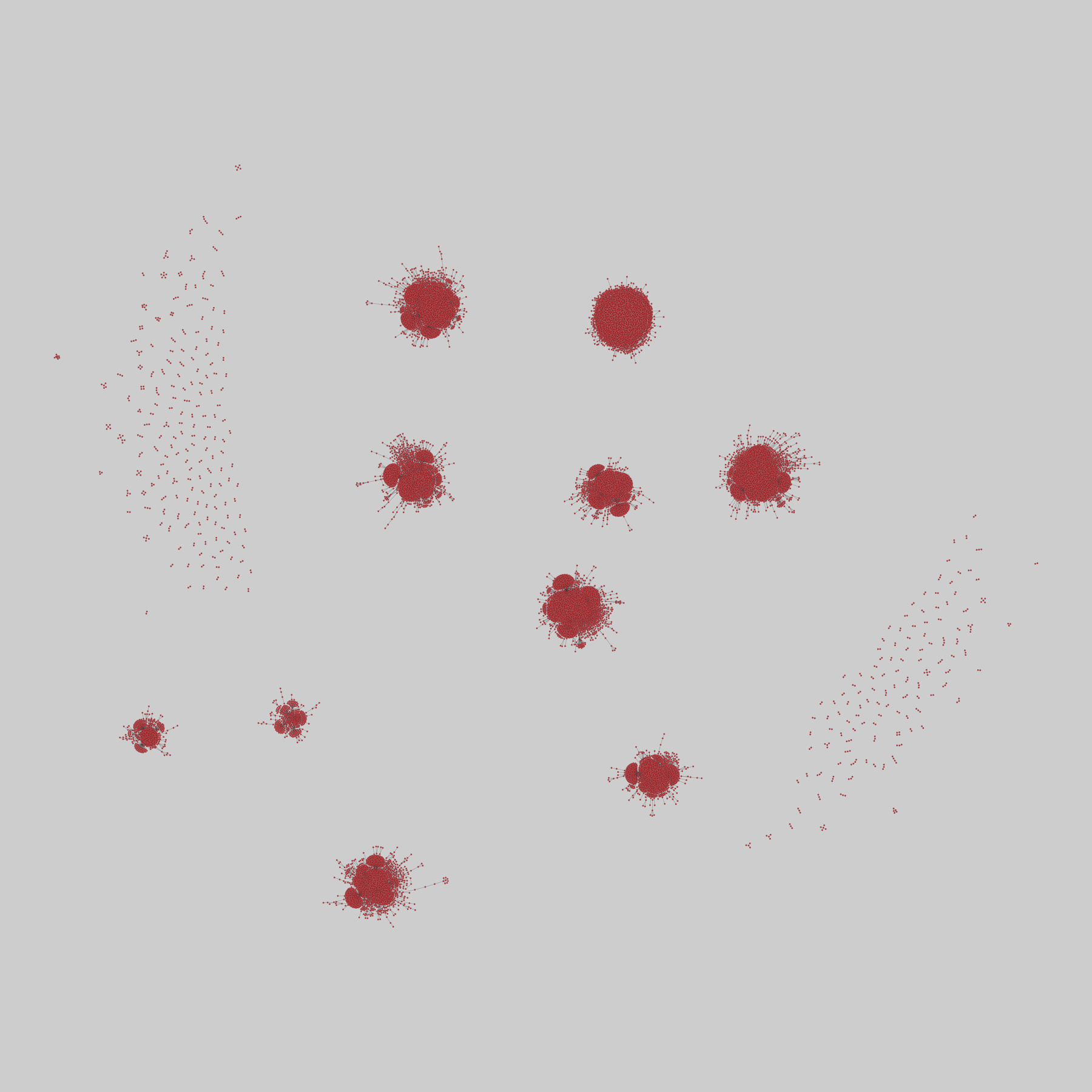
The Molecular Interaction Search Tool (MIST) is a comprehensive resource of molecular interactions, assembled from severla primary sources. MIST currently supports several species, including:.
This network has 35093 nodes and 747063 edges.
Tags: Biological, Protein interactions, Unweighted
 @netzschleuder@social.skewed.de
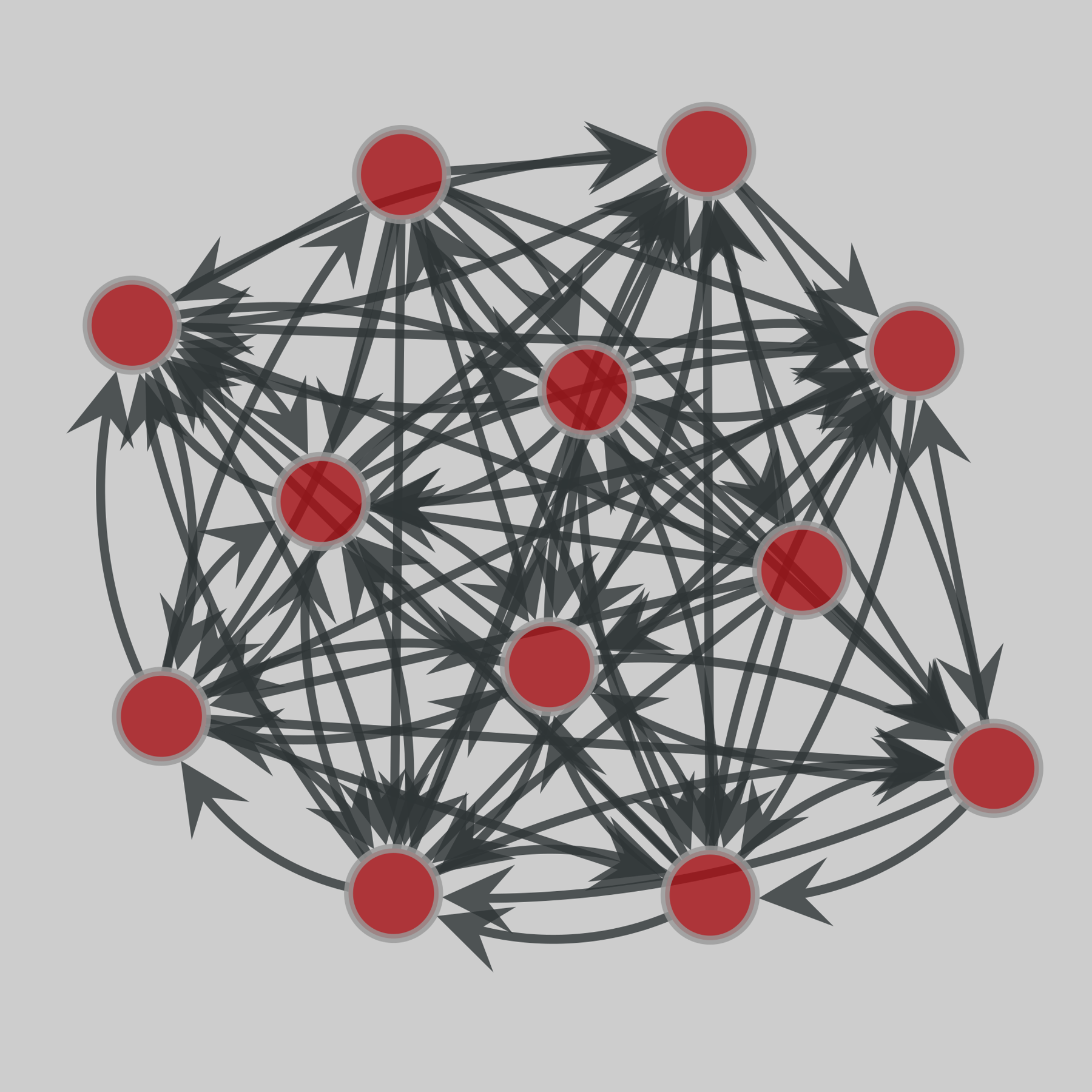
dom: Animal dominance archive (2022)
Animal dominance interaction data published over a century of research. The archive contains 434 agonistic interaction datasets, totaling over 241,000 interactions. A directed edge (i,j) corresponds to an antagonist interaction between i (winner) and j (loser). If a 'weight' edge property map exists, it counts the number of such interactions.
This network has 12 nodes and 91 edges.
Tags: Social, Animal, Weighted
 @cdarwin@c.im
For centuries, people believed ice was slippery because pressure and friction melted a thin film of water.
But new research from Saarland University reveals that this
long-standing explanation is wrong.
Instead, the slipperiness comes from the subtle interaction of molecular dipoles between ice and surfaces like shoes or skis.
These microscopic electrical forces disorder the crystal structure of ice,
creating a thin liquid layer even at temperatures near abs…
@netzschleuder@social.skewed.deinteractome_vidal: Vidal human interactome (2005)
A network of human proteins and their binding interactions. Nodes represent proteins and an edge represents a binding interaction between two proteins, as tested using a high-throughput yeast two-hybrid (Y2H) system.
This network has 3133 nodes and 6726 edges.
Tags: Biological, Protein interactions, Unweighted
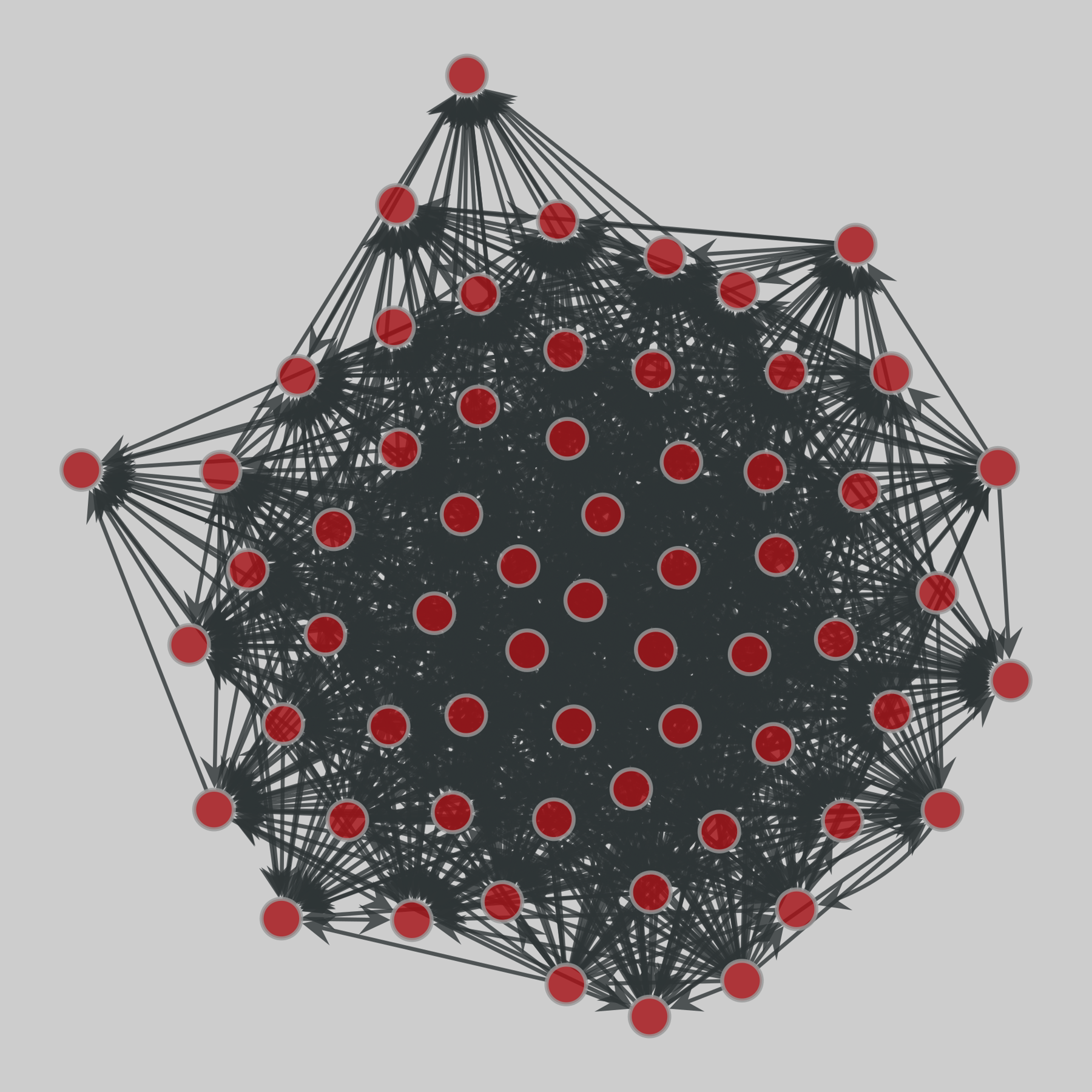
 @netzschleuder@social.skewed.de
macaques: Japanese macaques (1976)
Dominance interactions among a group of adult female Japanese macaques (Macaca fuscata fuscata), observed during a non-mating season in 1976. Edge weights represent the frequency of interaction.
This network has 62 nodes and 1187 edges.
Tags: Social, Animal, Weighted
https://networks.s…
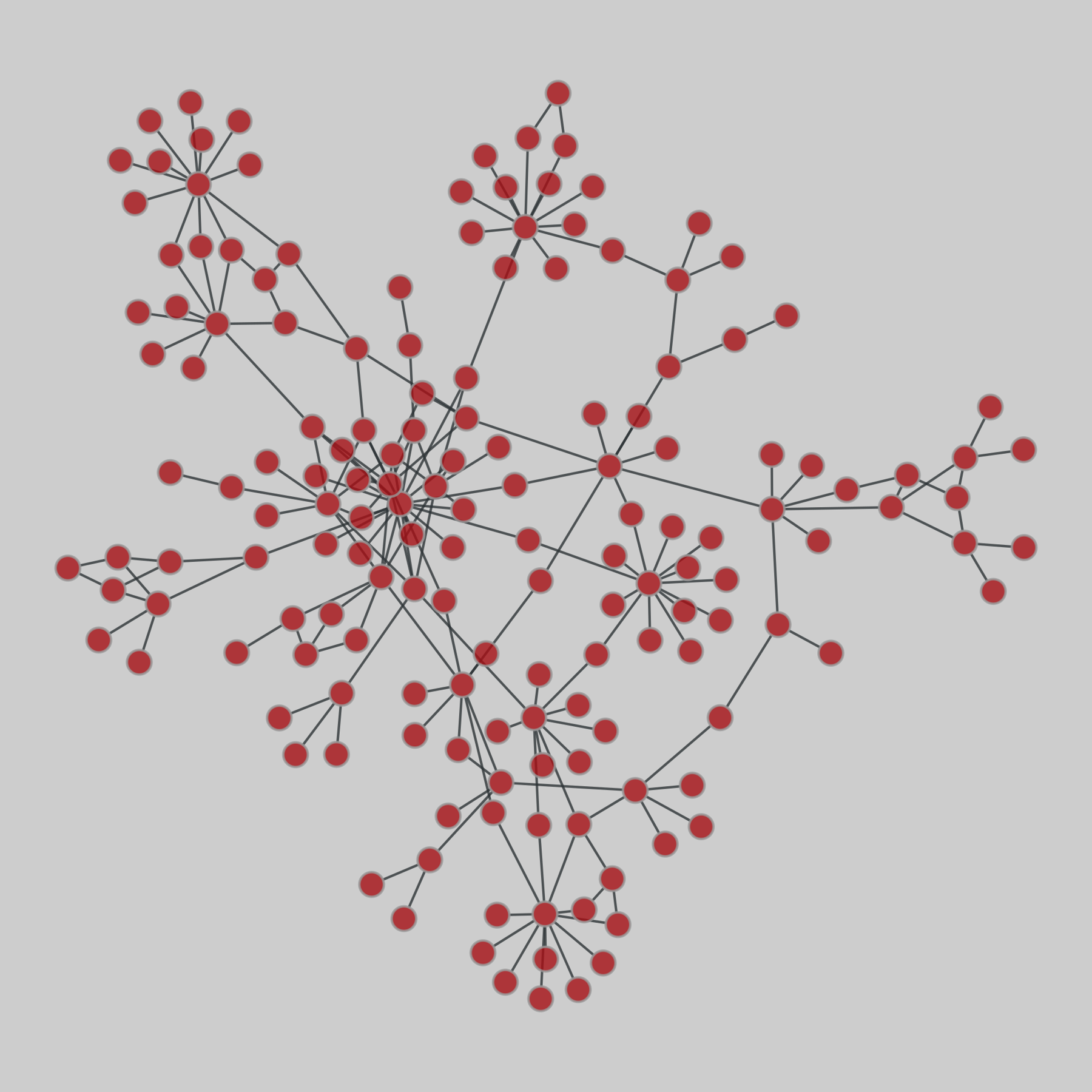
 @netzschleuder@social.skewed.de
interactome_pdz: PDZ-domain interactome (2005)
A network of PDZ-domain-mediated protein–protein binding interactions, extracted from the PDZBase database. Nodes represent proteins and an edge represents a binding interaction between two proteins.
This network has 212 nodes and 244 edges.
Tags: Biological, Protein interactions, Unweighted
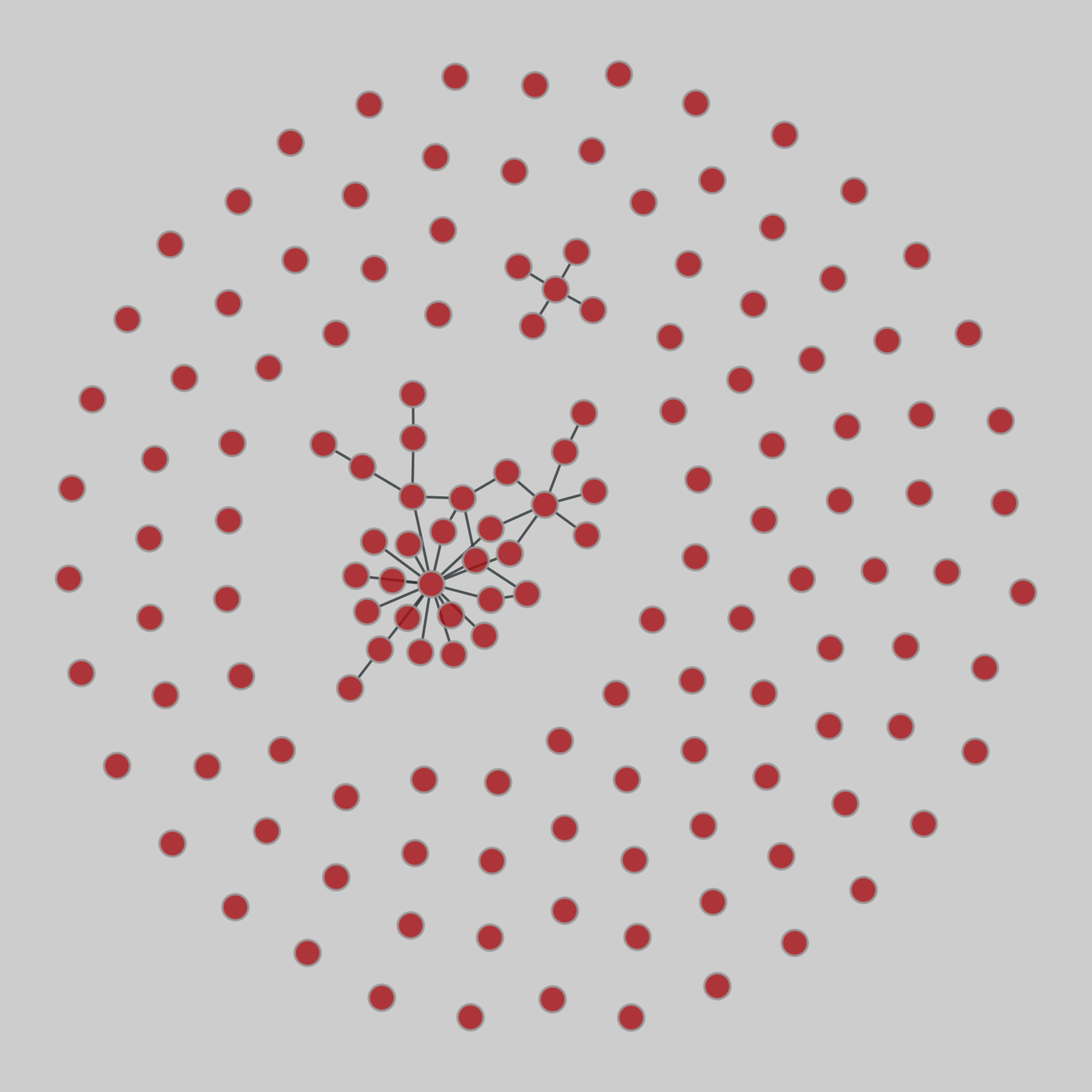
 @netzschleuder@social.skewed.de
plant_pol_vazquez: Vazquez & Simberloff plant-pollinator webs
Eight bipartite networks of plants and pollinators, from the Nahuel Huapi National Park and surrounding areas in Rio Negro, Argentina, from September 1999 to Feburary 2000. Edge weights represent the frequency of species interaction, and there is a common set of vertices across all eight webs.
This network has 144 nodes and 39 edges.
Tags: Biological, Food web, Weighted, Multilayer
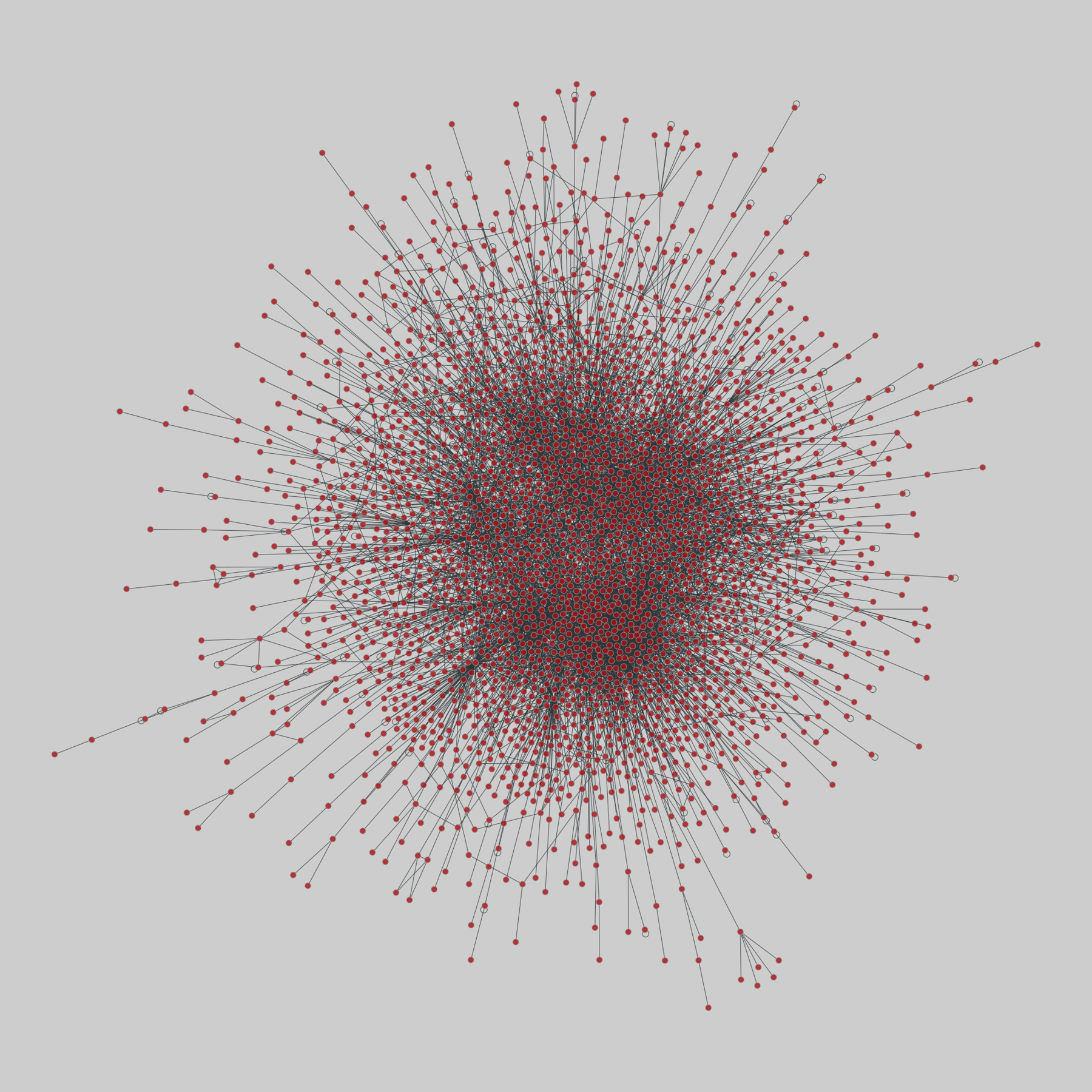
 @netzschleuder@social.skewed.de
interactome_vidal: Vidal human interactome (2005)
A network of human proteins and their binding interactions. Nodes represent proteins and an edge represents a binding interaction between two proteins, as tested using a high-throughput yeast two-hybrid (Y2H) system.
This network has 3133 nodes and 6726 edges.
Tags: Biological, Protein interactions, Unweighted
 @netzschleuder@social.skewed.de
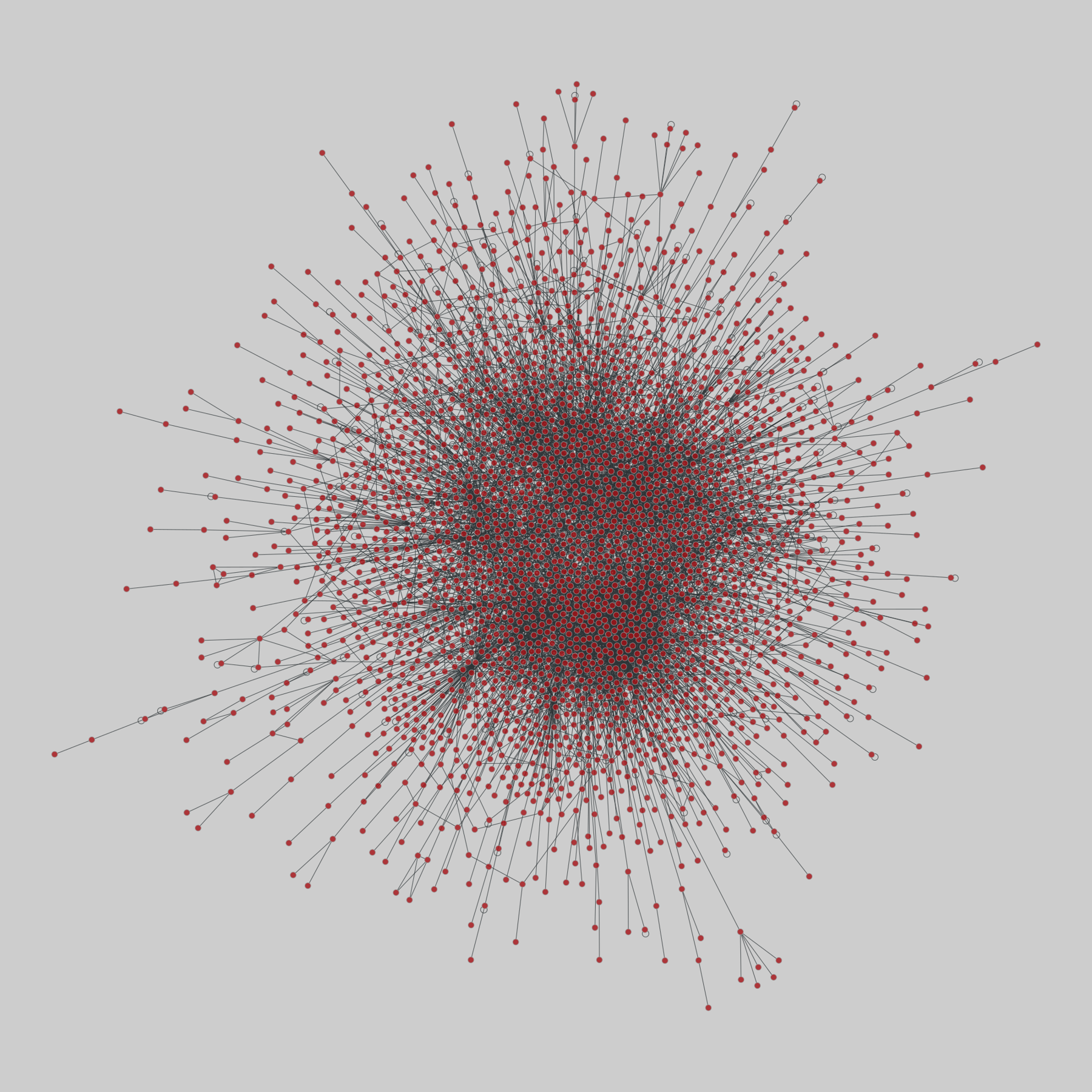
macaques: Japanese macaques (1976)
Dominance interactions among a group of adult female Japanese macaques (Macaca fuscata fuscata), observed during a non-mating season in 1976. Edge weights represent the frequency of interaction.
This network has 62 nodes and 1187 edges.
Tags: Social, Animal, Weighted
https://networks.s…
 @netzschleuder@social.skewed.de
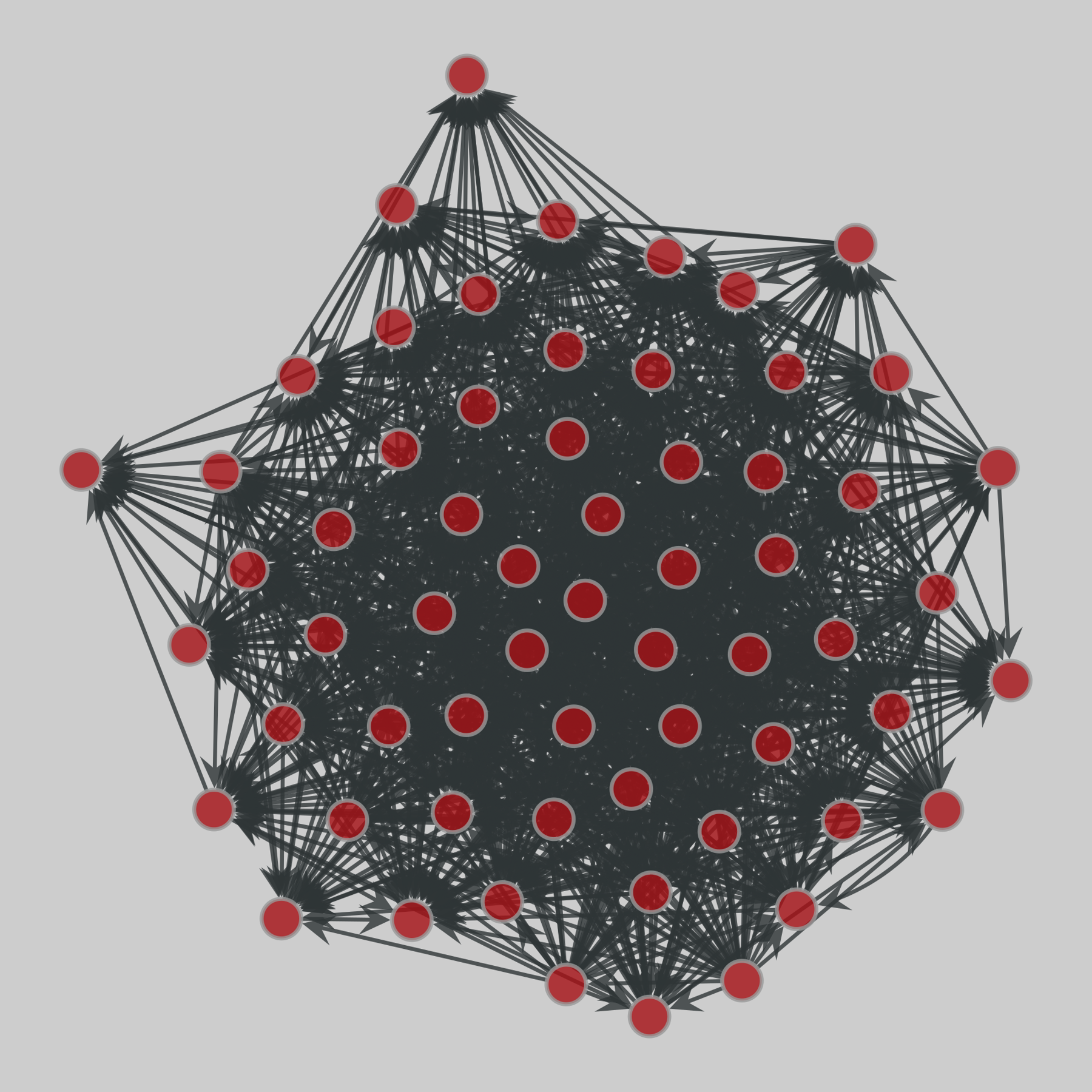
moreno_sheep: Bighorn sheep (1984)
Dominance interactions among a group of female bighorn sheep (Ovis canadensis) from the National Bison Range in western Montana USA, over a 27 month period ending in 1984. Edge weights represent the frequency of interaction. Metadata gives the sheep ages, roughly.
This network has 28 nodes and 250 edges.
Tags: Social, Animal, Weighted, Metadata
 @netzschleuder@social.skewed.de
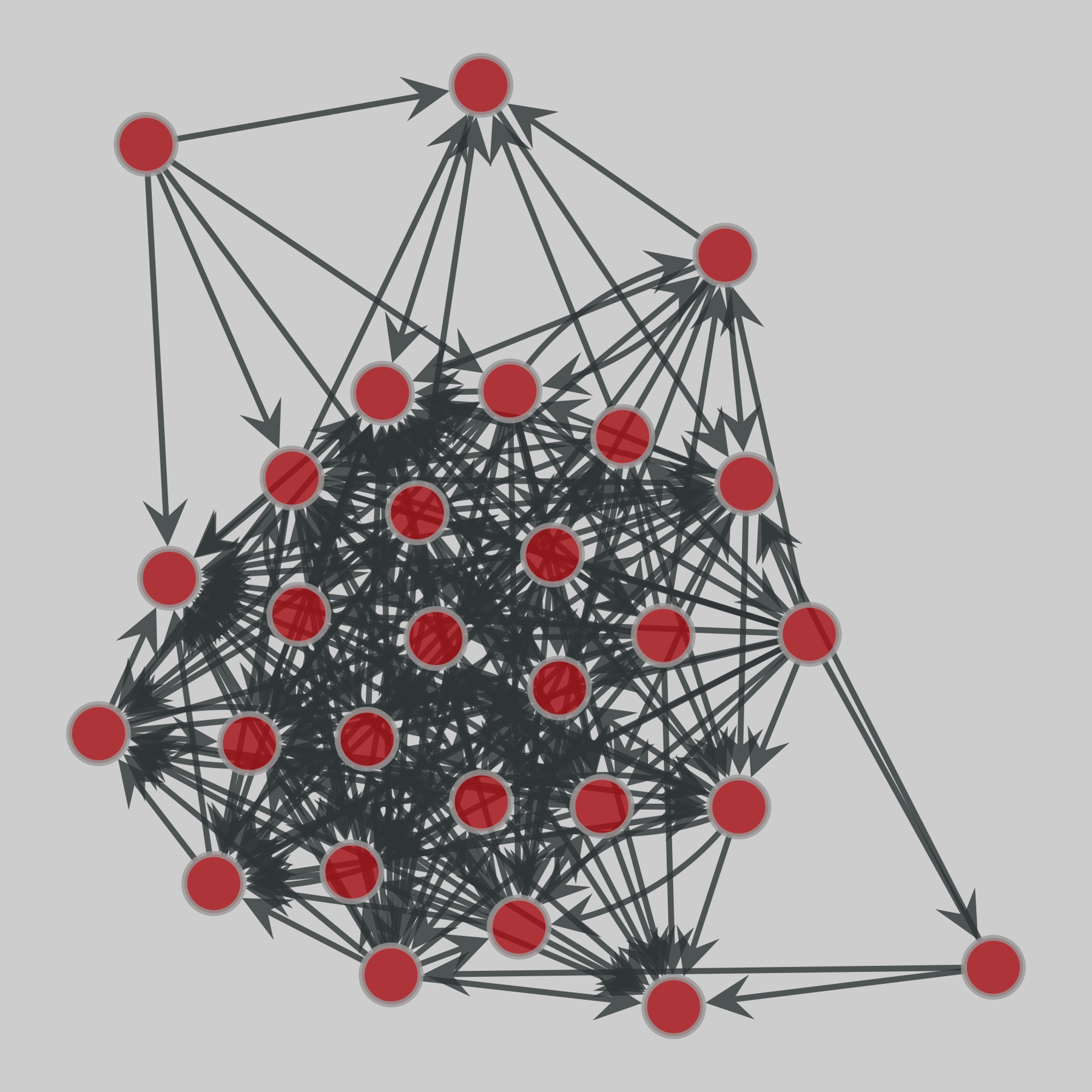
plant_pol_vazquez: Vazquez & Simberloff plant-pollinator webs
Eight bipartite networks of plants and pollinators, from the Nahuel Huapi National Park and surrounding areas in Rio Negro, Argentina, from September 1999 to Feburary 2000. Edge weights represent the frequency of species interaction, and there is a common set of vertices across all eight webs.
This network has 144 nodes and 42 edges.
Tags: Biological, Food web, Weighted, Multilayer
 @netzschleuder@social.skewed.de
fly_larva: Drosophila larva brain (2023)
A complete synaptic map of the brain connectome of the larva of the fruit fly Drosophila melanogaster. Nodes are neurons, and edges are synaptic connections, traced individually from brain image sections using three-dimensional electron microscopy–based reconstruction. Node metadata include the neuron hempisphere, hemispherical homologue, cell type, annotations, and inferred cluster. Edge metadata include the type of interaction (`'aa'`,…
 @netzschleuder@social.skewed.de
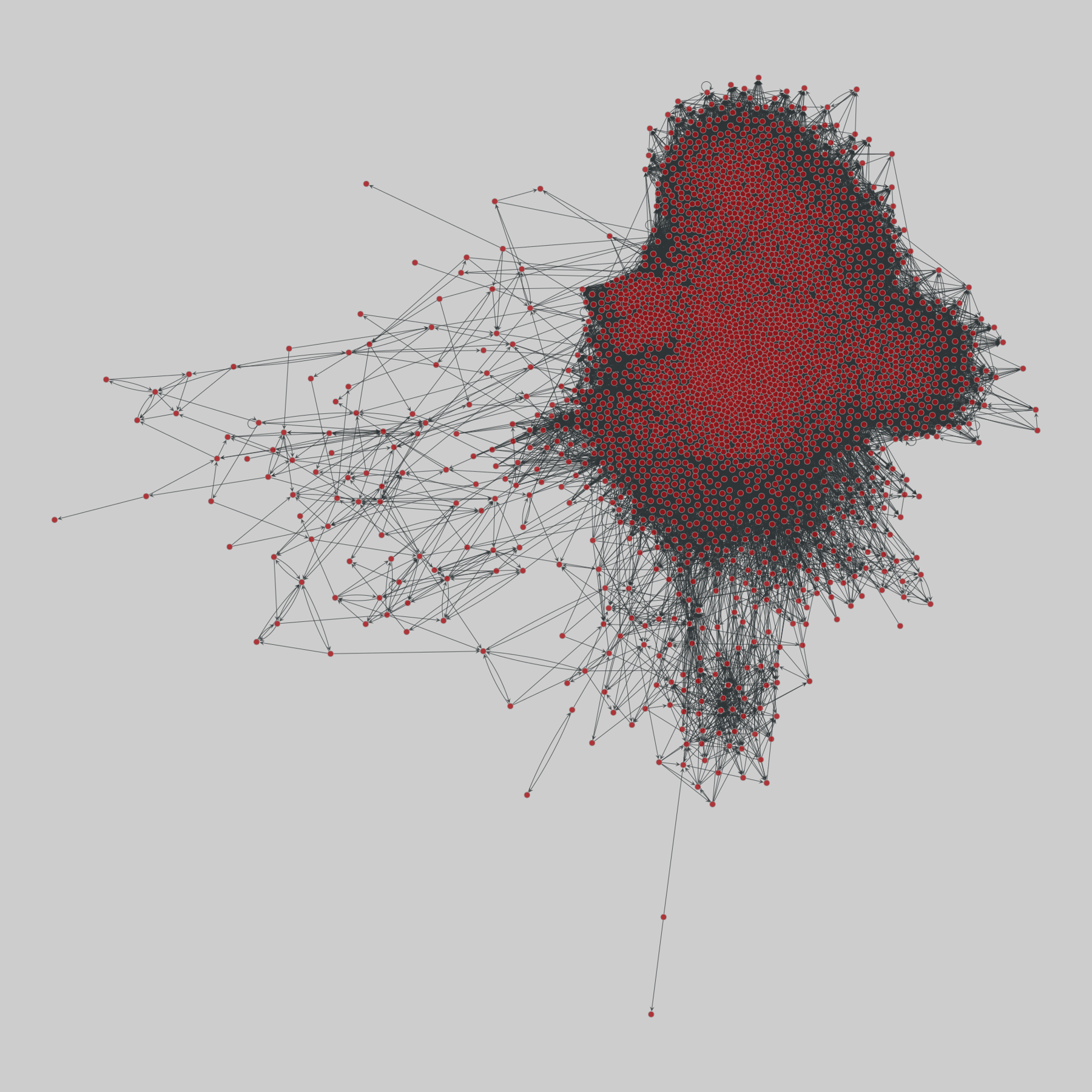
wiki_users: Wikipedia user interaction (2011)
A network derived from interactions between editors of the English language Wikipedia, as derived from the edit histories of 563 wiki pages related to politics. A positive sign indicates positive links such as trust or similarities, and a negative sign indicates distrust or disagreement.
This network has 138592 nodes and 740397 edges.
Tags: Social, Online, Signed
 @netzschleuder@social.skewed.de
hens: White Leghorn hens (1946)
Dominance interactions (pecking) among a group of White Leghorn hens, observed in 1946. Edge weights represent the frequency of interaction. The two versions below are equivalent.
This network has 32 nodes and 496 edges.
Tags: Social, Animal, Weighted
https://networks.skewed.de/net/hens
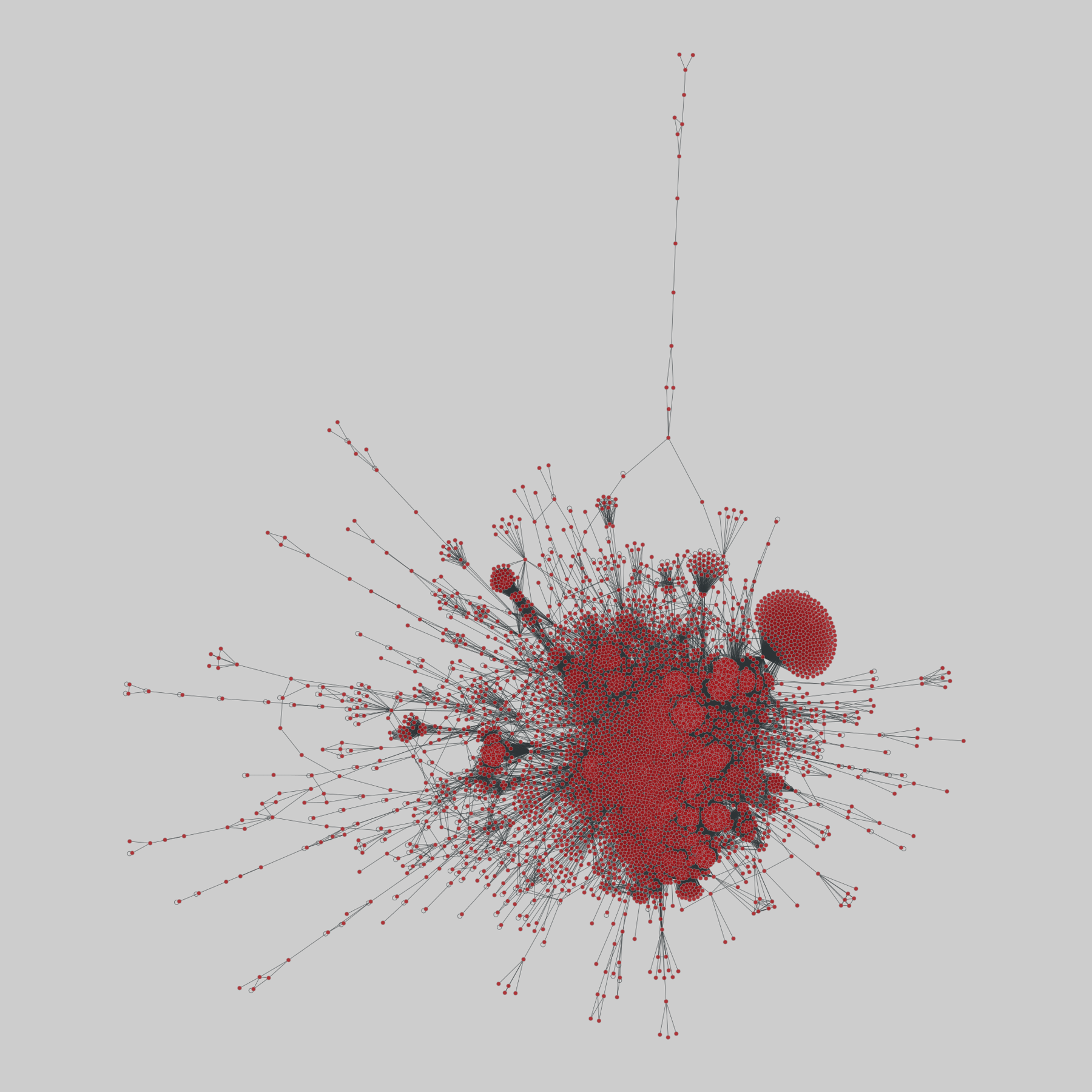
 @netzschleuder@social.skewed.de
reactome: Joshi-Tope human protein interactome (2005)
A network of human proteins and their binding interactions, extracted from Reactome project. Nodes represent proteins and an edge represents a binding interaction between two proteins.
This network has 6327 nodes and 147547 edges.
Tags: Biological, Protein interactions, Unweighted
https:/…
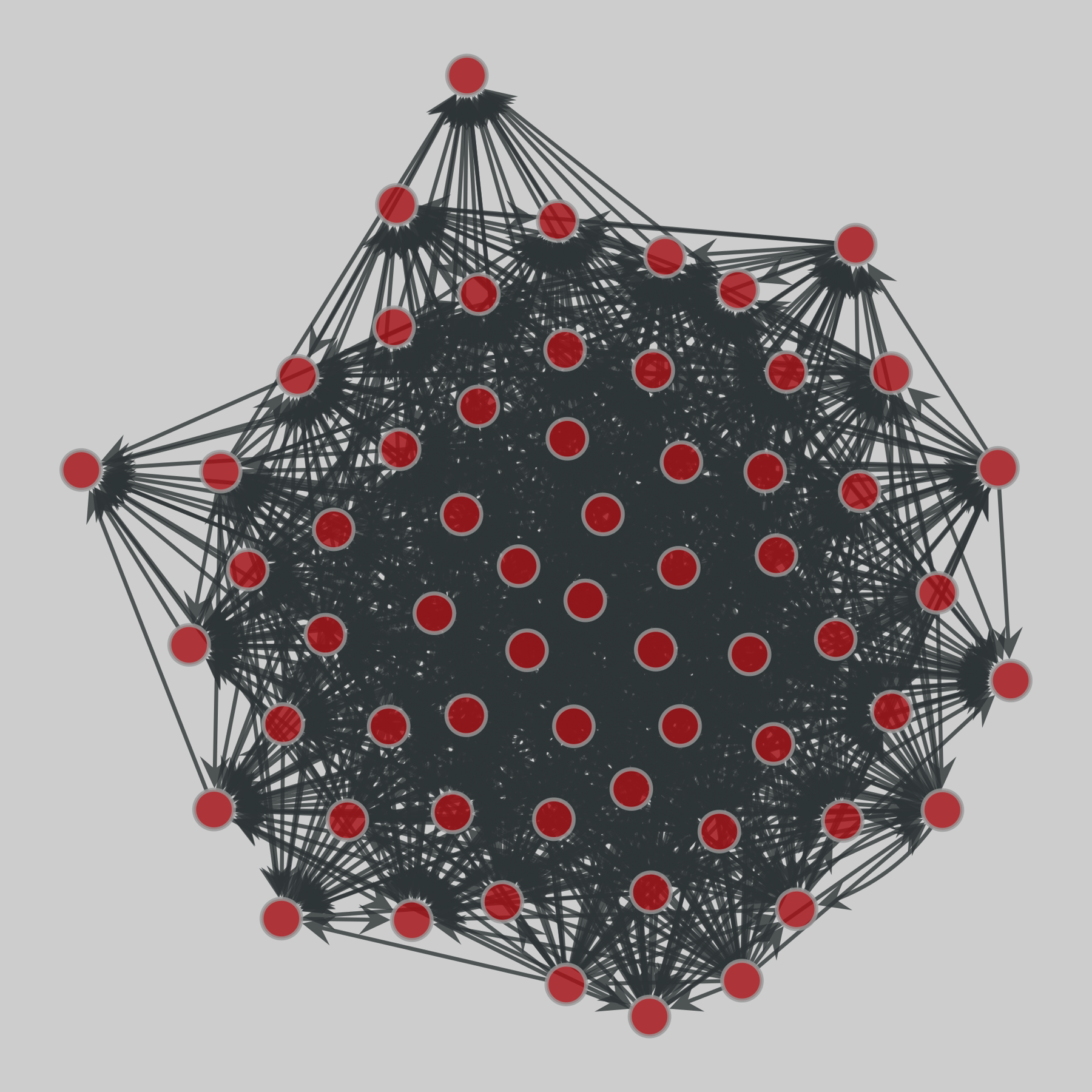
 @netzschleuder@social.skewed.de
macaques: Japanese macaques (1976)
Dominance interactions among a group of adult female Japanese macaques (Macaca fuscata fuscata), observed during a non-mating season in 1976. Edge weights represent the frequency of interaction.
This network has 62 nodes and 1187 edges.
Tags: Social, Animal, Weighted
https://networks.s…
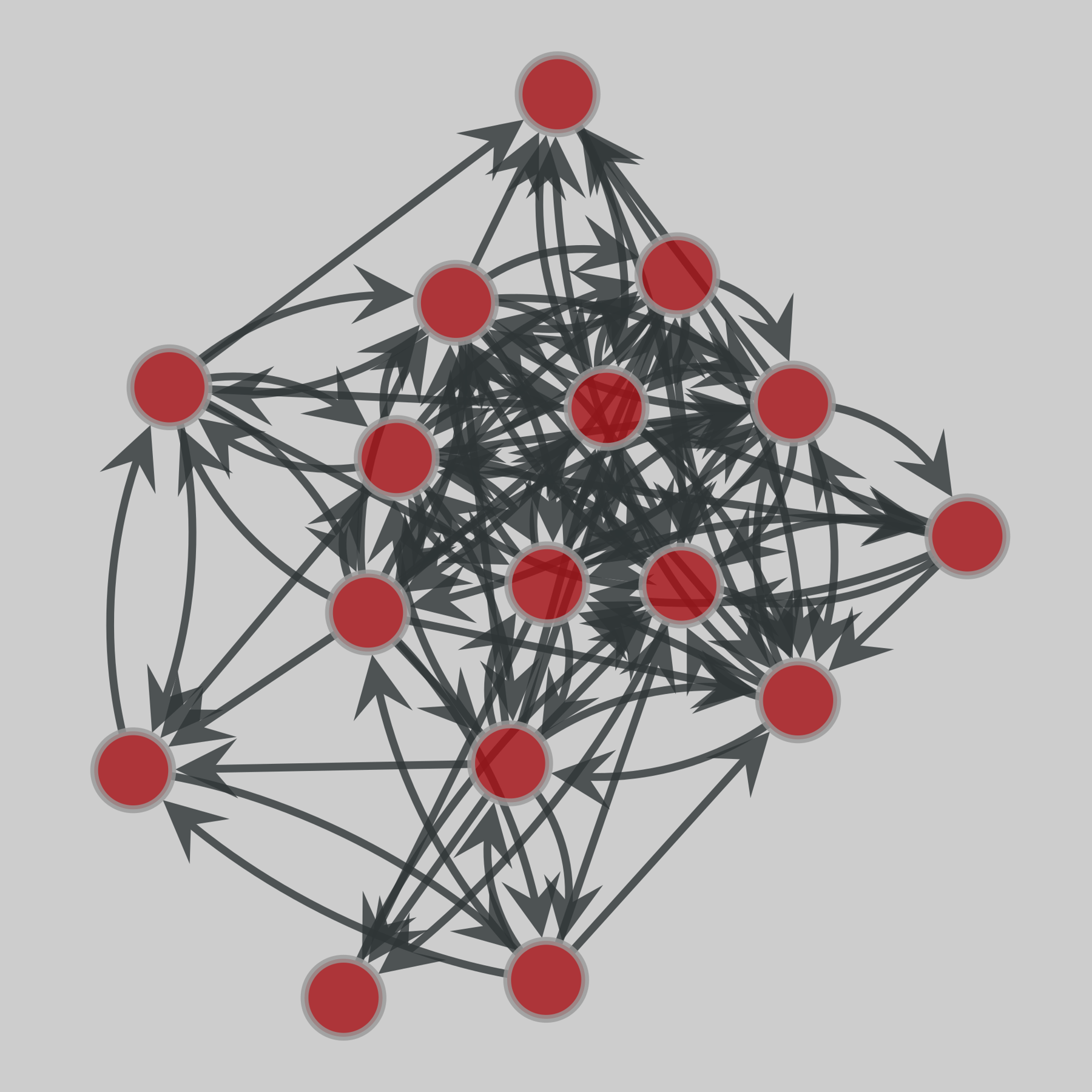
 @netzschleuder@social.skewed.de
rhesus_monkey: Rhesus monkey grooming (1963)
Grooming interactions among a group of wild adult rhesus monkeys (Macaca mulatta) in Cayo Santiago, during a two month period in 1963. Edge weights represent the frequency of interaction. The two versions below are equivalent.
This network has 16 nodes and 111 edges.
Tags: Social, Animal, Weighted
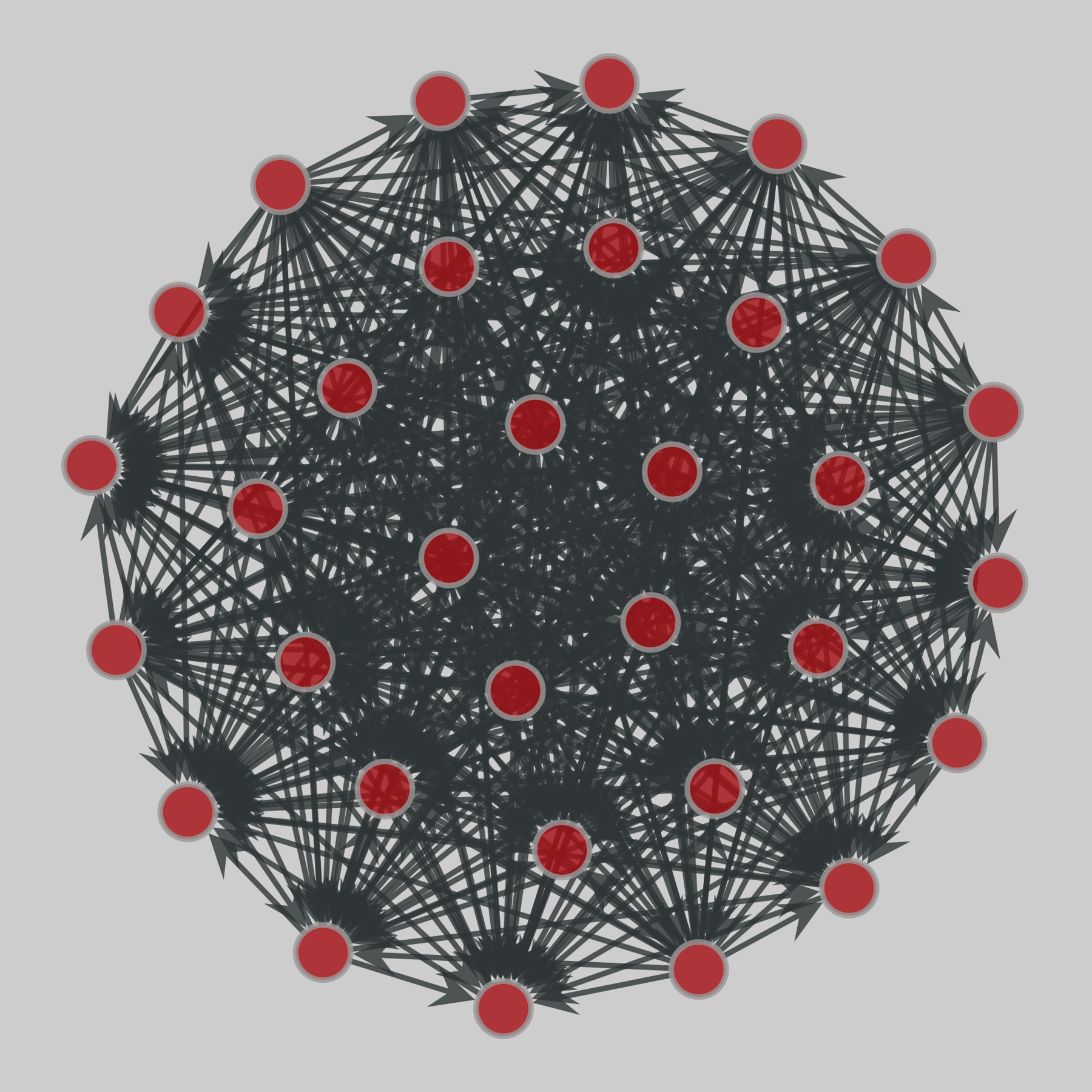
 @netzschleuder@social.skewed.de
moreno_sheep: Bighorn sheep (1984)
Dominance interactions among a group of female bighorn sheep (Ovis canadensis) from the National Bison Range in western Montana USA, over a 27 month period ending in 1984. Edge weights represent the frequency of interaction. Metadata gives the sheep ages, roughly.
This network has 28 nodes and 250 edges.
Tags: Social, Animal, Weighted, Metadata
 @netzschleuder@social.skewed.de
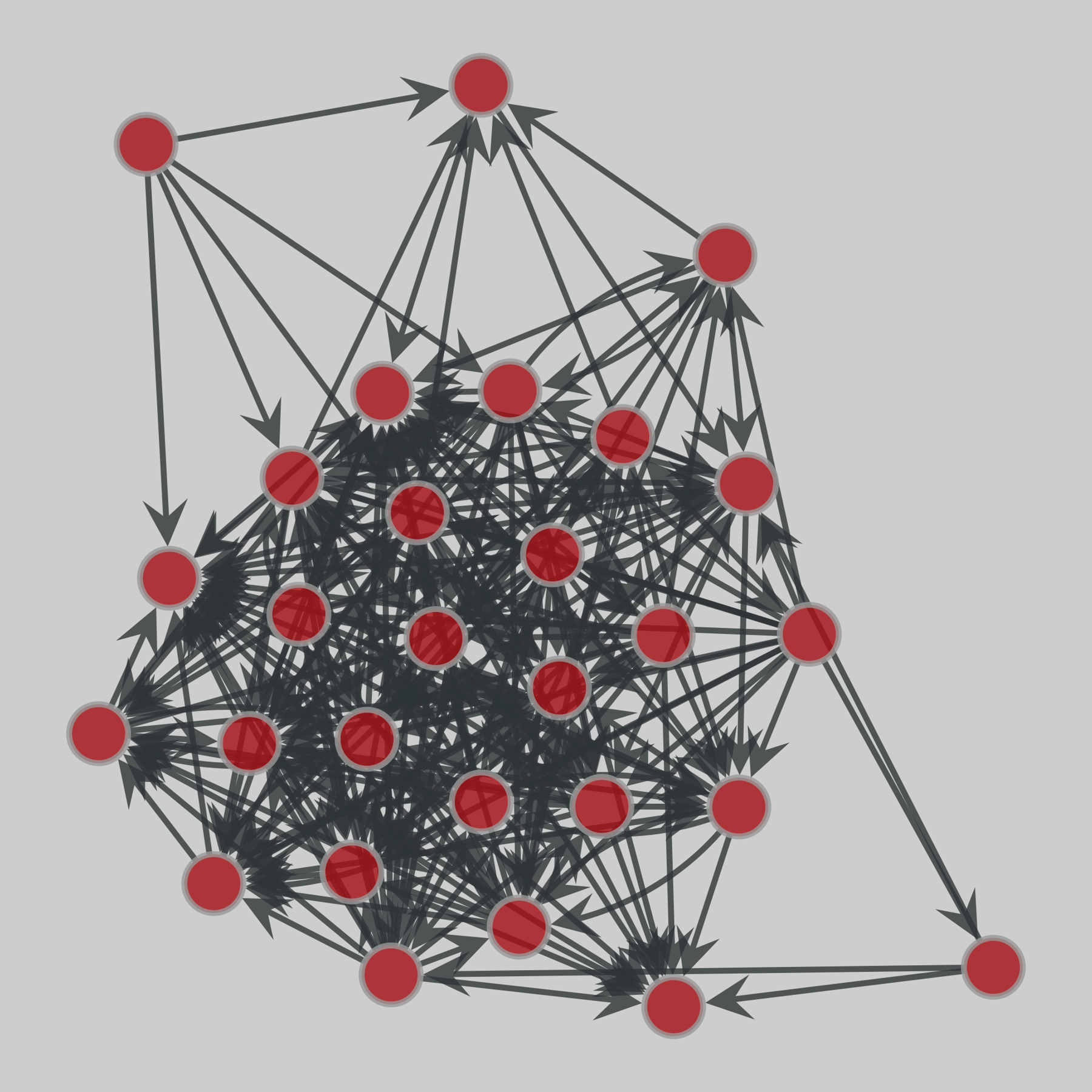
mist: MIST protein interaction database (2020)
The Molecular Interaction Search Tool (MIST) is a comprehensive resource of molecular interactions, assembled from severla primary sources. MIST currently supports several species, including:.
This network has 3705 nodes and 15167 edges.
Tags: Biological, Protein interactions, Unweighted
 @netzschleuder@social.skewed.de
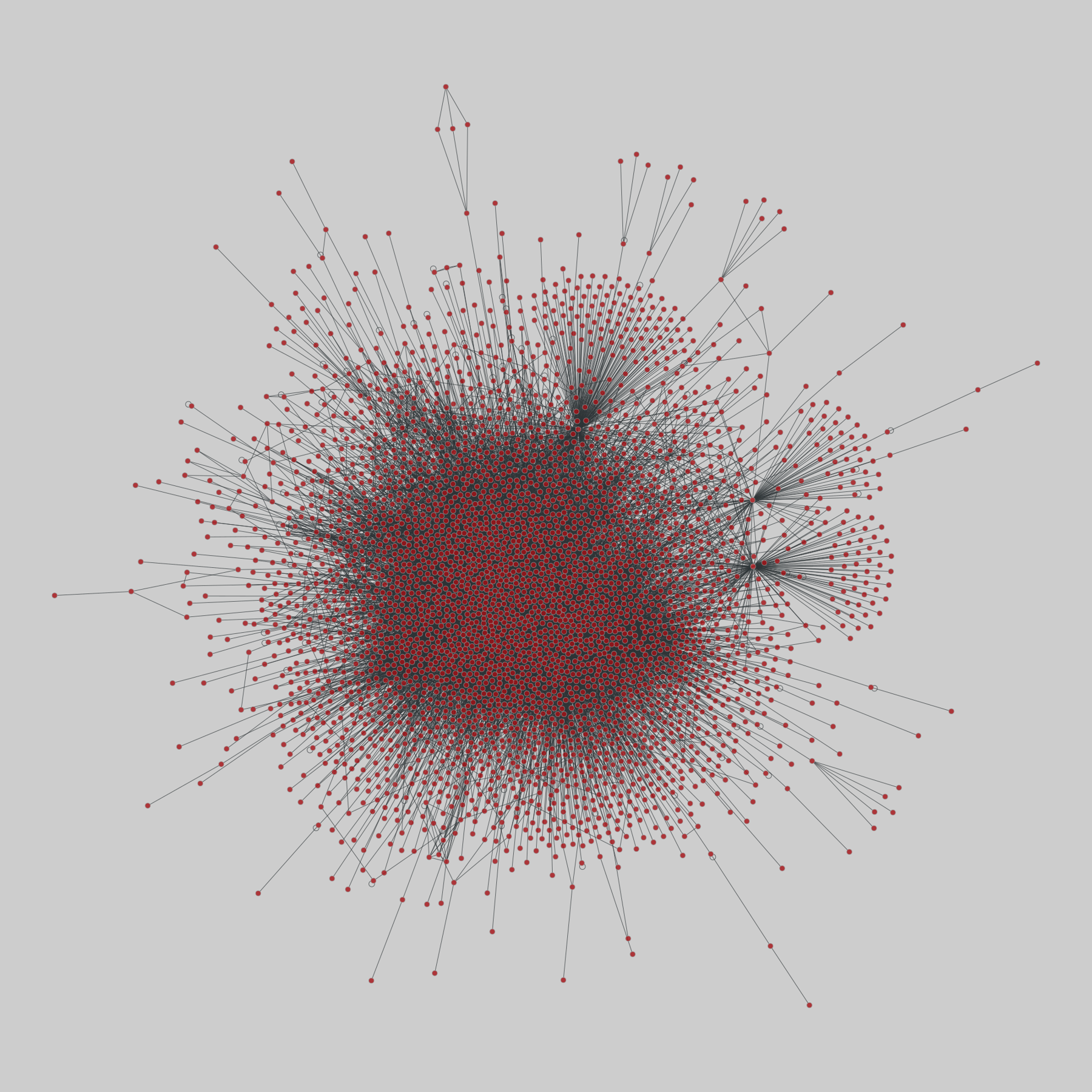
mist: MIST protein interaction database (2020)
The Molecular Interaction Search Tool (MIST) is a comprehensive resource of molecular interactions, assembled from severla primary sources. MIST currently supports several species, including:.
This network has 4209 nodes and 13882 edges.
Tags: Biological, Protein interactions, Unweighted
 @netzschleuder@social.skewed.de
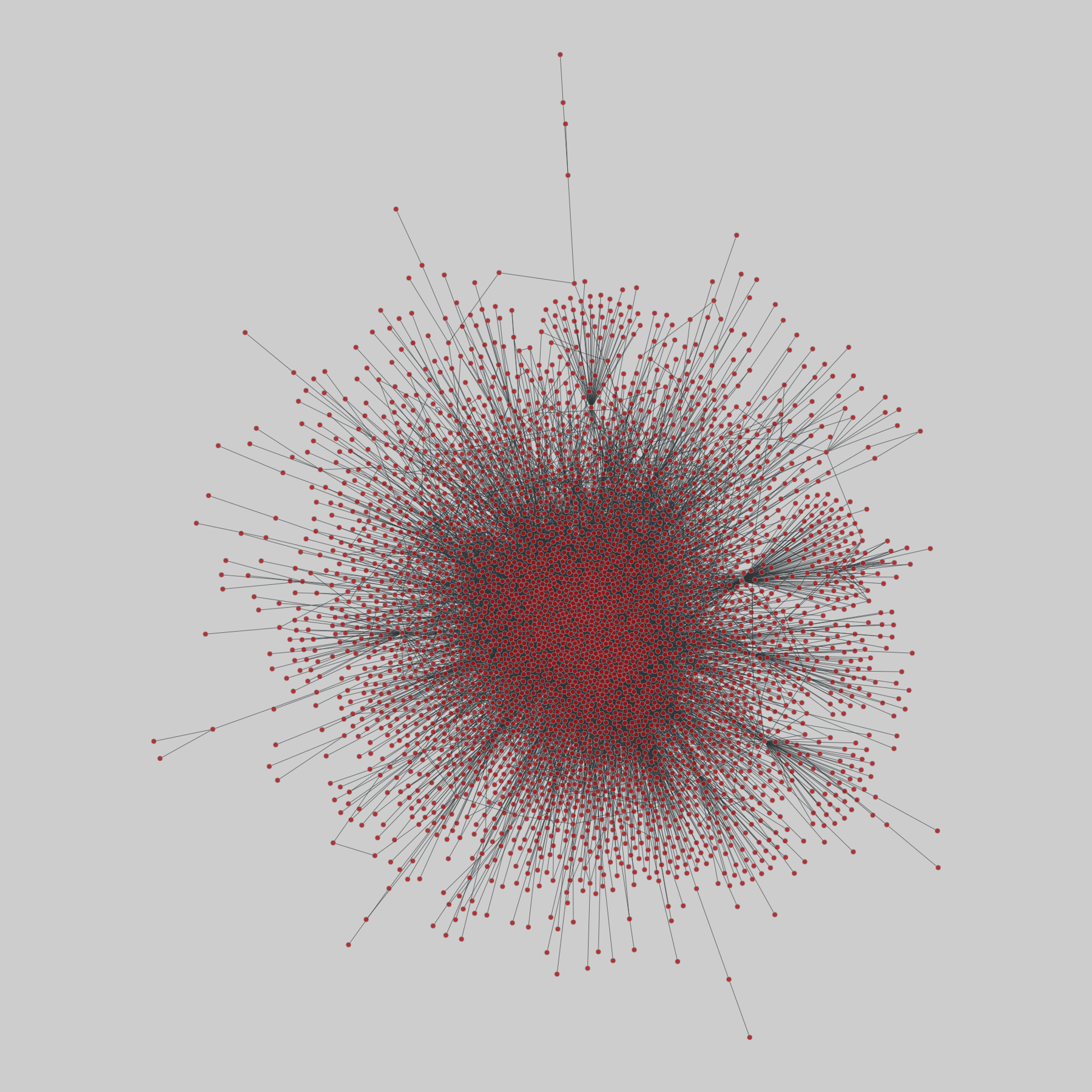
genetic_multiplex: Multiplex genetic interactions (2014)
Multiplex networks representing different types of genetic interactions, for different organisms. Layers represent (i) physical, (ii) association, (iii) co-localization, (iv) direct, and (v) suppressive, (vi) additive or synthetic genetic interaction. Edge direction (i,j) indicates gene i interacting with gene j.
This network has 7747 nodes and 19843 edges.
Tags: Biological, Gene regulation, Protein interactions, Unwe…
 @netzschleuder@social.skewed.de
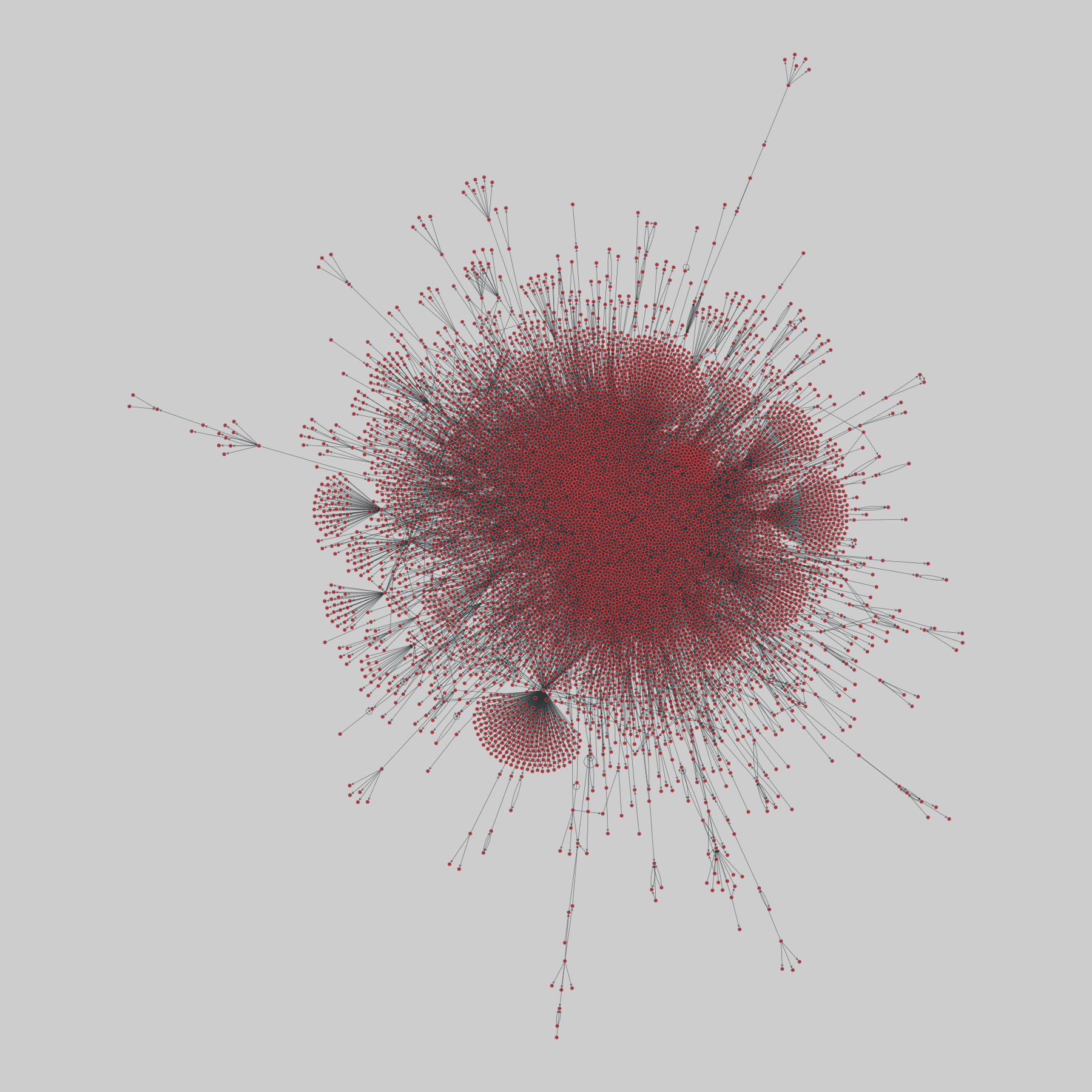
fly_larva: Drosophila larva brain (2023)
A complete synaptic map of the brain connectome of the larva of the fruit fly Drosophila melanogaster. Nodes are neurons, and edges are synaptic connections, traced individually from brain image sections using three-dimensional electron microscopy–based reconstruction. Node metadata include the neuron hempisphere, hemispherical homologue, cell type, annotations, and inferred cluster. Edge metadata include the type of interaction (`'aa'`,…
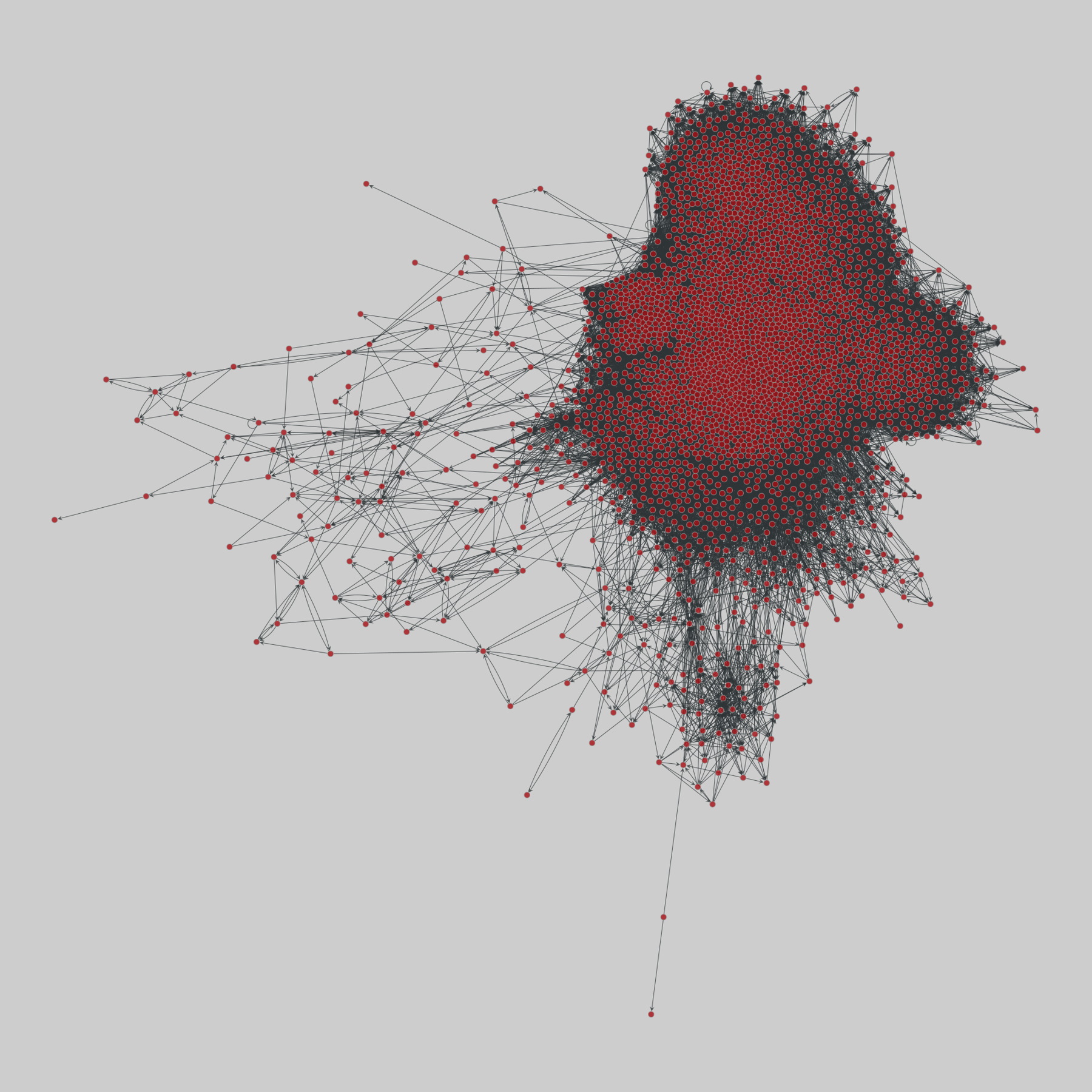 @netzschleuder@social.skewed.de
dom: Animal dominance archive (2022)
Animal dominance interaction data published over a century of research. The archive contains 434 agonistic interaction datasets, totaling over 241,000 interactions. A directed edge (i,j) corresponds to an antagonist interaction between i (winner) and j (loser). If a 'weight' edge property map exists, it counts the number of such interactions.
This network has 7 nodes and 10 edges.
Tags: Social, Animal, Weighted
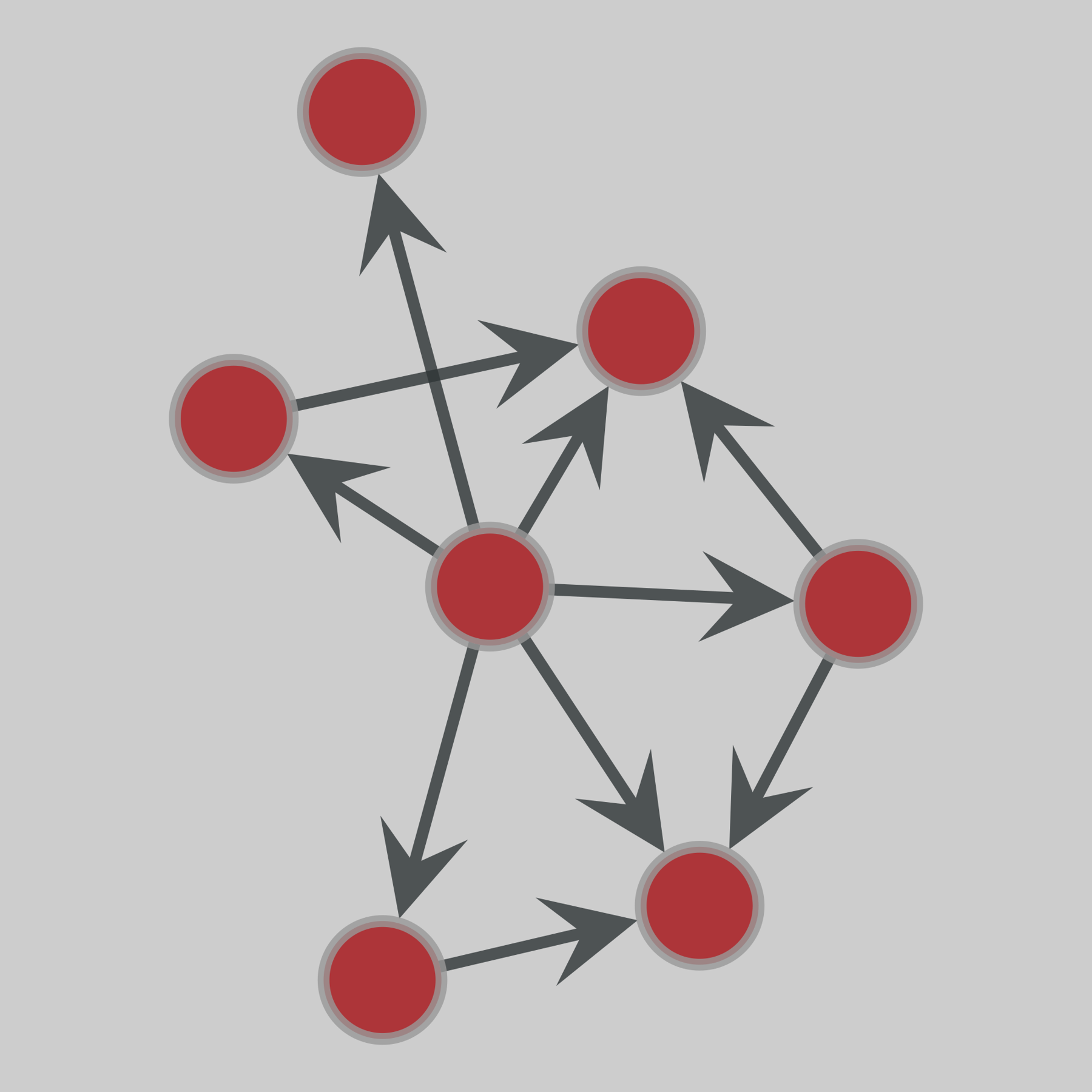 @netzschleuder@social.skewed.de
kangaroo: Grey kangaroo dominance
Dominance relations among a group of free-ranging grey kangaroos (Macropus giganteus). Edge weights represent the frequency of interaction. The two versions below are equivalent.
This network has 17 nodes and 91 edges.
Tags: Social, Animal, Weighted
https://networks.skewed.de/net/kangar…
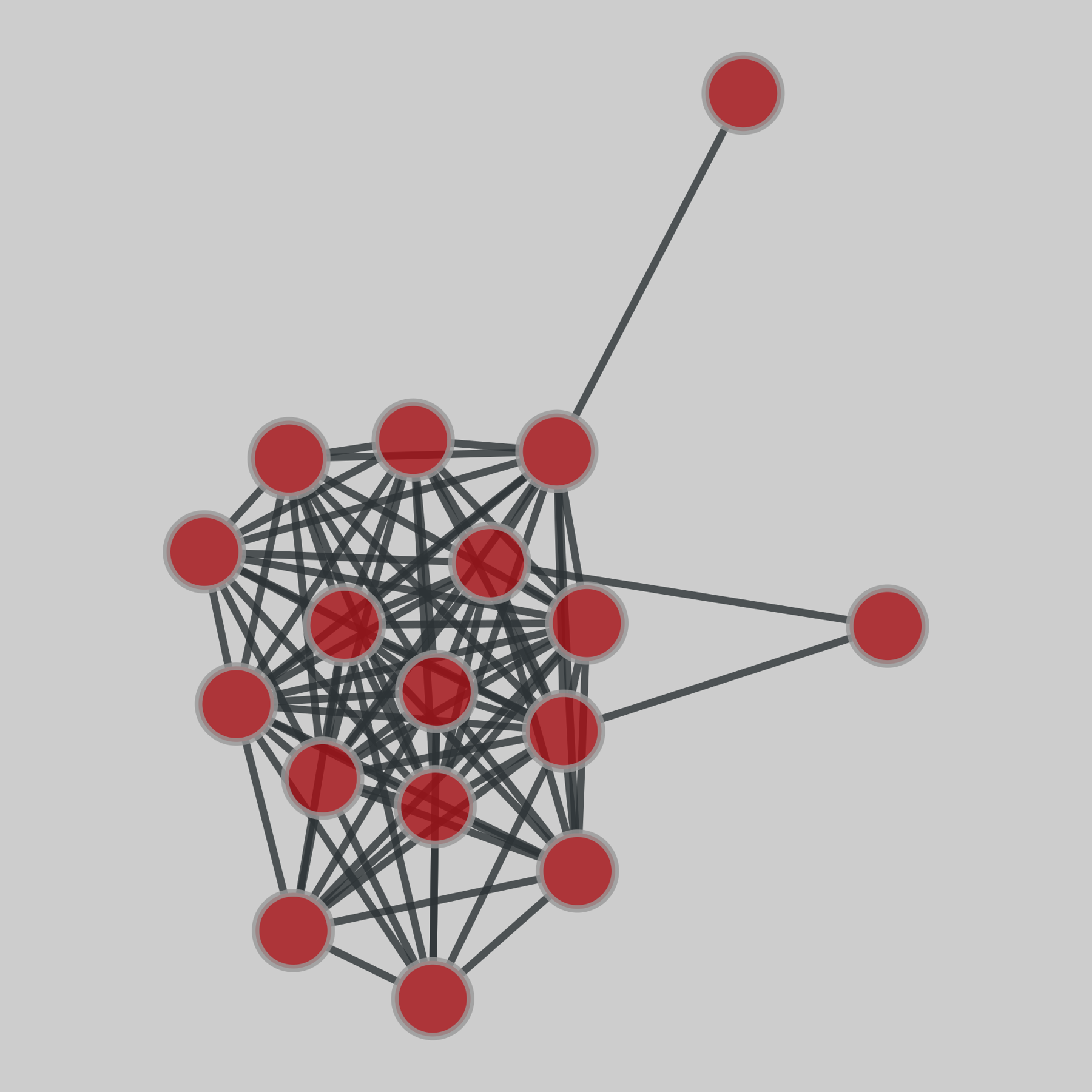 @netzschleuder@social.skewed.de
interactome_pdz: PDZ-domain interactome (2005)
A network of PDZ-domain-mediated protein–protein binding interactions, extracted from the PDZBase database. Nodes represent proteins and an edge represents a binding interaction between two proteins.
This network has 212 nodes and 244 edges.
Tags: Biological, Protein interactions, Unweighted
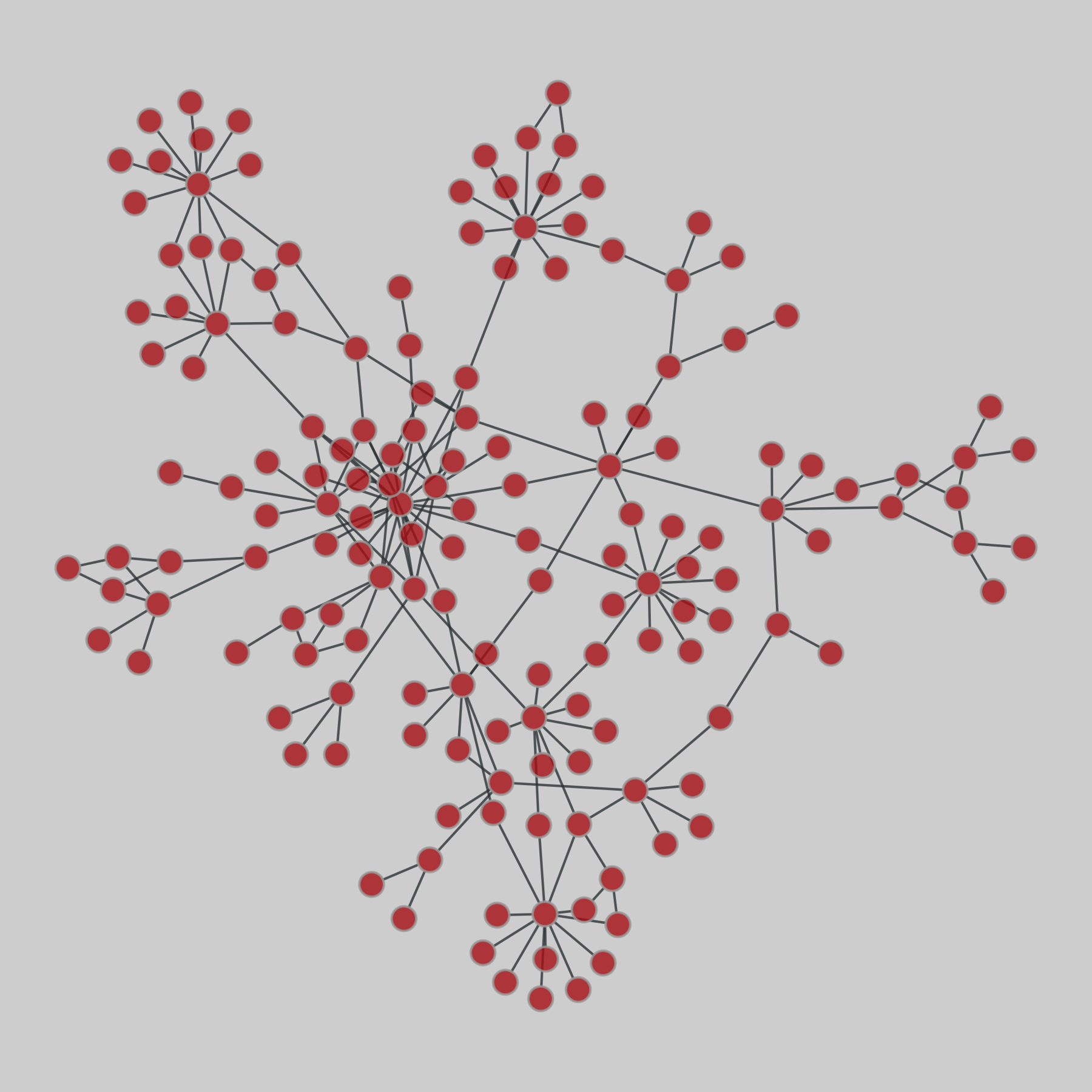 @netzschleuder@social.skewed.de
plant_pol_vazquez: Vazquez & Simberloff plant-pollinator webs
Eight bipartite networks of plants and pollinators, from the Nahuel Huapi National Park and surrounding areas in Rio Negro, Argentina, from September 1999 to Feburary 2000. Edge weights represent the frequency of species interaction, and there is a common set of vertices across all eight webs.
This network has 144 nodes and 31 edges.
Tags: Biological, Food web, Weighted, Multilayer
 @netzschleuder@social.skewed.de
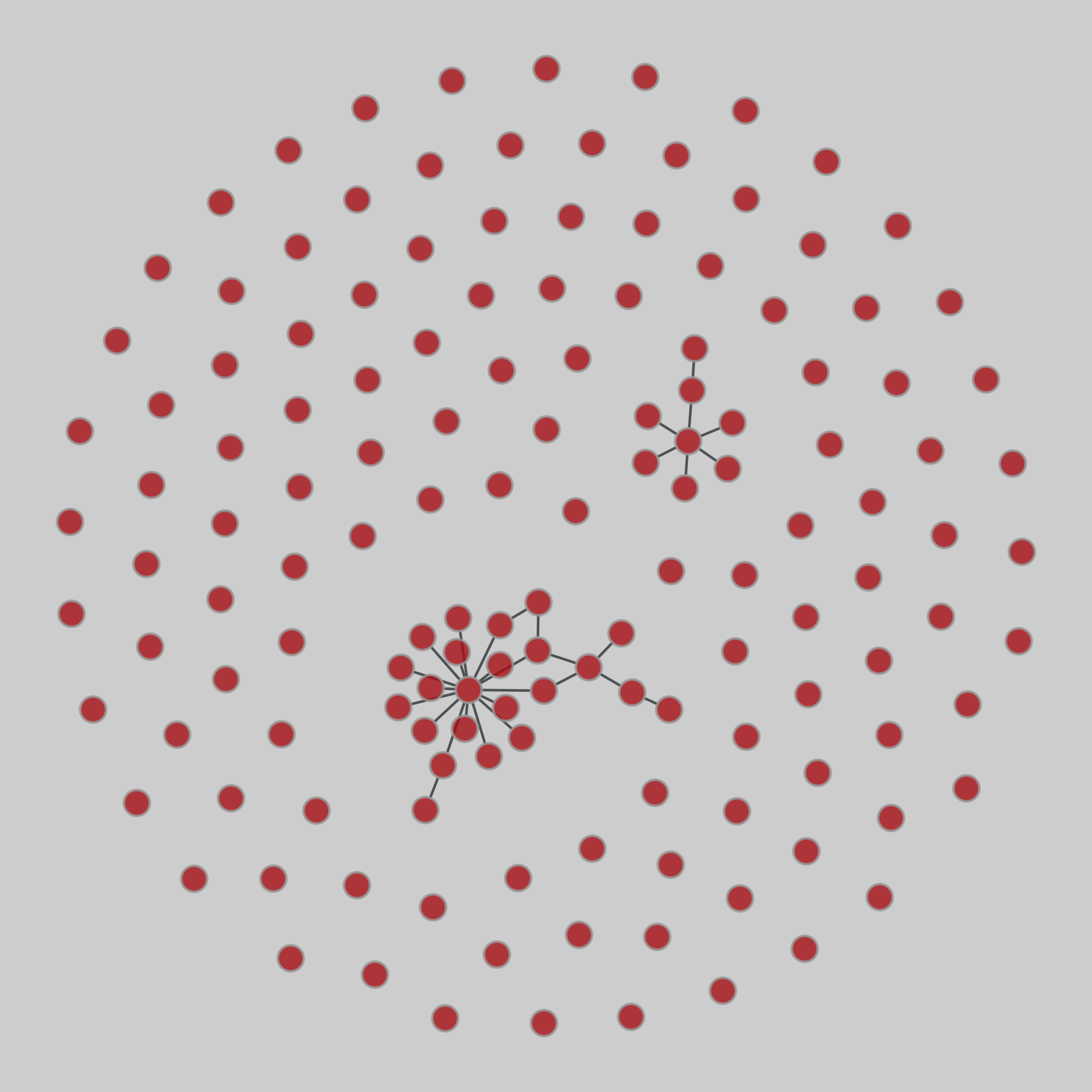
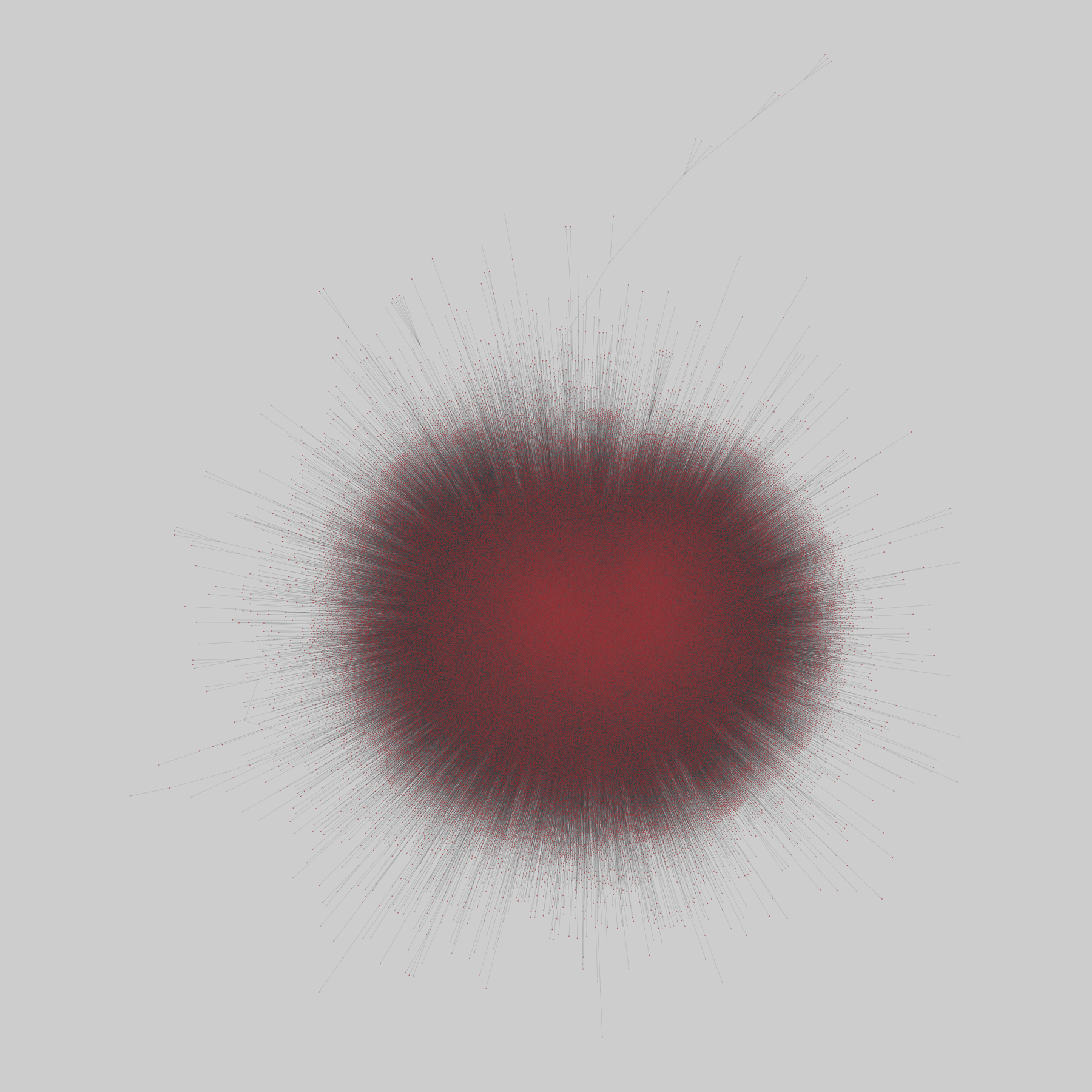
wiki_users: Wikipedia user interaction (2011)
A network derived from interactions between editors of the English language Wikipedia, as derived from the edit histories of 563 wiki pages related to politics. A positive sign indicates positive links such as trust or similarities, and a negative sign indicates distrust or disagreement.
This network has 138592 nodes and 740397 edges.
Tags: Social, Online, Signed
 @netzschleuder@social.skewed.de
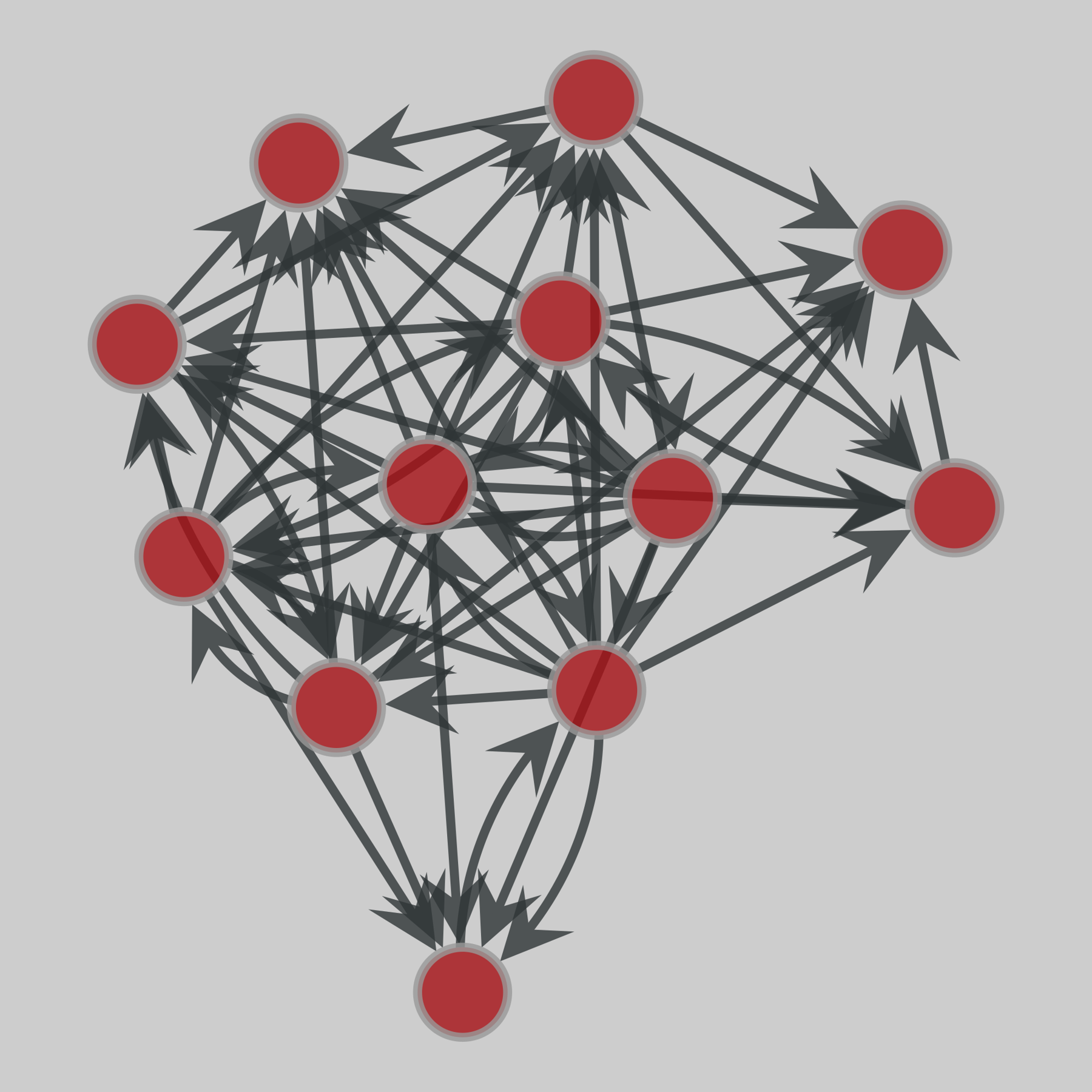
dom: Animal dominance archive (2022)
Animal dominance interaction data published over a century of research. The archive contains 434 agonistic interaction datasets, totaling over 241,000 interactions. A directed edge (i,j) corresponds to an antagonist interaction between i (winner) and j (loser). If a 'weight' edge property map exists, it counts the number of such interactions.
This network has 12 nodes and 61 edges.
Tags: Social, Animal, Weighted
 @netzschleuder@social.skewed.de
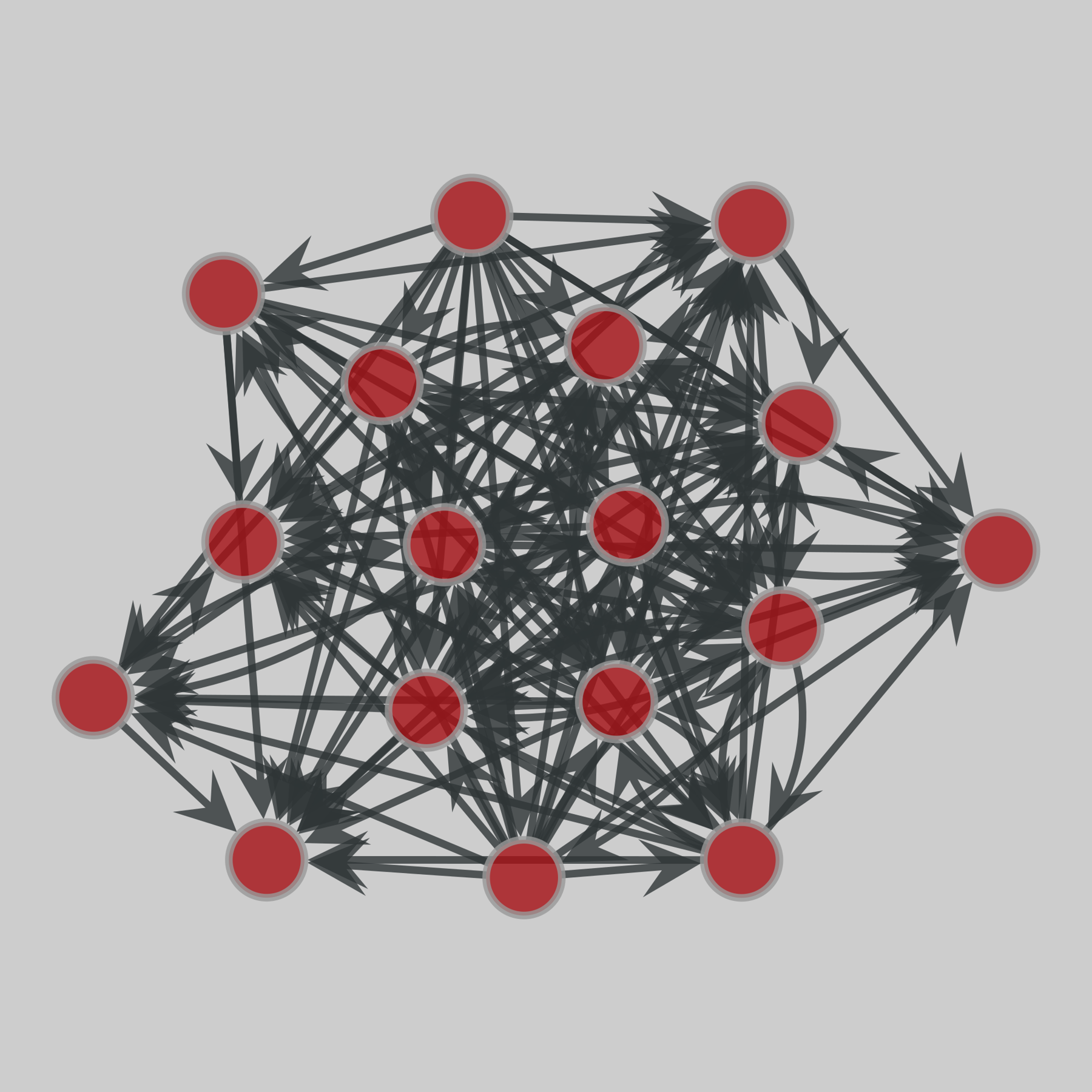
dom: Animal dominance archive (2022)
Animal dominance interaction data published over a century of research. The archive contains 434 agonistic interaction datasets, totaling over 241,000 interactions. A directed edge (i,j) corresponds to an antagonist interaction between i (winner) and j (loser). If a 'weight' edge property map exists, it counts the number of such interactions.
This network has 17 nodes and 146 edges.
Tags: Social, Animal, Weighted
 @netzschleuder@social.skewed.de
interactome_stelzl: Stelzl human interactome (2005)
A network of human proteins and their binding interactions. Nodes represent proteins and an edge represents an interaction between two proteins, as inferred via high-throughput Y2H experiments using bait and prey methodology.
This network has 1706 nodes and 6207 edges.
Tags: Biological, Protein interactions, Unweighted
 @netzschleuder@social.skewed.de
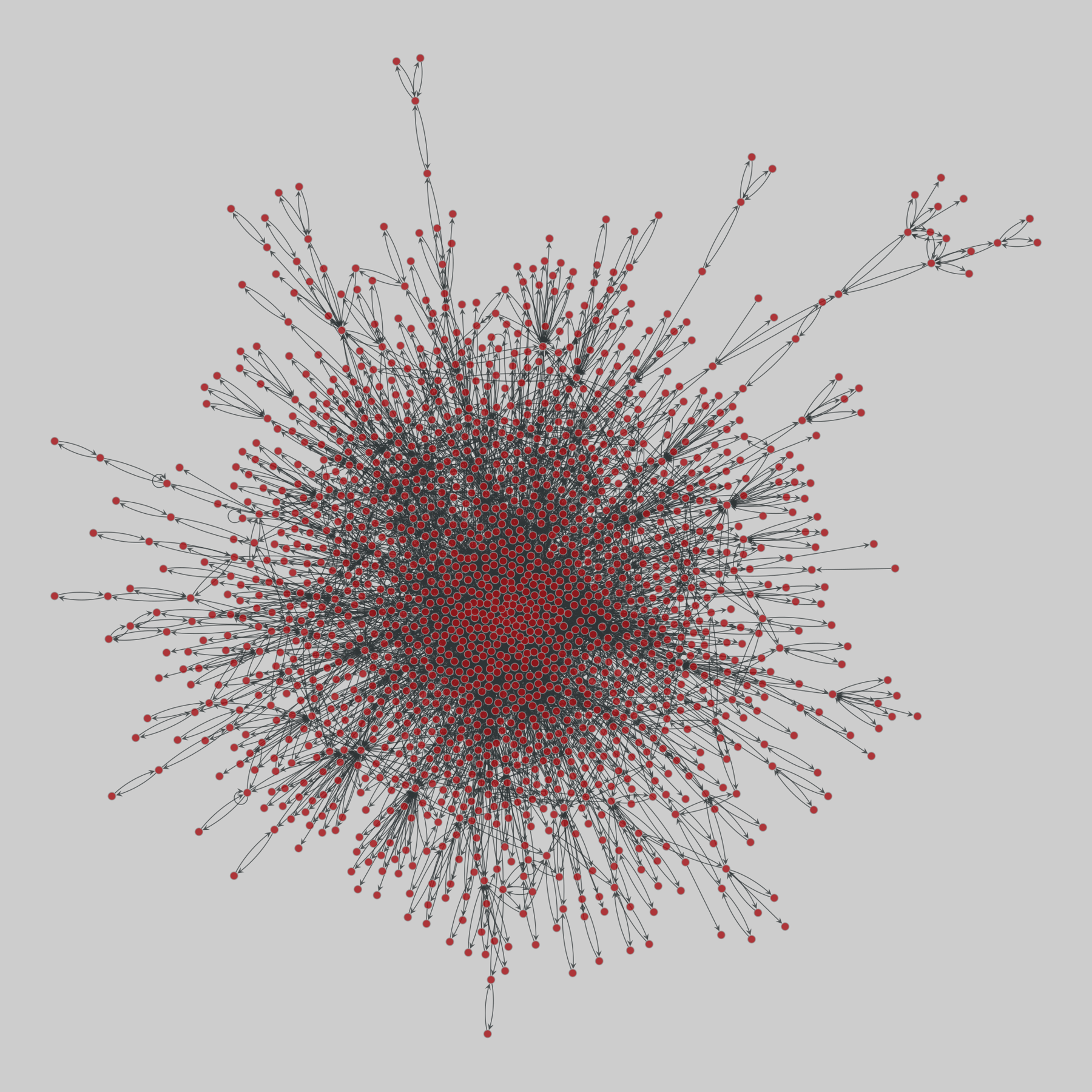
cattle: Dairy cattle (1955)
Dominance interactions among a group of dairy cattle at the Iberia Livestock Experiment Station in Jenerette, Louisiana. Edge weights represent the frequency of interaction. The two versions below are equivalent.
This network has 28 nodes and 217 edges.
Tags: Social, Animal, Weighted
https://ne…
 @netzschleuder@social.skewed.de
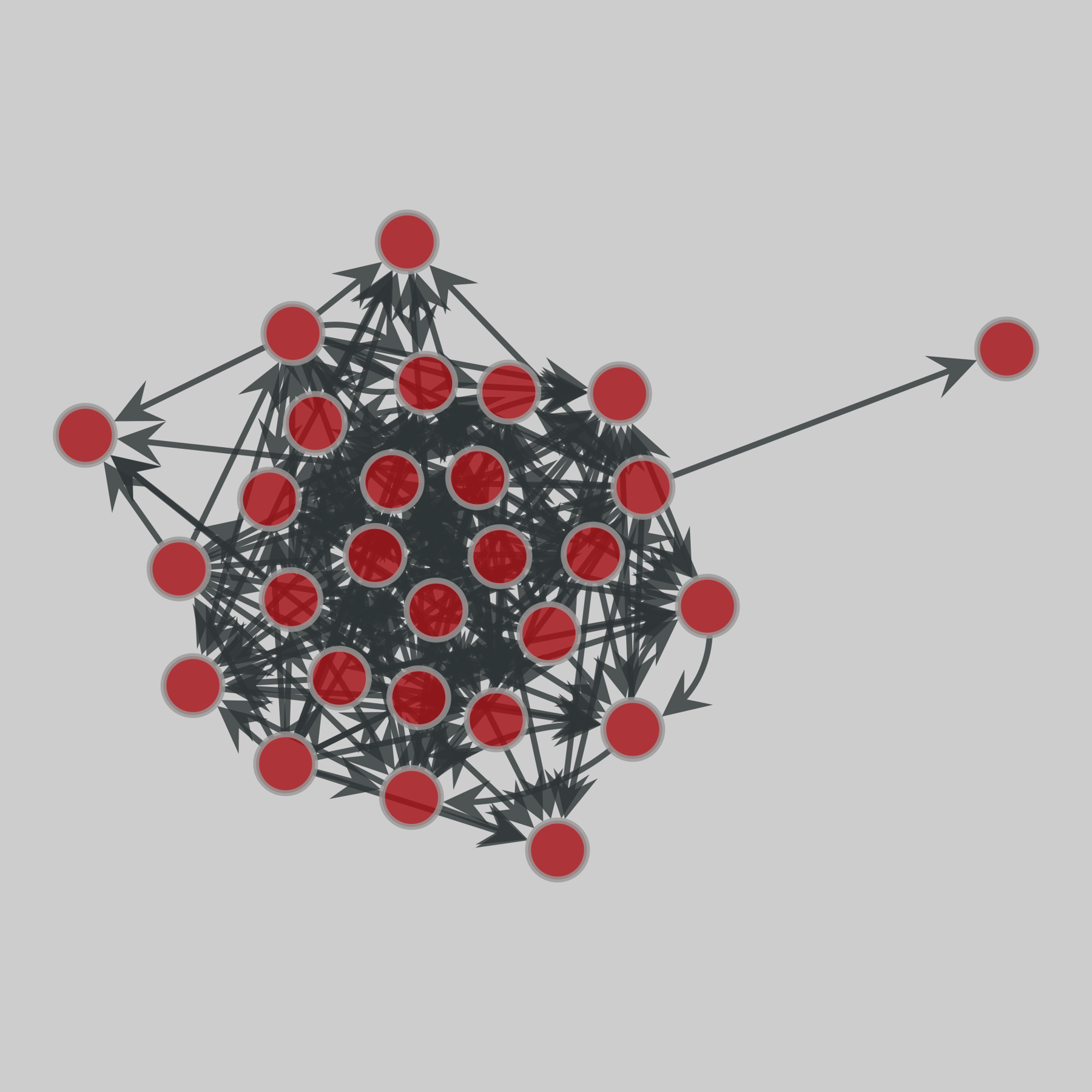
interactome_figeys: Figeys human interactome (2007)
A network of human proteins and their binding interactions. Nodes represent proteins and an edge represents an interaction between two proteins, as inferred using a mass spectrometry‐based approach.
This network has 2239 nodes and 6452 edges.
Tags: Biological, Protein interactions, Unweighted
 @netzschleuder@social.skewed.de
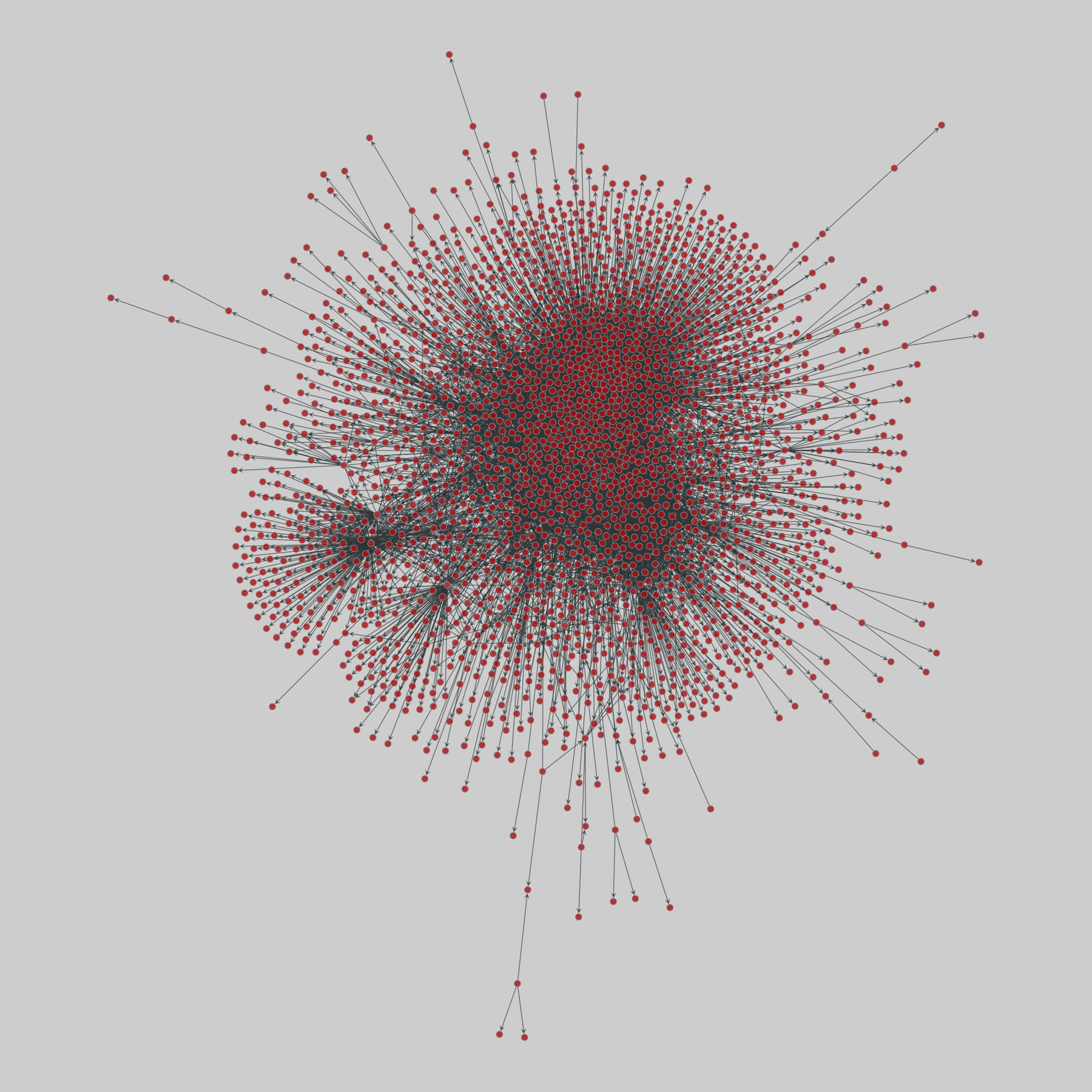
interactome_figeys: Figeys human interactome (2007)
A network of human proteins and their binding interactions. Nodes represent proteins and an edge represents an interaction between two proteins, as inferred using a mass spectrometry‐based approach.
This network has 2239 nodes and 6452 edges.
Tags: Biological, Protein interactions, Unweighted
 @netzschleuder@social.skewed.de
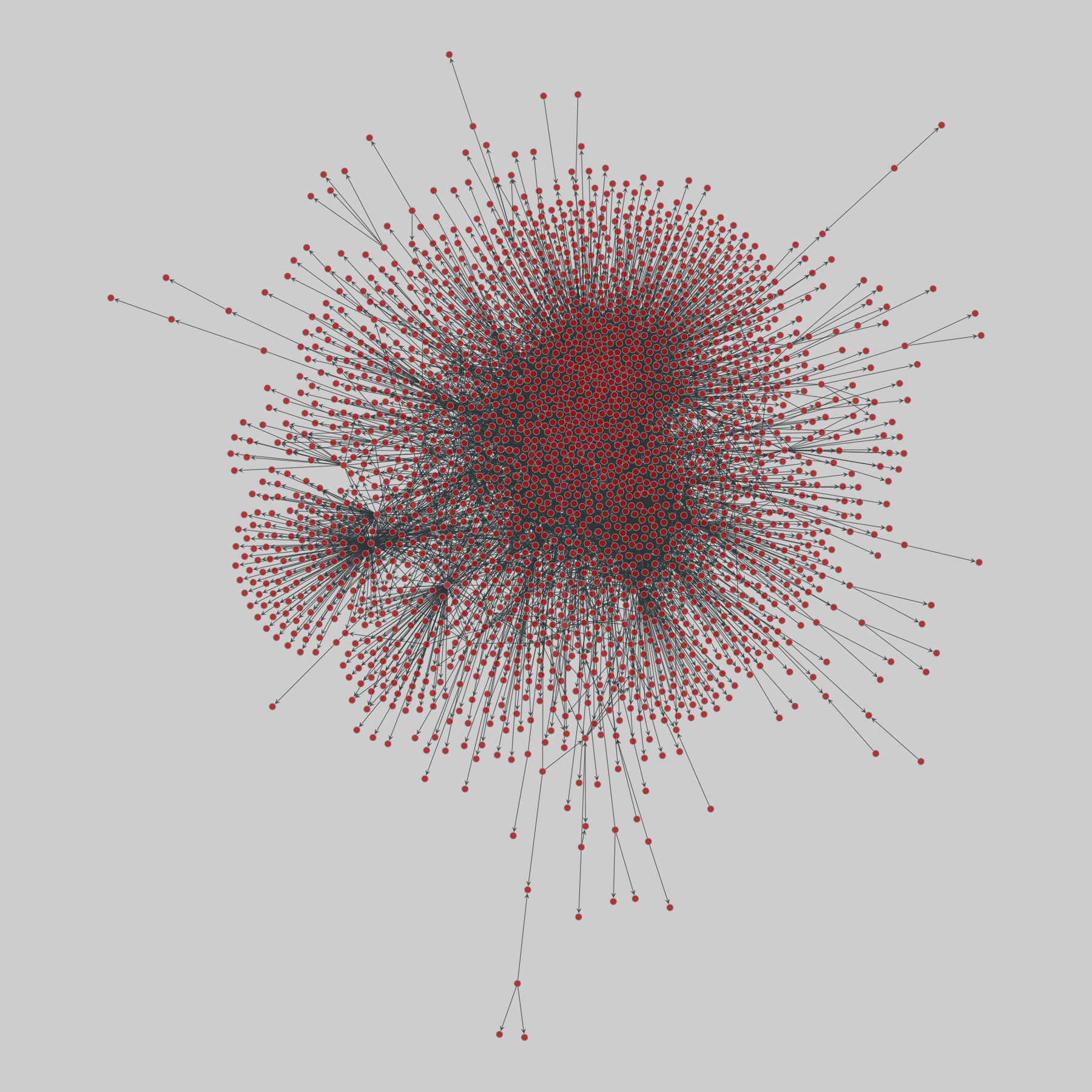
interactome_pdz: PDZ-domain interactome (2005)
A network of PDZ-domain-mediated protein–protein binding interactions, extracted from the PDZBase database. Nodes represent proteins and an edge represents a binding interaction between two proteins.
This network has 212 nodes and 244 edges.
Tags: Biological, Protein interactions, Unweighted
 @netzschleuder@social.skewed.de
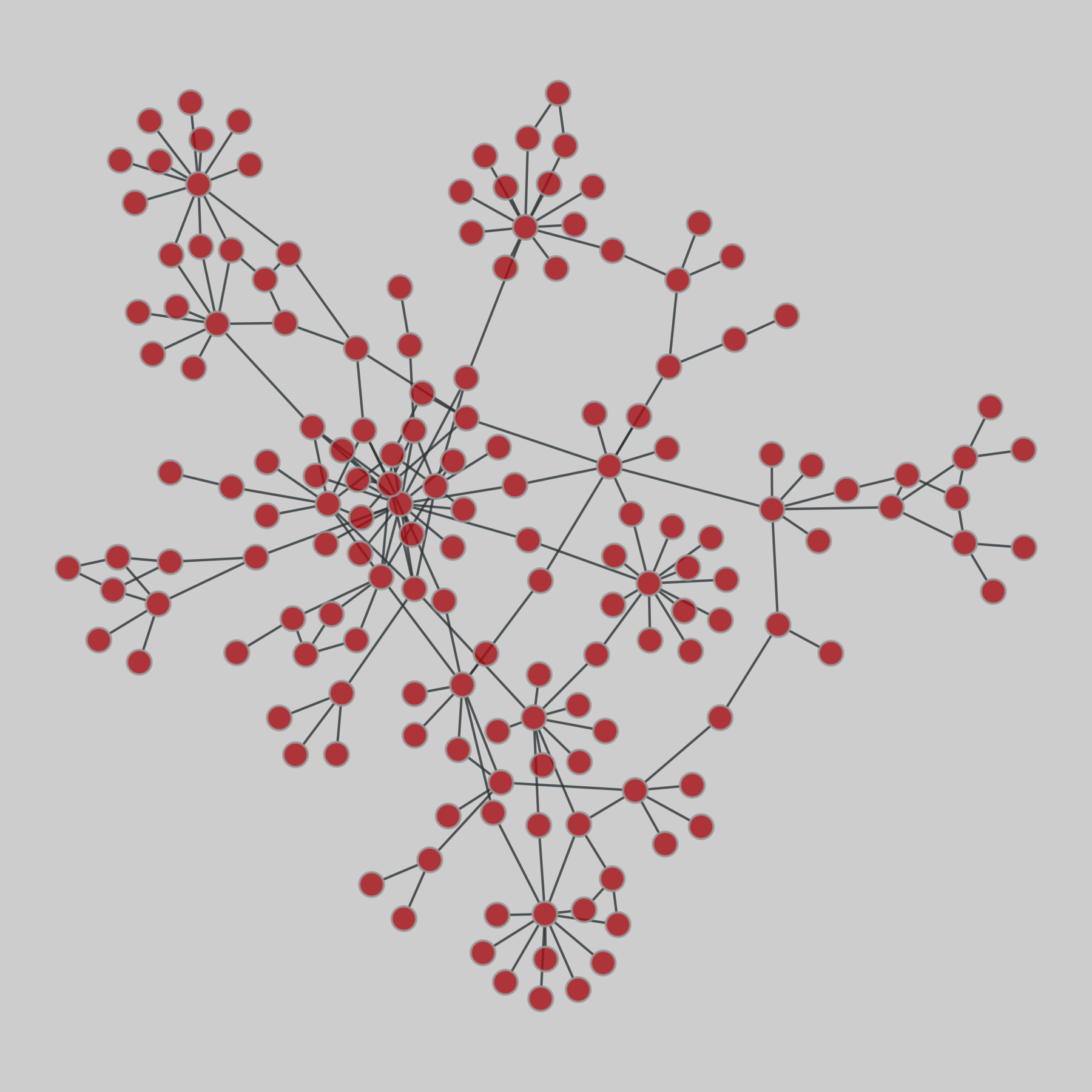
interactome_yeast: Coulomb yeast interactome (2005)
A network of protein-protein binding interactions among yeast proteins. Nodes represent proteins found in yeast (Saccharomyces cerevisiae) and an edge represents a binding interaction between two proteins.
This network has 1870 nodes and 2277 edges.
Tags: Biological, Protein interactions, Unweighted
 @netzschleuder@social.skewed.de
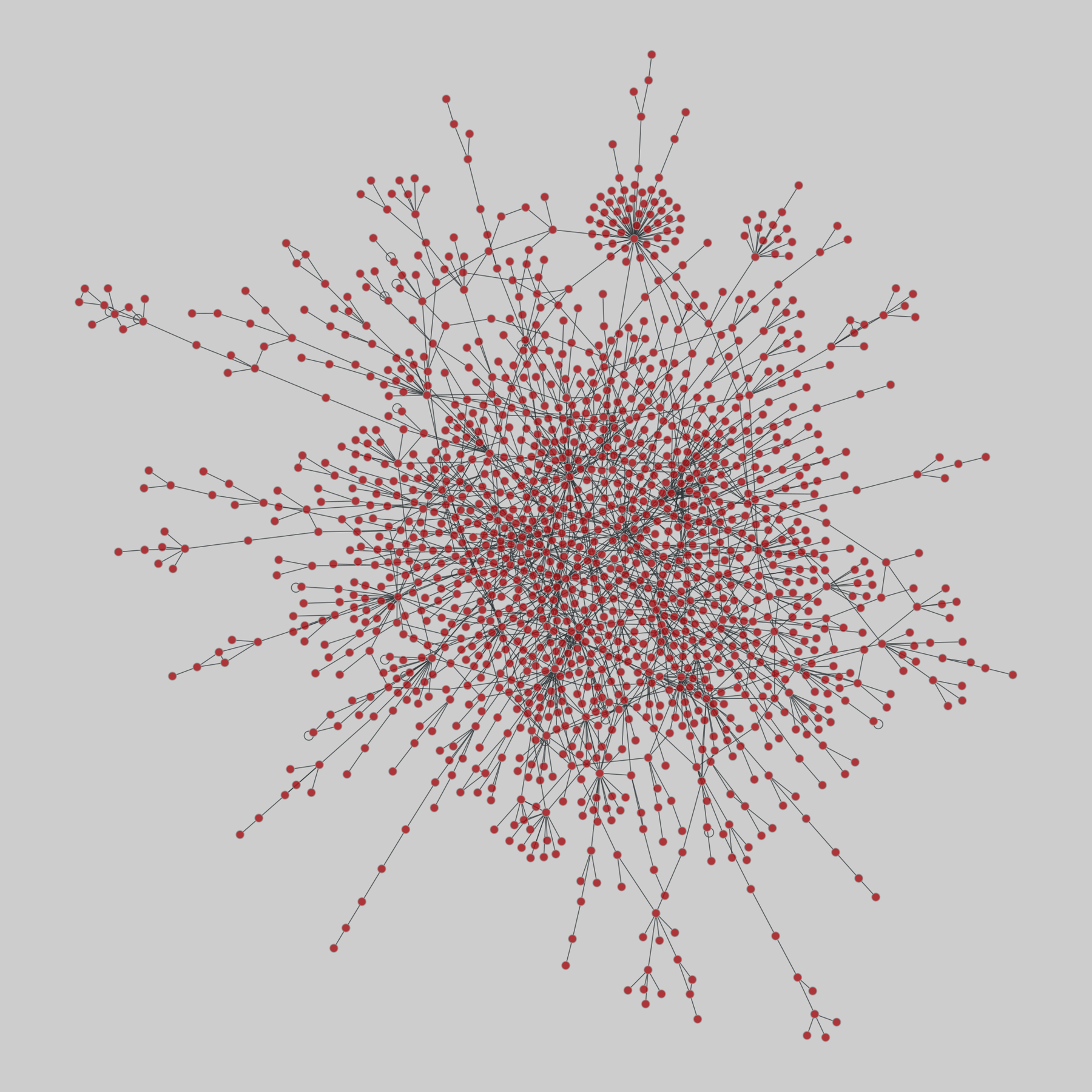
wiki_users: Wikipedia user interaction (2011)
A network derived from interactions between editors of the English language Wikipedia, as derived from the edit histories of 563 wiki pages related to politics. A positive sign indicates positive links such as trust or similarities, and a negative sign indicates distrust or disagreement.
This network has 138592 nodes and 740397 edges.
Tags: Social, Online, Signed
 @netzschleuder@social.skewed.de
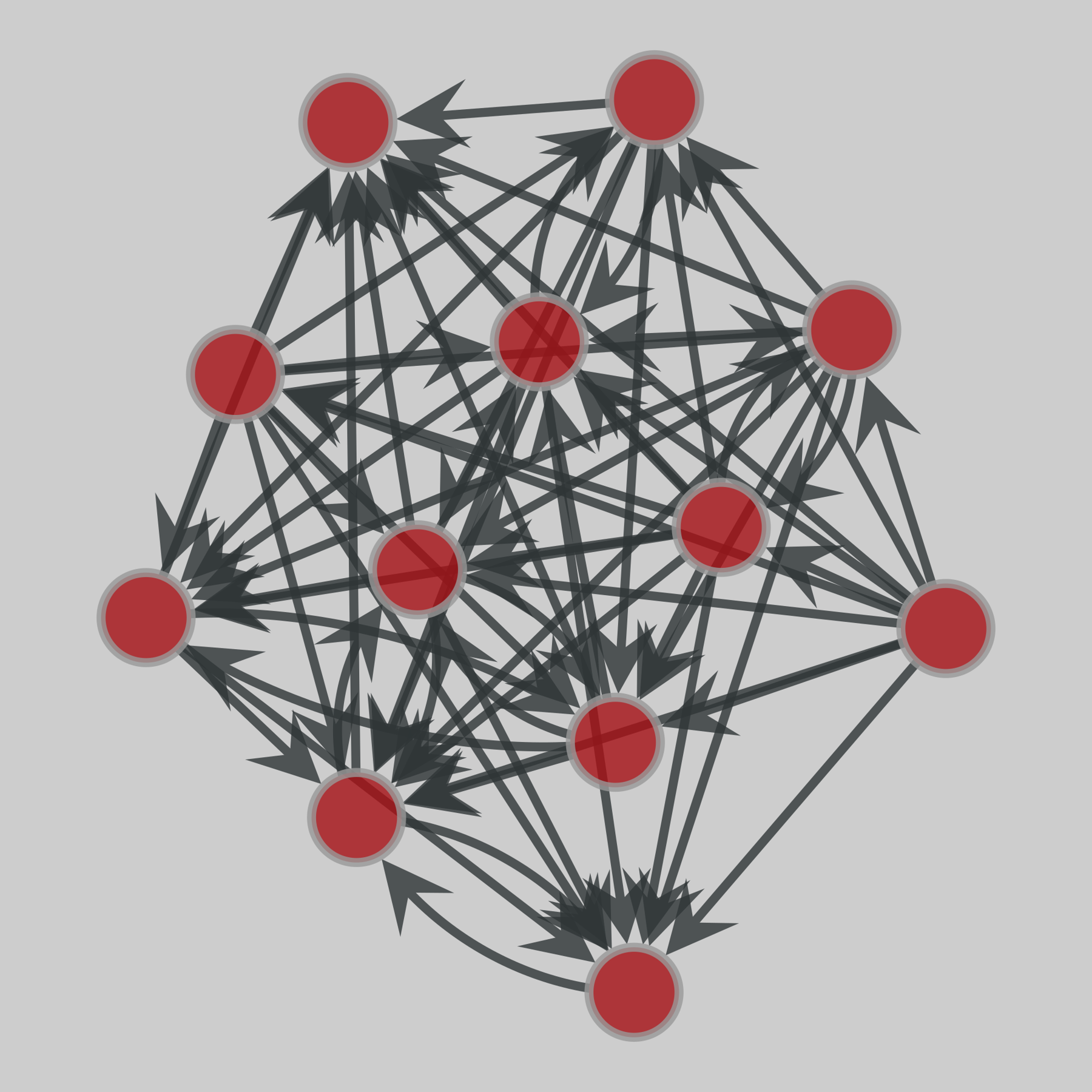
dom: Animal dominance archive (2022)
Animal dominance interaction data published over a century of research. The archive contains 434 agonistic interaction datasets, totaling over 241,000 interactions. A directed edge (i,j) corresponds to an antagonist interaction between i (winner) and j (loser). If a 'weight' edge property map exists, it counts the number of such interactions.
This network has 12 nodes and 68 edges.
Tags: Social, Animal, Weighted
 @netzschleuder@social.skewed.de
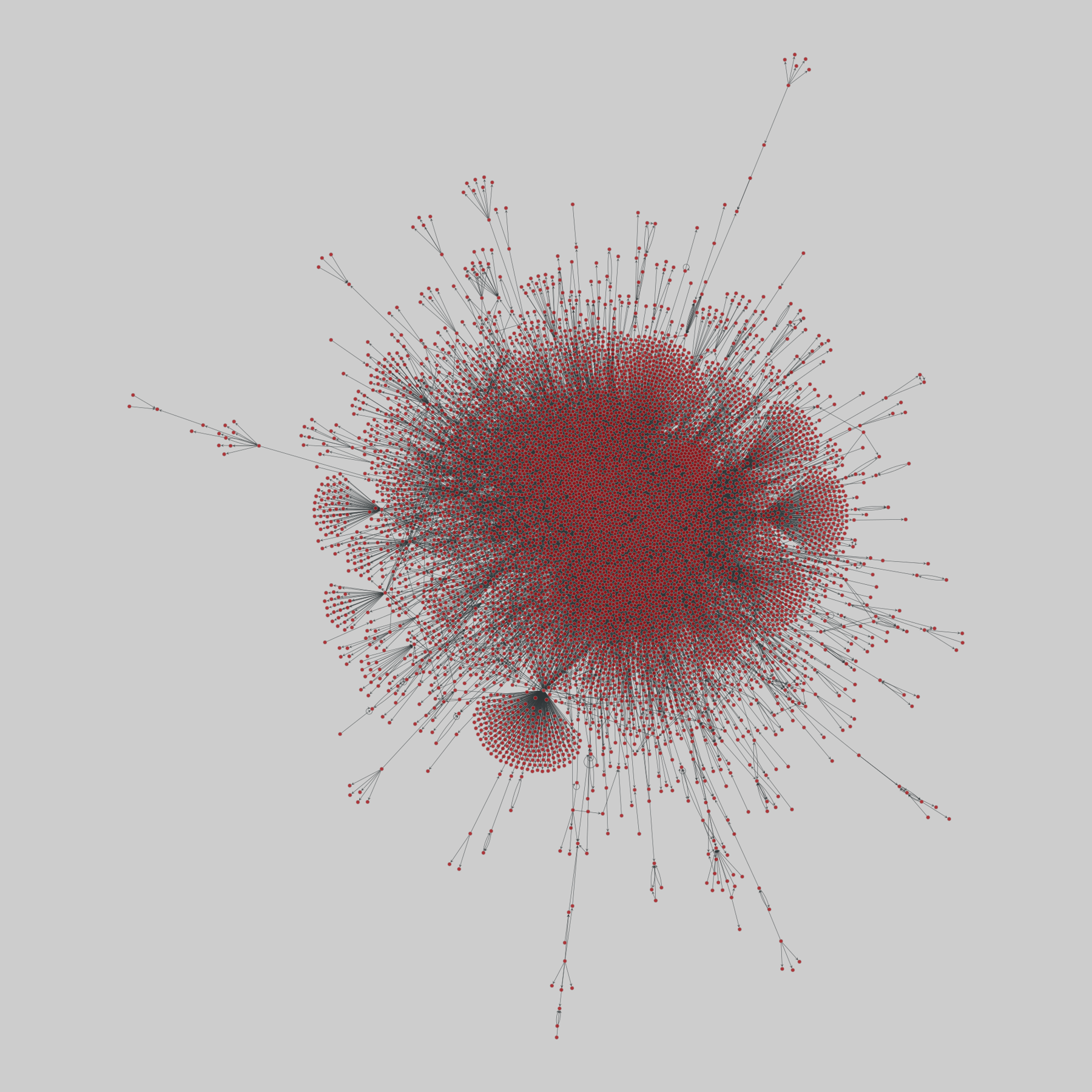
genetic_multiplex: Multiplex genetic interactions (2014)
Multiplex networks representing different types of genetic interactions, for different organisms. Layers represent (i) physical, (ii) association, (iii) co-localization, (iv) direct, and (v) suppressive, (vi) additive or synthetic genetic interaction. Edge direction (i,j) indicates gene i interacting with gene j.
This network has 7747 nodes and 19843 edges.
Tags: Biological, Gene regulation, Protein interactions, Unwe…
 @netzschleuder@social.skewed.de
fly_larva: Drosophila larva brain (2023)
A complete synaptic map of the brain connectome of the larva of the fruit fly Drosophila melanogaster. Nodes are neurons, and edges are synaptic connections, traced individually from brain image sections using three-dimensional electron microscopy–based reconstruction. Node metadata include the neuron hempisphere, hemispherical homologue, cell type, annotations, and inferred cluster. Edge metadata include the type of interaction (`'aa'`,…
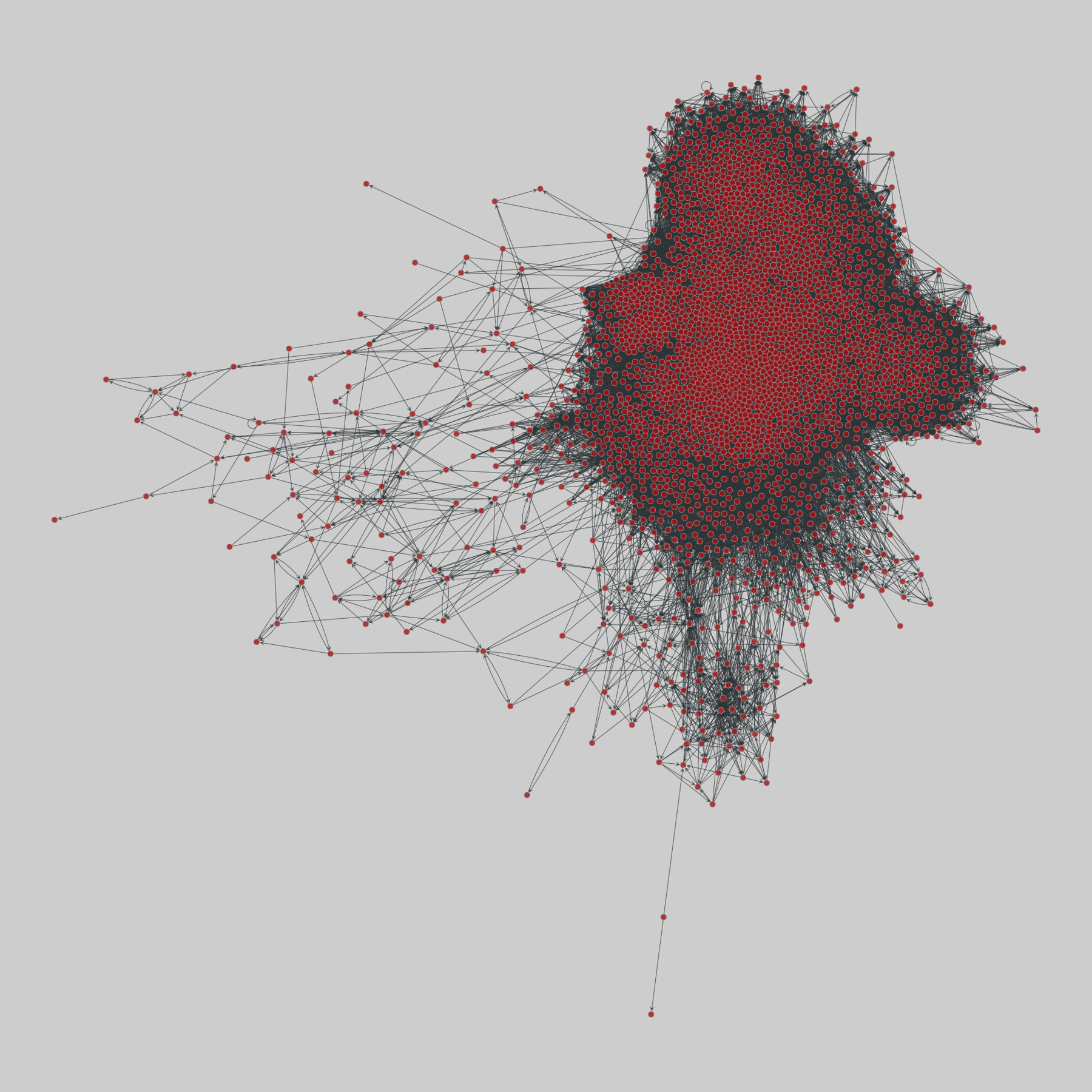 @netzschleuder@social.skewed.de
nematode_mammal: Global nematode–mammal interactions (2018)
A global interaction web of interactions between nematodes and their host mammal species, extracted from the helminthR package and dataset. Nodes are annotated with species-level information.
This network has 30516 nodes and 146683 edges.
Tags: Biological, Food web, Unweighted, Metadata
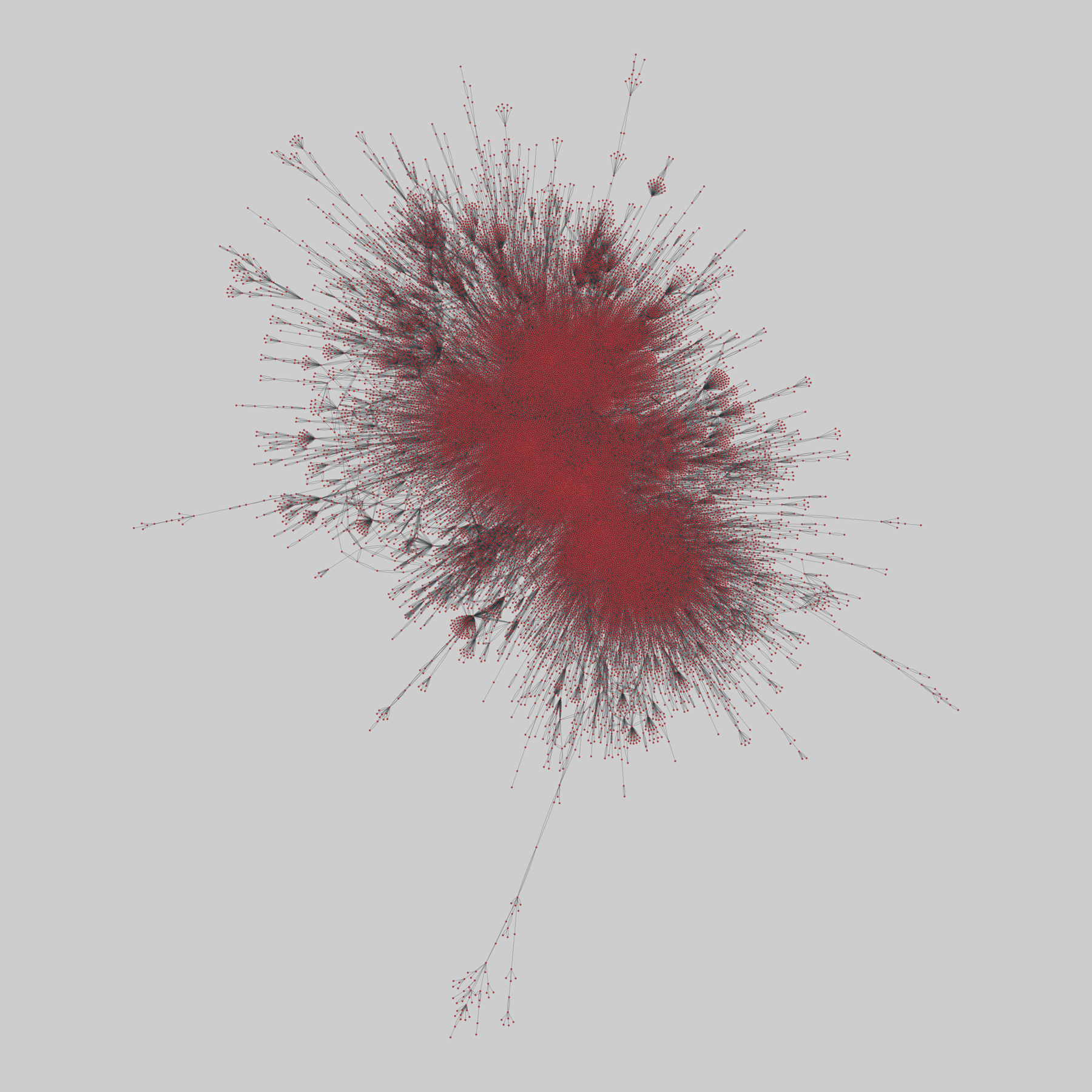 @netzschleuder@social.skewed.de
hens: White Leghorn hens (1946)
Dominance interactions (pecking) among a group of White Leghorn hens, observed in 1946. Edge weights represent the frequency of interaction. The two versions below are equivalent.
This network has 32 nodes and 496 edges.
Tags: Social, Animal, Weighted
https://networks.skewed.de/net/hens
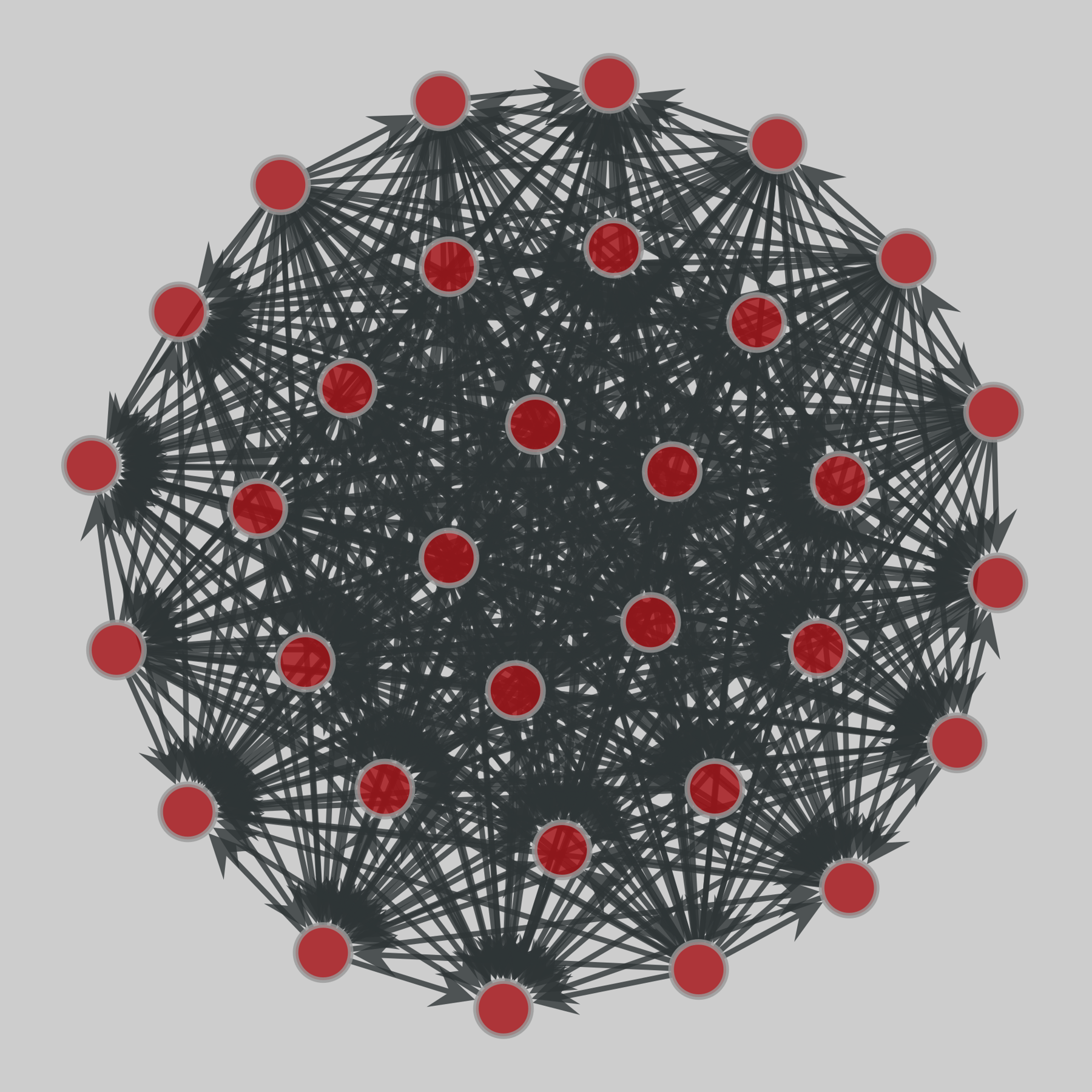 @netzschleuder@social.skewed.de
cattle: Dairy cattle (1955)
Dominance interactions among a group of dairy cattle at the Iberia Livestock Experiment Station in Jenerette, Louisiana. Edge weights represent the frequency of interaction. The two versions below are equivalent.
This network has 28 nodes and 217 edges.
Tags: Social, Animal, Weighted
https://ne…
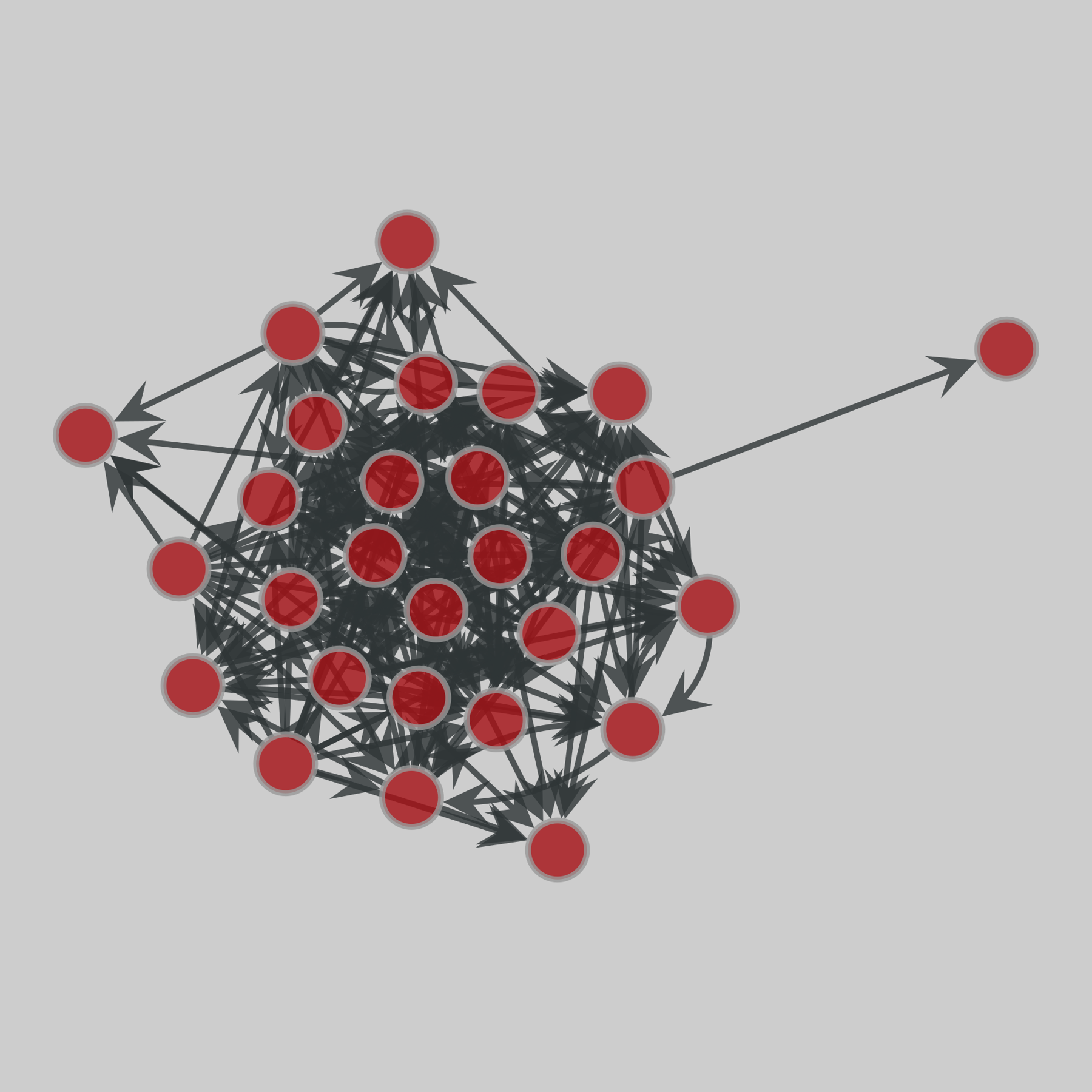 @netzschleuder@social.skewed.de
interactome_pdz: PDZ-domain interactome (2005)
A network of PDZ-domain-mediated protein–protein binding interactions, extracted from the PDZBase database. Nodes represent proteins and an edge represents a binding interaction between two proteins.
This network has 212 nodes and 244 edges.
Tags: Biological, Protein interactions, Unweighted
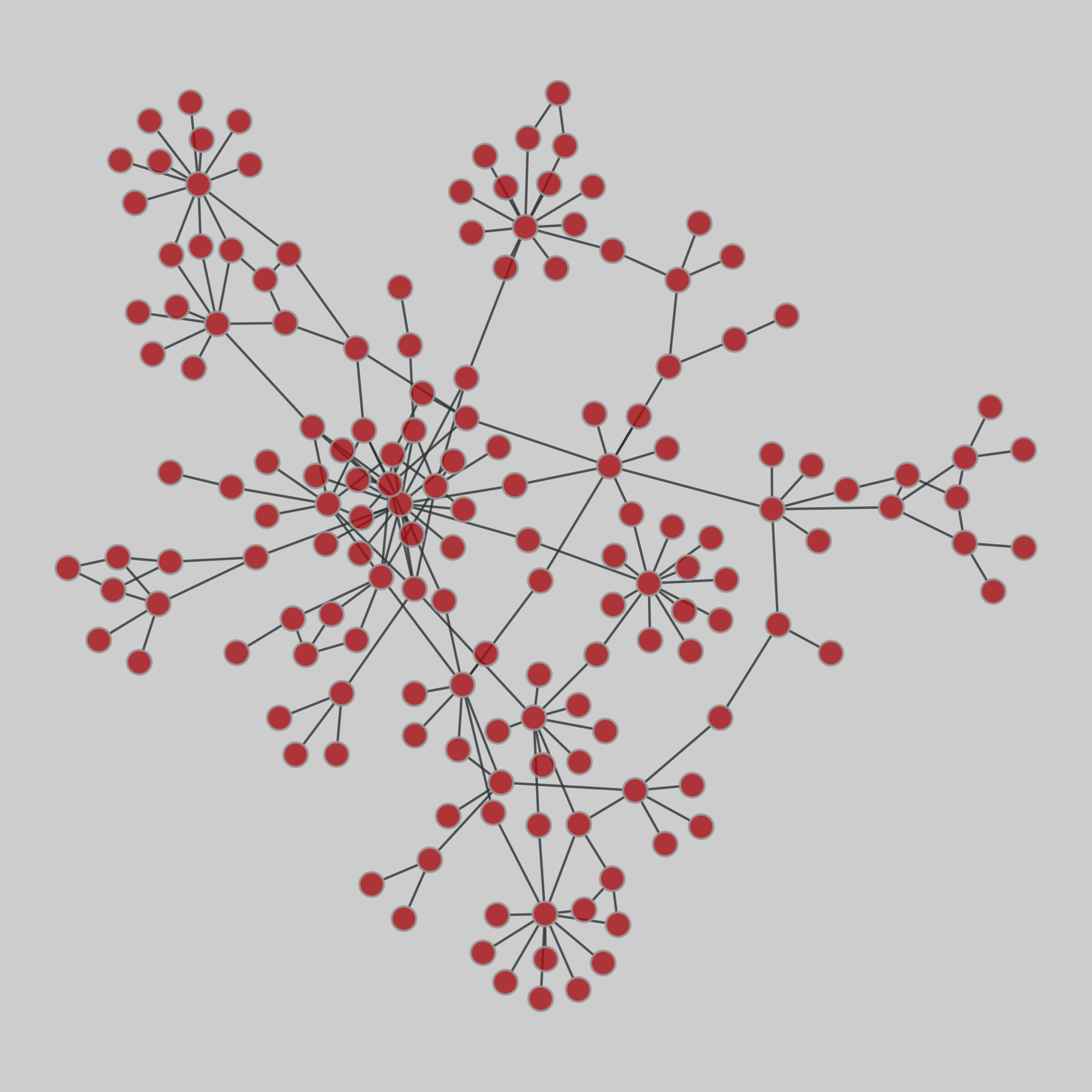 @netzschleuder@social.skewed.de
genetic_multiplex: Multiplex genetic interactions (2014)
Multiplex networks representing different types of genetic interactions, for different organisms. Layers represent (i) physical, (ii) association, (iii) co-localization, (iv) direct, and (v) suppressive, (vi) additive or synthetic genetic interaction. Edge direction (i,j) indicates gene i interacting with gene j.
This network has 6980 nodes and 18655 edges.
Tags: Biological, Gene regulation, Protein interactions, Unwe…
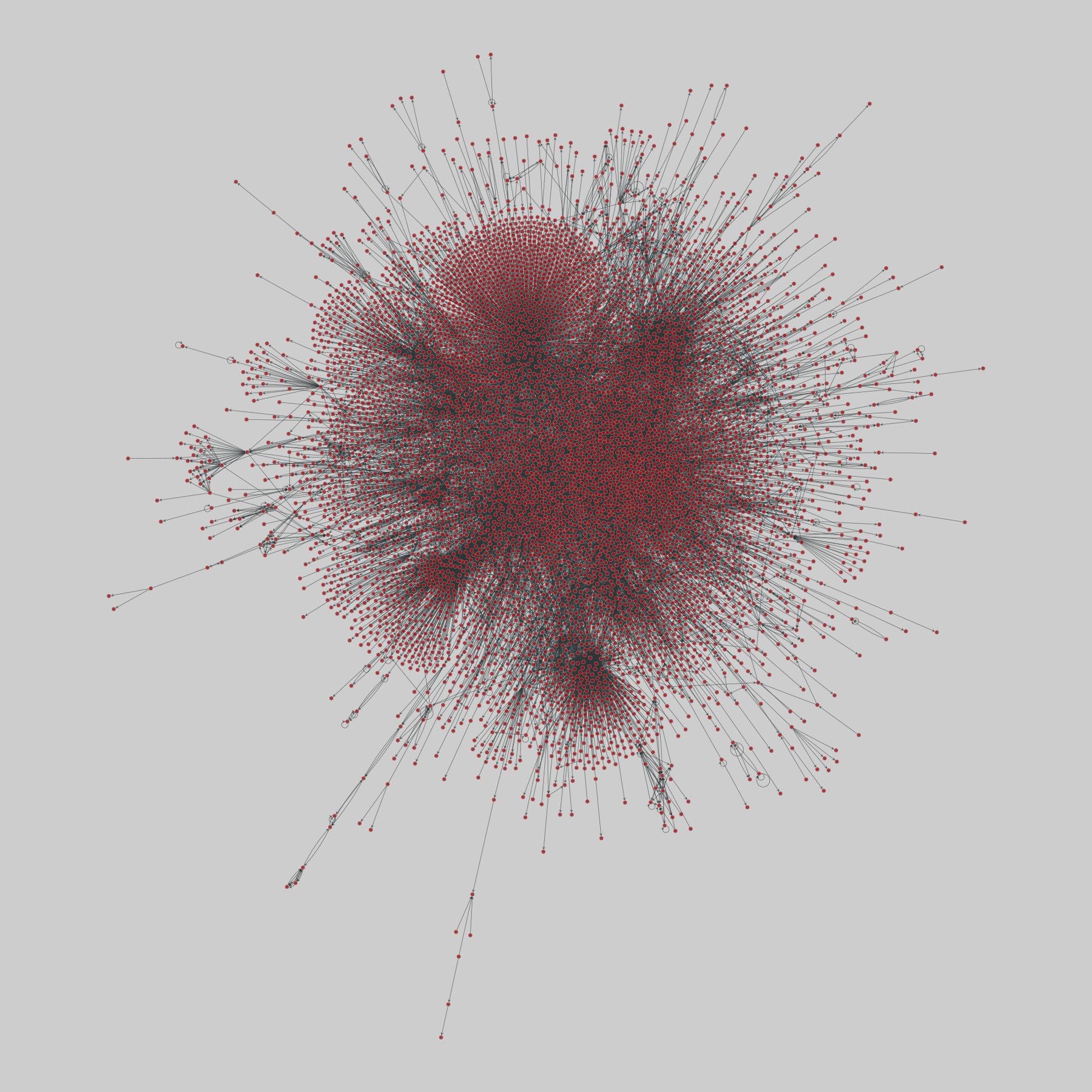 @netzschleuder@social.skewed.de
interactome_stelzl: Stelzl human interactome (2005)
A network of human proteins and their binding interactions. Nodes represent proteins and an edge represents an interaction between two proteins, as inferred via high-throughput Y2H experiments using bait and prey methodology.
This network has 1706 nodes and 6207 edges.
Tags: Biological, Protein interactions, Unweighted
 @netzschleuder@social.skewed.de
wiki_users: Wikipedia user interaction (2011)
A network derived from interactions between editors of the English language Wikipedia, as derived from the edit histories of 563 wiki pages related to politics. A positive sign indicates positive links such as trust or similarities, and a negative sign indicates distrust or disagreement.
This network has 138592 nodes and 740397 edges.
Tags: Social, Online, Signed
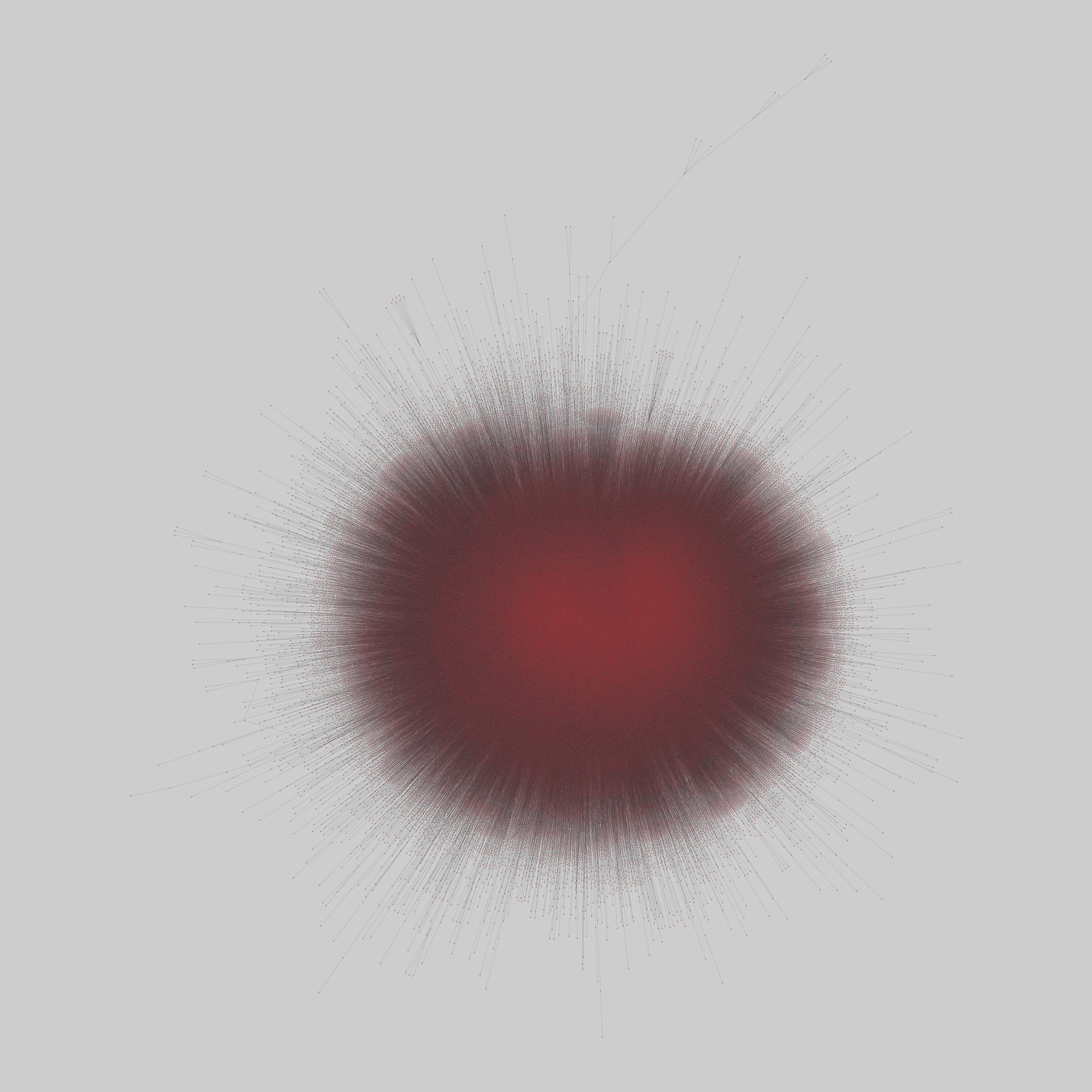 @netzschleuder@social.skewed.de
moreno_sheep: Bighorn sheep (1984)
Dominance interactions among a group of female bighorn sheep (Ovis canadensis) from the National Bison Range in western Montana USA, over a 27 month period ending in 1984. Edge weights represent the frequency of interaction. Metadata gives the sheep ages, roughly.
This network has 28 nodes and 250 edges.
Tags: Social, Animal, Weighted, Metadata
 @netzschleuder@social.skewed.de
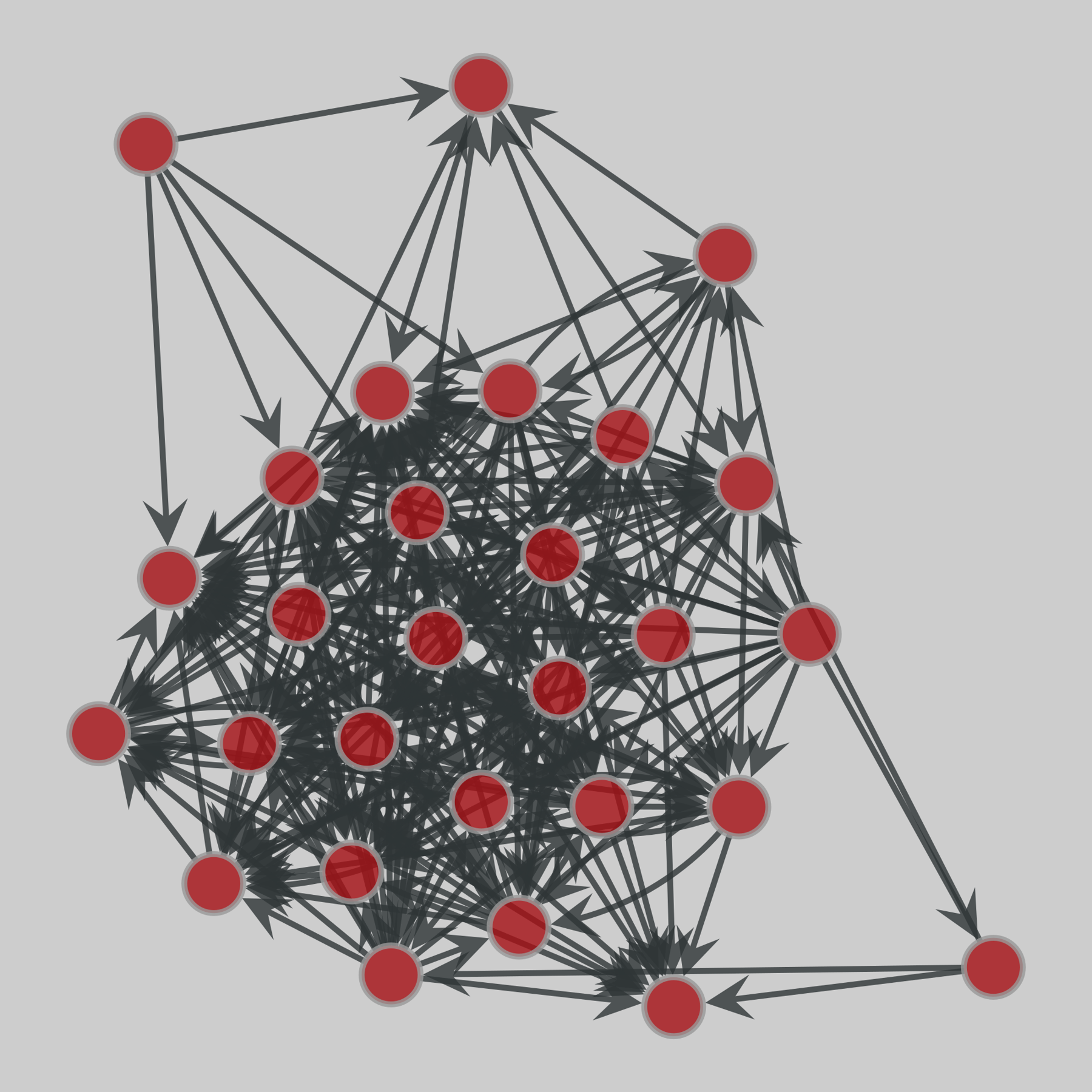
blumenau_drug: Blumenau drug interactions (2019)
A network of drug-drug interactions, extracted from 18 months of electronic health records (EHRs) from the city of Blumenau in Southern Brazil. Nodes are annotated with drug information (separate file), and edges are weighted by the severity of the interaction, along with other information.
This network has 75 nodes and 181 edges.
Tags: Biological, Drug interactions, Weighted, Metadata
 @netzschleuder@social.skewed.de
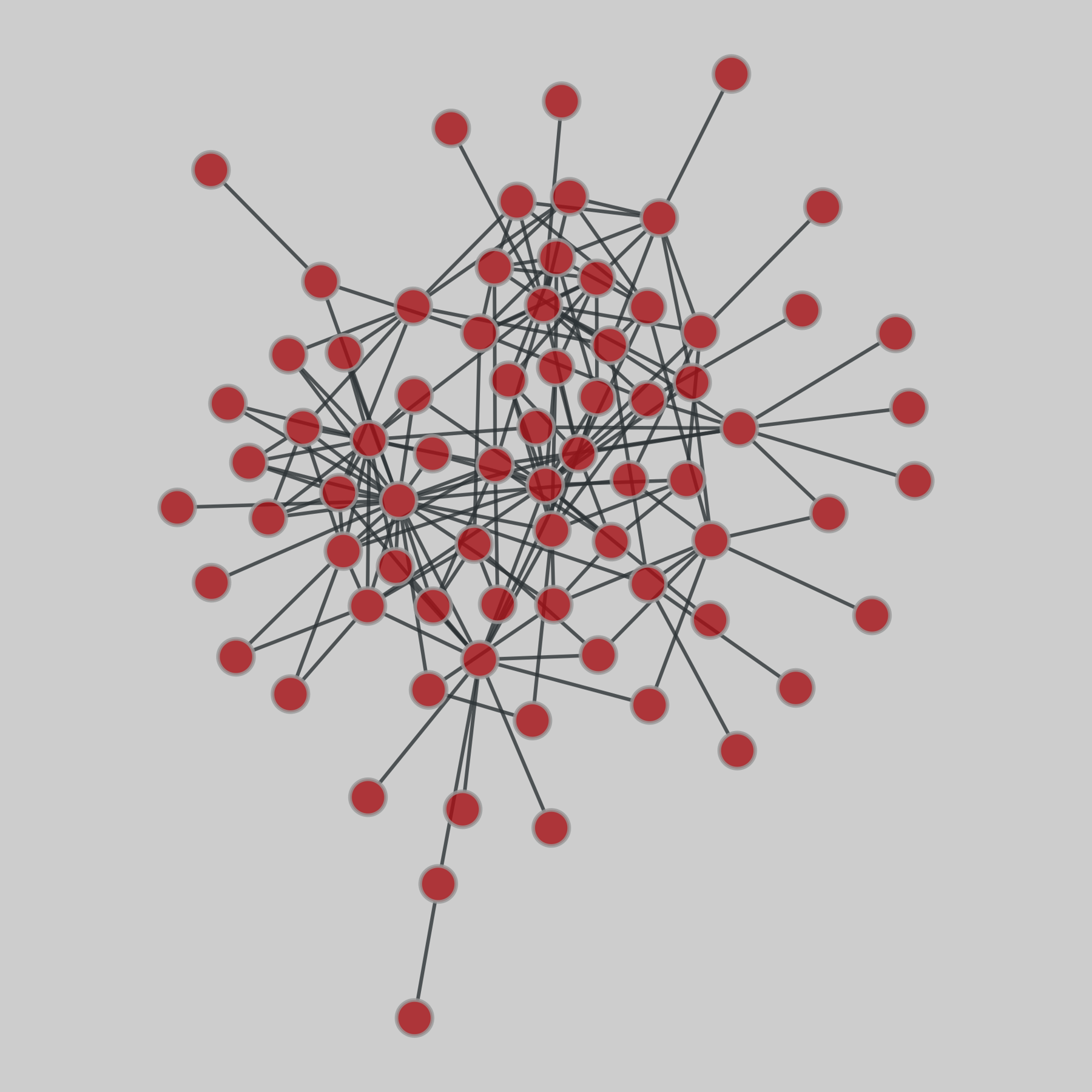
plant_pol_vazquez: Vazquez & Simberloff plant-pollinator webs
Eight bipartite networks of plants and pollinators, from the Nahuel Huapi National Park and surrounding areas in Rio Negro, Argentina, from September 1999 to Feburary 2000. Edge weights represent the frequency of species interaction, and there is a common set of vertices across all eight webs.
This network has 144 nodes and 39 edges.
Tags: Biological, Food web, Weighted, Multilayer
 @netzschleuder@social.skewed.de
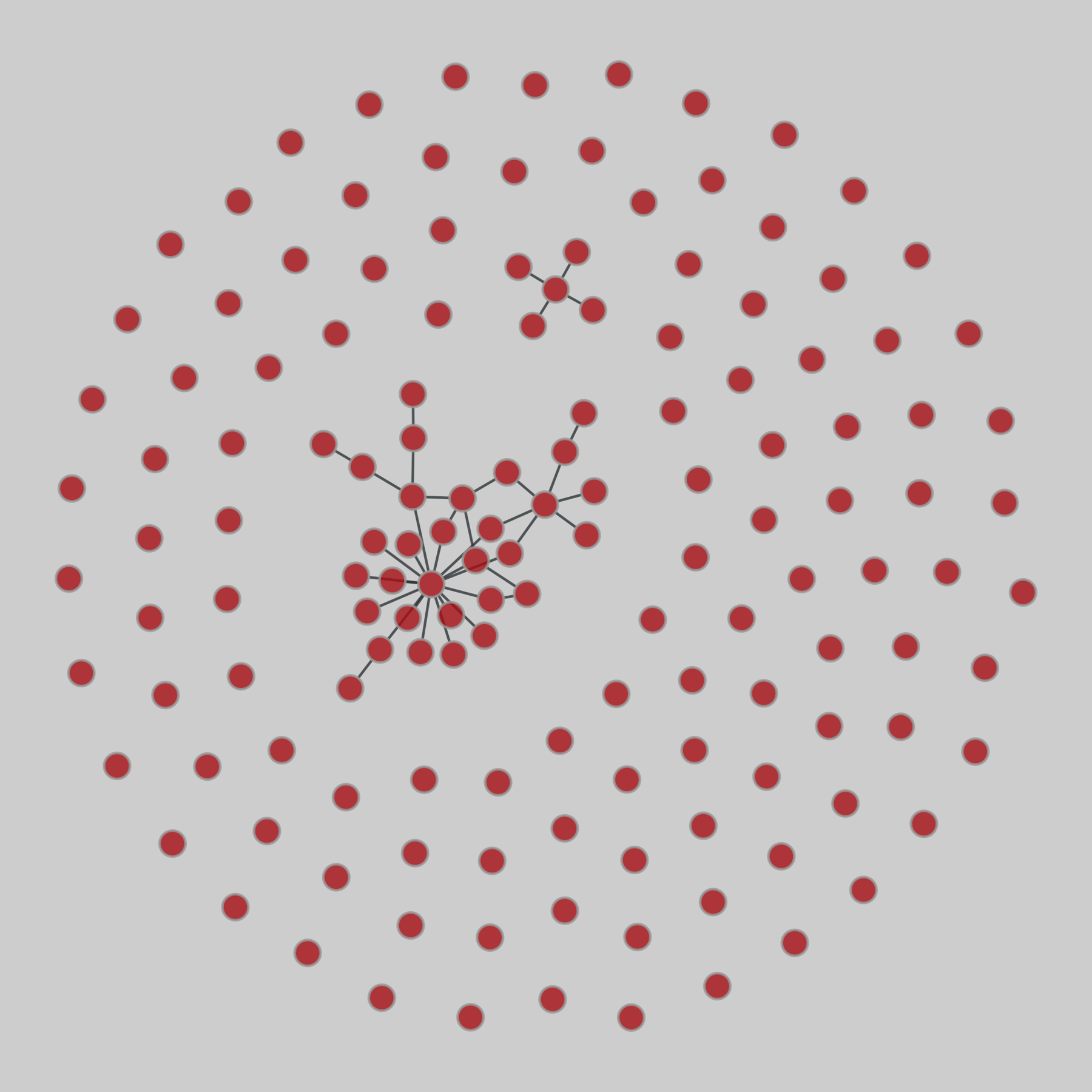
genetic_multiplex: Multiplex genetic interactions (2014)
Multiplex networks representing different types of genetic interactions, for different organisms. Layers represent (i) physical, (ii) association, (iii) co-localization, (iv) direct, and (v) suppressive, (vi) additive or synthetic genetic interaction. Edge direction (i,j) indicates gene i interacting with gene j.
This network has 7747 nodes and 19843 edges.
Tags: Biological, Gene regulation, Protein interactions, Unwe…
 @netzschleuder@social.skewed.de
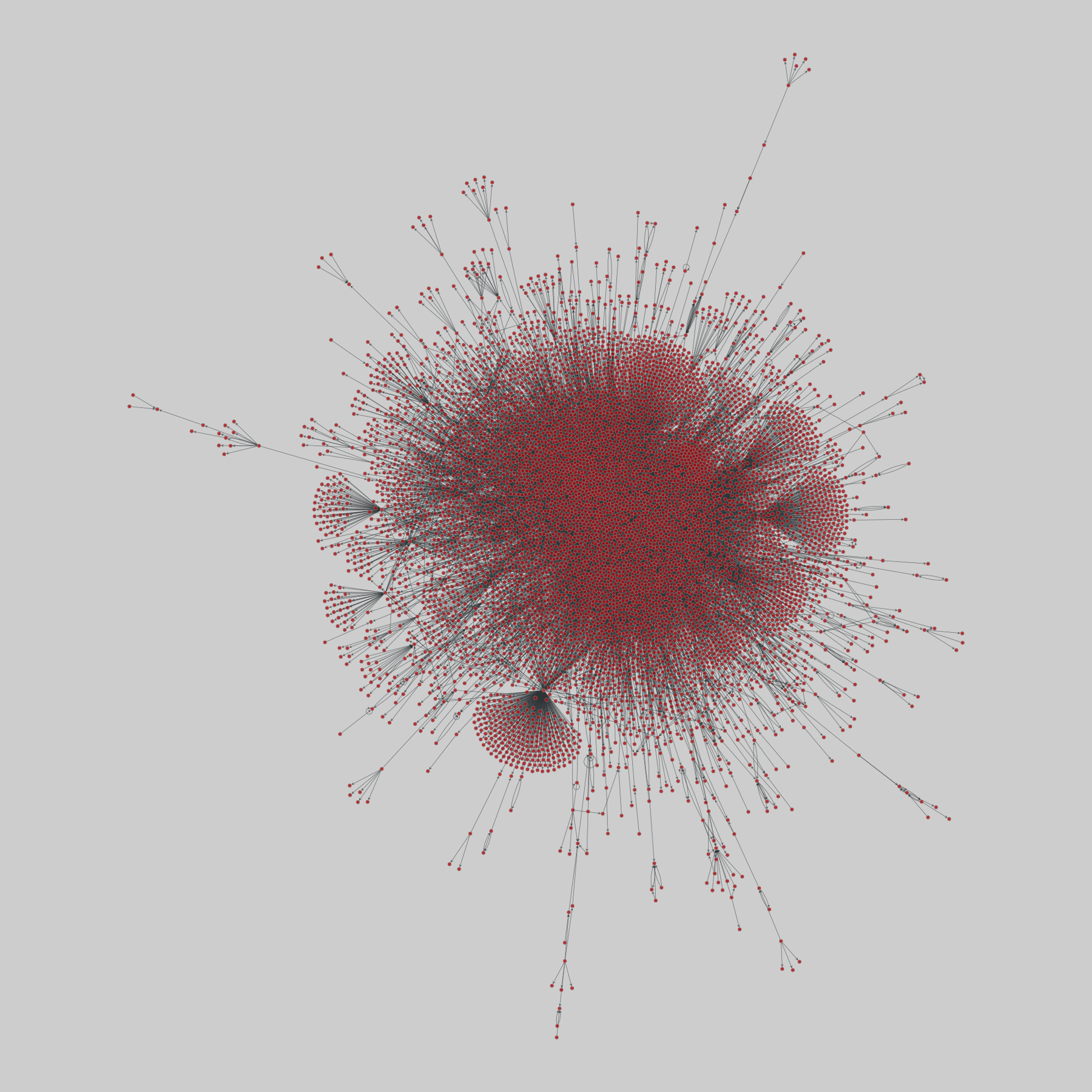
mist: MIST protein interaction database (2020)
The Molecular Interaction Search Tool (MIST) is a comprehensive resource of molecular interactions, assembled from severla primary sources. MIST currently supports several species, including:.
This network has 9815 nodes and 318298 edges.
Tags: Biological, Protein interactions, Unweighted
 @netzschleuder@social.skewed.de
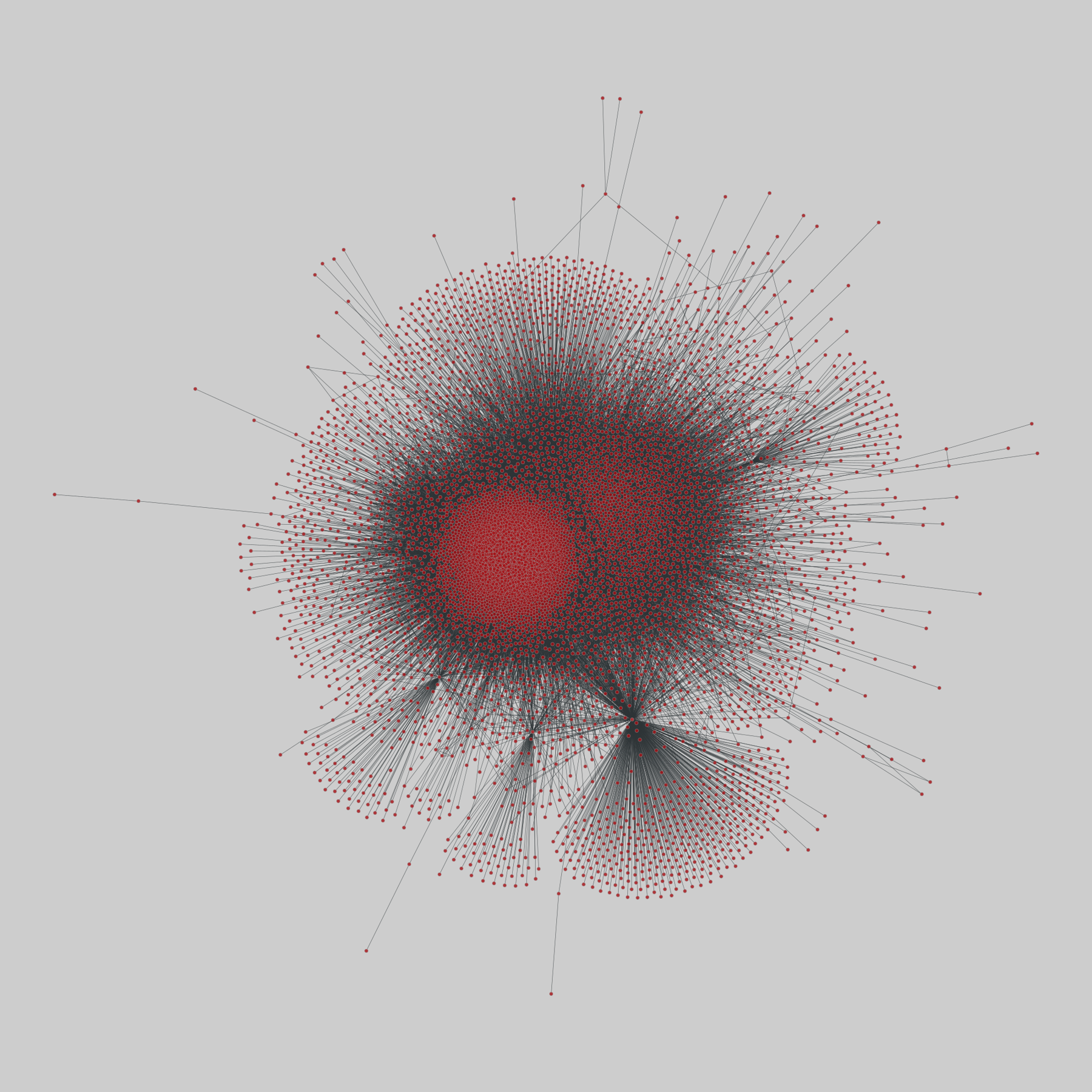
wiki_users: Wikipedia user interaction (2011)
A network derived from interactions between editors of the English language Wikipedia, as derived from the edit histories of 563 wiki pages related to politics. A positive sign indicates positive links such as trust or similarities, and a negative sign indicates distrust or disagreement.
This network has 138592 nodes and 740397 edges.
Tags: Social, Online, Signed
 @netzschleuder@social.skewed.de
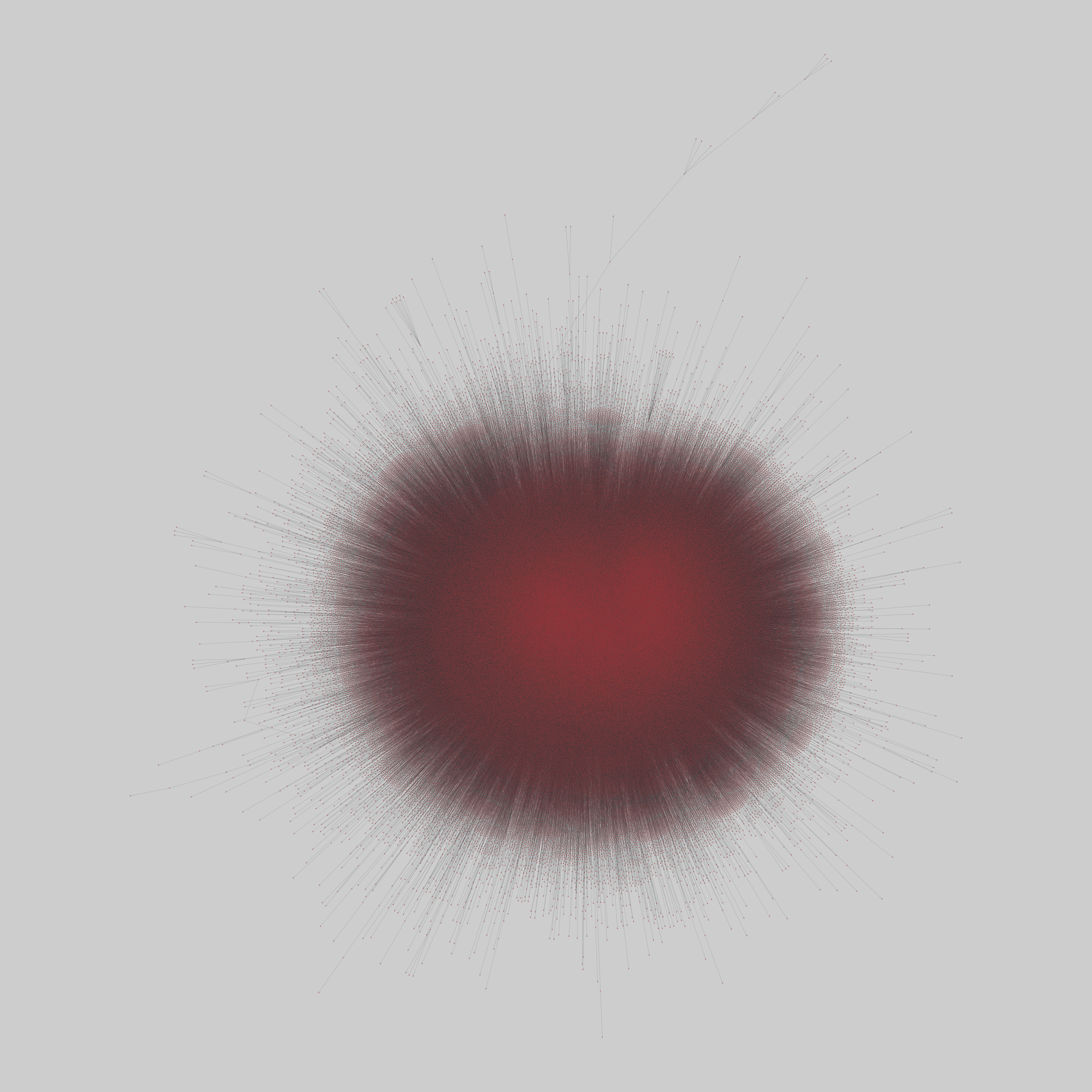
interactome_stelzl: Stelzl human interactome (2005)
A network of human proteins and their binding interactions. Nodes represent proteins and an edge represents an interaction between two proteins, as inferred via high-throughput Y2H experiments using bait and prey methodology.
This network has 1706 nodes and 6207 edges.
Tags: Biological, Protein interactions, Unweighted
 @netzschleuder@social.skewed.de
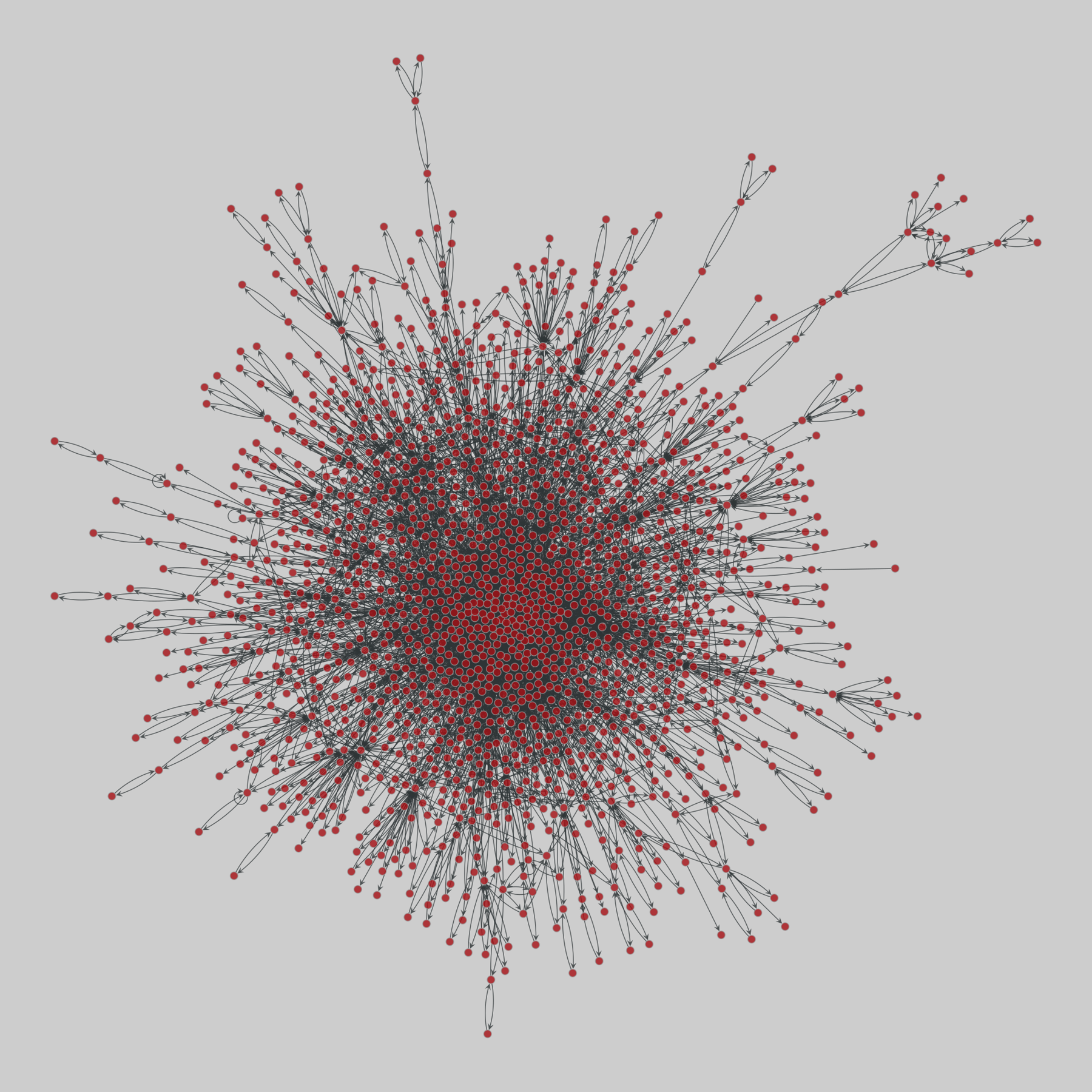
macaques: Japanese macaques (1976)
Dominance interactions among a group of adult female Japanese macaques (Macaca fuscata fuscata), observed during a non-mating season in 1976. Edge weights represent the frequency of interaction.
This network has 62 nodes and 1187 edges.
Tags: Social, Animal, Weighted
https://networks.s…
 @netzschleuder@social.skewed.de
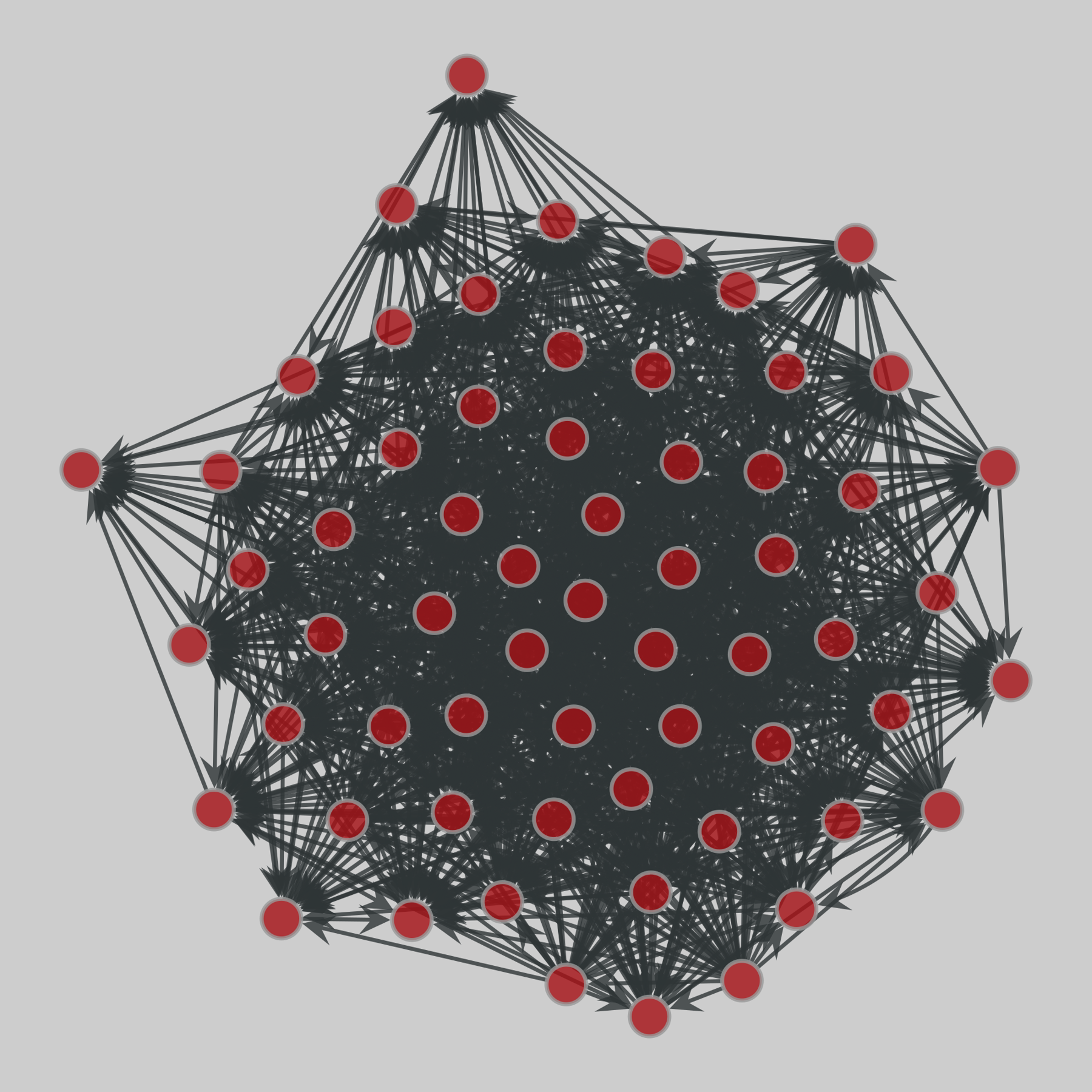
interactome_pdz: PDZ-domain interactome (2005)
A network of PDZ-domain-mediated protein–protein binding interactions, extracted from the PDZBase database. Nodes represent proteins and an edge represents a binding interaction between two proteins.
This network has 212 nodes and 244 edges.
Tags: Biological, Protein interactions, Unweighted
 @netzschleuder@social.skewed.de
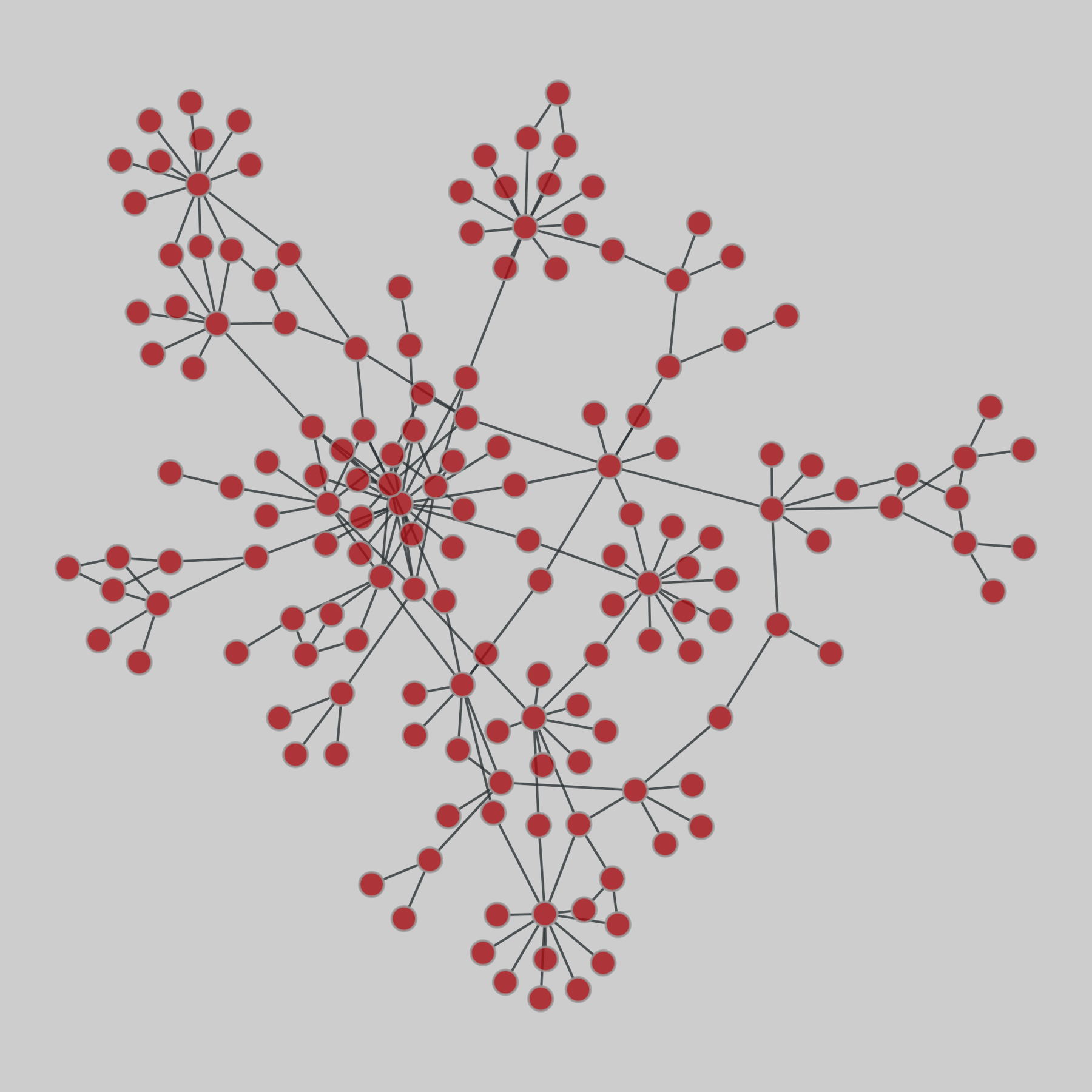
moreno_sheep: Bighorn sheep (1984)
Dominance interactions among a group of female bighorn sheep (Ovis canadensis) from the National Bison Range in western Montana USA, over a 27 month period ending in 1984. Edge weights represent the frequency of interaction. Metadata gives the sheep ages, roughly.
This network has 28 nodes and 250 edges.
Tags: Social, Animal, Weighted, Metadata
 @netzschleuder@social.skewed.de
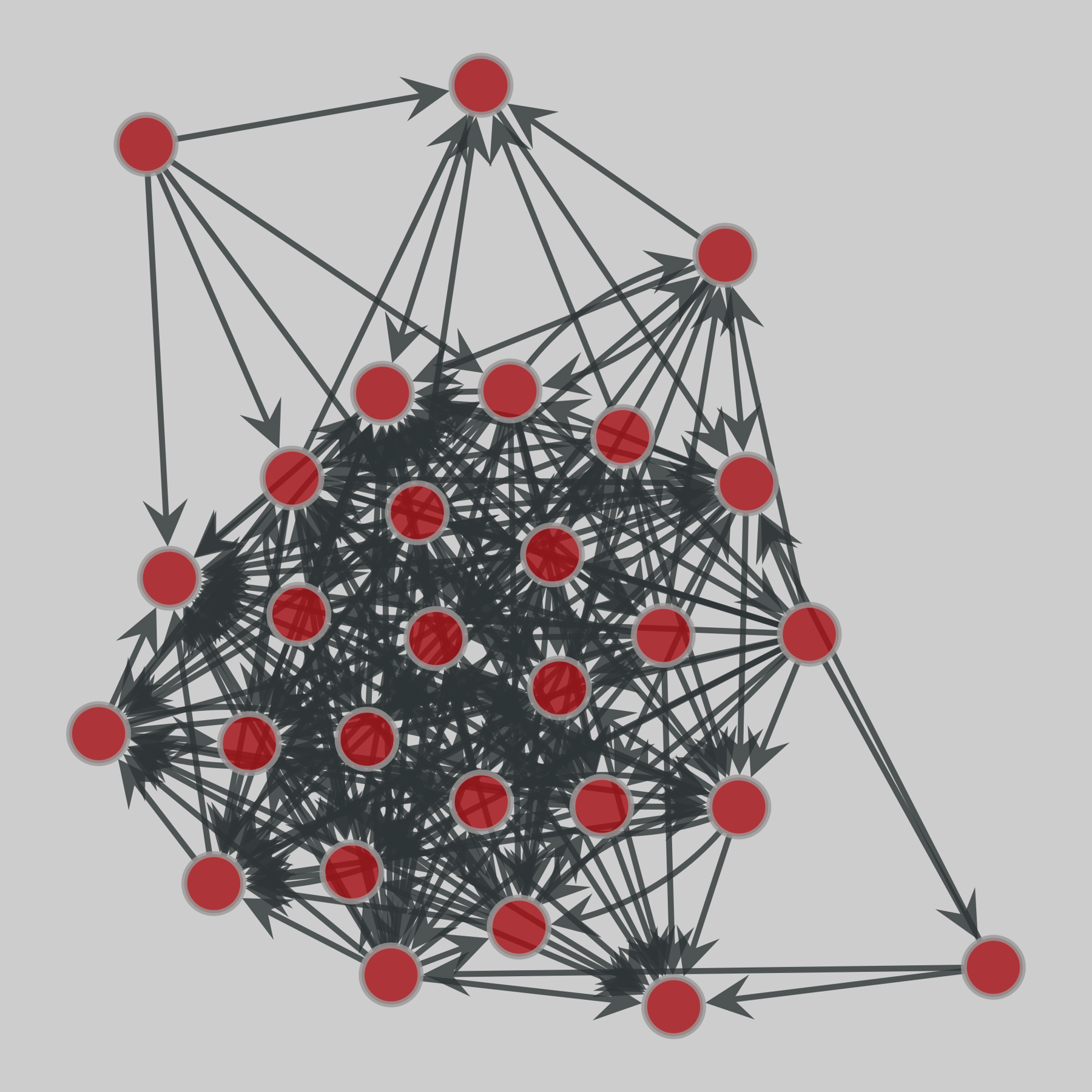
wiki_users: Wikipedia user interaction (2011)
A network derived from interactions between editors of the English language Wikipedia, as derived from the edit histories of 563 wiki pages related to politics. A positive sign indicates positive links such as trust or similarities, and a negative sign indicates distrust or disagreement.
This network has 138592 nodes and 740397 edges.
Tags: Social, Online, Signed
 @netzschleuder@social.skewed.de
mist: MIST protein interaction database (2020)
The Molecular Interaction Search Tool (MIST) is a comprehensive resource of molecular interactions, assembled from severla primary sources. MIST currently supports several species, including:.
This network has 17845 nodes and 789779 edges.
Tags: Biological, Protein interactions, Unweighted
 @netzschleuder@social.skewed.de
mist: MIST protein interaction database (2020)
The Molecular Interaction Search Tool (MIST) is a comprehensive resource of molecular interactions, assembled from severla primary sources. MIST currently supports several species, including:.
This network has 8699 nodes and 317814 edges.
Tags: Biological, Protein interactions, Unweighted
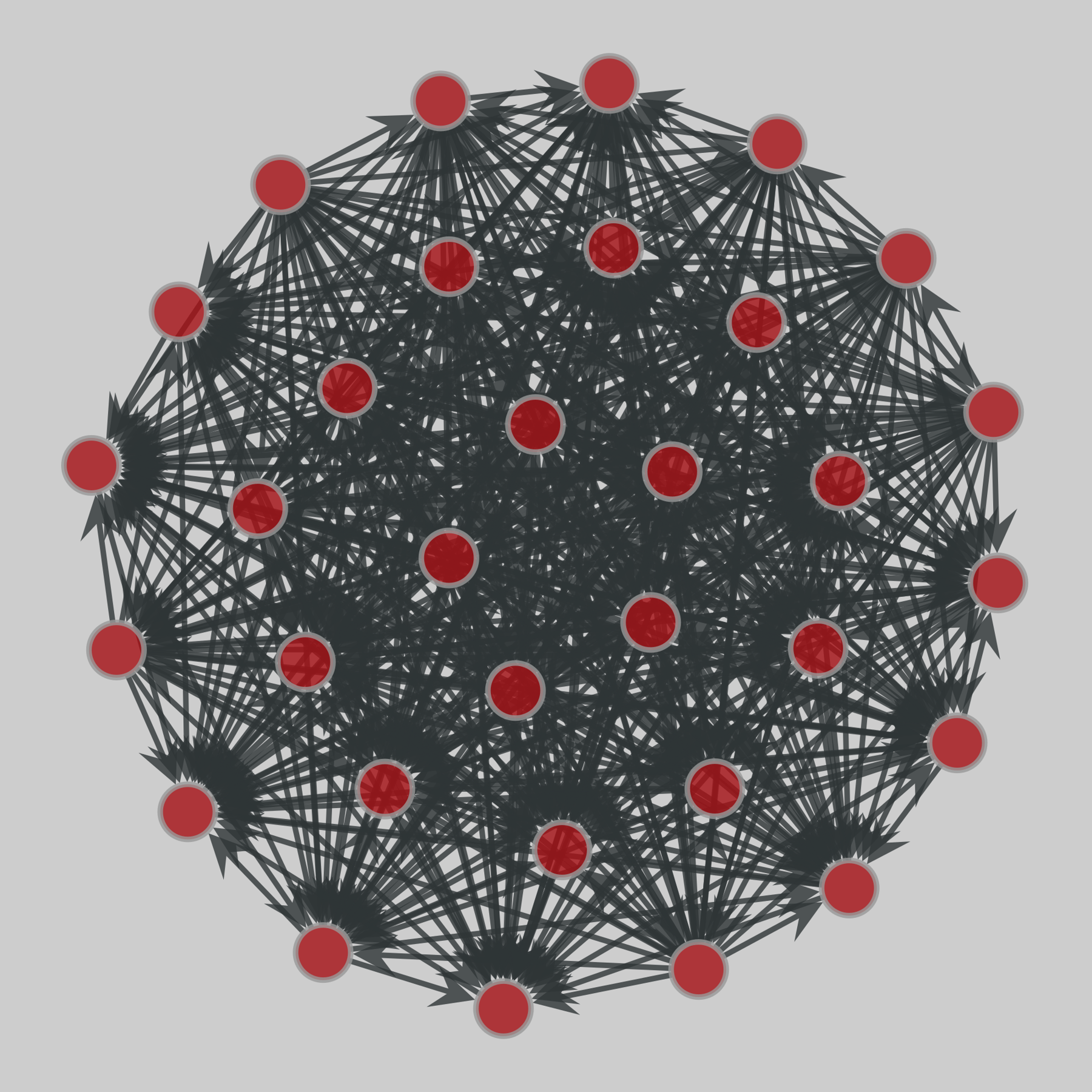
 @netzschleuder@social.skewed.de
hens: White Leghorn hens (1946)
Dominance interactions (pecking) among a group of White Leghorn hens, observed in 1946. Edge weights represent the frequency of interaction. The two versions below are equivalent.
This network has 32 nodes and 496 edges.
Tags: Social, Animal, Weighted
https://networks.skewed.de/net/hens
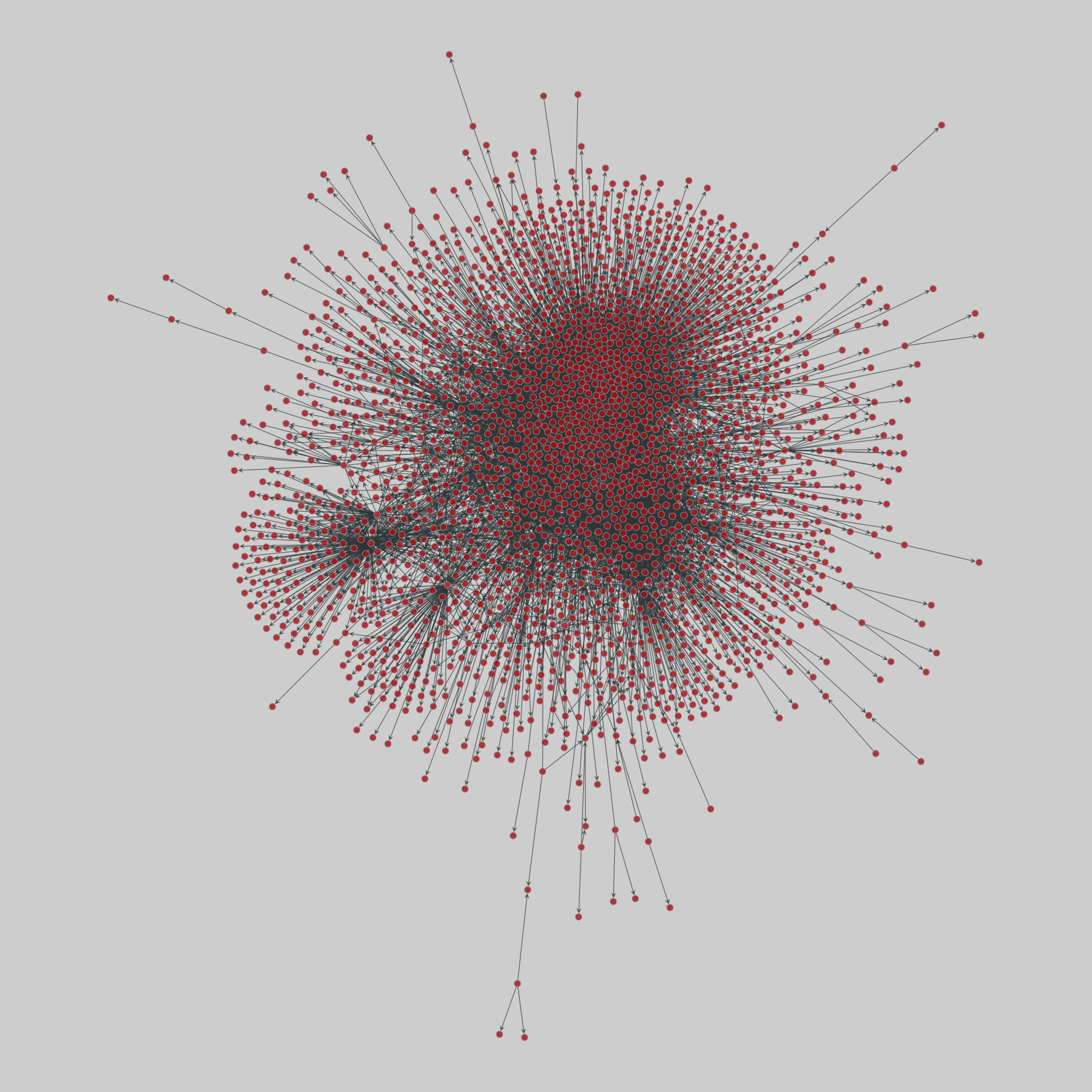
 @netzschleuder@social.skewed.de
interactome_figeys: Figeys human interactome (2007)
A network of human proteins and their binding interactions. Nodes represent proteins and an edge represents an interaction between two proteins, as inferred using a mass spectrometry‐based approach.
This network has 2239 nodes and 6452 edges.
Tags: Biological, Protein interactions, Unweighted
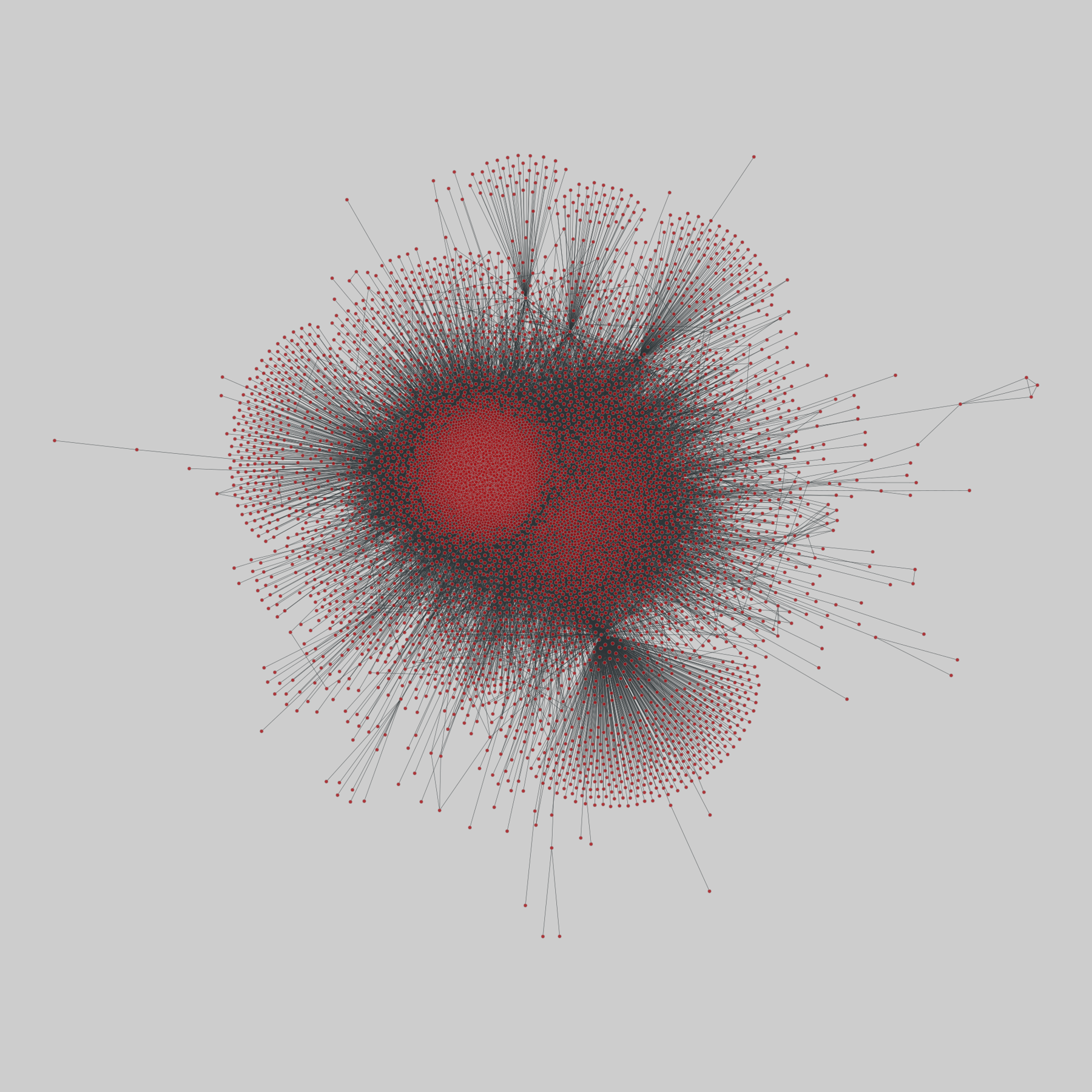
 @netzschleuder@social.skewed.de
mist: MIST protein interaction database (2020)
The Molecular Interaction Search Tool (MIST) is a comprehensive resource of molecular interactions, assembled from severla primary sources. MIST currently supports several species, including:.
This network has 7946 nodes and 250780 edges.
Tags: Biological, Protein interactions, Unweighted
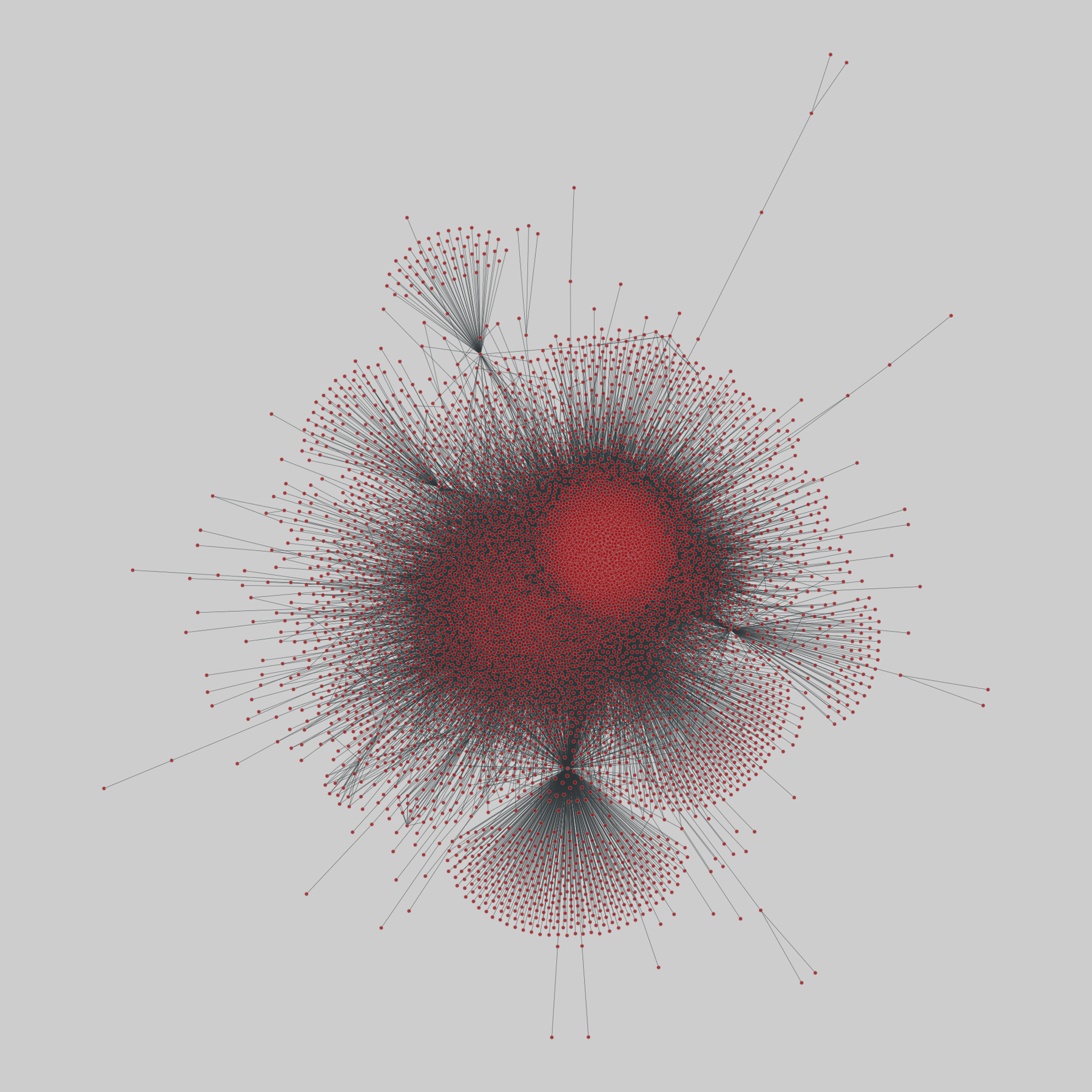 @netzschleuder@social.skewed.de
nematode_mammal: Global nematode–mammal interactions (2018)
A global interaction web of interactions between nematodes and their host mammal species, extracted from the helminthR package and dataset. Nodes are annotated with species-level information.
This network has 30516 nodes and 146683 edges.
Tags: Biological, Food web, Unweighted, Metadata
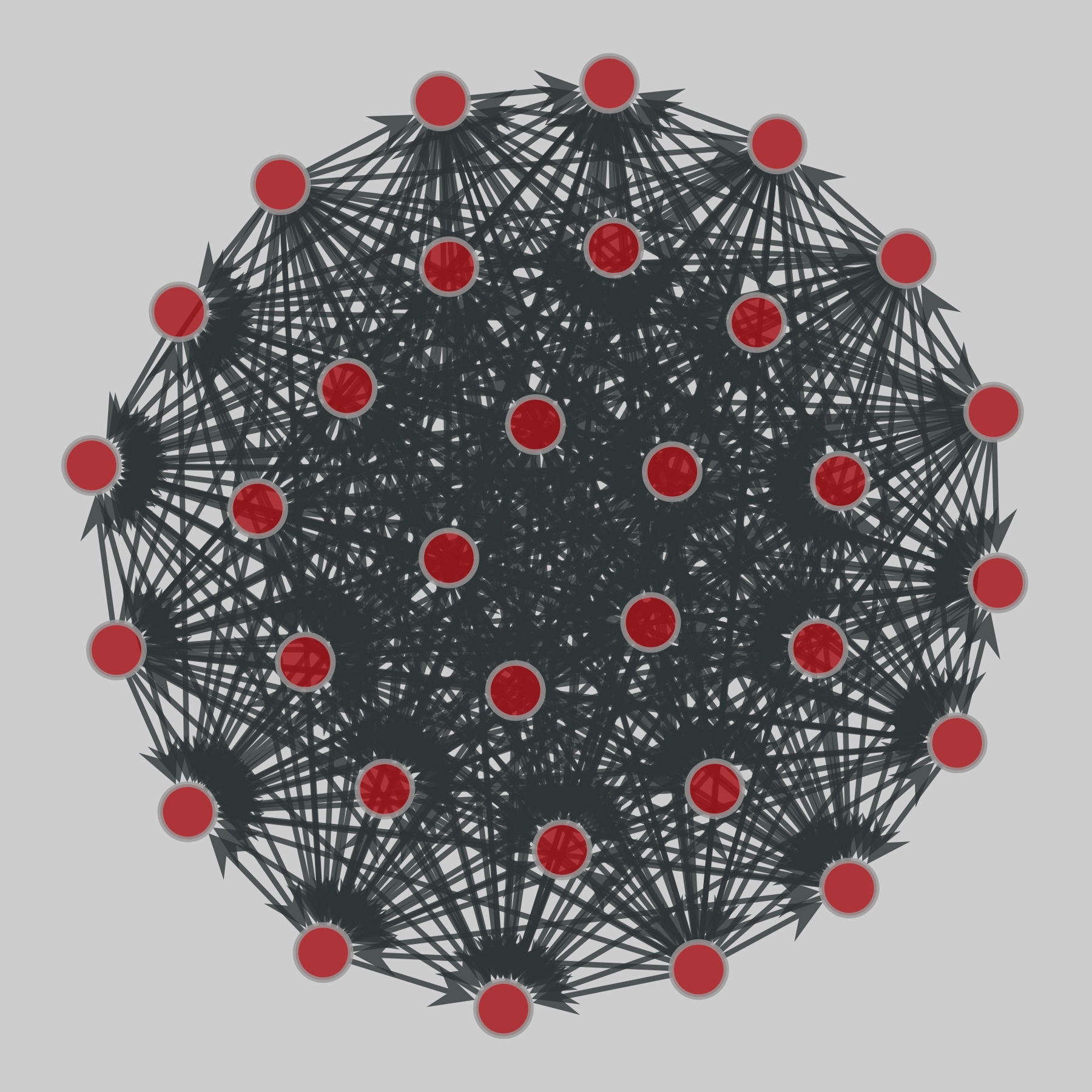
 @netzschleuder@social.skewed.de
hens: White Leghorn hens (1946)
Dominance interactions (pecking) among a group of White Leghorn hens, observed in 1946. Edge weights represent the frequency of interaction. The two versions below are equivalent.
This network has 32 nodes and 496 edges.
Tags: Social, Animal, Weighted
https://networks.skewed.de/net/hens
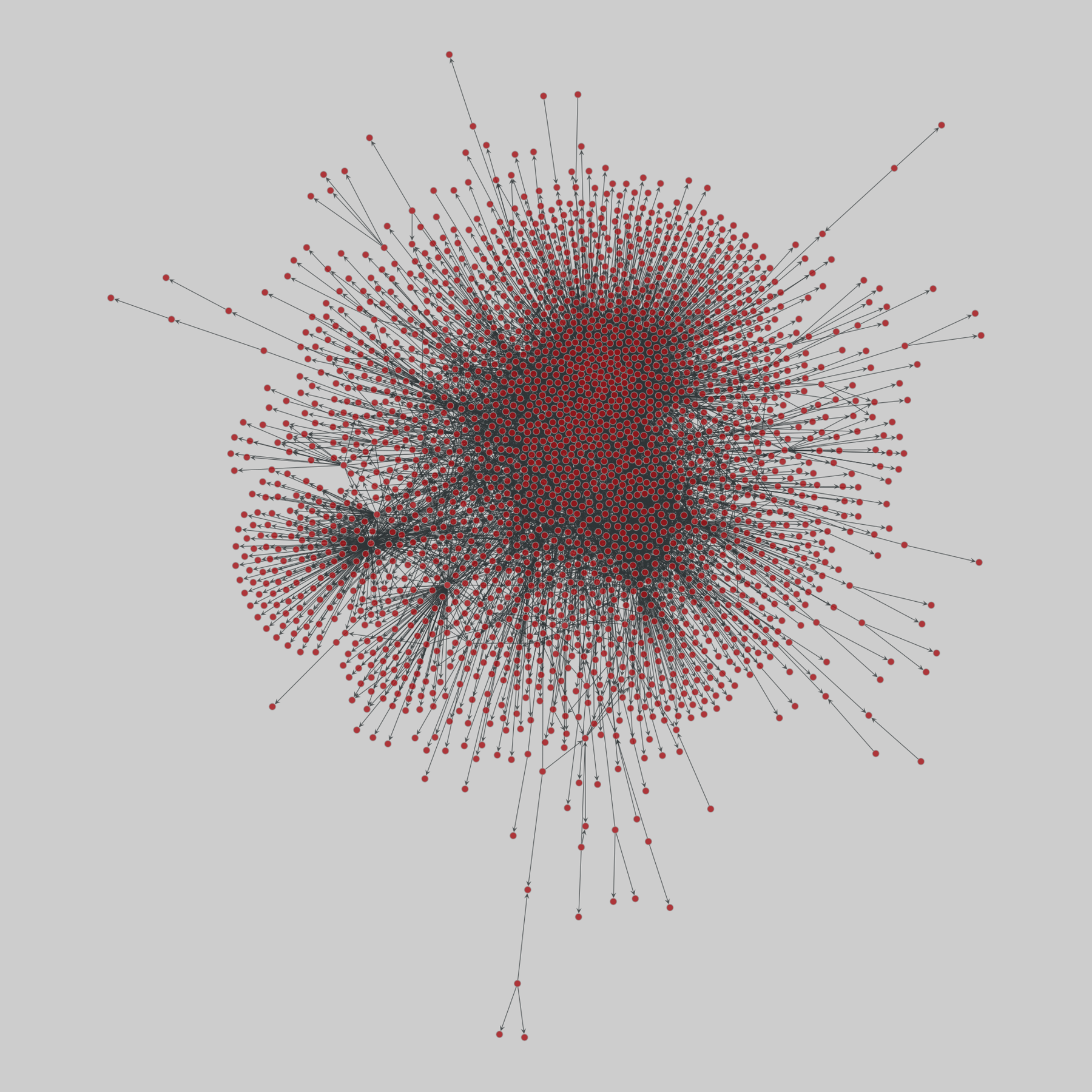
 @netzschleuder@social.skewed.de
interactome_figeys: Figeys human interactome (2007)
A network of human proteins and their binding interactions. Nodes represent proteins and an edge represents an interaction between two proteins, as inferred using a mass spectrometry‐based approach.
This network has 2239 nodes and 6452 edges.
Tags: Biological, Protein interactions, Unweighted
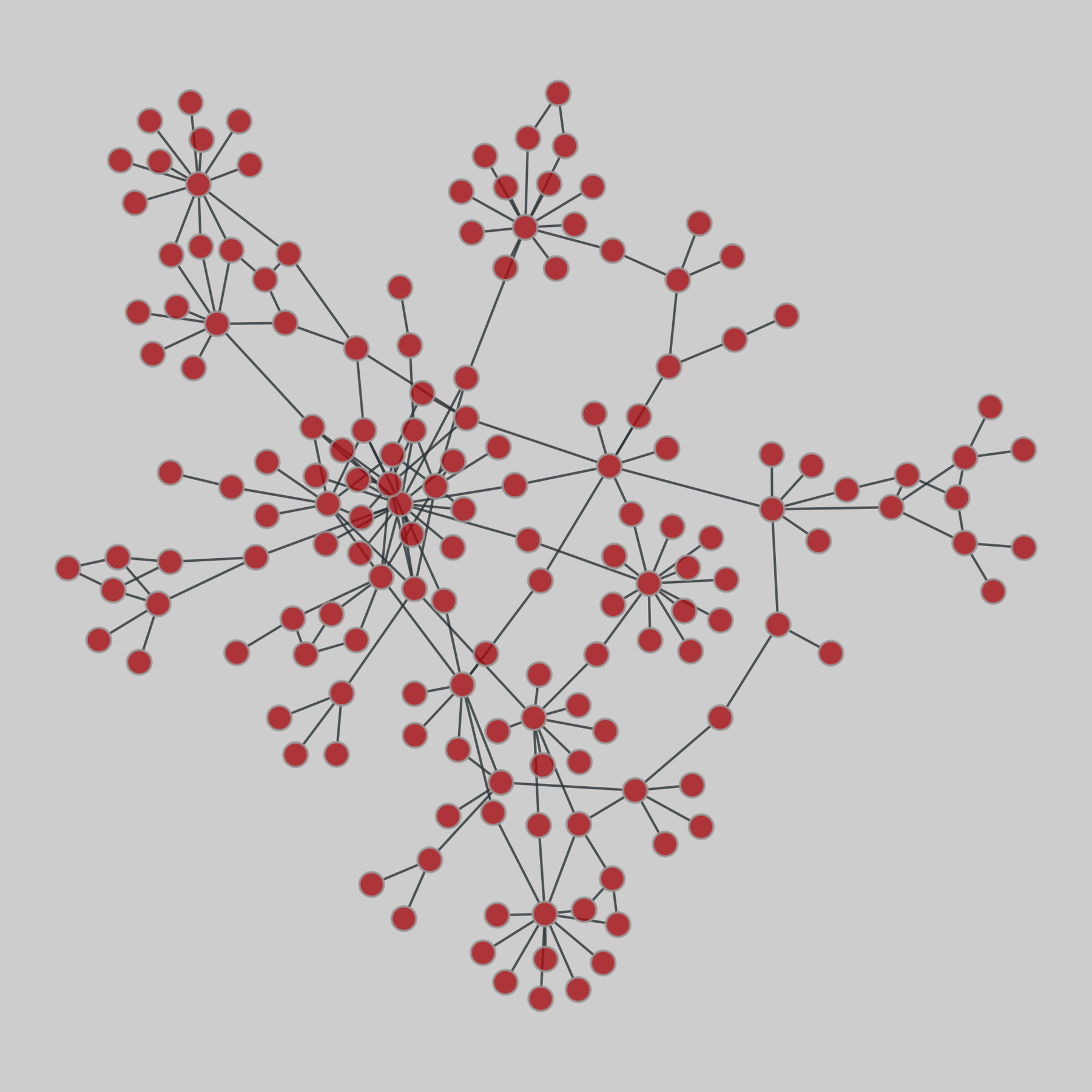
 @netzschleuder@social.skewed.de
interactome_pdz: PDZ-domain interactome (2005)
A network of PDZ-domain-mediated protein–protein binding interactions, extracted from the PDZBase database. Nodes represent proteins and an edge represents a binding interaction between two proteins.
This network has 212 nodes and 244 edges.
Tags: Biological, Protein interactions, Unweighted
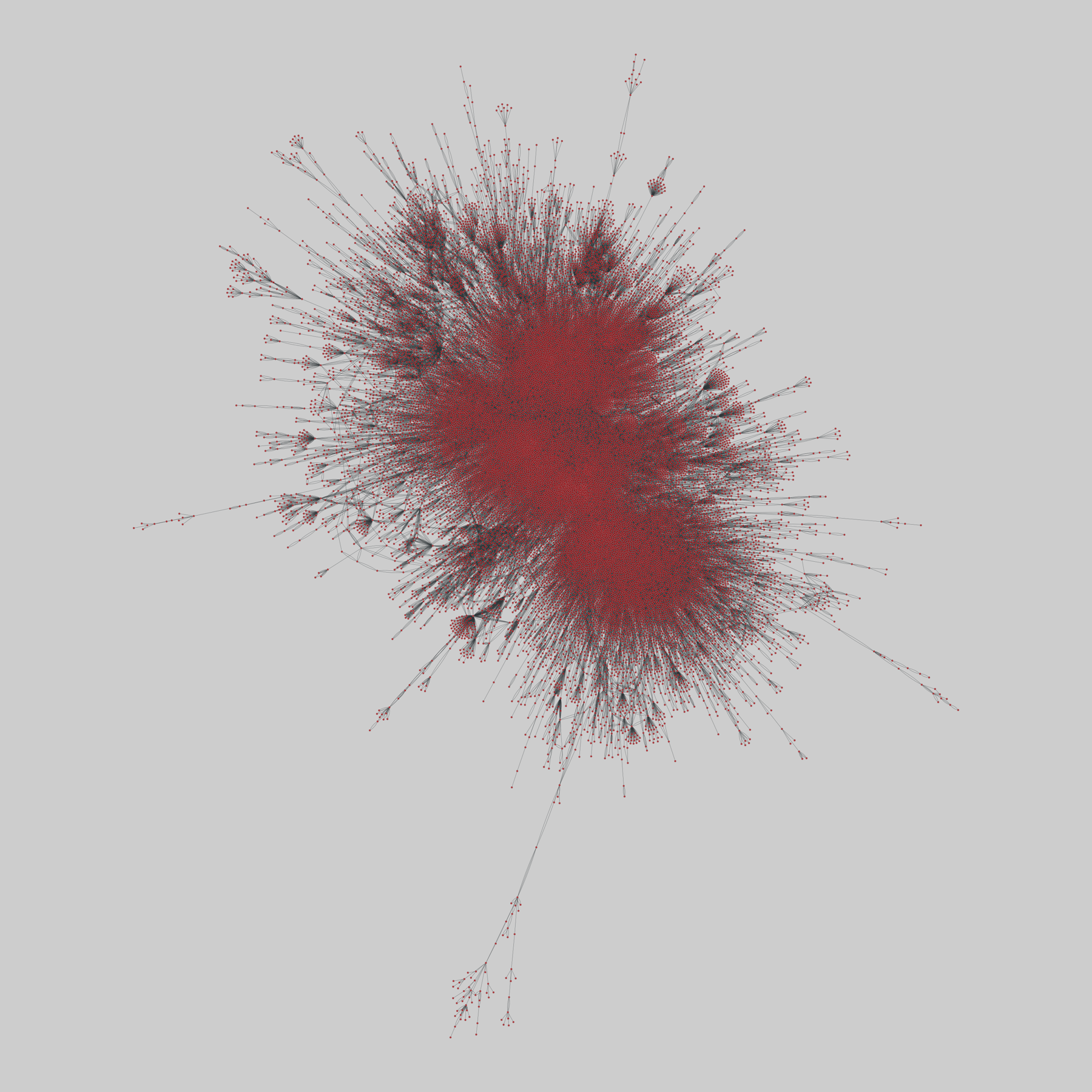
 @netzschleuder@social.skewed.de
fly_larva: Drosophila larva brain (2023)
A complete synaptic map of the brain connectome of the larva of the fruit fly Drosophila melanogaster. Nodes are neurons, and edges are synaptic connections, traced individually from brain image sections using three-dimensional electron microscopy–based reconstruction. Node metadata include the neuron hempisphere, hemispherical homologue, cell type, annotations, and inferred cluster. Edge metadata include the type of interaction (`'aa'`,…
 @netzschleuder@social.skewed.de
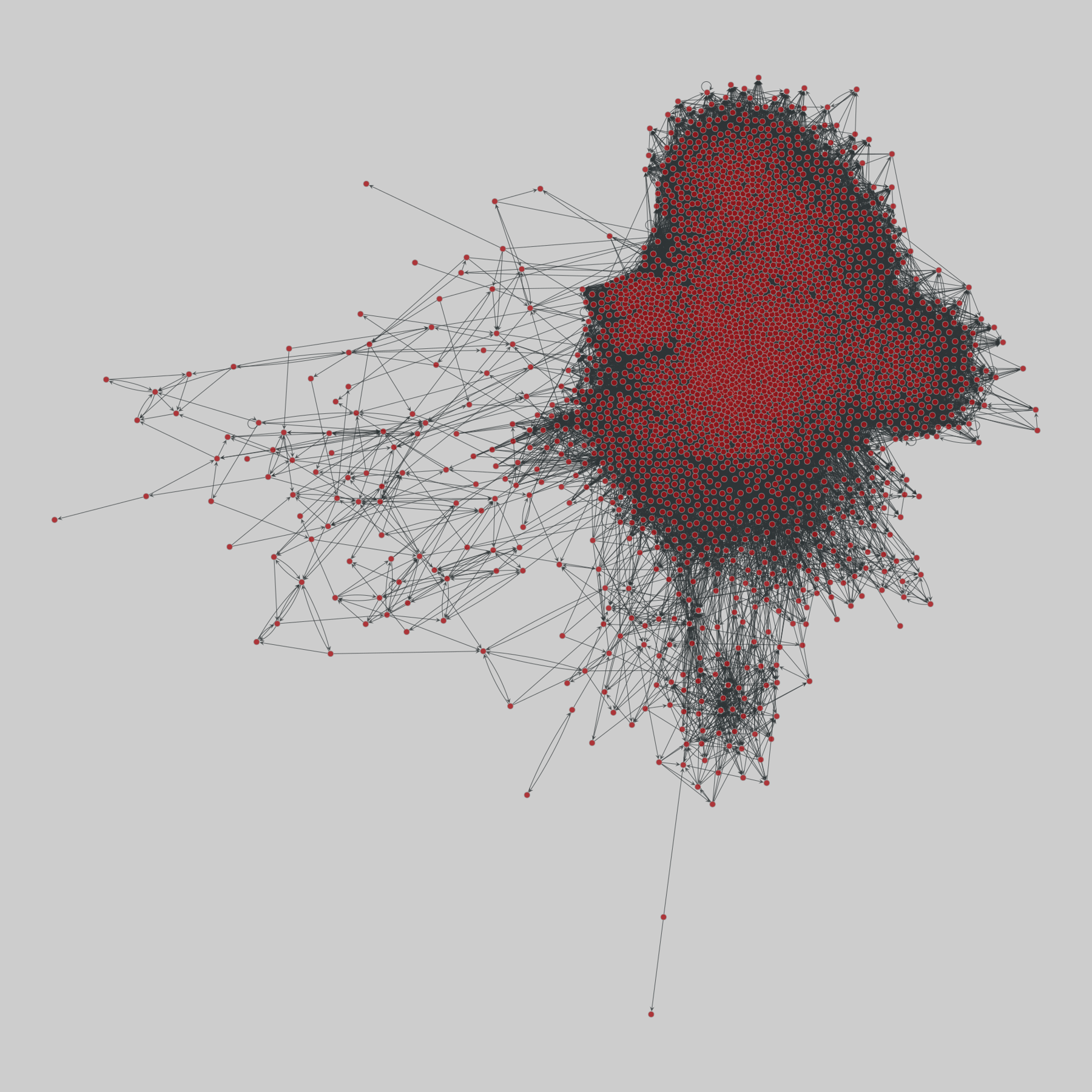
interactome_vidal: Vidal human interactome (2005)
A network of human proteins and their binding interactions. Nodes represent proteins and an edge represents a binding interaction between two proteins, as tested using a high-throughput yeast two-hybrid (Y2H) system.
This network has 3133 nodes and 6726 edges.
Tags: Biological, Protein interactions, Unweighted
 @netzschleuder@social.skewed.de
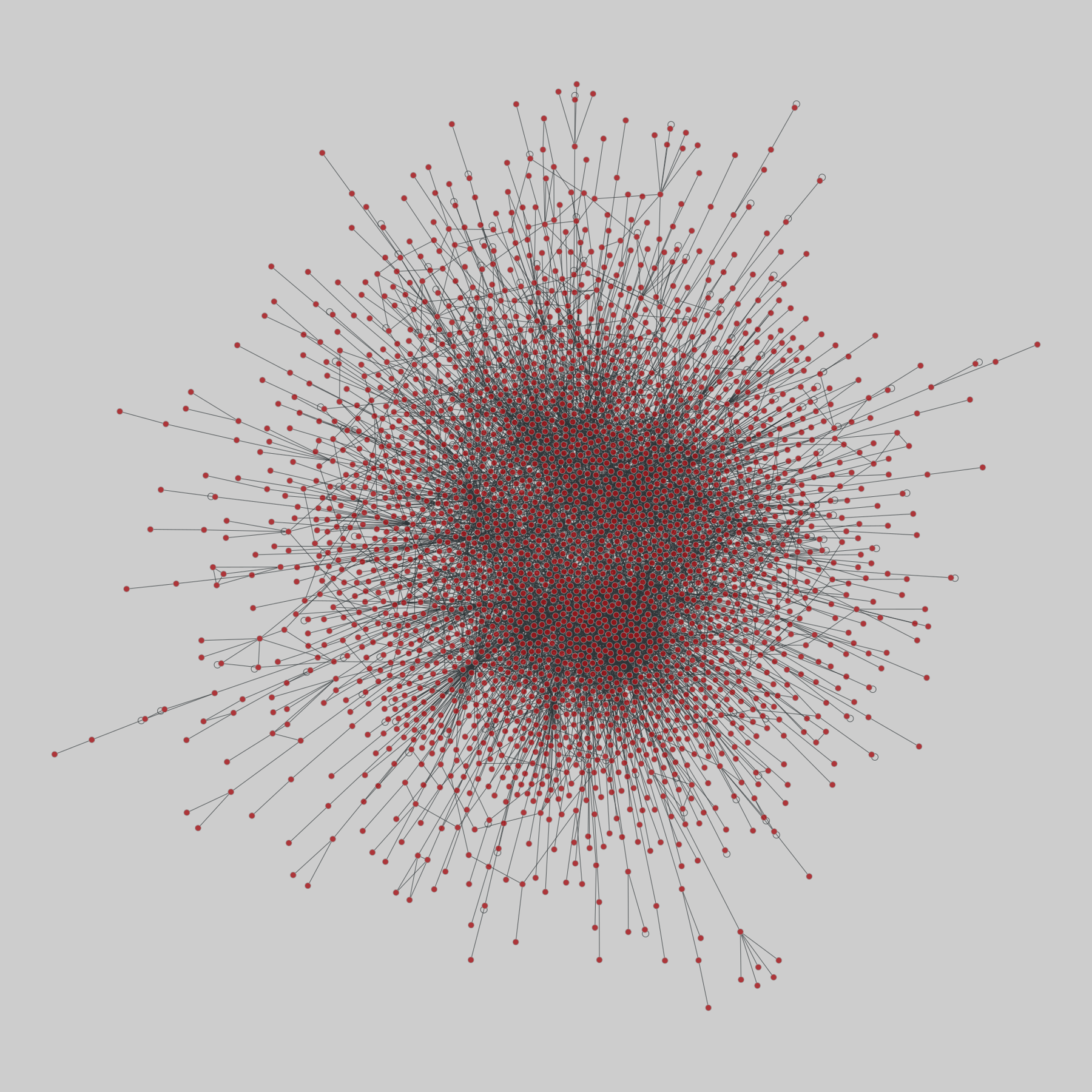
nematode_mammal: Global nematode–mammal interactions (2018)
A global interaction web of interactions between nematodes and their host mammal species, extracted from the helminthR package and dataset. Nodes are annotated with species-level information.
This network has 30516 nodes and 146683 edges.
Tags: Biological, Food web, Unweighted, Metadata
 @netzschleuder@social.skewed.de
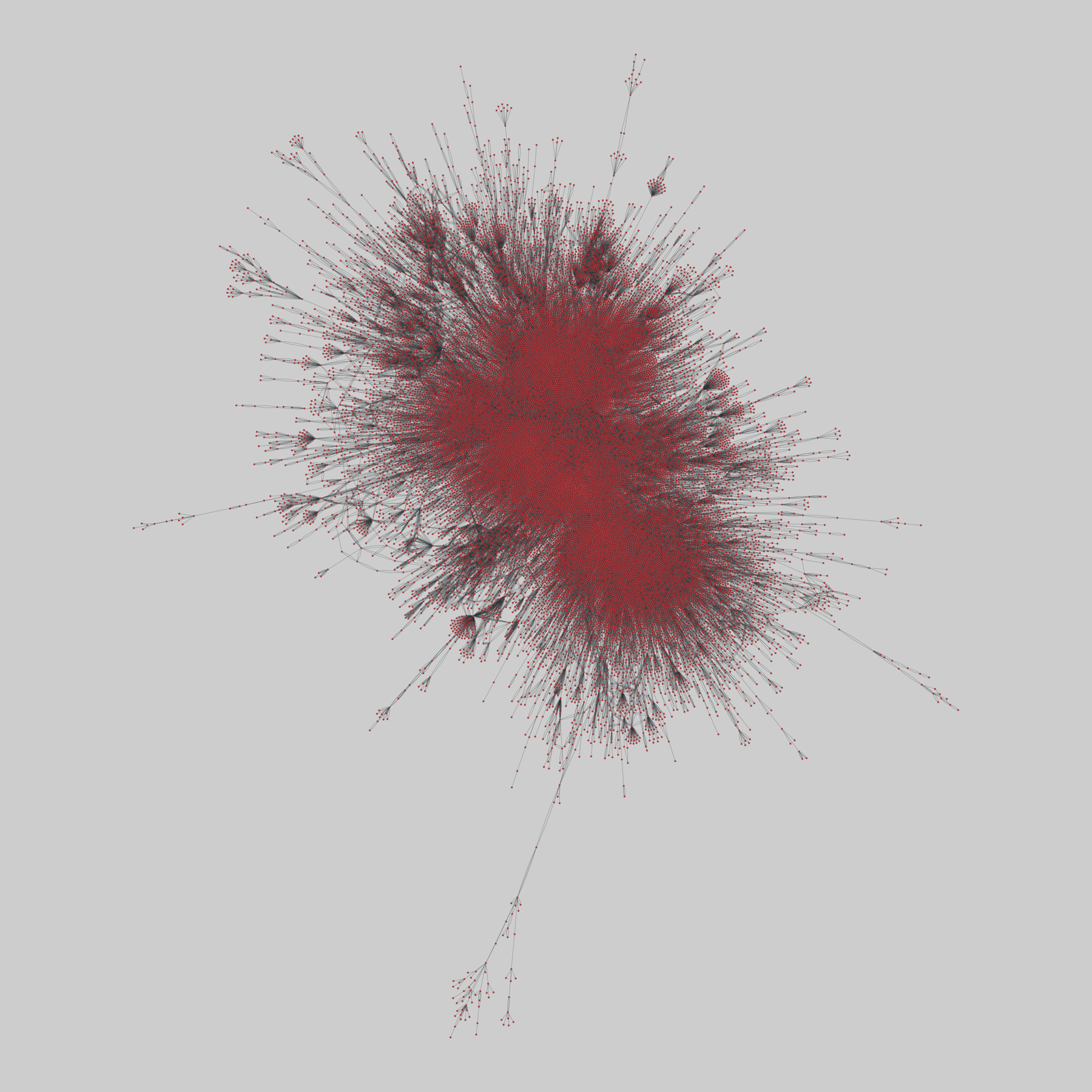
genetic_multiplex: Multiplex genetic interactions (2014)
Multiplex networks representing different types of genetic interactions, for different organisms. Layers represent (i) physical, (ii) association, (iii) co-localization, (iv) direct, and (v) suppressive, (vi) additive or synthetic genetic interaction. Edge direction (i,j) indicates gene i interacting with gene j.
This network has 155 nodes and 188 edges.
Tags: Biological, Gene regulation, Protein interactions, Unweigh…
 @netzschleuder@social.skewed.de
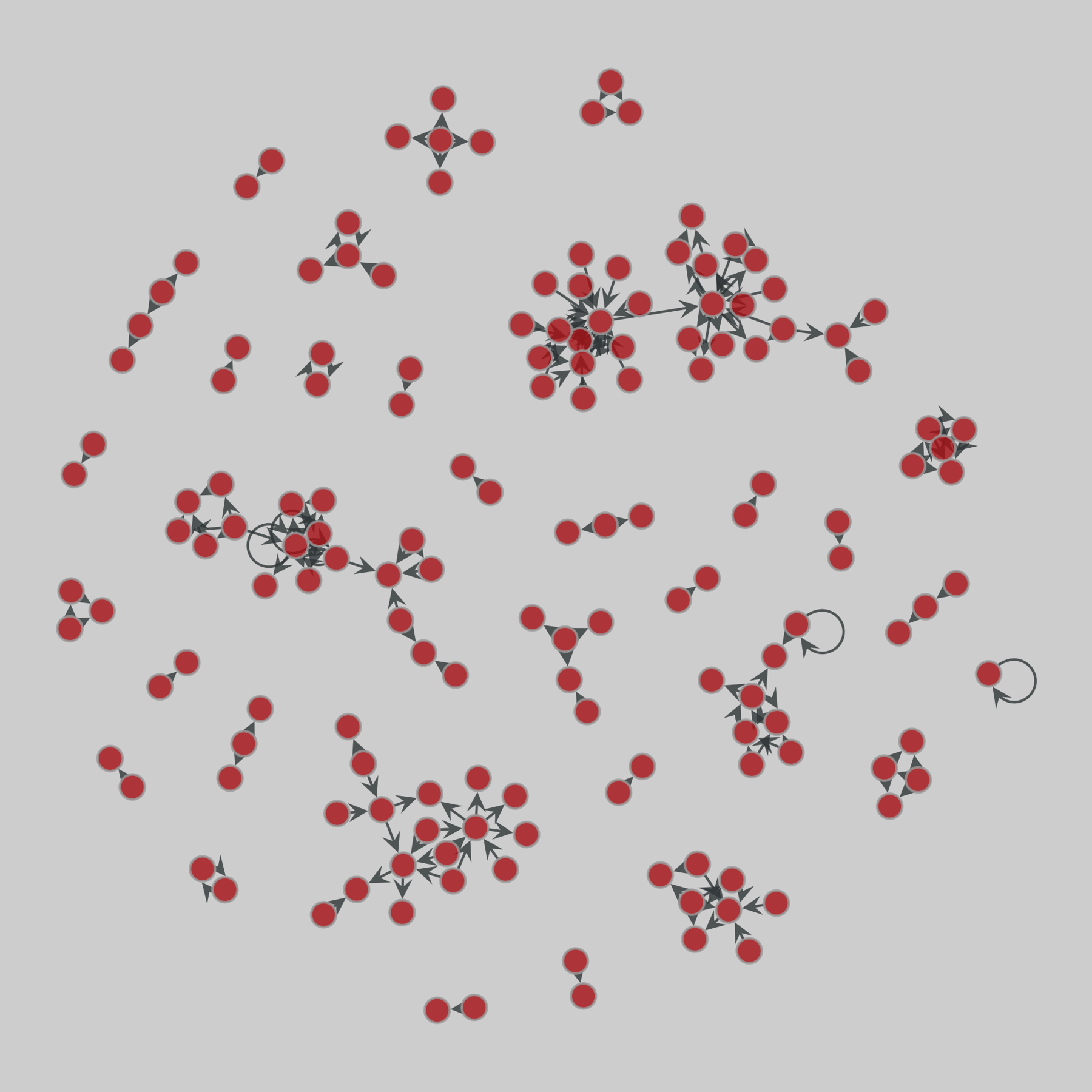
genetic_multiplex: Multiplex genetic interactions (2014)
Multiplex networks representing different types of genetic interactions, for different organisms. Layers represent (i) physical, (ii) association, (iii) co-localization, (iv) direct, and (v) suppressive, (vi) additive or synthetic genetic interaction. Edge direction (i,j) indicates gene i interacting with gene j.
This network has 155 nodes and 188 edges.
Tags: Biological, Gene regulation, Protein interactions, Unweigh…


