 @netzschleuder@social.skewed.de
2025-10-17 08:00:03
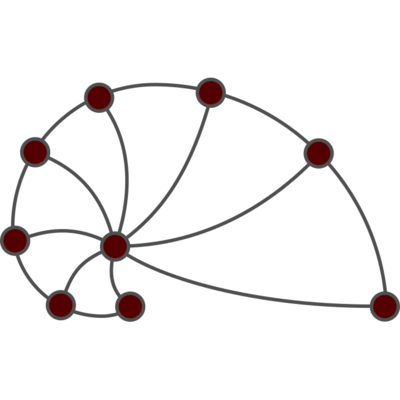
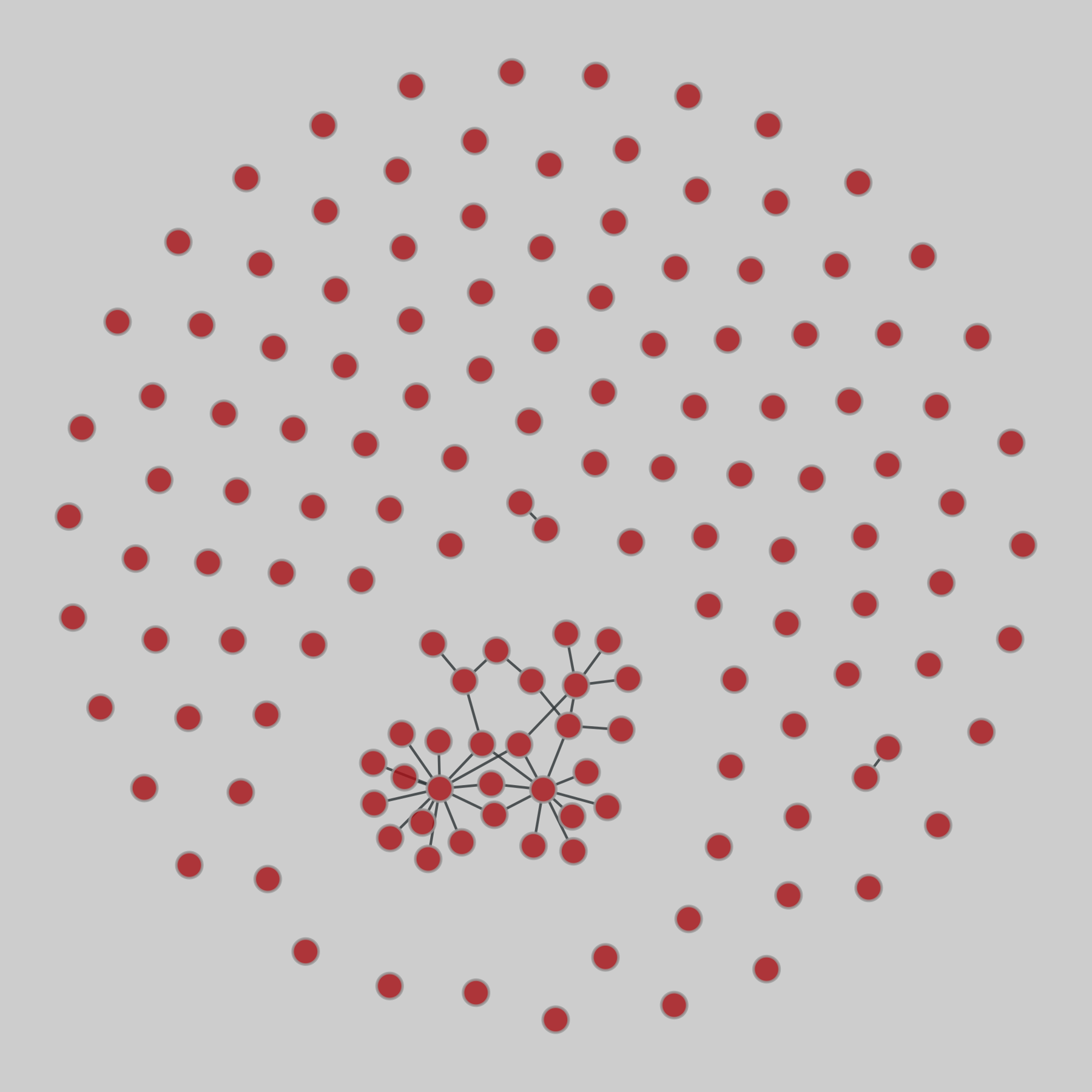
plant_pol_vazquez: Vazquez & Simberloff plant-pollinator webs
Eight bipartite networks of plants and pollinators, from the Nahuel Huapi National Park and surrounding areas in Rio Negro, Argentina, from September 1999 to Feburary 2000. Edge weights represent the frequency of species interaction, and there is a common set of vertices across all eight webs.
This network has 144 nodes and 36 edges.
Tags: Biological, Food web, Weighted, Multilayer
 @jby@ecoevo.social
2025-11-17 15:19:04
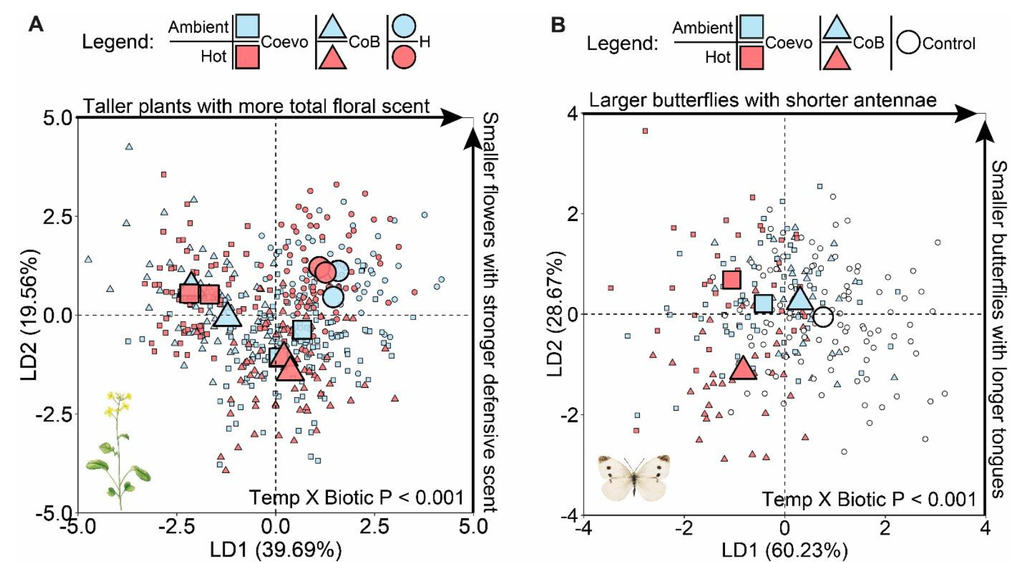
Nifty preprint with an experiment coevolving Brassica rapa with pollinating, herbivorous butterflies. With bumblebee co-pollinators or heat stress added, the plants evolved stronger anti-herbivore defense; with both bees and heat, they evolved... to attract butterflies?
https://doi.org/10.1101/2025.11.06.686
 @heiseonline@social.heise.de
2026-01-16 06:45:00
 @Mediagazer@mstdn.social
2026-01-16 14:02:14
Craig Newmark shifts away from journalism as a primary focus of his philanthropy, saying "a lot of my efforts haven't been as effective as I'd like them to be" (Ben Gose/Chronicle of Philanthropy)
https://www.philanthropy.com/news/craigsli

 @Dragofix@veganism.social
2025-12-16 23:22:52
New UN report outlines economic pathways for tackling planetary crisis #environment

 @cosmos4u@scicomm.xyz
2026-01-15 23:18:59
In a few days the #PlanetNine hypothesis - first published on 20 Jan 2016 in the paper https://iopscience.iop.org/article/10.3847/0004-6256/151/2/22 ("EVIDENCE FOR A DISTANT GIANT PLANET IN THE SOLAR SYSTEM", yes, they shouted it in all caps) - will turn 10 years old. The proposed big outer solar system inhabitant has never been found: https://www.skyatnightmagazine.com/space-science/planet-9-x-y-edge-of-solar-system reviews the situation.
 @Techmeme@techhub.social
2025-12-17 10:30:43
Ankar, which develops LLM-powered AI tools to streamline the process of drafting patent applications for patent attorneys, raised a $20M Series A led by Atomico (Jeremy Kahn/Fortune)
https://fortune.com/2025/12/17/exclusi
 @cosmos4u@scicomm.xyz
2025-12-17 00:28:57
GPI SPHERE detection of a 6.1 MJup circumbinary #planet around HD 143811: https://www.aanda.org/articles/aa/full_html/2025/10/aa57104-25/aa57104-25.html -> Rare image of Tatooine-like planet is closest to its twin stars yet: https://news.northwestern.edu/stories/2025/12/rare-image-of-tatooine-like-planet-is-closest-to-its-twin-stars-yet
@netzschleuder@social.skewed.de2026-01-15 13:00:05
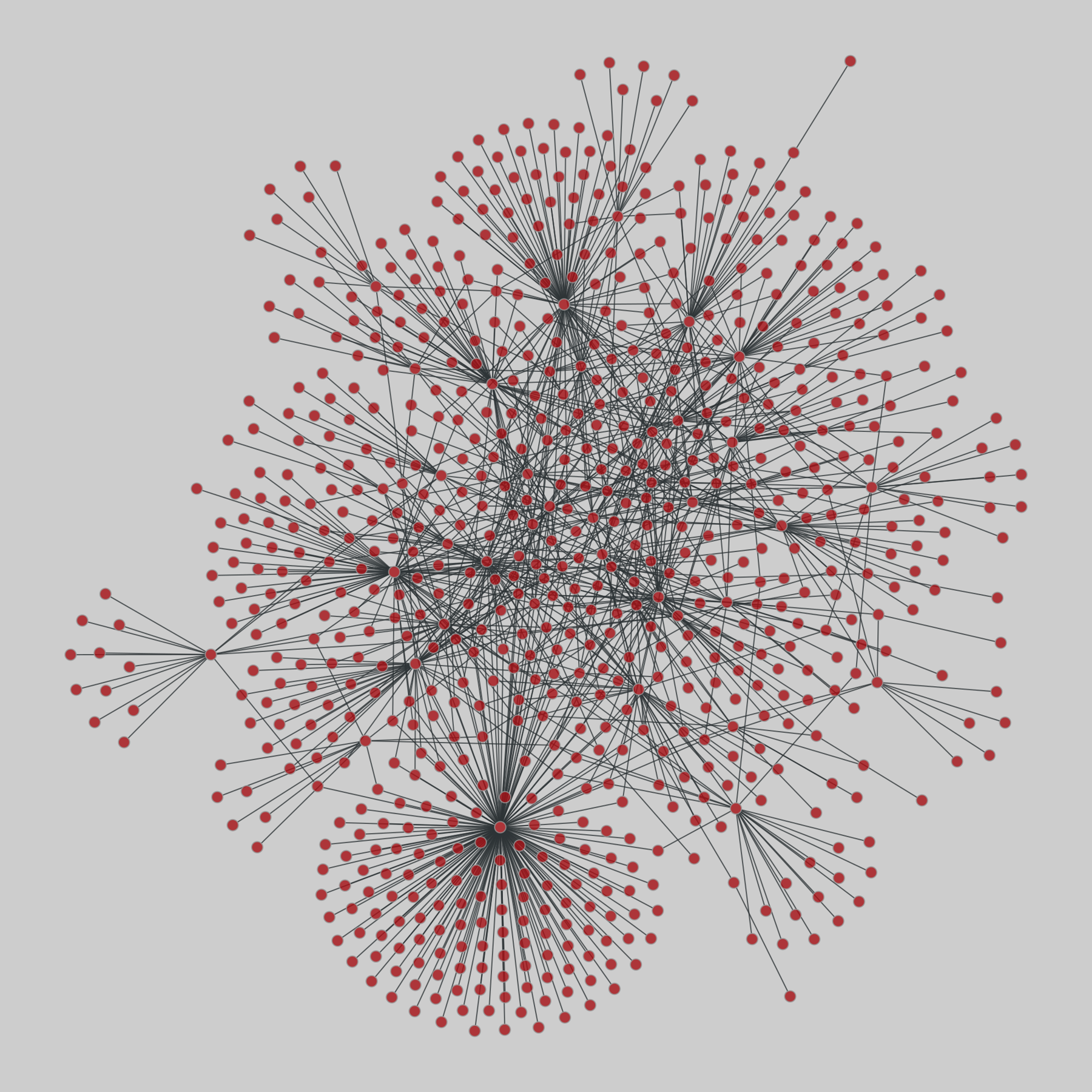
plant_pol_kato: Kato plant-pollinator web
A bipartite network of plants and pollinators from Kyoto University Forest of Ashu, Japan, from 1984 to 1987. Edge weights represent frequency of interactions.
This network has 772 nodes and 1206 edges.
Tags: Biological, Food web, Weighted
https://networks.skewed.d…
 @Dragofix@veganism.social
2025-11-16 21:34:10
