Faraday Protocol (Multi, XPd on PC) Awoken on an abandoned alien space station, you must solve puzzles to work your way to the core and figure out what happened here.
Another Portal inspired thinky pain game, this one give you a "gun" to manipulate energy types (red/blue) that power the various devices making up the puzzles.
I quite dig the Egyptian motif (always been a fave era of mine). Interesting choice for a space station. Decent music. The voice acting is also go…
Old good time? 🤔
«Finger Protocol Malware — Python RAT via a 1970s:
The finger protocol is older than the web, disabled on every server that matters, and still a working malware delivery channel on a default Windows install. Here it planted a Python RAT that was alerting the whole time. One genuine compromise, drowned in thousands of benign look-alikes, invisible until something cut through the noise»
📧
@… I have not used other implementations enough to give any sort of authoritative answer, but someone should collect the data to answer whether it's genereally true that everyone uses the subject for content warnings.
If you look at the wire protocol though, it's "just" a "summary" field.
RE: #EMBC2026, Toronto, Canada, July 29 2026: Trace-verifiable protocol fidelity for latency…
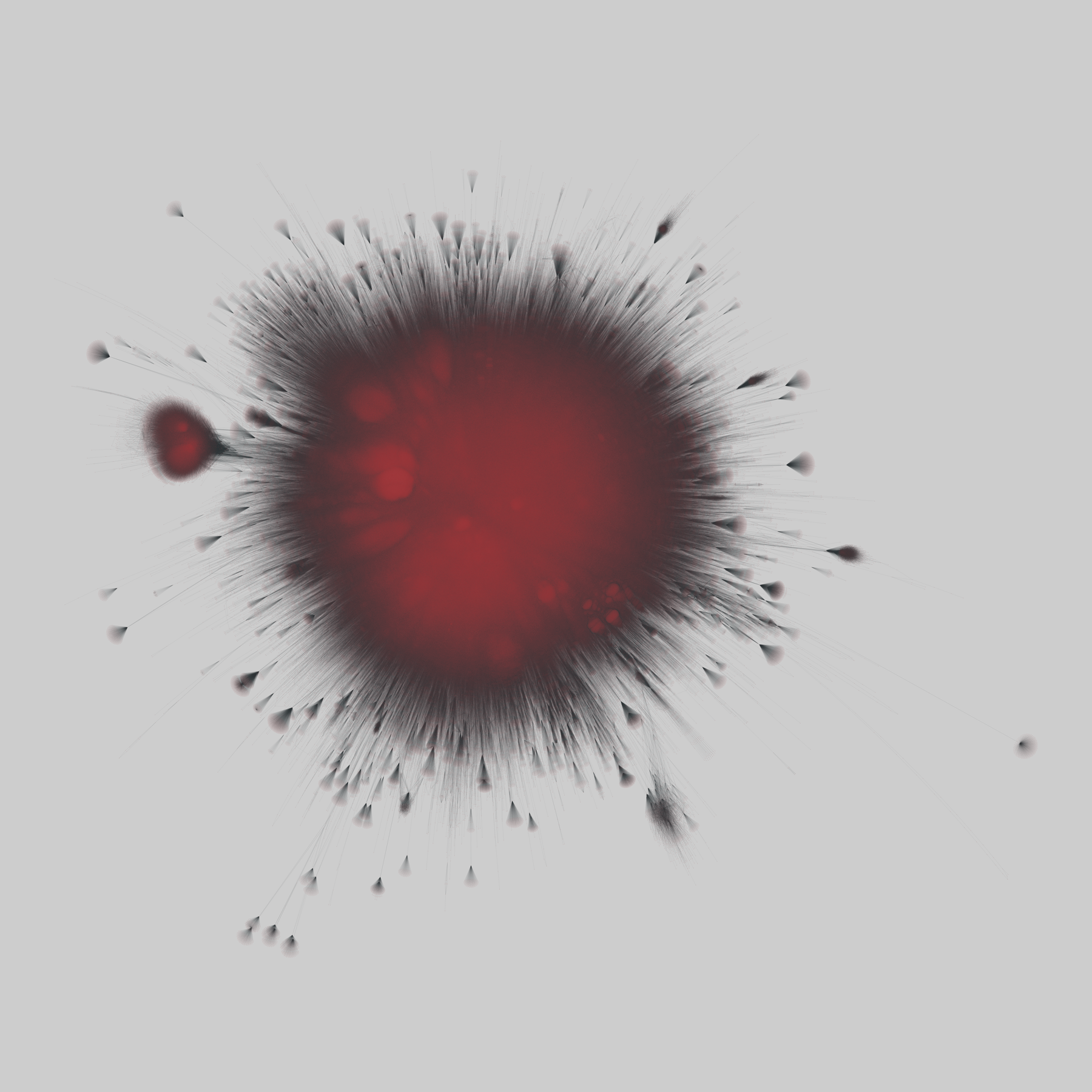
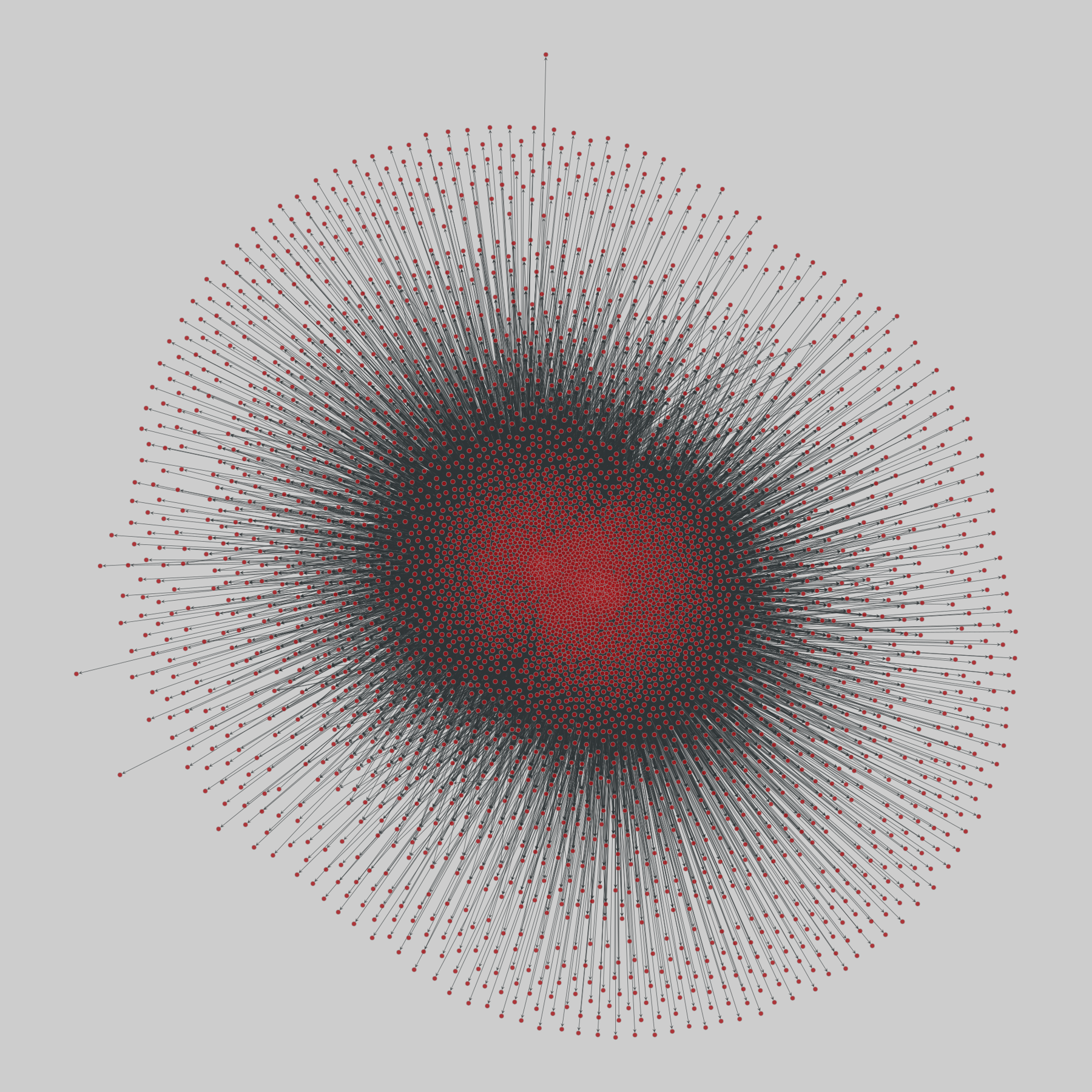
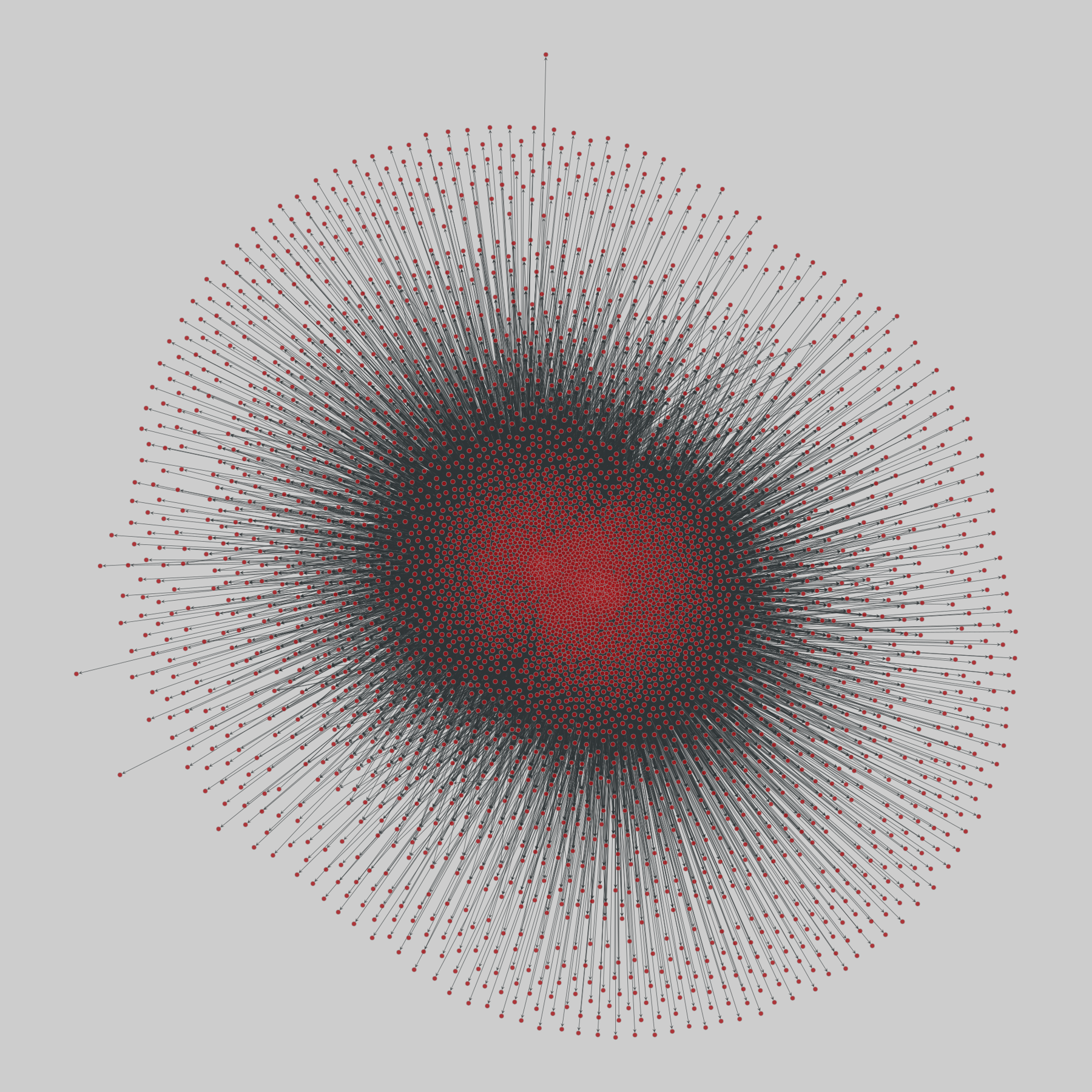
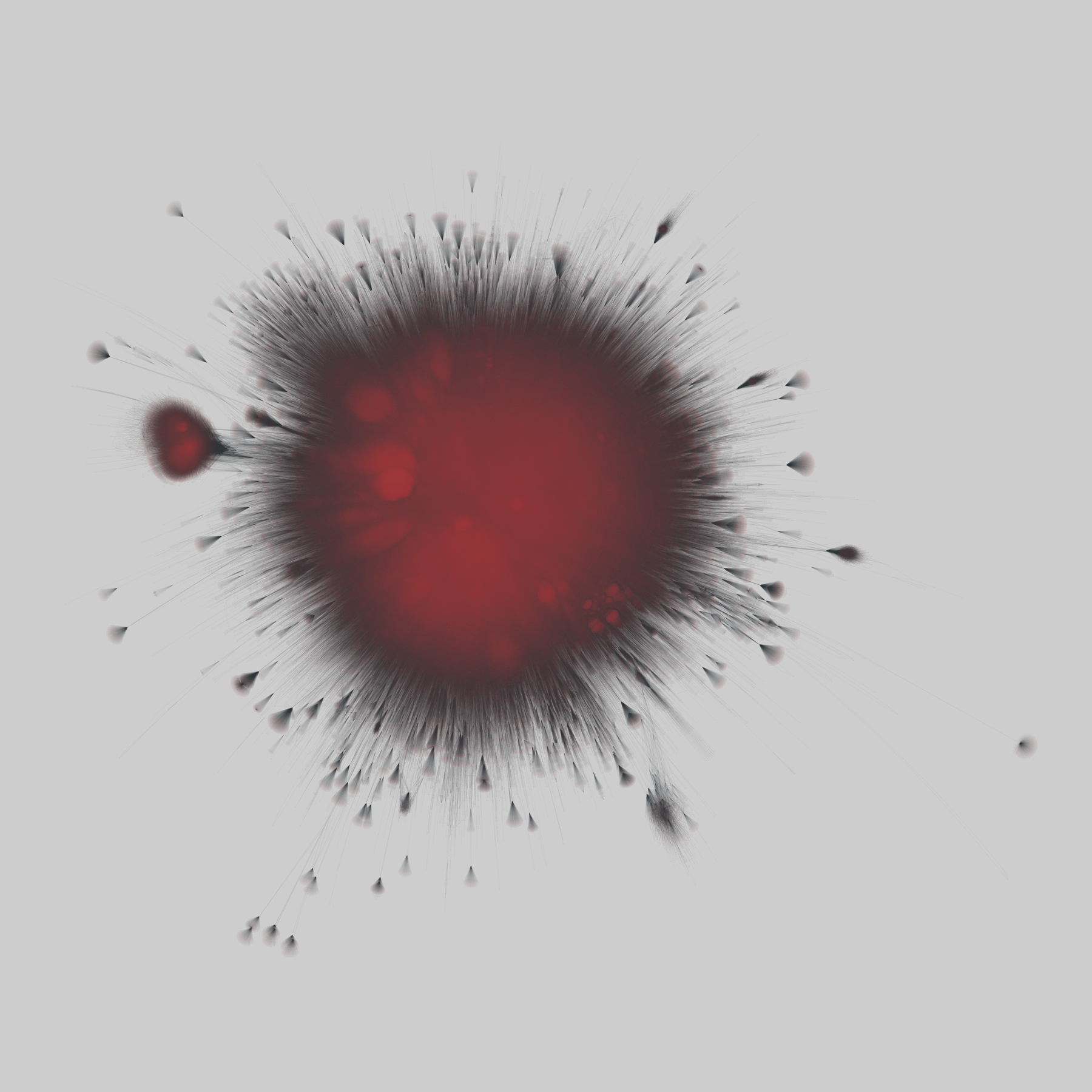
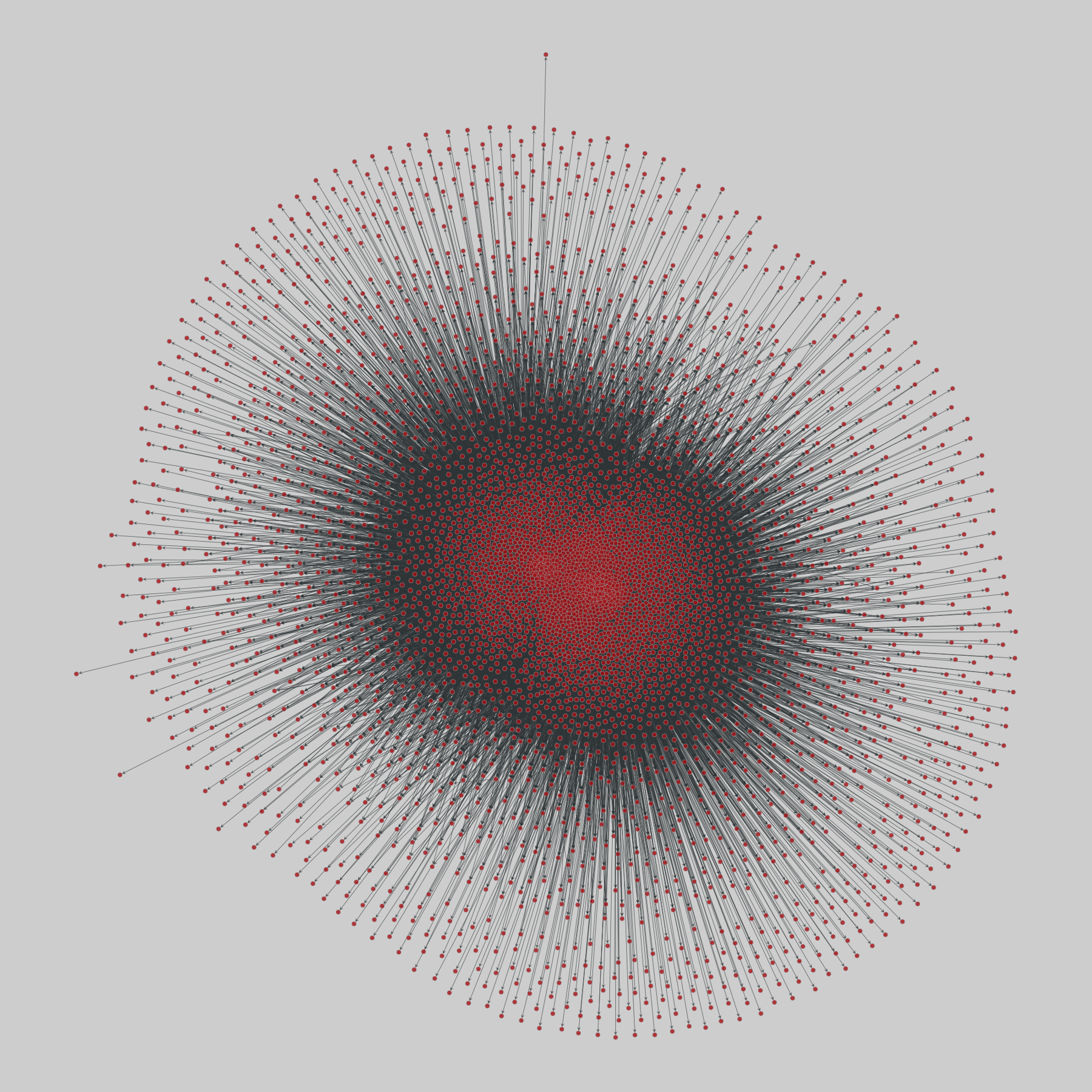
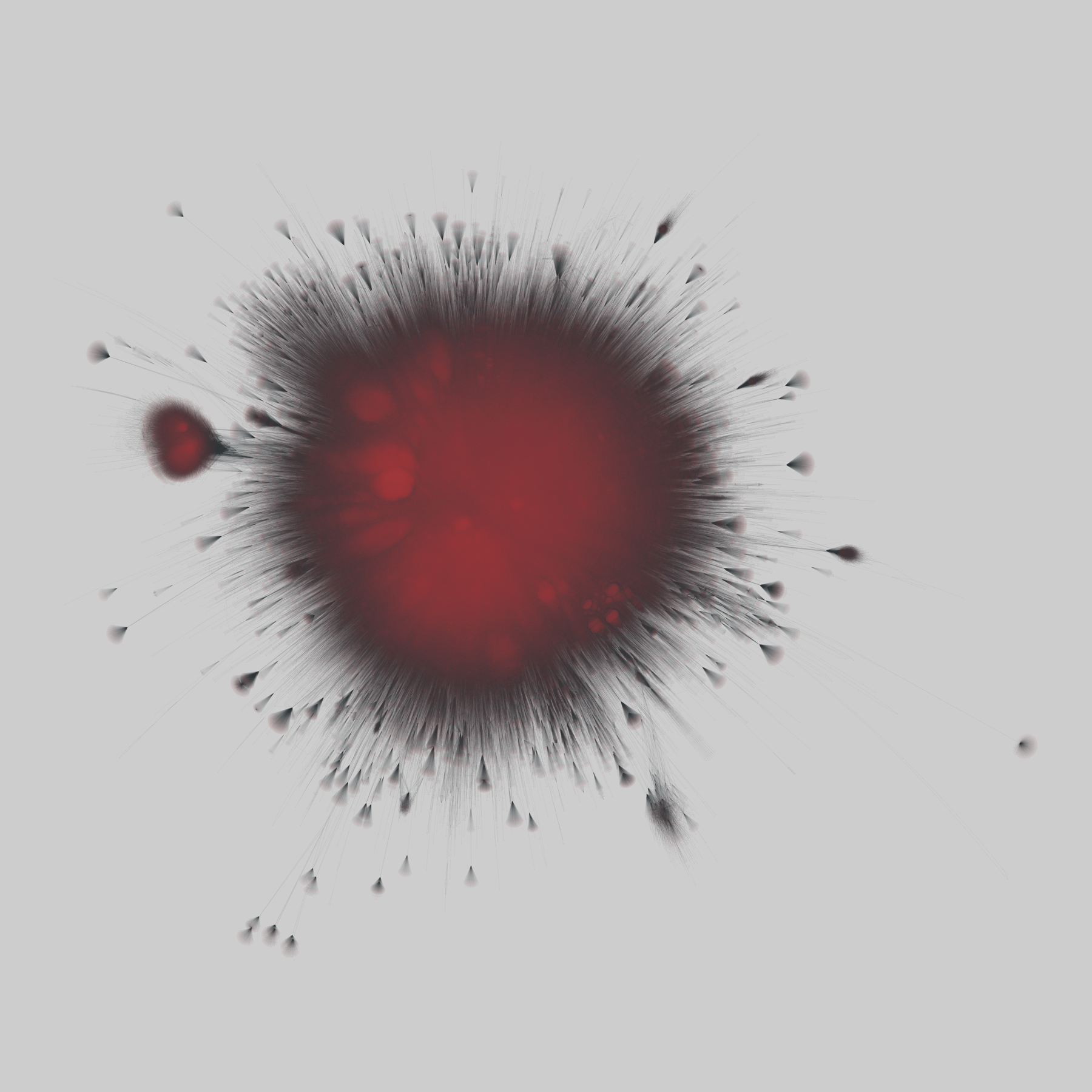
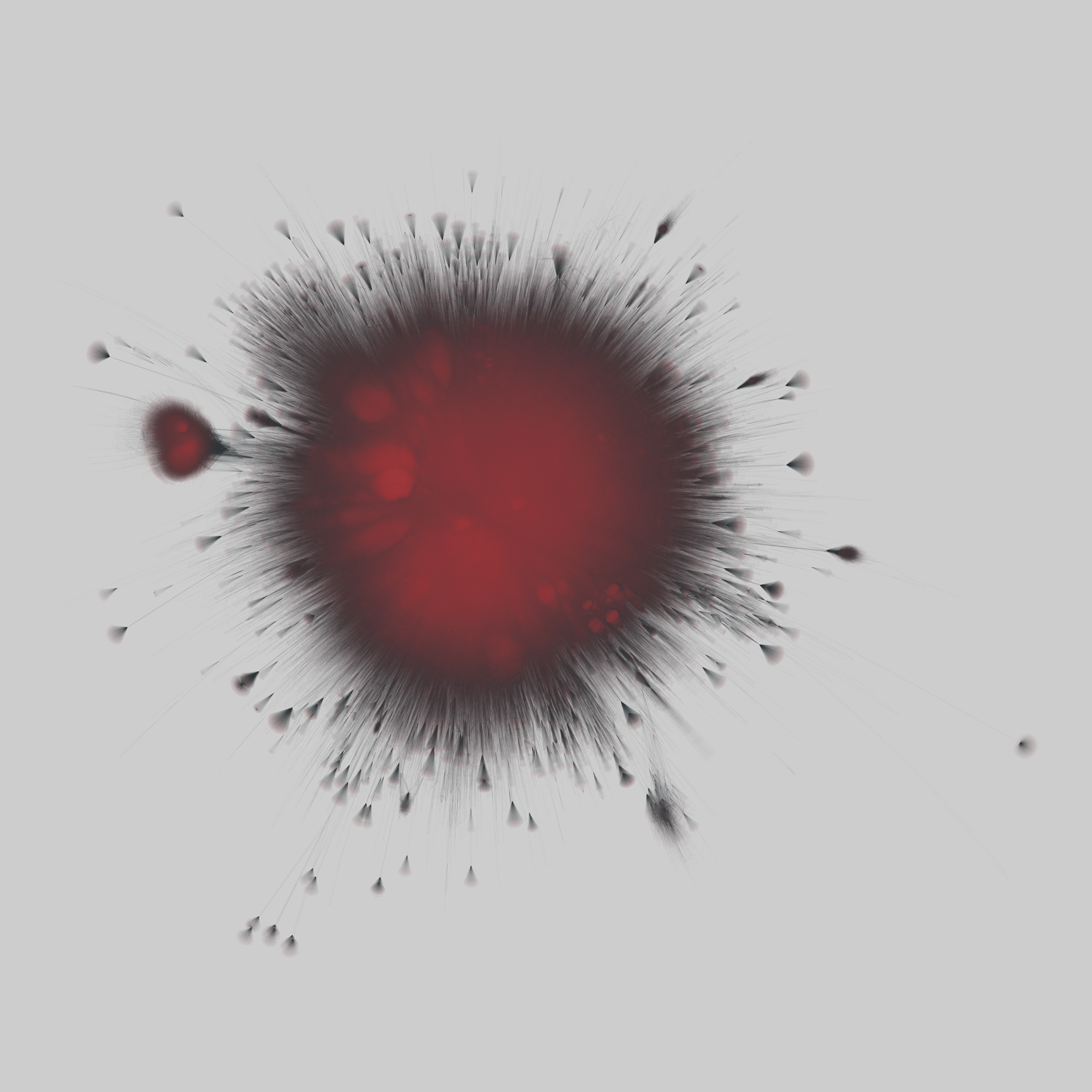
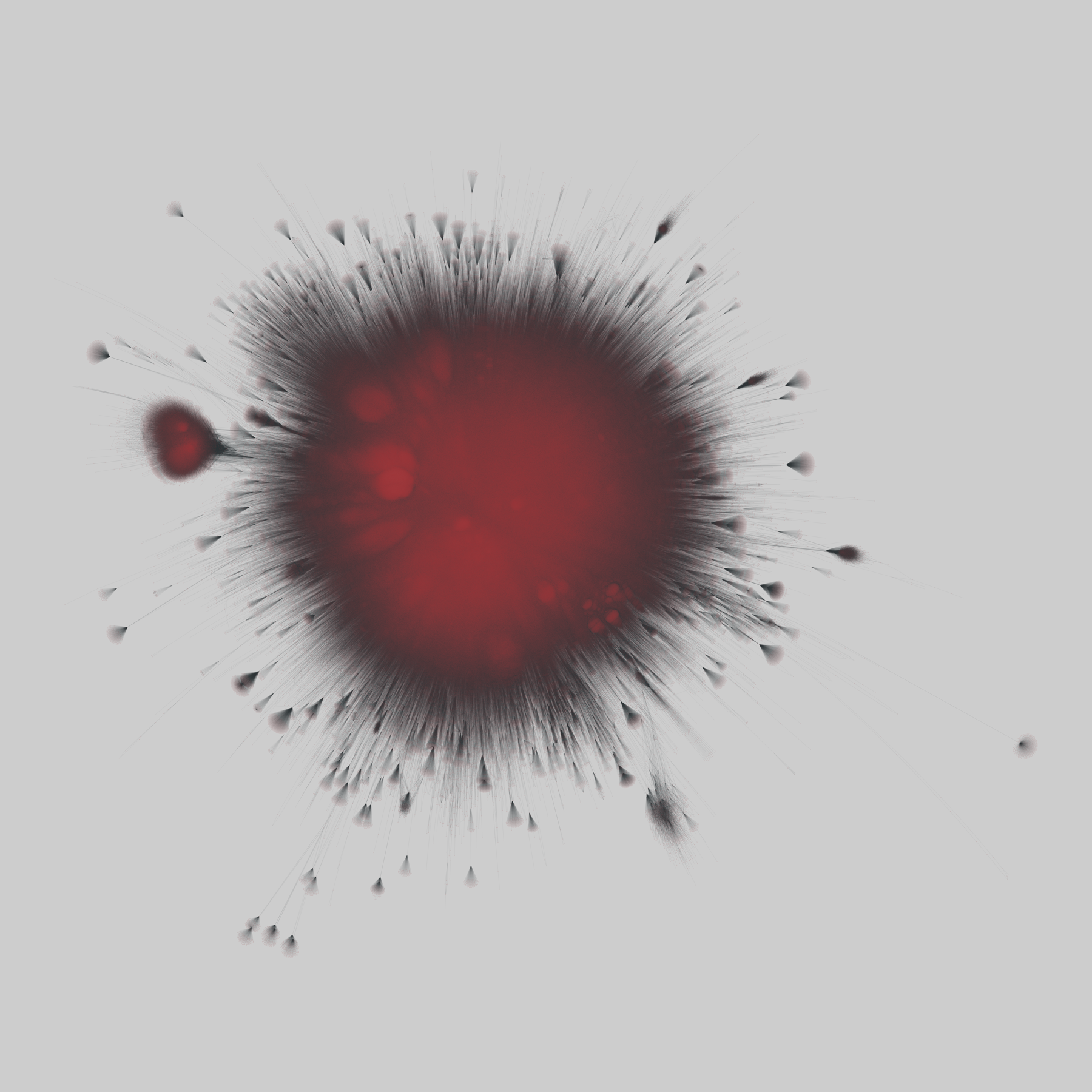
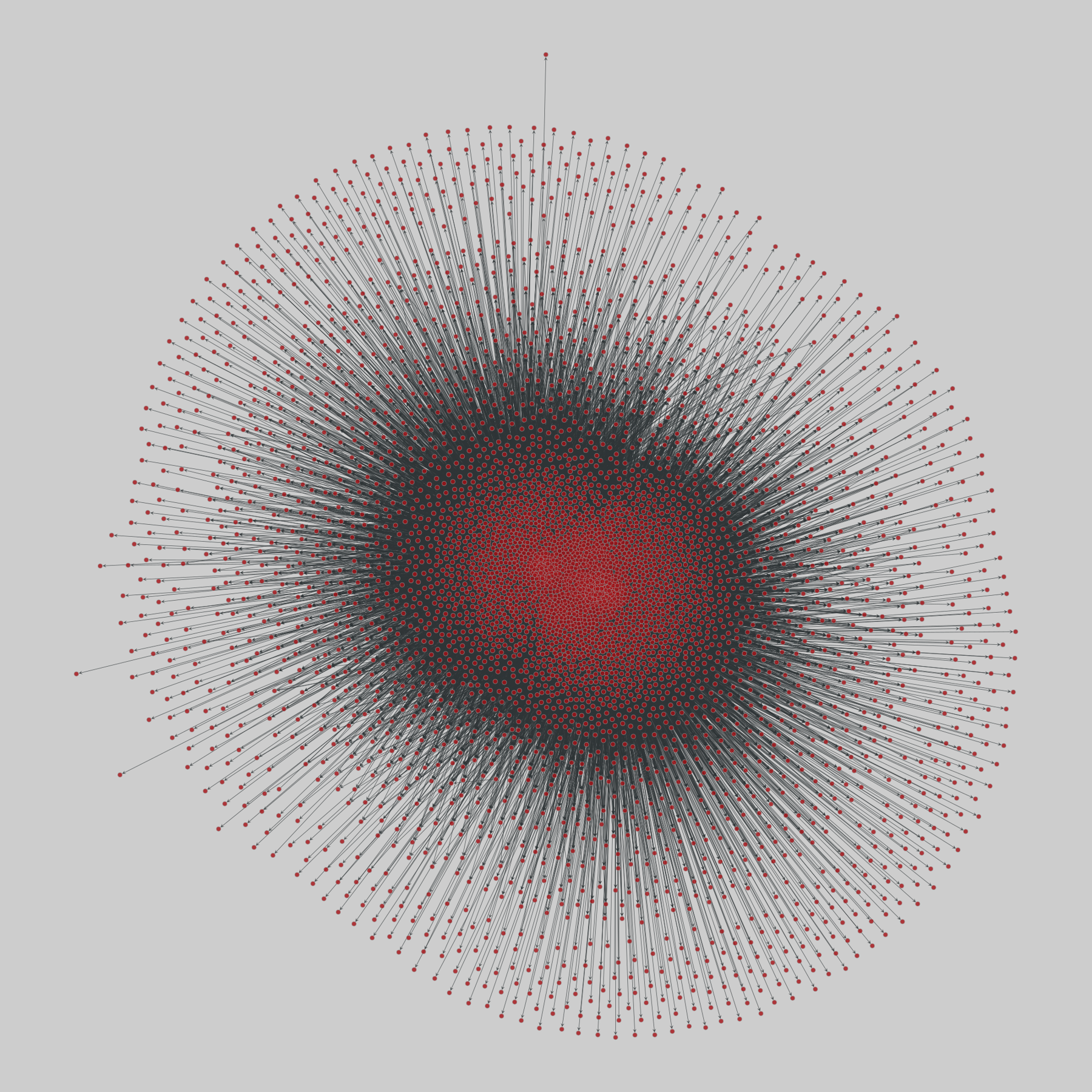
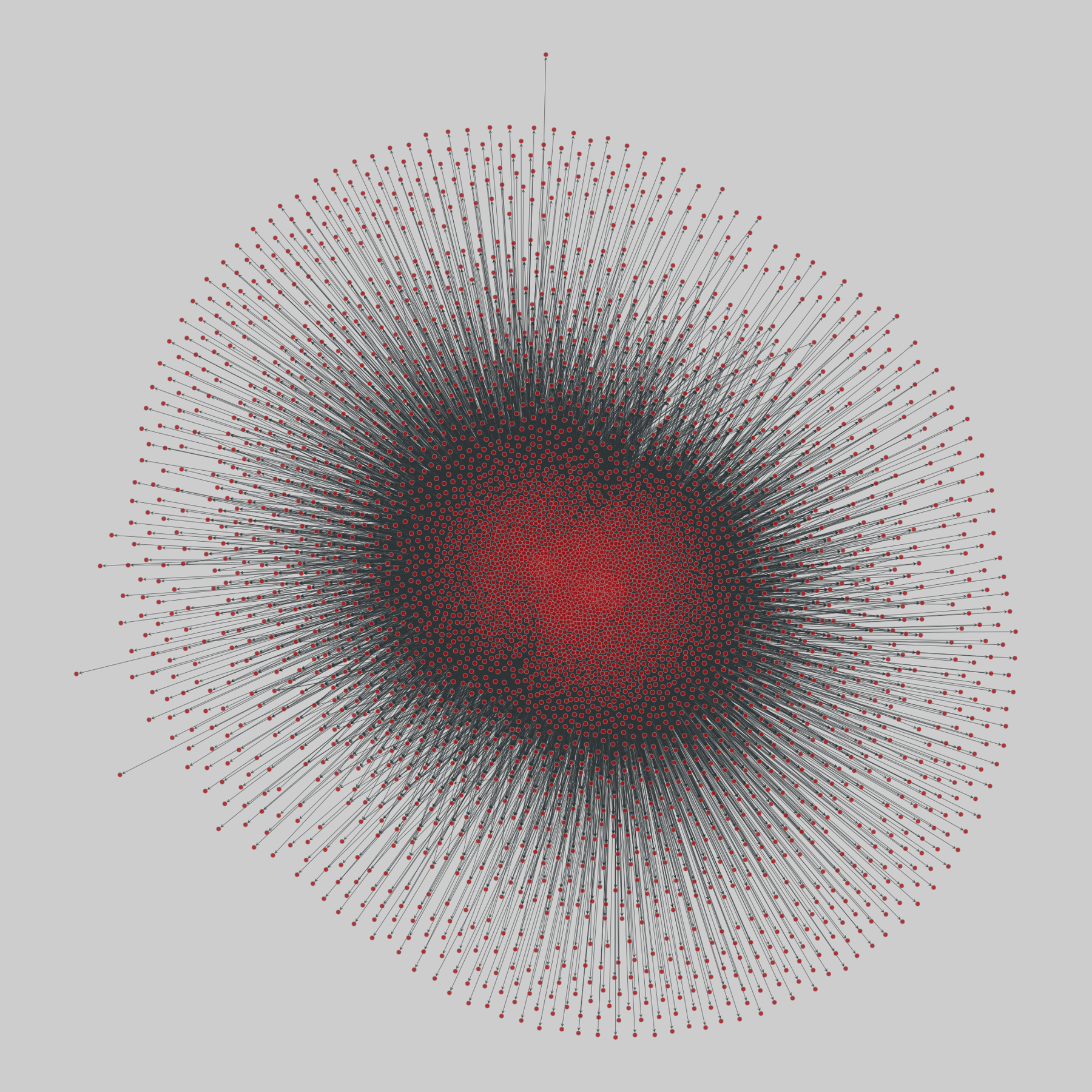
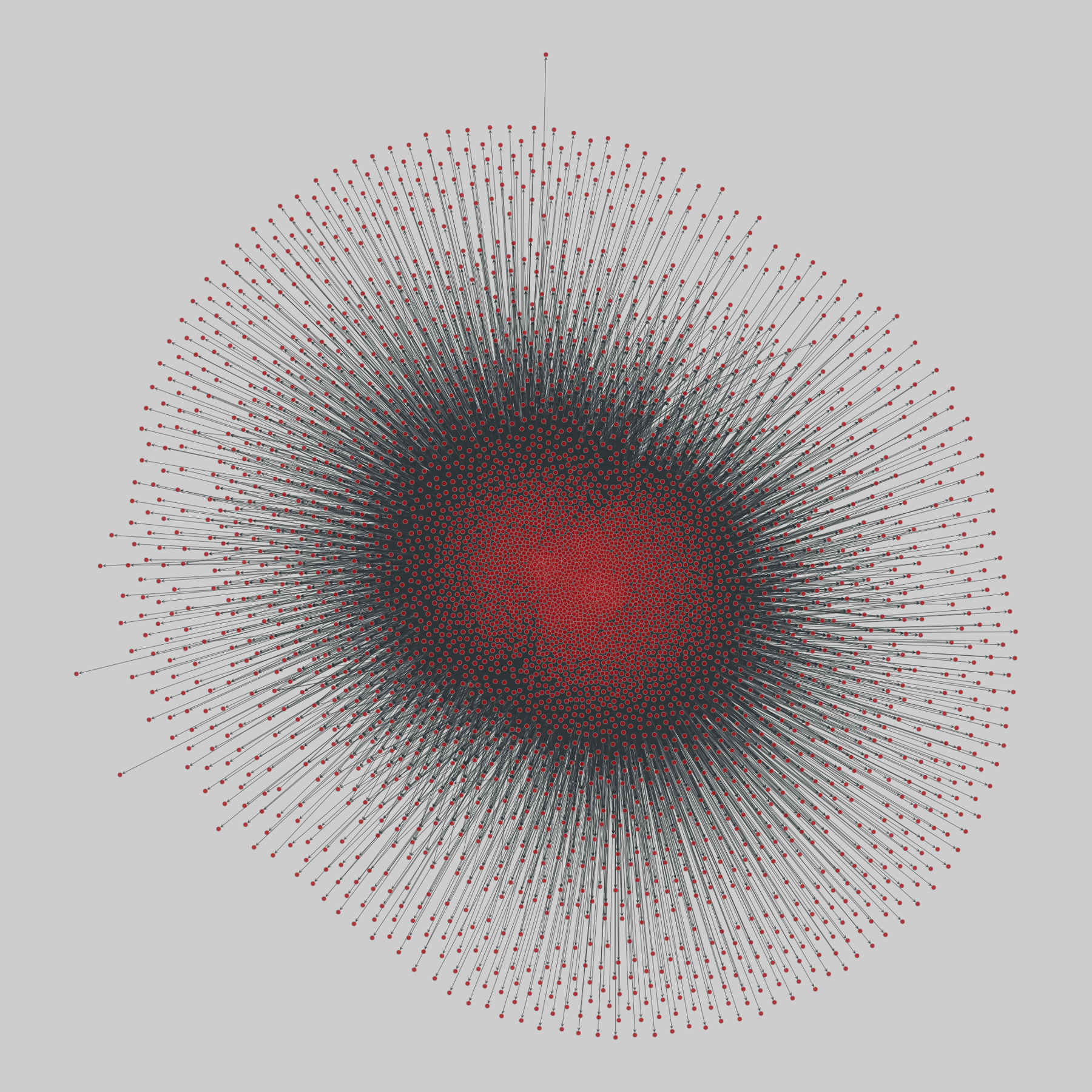
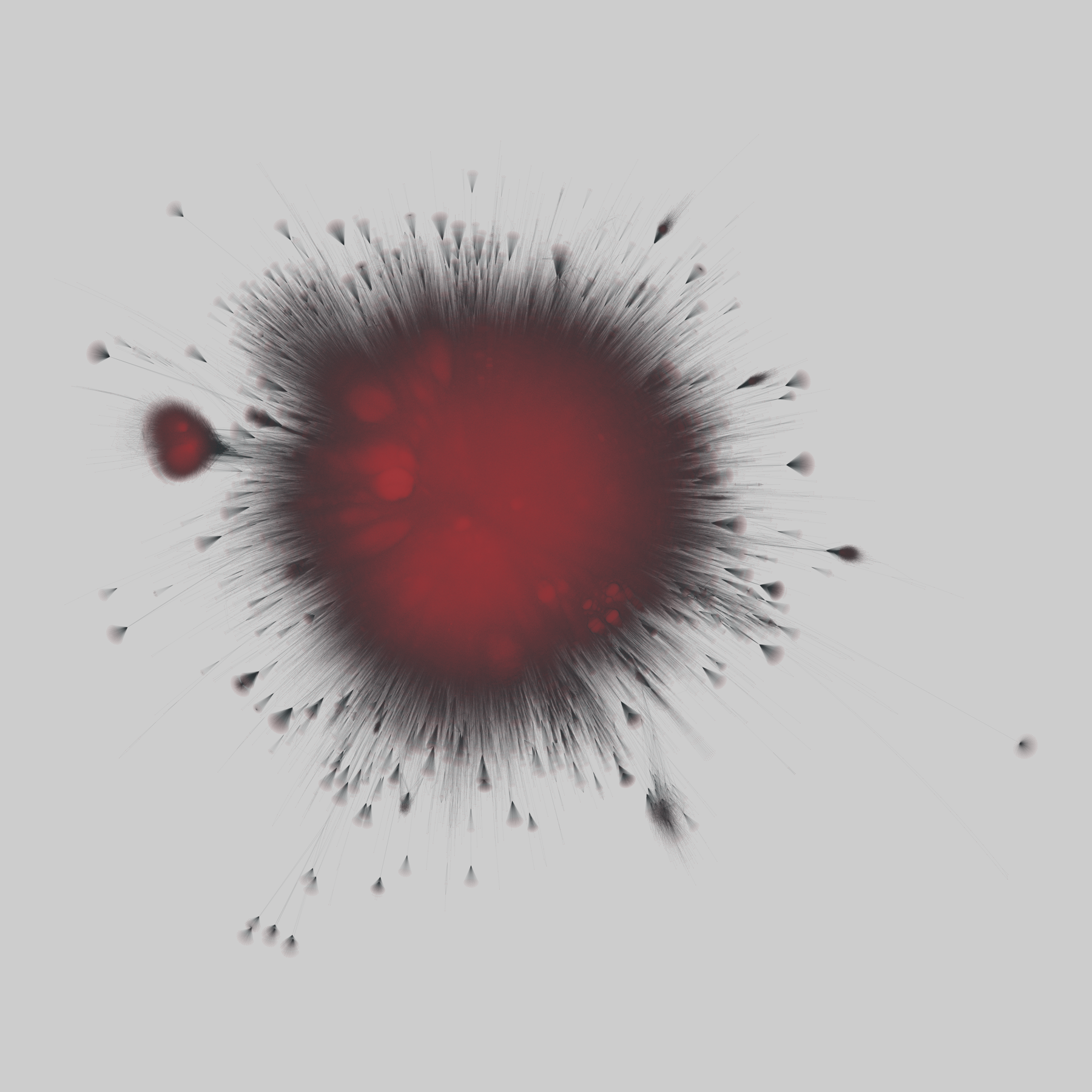
as_skitter: Skitter IP graph (2005)
An aggregate snapshot of the Internet Protocol (IP) graph, as measured by the traceroute tool on CAIDA's skitter infrastructure, in 2005.
This network has 1696415 nodes and 11095298 edges.
Tags: Technological, Communication, Unweighted
https://networks.skewed.de/net/as_s…
🎶 But you’ll find that nowadays, I’ve mended all my ways… Repented, seen the light and made a switch… True? Yes! 🎶
https://blog.elenarossini.com/w-social-public-institutions-and-the-theater-of-european-digital-sovereignty/
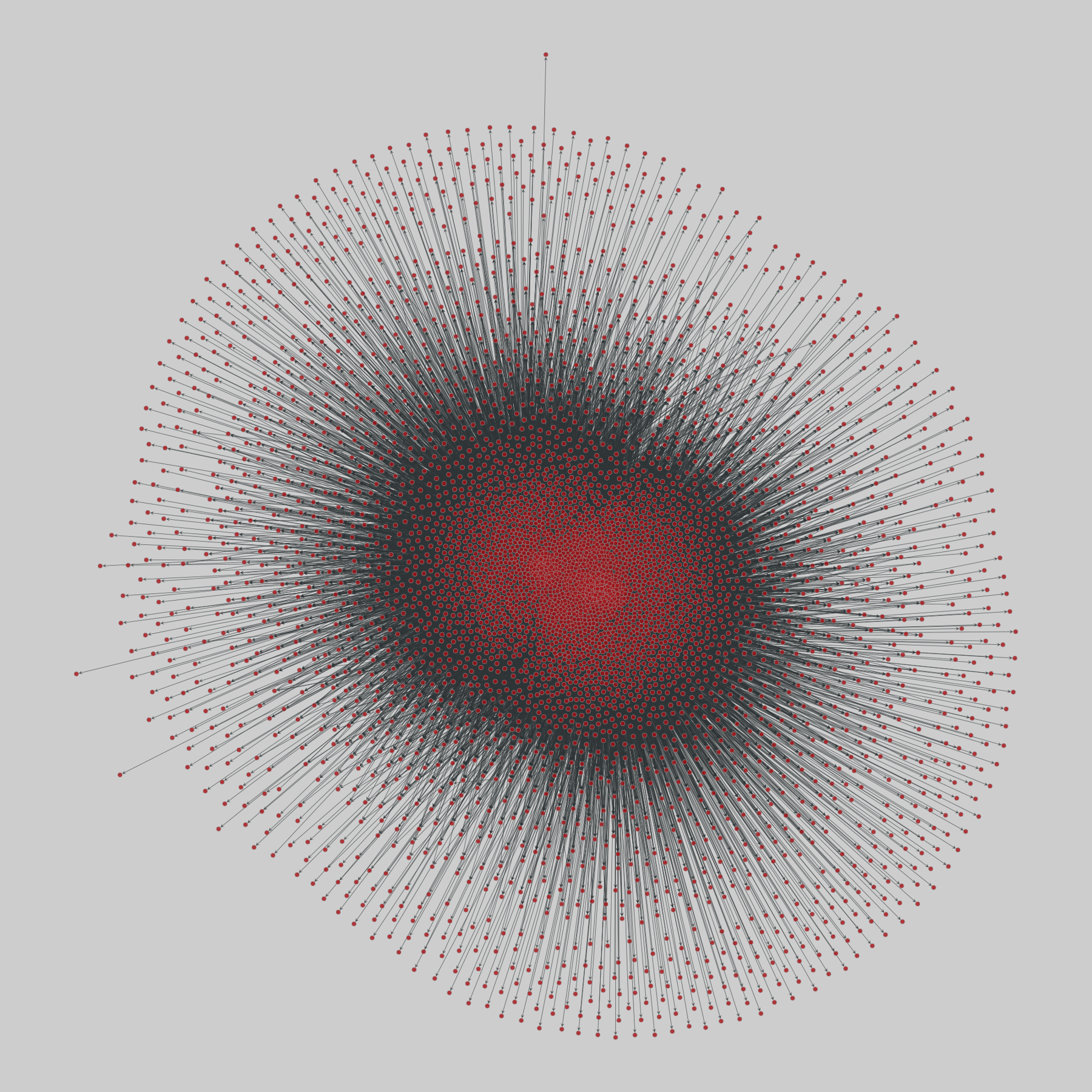
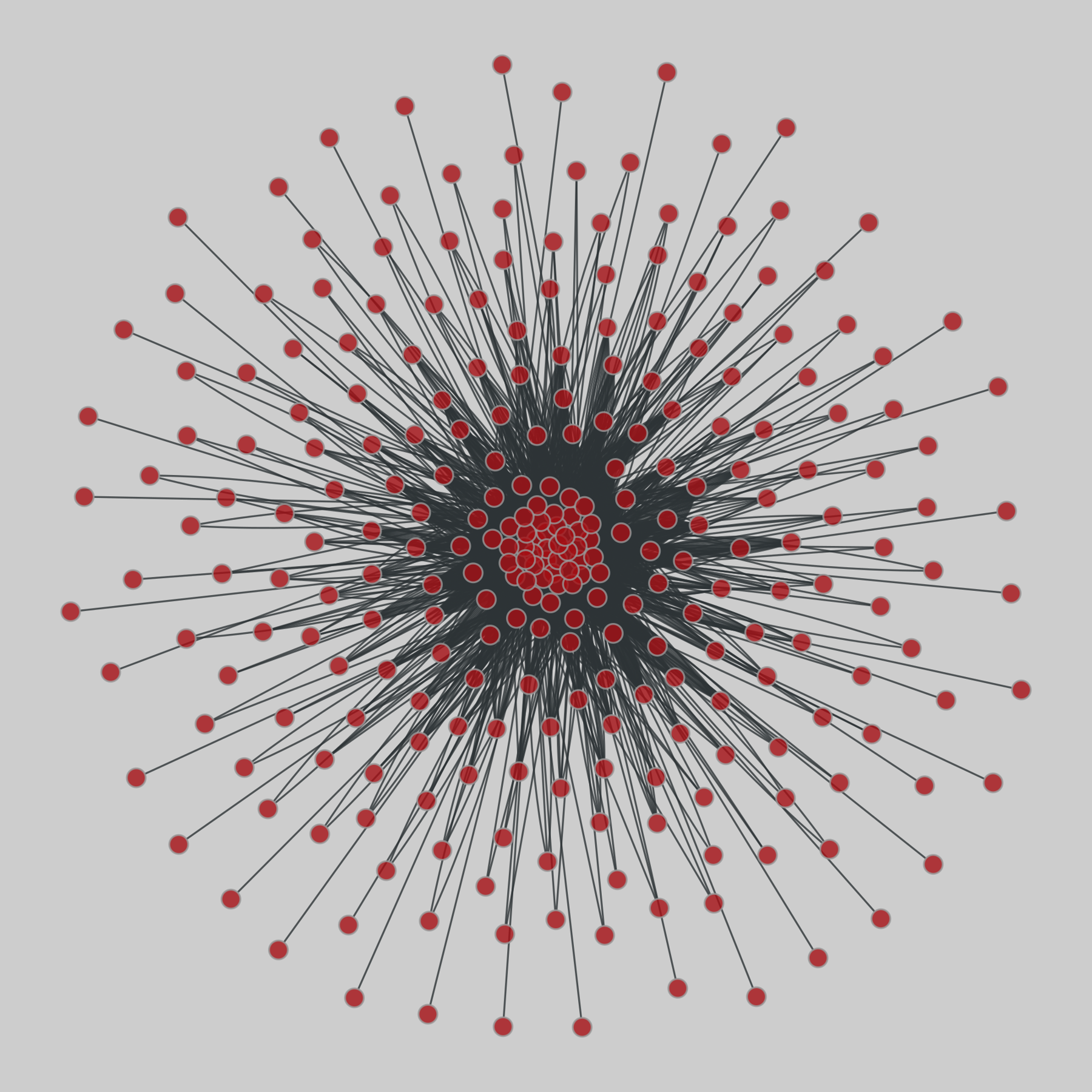
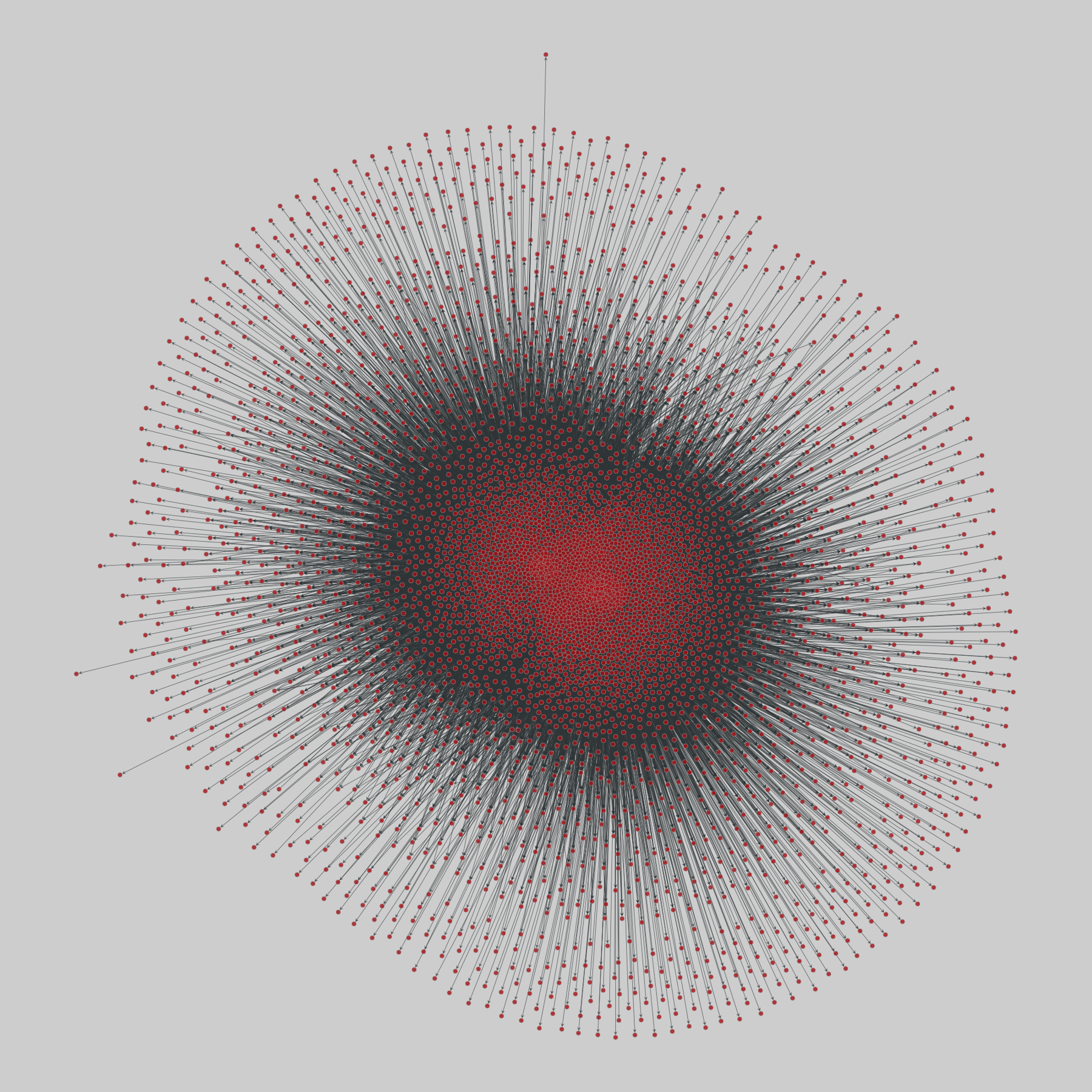
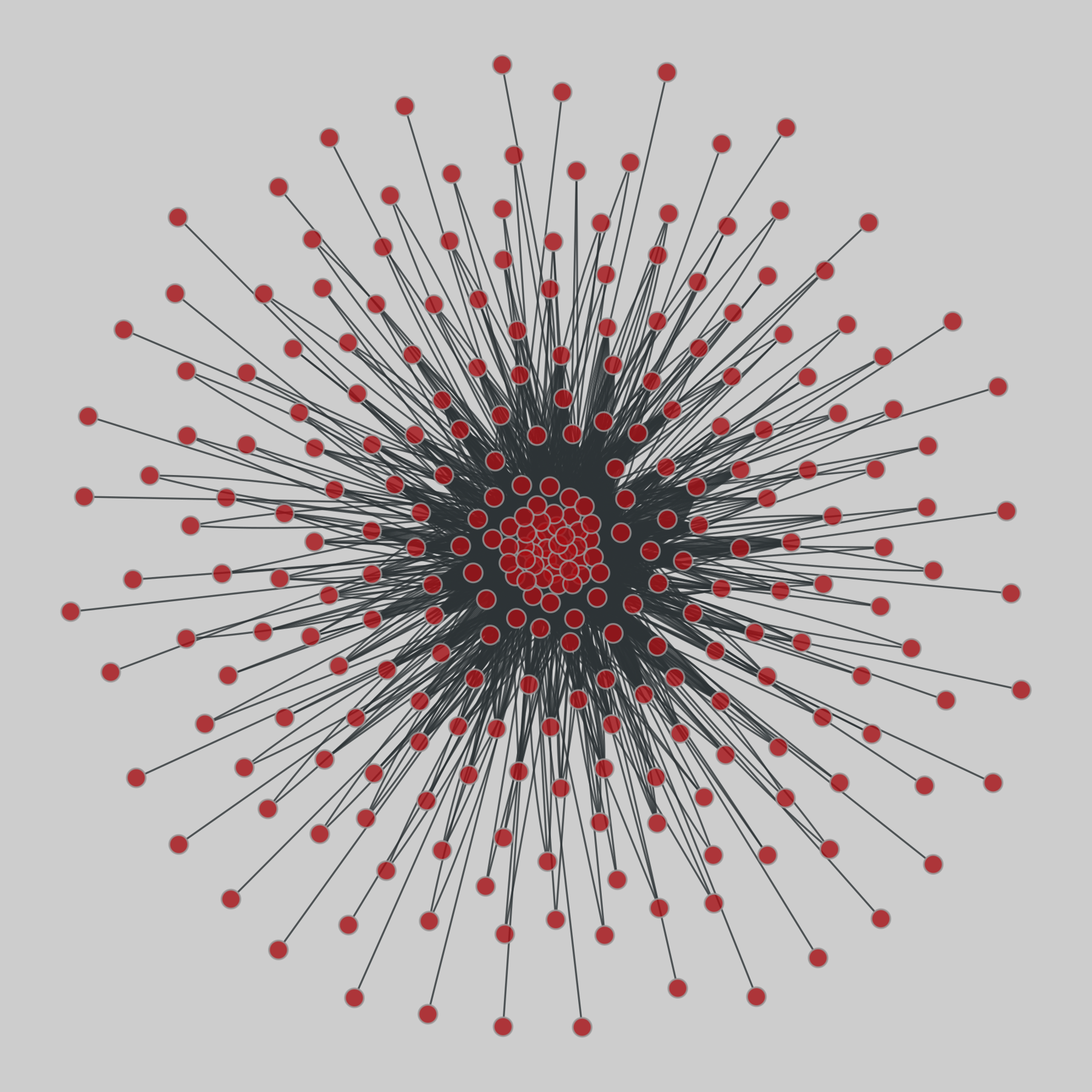
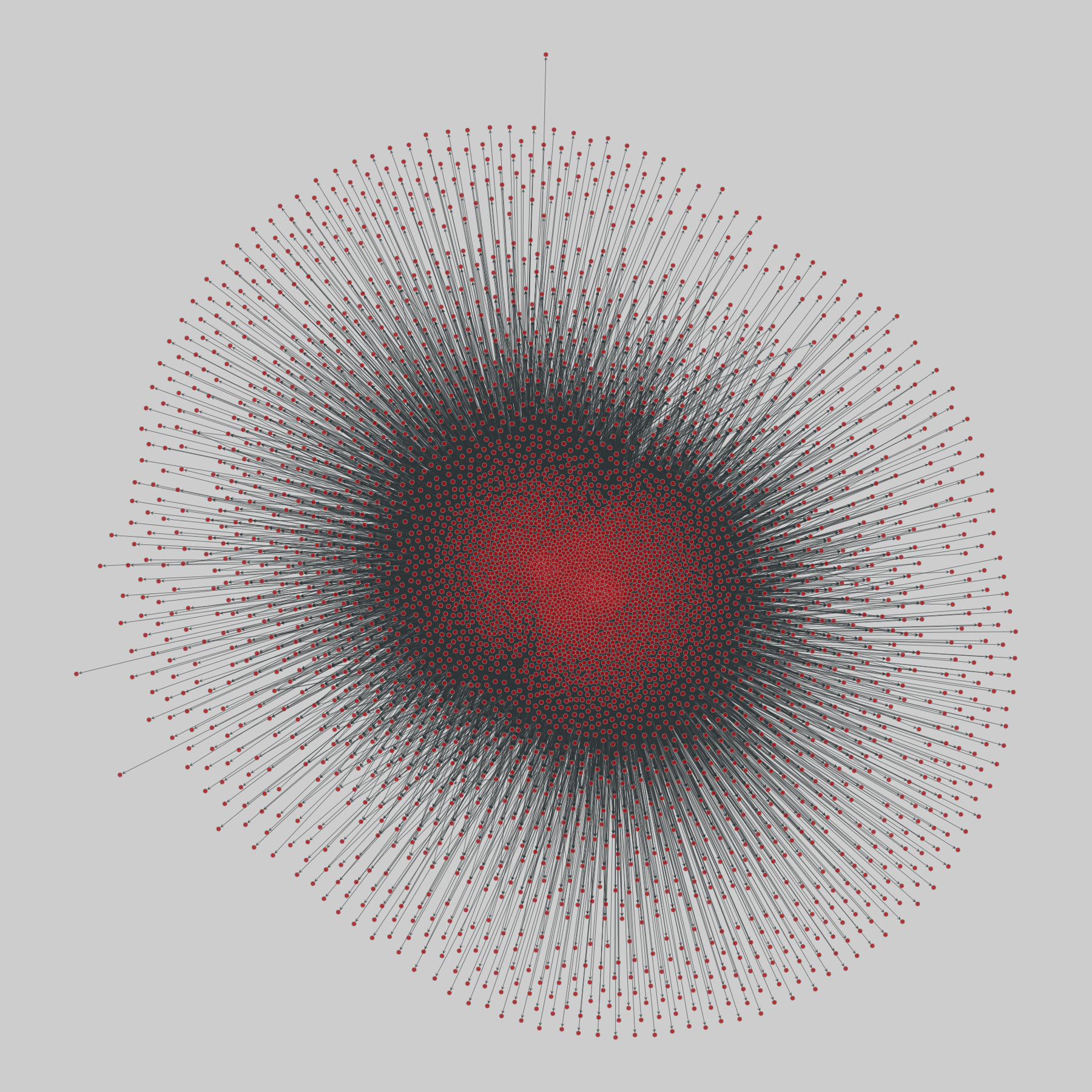
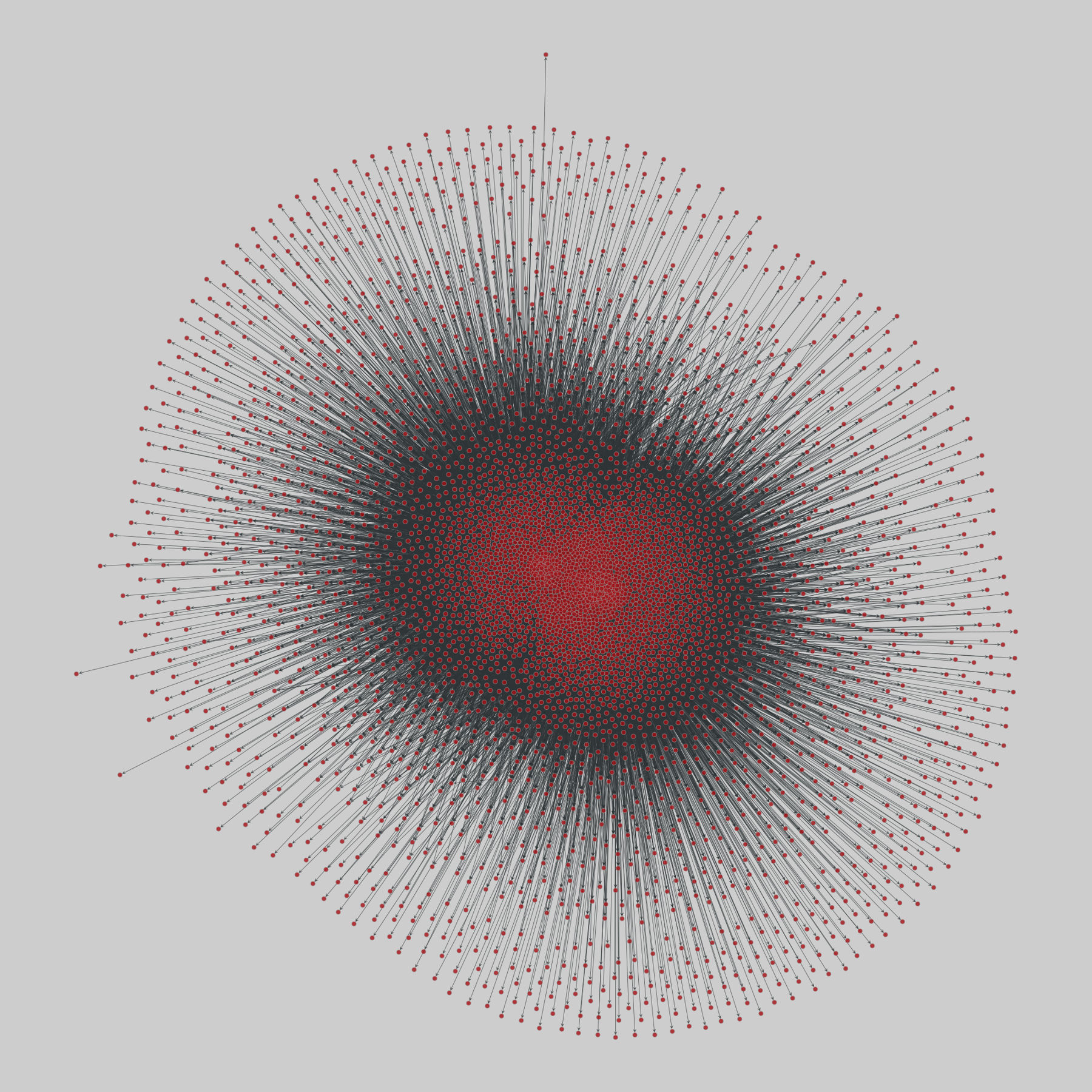
fediverse: Fediverse network (2018)
An early snapshot of the federation network among web publishers using the ActivityPub protocol. Nodes are instances, and a directed edge exists if an instance follows another instance.
This network has 4860 nodes and 484164 edges.
Tags: Social, Online, Information
https://ne…
SoundCloud übernimmt gescheiterte Blockchain-Musikplattform Nina Protocol
Nach dem Scheitern von Nina Protocol übernimmt SoundCloud dessen kulturelle Infrastruktur und baut sein Angebot für Independent-Künstler aus.
fediverse: Fediverse network (2018)
An early snapshot of the federation network among web publishers using the ActivityPub protocol. Nodes are instances, and a directed edge exists if an instance follows another instance.
This network has 4860 nodes and 484164 edges.
Tags: Social, Online, Information
https://ne…
Started designing my A2A protocol for my little LLM harness last night pretty neat
Also looked into the OpenAI and Anthropic compatible layers in things like ollama - yeah that’s pretty shit going to be fun making this work well on those as they all have quite primitive tool calling layers
"A review of nascent policy approaches in the UK, California, Australia, New Zealand, Germany, France, and the EU, indicates a fragmented landscape where most jurisdictions address only parts of the protocol stack and only some of the control layers. [..] The report presents a phased roadmap recommending global harmonisation of functional requirements rather than technology mandates."
✅ Allow / deny rules on every outbound request, written as #CEL expressions against typed, protocol-specific variables.
🔍 Protocol-aware, not just HTTP — it terminates the full wire protocol so rules see what the agent is actually doing.
🗄️ Postgres / ClickHouse — parses SQL from the wire: rules see sql.verb, sql.tables, sql.statement. Deny DROP TABLE, gate SELECT * FROM api_keys, rest…
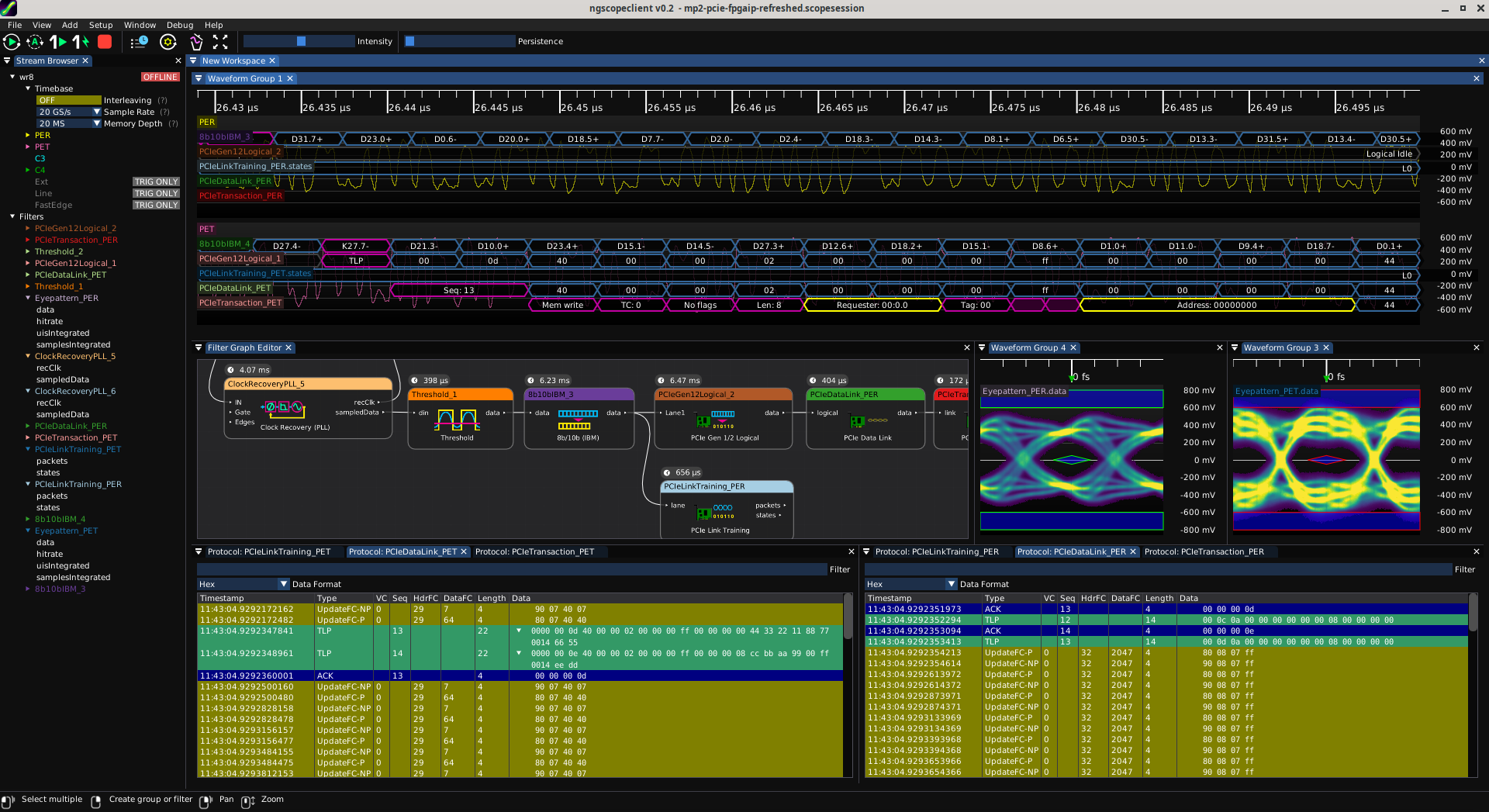
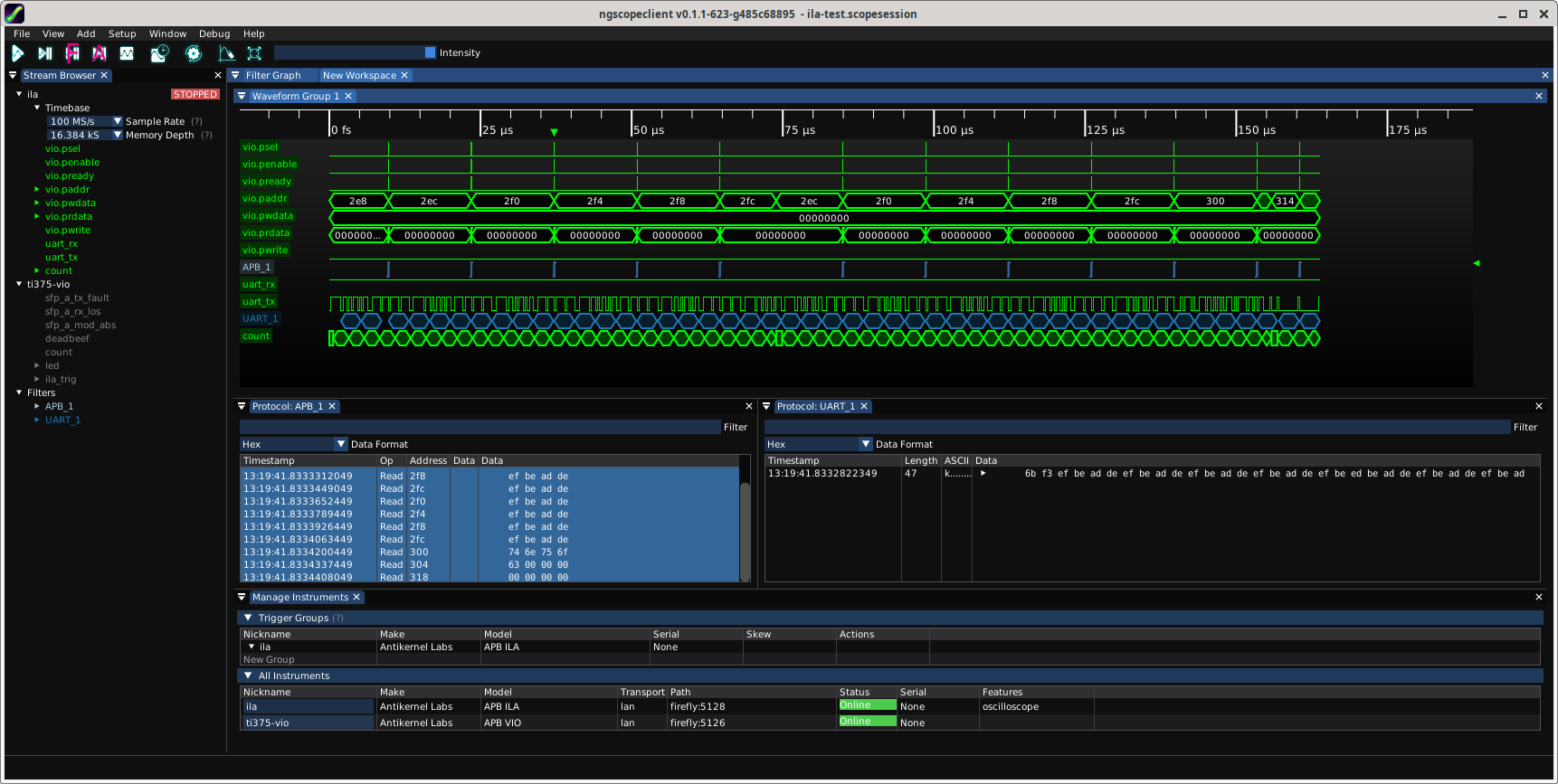
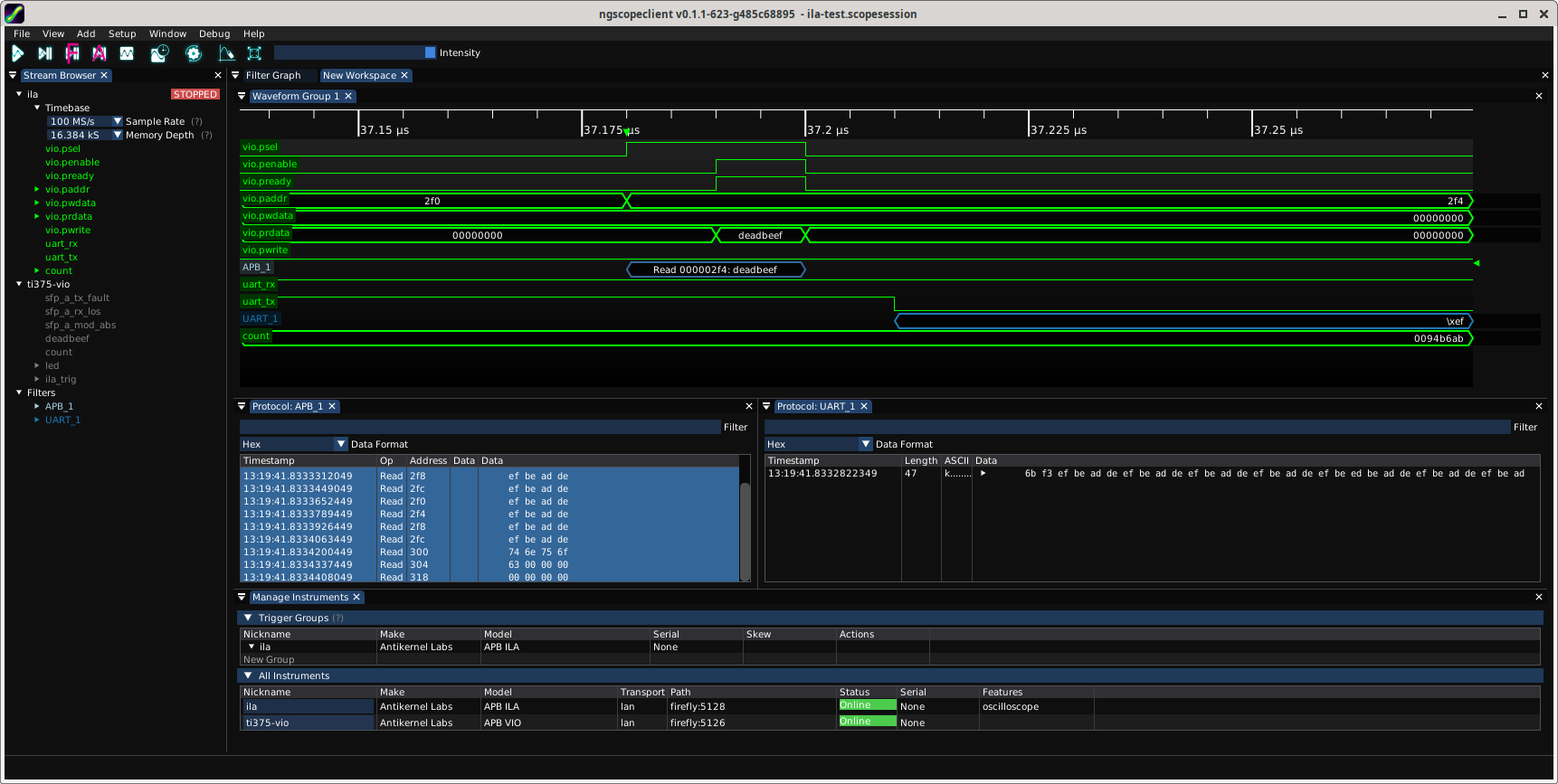
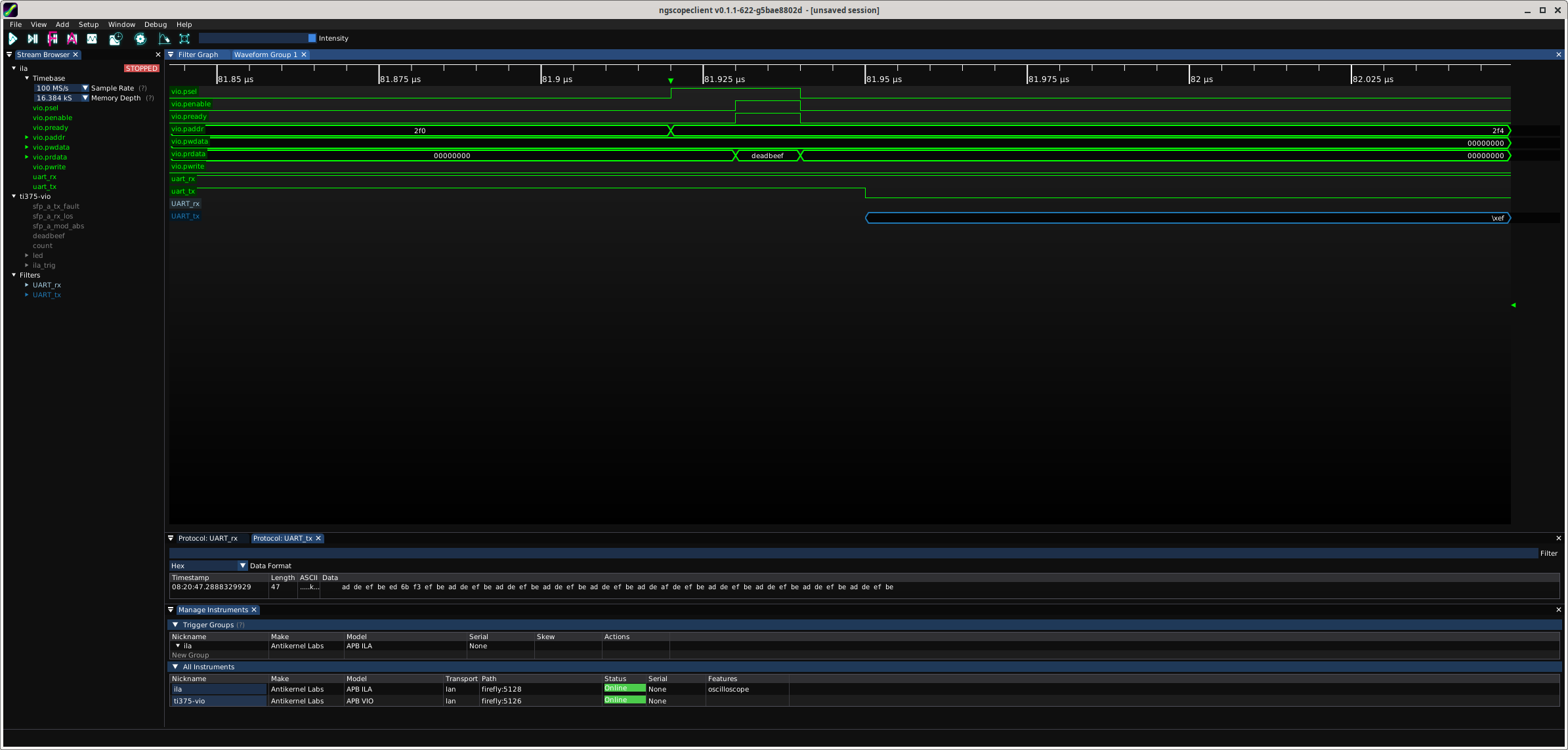
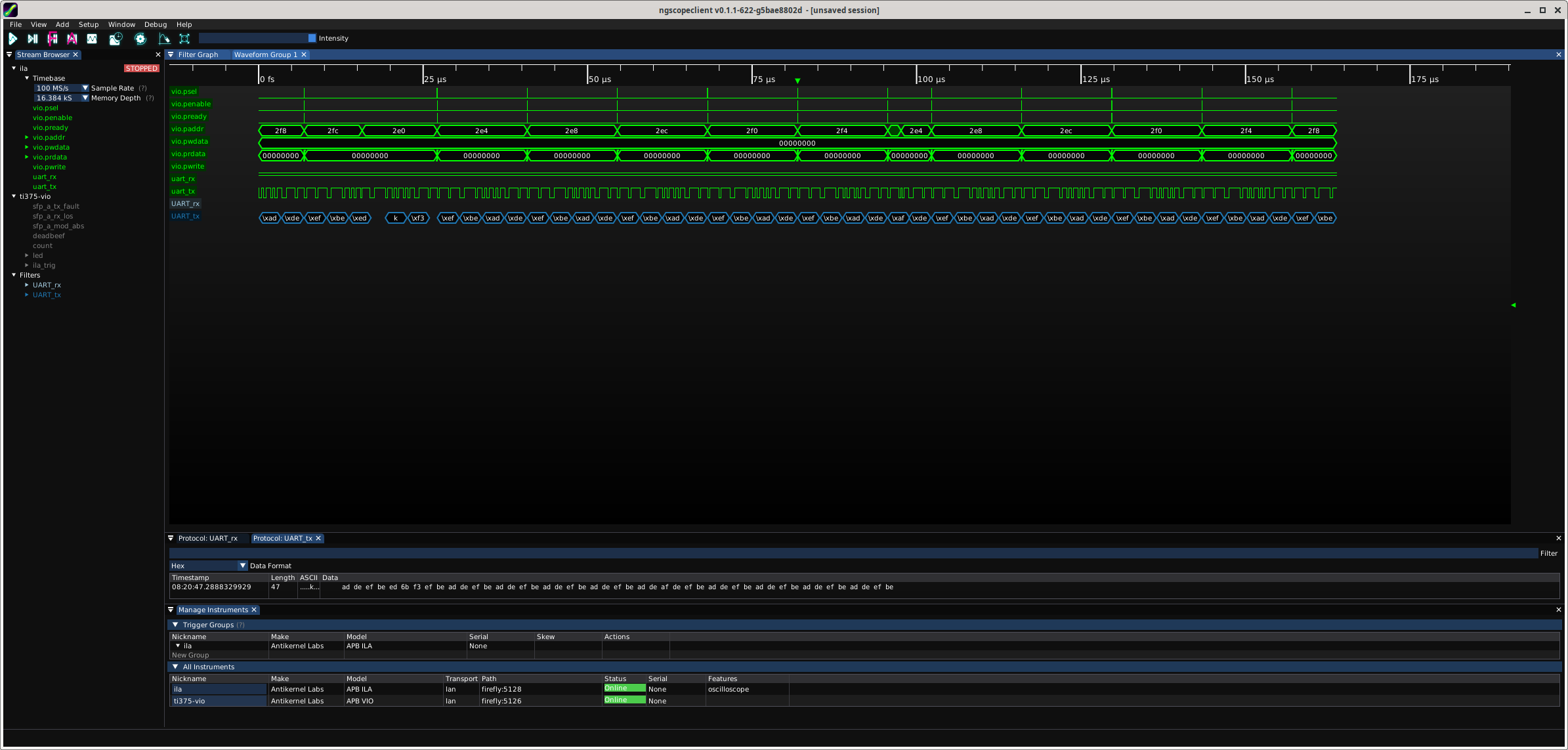
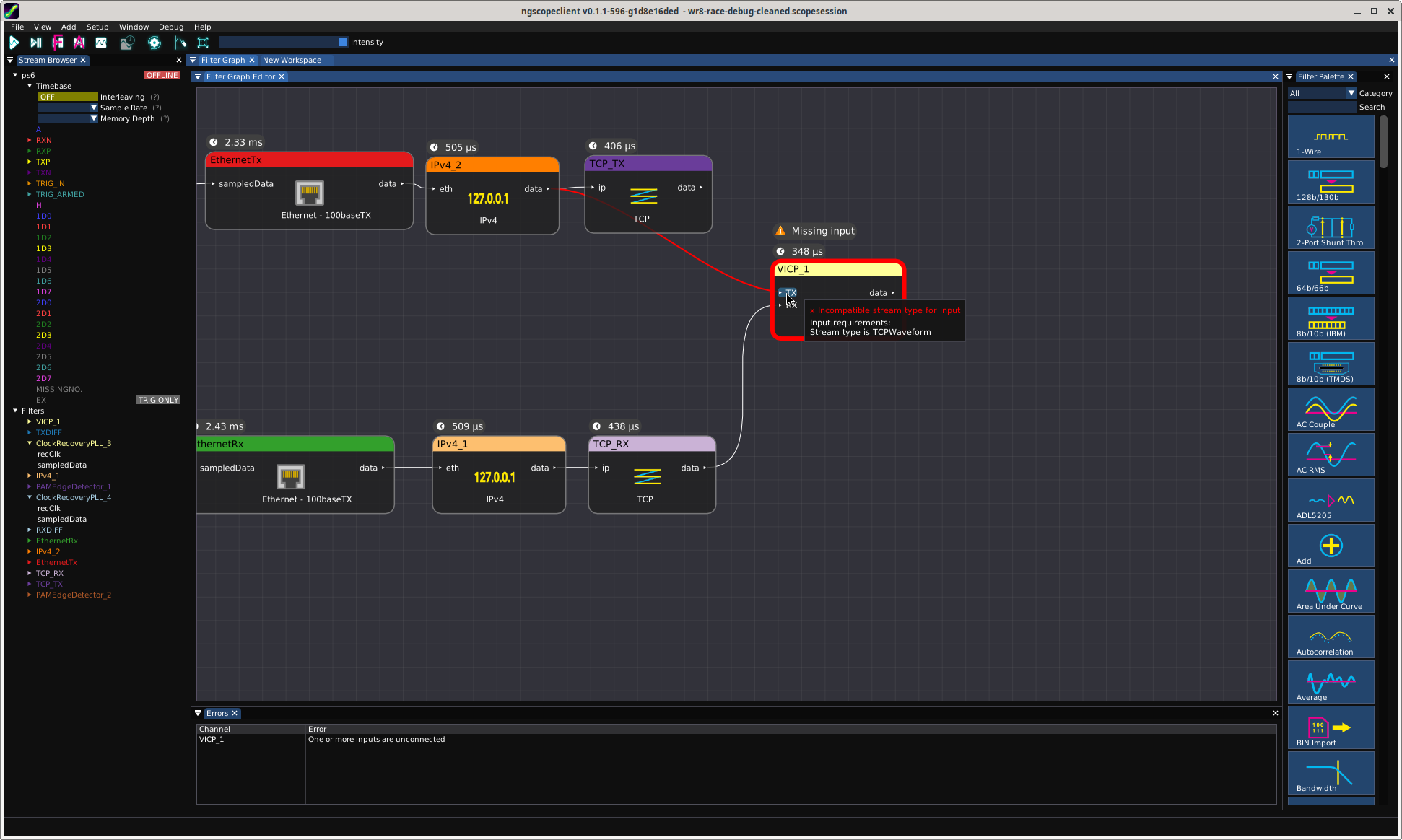
Having protocol decodes overlaid on your FPGA ILA traces is an absolute game changer, I'm never going back to the Vivado ILA lol.
I need to do a bit more polishing of the UI and improve some workflows and probably add a JTAG and Ethernet transport and some other things like adding proper trigger comparators instead of hard coding external trigger only.
But using ngscopeclient for FPGA debug for just a couple of days is already making me wonder what took me so long to do this…
fediverse: Fediverse network (2018)
An early snapshot of the federation network among web publishers using the ActivityPub protocol. Nodes are instances, and a directed edge exists if an instance follows another instance.
This network has 4860 nodes and 484164 edges.
Tags: Social, Online, Information
https://ne…
Mid year, trying to knock out a few blog posts. Finished the one on the Gemini protocol, since I wanted to do that one before I finish the small web one. Next up is a brief one on physical media, then the one on the small web after that. And maybe get a few more in after all those before the end of the year.
#blogs #blogging
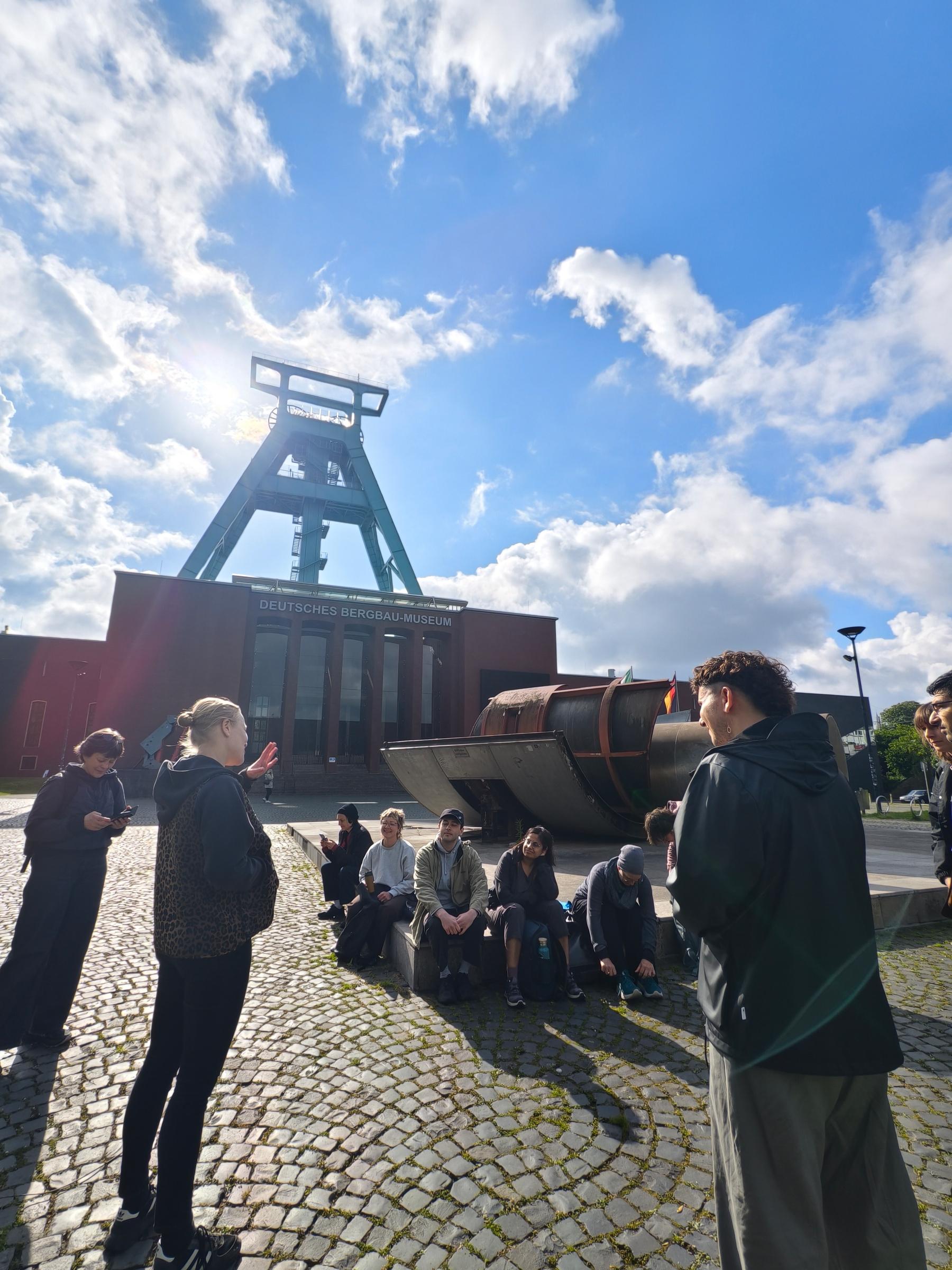
Our #waste in motion research workshop in Bochum is finished, and I’m ready for the weekend after organizing this humble gathering. 1 digital humanities workshop, 2 post-mining excursions, 3 international guests, and relentless fun and appreciation.
Waste lives on. Stay tuned. But for now, 😴
Federal court rules Alabama's nitrogen gas execution protocol unconstitutional
https://www.lawdork.com/p/alabama-nitrogen-hypoxia-unconstitutional
In the Opener Initiative, we collaborate on implementing the #DectNRPlus standard.
The standard provides license-free radio (no cellular operators) in the 1.9GHz band, with all bells and whistles of a 5G radio standard for #IoT applications.
In Opener, we are working on a portable
The ngscopeclient team is excited to announce the release of version 0.2 of our open source instrument remote control, protocol decoding, and signal processing suite (https://www.ngscopeclient.org/).
This release includes a few new drivers and filter blocks but is mostly focused on performance and stabili…
Only for people with their own personal site: Do you have a human.json on your website?
https://codeberg.org/robida/human.json
My reason for asking is I'm making a blogging site for myself and while looking at other blogs for inspiration I came across it.
What is it with standards authors and their design approaches that they so often fall victim to monolithic specs, full of severe feature creep? Why are modern data/protocol standards still not more layered/modularized, with especially niche or just nice-to-have-but-not-essential features delegated to optional layers/modules instead of including them all into the core spec? This kind of unstratified design approach not just acts as an amplifier of complexity, edge cases and unintended interac…
@… Some ideas I host - maybe you'll find something useful
- cgit
- privatebin
- immich
- nextcloud
- gemini (gemini protocol smolweb site)
- vaultwarden
- send (timvisee/send)
- garage hq (s3)
- audiobookshelve (for ebooks actually)
- navidrome
- freshrss
- matrix server
- irc bouncer
- searxng
- …
RedBSD Install – Grey Protocol Security
<https://www.youtube.com/watch?v=F4zpeeOO78g>
Quick Install Video Email Heads-Up
<ht…
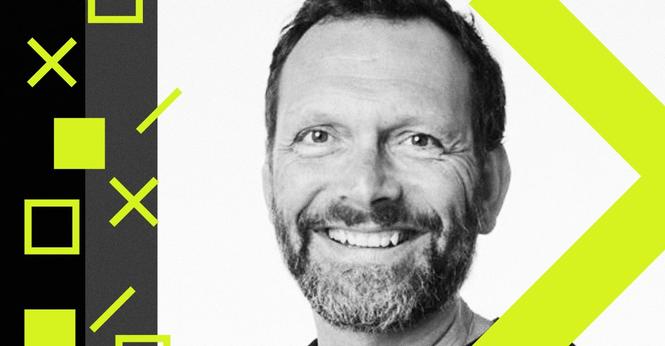
Q&A with Bluesky CEO Toni Schneider on the AT Protocol, ActivityPub, scaling moderation, Bluesky's reputation as a progressive social media network, and more (Nilay Patel/The Verge)
https://www.theverge.com/podcast/974387/bluesky-toni-sc…
Got the ILA working with digital vector signals, long overdue for ngscopeclient.
There's a lot more work to do (most notably trigger comparators) but as long as you can provide an external trigger input in gateware this is usable for debug.
Threw together a quick protocol decoder for APB to test it out.
Emacs folks re-discovering X windows, and what XEmacs has done for 25 years.
https://lists.gnu.org/archive/html/emacs-devel/2026-05/msg00605.html
🎯 Core systems already work: query planner, buffer cache, storage engine, B-tree indexes, wire protocol (psql connects), JSON/JSONB, window functions, foreign keys, EXPLAIN / EXPLAIN ANALYZE, regex, PL/pgSQL pieces, and standard SQL with transactions, aggregates and joins.
Tennessee death row prisoner
Tony Carruthers was issued a one-year stay of execution last Thursday
after prison officials were unable to find a backup injection vein
in a botched execution attempt that left Carruthers suffering and in pain for over an hour.
Nashville reporter Steven Hale attended the execution and describes his and fellow witnesses’ confusion as they heard the sounds of what Carruthers’s attorneys are calling “torture.”
Per Tennessee’s lethal i…
Random close packing at extreme size ratios with an Adam-based inflation protocol
Kenneth Desmond
https://arxiv.org/abs/2608.12235 https://arxiv.org/pdf/2608.12235 https://arxiv.org/html/2608.12235
arXiv:2608.12235v1 Announce Type: new
Abstract: We present \texttt{rcpgenerator}, an openly available code for generating $d$-dimensional dense, disordered, non-overlapping close packings from an arbitrary prescribed list of particle diameters. The method adapts the Clarke--Wiley inflation protocol, but instead uses the Adam optimizer to relax the particle configuration. Typically, particle coordinates are advanced with a single, global step size, which must shrink as the size ratio $S\equiv D_{\max}/D_{\min}$ grows, generally stalling the optimization. Adam instead gives each coordinate its own adaptive step size, stabilizing the optimization time across a broader range of $S$. We demonstrate this in three-dimensional periodic tests that reach $S\sim5\times10^{5}$ for a continuous lognormal distribution ($N\sim10^{6}$ diameters) and particle numbers up to $N\approx5.6\times10^{6}$ for power-law distributions, with the densest packings reaching $\phi\simeq0.87$, each completed in minutes to hours on a multicore machine. Across truncated-lognormal, truncated-power-law, and Weibull distributions, the resulting $\phi$ reproduces trends such as the locations of peaks and knees with distribution shape and $S$ found in prior numerical results and in the parameter-free Farr--Groot prediction, with a remaining offset typically $0.005$--$0.01$. Additionally, results are commensurate with multimodal packing densities measured in vibrated-bed experiments. The code and the complete per-case census behind every figure are released with the paper.
toXiv_bot_toot
Scaling-optimal purification of noisy qubit unitary channels
Ryotaro Niwa, Satoshi Yoshida, Koki Ono, Takeru Utsumi, Zhaoyi Li, Yuxiang Yang, Ryuji Takagi, Mio Murao
https://arxiv.org/abs/2606.12394 https://arxiv.org/pdf/2606.12394 https://arxiv.org/html/2606.12394
arXiv:2606.12394v1 Announce Type: new
Abstract: We consider the problem of purifying noisy qubit unitary channels. Given the ability to apply an unknown qubit unitary channel followed by depolarizing noise, we aim to construct a superchannel that purifies the noisy unitary back to the original unknown unitary. We first provide numerical evidence that sequential strategies can strictly outperform parallel strategies when the number of channel uses is finite, highlighting the fundamental distinction from state purification. We then provide a concrete $\mathrm{U}(2)$-covariant parallel protocol based on a novel entanglement-assisted quantum error-correcting code that suppresses the first-order noise strength as $O(1/n)$ with $n$ channel uses and show this scaling is asymptotically optimal in the low-noise regime, even when sequential strategies are allowed.
toXiv_bot_toot
First light on the ngscopeclient ILA integration including digital vector support up to 32 bits (up to 64 will come soon and is straightforward to add, bigger will be a bit more work since there's no native int type bigger than that)
Next step will be to make a protocol decode for APB to prove out the decode flow on digital buses
Evaluating Large Language Models for Symbolic Security Protocol Analysis
Paolo Modesti, Syed Ahmed, Ioannis Sfyrakis, Derek Enodolomwanyi
https://arxiv.org/abs/2607.20712 https://arxiv.org/pdf/2607.20712 https://arxiv.org/html/2607.20712
arXiv:2607.20712v1 Announce Type: new
Abstract: Security protocol verification relies on formal tools such as ProVerif and OFMC. This study evaluates whether Large Language Models (LLMs) can perform comparable analysis. We test GPT and DeepSeek in chat and reasoning modes over three runs on 130 obfuscated AnB/AnBx protocols covering 388 security goals, scored against ProVerif and OFMC. Chat models reach 69 to 81% recall at precision below 31%. Reasoning models reverse this trade-off, reaching 66.5% precision for GPT and 45.4% for DeepSeek, but detect just over half the attacks. DeepSeek's two modes share one underlying model, so the comparison isolates reasoning itself, which raises precision from 27.2% to 45.4%. The GPT contrast spans a model-version change and is only suggestive. All models perform worst on authentication goals: reasoning models detect well under half of injective and non-injective agreement attacks, whereas chat models over-flag them at low precision. Confidentiality is the exception, with F1 up to 95.7% in reasoning mode. Verdicts are unstable across runs, identical on 89.7% of goals for GPT but 74.0% for DeepSeek. Self-reported confidence is uniformly high yet shows no meaningful correlation with correctness. On this benchmark LLMs do not match formal verification, but may serve, at best, as pre-screening filters.
toXiv_bot_toot
Tomorrow! Join Grist Labs co-founder Stan for a demo of Grist's new MCP server.
We'll start small and then show off a complex workflow that leverages multiple integrations, so there's something for everyone.
Connect Claude, ChatGPT, Gemini, or your own local models to your docs over the Model Context Protocol, then list and query tables, read and write rows, and build schema, all via OAuth with scoped access.
Register:
Fun fact: government in Poland will be introducing "new" communicator called "mSzyfr" (in eng would be "mCipher") that is just matrix-protocol backend and rebranded element client. I mean, I think that is rather good, as this really seem as attempt to leave the micro$softs and other companies traps.
I .... don't know yet what else to think, as for example the backend will be "Element ESS Pro" which means rather good financial support for matri…
Crosslisted article(s) found for physics.app-ph. https://arxiv.org/list/physics.app-ph/new
[1/1]:
- Round-Robin Test of a Light-Emitting Electrochemical Cell: Establishing a Reference Protocol for ...
Anton Kirch, et al.
Just finished my Gemini protocol research, and several of your capsules are included there (and will be in the blog post) - if you have one of your own (or some favorite ones), let me know- even if you think we've already talked about it, send it here again just in case!
#Gemini #GeminiProtocol
@… I think this is particularly interesting in the context of the previous "What is the Fediverse?" (Paraphrasing, don't recall exact wording) poll.
If we generally agree that the Fediverse is the total sum of all ActivityPub messages, then it should become quite obvious that presuming how others must use the protocol is a fool's errand at best.
…
as_skitter: Skitter IP graph (2005)
An aggregate snapshot of the Internet Protocol (IP) graph, as measured by the traceroute tool on CAIDA's skitter infrastructure, in 2005.
This network has 1696415 nodes and 11095298 edges.
Tags: Technological, Communication, Unweighted
https://networks.skewed.de/net/as_s…
They forgot the 3 and 2 of the 3-2-1 backup protocol.
PBS broadcaster loses access to 50TB of data comprising 70 years of TV history after contracted cloud storage vendor goes defunct — public TV channel sues Iron Mountain data center, which hosts archival materials, to ensure preservation https://www.tomshardware.com/software/cloud-storage/nine-pbs-loses-access-to-70-years-of-data-after-contracted-cloud-storage-vendor-goes-defunct-public-tv-channel-sues-iron-mountain-data-center-which-hosts-archival-materials-to-ensure-preservation
Crosslisted article(s) found for q-fin.TR. https://arxiv.org/list/q-fin.TR/new
[1/1]:
- Causal Effects of Protocol-Fee Changes on Liquidity Provision in Automated Market Makers
Wen-Ting Wang
https://arxiv.org/abs/2607.08525 https://mastoxiv.page/@arXiv_statAP_bot/116894591191654431
- Fundamental market design as a layer of AI-agent alignment
Omar Inverso, Emilio Tuosto, Dragisa Zunic
https://arxiv.org/abs/2607.09702 https://mastoxiv.page/@arXiv_csGT_bot/116917195062533854
toXiv_bot_toot
Welp, I need to re-record the ngscopeclient 100baseT1 demo video lol.
After some tuning, I can now run the TX *and* RX protocol decodes , and constellation diagrams, in real time. The only thing I can't do is eye patterns of both lanes (that slows it down from 12.5 to around 11.75 Hz refresh rate)
Version 0.2 of coap-message-implementations is out. This #RustLang library provides building blocks for server and client implementation of the #CoAP protocol (think HTTP but for #IoT devices with less than 100KiB of …
fediverse: Fediverse network (2018)
An early snapshot of the federation network among web publishers using the ActivityPub protocol. Nodes are instances, and a directed edge exists if an instance follows another instance.
This network has 4860 nodes and 484164 edges.
Tags: Social, Online, Information
https://ne…
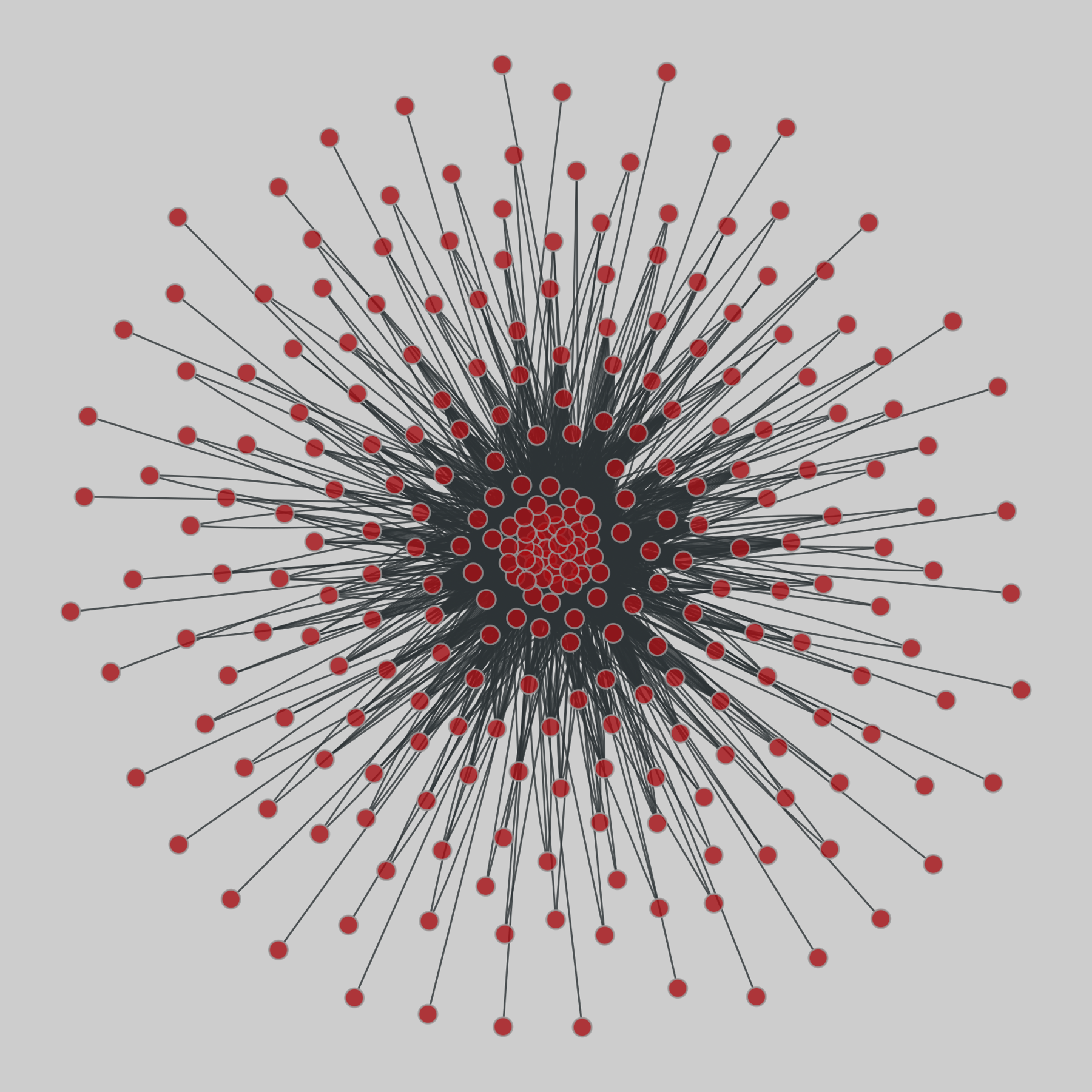
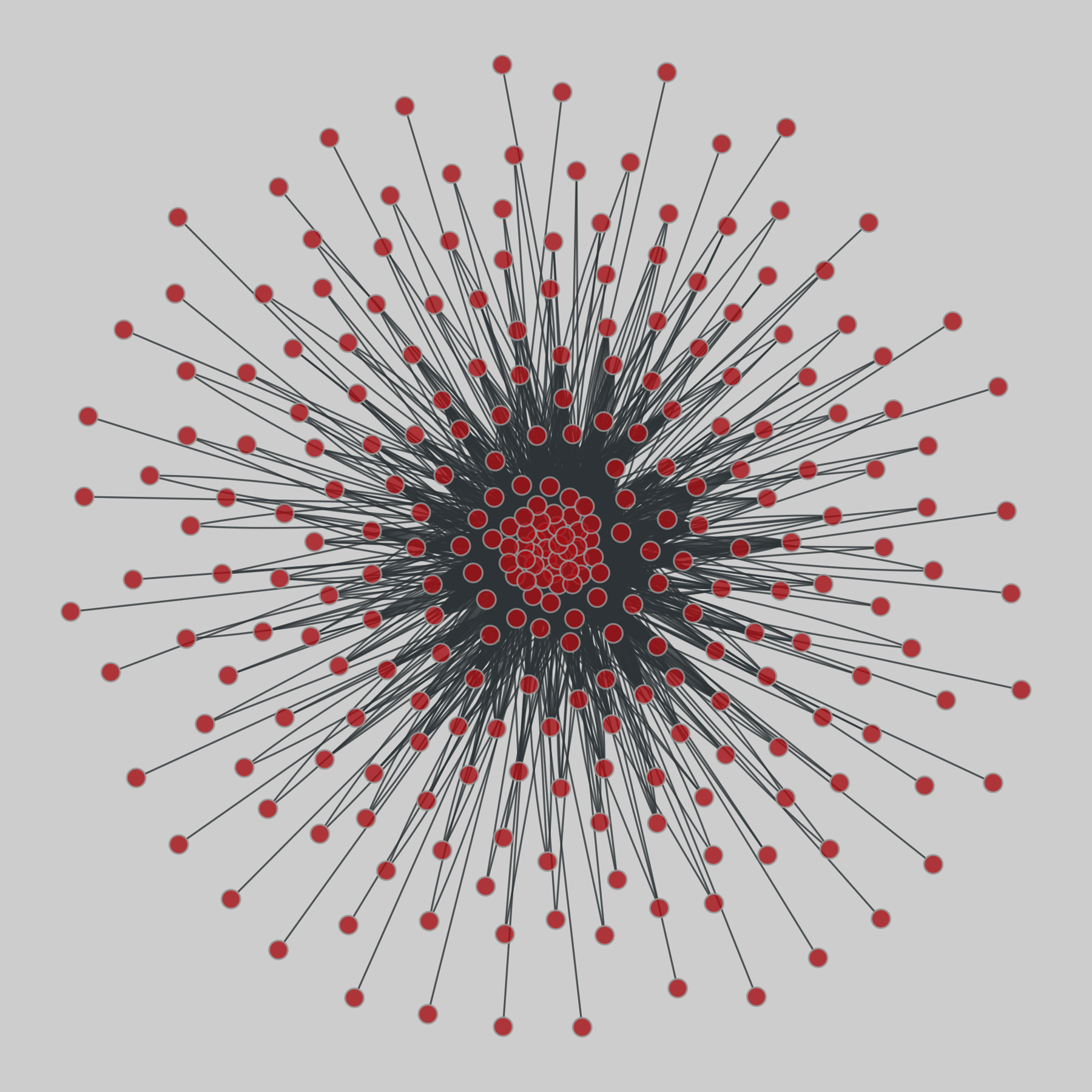
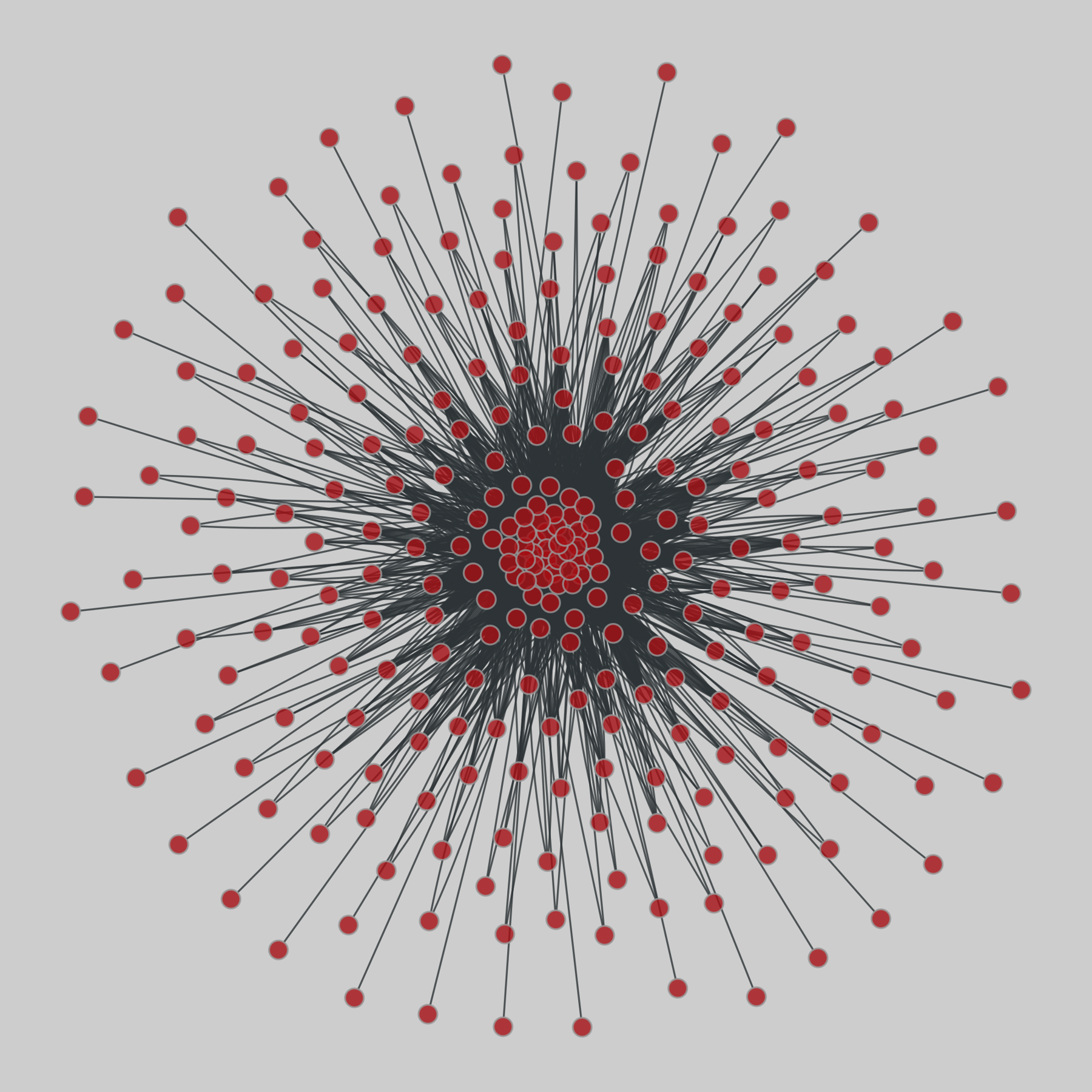
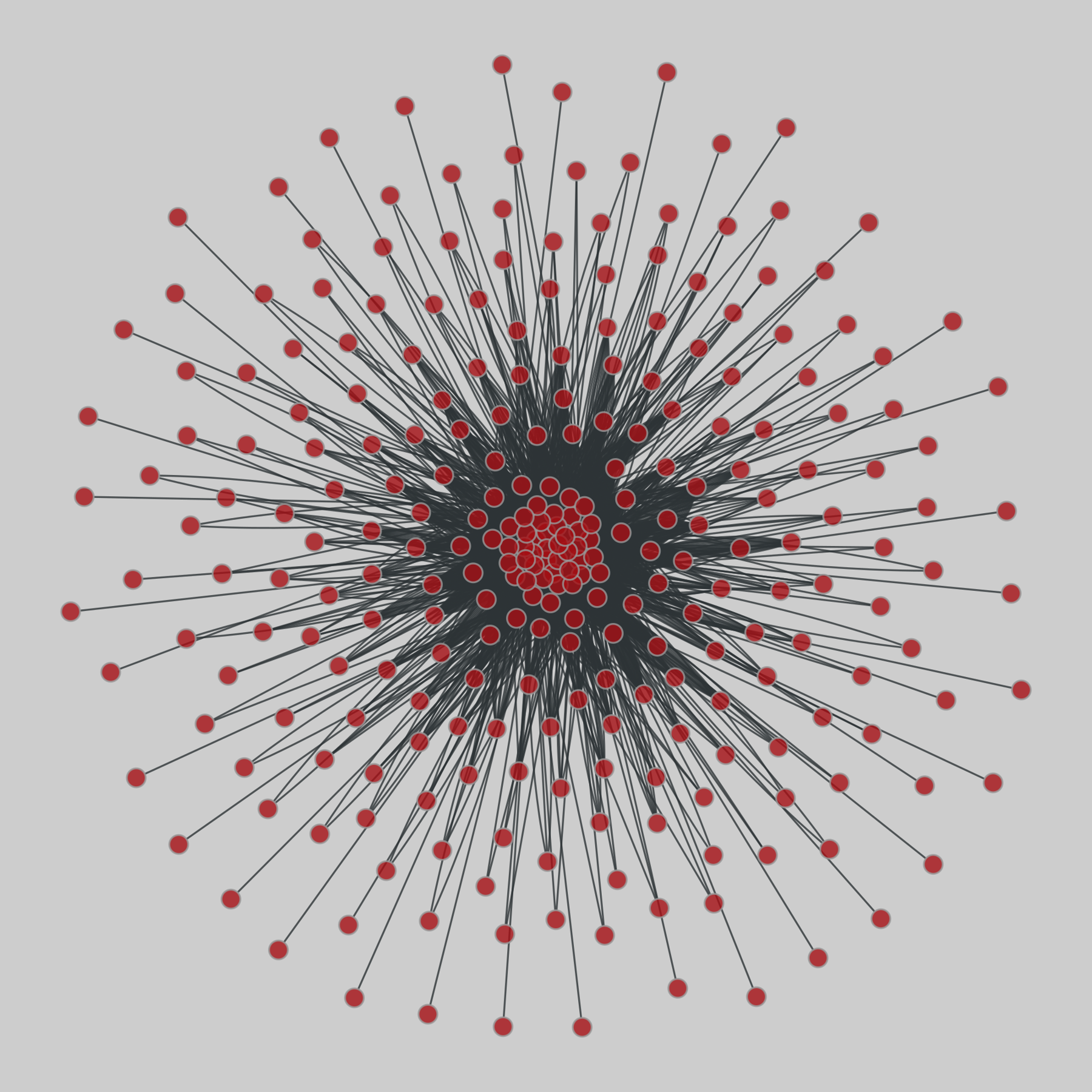
contact: Haggle human proximity network (2006)
A network of human proximities, as measured by carried wireless devices. Each node represents a person, and an edge denotes when two people were within a certain proximity of each other, as measured by a wireless protocol (Bluetooth or Wifi). The edges are timestamped.
This network has 274 nodes and 28244 edges.
Tags: Social, Offline, Unweighted, Timestamps
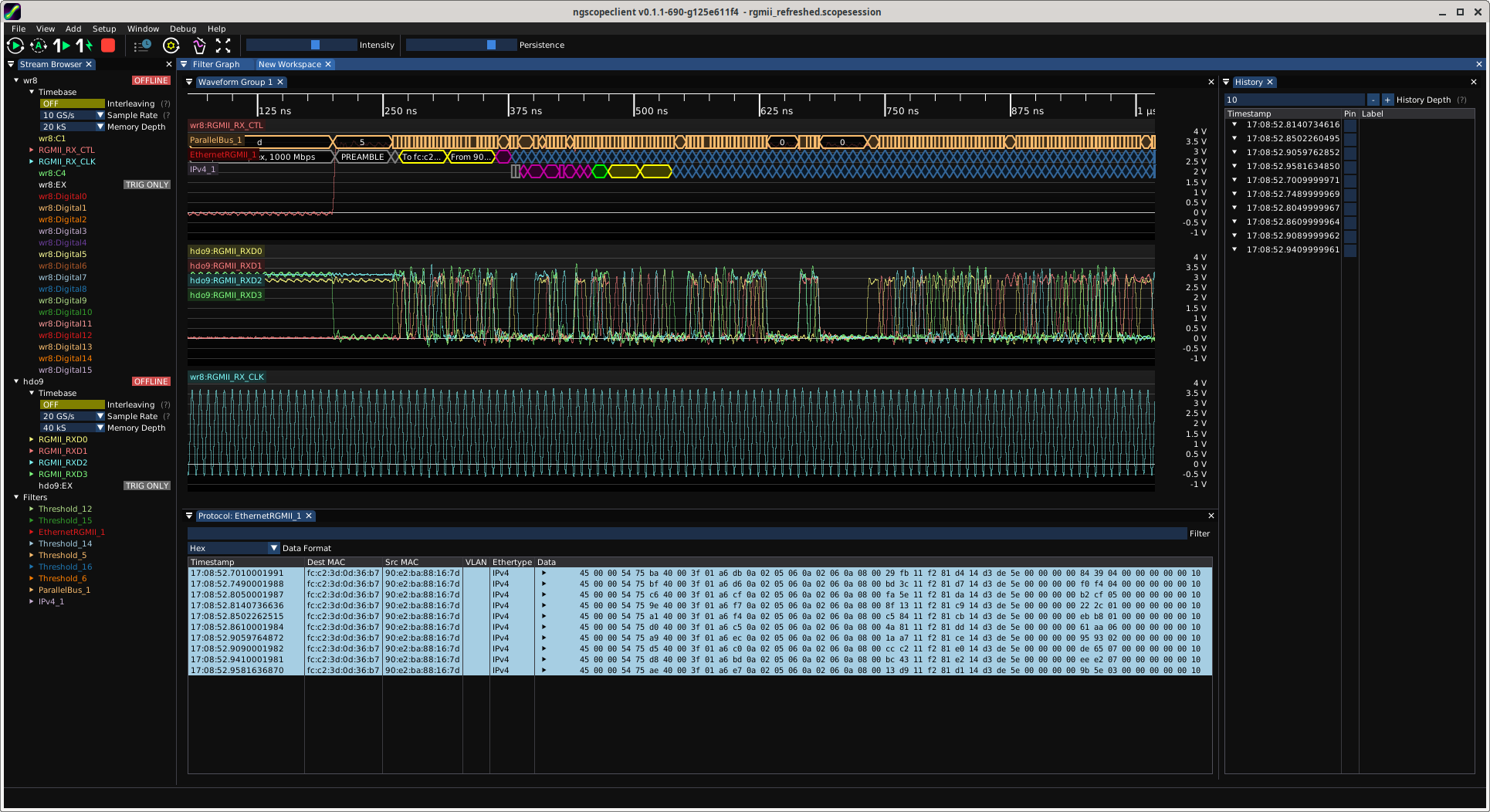
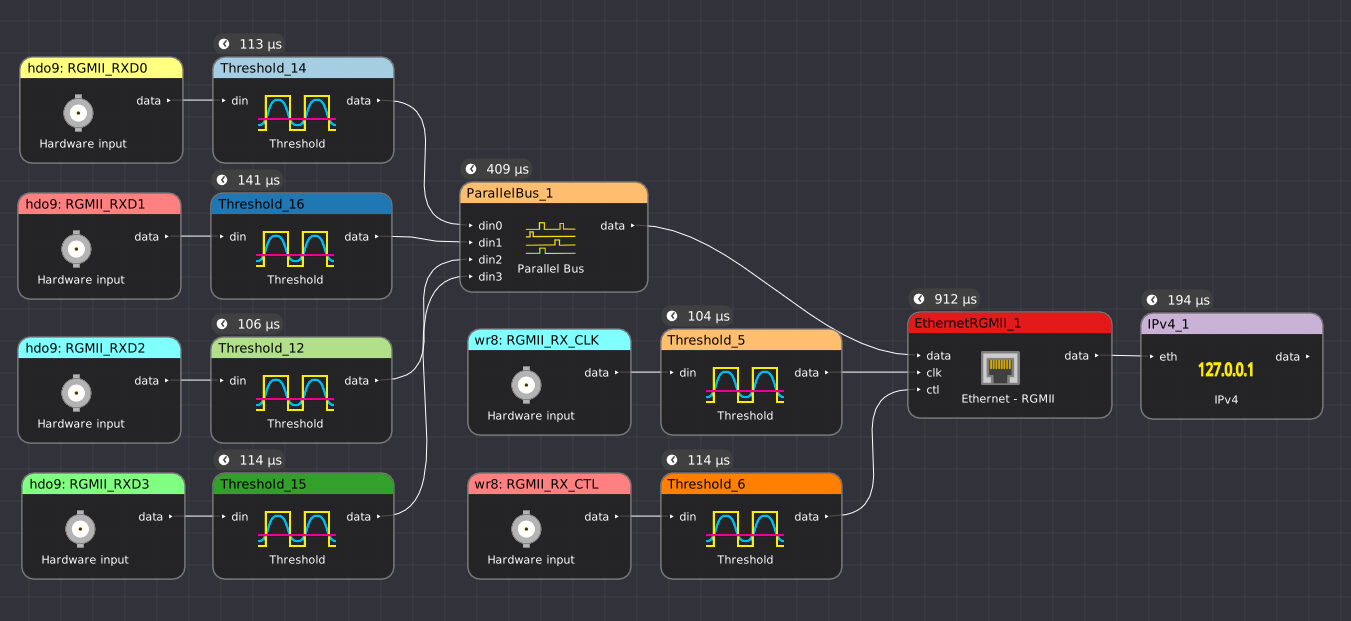
ngscopeclient now has a newly unbitrotted RGMII protocol decode!
We had this years ago in scopeclient but it used the old inefficient (std::vector<bool> at each sample) parallel bus data model and was commented out for ngscopeclient until we could come up with a better data model.
Now it's back, in time for v0.2.
I also had to un-bitrot this session file: it was an ancient (June 2020) dataset that predated the modern multi-instrument data model in ngscopeclient.…
🎚️ The default skill reads the brief, infers a design language and tunes three 1-10 dials: DESIGN_VARIANCE (centered vs asymmetric), MOTION_INTENSITY (hover vs scroll/magnetic) and VISUAL_DENSITY (spacious vs dense dashboards)
🔧 v2 of the default skill is a rewrite: brief inference, a design-system map, a hard em-dash ban, canonical #GSAP code skeletons, a redesign-audit protocol and a str…
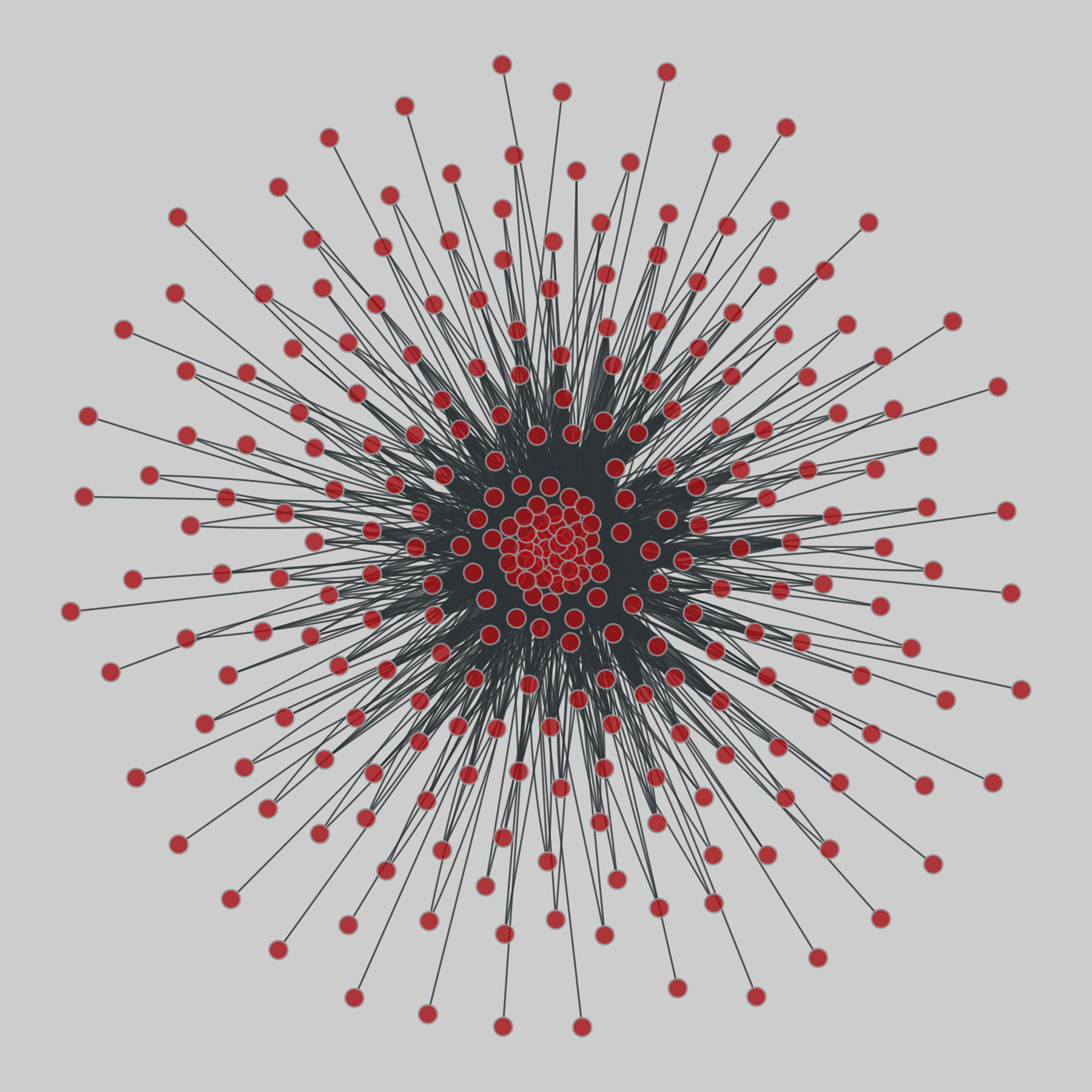
as_skitter: Skitter IP graph (2005)
An aggregate snapshot of the Internet Protocol (IP) graph, as measured by the traceroute tool on CAIDA's skitter infrastructure, in 2005.
This network has 1696415 nodes and 11095298 edges.
Tags: Technological, Communication, Unweighted
https://networks.skewed.de/net/as_s…
as_skitter: Skitter IP graph (2005)
An aggregate snapshot of the Internet Protocol (IP) graph, as measured by the traceroute tool on CAIDA's skitter infrastructure, in 2005.
This network has 1696415 nodes and 11095298 edges.
Tags: Technological, Communication, Unweighted
https://networks.skewed.de/net/as_s…
Cloudflare partners with Google, Microsoft, and Mozilla on PACT, a protocol to distinguish legitimate human or bot traffic from undesirable network requests (Thomas Claburn/The Register)
https://www.theregister.com/software…
Tomorrow! Join Grist Labs co-founder Stan for a demo of Grist's new MCP server.
We'll start small and then show off a complex workflow that leverages multiple integrations, so there's something for everyone.
Connect Claude, ChatGPT, Gemini, or your own local models to your docs over the Model Context Protocol, then list and query tables, read and write rows, and build schema, all via OAuth with scoped access.
Register:
(SmallTalk legacy cont:) It gave us message passing and late binding, which form the logical backbone of the entire Internet. That idea developed in many places, yes, but SmallTalk was a nexus for it.
The fact the web sites and browsers can be updated independently of each other? that you can visit web sites that didn’t even •exist• when you downloaded your browser? That’s sender-receiver decoupling at work: the Internet is built on messages, and senders and receivers can change independently as long as the message protocol stays intact.
In a far-removed but very real sense, that’s part of SmallTalk’s legacy too!
3/
Can anybody get me some waveform captures (in native ngscopeclient .scopesession format, or any of the supported binary/CSV waveform formats we can import) for CAN-FD?
There's a six year old ticket against libscopehal for adding FD support to the CAN protocol decoder but I don't have anything around that speaks it which makes developing a decode tricky.
fediverse: Fediverse network (2018)
An early snapshot of the federation network among web publishers using the ActivityPub protocol. Nodes are instances, and a directed edge exists if an instance follows another instance.
This network has 4860 nodes and 484164 edges.
Tags: Social, Online, Information
https://ne…
World Foundation, the nonprofit behind the World protocol, raised $52.5M led by Pantera through a strategic sale of its WLD token with a one-year lockup (Yogita Khatri/The Block)
https://www.theblock.co/post/409610/world-foundation-wld-token-sale-funding
as_skitter: Skitter IP graph (2005)
An aggregate snapshot of the Internet Protocol (IP) graph, as measured by the traceroute tool on CAIDA's skitter infrastructure, in 2005.
This network has 1696415 nodes and 11095298 edges.
Tags: Technological, Communication, Unweighted
https://networks.skewed.de/net/as_s…
Evaluation-Recording Contamination in Learned Nano-Quadrotor Dynamics: A Fresh-Seed Audit
David Shulman
https://arxiv.org/abs/2607.18482 https://arxiv.org/pdf/2607.18482 https://arxiv.org/html/2607.18482
arXiv:2607.18482v1 Announce Type: new
Abstract: Learned flight-dynamics models are often trained on short windows extracted from longer recordings. Randomly splitting these windows can place dependent samples from the same physical flight in both training and evaluation sets. We audit this issue using a fixed snapshot of the NanoBench Crazyflie 2.1 dataset. The experiment holds evaluation flights, rollout starts, training-window count, validation data, and optimization budget fixed. In the contaminated protocol, [LeakagePercent] percent of a recording-disjoint training set is replaced with windows from evaluation recordings, while both arms use the same clean validation set. We compare a world-coordinate delta multilayer perceptron with a relative-coordinate control across [NumSeeds] fresh training seeds and [NumEvalFlights] complete evaluation recordings. The primary endpoint is failure-aware position RMSE over 1-second rollouts, analyzed with paired crossed recording-by-seed inference. Contamination lowers apparent world-model error by 12.1 percent, from 0.299 m to 0.262 m, but the predeclared 95 percent confidence interval for contaminated minus disjoint error is -0.0735 to 0.0011 m. Because the interval crosses zero, the confirmatory result is negative. Secondary horizons and the relative-coordinate model show similar trends, but no coordinate-representation interaction is supported. Reliable leakage assessment therefore requires recording-level splits, failure-aware rollouts, replication across fresh seeds, and inference over both recordings and optimization seeds.
toXiv_bot_toot
fediverse: Fediverse network (2018)
An early snapshot of the federation network among web publishers using the ActivityPub protocol. Nodes are instances, and a directed edge exists if an instance follows another instance.
This network has 4860 nodes and 484164 edges.
Tags: Social, Online, Information
https://ne…
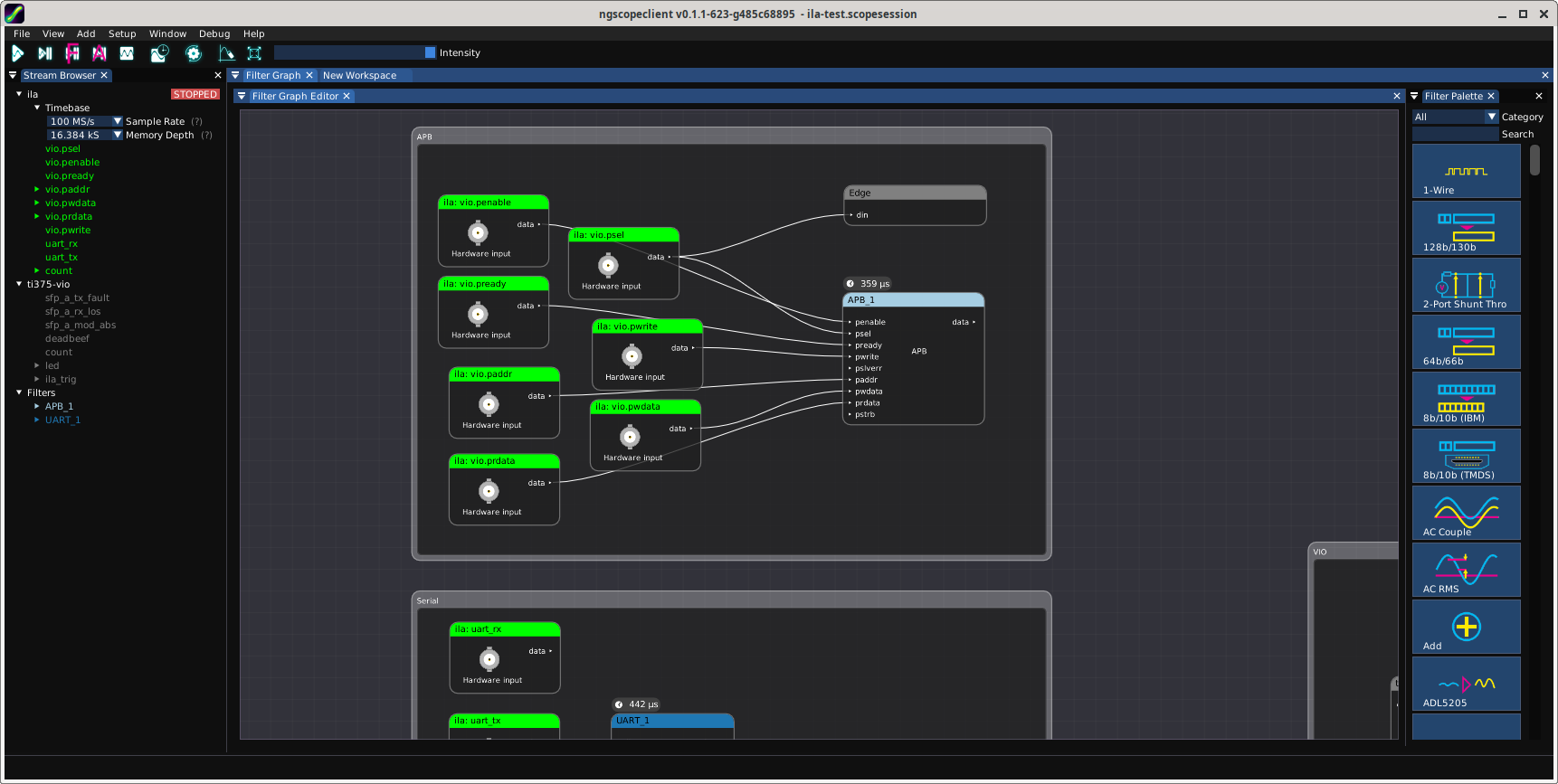
Continuing to make progress on the new input validation flow.
Anybody have feedback? I'm open to tweaking the UI although I think the backend APIs and data model are reasonably final
contact: Haggle human proximity network (2006)
A network of human proximities, as measured by carried wireless devices. Each node represents a person, and an edge denotes when two people were within a certain proximity of each other, as measured by a wireless protocol (Bluetooth or Wifi). The edges are timestamped.
This network has 274 nodes and 28244 edges.
Tags: Social, Offline, Unweighted, Timestamps
Updating the ngscopeclient manual in advance of the upcoming v0.2 release and decided to add this note in hopes that it will save someone else hours of debugging in the future.
Digital Twin Modeling of a Highly Automated Agricultural Tractor
Clay Hallman, Lukas Pindl, Timo Oksanen
https://arxiv.org/abs/2607.19912 https://arxiv.org/pdf/2607.19912 https://arxiv.org/html/2607.19912
arXiv:2607.19912v1 Announce Type: new
Abstract: In efforts to increase research efficiency and availability, a digital twin of our research tractor (AMX G-trac) is created, focusing especially on the CAN communication for data reading and actuation command following the ISOBUS protocol. Mevea Simulation Software is utilized as the foundation, providing the kinematic model and visuals, while Python is used to read and write CAN messages over a Kvaser CanKing virtual CAN channel. Various performance tests involving straight line and turning behavior are performed in both the digital twin simulation and in the real world to measure similarity. Results indicate that the Mevea model behaves very comparable in its lateral dynamics, often within 5-10 percent, but requires better data to fully capture the longitudinal aspects like acceleration. The final model described in this paper sets the table for a second iteration to include more tractor functions such as hydraulics and tractor-implement dynamics.
toXiv_bot_toot
PRIME-SVR: Physics-infoRmed Implicit Multi-Echo Slice-to-Volume Reconstruction for Fetal T2 mapping
Busra Bulut, Maik Dannecker, Thomas Sanchez, Sara Neves Silva, Steven Jia, Jean-Baptiste Ledoux, Leo Pomar, Joanna Sichitiu, Yvan Gomez, Meriam Koob, Vincent Dunet, Maria Deprez, Guillaume Auzias, Francois Rousseau, Jana Hutter, Daniel Rueckert, Meritxell Bach Cuadra
https://arxiv.org/abs/2607.20136 https://arxiv.org/pdf/2607.20136 https://arxiv.org/html/2607.20136
arXiv:2607.20136v1 Announce Type: new
Abstract: Slice-to-volume reconstruction (SVR) is the standard method for obtaining high-resolution (HR) 3D fetal brain volumes from motion-corrupted 2D MRI slice stacks acquired in multiple orientations. Existing SVR methods are optimized and validated only for clinical-range echo times (TEs), limiting their use at non-clinical TEs and making them incompatible with quantitative T2 mapping, a protocol- and center-independent biomarker of fetal brain maturation requiring HR reconstructions across multiple TEs. We present PRIME-SVR, the first implicit neural representation (INR) framework for joint HR reconstruction from multi-echo MRI. A single fully connected network models a continuous function from spatial coordinates to signal intensities across TEs, while a second network estimates slice-specific acquisition degradations. Cross-TE coherence is enforced via a Bloch equation-derived regularization penalizing deviations from expected T2 decay, with adaptive weighting that strengthens coupling for degraded stacks. The method is fully self-supervised. We validate PRIME-SVR on 39 in vivo fetal acquisitions (13 subjects x 3 TEs) from two centers, two vendors, and two field strengths (1.5 T and 0.55 T). Compared to state-of-the-art SVR, PRIME-SVR improves reconstruction sharpness by 47%, anatomical accuracy by 30%, and cross-TE structural consistency by 14%. It enables reconstruction at late TEs previously inaccessible to SVR, yielding the first 0.8 mm isotropic T2 maps at 0.55 T and the first T2 maps derived from INR-based SVR. PRIME-SVR also accelerates quantitative imaging by reducing the data needed for multi-TE reconstruction, cutting acquisition from 15 to 10 minutes while keeping T2 accuracy within 1.7% in white and deep gray matter, or to 5 minutes with a mean T2 error of 2.3% for high-quality acquisitions.
toXiv_bot_toot
Generalized Constraint Projection: Four-Dimensional Type Inference for Dynamic Languages
Qunhui Zhang
https://arxiv.org/abs/2607.19693 https://arxiv.org/pdf/2607.19693 https://arxiv.org/html/2607.19693
arXiv:2607.19693v1 Announce Type: new
Abstract: Type inference for dynamically typed languages must reconcile four distinct sources of evidence for function parameters: internal assignments, explicit declarations, contextual requirements, and structural operations. Existing systems often merge these sources into one constraint set, causing spurious conflicts or requiring redundant annotations. We present Generalized Constraint Projection (GCP), a zero-annotation inference framework that stores the four sources in separate monotone slots on a stable definition-time template and checks each call in a fresh projection session. Ordinary calls verify concrete arguments and specialize return types without modifying the template, while currying produces residual projected functions. GCP uses Outline Equational Matching (OEM), a structural compatibility preorder with an open bidirectional delegation protocol, and future this, a receiver-preserving extension for subtype-refining fluent APIs. On the strict success fragment of a finite-height type preorder, we prove monotonicity, local and global convergence in $O(Nh_T)$ effective updates, conditional projection-obligation soundness, projection termination, multi-module convergence, and order independence under fair monotone iteration. For the pure, recursion-free core Outline0, we additionally prove big-step evaluation definedness, type preservation, runtime receiver retention, and projection-evaluation coherence. We instantiate GCP in the Outline dynamic language as a typed substrate for ontology worlds and apply it to unannotated Python source to recover PEP 484 annotations for downstream compilation.
toXiv_bot_toot
contact: Haggle human proximity network (2006)
A network of human proximities, as measured by carried wireless devices. Each node represents a person, and an edge denotes when two people were within a certain proximity of each other, as measured by a wireless protocol (Bluetooth or Wifi). The edges are timestamped.
This network has 274 nodes and 28244 edges.
Tags: Social, Offline, Unweighted, Timestamps
contact: Haggle human proximity network (2006)
A network of human proximities, as measured by carried wireless devices. Each node represents a person, and an edge denotes when two people were within a certain proximity of each other, as measured by a wireless protocol (Bluetooth or Wifi). The edges are timestamped.
This network has 274 nodes and 28244 edges.
Tags: Social, Offline, Unweighted, Timestamps
fediverse: Fediverse network (2018)
An early snapshot of the federation network among web publishers using the ActivityPub protocol. Nodes are instances, and a directed edge exists if an instance follows another instance.
This network has 4860 nodes and 484164 edges.
Tags: Social, Online, Information
https://ne…
fediverse: Fediverse network (2018)
An early snapshot of the federation network among web publishers using the ActivityPub protocol. Nodes are instances, and a directed edge exists if an instance follows another instance.
This network has 4860 nodes and 484164 edges.
Tags: Social, Online, Information
https://ne…
fediverse: Fediverse network (2018)
An early snapshot of the federation network among web publishers using the ActivityPub protocol. Nodes are instances, and a directed edge exists if an instance follows another instance.
This network has 4860 nodes and 484164 edges.
Tags: Social, Online, Information
https://ne…
contact: Haggle human proximity network (2006)
A network of human proximities, as measured by carried wireless devices. Each node represents a person, and an edge denotes when two people were within a certain proximity of each other, as measured by a wireless protocol (Bluetooth or Wifi). The edges are timestamped.
This network has 274 nodes and 28244 edges.
Tags: Social, Offline, Unweighted, Timestamps
contact: Haggle human proximity network (2006)
A network of human proximities, as measured by carried wireless devices. Each node represents a person, and an edge denotes when two people were within a certain proximity of each other, as measured by a wireless protocol (Bluetooth or Wifi). The edges are timestamped.
This network has 274 nodes and 28244 edges.
Tags: Social, Offline, Unweighted, Timestamps
contact: Haggle human proximity network (2006)
A network of human proximities, as measured by carried wireless devices. Each node represents a person, and an edge denotes when two people were within a certain proximity of each other, as measured by a wireless protocol (Bluetooth or Wifi). The edges are timestamped.
This network has 274 nodes and 28244 edges.
Tags: Social, Offline, Unweighted, Timestamps
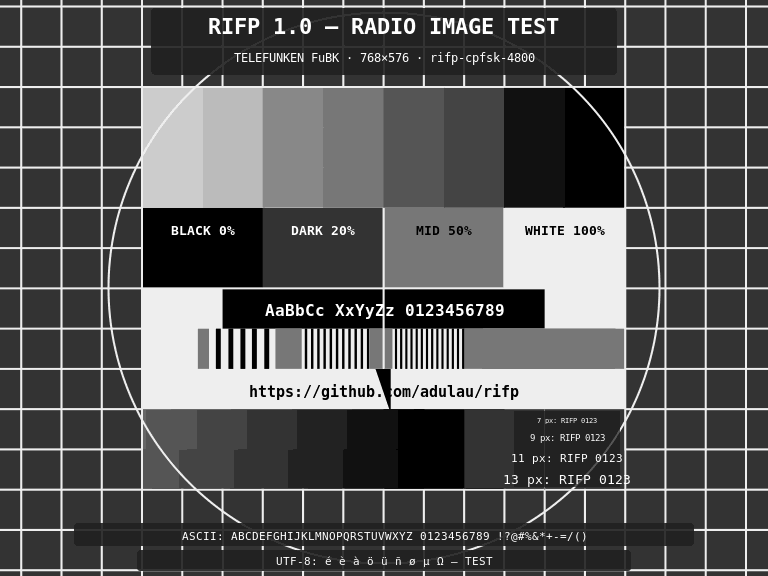
The Radio Image Framing Protocol (RIFP) 1.0 is an experimental, extensible standard for sending images over low-rate radio links.
The default rifp-cpfsk-4800 profile uses binary continuous-phase FSK and can be deployed around 433.92 MHz where local regulation permits it. RIFP itself is not tied to 433 MHz or to FSK and can be used in any frequency bands.
I'm still exploring various low-cost options for a device that can receive and display images on an e-ink screen in emergency areas or similar environments.
 Python implementation #radio #fax #433mhz #opensource
fediverse: Fediverse network (2018)
An early snapshot of the federation network among web publishers using the ActivityPub protocol. Nodes are instances, and a directed edge exists if an instance follows another instance.
This network has 4860 nodes and 484164 edges.
Tags: Social, Online, Information
https://ne…
as_skitter: Skitter IP graph (2005)
An aggregate snapshot of the Internet Protocol (IP) graph, as measured by the traceroute tool on CAIDA's skitter infrastructure, in 2005.
This network has 1696415 nodes and 11095298 edges.
Tags: Technological, Communication, Unweighted
https://networks.skewed.de/net/as_s…
 @blackknight95857669@social.linux.pizza