 @netzschleuder@social.skewed.de
2026-04-13 01:00:04
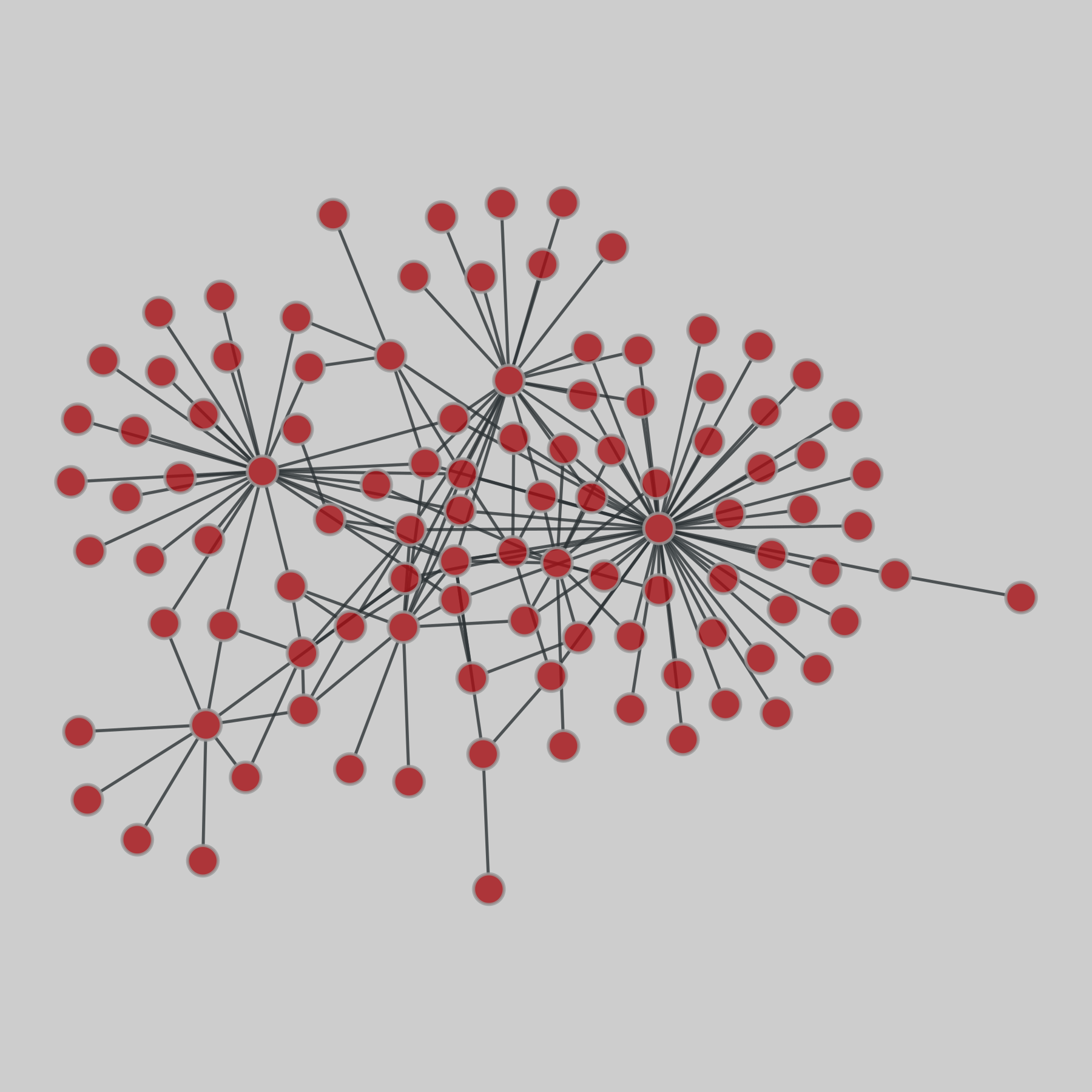
plant_pol_vazquez: Vazquez & Simberloff plant-pollinator webs
Eight bipartite networks of plants and pollinators, from the Nahuel Huapi National Park and surrounding areas in Rio Negro, Argentina, from September 1999 to Feburary 2000. Edge weights represent the frequency of species interaction, and there is a common set of vertices across all eight webs.
This network has 144 nodes and 164 edges.
Tags: Biological, Food web, Weighted, Multilayer
 @ErikJonker@mastodon.social
2026-02-09 08:16:02
SIDN fonds en Digital Holland zoeken projecten die in de praktijk onderzoeken wat nodig is om digitale autonomie te versterken. We zijn daarbij op zoek naar aanvragen van consortia, die bestaan uit tenminste een kennisinstelling en een bedrijf. De voorkeur hebben projecten waarbij daarnaast een organisatie is betrokken waar de pilot wordt uitgevoerd.
De deadline om een projectvoorstel in te dienen is 23 februari 2026 om 13:00 uur.
 @netzschleuder@social.skewed.de
2026-02-12 00:00:07
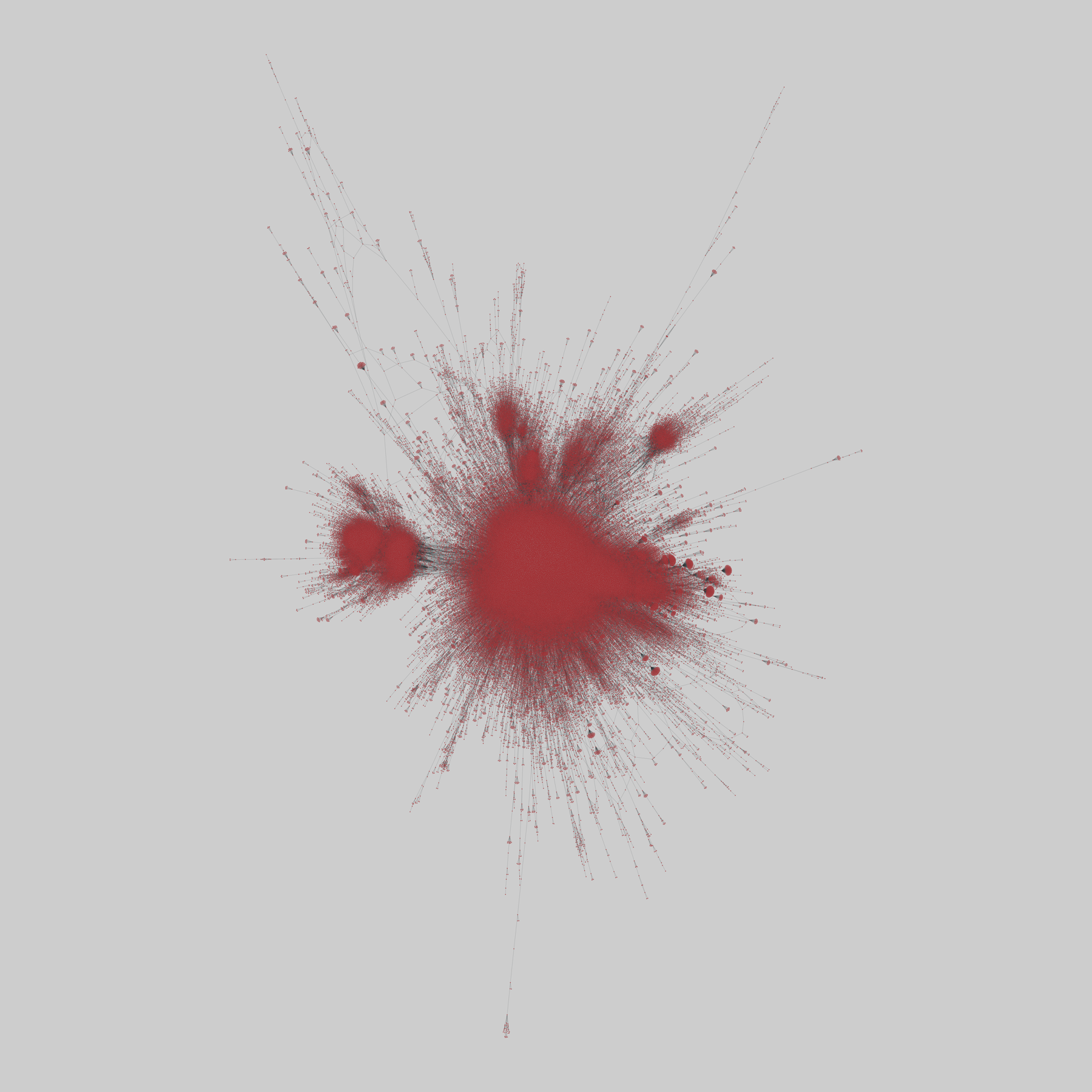
dbpedia_starring: DBpedia film-actor network
A bipartite network of movies and the actors that played in them, as extracted from Wikipedia by the DBpedia project. The date of this snapshot is uncertain.
This network has 157184 nodes and 281396 edges.
Tags: Economic, Employment, Unweighted
https://network…
 @stiefkind@mastodon.social
2026-04-04 15:24:13
Heute The Net 2.0 von Konserve geschaut. Weil zwengs der Vollständigkeit halber und Hackerfilme und so: https://de.wikipedia.org/wiki/Das_Netz_2.0
Einer der schlechtesten Filme, die ich in den letzten 30 Jahren geschaut habe. Plot schlecht, Schnitt schlecht, Dialoge schlecht, Stunts s…
 @burger_jaap@mastodon.social
2026-03-09 13:32:19
“De sturing houdt rekening met dynamische elektriciteitsprijzen, zonnepanelen en het verbruikspatroon van de eigenaar. Denk aan inschatten wanneer er warm water nodig is, of al een beetje voorverwarmen op momenten van veel zonne-energie.“
https://news.eneco.be/persberi…
 @callunavulgaris@mastodon.scot
2026-03-07 10:06:29
There is a cauliflower hash brown on that plate. It's not everyone's cup of tea but I adore cauliflower. Sparky doesn't like cauliflower but he might so he needs to get into the small space between my lap and the table to make sure. Usually we shut them out when we eat but I was home alone yesterday, a rare occurrence, and risked it.
#caturday

 @nico@lepoulsdumonde.com
2026-04-08 15:05:28
Si les culs bénits appliquaient plutôt l’amour du prochain on serait dans un monde bien différent

 @maxheadroom@hub.uckermark.social
2026-04-07 10:55:59
Wissta Bescheid
 @ErikJonker@mastodon.social
2026-04-06 13:28:49
Interessante pilot, hopelijk snel naar productie
#nds
@netzschleuder@social.skewed.de2026-04-08 23:00:04
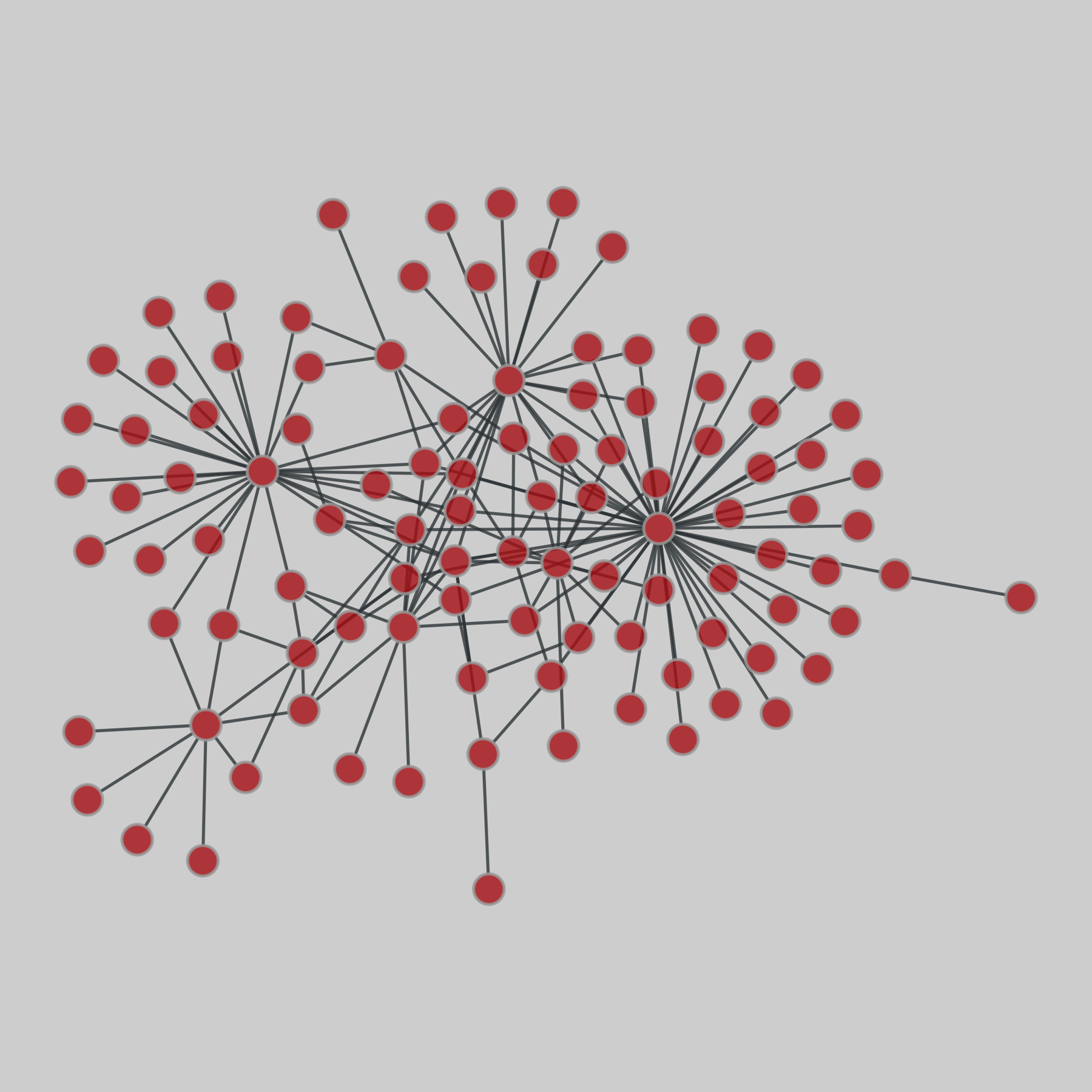
plant_pol_vazquez: Vazquez & Simberloff plant-pollinator webs
Eight bipartite networks of plants and pollinators, from the Nahuel Huapi National Park and surrounding areas in Rio Negro, Argentina, from September 1999 to Feburary 2000. Edge weights represent the frequency of species interaction, and there is a common set of vertices across all eight webs.
This network has 144 nodes and 164 edges.
Tags: Biological, Food web, Weighted, Multilayer