 @cdarwin@c.im
2026-09-14 23:57:52
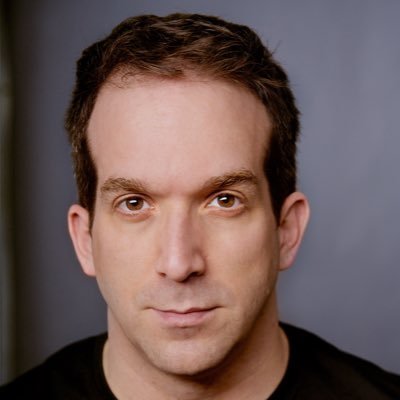
Scotland, Wales and Northern Ireland’s leaders sign independence pact
SNP, Plaid Cymru and Sinn Féin leaders sign pact to pressure Downing Street into holding independence referendums
‘Burnham will be the last PM of the UK’
https://www.independent.co.uk…

 @davidaugust@mastodon.online
2026-08-14 16:16:05
"You cannot try to 'get the job'. Just go in there, have some fun and do your version of that part. 'This is what I'm selling. If you want to buy it, that's cool. Have some adjustments for me? That's fine, I'll make some adjustments, but this is basically what I want to do.' THAT'S the attitude, sort of 'f*ck it' attitude. Not f*ck you...but, f*ck it."
—Sam Rockwell
 @heiseonline@social.heise.de
2026-08-14 04:57:03

 @detondev@social.linux.pizza
2026-08-15 06:49:52
I wanna be the sincere equivalent to one of those people who die, come back just fine, and go on some tabloid podcasts saying some pseud bullshit about what they saw
 @stefan@gardenstate.social
2026-10-14 11:28:26
Radio Station in Montclair Has Played the Same Boyz II Men Song Every Day for 13 Years
https://njmonthly.com/articles/arts-entertainment/pirate-radio-station-only-plays-boyz-ii-men/

 @doktrock@toad.social
2026-08-14 16:42:43
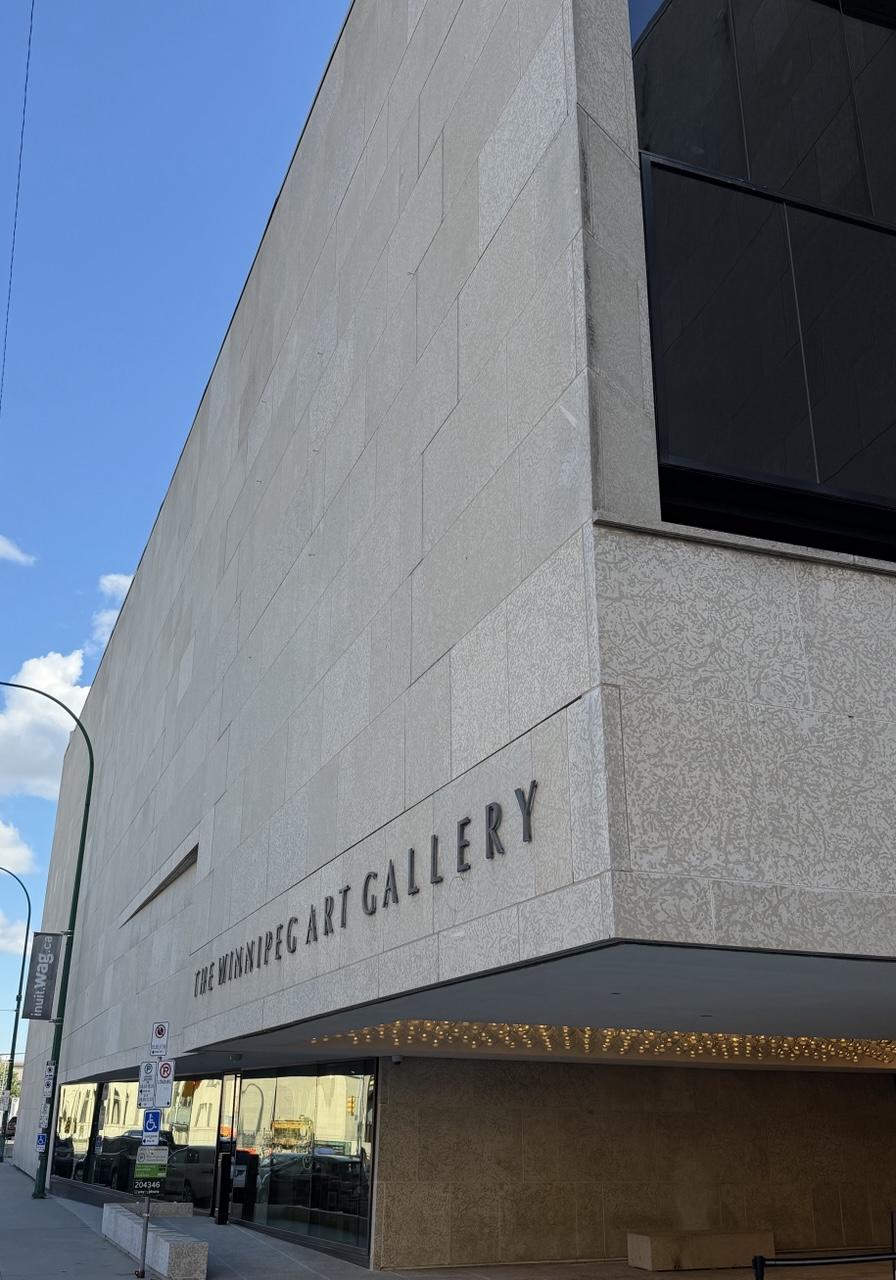
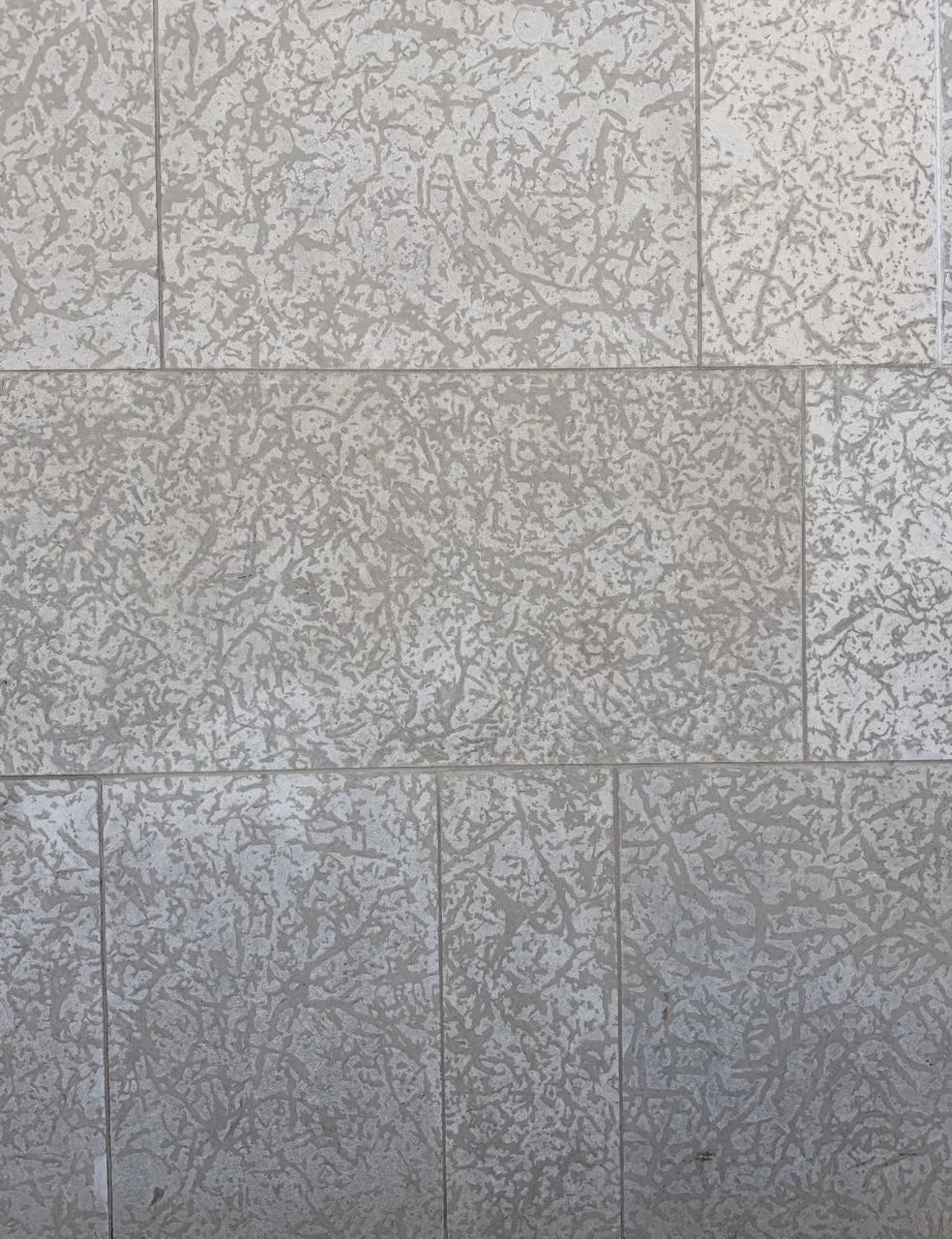
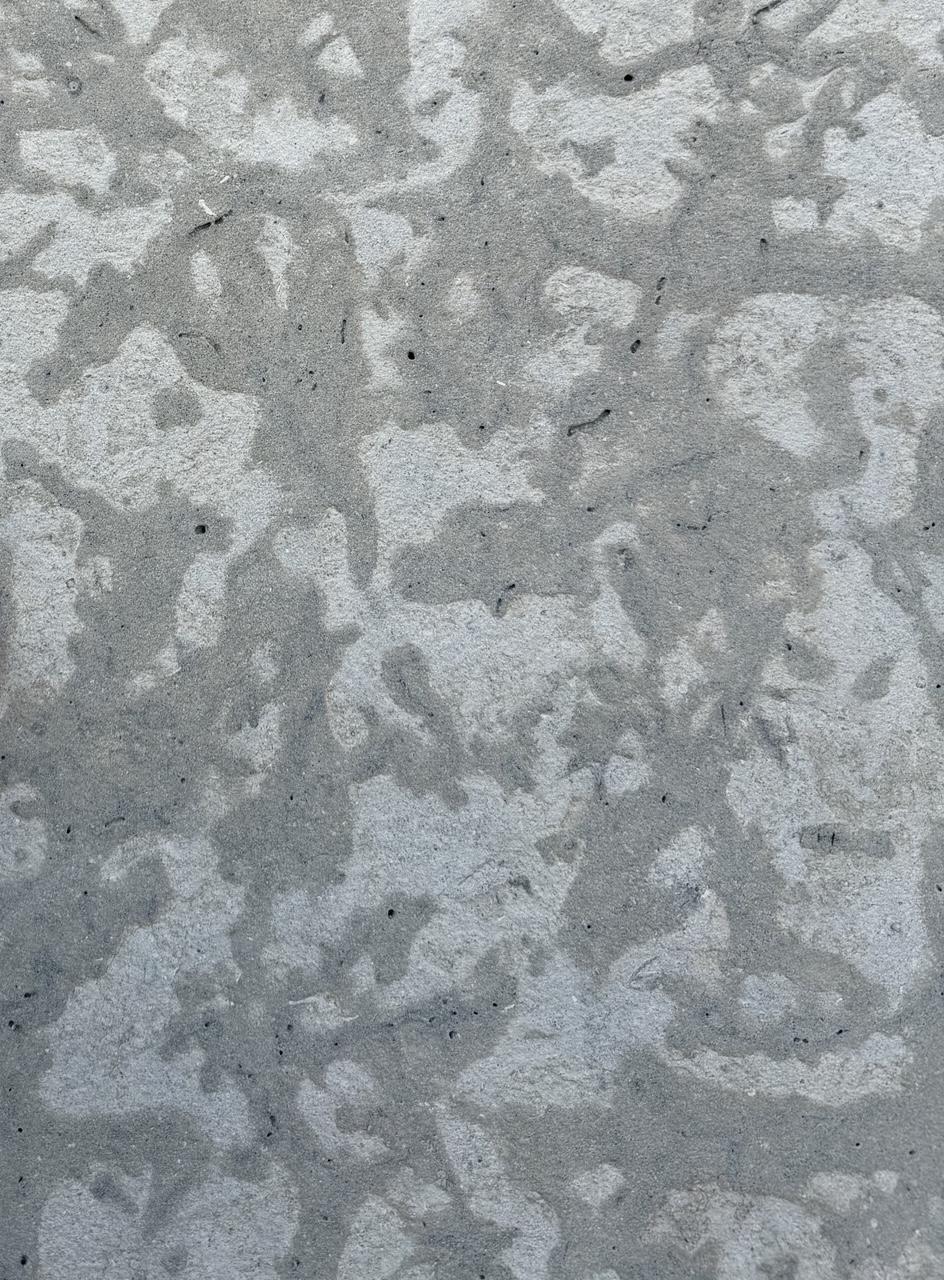
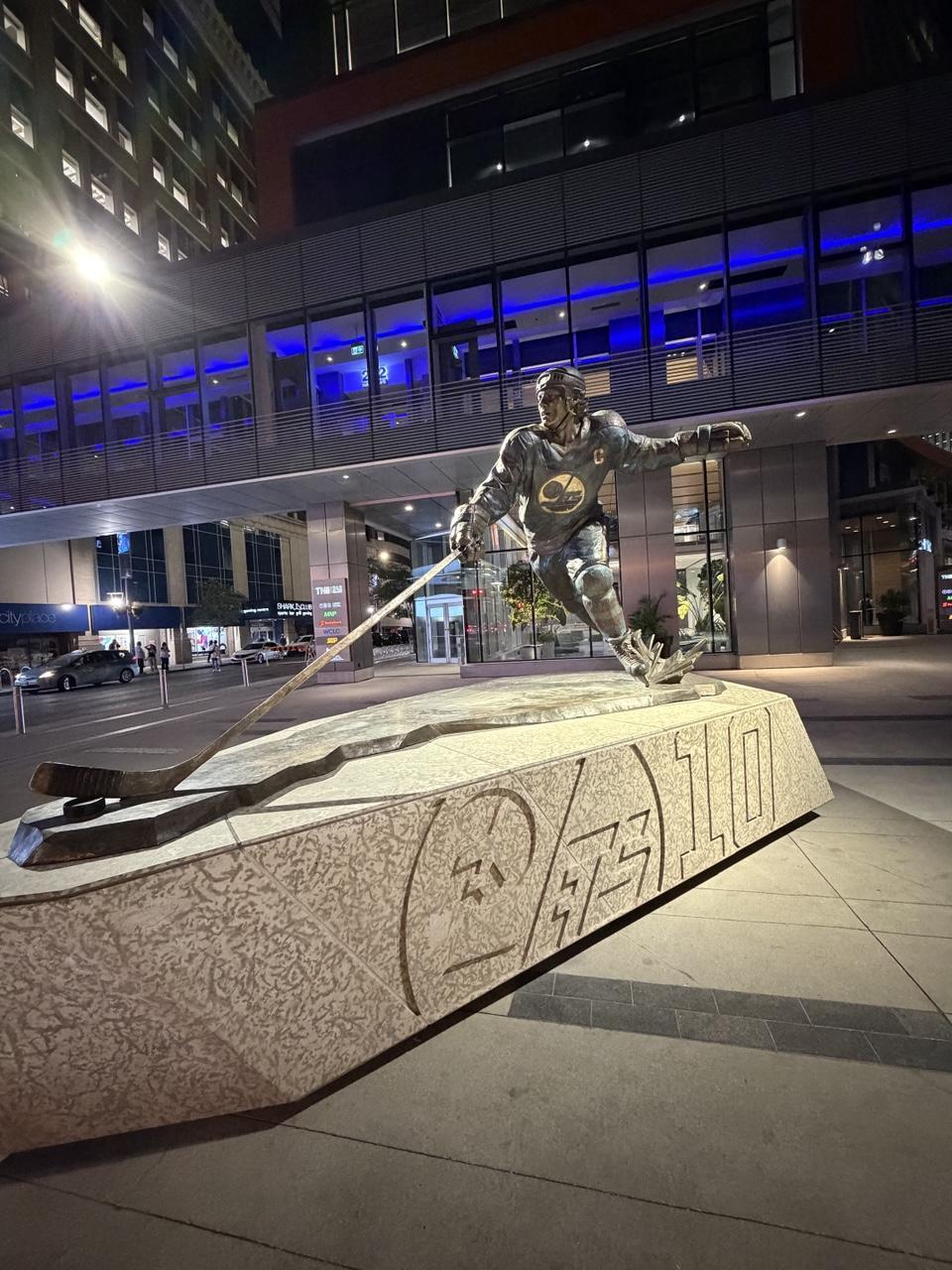
Selkirk Member of the Ordovician Red River Formation, aka Tyndall Stone commercially, as seen in Winnipeg, Canada.
Complex 3D burrows are interpreted as Thalassinoides; the color difference is due to dolomite vs calcite matrix. #FossilFriday urban #geology
 @jon@henshaw.social
2026-10-13 20:51:07
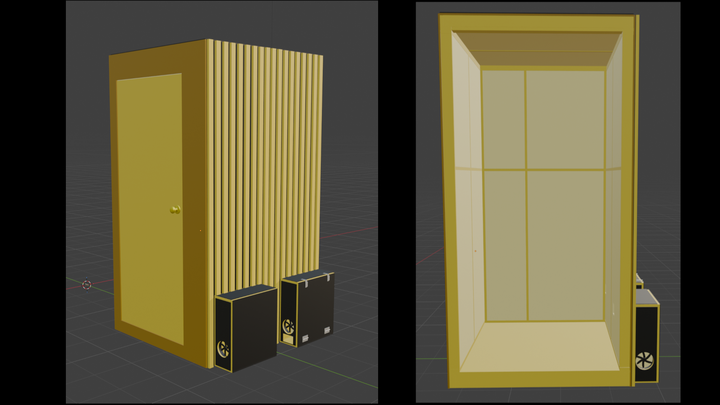
One of the best humans I know is a disabled musician who cannot afford the materials to build a vocal booth. Please consider helping him build one so he can finish his vocals at home.
More details about the project and him are at: https://gofund.me/7c7c0d557
 @annsev@troet.cafe
2026-09-15 10:11:21
Das wäre dem Bürgermeister ncht passiert, wenn er schon längst die #Meta Plattformen verlassen hätte und aufs #Fediverse umgezogen wäre, zB Mastodon.
Da hätte er seine Fan-Gemeinde anregen können, ihm dorthin zu folgen.
Wir alle wissen, wie die Plattform-Kapitalisten, die Techautoritären drauf sind.…
 @stefan@gardenstate.social
2026-09-14 02:43:07
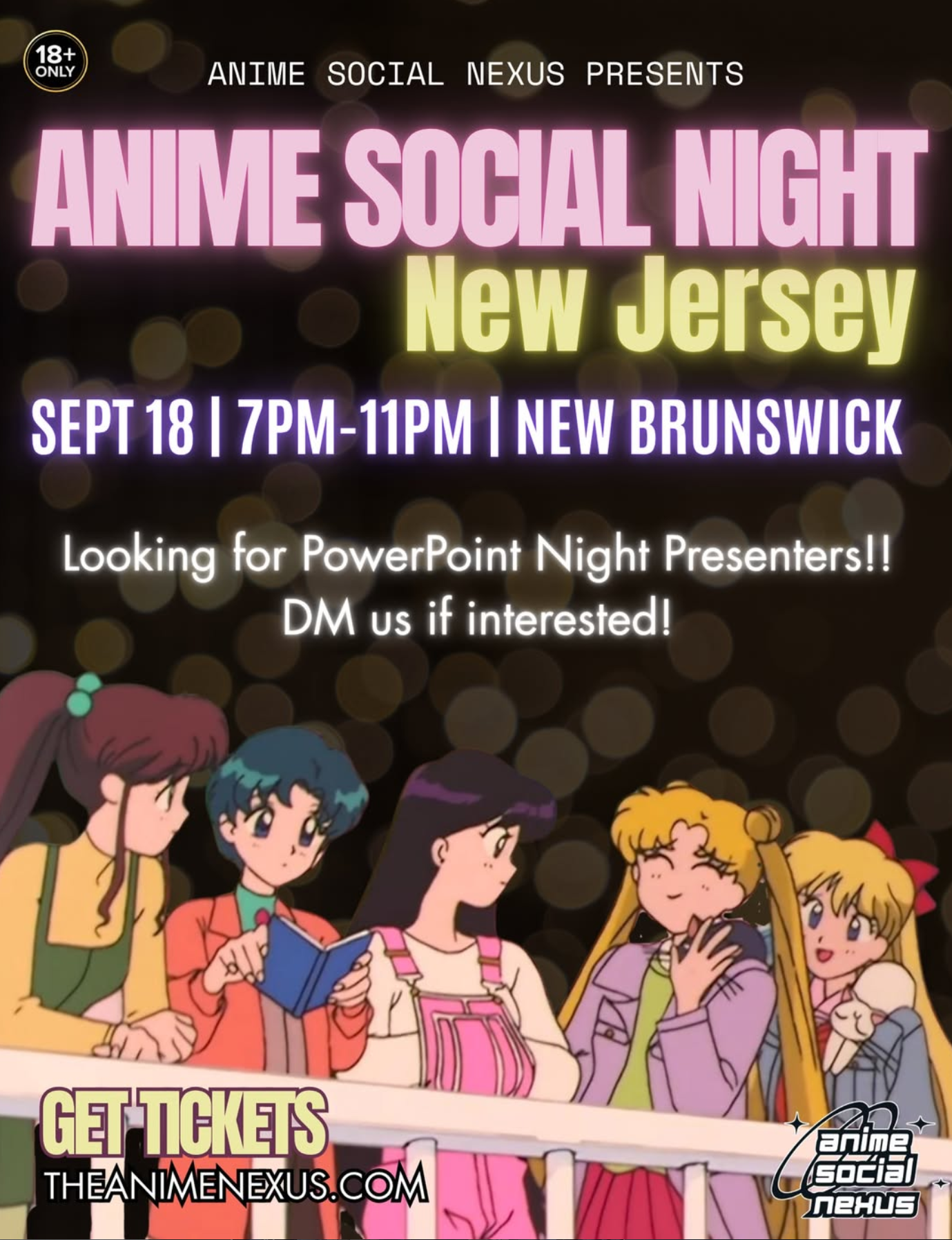
🗓️ Friday, September 18
⏰ 7PM-11PM
📍 Glass Woods Tavern Bar & Lounge in the Hyatt Regency New Brunswick
📍 2 Albany St, New Brunswick, NJ
🎫 Tickets at the link in our bio!
🚫 18 only event
https://www.instagram.com/p/DdJ6abzRJuB/
 @heiseonline@social.heise.de
2026-09-10 17:00:04
