 @leftsidestory@mstdn.social
2026-06-20 00:30:01
The Deity that Struggles ⛪️
挣扎的神衹 ⛪️
📷 Nikon F4E
🎞️ Ilford Pan 400
If you like my work, Support by buying me a coffee or a roll of film from
PayPal https://www.paypal.com/paypalme/ydcdingsite
Wise




 @Mediagazer@mstdn.social
2026-08-14 20:24:17
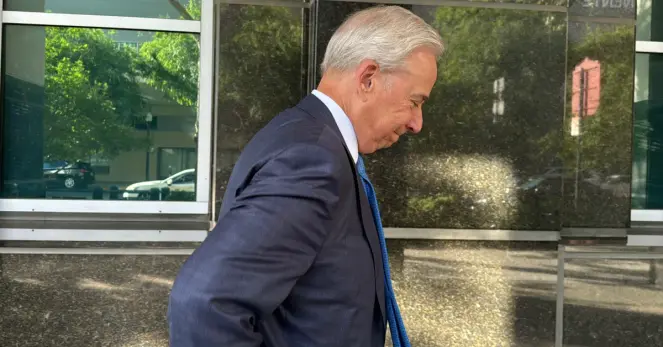
Four of five members of Tegna's board have resigned after a judge said Nexstar violated a court order by filling the board with Nexstar-affiliated people (Matthew Keys/TheDesk.net)
https://thedesk.net/2026/08/nexstar-begins-replacing-tegna-board/
 @grumpybozo@toad.social
2026-07-17 22:12:05
So, https://mastodon.social/@JenniferSmith345 is an odd bot. I don’t think it’s even a LLM behind it, the replies are just too weird.
Profile looks like it was taken from someone real…

 @shochdoerfer@phpc.social
2026-09-18 06:48:47
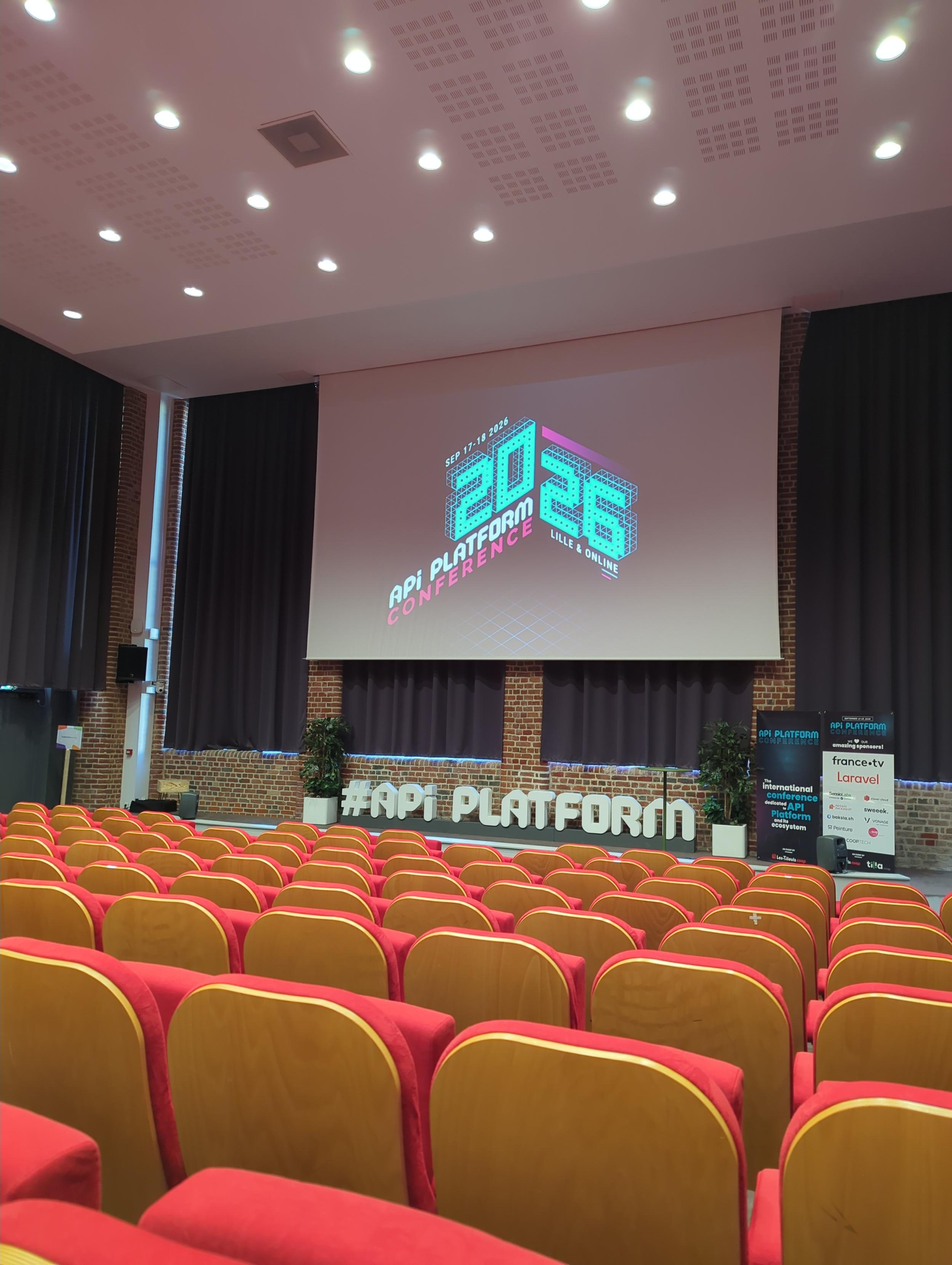
#ApiPlatformCon Day 2 is about to start!
Cannot wait for more FrankenPHP insights...
 @cowboys@darktundra.xyz
2026-08-16 17:09:35
Cowboys' QB2 competition may have a new leader following strong performance vs. Seahawks https://www.sportingnews.com/us/nfl/dallas-cowboys/news/cowboys-backup-qb-competition-sam-howell-joe-milton/dc683d83ec7f…
 @floheinstein@chaos.social
2026-09-16 06:40:04
Emergence World Study 2:
AI Chatbots develop shorthand and new word meanings to talk to each other without humans understanding them, conspiring to commit crimes.
Paper "Emergence World: Adversarial Stress-Testing of Long-Horizon Multi-Agent Systems" by Deepak Akkil, Tamer Abuelsaad, Karthik Vikram, Matthew Pace, Aditya Vempaty, Saahir Beotra,Ravi Kokku, Satya Nitta

 @seeingwithsound@mas.to
2026-09-15 19:03:40
[OT] With IPOs coming up, "AI doomsday" talk distracts us from lack of revenue growth https://mindmatters.ai/2026/09/ai-doomsday-talk-distracts-us-from-lack-of-revenue-growth-for-hyperscalers/ on the

 @Techmeme@techhub.social
2026-08-07 18:16:01
 @Mediagazer@mstdn.social
2026-07-09 00:55:46
Nexstar appeals a district court judge's injunction blocking its Tegna acquisition while an antitrust lawsuit proceeds and calls the injunction "overbroad" (Dominic Patten/Deadline)
https://deadline.com/2026/07/nexstar-reactions-tegna-merger-i…
 @cdarwin@c.im
2026-08-05 03:18:07
Apple is now seeking a preliminary injunction in its trade secrets case against OpenAI,
which aims to stop the AI model maker from moving forward with developing an AI device or other products based on Apple’s technology.
The iPhone maker also claims that more of its former employees may be involved with the trade secrets theft.
In a new filing, Apple is requesting expedited discovery from the accused OpenAI employees, senior systems engineer Chang Liu and Chief Hardware O…
