 @cdarwin@c.im
2026-08-19 21:15:01
Since China offered a truce in the trade war last October following its threat to deprive the United States of rare-earth magnets,
the Trump administration has been happy to stop escalating.
After all, imports from China have been falling, down by 40% in the year to June, compared with the same period in 2024.
Best to declare victory and call it a day.
But the US hasn’t won this battle
– and there’s strong evidence to show it’s afraid to really try.
Last …

 @detondev@social.linux.pizza
2026-07-14 19:01:01
A few highlights from the Turkish-Persian section of a random carpet symbolism book I skimmed while stopped at a random library in New Jersey a couple days ago
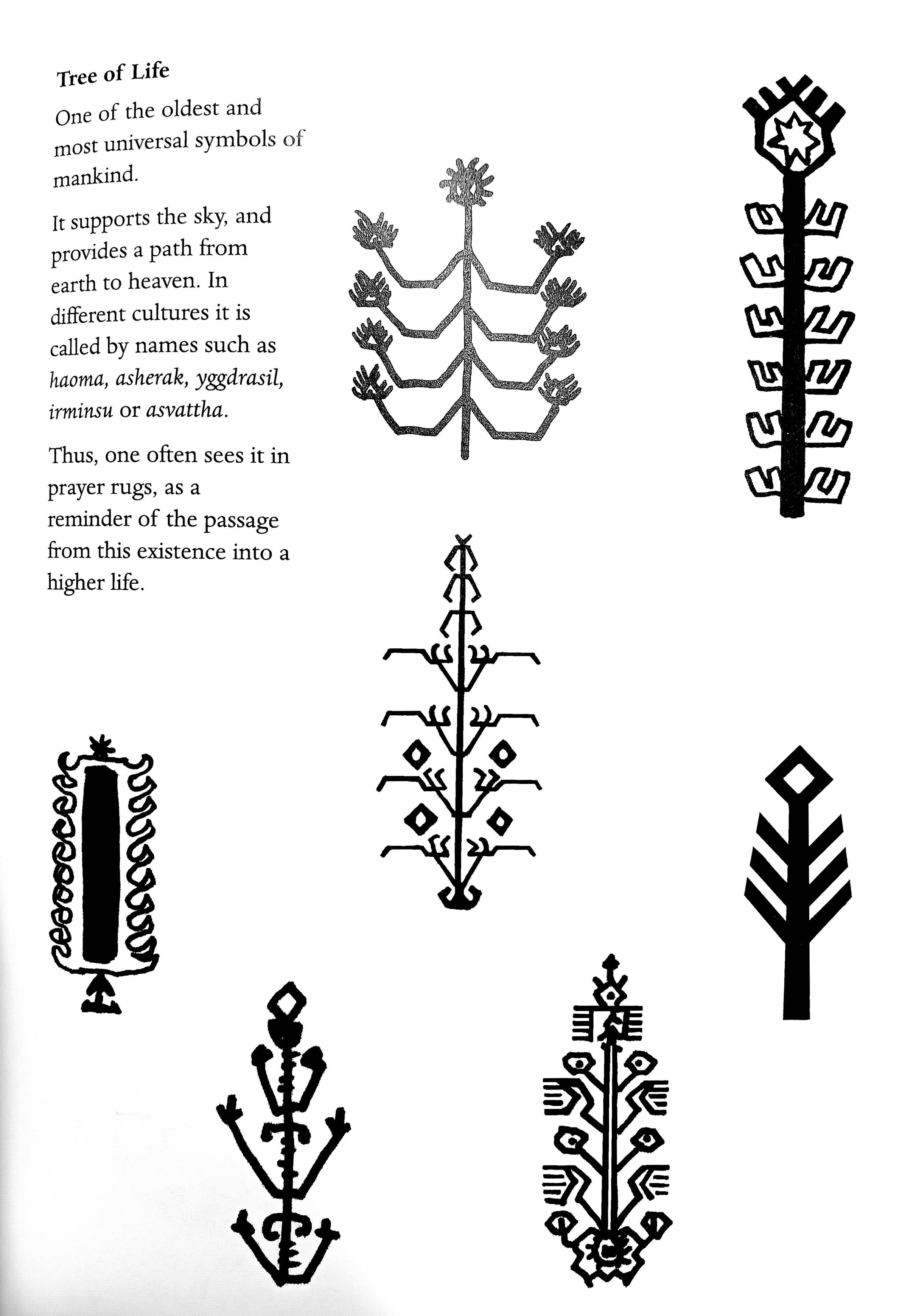

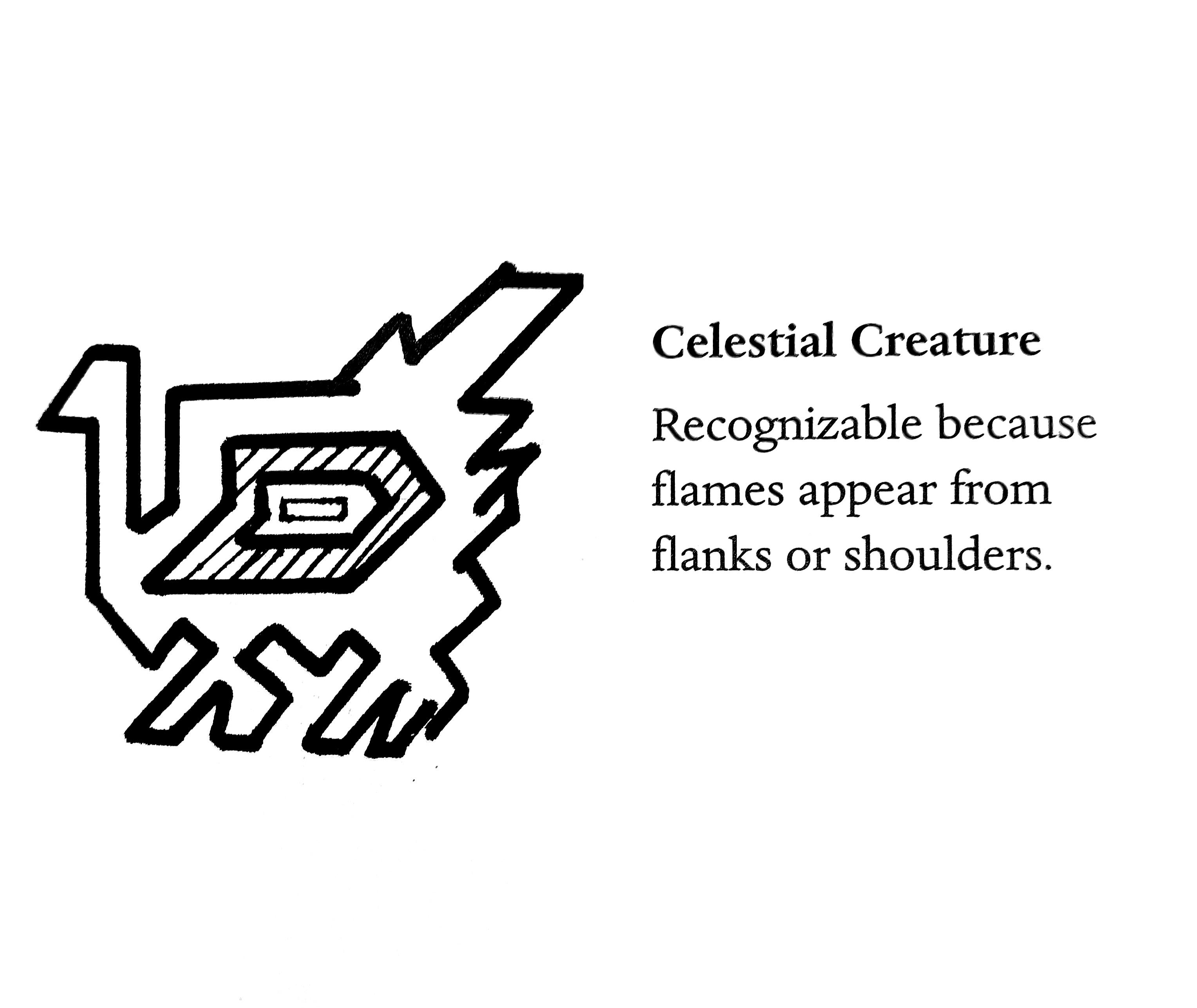
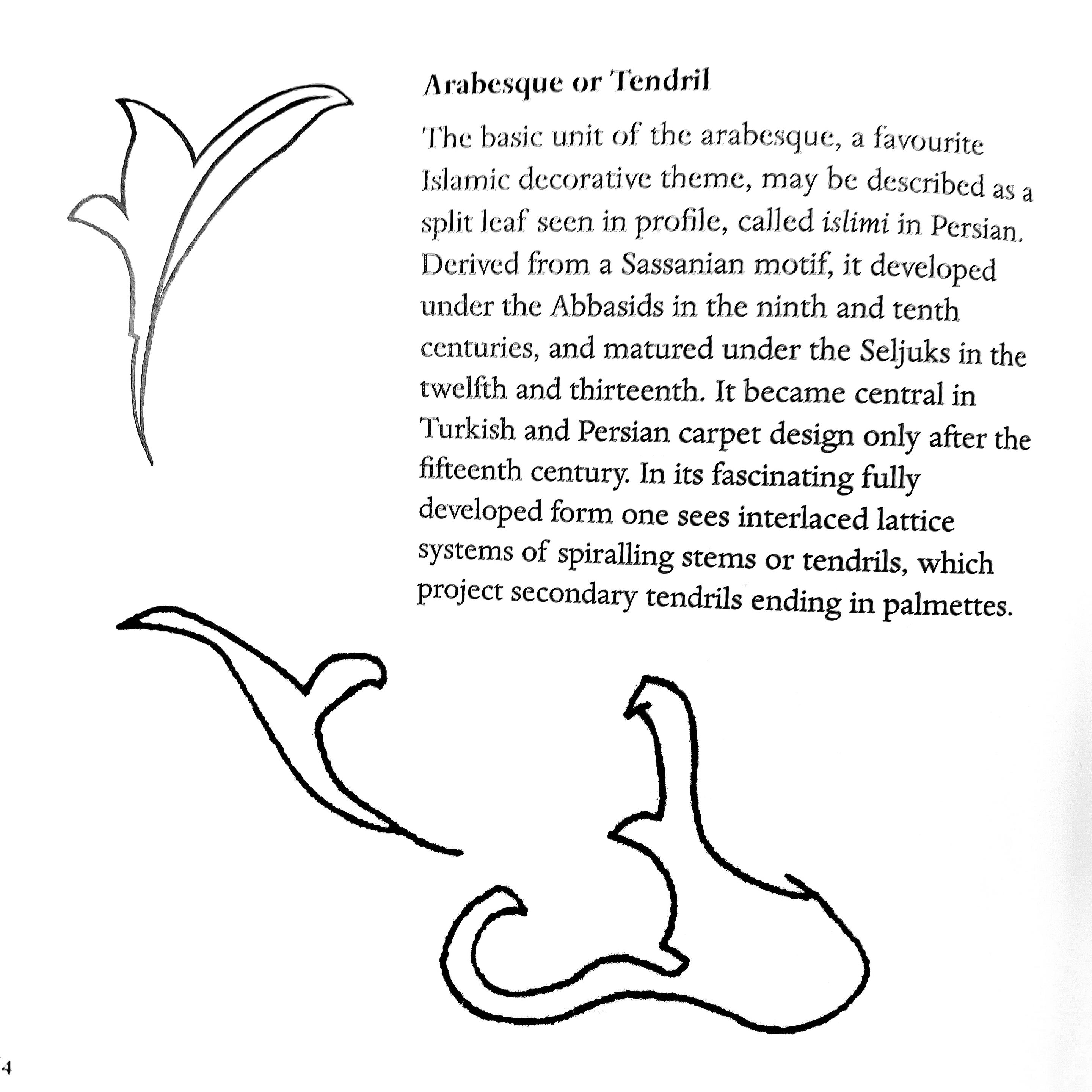
 @mgorny@social.treehouse.systems
2026-07-07 14:01:05
"""
[…] and I opened the case (politely examined by the guards of the Palace at four stages of my approach to the Red Hall) that held my ansible and some pictures. The pictures—films, photos, paintings, actives, and some cubes—were a little gallery of Man: people of Hain, Chiffewar, and the Cetians, of S and Terra and Alterra, of the Utter-mosts, Kapteyn, Ollul, Four-Taurus, Rokanan, Ensbo, Cime, Gde and Sheashel Haven … The king glanced at a couple without interest. “What’s this?”
“A person from Cime, a female.” I had to use the word that Gethenians would apply only to a person in the culminant phase of kemmer [a cyclical period of heightened sexual activity during which secondary gender characteristics emerge], the alternative being their word for a female animal.
“Permanently?”
“Yes.”
He dropped the cube and stood swinging from foot to foot, staring at me or a little past me, the firelight shifting on his face. “They’re all like that—like you?”
This was the hurdle I could not lower for them. They must, in the end, learn to take it in their stride.
“Yes. Gethenian sexual physiology, so far as we yet know, is unique among human beings.”
“So all of them, out on these other planets, are in permanent kemmer? A society of perverts? So Lord Tibe put it; I thought he was joking. Well, it may be the fact, but it’s a disgusting idea, Mr. Ai, and I don’t see why human beings here on earth should want or tolerate any dealings with creatures so monstrously different. […]”
"""
(Ursula K. Le Guin, The Left Hand of Darkness)
 @danyork@mastodon.social
2026-08-12 02:23:48
AVFTCN 042 – How Many Satellites Are Planned for LEO? (Also… Australia travel)
How many satellites are currently planned for low Earth orbit (LEO)? 10,000? 100,000? 500,000? 1,000,000? 10,000,000? The answer is higher than you might expect in terms of filings with the International Telecommunication Union (ITU)... the real question is: how many will actually launch into orbit? I gave a presentation about all of this at the SPACE Research Group session at the recent…

 @peterhoneyman@a2mi.social
2026-09-11 00:05:22


 @detondev@social.linux.pizza
2026-09-12 06:23:28
Found a site that always goes the extra mile for it's niche subject, to the point I genuinely feel bad tryna explore rather than be a sincere initiate https://enochian.net/



 @hikingdude@mastodon.social
2026-08-03 20:16:32
I wanted to post mountain photos more regularly again! So here's one trail from last year where I started really early to avoid the heat.
It was a hike that I did alone and met just like ... 2 or 3 people. Oh and I was glad to have a water filter with me!
I spotted a spring on my way up and - knowing that I'd come pack to it later - I didn't have to use my water sparingly.
Enjoy!

 @davidaugust@mastodon.online
2026-07-09 09:28:17
A flying robot with an explosive payload can fly through some of the most heavily defended airspace on earth, by itself, for like a thousand miles to turn a petrochemical facility into a raging inferno just by comparing what it sees with its camera to the images in its memory banks.
But no one has found a way to peek into a hospital room to find out if an octogenarian Senator from Kentucky has a pulse.
Can we send in a pulse finding drone perhaps for a heart attack damage asses…
@cdarwin@c.im2026-06-29 06:12:54
NASA is racing to save an aging telescope from falling back to Earth with a daring rescue mission.
The $30 million salvage operation gets underway as soon as this week with the planned launch of a robotic lifesaver.
NASA hired startup
Katalyst Space Technologies
to boost the Swift Observatory to a higher orbit
where it can continue hunting for some of the universe’s biggest explosions.
A three-armed spacecraft built by Katalyst will chase after Swift once …
 @cdarwin@c.im
2026-08-30 01:09:05
In the silent, frozen expanse of interstellar space,
two small emissaries from Earth continue their lonely journey.
Voyager 1 and Voyager 2, launched in the late 1970s, have traveled farther than any human-made objects in history.
But as they drift deeper into the void, their nuclear power sources dwindle,
forcing mission controllers at NASA’s Jet Propulsion Laboratory to make difficult choices.
To keep these aging pioneers alive, engineers are preparing a da…
