@gardenscorpion@osna.social
2026-07-21 06:12:18
#bramscherstraße in #osnabruck wird auch nach Umbau gefährlich für #radfahrer sein.
Gefährlich eingequetscht zwischen zu schnell fahrenden
 @paulwermer@sfba.social
2026-06-21 14:19:32
The intersection of many man-made actions - #ClimateCrisis, excessive #ResourceExtraction, #Wetlands "reclamation" - all in the interest of profit, now starting to show the actual costs.…
 @PaulWermer@sfba.social
2026-06-21 14:19:32
The intersection of many man-made actions - #ClimateCrisis, excessive #ResourceExtraction, #Wetlands "reclamation" - all in the interest of profit, now starting to show the actual costs.…
 @theodric@social.linux.pizza
2026-06-21 18:03:55
I have an idea!
Let's take the tops of those plants over there, and beat the hell out of them until the stuff on the top falls off, and then grind it into a powder.
And we'll sneak up to that giant animal and squeeze the protrusions on its belly and stratify the effluent; and of the thickest, we'll beat the hell out of it until it becomes a golden paste.
We'll take water from the ocean, all that we can carry, and leave it lying in the hot sun until the water d…
 @seav@en.osm.town
2026-06-21 06:50:51

 @tinoeberl@mastodon.online
2026-09-21 04:06:02
👻 #Mythos zum #Frühstück: 😱
„#Plastikmüll kann man wieder aus dem #Ozean holen“.
Es gibt Startups, die
 @seav@en.osm.town
2026-07-18 03:05:01
 @tinoeberl@mastodon.online
2026-08-21 04:06:02
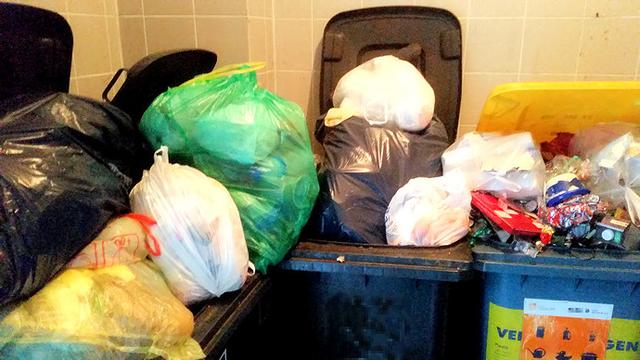
👻 #Mythos zum #Frühstück: 😱
„#Plastikmüll kann man wieder aus dem #Ozean holen“.
Es gibt Startups, die
 @tinoeberl@mastodon.online
2026-07-21 04:06:02
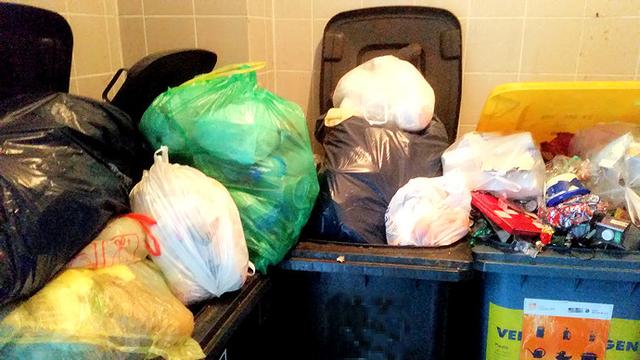
👻 #Mythos zum #Frühstück: 😱
„#Plastikmüll kann man wieder aus dem #Ozean holen“.
Es gibt Startups, die
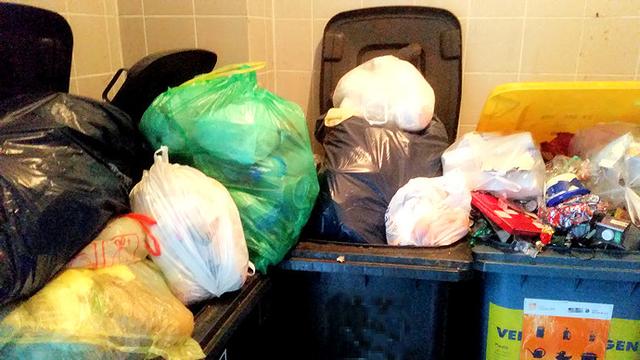 @tinoeberl@mastodon.online
2026-06-21 04:06:03
👻 #Mythos zum #Frühstück: 😱
„#Plastikmüll kann man wieder aus dem #Ozean holen“.
Es gibt Startups, die