 @Techmeme@techhub.social
2026-08-04 05:35:44
Sources: HP, Asus, and Acer have started using small amounts of DRAM chips from CXMT in their laptops for non-US markets, amid an unprecedented memory shortage (Nikkei Asia)
https://asia.nikkei.com/business/china-tech/hp-asus-and-acer-…

 @Dragofix@veganism.social
2026-08-03 22:12:09
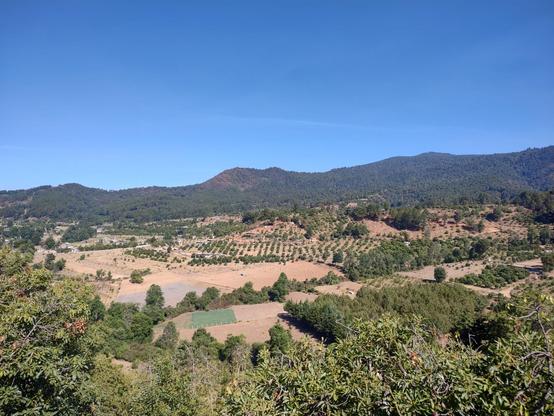
In Michoacšn, Mexico, drying soil threatens water supplies and avocados, says study https://news.mongabay.com/2026/07/in-michoacan-mexico-drying-soil-threatens-water-supplies-and-avocados-says-study/
 @rainerzufall_le@mastodon.social
2026-08-12 11:39:20
Von mehr Mehrwegverpackungen aus Glas für bspw. Öl und Essig fühle ich mich als irgendwie Öko aus Ostdeutschland ja schon sehr abgeholt.
https://www.tagesschau.de/wirtschaft/verbraucher/neue-regeln-eu-verpackungsverordnung-100.html

 @luca@social.luca.run
2026-08-05 11:06:14
Edit: Ist weg.
Möchte jemand 168 Seiten „Einführung in den Fallschirmsport“ von circa 1981? Herausgegeben im Eigendruck von P. Seifried aus Graz.
Wird hier gerade aussortiert. #antiquariat #fallschirmspringen


 @metacurity@infosec.exchange
2026-08-17 15:24:26
Never a weekend slowdown in cybersecurity news, so check out today's Metacurity for the most critical infosec developments you might have missed since Friday, including
--Alibaba’s Qwen races past Meta, Google with 3 billion AI model downloads,
--AI agent exploits Snowflake flaw introduced by Copilot,
--US tells allies to pick sides in AI race with China,
--China pushes to reshape the world’s AI training data,
--China’s Zhipu claims AI edge over Anthropic in cyber test,
--Pentagon scrambles to keep pace with AI’s military risks,
--France holds crisis meeting over massive tax agency hack,
--Iran targets Israeli journalists with phishing attacks,
--Election officials blast CISA over lack of cyber support,
--AI deepfake scams surge in Australia,
--SafePal breach exposes data of nearly 40k customers,
--Bits of Gold breach exposes customer data,
--Hackers exploit Mac flaw to mine cryptocurrency,
--Seven arrested over $35m German bank hack,
--Hong Kong university probes ransomware breach claims,
--Fake GitHub site spreads Mac infostealer,
--US courts to disclose government spyware use,
--Sogang University breach exposes 180k people,
--DDoS attacks hammer secure messaging service Threema,
--Hackers hawk millions of records stolen from Azure tenants,
--London police expose emails of Al Fayed accusers,
--Microsoft kills Windows tool long abused by malware,
--French court blocks social media ban for children,
--AI can’t seem to produce any tech heroes,
--AI makes data breaches even more expensive,
--Amazon used to sell books, not destroy them
https://www.metacurity.com/alibabas-qwen-races-past-meta-google-with-3-billion-ai-model-downloads/
 @usul@piaille.fr
2026-09-10 03:54:17
En Israël, les révélations sur l’alerte reçue par Benyamin Nétanyahou avant le 7-Octobre provoquent un séisme politique
https://www.lemonde.fr/international/artic

 @cdarwin@c.im
2026-07-07 14:51:50
Jannik Sinner (1) beats Jan-Lennard Struff 7-5 7-6(4) 6-5
Struff gave it all he had, but Sinner was far too good and might, perhaps, have played himself into a bit of form.
Next for him: Auger-Aliassime or Djokovic
https://www.

 @heiseonline@social.heise.de
2026-07-19 08:12:03
Windows-Update außer der Reihe korrigiert Performanceprobleme
Microsoft verteilt ein ungeplantes Windows-Update. Es soll Probleme beheben, die insbesondere bei Dell-Computern aufgetreten sind.
https://www.

 @presseportal_pol_NDS@frawas.de
2026-07-06 21:04:20
FW-AUR: Teile von Baumkrone absturzbedroht Aurich-Wiesens (ots) - Die Feuerwehr Wiesens und die Drehleiter der Feuerwehr Aurich sind am Montagnachmittag in die Straße Am Lindenbaum ausgerückt. In unmittelbarer Nachbarschaft eines Kindergartens waren mehrere Äste aus einer Baumkrone ... https://www.presseportal.de/blauli…
 @jochenlingelba1@h-net.social
2026-07-03 10:43:41
Proofs!
So this article will finally be published soon (after quite some delays)
"Governing Refugee Mobility – Contrasting Genealogies of
Encampment in Uganda and Kenya (1930s to 1990s)"
in the Journal of Internal Displacement
#histodons #africa
